I left Scott and Michelle’s early this morning to meet another Santa Barbara friend from the old days. Alison had been a fellow grad student while I was working on my PhD, and we even shared an office for awhile. Unlike most of us grad students, who, despite our desires and best efforts, were unable to get a full-time position at UCSB after graduating, Alison actually managed to land a gig in UCSB’s political science department. She’s living the dream. It was good to catch up, and to rediscover why I really couldn’t ever survive working there.
Perched on the bluffs above the Pacific Ocean, just minutes from one of the country’s most exclusive communities, UCSB has the distinction of pairing the most beautiful setting of any UC campus with some of the worst architecture. As Exhibit A, I direct you to the library:
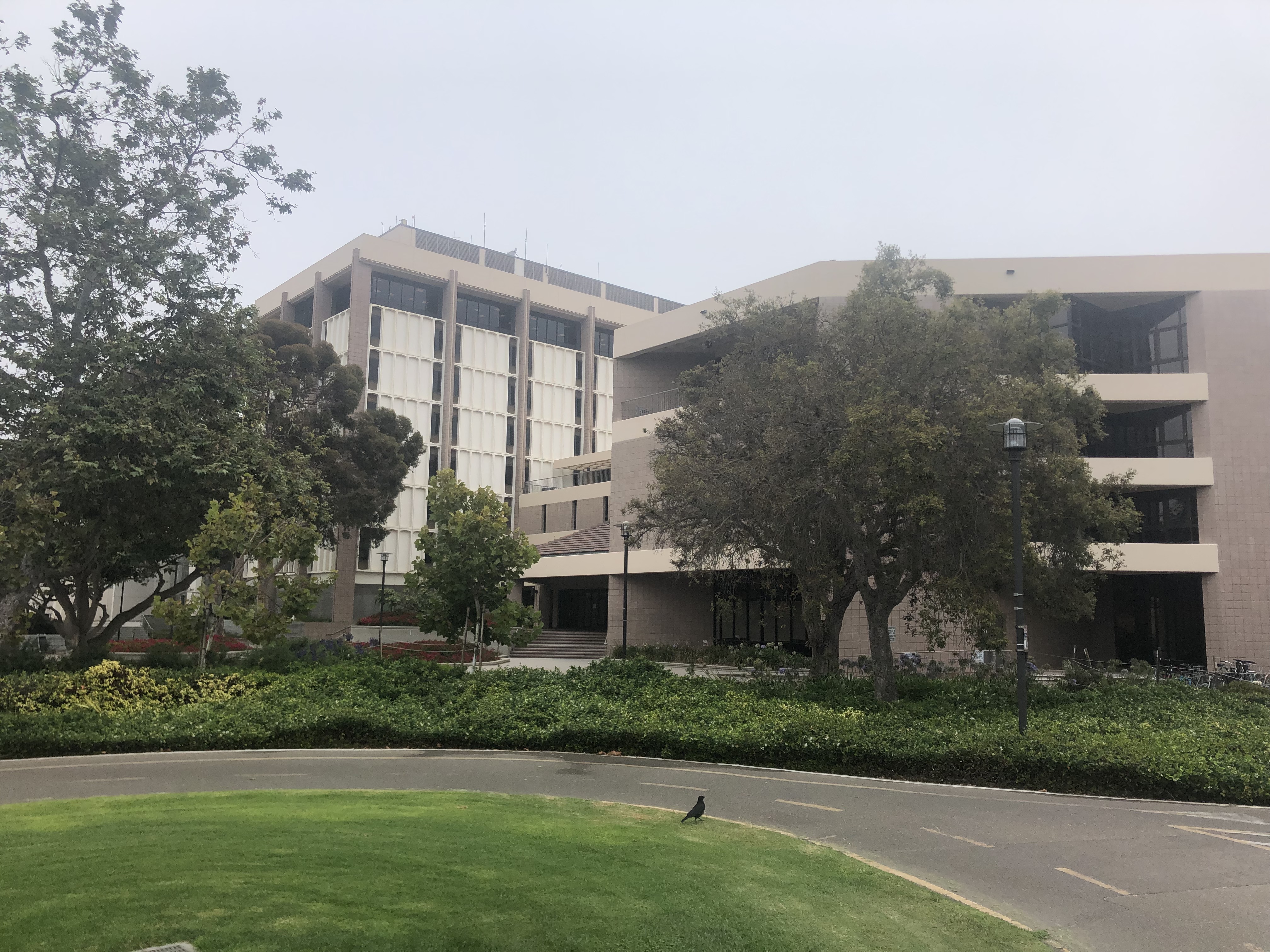
My roommate Bruce and I both worked at the library while we were undergrads. Our job position was called “Closer,” which described just the last 20 minutes of our shift, when we’d close up the library (shooing out the stragglers, locking up the doors, turning out the lights). The rest of the shift we were supposed to type into a computer various pieces information about library books (title, author, ISBN, etc), that was hand-written onto goldenrod cards by other employees as the books were checked out. This was 1981, and UCSB was in the midst of shifting its library catalog to a UPC format. It was tedious work, but we kidded ourselves that we were actually the most important workers in the library, because we had the authority to swagger through the stacks and kick people out. What’s the quote by that Pinkerton character Booker DeWitt? Something like “Give a man a little power, and he falls in all kinds of love with himself”? It embarrasses me to think about it.
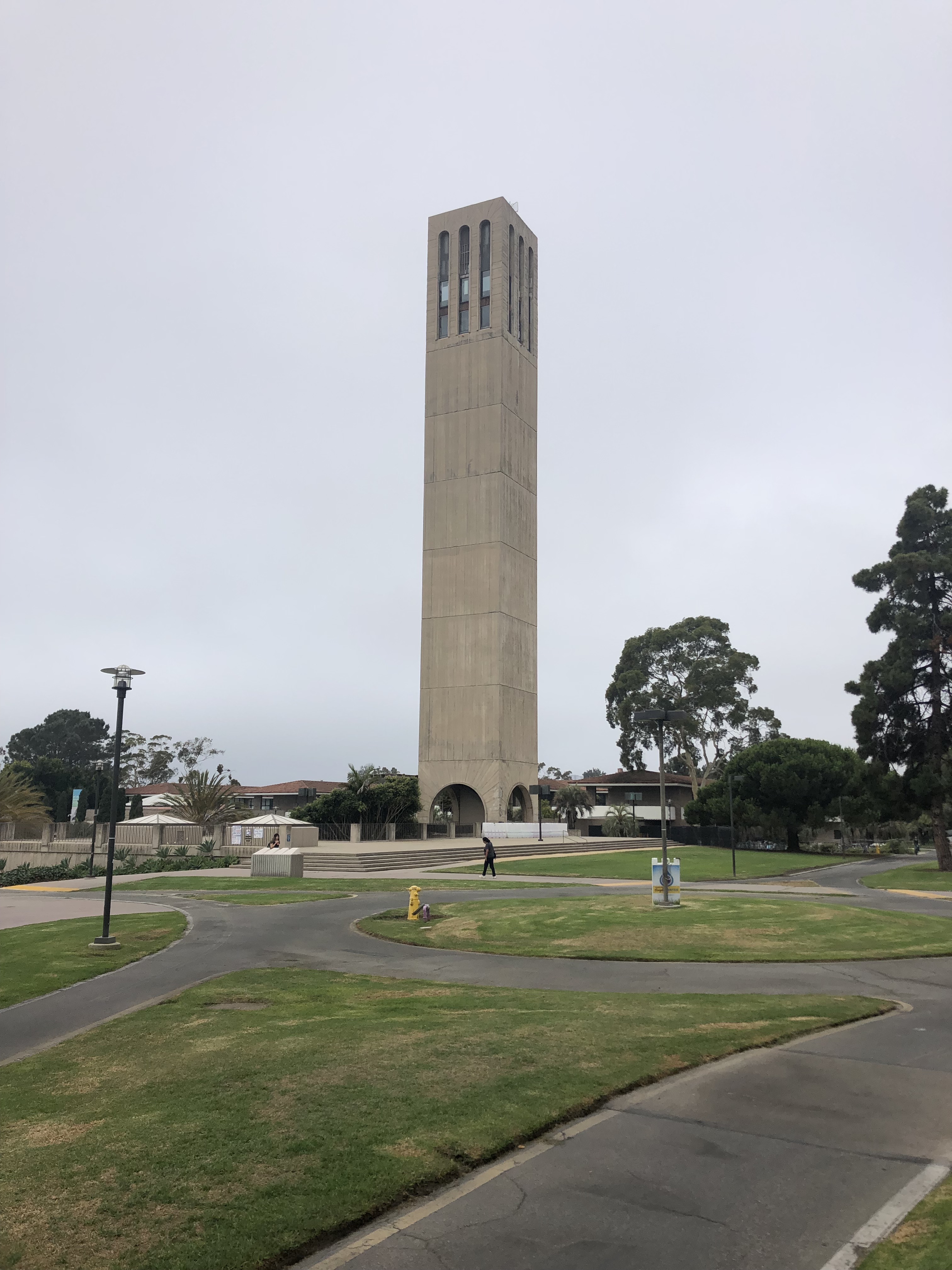
Speaking of embarrassing, and continuing with our tour of horrid UCSB architecture, here’s the bell tower that is considered “iconic” UCSB:
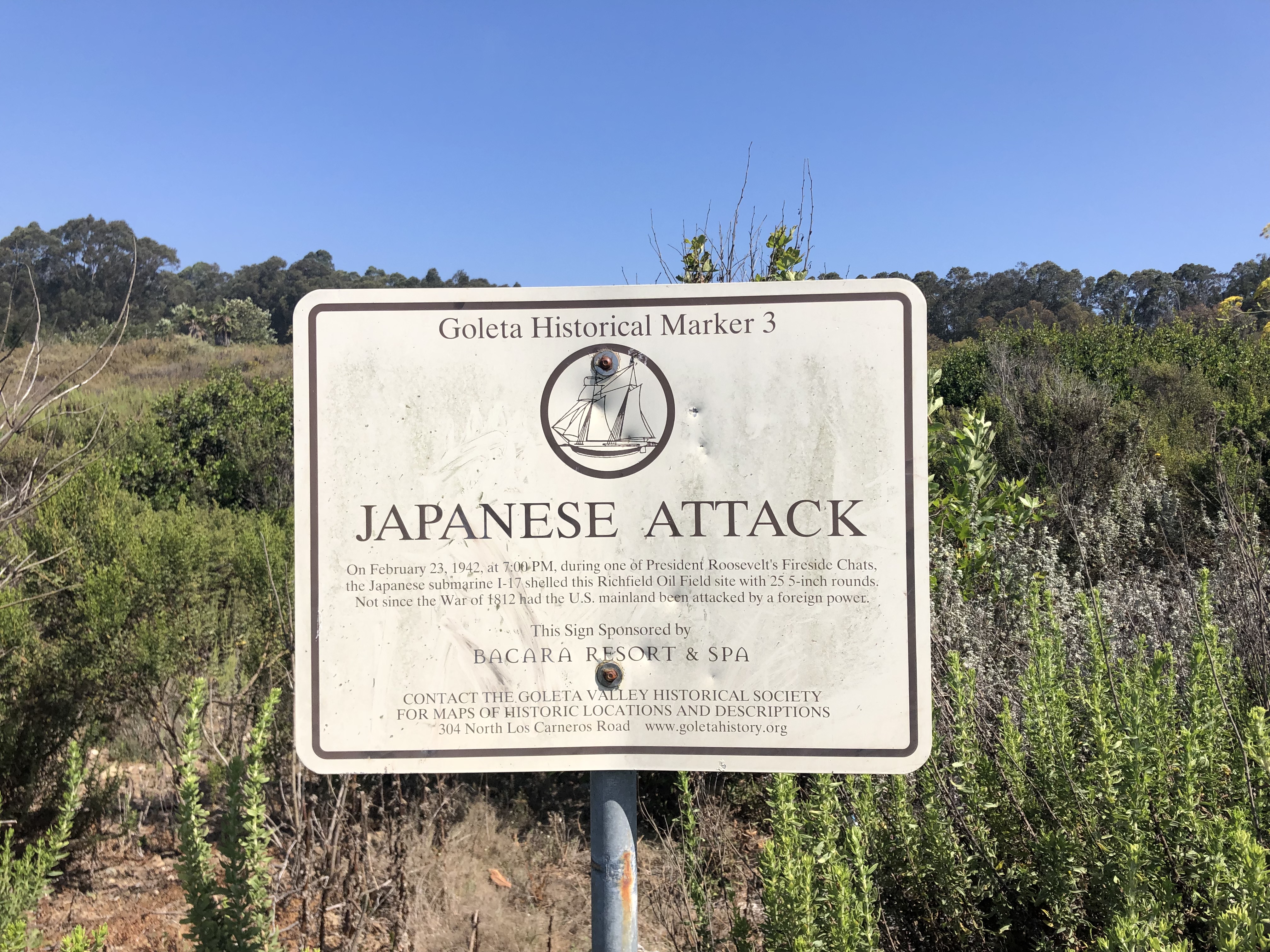
Eventually Alison had to move on to a meeting, and so it came time to leave UCSB and head north up the coast. Santa Barbara is actually a big “oil town,” in that the shoreline is essentially a thin crust of sandy soil atop pools of oil and tar. It was not uncommon, during my undergraduate days, to have tar stuck on the soles of my feet from walking barefoot on the beach. Offshore breezes send the cloying smell of petroleum into the town. Oil drilling platforms dot the horizon just beyond the state territorial limit. Refineries occupy prime real estate near the shore. One such refinery was actually the target of offshore shelling by Japanese submarine in 1942. As I read the commemorative sign (below), I was reminded that, on a trip to Oregon a few years back, Ian and I stumbled upon coastal site where the Japanese had floated incendiary bombs by air in an effort to start forest fires. Don’t ever let anyone tell you that the US mainland wasn’t attacked during the war.
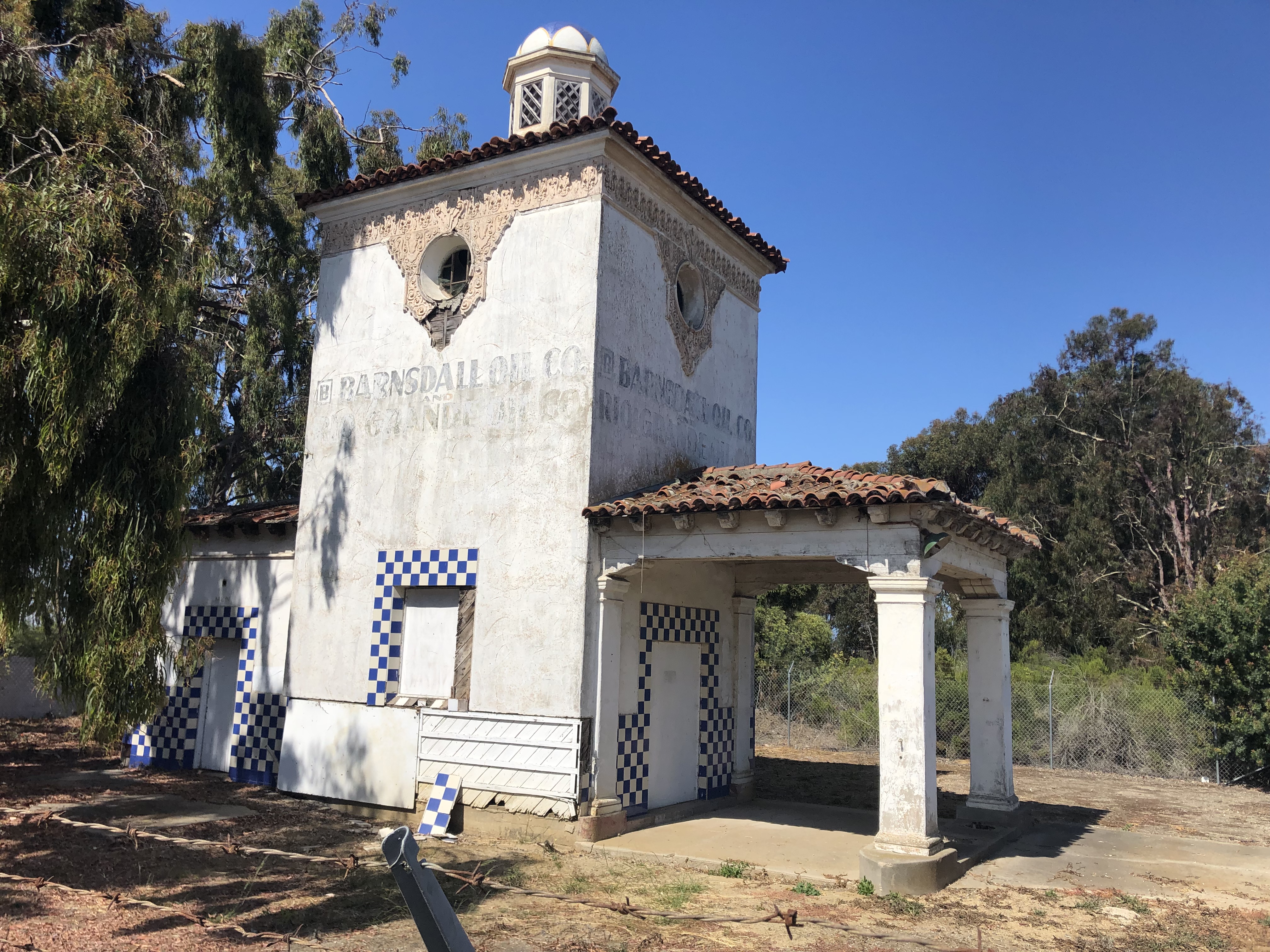
Not far from the Japanese attack site is another oil-related artifact: The Barnsdall gas station, built in 1929. It’s a beautiful Spanish Colonial building, and it’s remarkably well preserved, given that it’s been vacant since the 1950s. (It saw some brief activity in 1980, as a filming location for the remake of The Postman Always Rings Twice, with Jack Nicholson.) I’m told the building is currently owned by Ty Warner….the former kid who founded Beanie Babies. No lie. It’s unclear what Ty intends to do with the building.
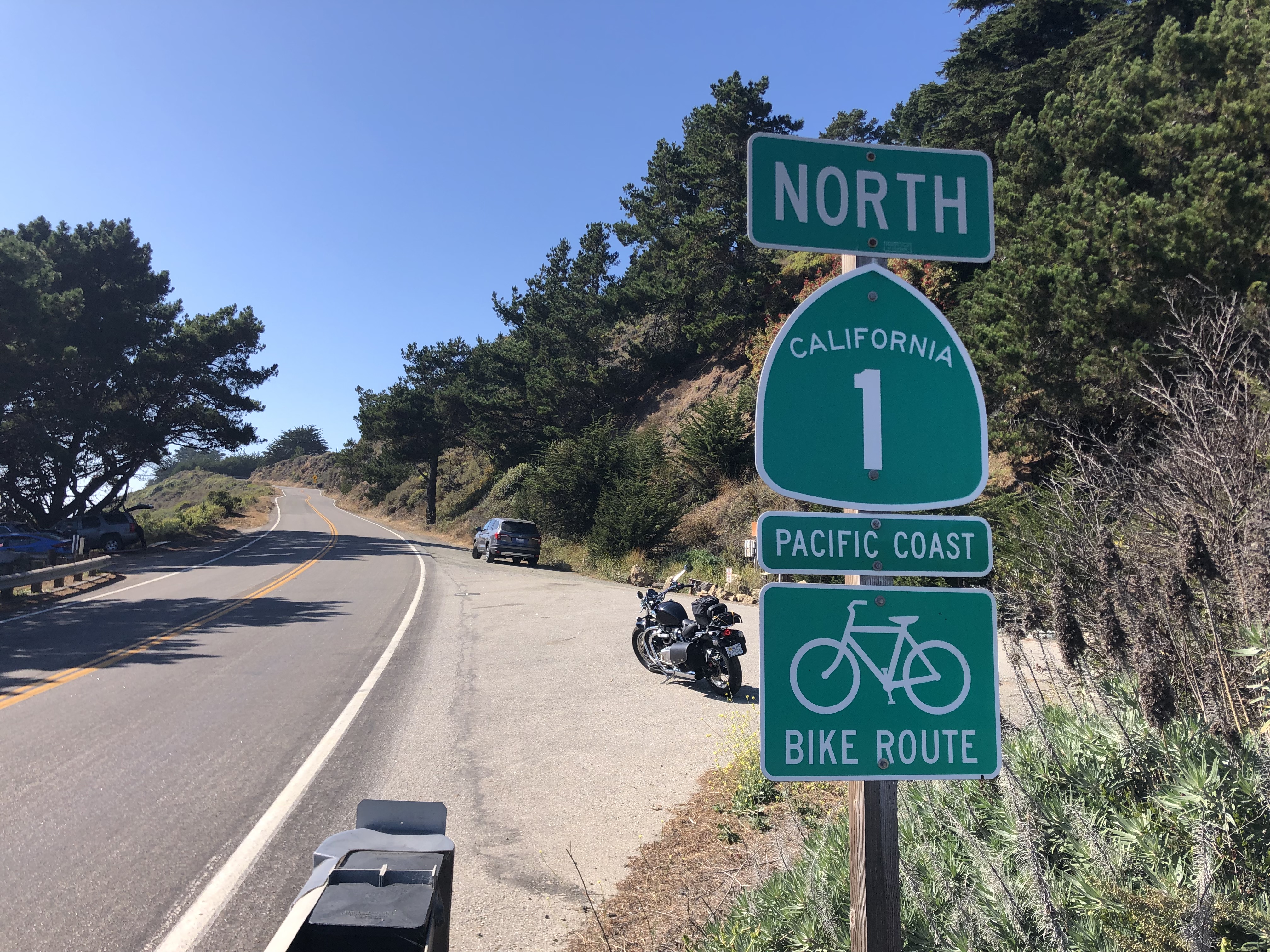
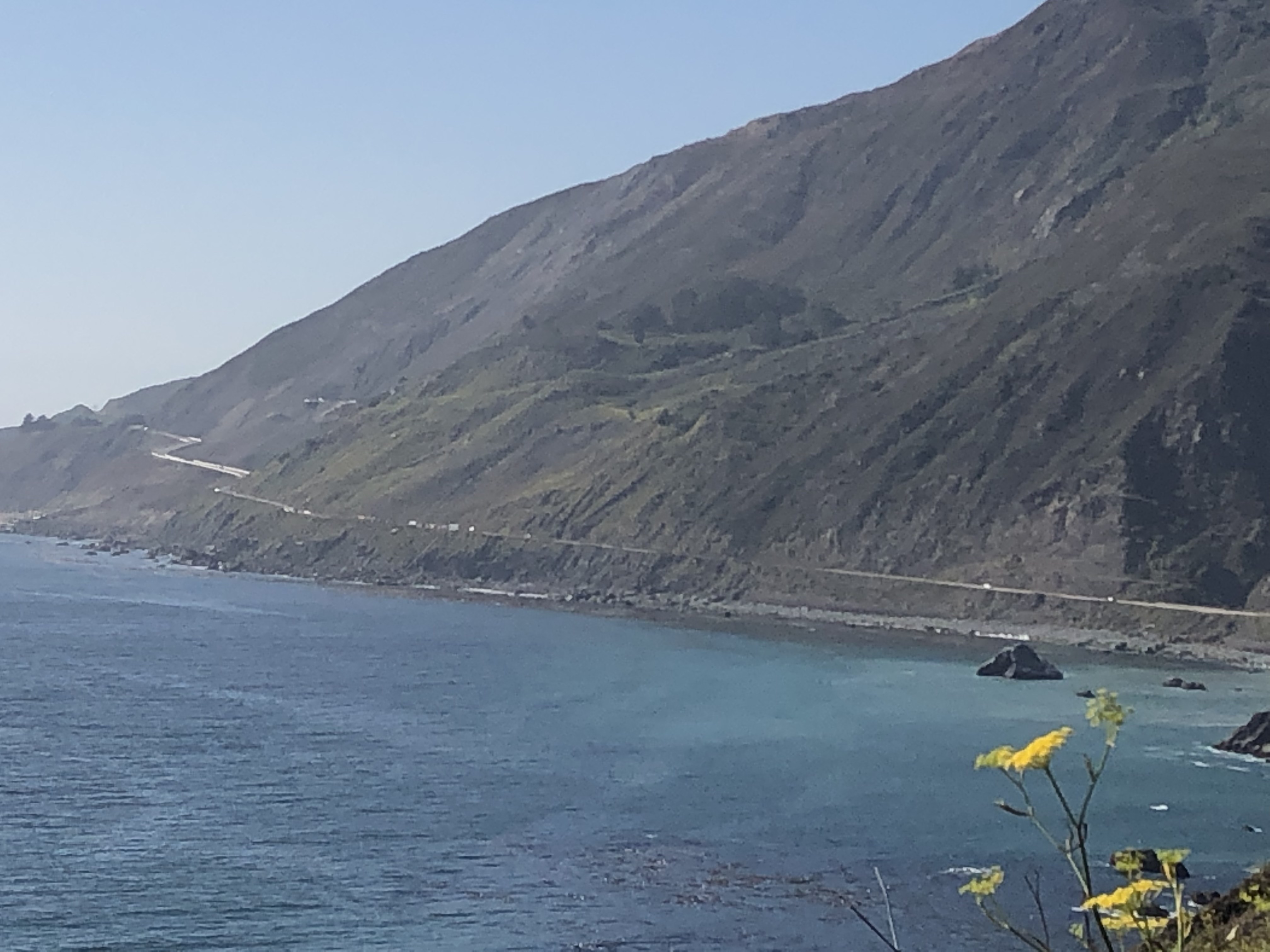
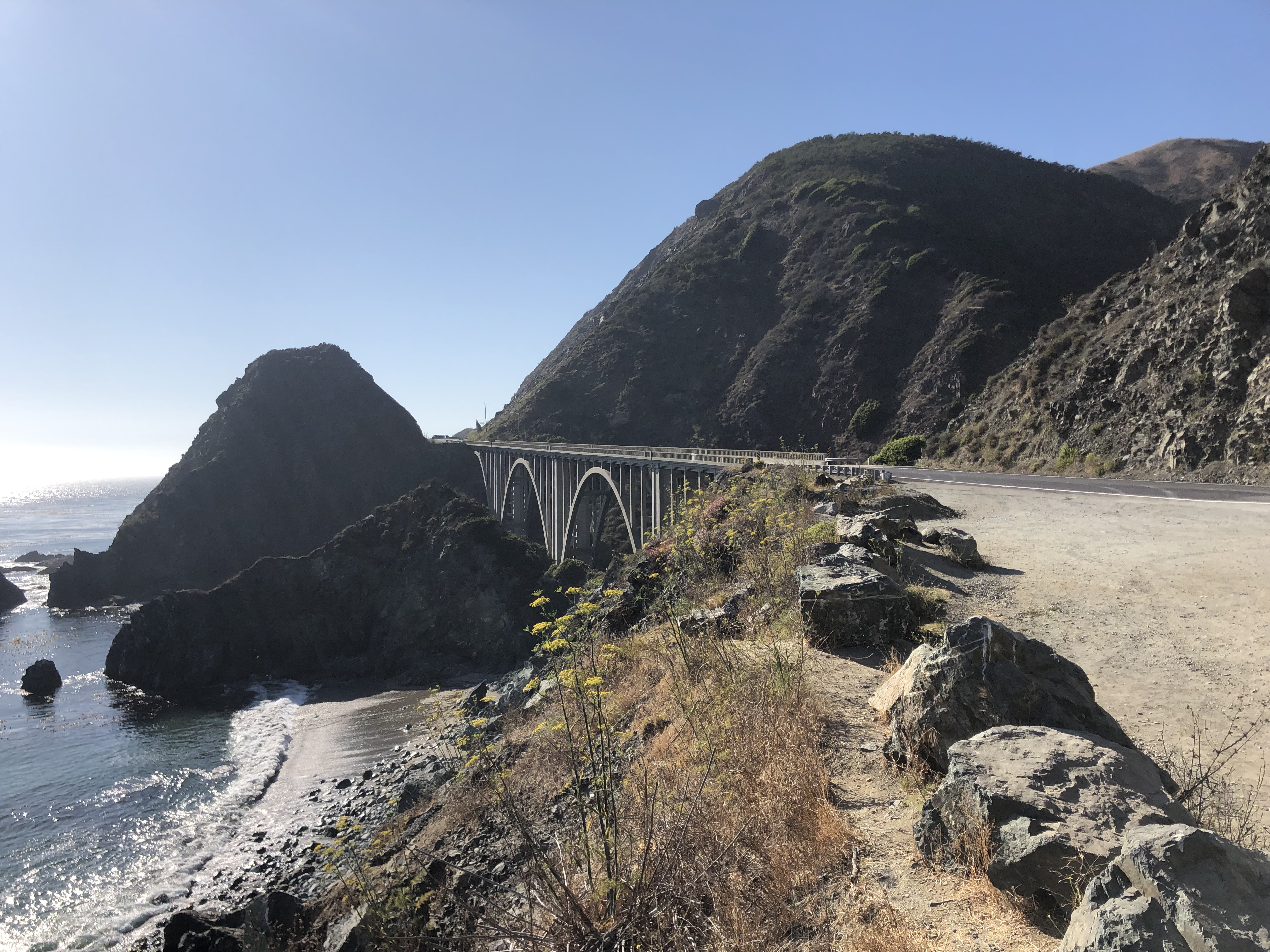
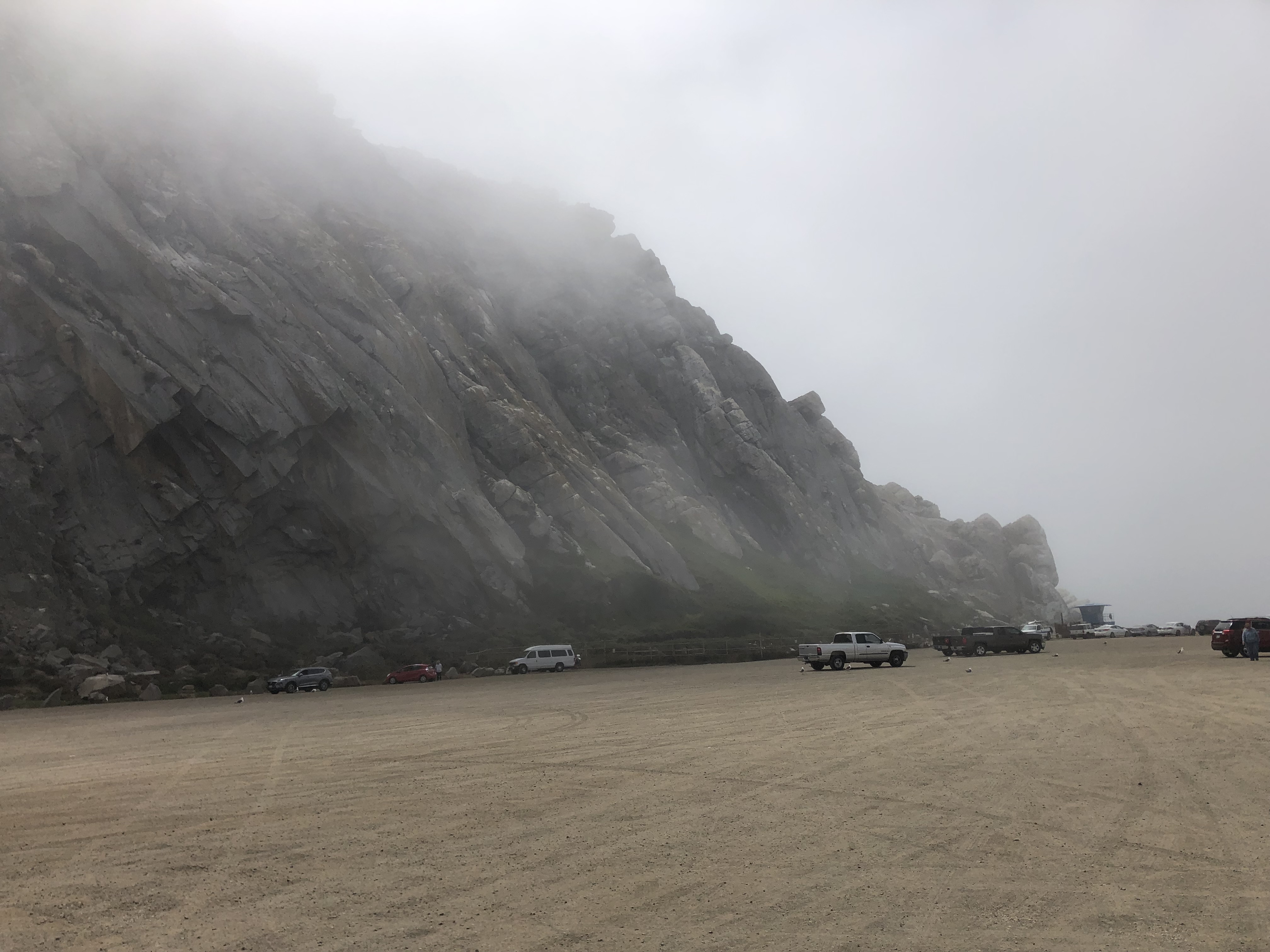
After paying my respects to the old Barnsdall building, I continued north on US 101. (Here in southern California they’d call it “the” 101.) I suppose that this whole stretch I was driving today would be considered California’s Central Coast. The road names and numbers are a jumble of US 101, CA State Route 1, the Pacific Coast Highway, Historic El Camino Real, and the Cabrillo Highway. But no matter what you call it, this stretch of road is iconic California: rocky cliffs, blue waters, sweeping curves, foggy mists. Here are a few pictures:
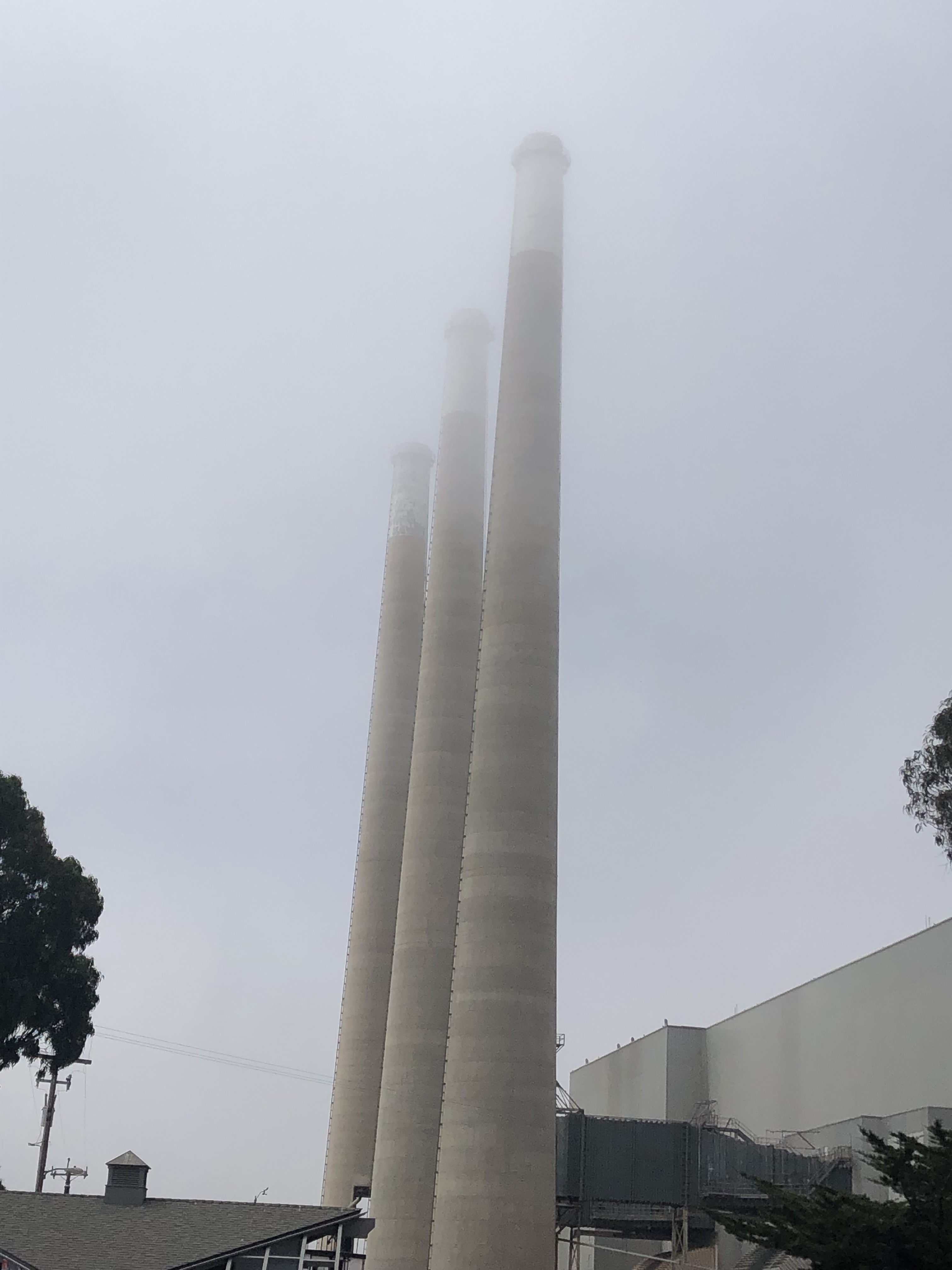
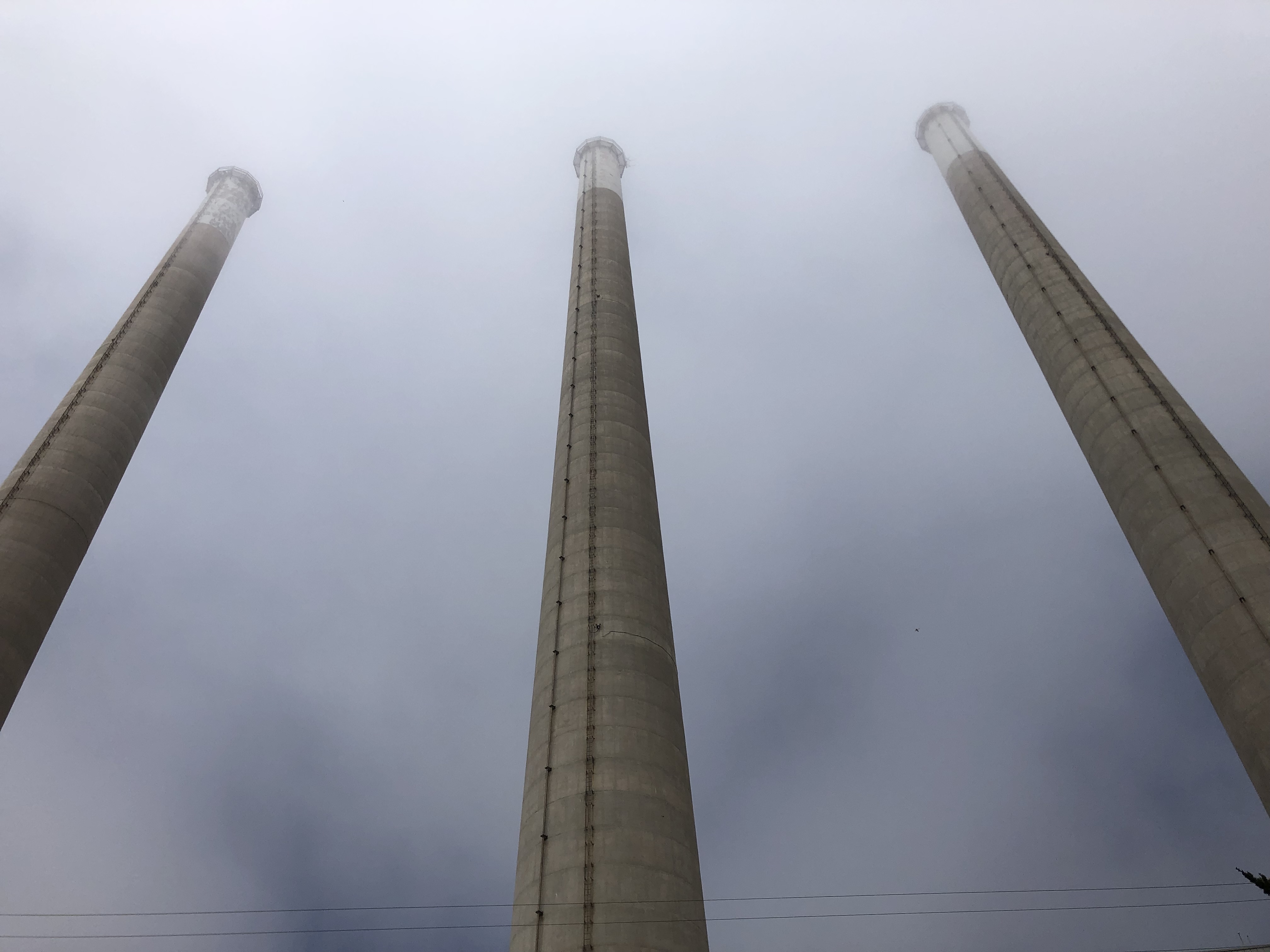
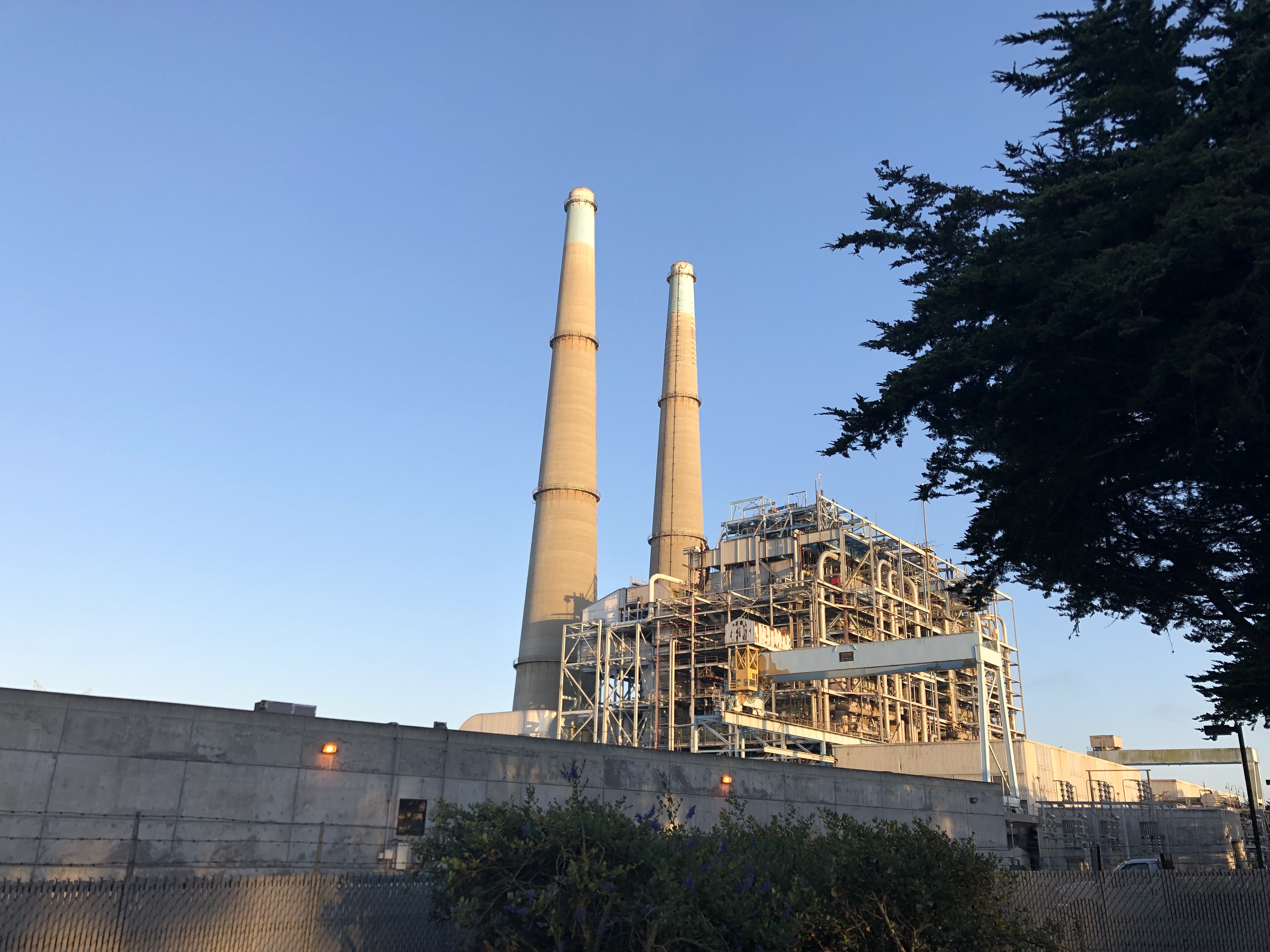
The other iconic feature of the central coast is a string of several natural gas power stations at the shoreline of various cities, each with enormous stacks reaching into the fog. There’s actually one near our home in Palos Verdes (in the town of Redondo Beach). Today I passed similar plants in Morro Bay and Moss Landing. I think that these are located near the shore because they use ocean water to produce steam and/or for cooling. But someone should correct me on that if you have other information. I think most, if not all, of these natural gas plants are either now offline or significantly throttled back, due to new environmental regulations. Still, those huge stacks have always struck me as a notable feature of California’s coast. A few pictures:

Two more historic encounters from today: When I was a lad, I had a book that listed supposedly interesting facts from history. One item that has always stuck in my head is that the word “Motel” is a portmanteau , created when a sign painter ran out of room on the side of a “motor hotel” and thus created this new, shorter term. Well, today I visited the that motel. Sort of. The place in question is the self-described “world’s first motel,” which sits along highway 101 in San Luis Obispo. A guy exiting the building told me that it’s not a functional motel any longer, used instead for corporate offices. He also couldn’t explain the lone wall that’s propped up by metal braces.
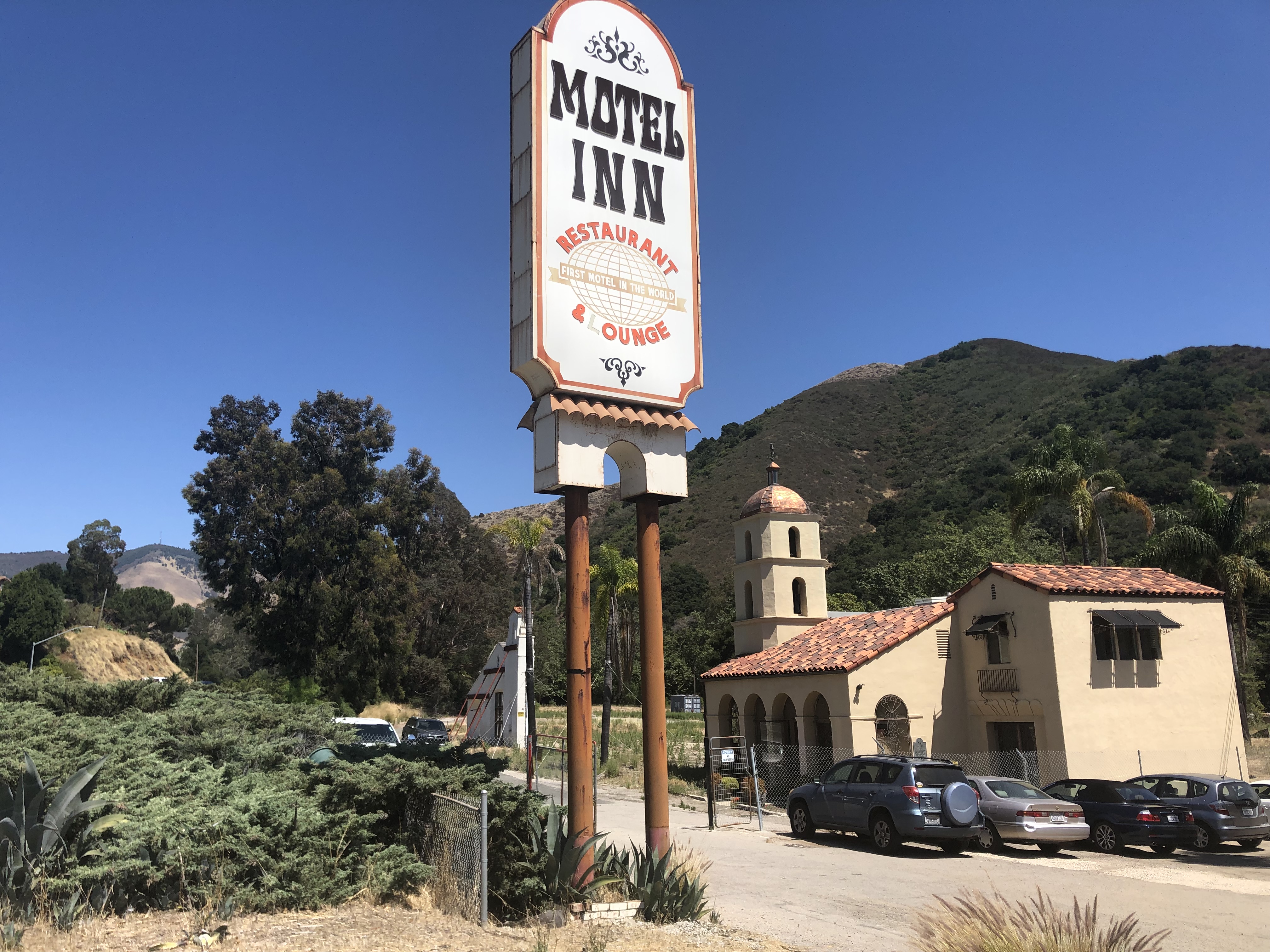
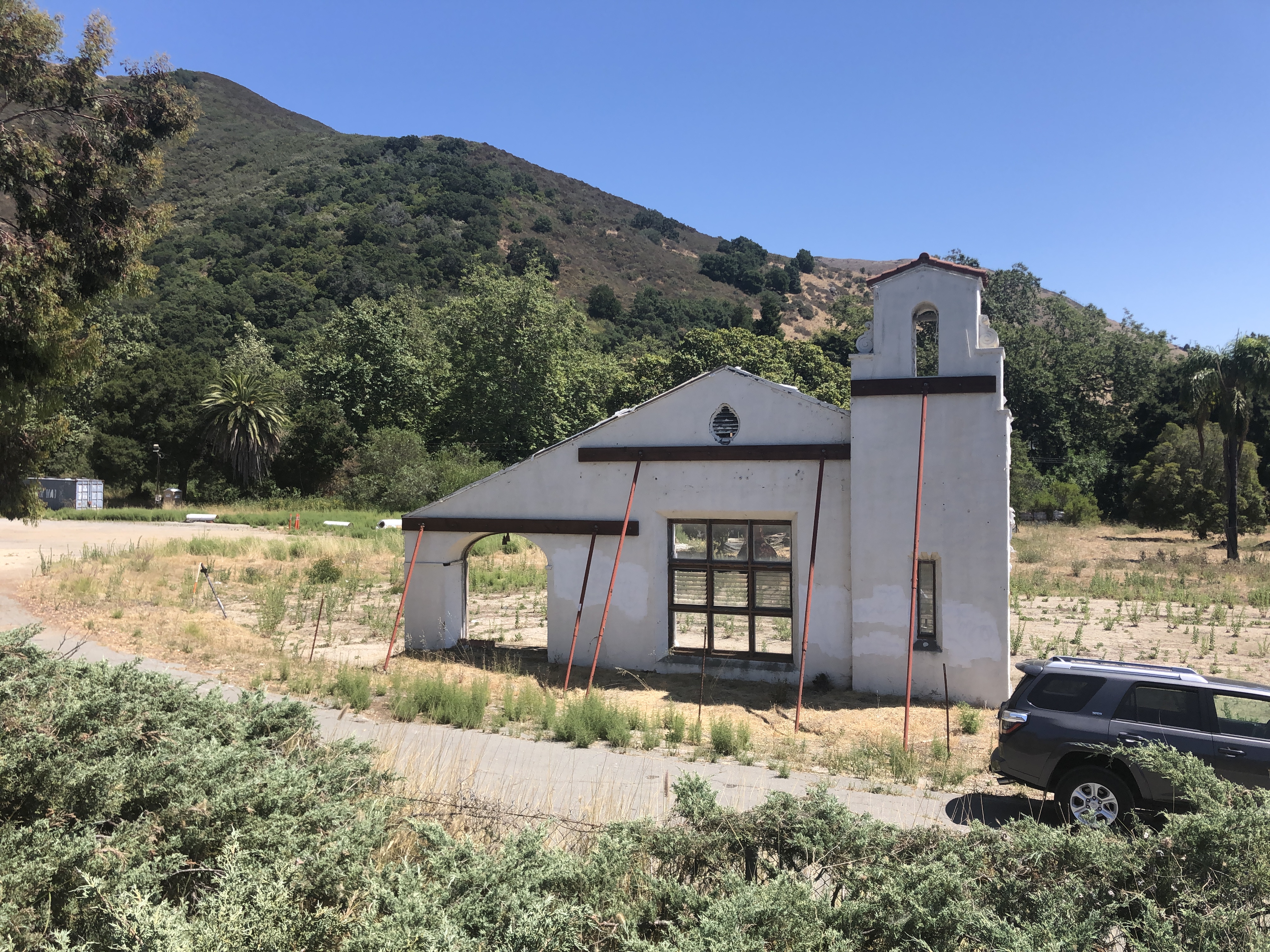
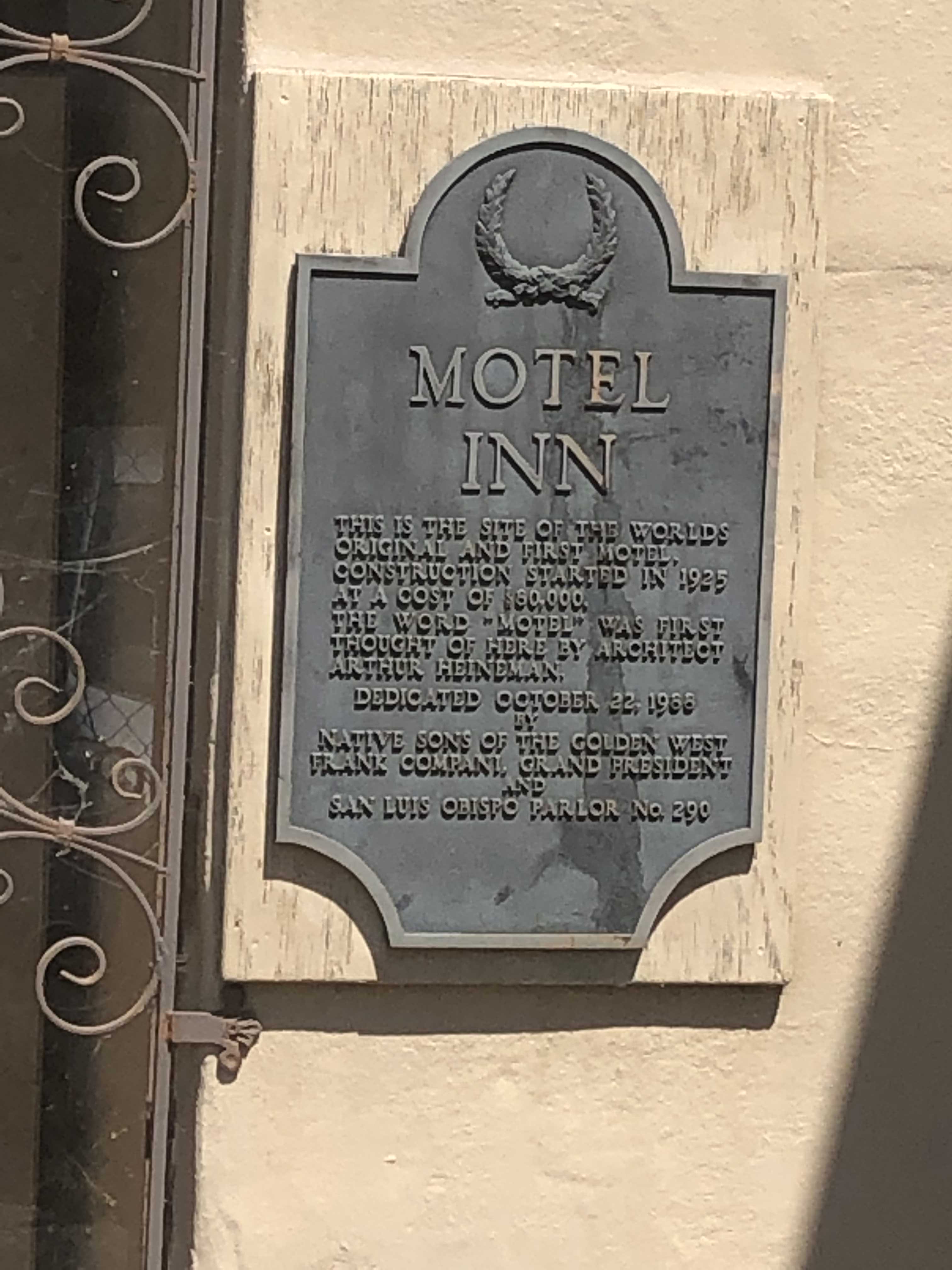
Observant readers of this blog will be struck by two things:
- If it’s the world’s first “Motel,” why is it named “Motel Inn?” Isn’t that redundant?
- The whole “Motor Hotel” story seems a little shaky. The plaque claims the name “motel” was the brainchild of the architect, not the clever expediency of the sign painter.
OK, if you thought that was a letdown, check this out:
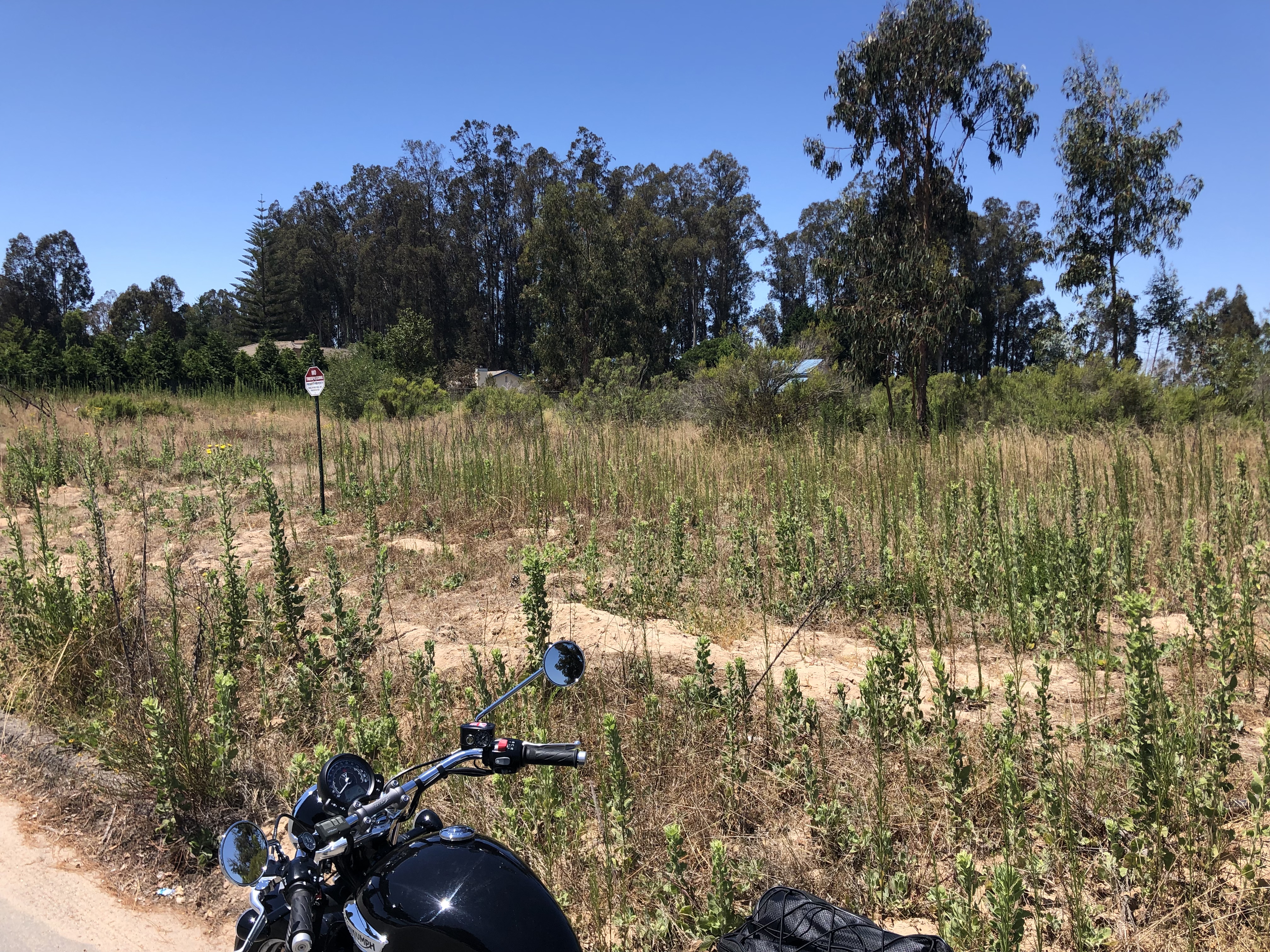
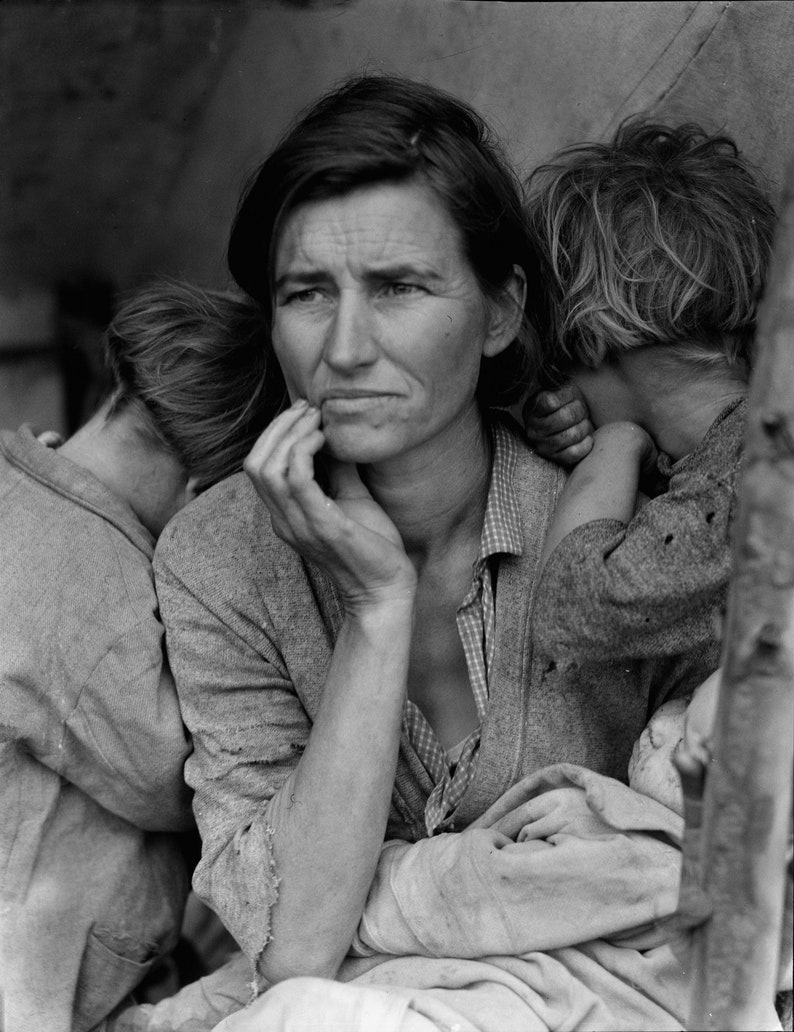
This is supposedly the place where Dorothea Lange took the iconic photograph of the “Migrant Mother.” In 2013, a professor at Cal Poly claimed to have tracked her down to this site in Nipomo, which used to be a migrant labor camp. Below is the original photo.
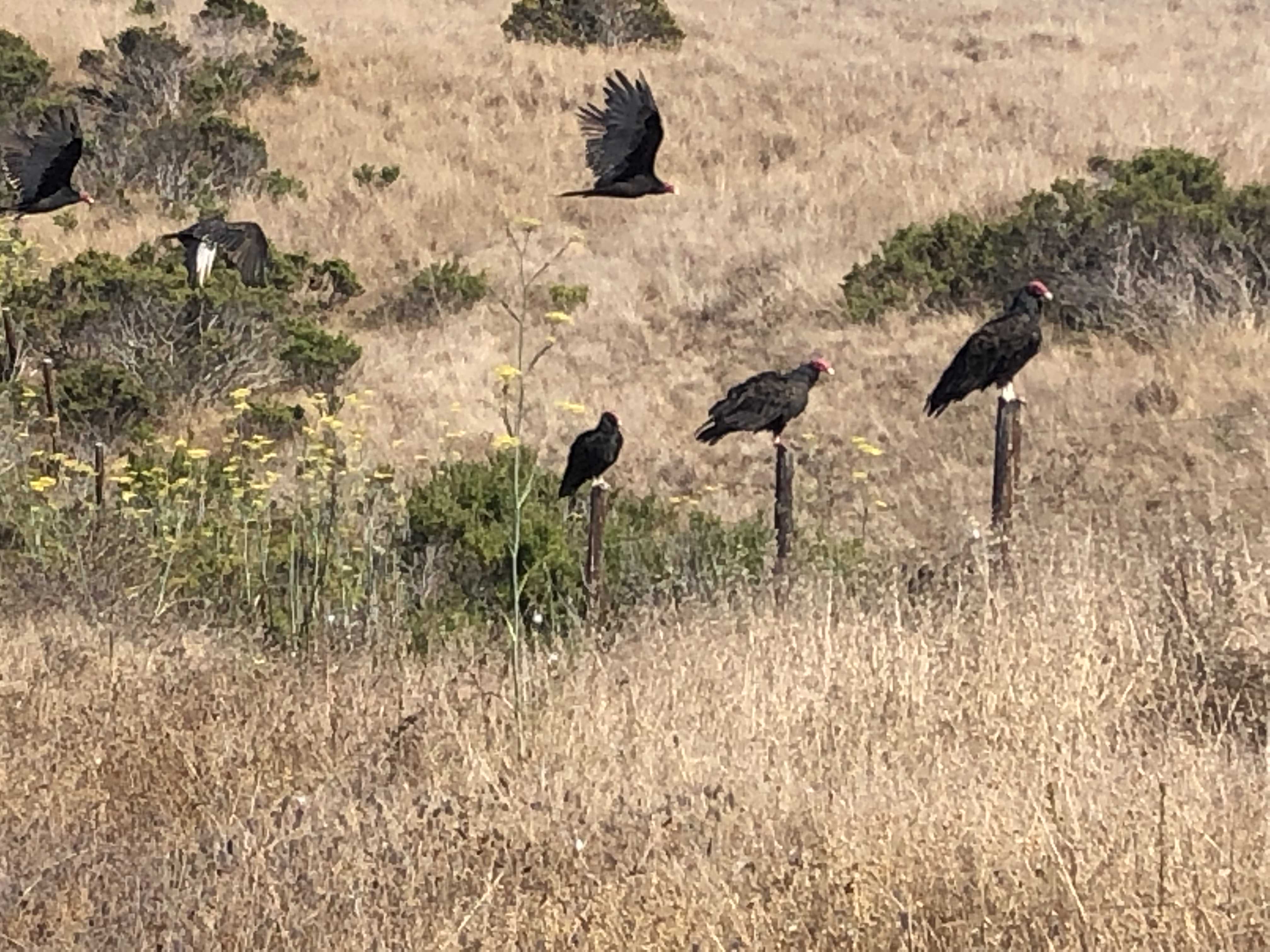
OK, enough iconography. I’ll close with a three animal-related photos. First, vultures perched at Ragged Point:
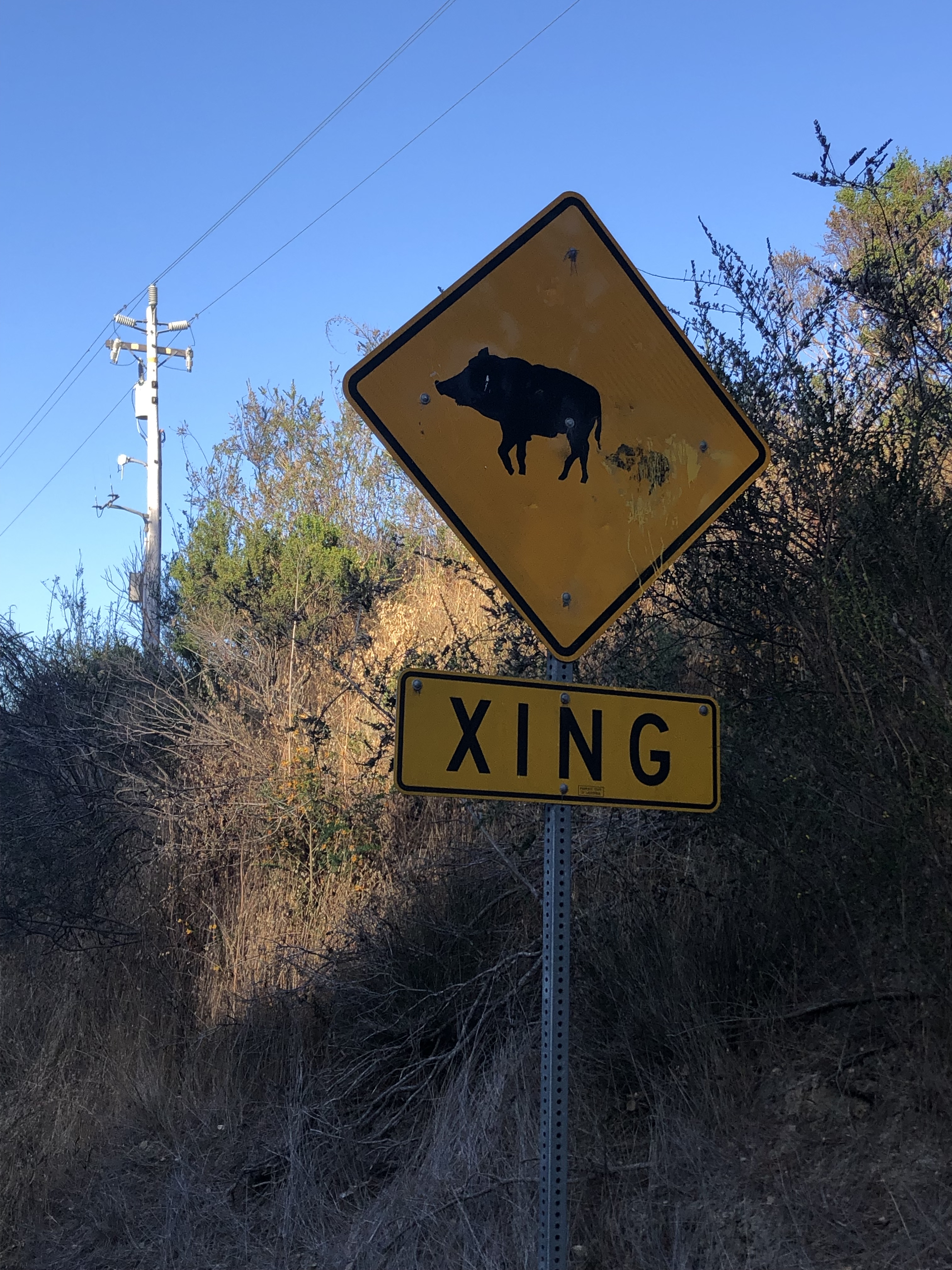
Second, here’s a traffic sign you don’t see every day:
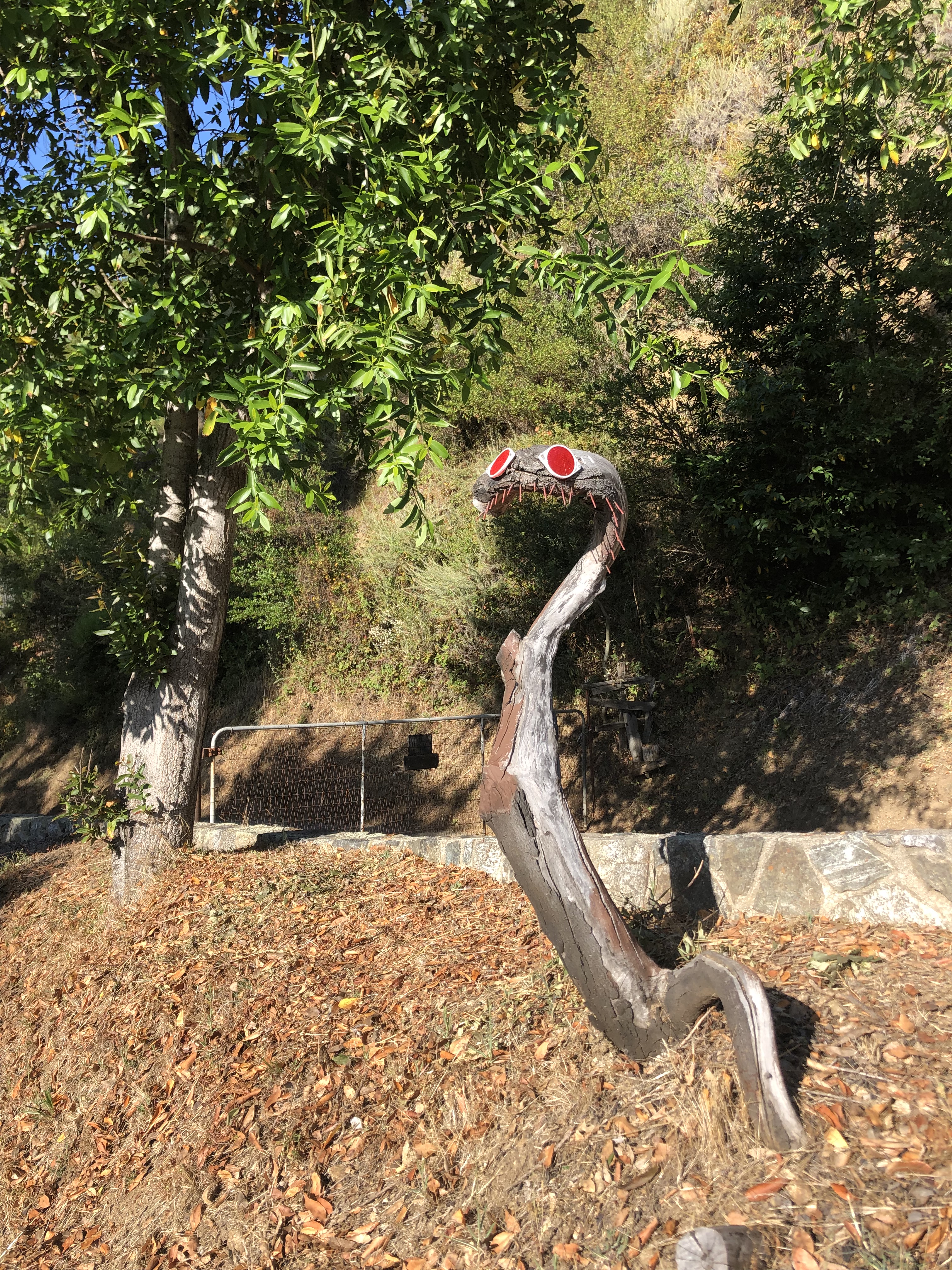
Finally, this will give you nightmares:
That’s it for today’s travels. Tomorrow it’s off to Santa Cruz, where I’m meeting my brother to celebrate my (late) Dad’s birthday.
BREW OF THE DAY
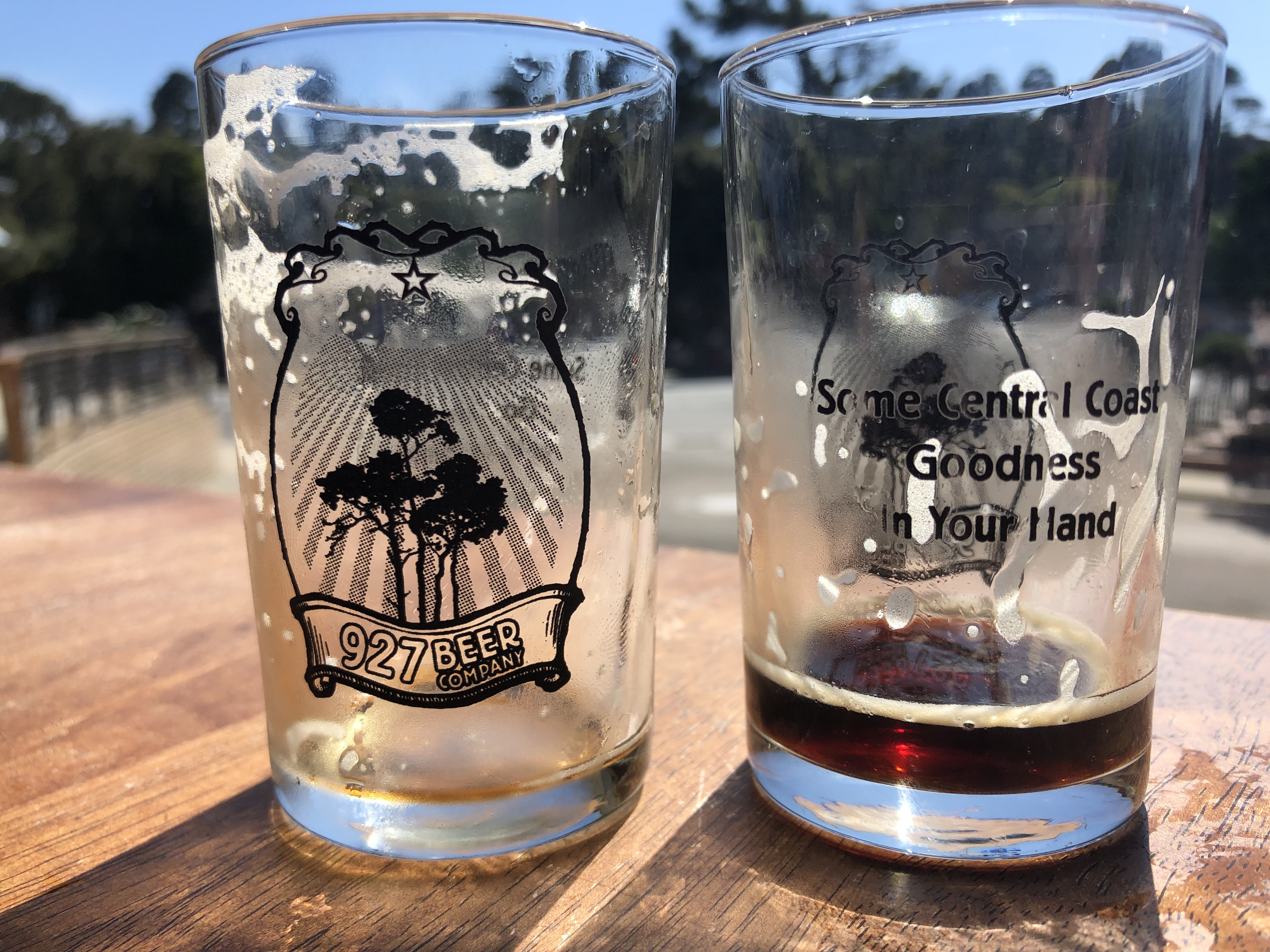
I tasted two dark beers — a porter and a stout — at 927 Beer Company, in Cambria. It’s only a three-barrel operation, so they call themselves a “nano-brewery.” The place is pretty small, and the bar feels like a tasting counter at a small winery in Amador. (I took my beers to a table at the window, looking out on the main street.) The name 927 refers to the prefix (not the area code) that all Cambria phone numbers shared many years back. In those days, Cambrians would give out their phone numbers as four-digit numbers, since the first three digits were always going to be 927.
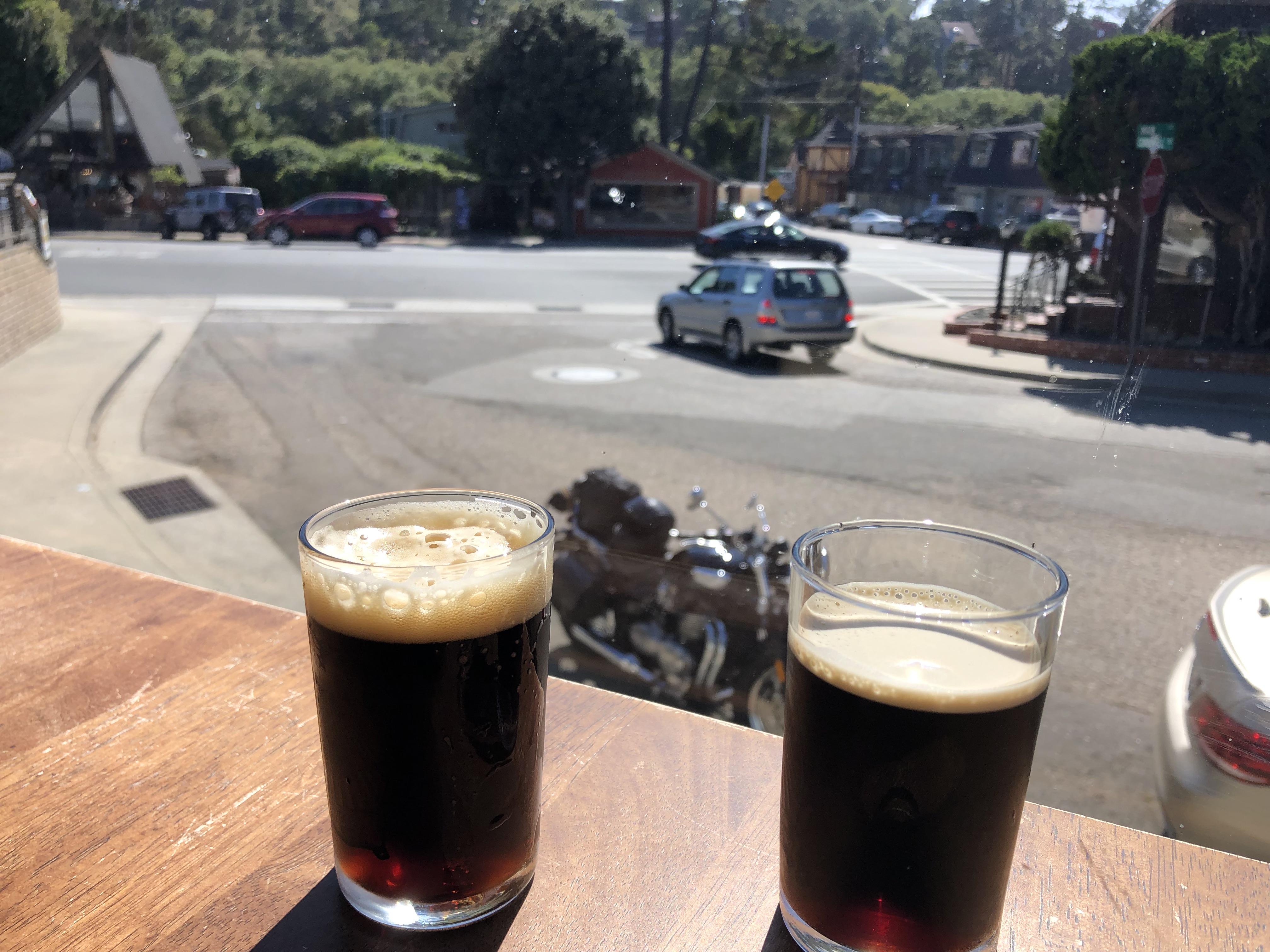
I drank the two beers side by side, which turned out to be an unintentionally brilliant move. As I moved back and forth between these two similar beers, I was able to ferret out their differences. It also combated palate fatigue, so I was able to repeatedly take “fresh” sips of each beer alternately. It reminds me of the brilliant two-flavor packs of Fun Dip:
Anyway, back to my beer: The Old Number 23 Robust Porter had a good, carbonated kick that held the malt at bay. Moderate hopping also gave it balance. The finish had hints of cola (without the sugar). The ABV was 6.1%. The Mudhoney Oatmeal Stout was on nitro, which gave it a very creamy mouthfeel. With almost no carbonation, it went down like a glass of milk. The flavor wasn’t wimpy though–with a strong taste of coffee (the beans, not as brewed coffee). It almost had a burnt finish, which isn’t as bad as you might think.

 Chasing Phantoms