
This morning I left North Carolina’s outer banks and made the two and a half hour drive to Raleigh Durham airport. I wish I’d had more time to have spent at the Atlantic coast. The weather was glorious, considering it’s the middle of January. And the communities intrigued me. These Atlantic neighborhoods feel at once older and preoccupied than, say, Santa Cruz or Monterey or even San Diego. The buildings and people near the North Carolina coast feel like they belong there, while in California the built environment often seems to be locked in a fight for supremacy with the natural environment. And many of the people populating coastal California appear to be transplants, a little too pleased with themselves for having acquired a piece of this scarce real estate.
So now, in the words of John Denver, I’m leaving on a jet plane. Don’t know when I’ll be back again. But in the meantime I’m reflecting on the trip and what I’ve learned. My thoughts can be grouped into three themes.
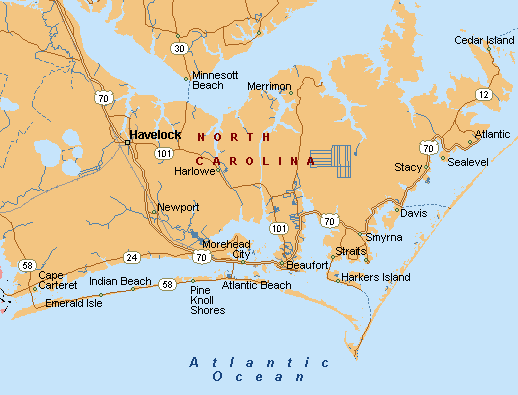
The first concerns the vastness of this country. It took eight long days of driving to get from one end to the other. All told I traveled some 3,320 miles, which is almost 1,000 miles more than the 2,381 that’s advertised for Route 70. Of course, I did rack up mileage at the front end (from Los Angles to the start of US 70 in Globe, AZ); I also took numerous short side trips to explore nearby points of interest; and I had to double back to Raleigh to drop off the rental car and board my return flight. US 70 zig zags some on its way across the continent, but generally it made a continual push eastward. The final stretch to the shore seemed to take forever. A look at a map reveals just how far the highway pushes toward the ocean. No wonder that the waiter at Tight Lines Brewing last night called the town of Atlantic “the end of the world.”
My second group of thoughts concerns how much, and how rapidly, the physical environment along this route changes mile by mile and state by state. While driving US 70, the car cuts through a continuum of different weather, topography, flora and fauna. I traveled through the dusty deserts of Arizona and New Mexico, along the expansive plains of Texas and Oklahoma, over the hills of Arkansas and the mountains of Tennesee, until lfinally arriving at the rocky shores of the Alantic Ocean. As should be evident from my musings and photos over the past week, the towns and buildings along the route also differed greatly from each other, from the eerie desolation of Paducah to the modest charm of Dickson to the urban blight of West Memphis. This broad variegation of the road’s surroundings in part makes the uniformity of US 70’s signage so comfortable and reassuring.
Finally, and perhaps most importantly, I keep thinking about the people I met on this drive. Just like the physical environment, the demographics and culture of the people changed along the way. The desert people were mainly white, Native American, and Latino, and many of them displayed physical and psychological features that had been weathered. The Texans seemed to be moving at ¾ speed, and the Arkansans all seemed to be wearing camouflage. The communities of Tennessee appeared to be more segregated that those of its western neighbors. Sure, there were many exceptions to these stereotypes, but the differences between each region’s residents were palpable. Regional accents were especially noticeable when moving across the entire country in a week. It’s uncanny to have lunch in one town, get back on the road for a few hours, and by dinnertime the local conversations are spoken with a different accent.
But the other remarkable quality about the people I encountered is their damn decency. I know I’ve made similar observations about this on earlier road trips, but it bears repeating. For all the conflict and hostility and partisanship and tribalism and rudeness that seem to characterize the national conversation, I find that, one-on-one, Americans are good-natured, generous, and caring. This isn’t just something I saw in restaurant wait staff, whose civility might cynically be attributed to tip-fishing. I also regularly encountered courtesy and kindness from people I met on the street from whom I asked directions, and from the two guys asking for a ride over Apache summit, and even from the young dental student who got into a crash with me in Memphis. (What’s that? I didn’t mention this in the blog? Ah, well, I thought it would disrupt the narrative. Rest assured that the accident was minor, and no one was hurt.) Somehow it’s reassuring that two strangers can crash their cars, and then spend the next 15 minutes talking about career plans and road trips while waiting for the cop to show up.
So, I return to California not exactly a changed man, but I’m definitely more optimistic about our country.
May all your days be circus days.
DELETED SCENES AND OTHER BONUS MATERIAL
I leave you with some additional items that didn’t make it into the blog.
First, for those of you with way too much time on your hands, you may want to check out the short-lived Casey Jones television series from the late 1950s. It stars Alan Hale, who seven or eight years later would go on to play the Skipper on Gilligan’s Island.
If you’re intrigued by the (near-) ghost town of Paducah, TX, you may want to watch this 10 minute very amateur video of the abandoned buildings.
If Billy the Kid and/or Paul Newman are your thing, did you know the latter played the former in a 1958 movie?
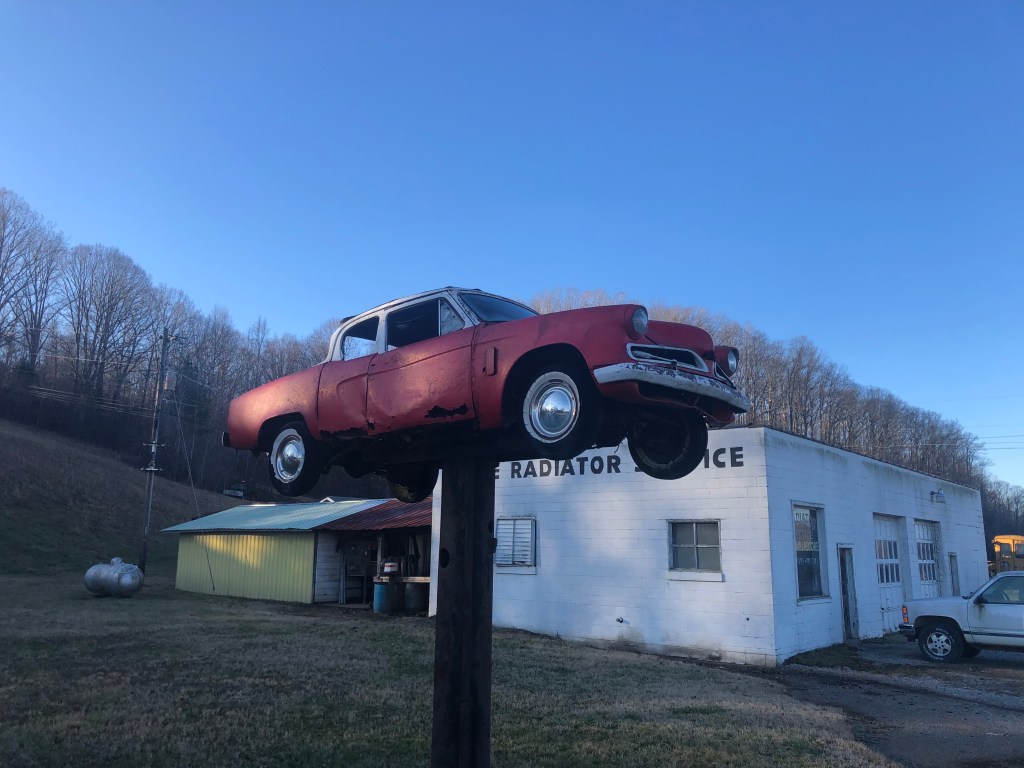
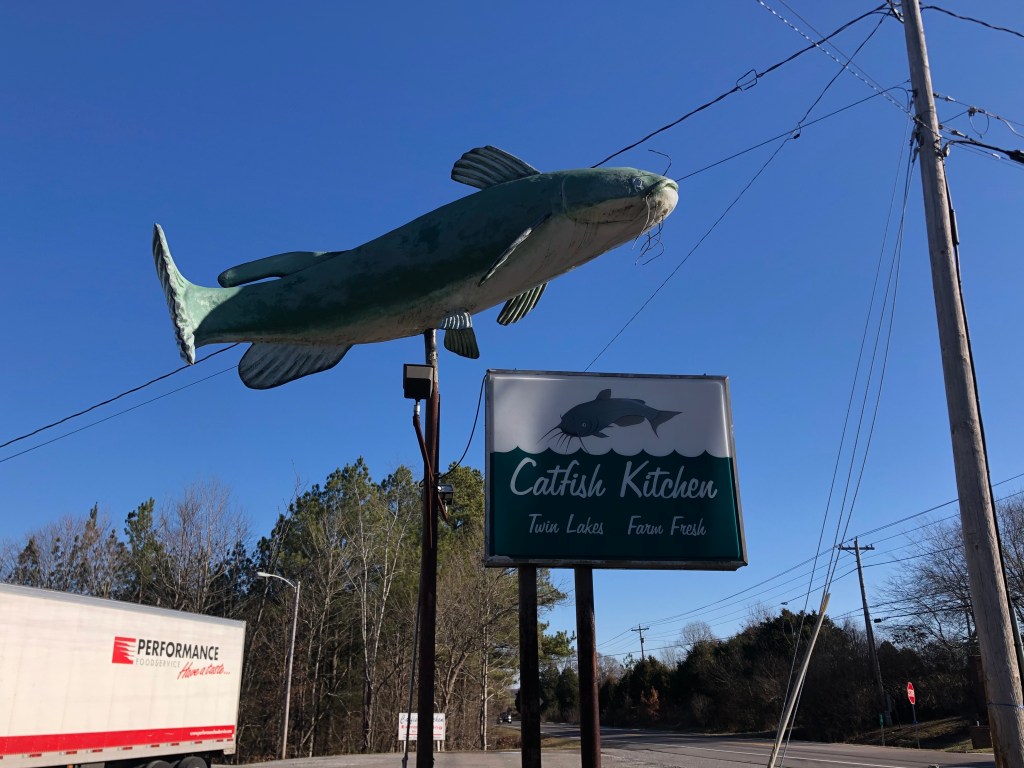
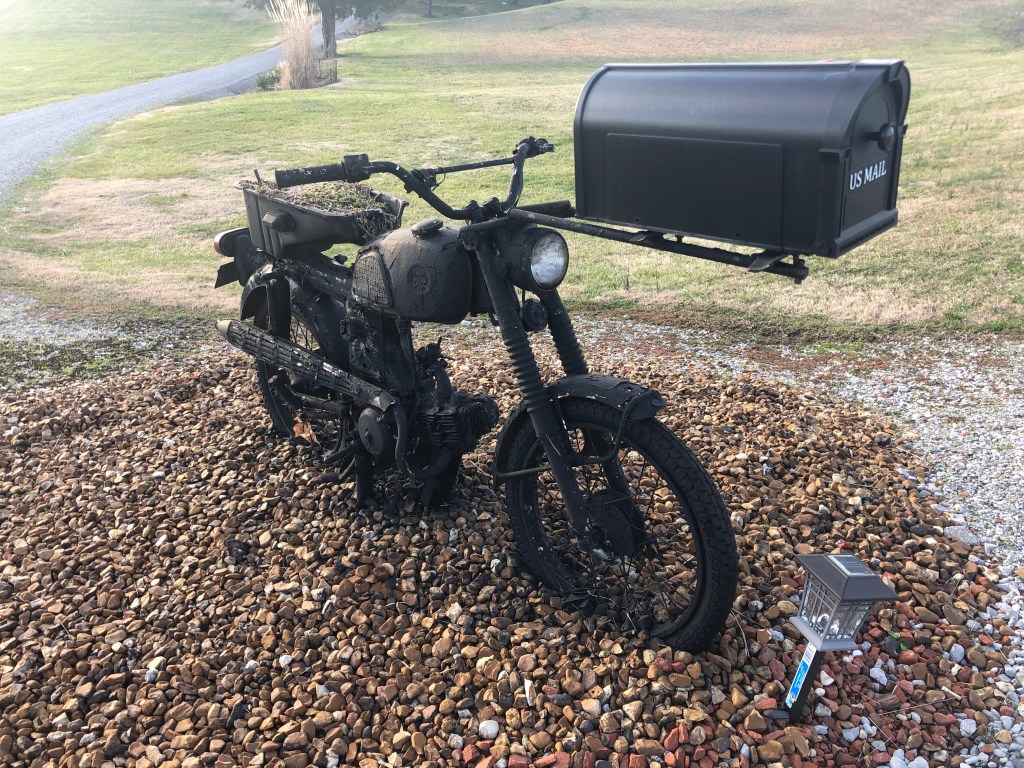
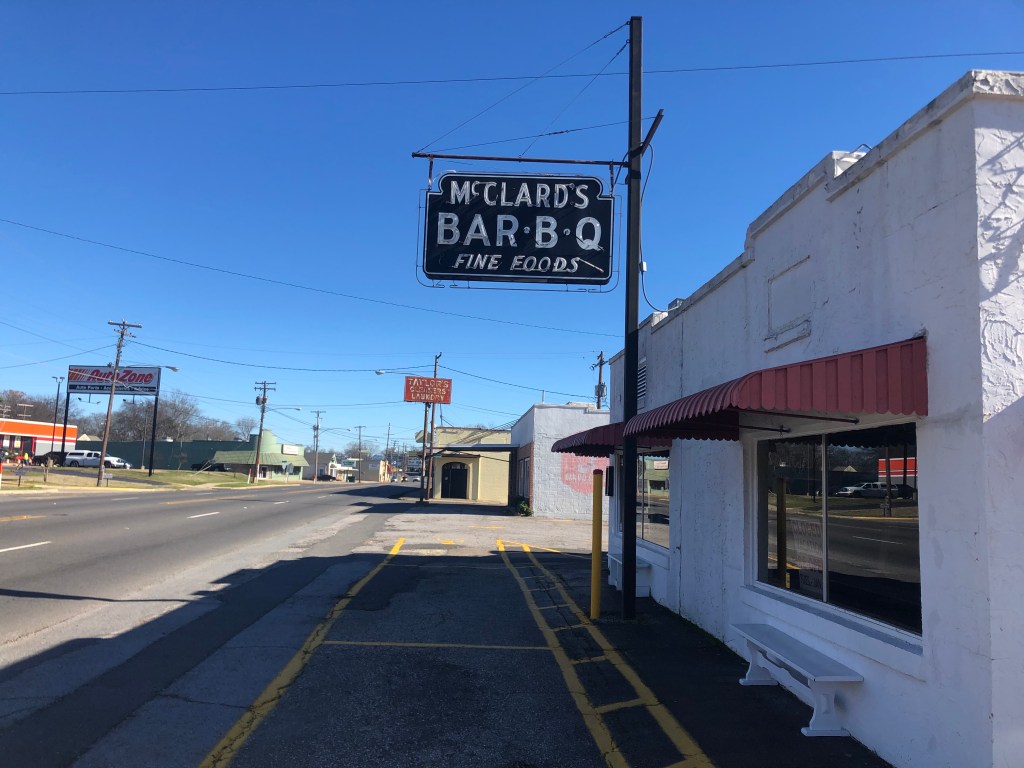
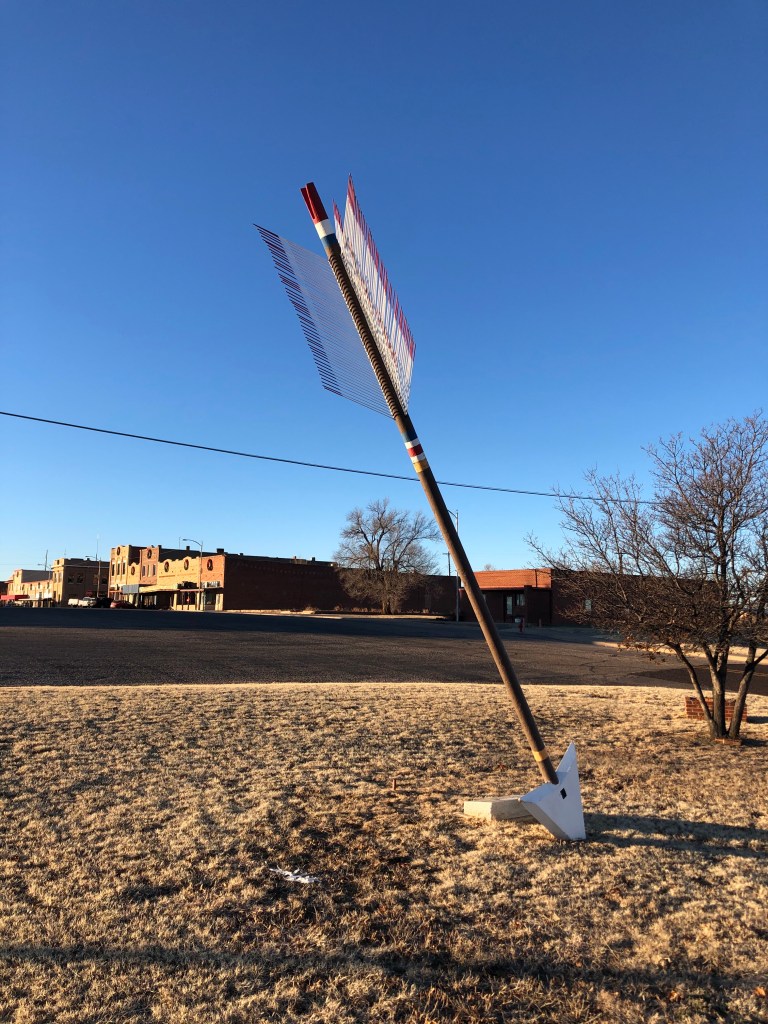
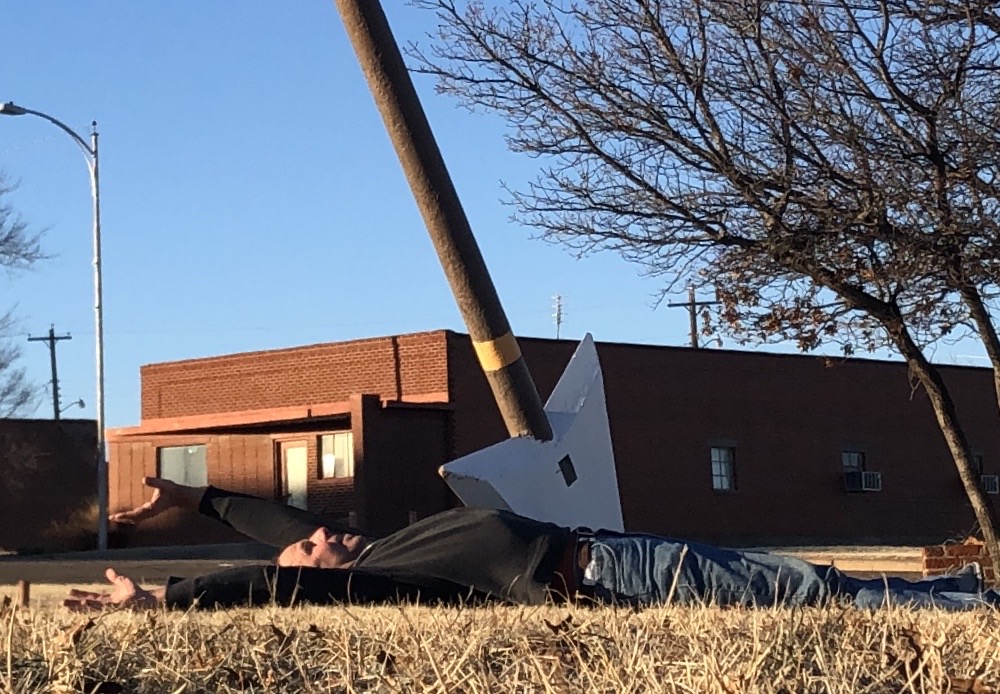
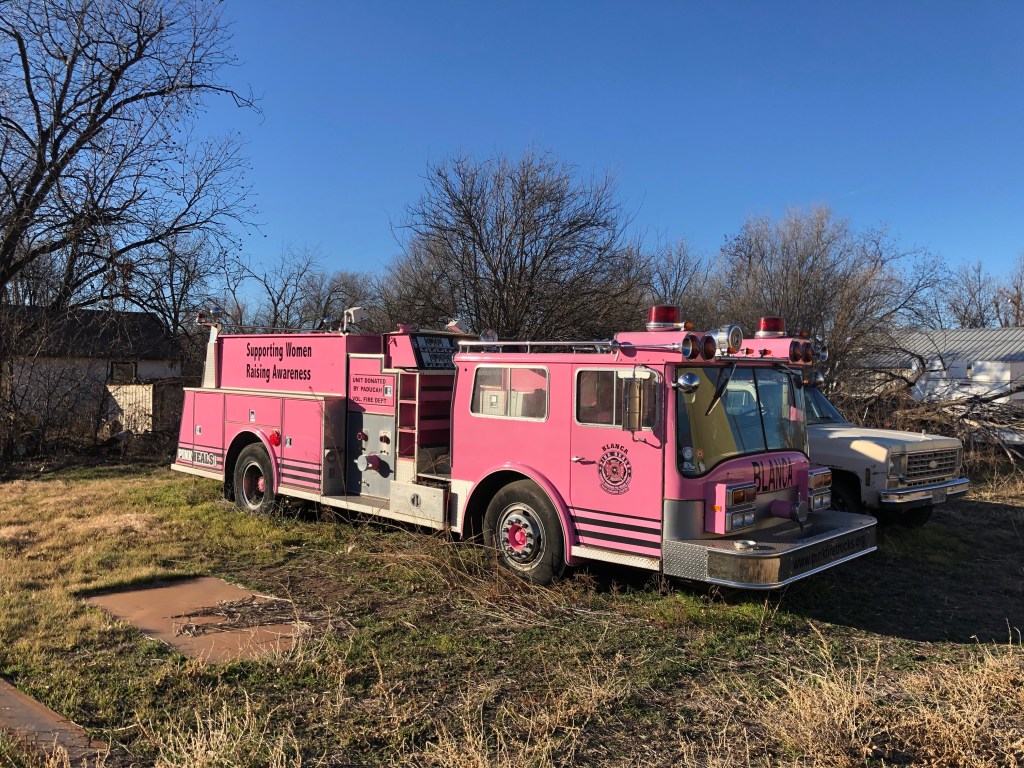
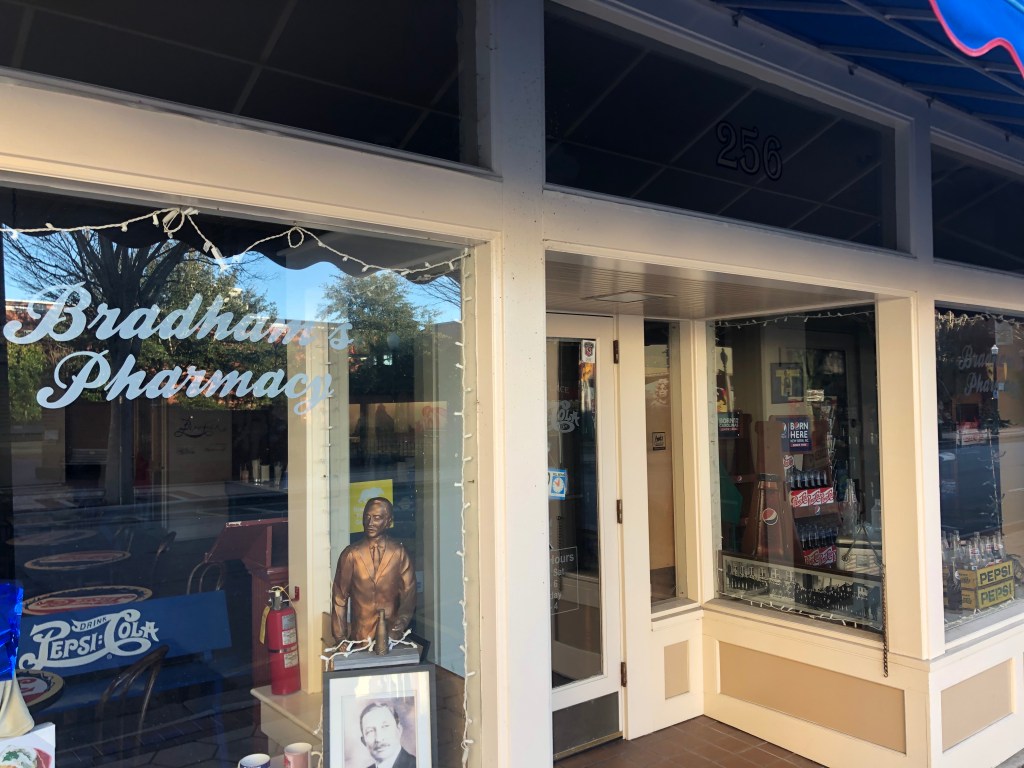
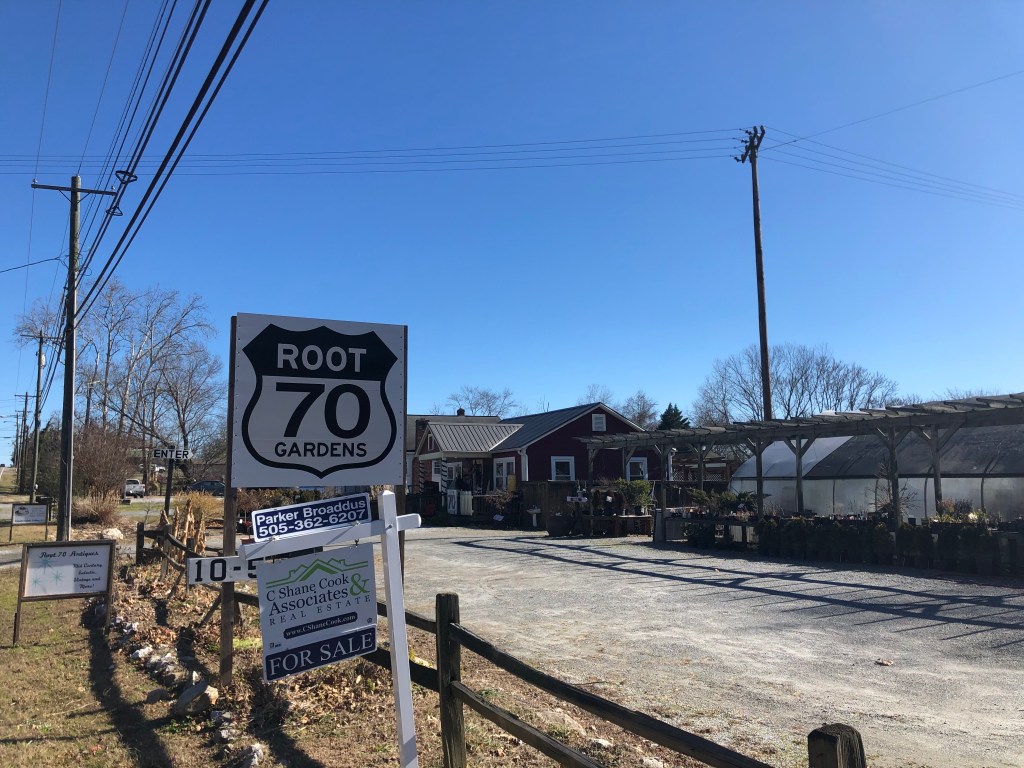
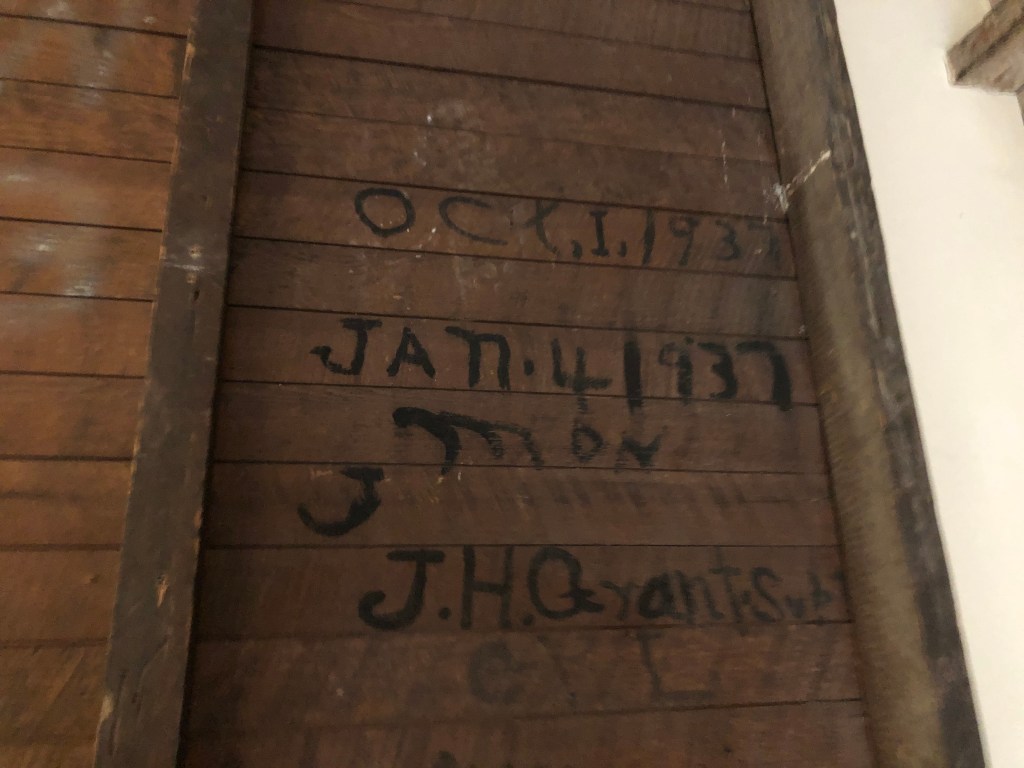
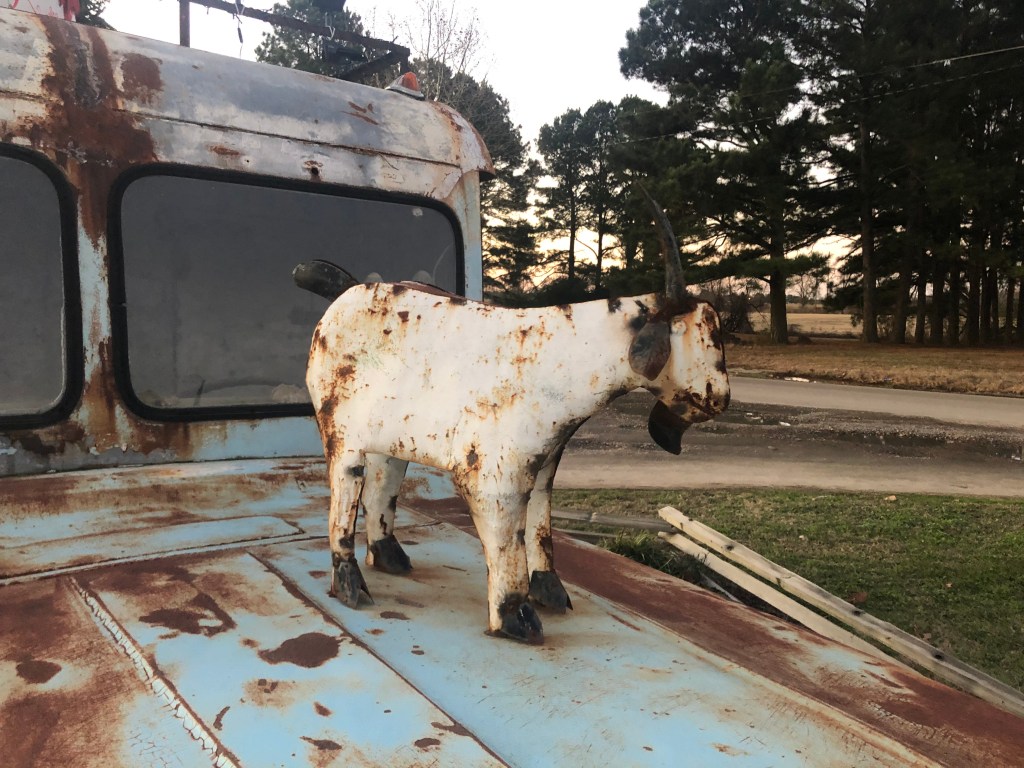
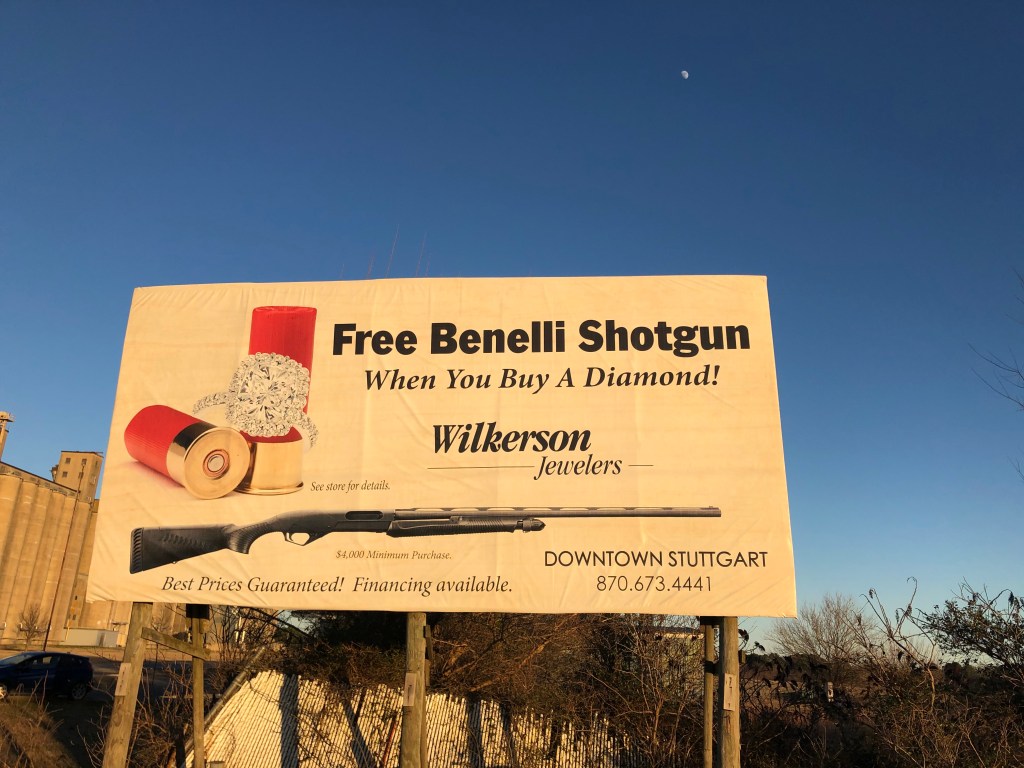
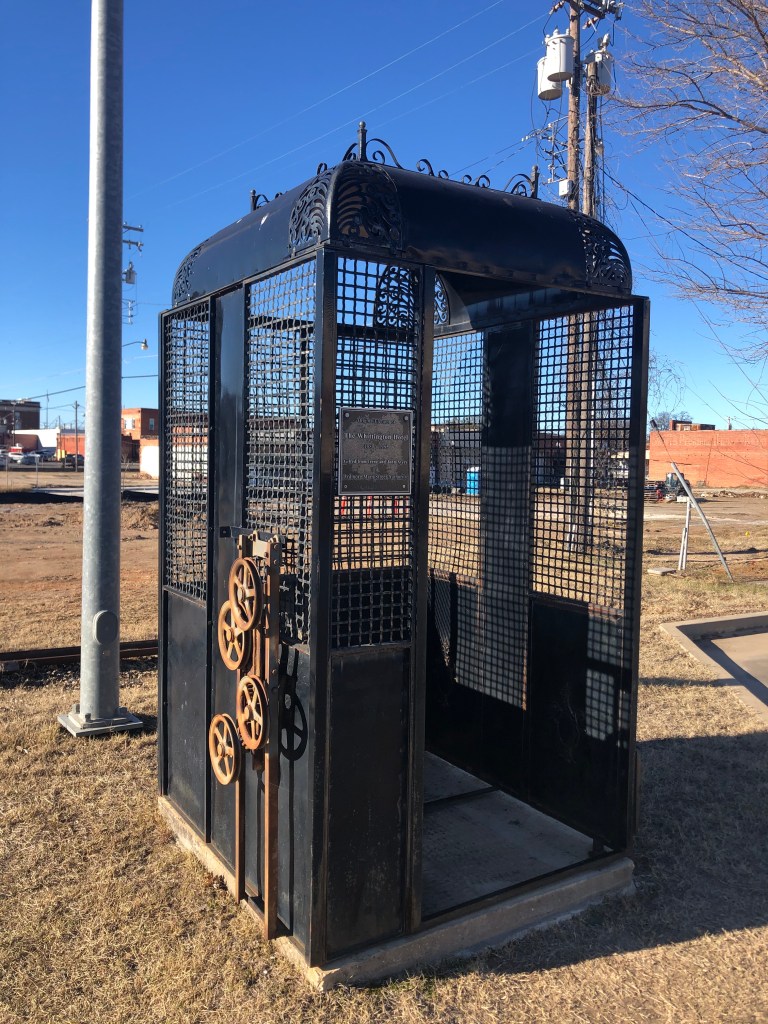
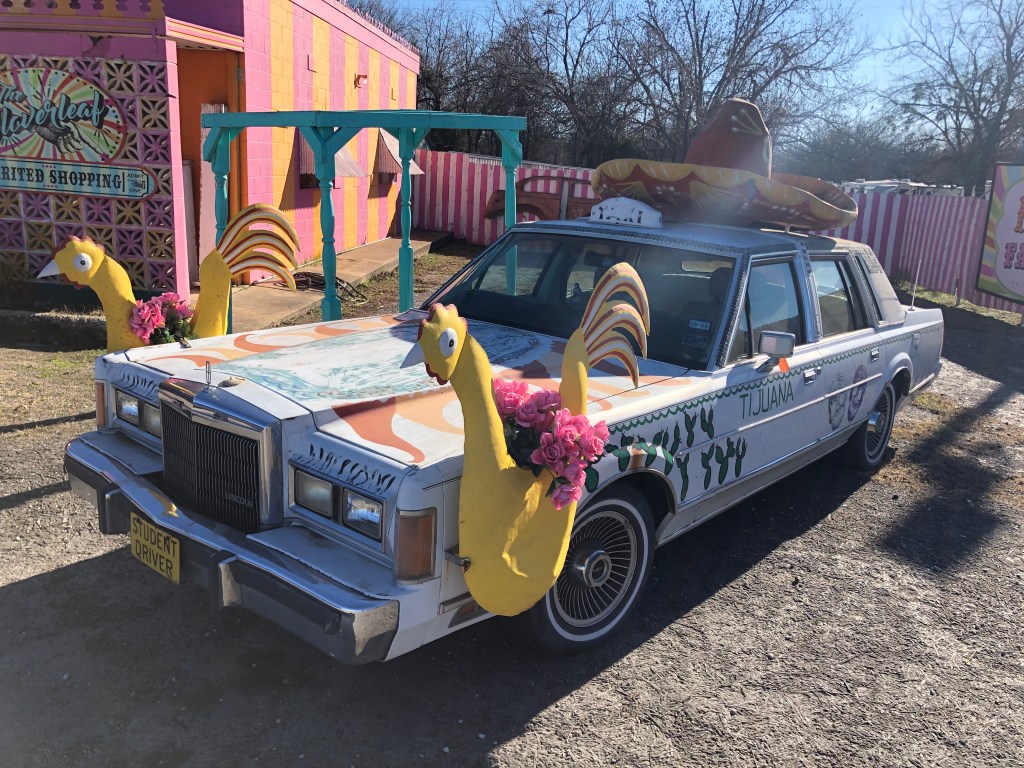
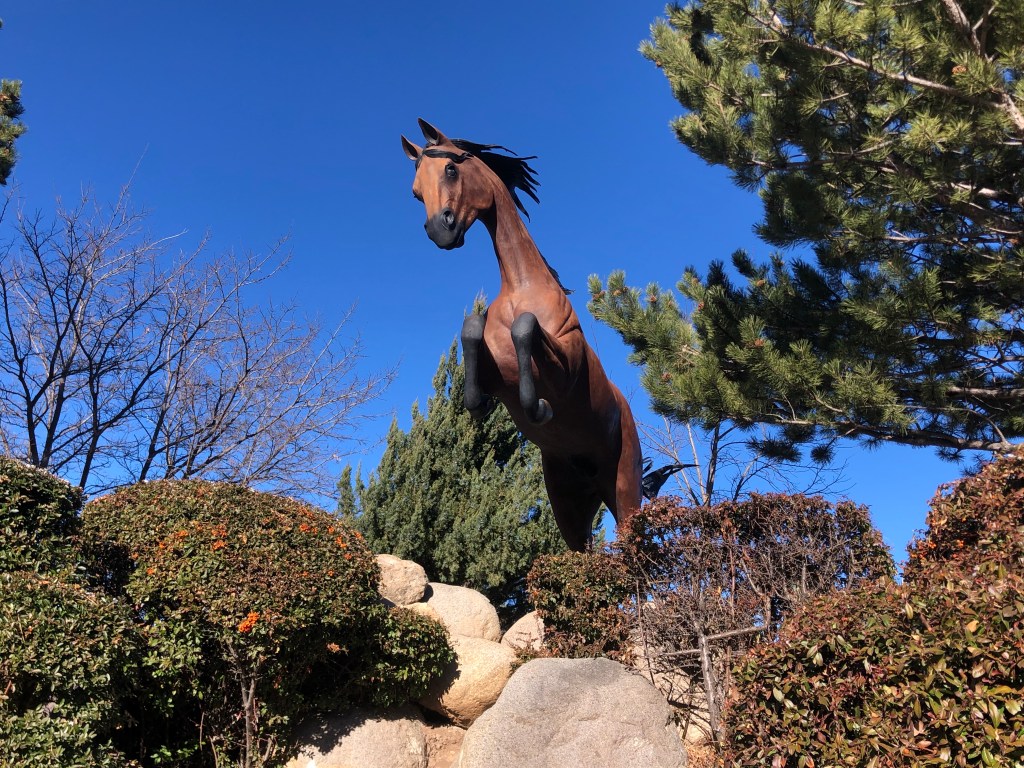
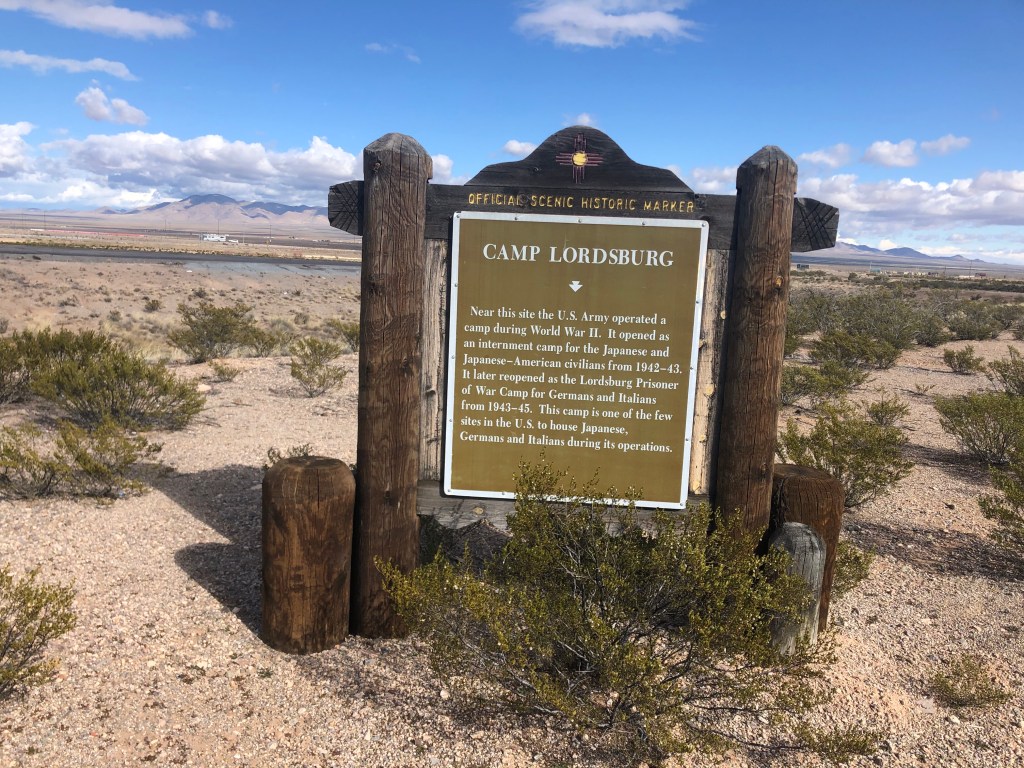
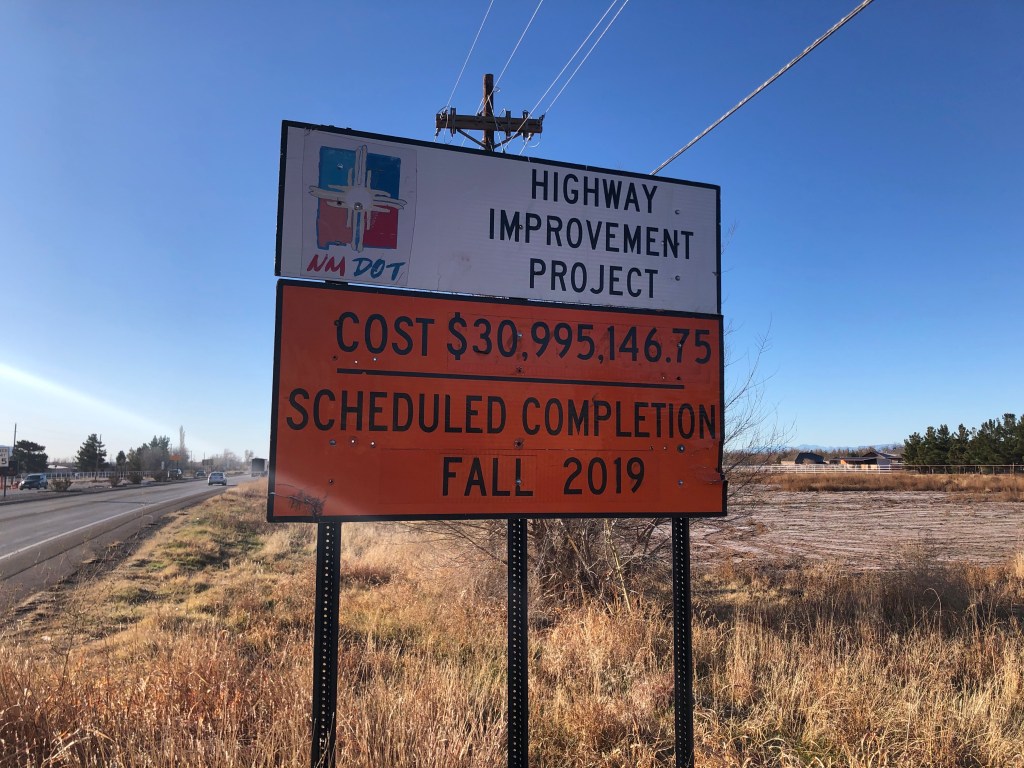
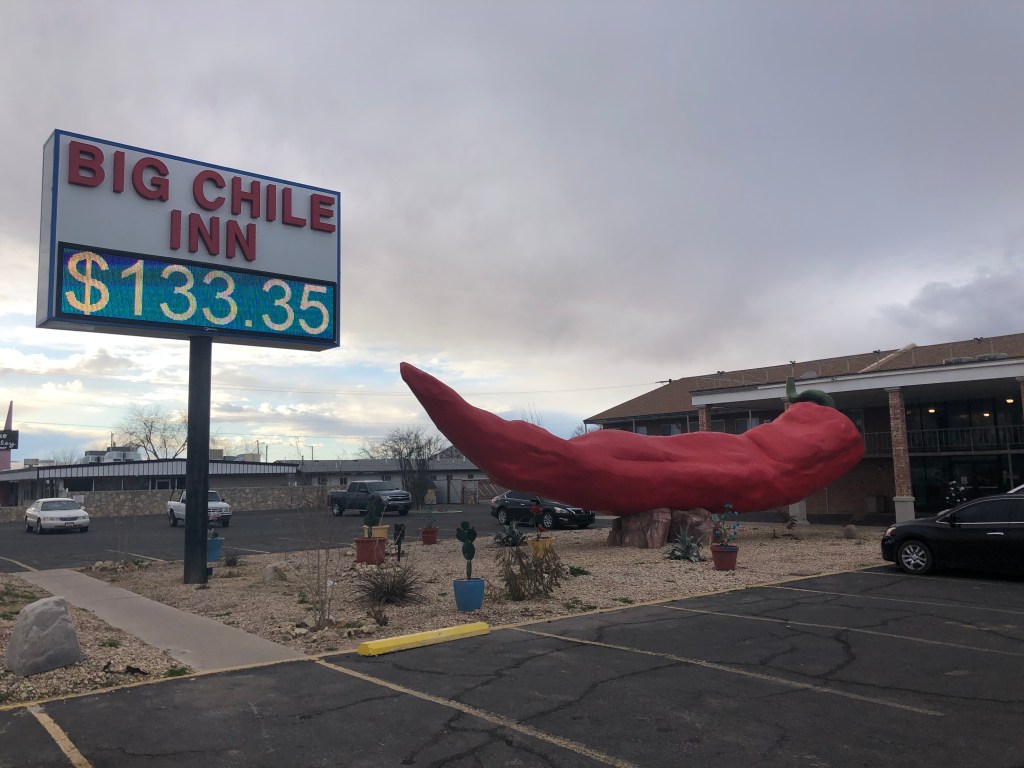
Finally, here are some additional photos from the trip:




 Chasing Phantoms
Love it! Great story.
LikeLike