With apologies to Dire Straits, I went to the Salton Sea and took a picture of this:
The Salton Sea lies lies about 170 miles from my house, so this sounded like a manageable day trip. The only downside was that my route passed through a town called “Corona,” which is a name that’s taken on somewhat disquieting associations during this pandemic.
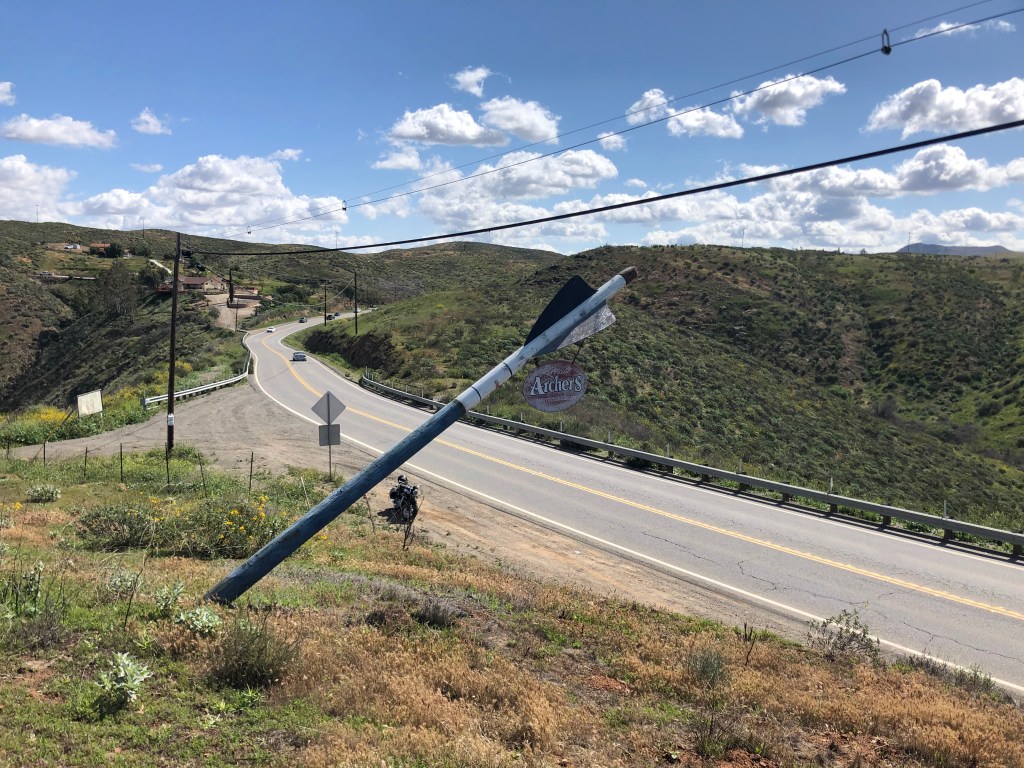
Anyway, the only notable sight I saw in Corona was this sign advertising an archery range.
Along the way, California Route 74 — the “Pines to Palms Highway” — traverses the Santa Ana Mountains and passes by Lake Elsinore. Lake Elsinore is a natural, freshwater lake around which has sprung up a good-sized town (pop: 68,000) of the same name and various horse ranches. It’s a pleasant enough area. I also made a swing through the town of Perris, which also has a lake. Lake Perris is at the southern terminus of the California Water Project, and is a popular spot for various recreational activities. The city of Perris (pop: 80,000) is holding its own, benefiting from the many visitors who come to the lake.
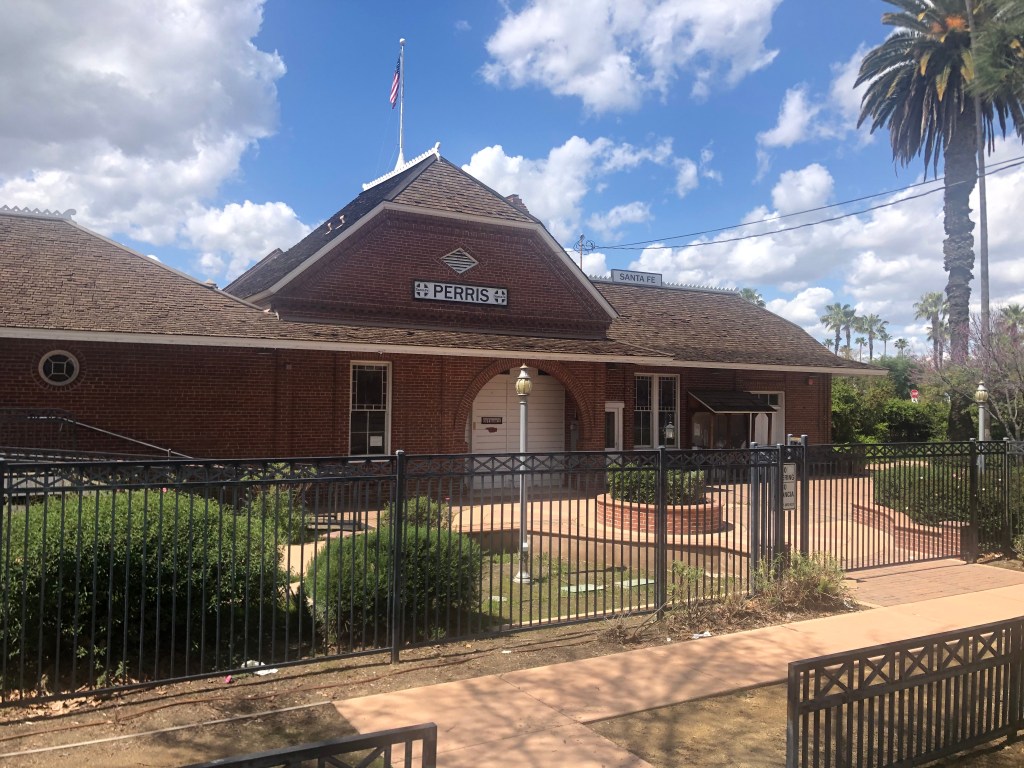
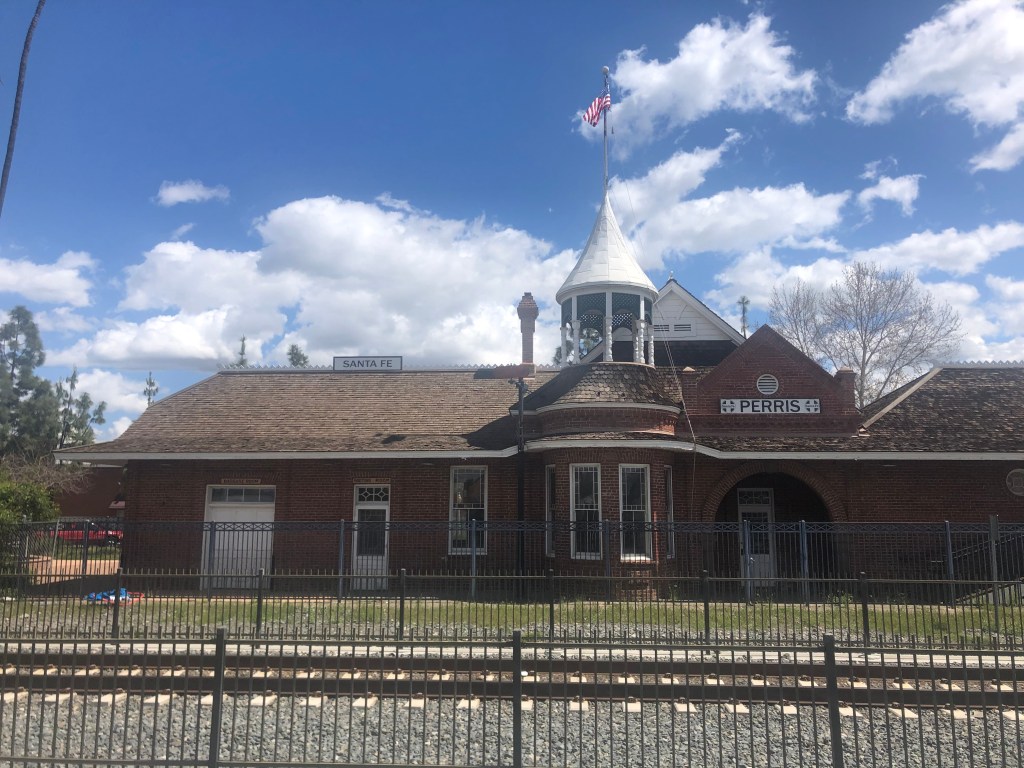
It’s hard to gauge the vitality of of town while everyone’s sheltering in place, but I was heartened to see this fully restored railroad depot that originally had been built in 1892. The depot now operates as a museum.
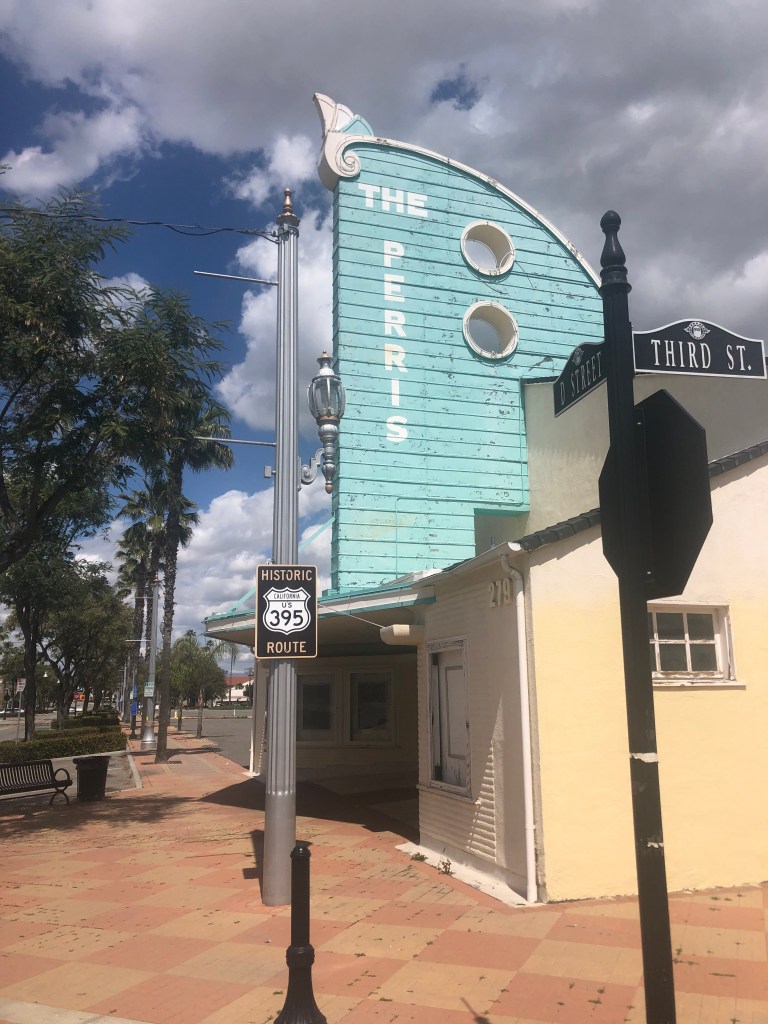
I also was struck by a semi-restored movie theater. The Perris Theater originally opened in the early 1930s as an open-air amphitheater. It was modified into its current, enclosed form in 1946. The theater closed in the 1970s as patrons took their business to the multiplexes. It then became used as a church, and was finally purchased by the city about 10 years ago, to be used as an entertainment venue. It’s hard to tell when it last hosted a show, but the condition of the paint suggests it’s been vacant since before the Coronavirus hit…
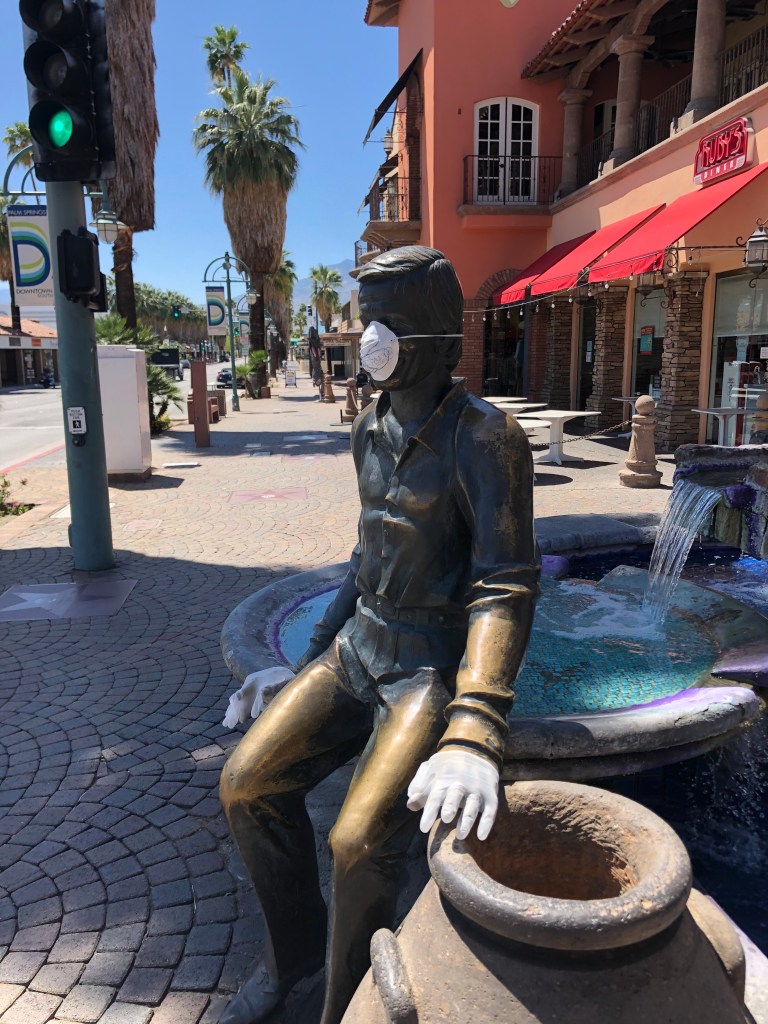
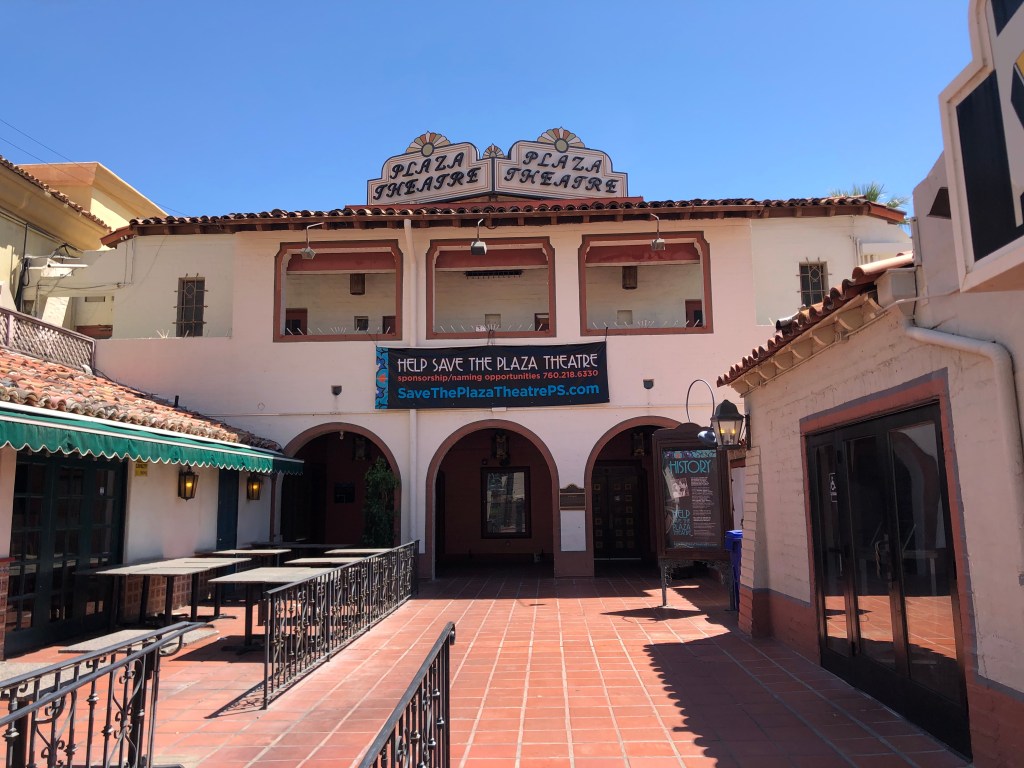
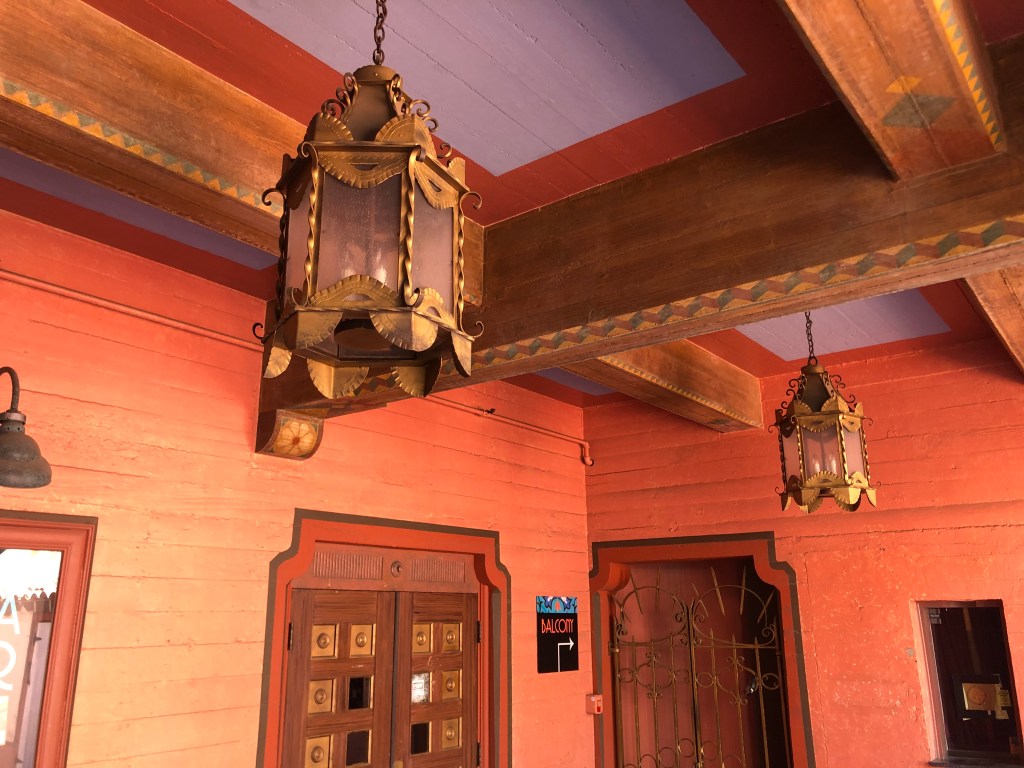
Yes, yes, I’m going to get to the Salton Sea in a moment. But I did want to share another theater that I saw in Palm Springs. The Plaza Theater was built in 1936 in the Spanish Colonial Revival style. In addition to screening movies, it also hosted live programs by entertainers like Frank Sinatra, Jack Benny, Bing Crosby, and Bob Hope, which were broadcast over the radio. The city of Palm Springs is currently seeking funds for further restoration of the theater.
By mid-afternoon I finally arrived at the Salton Sea. It’s probably helpful here to review some history. In 1900, a decision was made to dig an irrigation canal from the Colorado River to irrigate the great, dry lake bed in southeastern California called the Salton Sink. Things worked pretty well for a few years, but in 1905 heavy rainfall and snowmelt caused the Colorado River to overflow its banks, and the irrigation canal quickly eroded into a river. In fact, the entire flow of the Colorado River was diverted through the canal and into the Salton Sink for two years. Let me repeat that: All the water from the Colorado River just dumped into the desert for two years and filled this dry lake bed, while government officials tried to staunch the flow. When the Colorado River’s banks were finally restored, a new lake had been formed, which today has a surface area of about 350 square miles. This is the Salton Sea.
Sensing a providential business opportunity, developers began to create towns and housing developments on the newly-formed shores of the Salton Sea. Things were looking up in the 1950s, as marinas, boat launches, hotels, and enormous housing tracts were developed. I mean, who wouldn’t want to have a beachfront house in the middle of the desert? The Salton Sea was just a larger version of Lake Elsinore or Lake Perris.
But then things began to take a nasty turn. Unlike Lake Elsinore and Lake Perris, the Salton Sea lacks any outflow, so over the years saline levels continued to rise and agricultural runoff became increasingly concentrated. Fish began to die off, with large numbers of dead fish washing up on the shores to rot. Add this smell to the odor of the polluted water, and you can understand why the area began to suffer as a tourist destination. Many of the new housing units were abandoned by developers, and the “seaside” communities began to resemble ghost towns.
Such is the situation I came upon today. I took highway 86, which runs along the western side of the “sea,” and encountered signage that evoked palm-studded resorts: “Desert Shores,” “Salton Sea Beach,”Whitewater Cove,” “Coral Wash.”
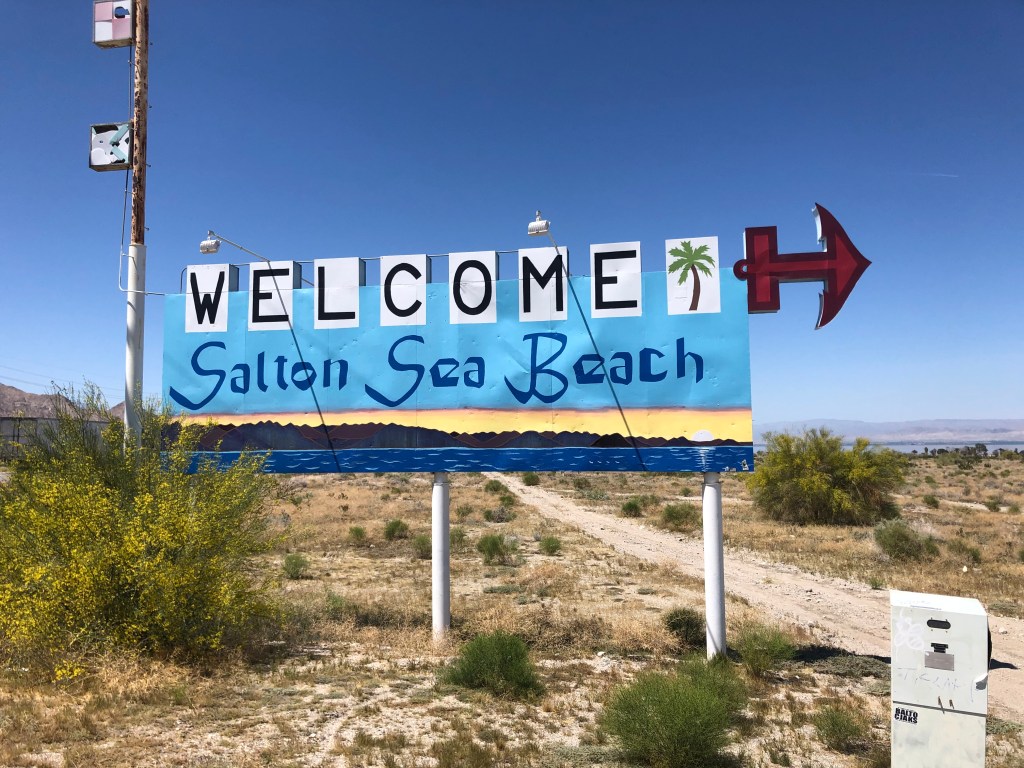
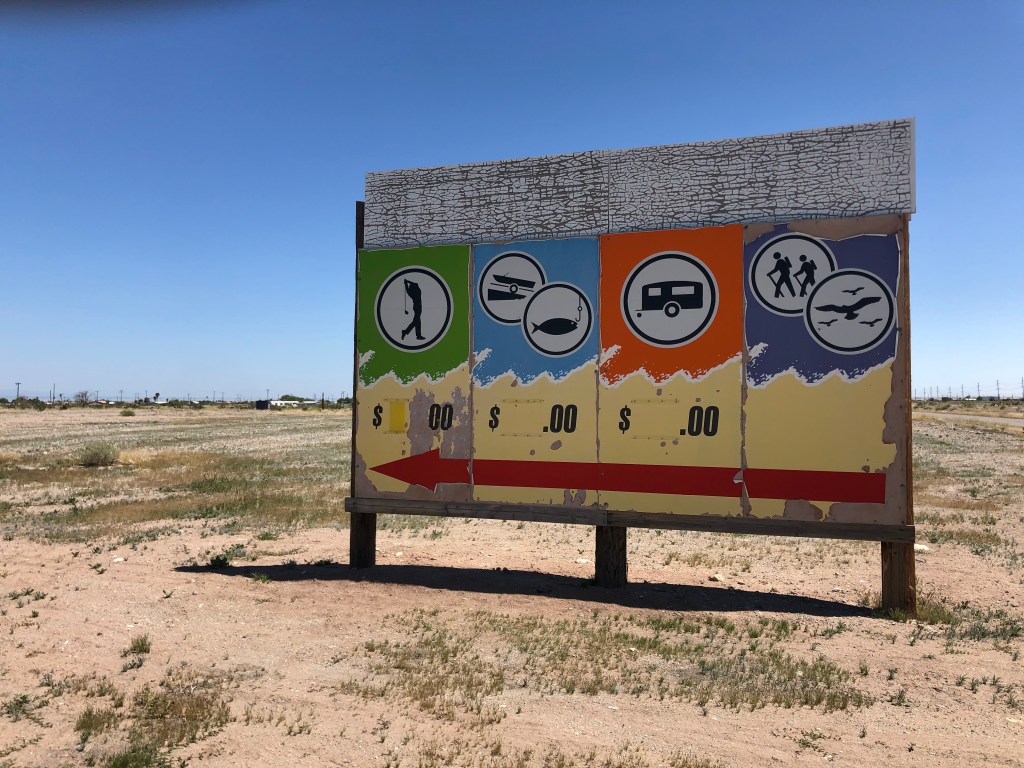
As I headed toward the shore, I passed dozens of derelict buildings, bearing mute testimony to shattered dreams and failed schemes.
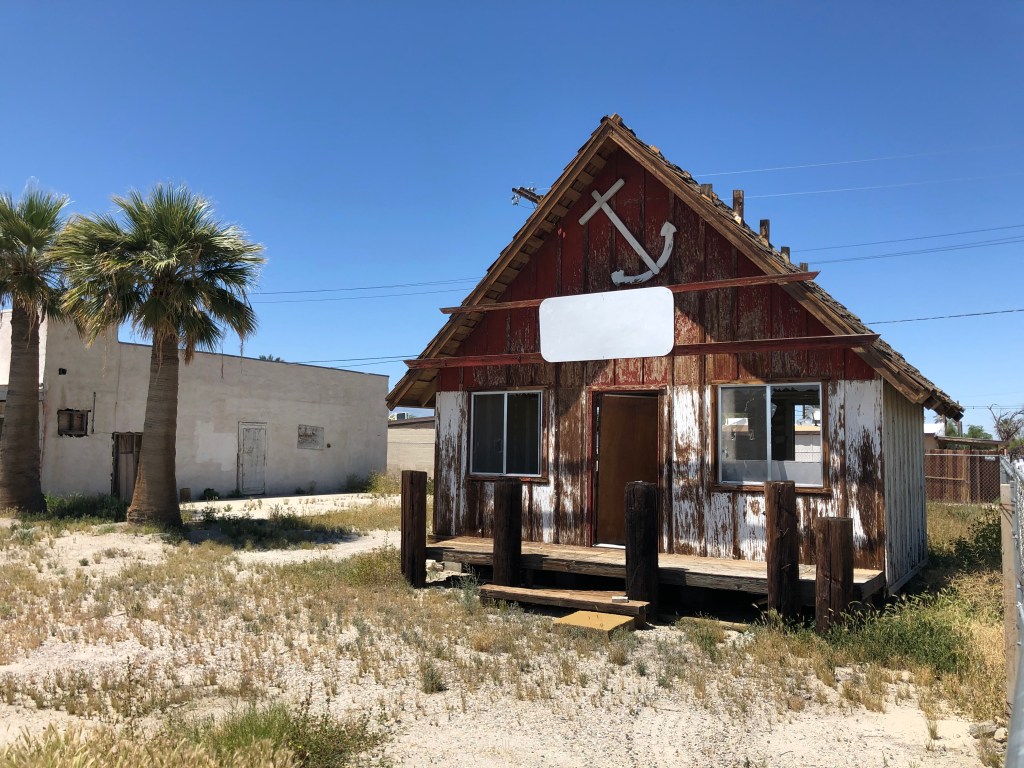
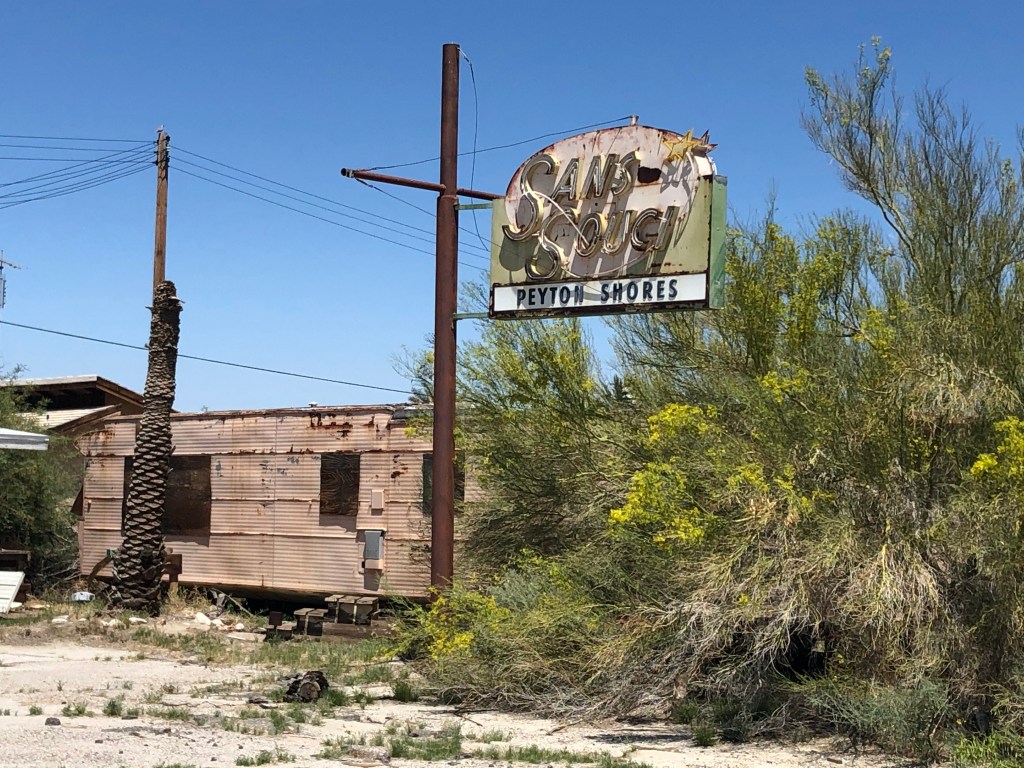
I smelled the sea before I saw it, and when I did enter visual range, the sights and smells matched perfectly.
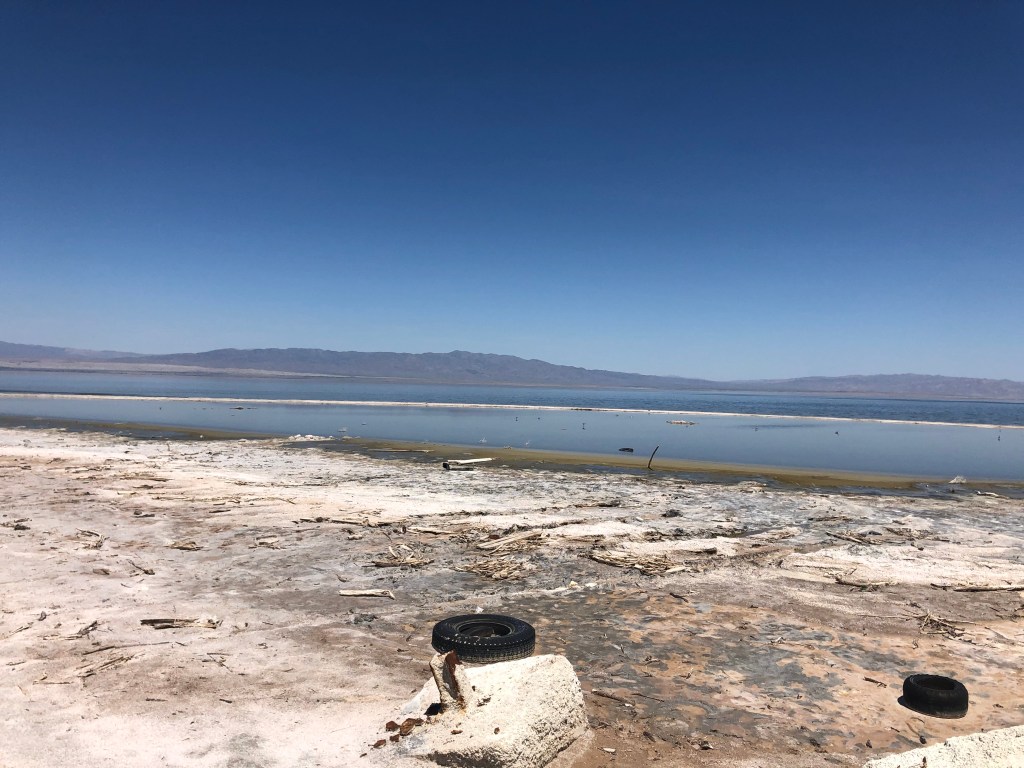
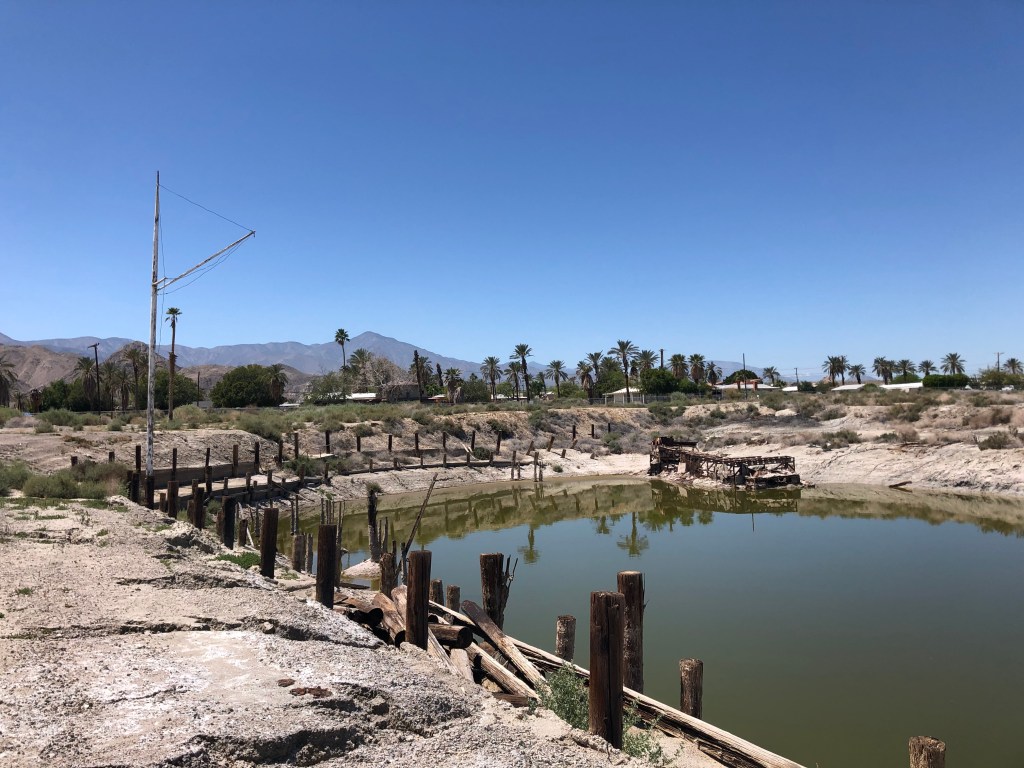
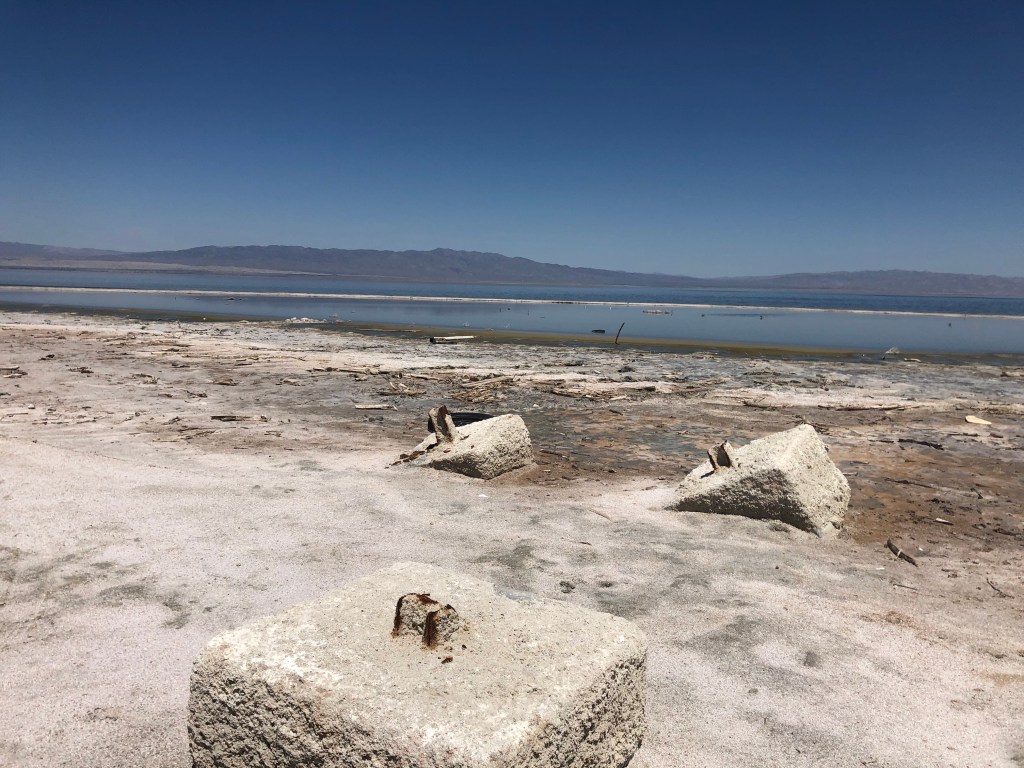
You can imagine how depressing this all was. It’s not just the environmental disaster that’s so disquieting; it’s also the dissonance between the the current reality and the optimistic promises embodied in the names. For example, I drove though a half-completed, now largely abandoned residential tract where every street name promised the best a seaside community could offer.
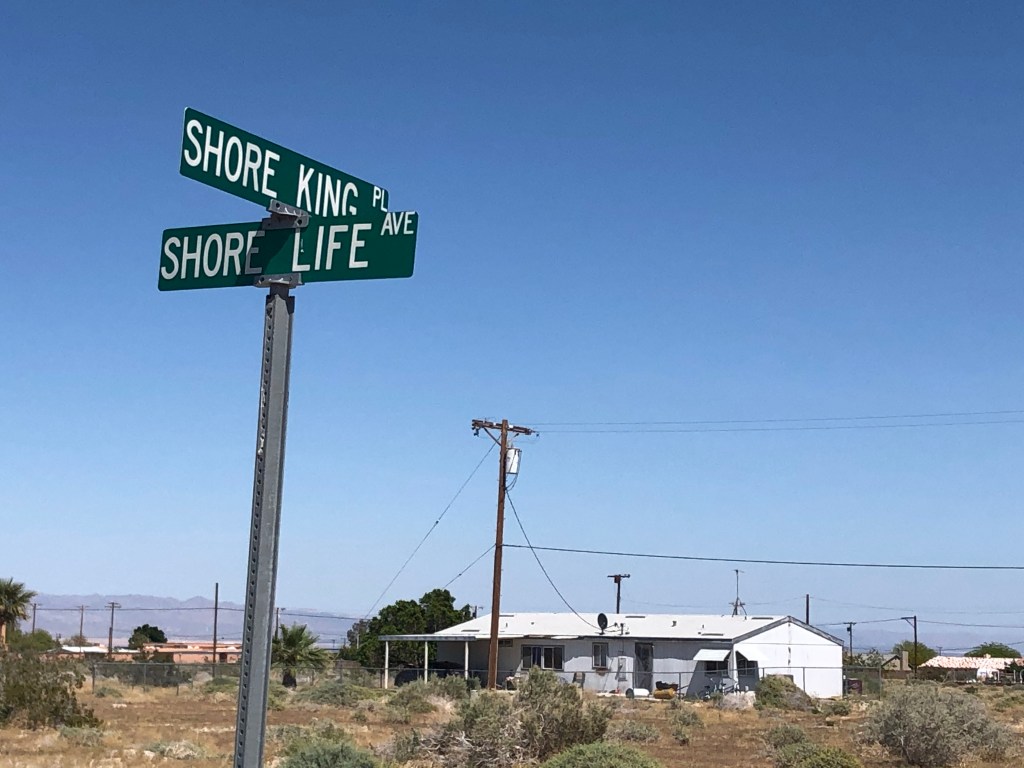
Today, the main town on the Salton Sea — Salton City — has a few thousand residents, and subdivided lots designed for 40,000. Most of the lots are undeveloped, even though signs advertise them for about $2,500. Over a third of the extant housing stock is abandoned. The only employment of any note in the area is a recently-constructed Indian casino.
The story of the Salton Sea is one of hubris, greed, environmental disaster, and quiet desperation. It shore is a mess…

 Chasing Phantoms