Today Scott and I stuck around Louisville. This city, perched on the bank of the Ohio River, is very much a city of the past, with ancient structures, deep historical connections, and enduring traditions.
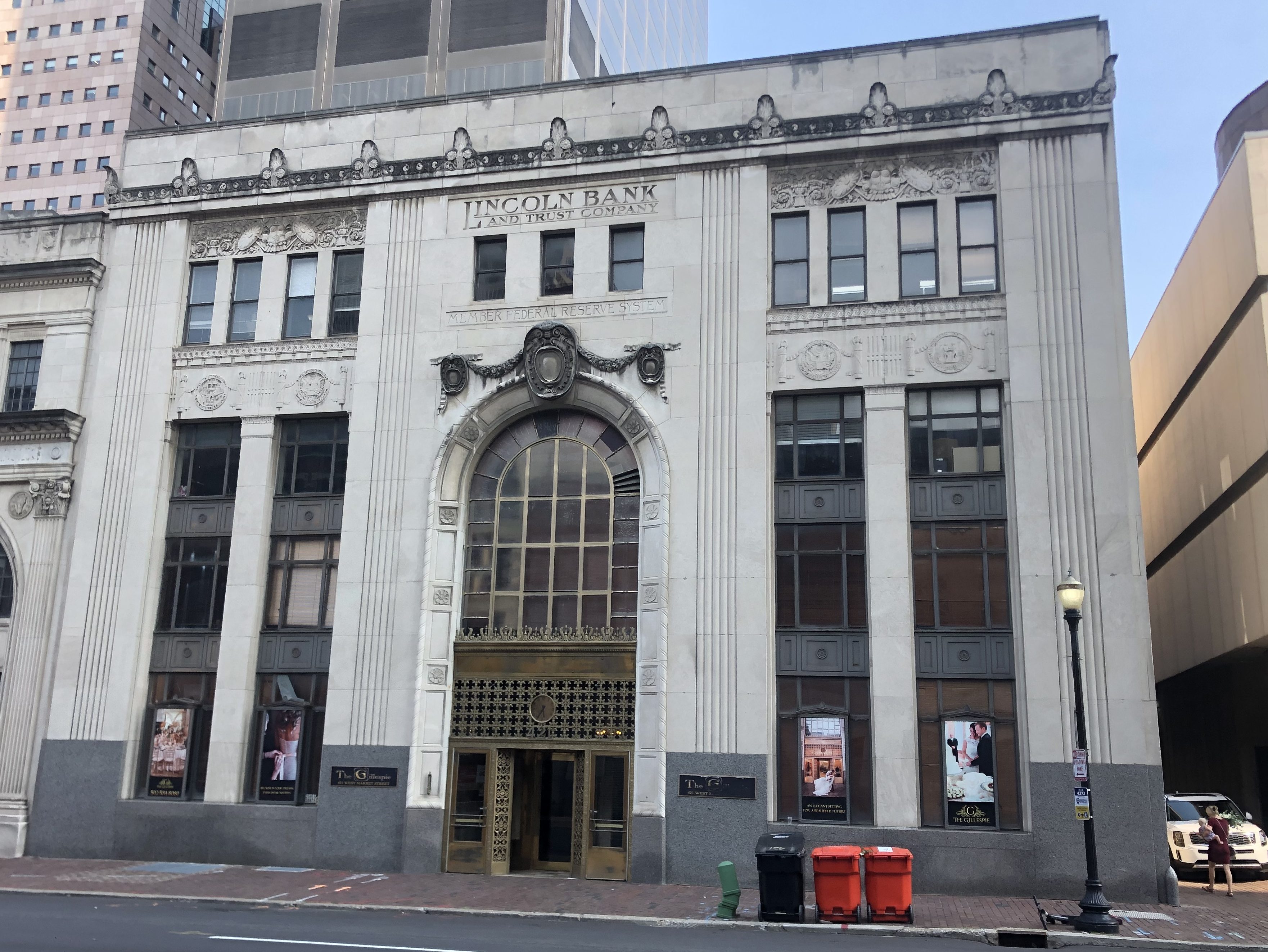
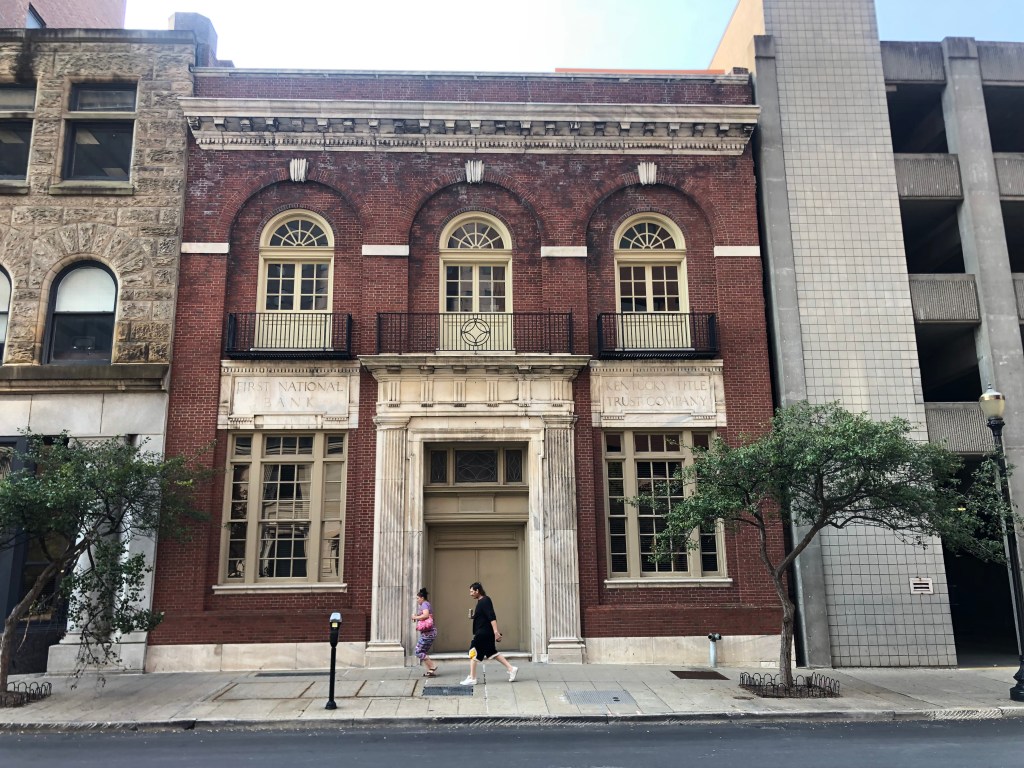
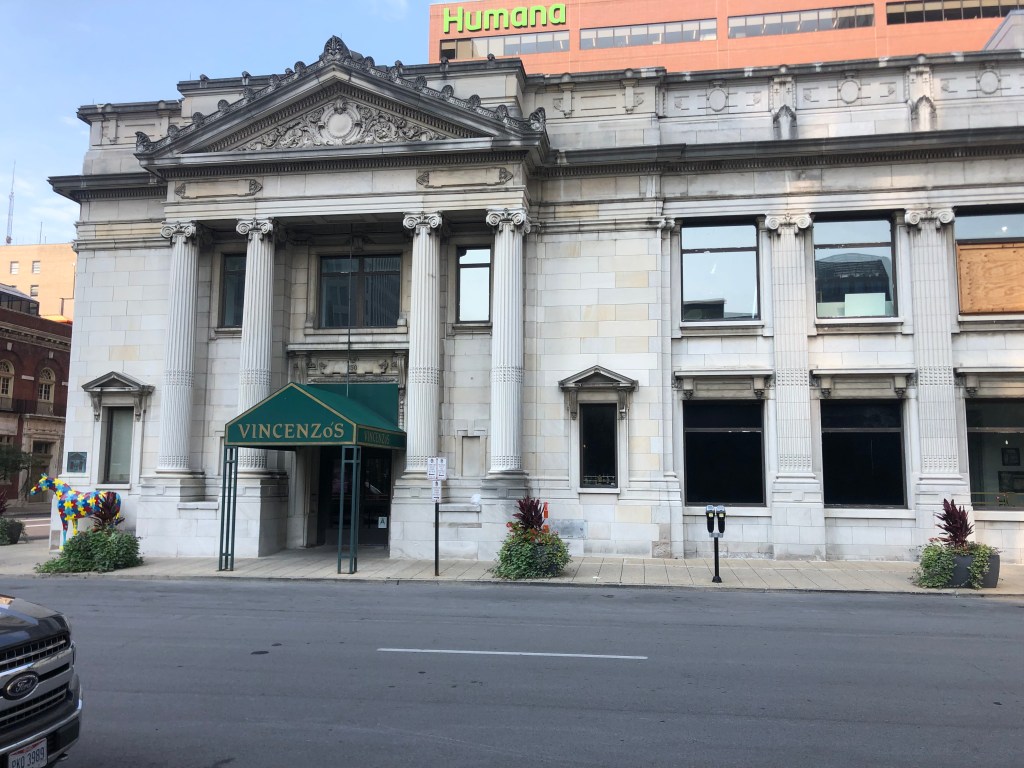
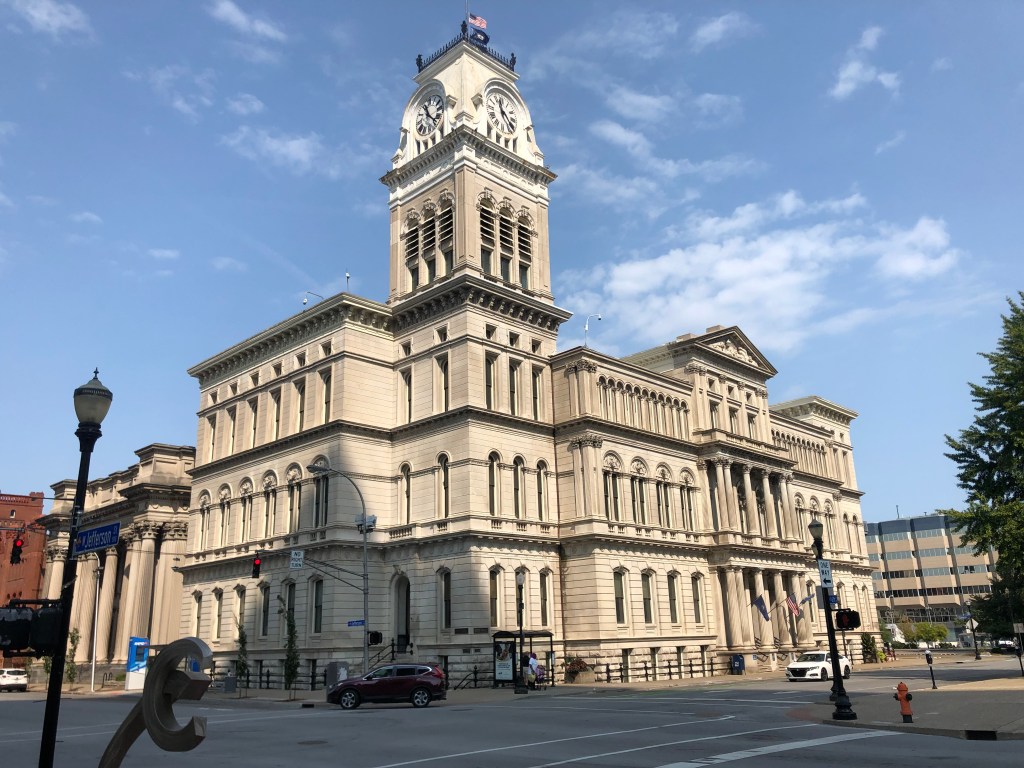
We spent the morning walking around downtown Louisville’s old financial district. It’s lined with looming, imposing banks and stock exchanges from the turn of the century. Most of these are now serving other purposes, such as art galleries or lofts or restaurants. They’re impressive and anomalous in the 21st century, and very much give Louisville a unique, historic vibe that you just can’t get from a hipster urban renewal project.
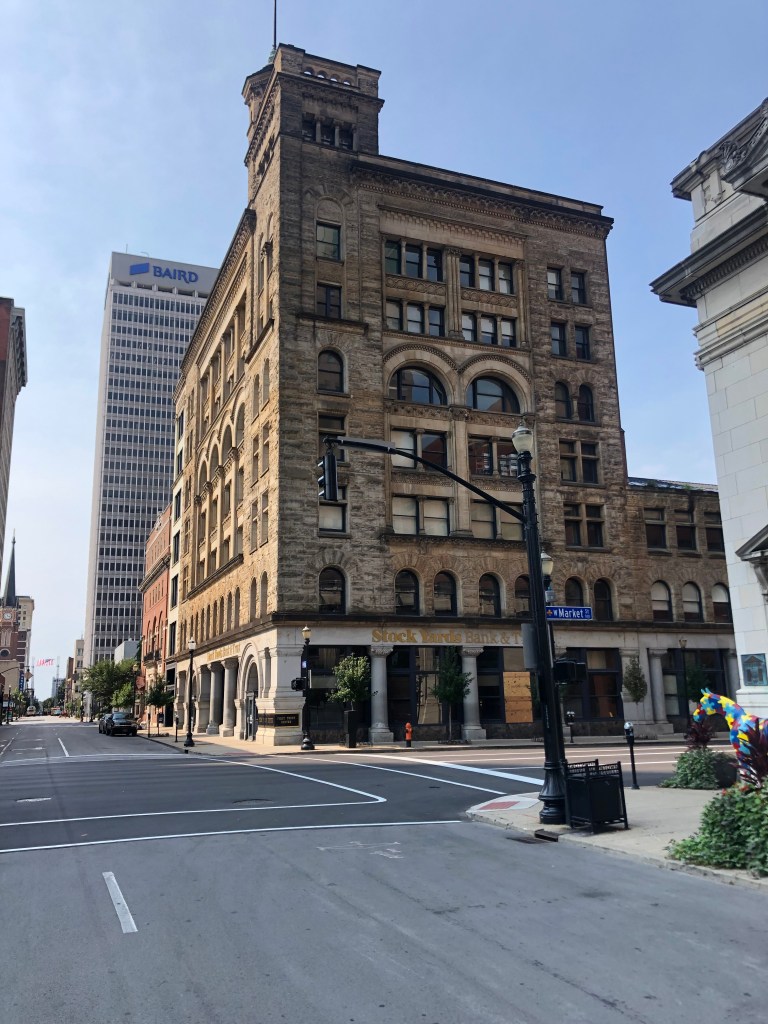
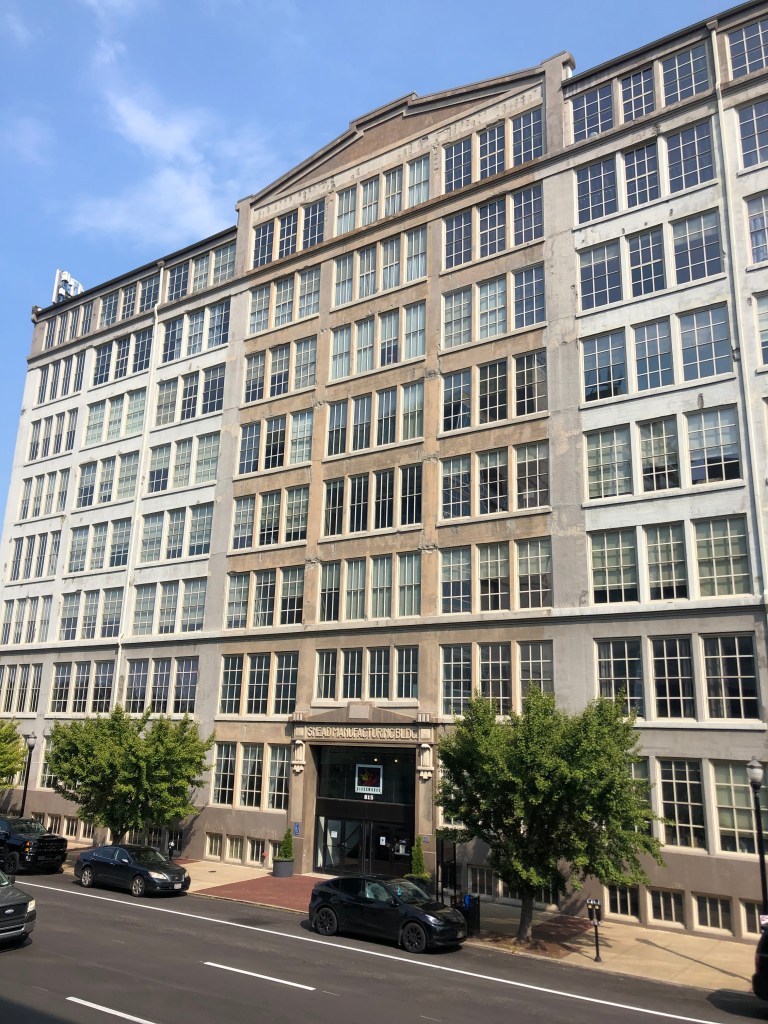
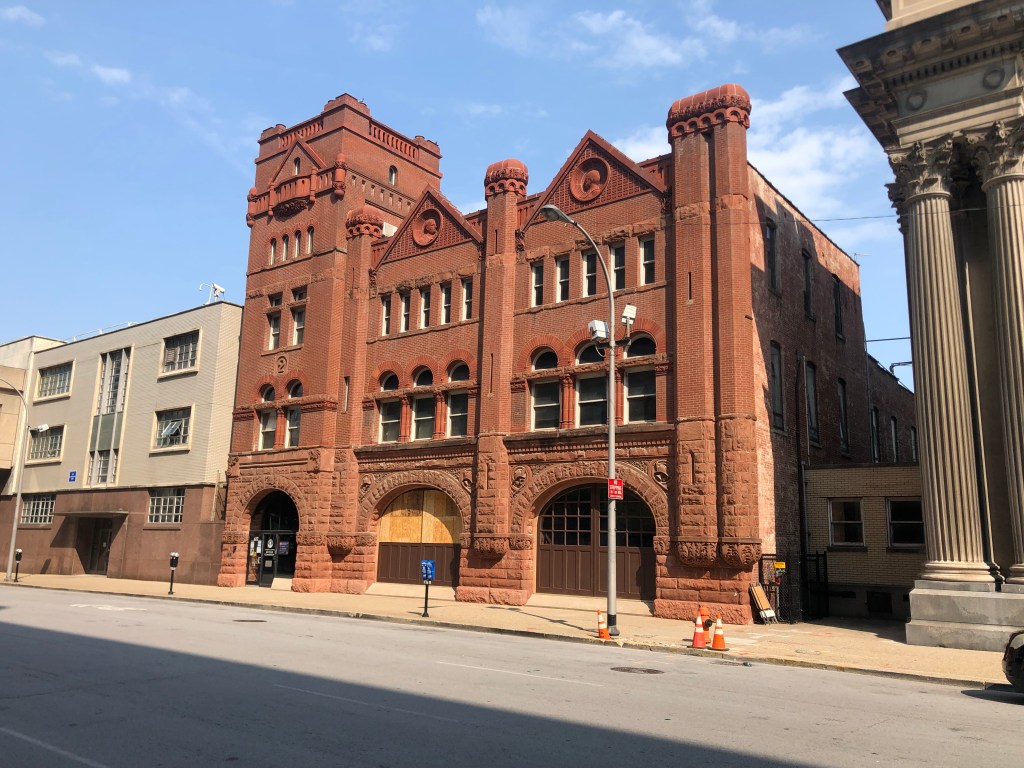
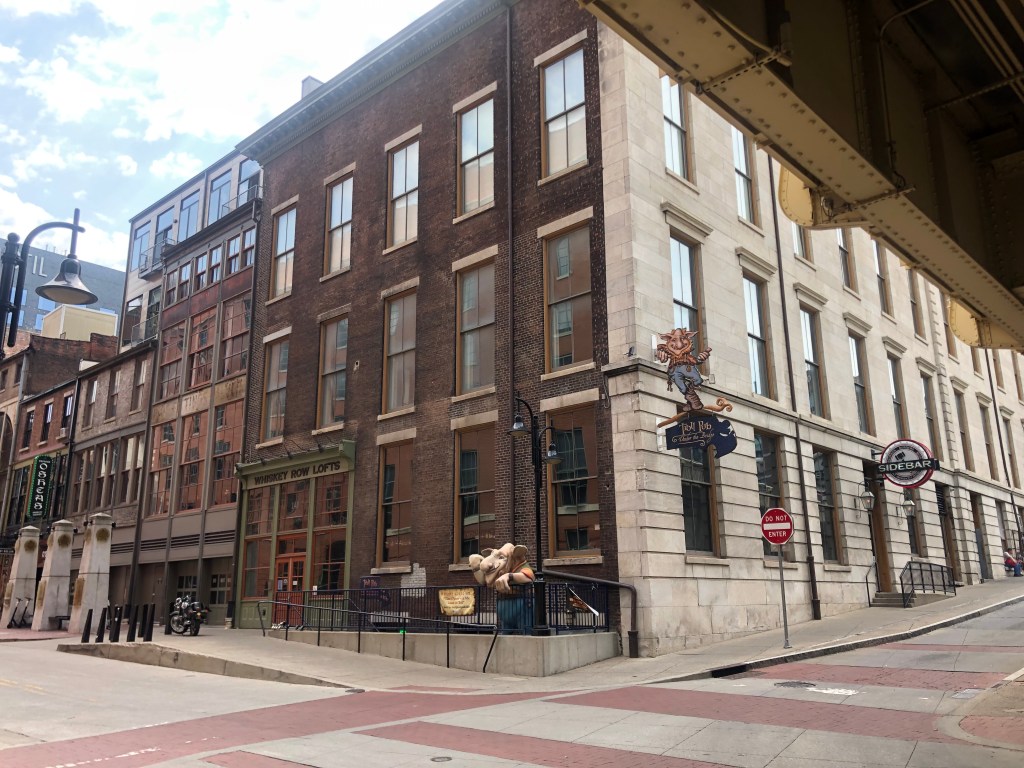
For lunch, we thought we would try the (slightly) celebrated Troll Pub. The name comes from the Three Billy Goats Gruff, since the pub sits under a bridge (Louisville’s Clark Bridge, which crosses the Ohio River into Indiana). The pub is in yet another of Louisville’s historic structures; this one was the headquarters of the Louisville and Nashville Railroad in the late 1800s.
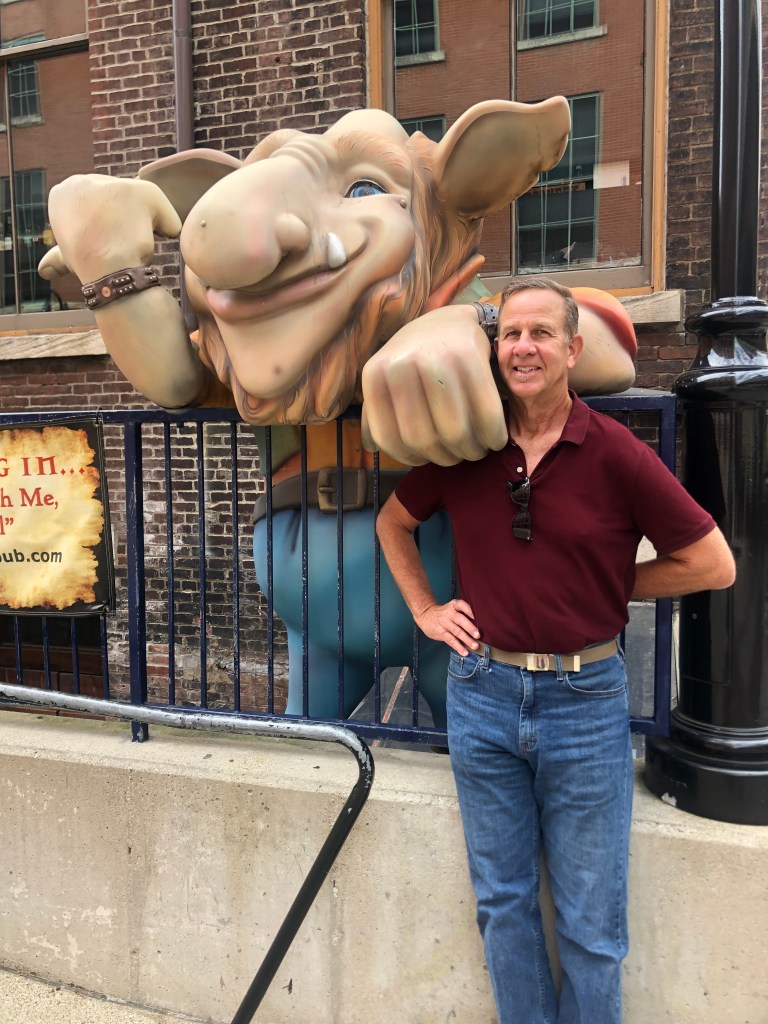
Alas, the pub’s kitchen didn’t open until 1 pm (which seems like an odd time to start serving the lunch crowd), so we left and I got a stale corn dog at a gas station. But at least we were able to get this cool picture with the troll.
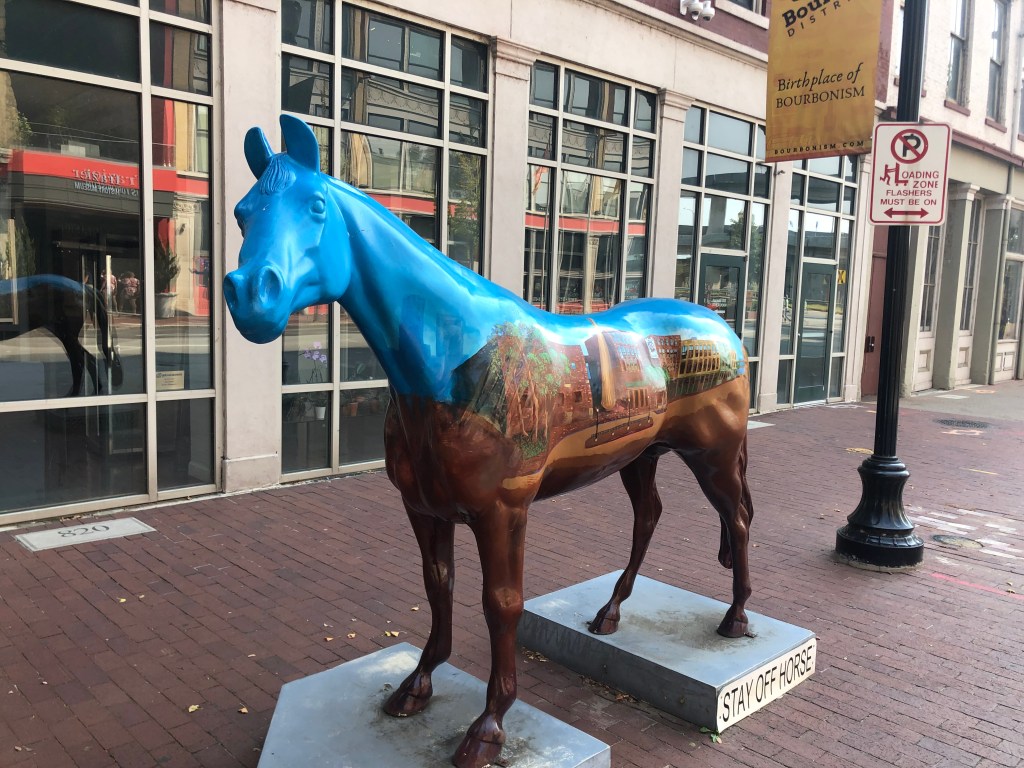
I addition to its cool architecture, Louisville has a strong sense of civic pride. A tangible example is the city’s Gallopalooza, which was a fundraising project whereby businesses and other groups bought and decorated fiberglass horses that were then placed around town. (This followed a popular trend adopted by a number of other towns in the early 2000s.) We encountered a handful of these horses today.
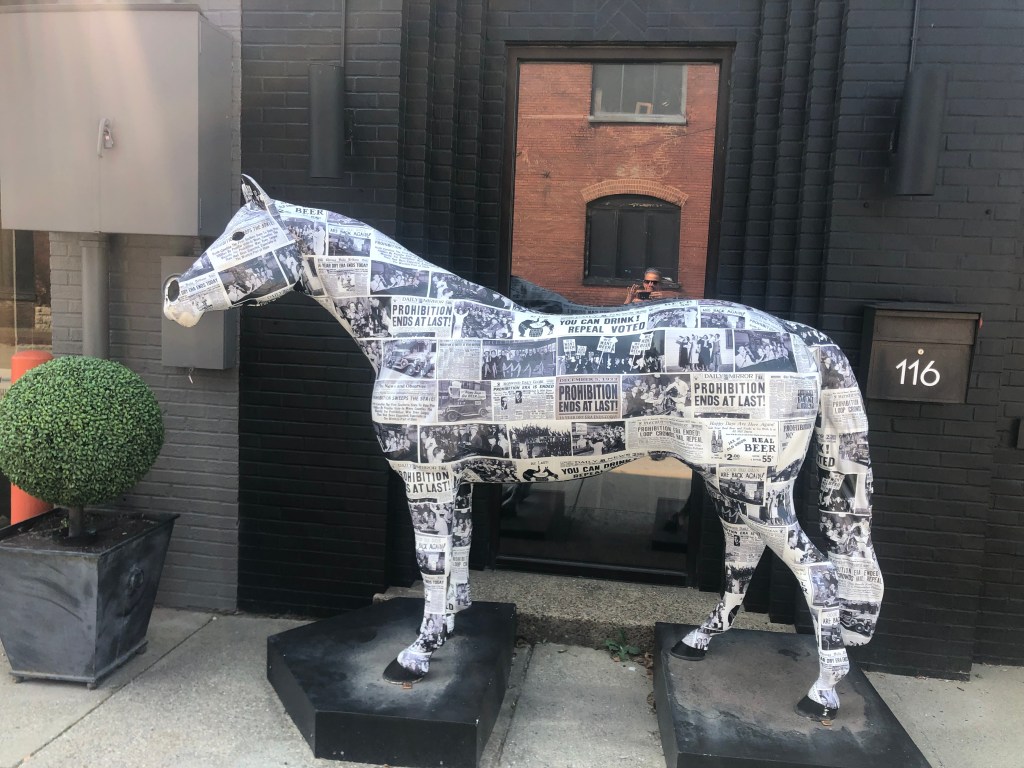
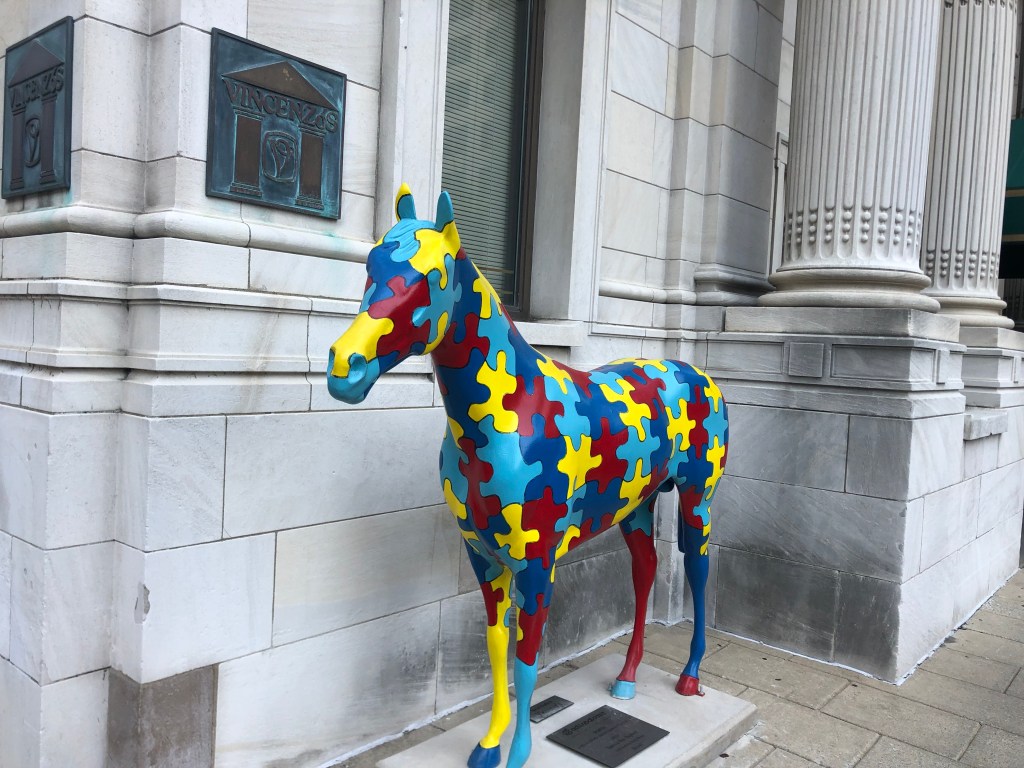
After lunch, we headed out for one final distillery tour, at Stitzel-Weller. The facility, which was constructed in 1935, was both fascinating and depressing.
When we arrived, we were struck by the picturesque, historic setting with ancient trees, rambling old rick houses, an enormous brick smoke stack, and a tidy prewar administrative building in a state of arrested decay. It’s exactly the kind of place that I want to imagine my bourbon comes from: historic, well-worn, traditional, slow-paced, and unpolished.
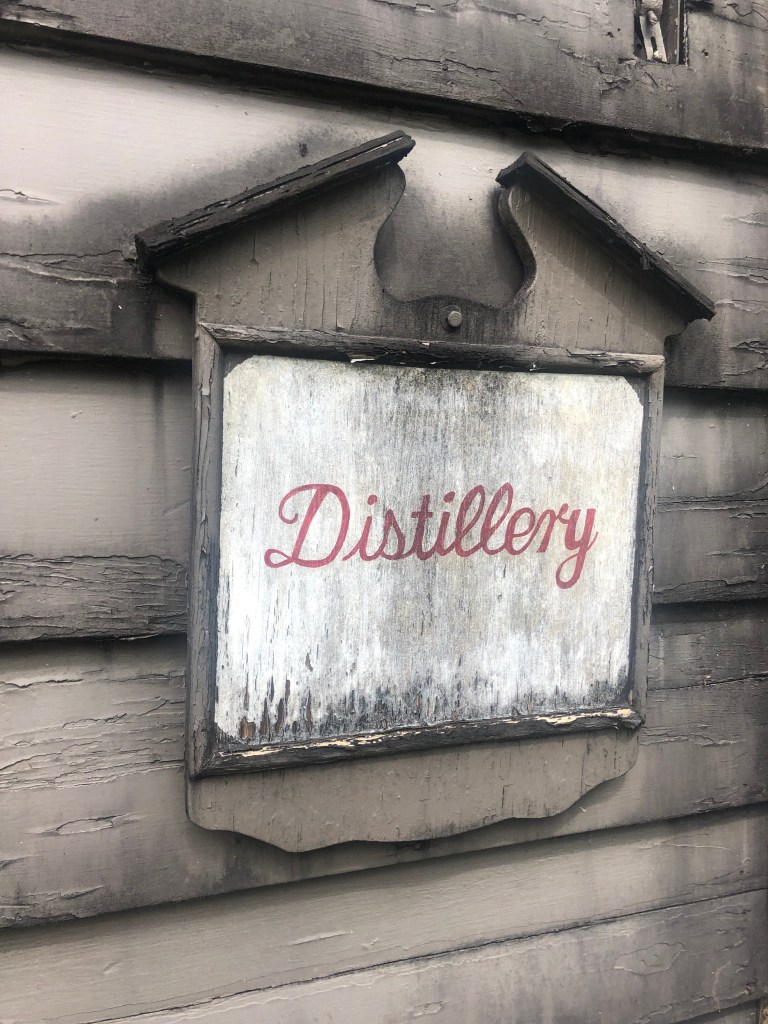
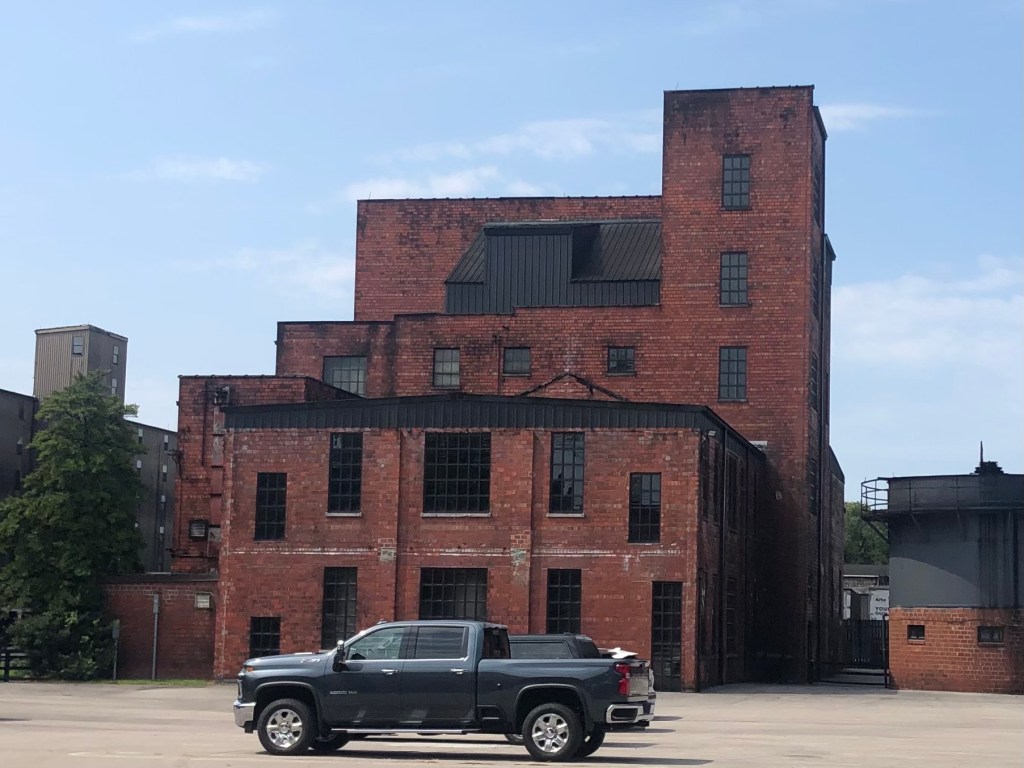
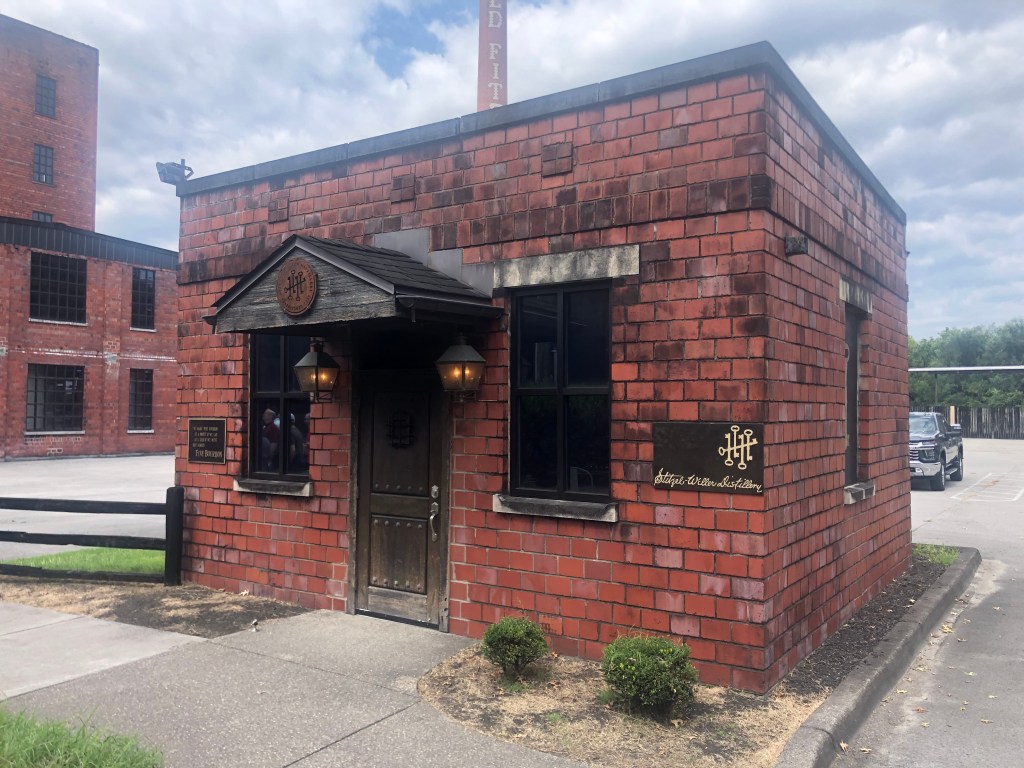
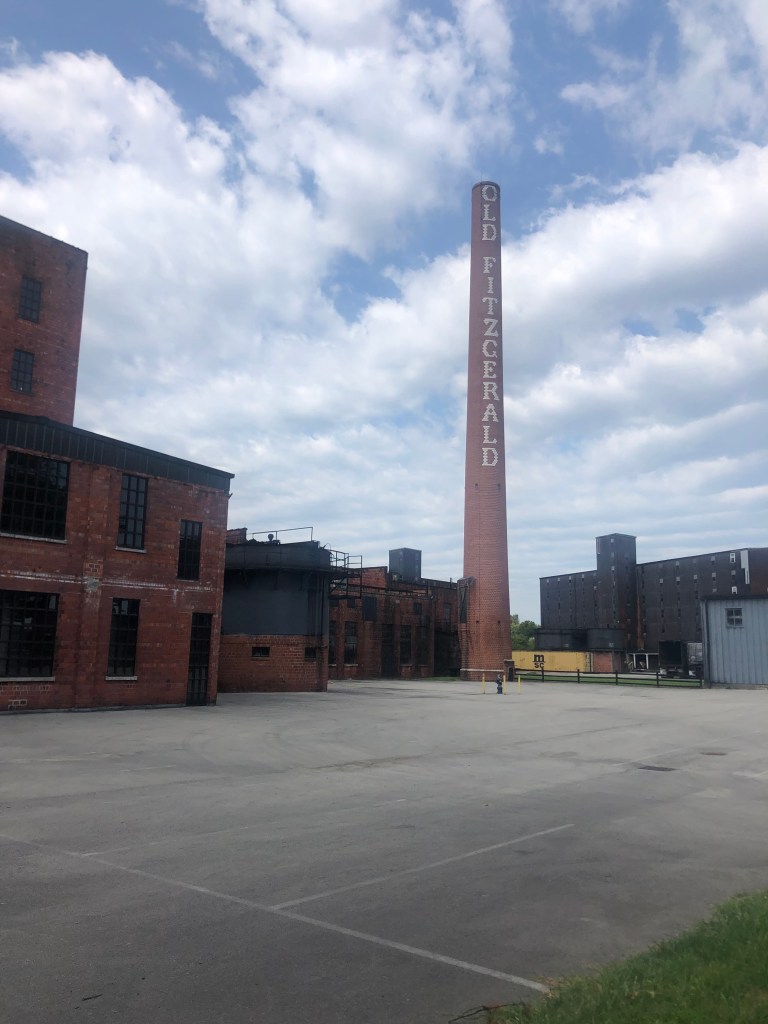
We were soaking up the atmosphere (quite literally in Kentucky’s summer humidity) and enjoying the tour when it became clear that this distillery has not produced whisky in over a quarter of a century. The family that owned it since its inception sold it in 1972, and it fell into the hands of a mega-corporation which shifted production to more efficient plants. The distillery’s buildings are now mainly just used to store barrels from other distilleries, and to conduct tours and tastings. It was somewhat eerie to walk through these buildings that once saw round-the-clock activity, but which now are inhabited mainly by ghosts.
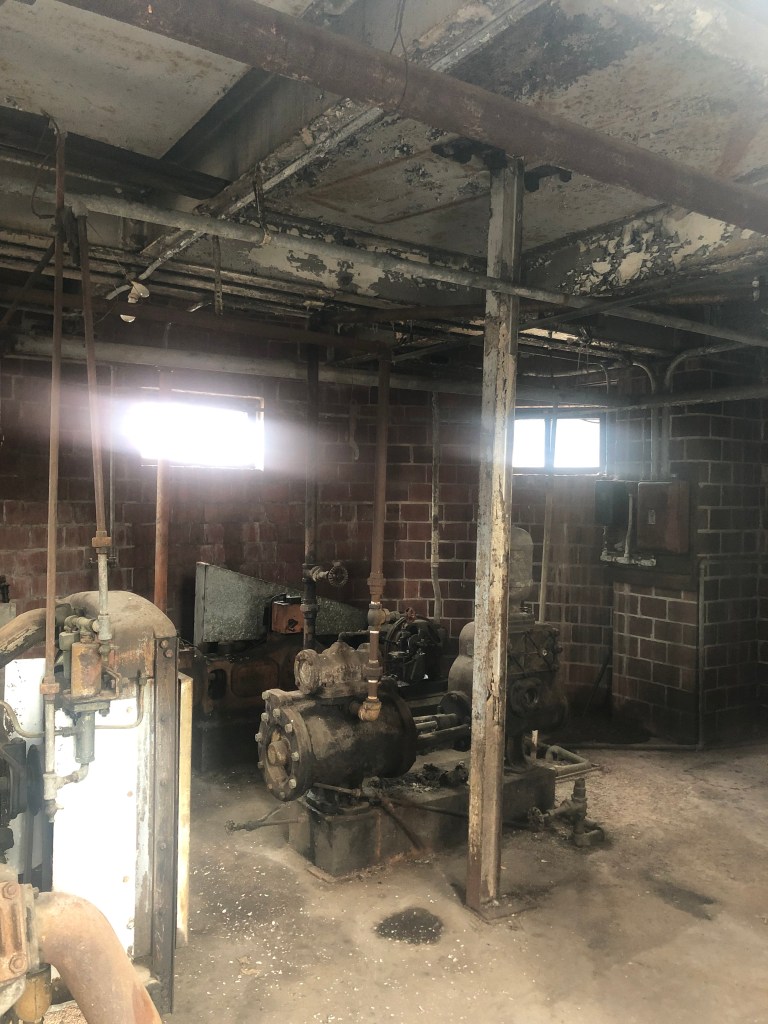
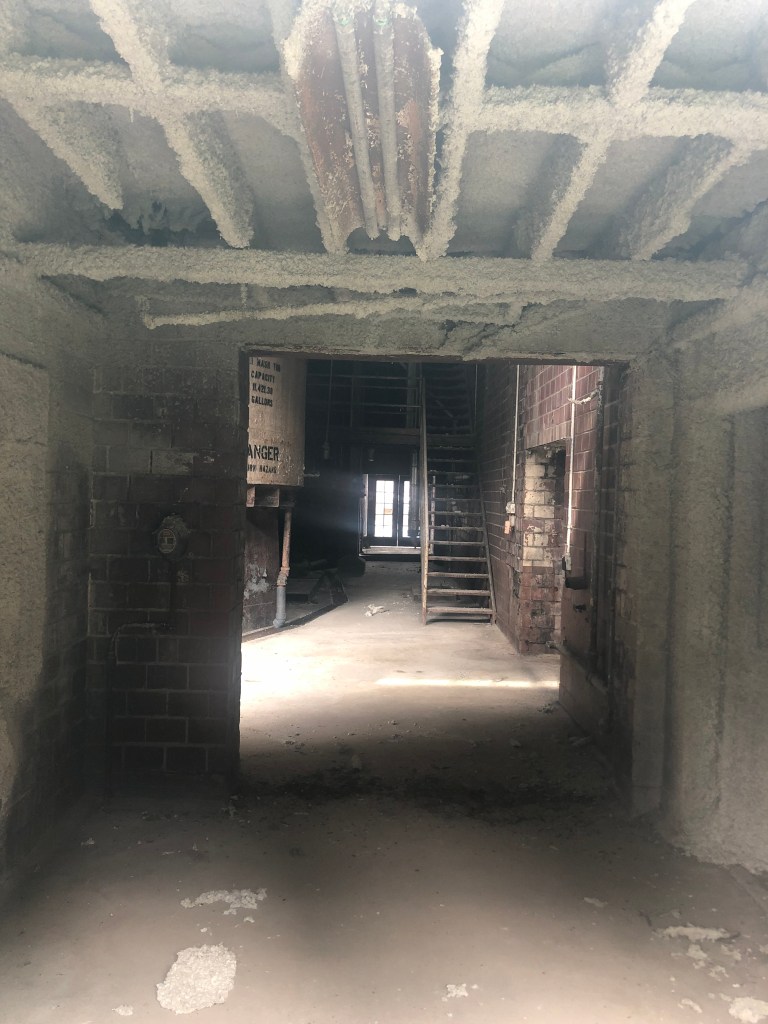
Furnished with this story of commercial quietus and exposed to this setting of decline and decay, we feel properly equipped to return to the Trail of Tears in the morning.
Until then.

 Chasing Phantoms
This is so cool. I was last in Louisville in ‘92 – where I fell in love with field research bc I went to schools all day, distilleries in the afternoon, and bars at night. I hung out in an arts district that seemed like it was on the other side of the tracks.
Anyway, just read this article about an old journal falling out of someone’s house and thought of you – really cool story: https://www.sfchronicle.com/projects/2021/san-francisco-diary-love-story/?utm_source=marketing&utm_medium=facebook&utm_campaign=content_acquisition&fbclid=IwAR3lIP6Af3dMC5RV3Qv9iKlEQTFsByr_XUdZR8nPseIoLuTNm6o4CuWhJ9E_aem_AUjwCMcJ4zQAZT_0kgWSy2f4v7NayDAeu0VaQJePK2jexO7XsYePpg4y3juG-SBYP4NezN3GifwH8FQBViIOPj1z3HjtFbRhpCsztdXLQtRvjyJ4SXNIFb-Bu2069JIDAyk
On Sat, Sep 11, 2021 at 6:44 PM Chasing Phantoms wrote:
> steveboilard posted: ” Today Scott and I stuck around Louisville. This > city, perched on the bank of the Ohio River, is very much a city of the > past, with ancient structures, deep historical connections, and enduring > traditions. We spent the morning walking around downtown L” >
LikeLike
Gallopalooza looks like lots of fun!
LikeLike
Steve, Fun to follow your continuing journeys! Your photo of the awesome Louisville city hall building reminds me that I’ve often observed how much pride we used to take in our civic architecture. Traveling by Greyhound across the middle of the country, I was amazed at how nearly every county seat town had a library, or a courthouse, that looked as if it were part of the same architectural heritage of the US Capitol. But when Thyra took her citizenship exam at the LA County Courthouse, to call it a jumble would be to misplace a compliment. On the outside it was nothing to look at. On the inside, there were paper signs taped over plastic signs, some with conflicting messages. There were doors to nowhere, and furniture that appeared to be cast-off from a school district warehouse. On top of that the staff showed neither interest nor ability when it came to speaking non-English sounding names. People who were sitting right in front of the area where they were calling people in had no idea that their name had just been spoken, because the person doing it was saying something almost completely unrelated. I couldn’t help but think of David’s lament over the death of Saul and Jonathan, “How the mighty have fallen!” Peace, Jonathan
Jonathan Chute Senior Pastor Rolling Hills UMC 26438 Crenshaw Blvd. Rolling Hills Estates, CA 90274 310-377-6771 ext. 301 jonathan@rhumc.org
>
LikeLike
With the last name of “Boilard,” I have some firsthand experience with the mispronounced name issue!
LikeLike