
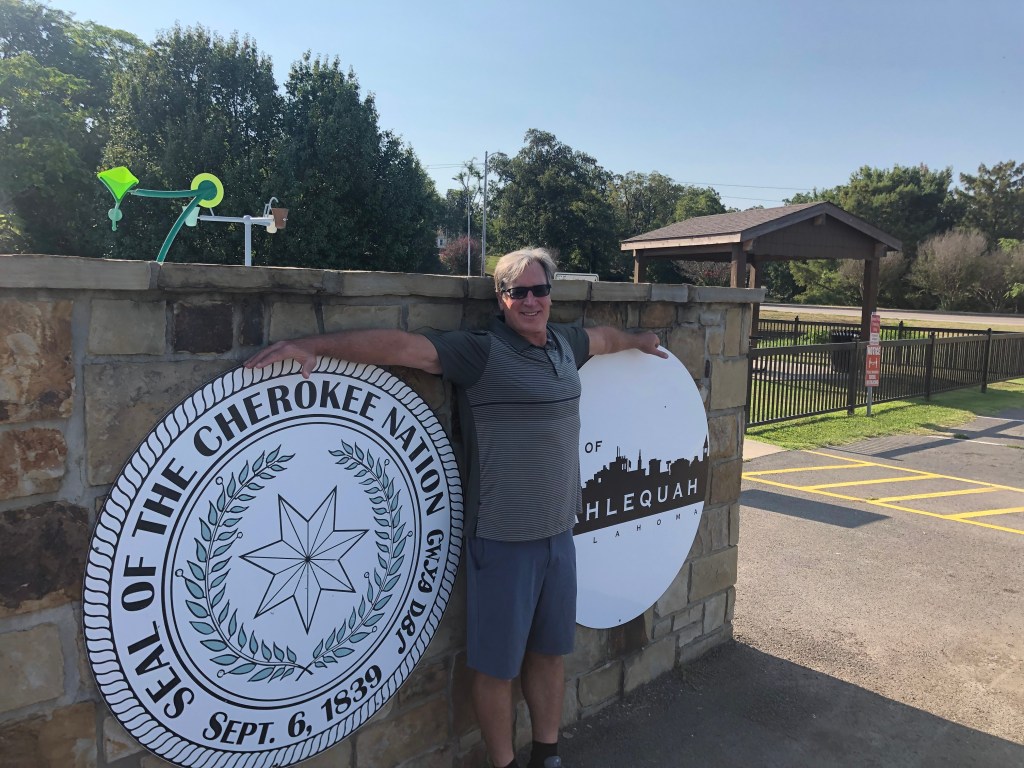
Today Scott and I ended our journey along the Trail of Tears at Tahlequah, Oklahoma, where the bedraggled and exhausted survivors of the original ordeal arrived 182 years ago. As we’ve learned, some 16,000 Cherokees had been forced from their homeland in and around Georgia after the federal government passed the Indian Removal Act of 1830. The idea was to free up the Indian lands for the use of white settlers. The forced march of the Cherokees took place between 1838 and 1839, and up to 4,000 of them died during or immediately after the forced removal.
The survivors then went about the business of re-establishing their nation on these new lands. They chose Tahlequah as their new capital, and began planning streets, government buildings, homes, and other facilities. The Cherokees had adopted many aspects of the European Americans’ society, including western dress, a written language, democratic governance, agriculture, Christianity, and frame architecture. In fact, even in its early years, Tahlequah very much resembled any other small American town. Today the town is tidy, respectable, and generally quiet, though we had breakfast at a bustling downtown cafe next to a jazz club. Afterwards we walked through the historic district, which stands alongside a clear and gently-flowing creek.
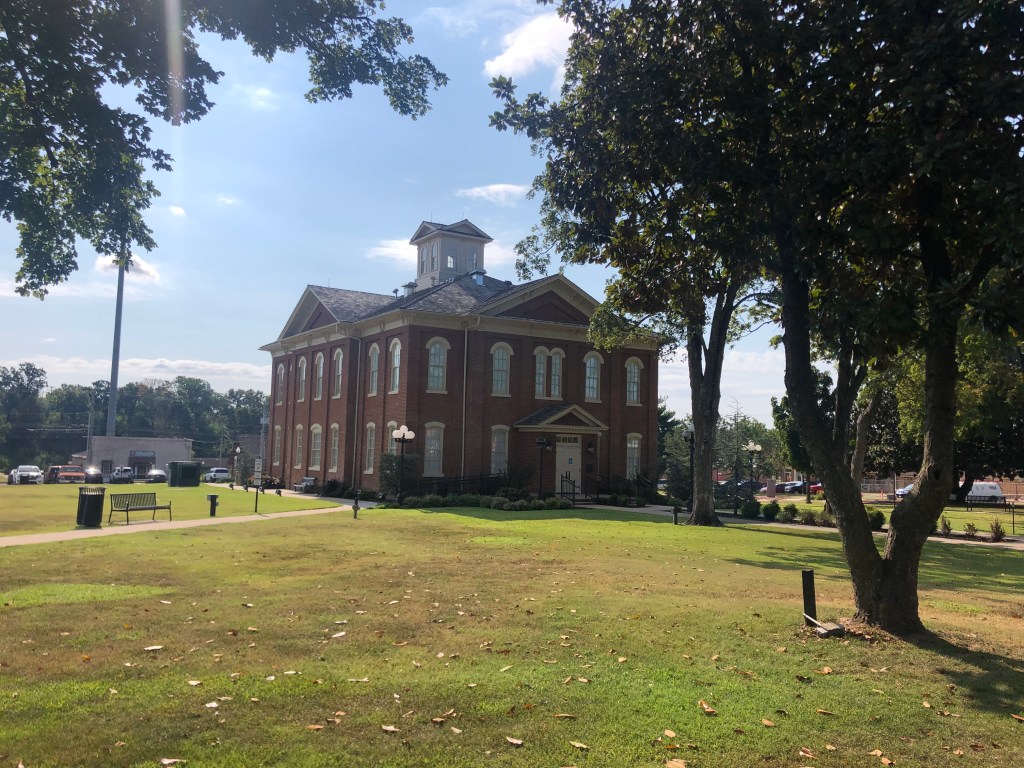
You’ll remember John Ross, who had been Principal Chief of the Cherokee Nation since 1828. He had fought the diaspora for years, desperately lobbying the Congress in Washington, DC, appealing to President Jackson, and even taking the State of Georgia to the Supreme Court (not literally, of course). After exhausting all avenues, and after a cabal of other Cherokee leaders surreptitiously signed a separate treaty with the federal government giving up the Cherokee lands, Ross resignedly helped manage the movement of his people out west to present-day Oklahoma. He joined them on the Trail of Tears, and his wife Quatie died along the way, in Arkansas. Ross helped to establish the new capital in Tahlequah, and was re-elected principal chief until his death in 1866. Today, Tahlequah (pop: 17,000) remains the Cherokee national capital. The Cherokee nation has jurisdiction over most of the land in northeastern Oklahoma. About 300,000 people belong to the nation.
So, while it’s not exactly a story of triumph, the Trail of Tears and its aftermath constitute a story of survival. Still, it’s notable to me that few of the people we met along the way had much knowledge of or interest in the TOT. Even the hotel clerk in Tahlequah didn’t seem much to care when we informed her that we’d just finished covering the entire route. “Did you walk it?” she asked, unimpressed. To be fair, ours wasn’t much of an accomplishment when compared to that of the original travelers.
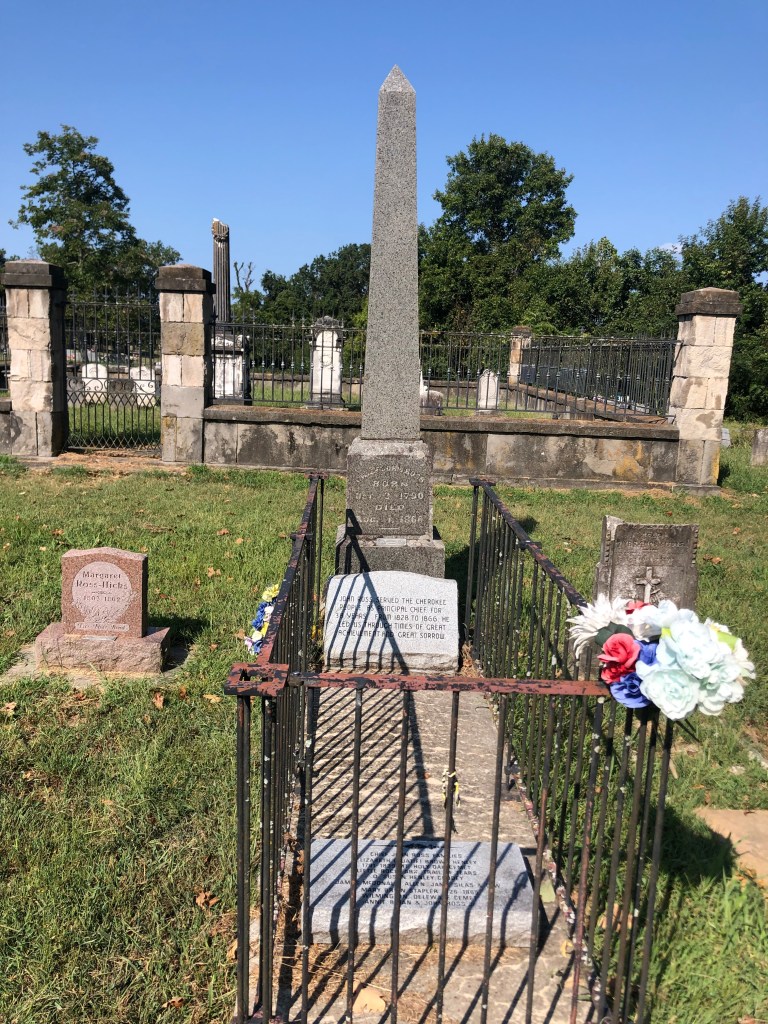
We did, though, receive genuinely enthusiastic responses from precisely two individuals along the route. One was Amy, who managed the visitors center in Hopkinsville, KY. The other was Gena, who we met today at Tahlequah’s Chamber of Commerce. Gena is the director of tourism for Tahlequah, and like Amy, she’s well suited to the role. She clearly loves this town, having moved here from Mt. Shasta, CA. (It’s a long story.) Gena patiently answered our questions about the town’s history, gave us directions to several historic sites, and hooked us up with some Tahlequah swag.
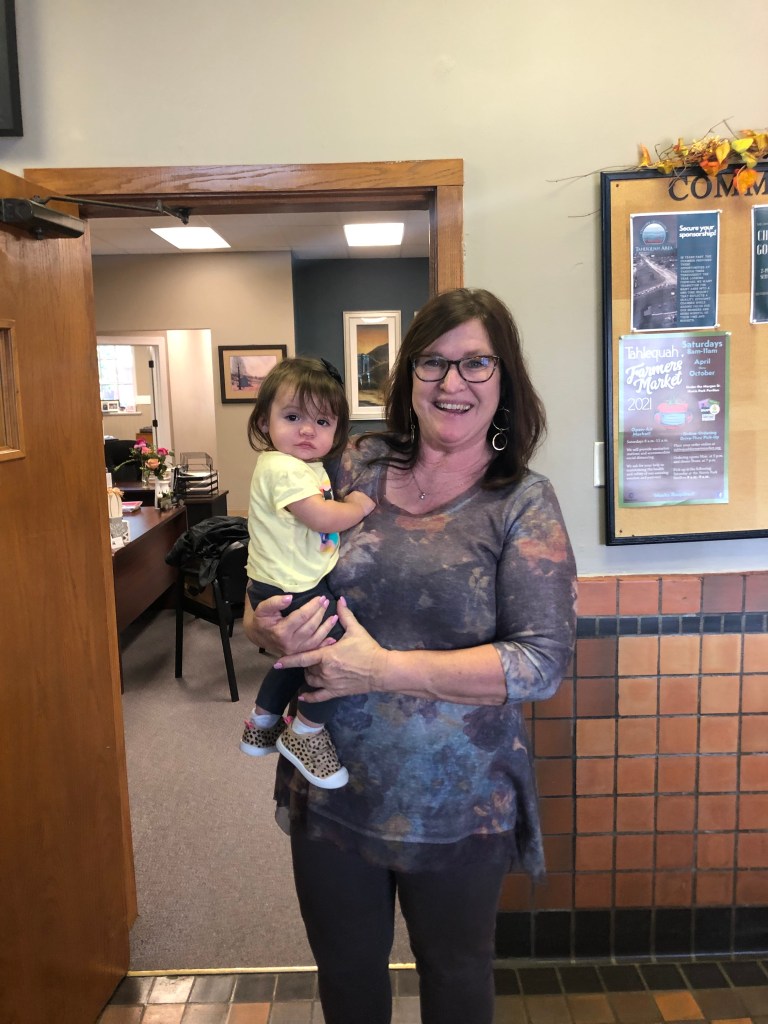
On our way out of town we stopped at two cemeteries. The Ross Cemetery is the final resting place for John Ross and many of his relatives. (It had originally been the homesite of one of Ross’s nephews.)
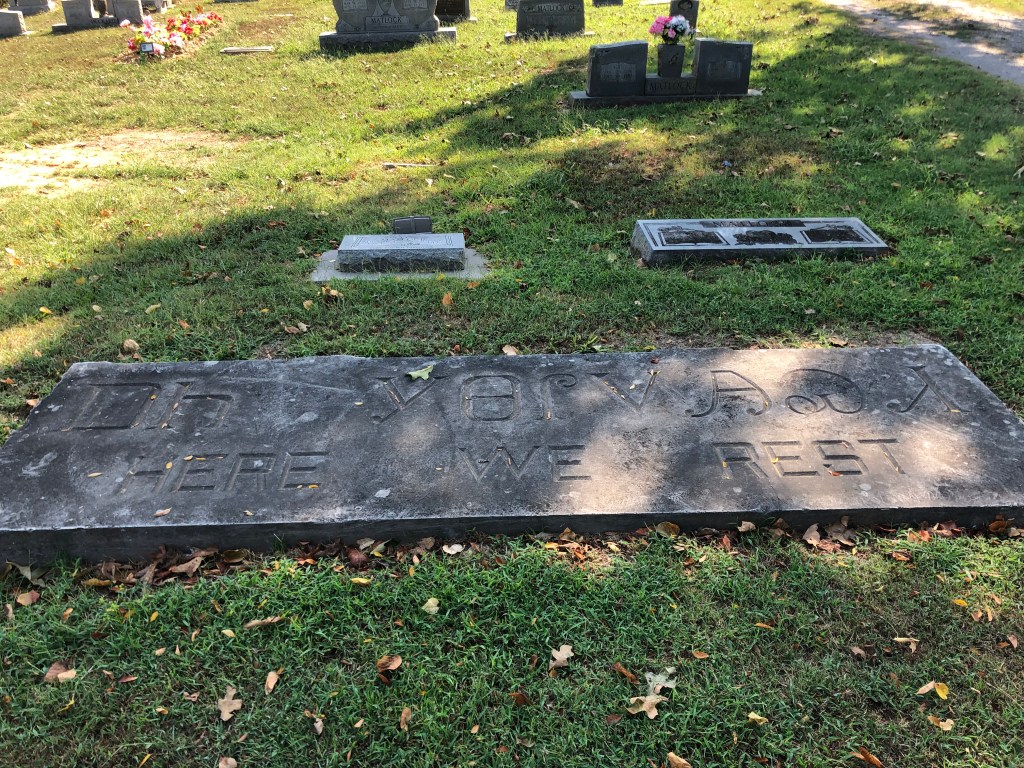
The other was the Caney Cemetery, which holds the remains of many figures from this area, including a handful who had survived the Trail of Tears. Scott and I were struck by the number of graves of children and infants, which may speak to the state of healthcare among the nation, or to other issues. On the other end of the spectrum, though, were graves from individuals who had walked this earth for many, many years. One such long-lived individual was Betsey Snaketail, a Trail of Tears survivor who died in 1881. She was born in 1771, before the American Revolution.
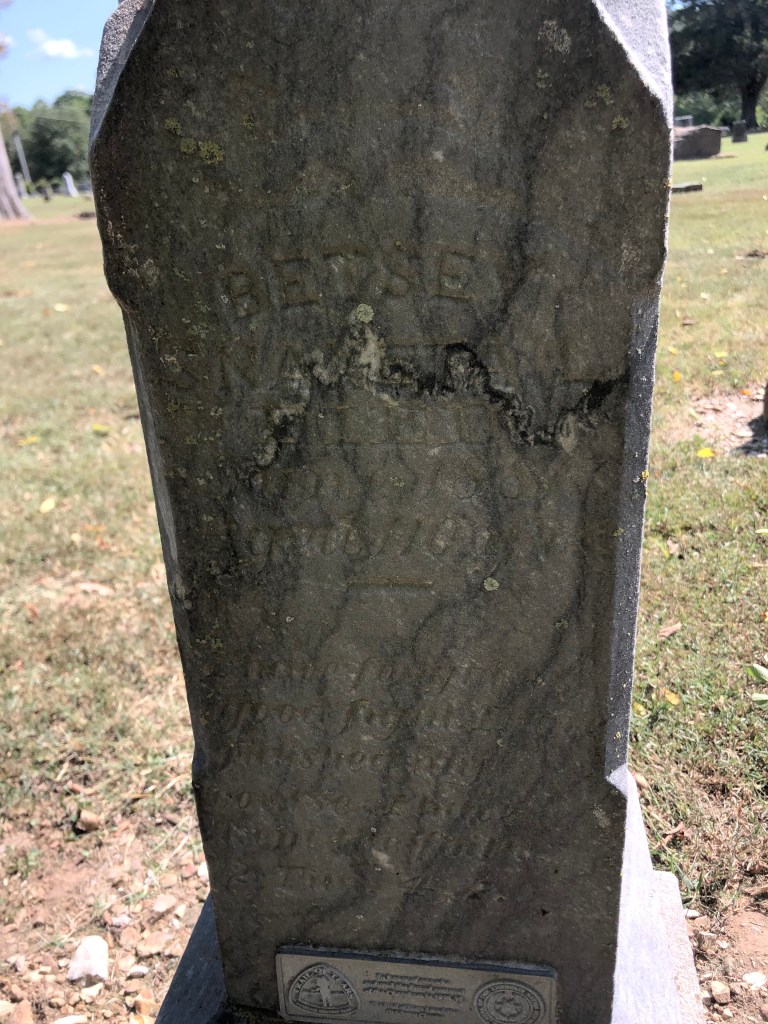
We lingered a bit at this place where a handful of the TOT survivors have finally found their rest. Then we got in the car and headed for Tulsa to catch our flights home. Those of you who know me well are aware that I’m not normally given to sentimentality or mawkishness. But I’m left with an enduring sadness about the treatment of these people by our government. And even if you take the government out of it, it’s distressing to be reminded how individuals can mistreat other individuals, sometimes harshly. I recognize that mistreatment of others is not unique to any time or place, and that it goes on even today. But I wonder if the experience of the Trail of Tears holds any answers that might help us to do better, even as individuals.

 Chasing Phantoms
Lovely ending to a wonderful travelogue. Well done again my friend. Well done.
LikeLike