
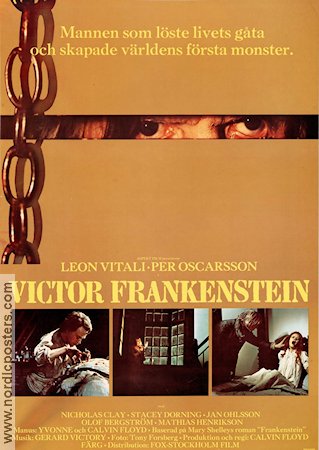
Also somewhat inexplicably known as The Terror of Frankenstein, this movie came out the same year as the first Star Wars film. To its credit, it’s a “foreign” art-house film made in Sweden and Ireland, set in 19th-century Germany. On the negative side, however, it’s a “foreign” art-house film made in Sweden and Ireland, set in 19th-century Germany.
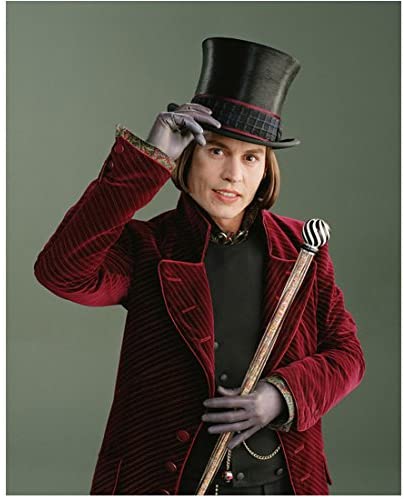
This movie at times feels like a made-for-TV production, perhaps because of its limited budget or its character-driven plot. Or maybe it’s because the movie never in fact was shown in US theaters, instead going straight to television. But in any event, I have to say this is one of my favorite Frankenstein movies. It’s highly literate, engaging, well-acted, and thought-provoking. The characters are neither one-dimensional nor easily categorized. Both Dr. (Victor) Frankenstein (who looks a lot like Johnny Depp’s Willie Wonka) and the creature are highly sympathetic and flawed, just like many of us are. The scenes (many of which are shot outdoors) are set amid sweeping landscapes.
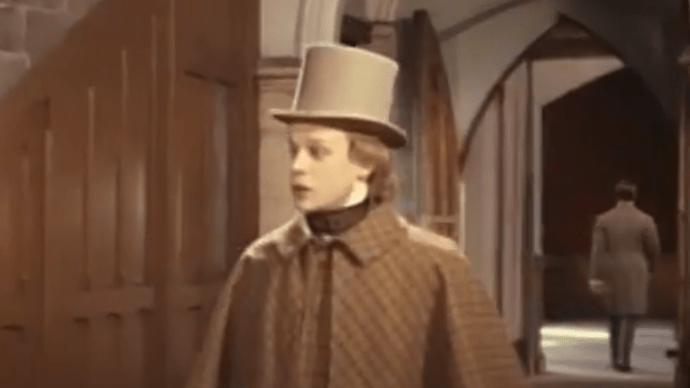
The Plot: This film is one of the most faithful to Mary Shelley’s book. Far from Colin Clive’s arrogant mad scientist in the 1931 Universal film, Victor Frankenstein in this movie almost immediately regrets what he’s created. He is tormented and tortured. The creature, meanwhile, is articulate and intelligent, fully understanding that he doesn’t belong in this world, and holding Victor Frankenstein responsible for his plight.

Unlike some other versions of the story, this movie doesn’t focus a lot on the process of creating the monster. Instead, it’s main concern is how the creature deals with its existence, and how that affects Victor. As with the novel, the creature demands that Victor create for him a female mate, and when Victor refuses, the creature goes about killing Victor’s family and friends, one by one. Although the deaths are not graphic, they are poignant and highly disturbing. This creature kills out of hate, frustration, and anger.
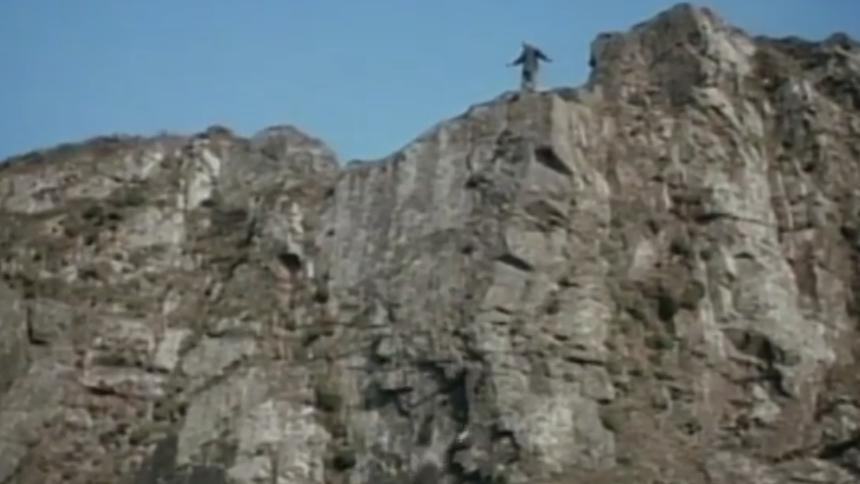
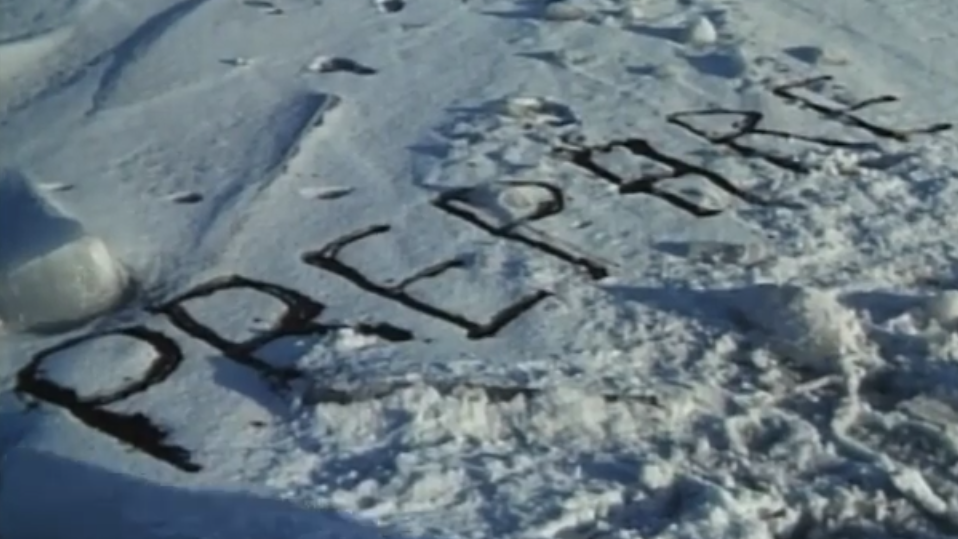
Also like the book, the film’s beginning and ending scenes take place in the Arctic. It’s not typical for a Frankenstein film, but its suitably bleak and lonely. In the end, Victor tracks his creature through an Arctic wasteland until, freezing and exhausted, his is taken in by the captain of a research vessel. The captain is determined to reach the North Pole, even though massive ice floes and other dangers threaten him and his crew. Victor tells the whole story to the captain– that’s how the whole movie was presented; as Victor’s telling of the tale. Once Victor finishes his narrative, the ship’s captain decides to abandon his dangerous quest for the North Pole, with the obvious motivation that he viewed Victor’s story as a cautionary tale about monomania. Shortly thereafter, Victor dies, and the creature boards the ship to find him so. Then, with a short soliloquy (“Now death is my only consolation, because in death I cease to be a monster..and a man”), the creature walks out into the dark Arctic night.
The Monster: Unlike most other film portrayals, the creature in this film is articulate, sympathetic, intelligent, and even sensitive. He’s not gruesome in a “monster” way, but rather a little “off.” (His makeup is little more than black lipstick and white face paint. Kind of a proto-Goth.) And yet, in some ways, this is the scariest rendition of the creature. Not a lumbering zombie, but an intelligent man bent on revenge. He’s desperate and focused.
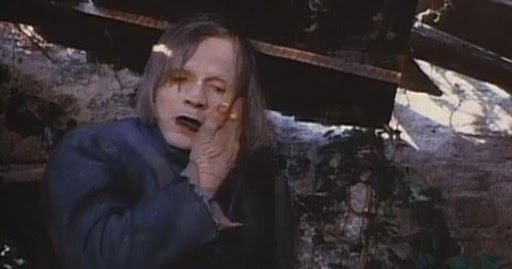
Swedish actor Per Oscarsson was 50 years old at the time this movie was made. Notably, he would go on to appear in two of the Milennium series movies (you know, the ones that began with The Girl with the Dragon Tattoo). He died in a mysterious house fire at his home in 2010, at age 83.
%2005.jpg)
The Atmosphere: This is the only part of the film that didn’t really work for me. The plot was engaging and faithful to the source material; the acting was superb; the cinematography was technically excellent and artistically effective. But the look of this film was, well, so Scandanavian. Sunny outdoor scenes, snowy forests, ice floes, ships. It’s just not what you expect from a Frankenstein movie. True, the film did dedicate some lingering shots to Victor’s explicit surgical procedures on corpses, but that was more a matter of gratuitous 1970s gore than spooky or creepy ambiance. Still, the sets felt authentic.
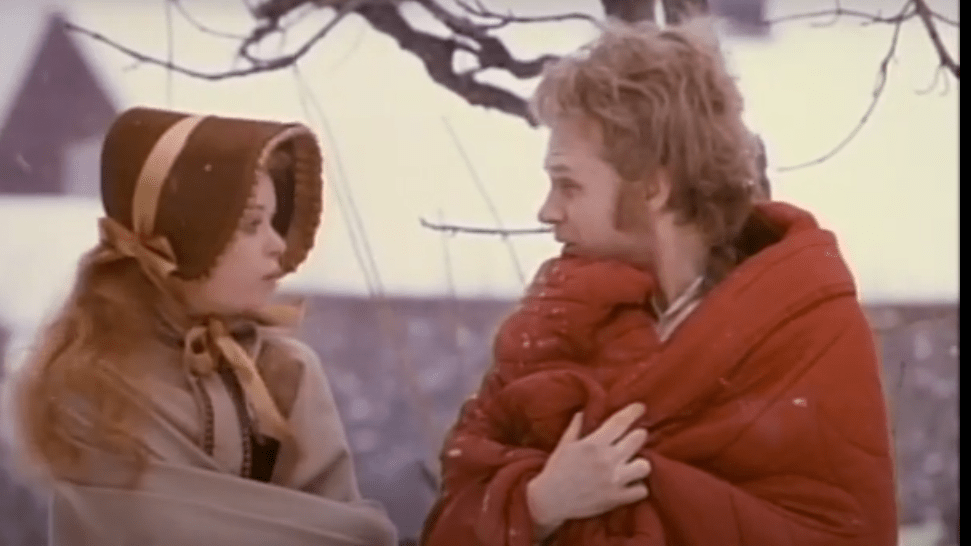
There’s always something about 1970s movies though; it seems there’s no escaping the hair styles and the makeup that were popular at the time. There’s also that distinctive 1970s approach to cinematography, that has a particular way of shifting from close-focus to wide-focus. But, again, I’ll take these downsides when they’re connected to an engaging story.
General Comments: The most notable aspect of this movie is its faithfulness to the source material While that doesn’t guarantee a good movie, it does in this case, with such great source material. The hardest part must have been deciding how to condense Shelley’s epic work into 90 minutes.
Perhaps strangely, this movie left me with a feeling of hope about the human race. Sure, almost everyone in the movie dies, but Victor remained a decent man of (sometimes misguided) principles to the very end. And the creature, while obviously murderous, seems to have his own moral compass that, while we can’t excuse his decisions, we can understand them. Most of all, that ship’s captain at the end suggests that we can learn and, perhaps, make better choices. I give this film two thumbs up.
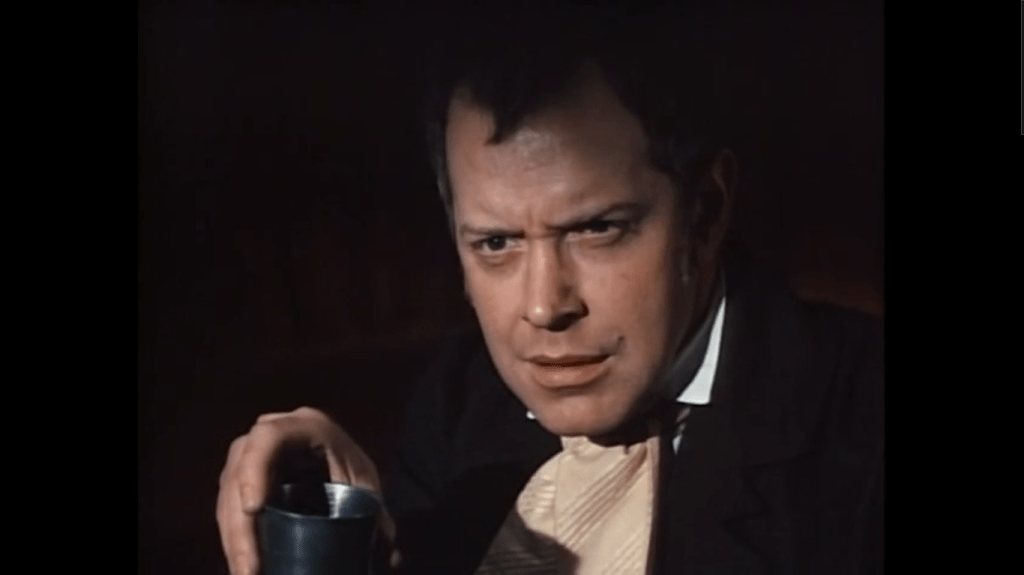
Tomorrow we review another made-for-TV movie about Frankenstein, starring yet another Star Wars actor. You can watch Frankenstein for free on YouTube. (But note that this copy seems to be someone’s VHS tape of a television broadcast.)

 Chasing Phantoms