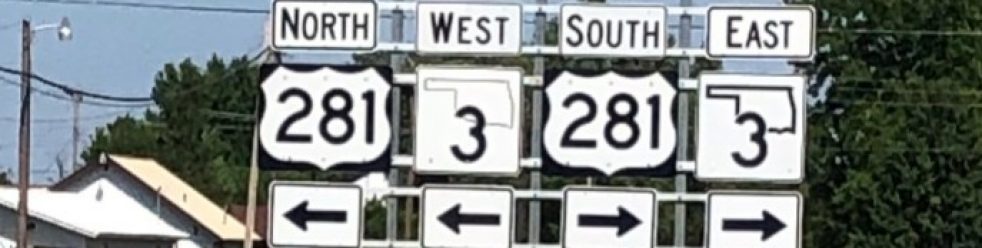
When you hear that something is the world’s most popular of its kind in the world, do you think (1) wow–it’s gotta be good for that many people to like it, or (2) it’s gotta be plebian pablum to appeal to the global masses. And whether you chose (1) or (2), why do you think “gotta” rather than “got to”?
Anyway, as you might have guessed from context clues, Jim Beam sells the most bourbon in the world. And if you were going to object that Jim Beam is eclipsed by Jack Daniels, I’d be obligated to point out that, technically, Jack Daniels is not labeled as bourbon but as “Tennessee Whiskey.” Unlike bourbon, Tennessee Whiskey must be produced in Tennessee, and it must go through a final filtering process not required of bourbon. I suppose you could argue that Tennessee Whiskey is a sub-type of bourbon…but JD has chosen instead to insist it’s not a bourbon, and so it does not technically compete in the same category as Jim Beam.
Now that we’ve dispensed with the throat-clearing, let’s take a look at today’s spirit, which is Jim Beam Black. This is distinct from the classic, white-label Jim Beam bourbon, that is probably responsible for the majority of Jim Beam’s global sales. The black label, which we’re trying today, is aged longer (7 years vs. 4 years) and has a higher proof (90 vs. 80). Let’s see what Jim Beam himself has to say about it:
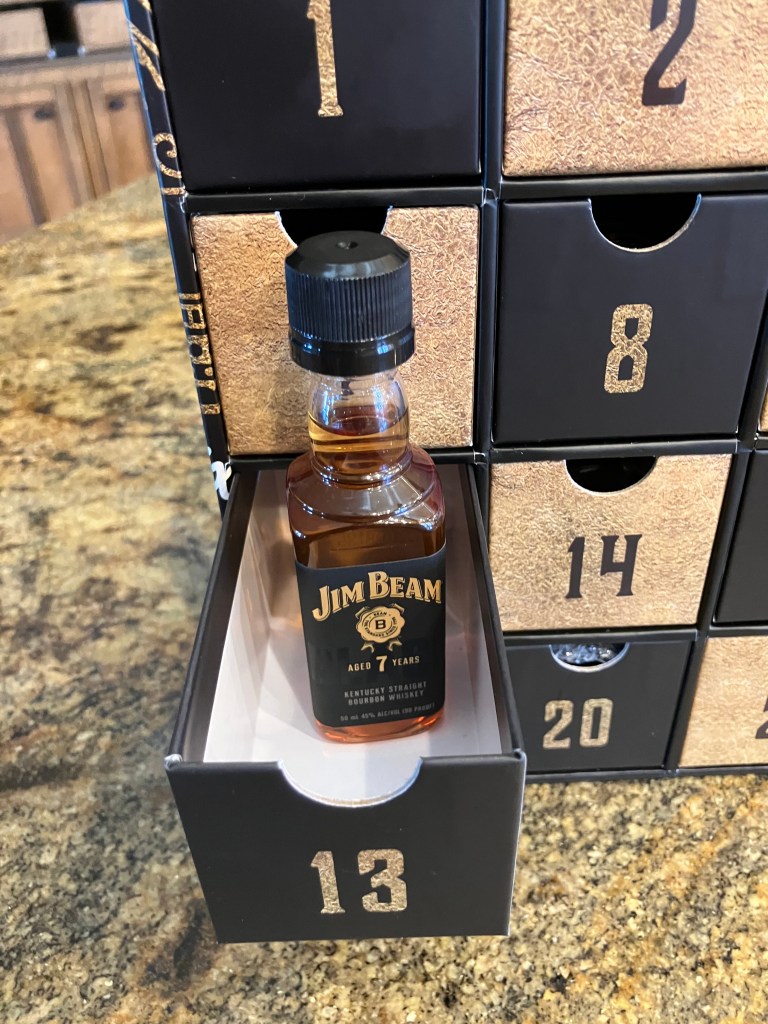
“Something magical happens to the whiskey in its seventh year in cask. We call it the sweet spot, where an easy smoothness meets notes of caramel, vanilla, and warm oak, and the liquid turns a rich gold.
This is the mellow whiskey you’ll find in the 7 year aged Jim Beam Black. We’re proud of this longer time in cask, and we’re making a firm commitment to our drinkers to always age Jim Beam Black for those seven years.
Now at 90-proof, enjoy Jim Beam Black neat, on the rocks, or any way you damn please.”
Overlooking the gratuitous “any way you damn please” (which, if it were me, I would write as “any damn way you please”), I do think they make a good case for the extra aging. So let’s pour our sample and see if something magical really does happen.
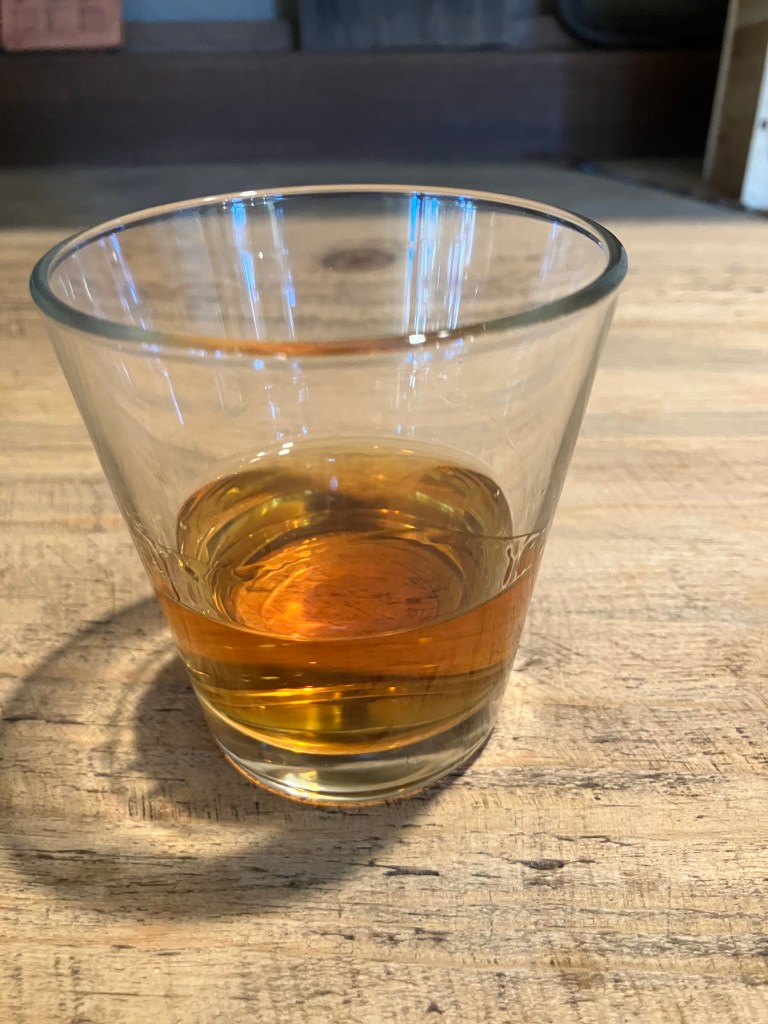
Appearance: It’s exactly the color of Rapunzel’s “splendid long hair, as fine as spun gold.”
Aroma: It’s kind of like the smell of vanilla extract–the real stuff, not McCormick’s fake “vanillin” stuff that your mom used for baking, but the real stuff from actual vanilla beans. I say this because I don’t detect the sharp whiff of alcohol you get from those artificial vanillas and from younger bourbons. There’s also a hint of caramel.
Taste: This stuff is delicious! No wonder the majority of the world’s population drinks it for breakfast (or whatever the claim was that I cited at the top of this post). The taste is rich–creamy and high-viscosity and full–and bold, without being overpowering. I taste caramel and spice and brown sugar. It all comes together in a very balanced way.
Finish: There’s a bit of hot alcohol on the finish, which perhaps it to be expected from a 90-proof spirit. But each sip leaves you wanting more.
Bottom Line: This stuff would make a good sipping whiskey, to be next to the fireplace while waiting for Santa during this Advent season. I guess I do believe in magic after all.

 Chasing Phantoms
Hello! Peg sent me your link. Nice read!
Pat (Peg’s sister)
LikeLike
Thanks, Pat! There’s lots more where that came from–Hope you sign up for the regular feed!
LikeLike