Frankenstein movies

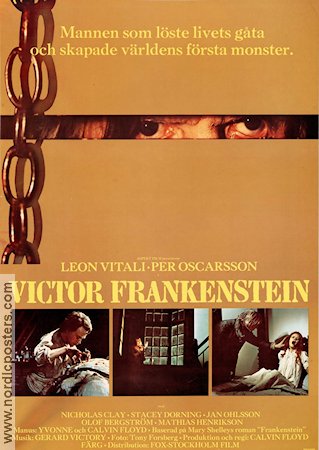
Victor Frankenstein (1977)

Victor Frankenstein 1977 poster Per Oscarsson

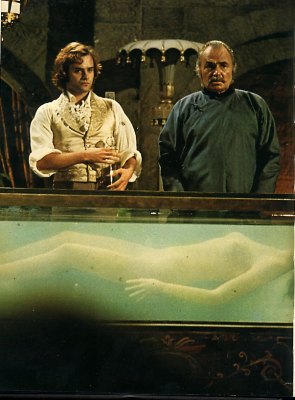
Also somewhat inexplicably known as The Terror of Frankenstein, this movie came out the same year as the first Star Wars film. To its credit, it’s a “foreign” art-house film made in Sweden and Ireland, set in 19th-century Germany. On the negative side, however, it’s a “foreign” art-house film made in Sweden and Ireland, set in 19th-century Germany.

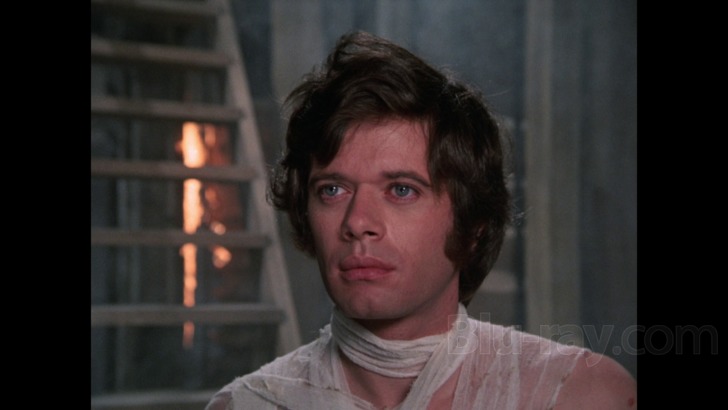
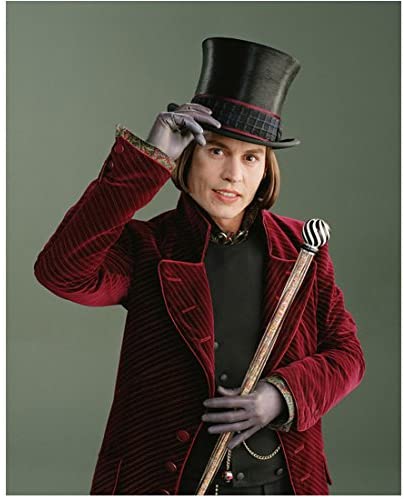
This movie at times feels like a made-for-TV production, perhaps because of its limited budget or its character-driven plot. Or maybe it’s because the movie never in fact was shown in US theaters, instead going straight to television. But in any event, I have to say this is one of my favorite Frankenstein movies. It’s highly literate, engaging, well-acted, and thought-provoking. The characters are neither one-dimensional nor easily categorized. Both Dr. (Victor) Frankenstein (who looks a lot like Johnny Depp’s Willie Wonka) and the creature are highly sympathetic and flawed, just like many of us are. The scenes (many of which are shot outdoors) are set amid sweeping landscapes.
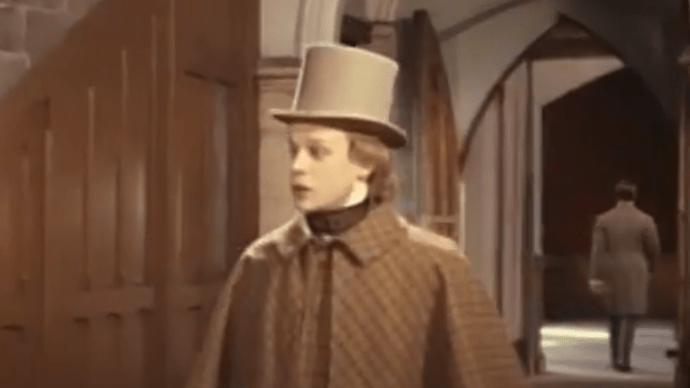
The Plot: This film is one of the most faithful to Mary Shelley’s book. Far from Colin Clive’s arrogant mad scientist in the 1931 Universal film, Victor Frankenstein in this movie almost immediately regrets what he’s created. He is tormented and tortured. The creature, meanwhile, is articulate and intelligent, fully understanding that he doesn’t belong in this world, and holding Victor Frankenstein responsible for his plight.

Terror of Frankenstein (1977) - ALL HORROR
A scientific basket case

Unlike some other versions of the story, this movie doesn’t focus a lot on the process of creating the monster. Instead, it’s main concern is how the creature deals with its existence, and how that affects Victor. As with the novel, the creature demands that Victor create for him a female mate, and when Victor refuses, the creature goes about killing Victor’s family and friends, one by one. Although the deaths are not graphic, they are poignant and highly disturbing. This creature kills out of hate, frustration, and anger.
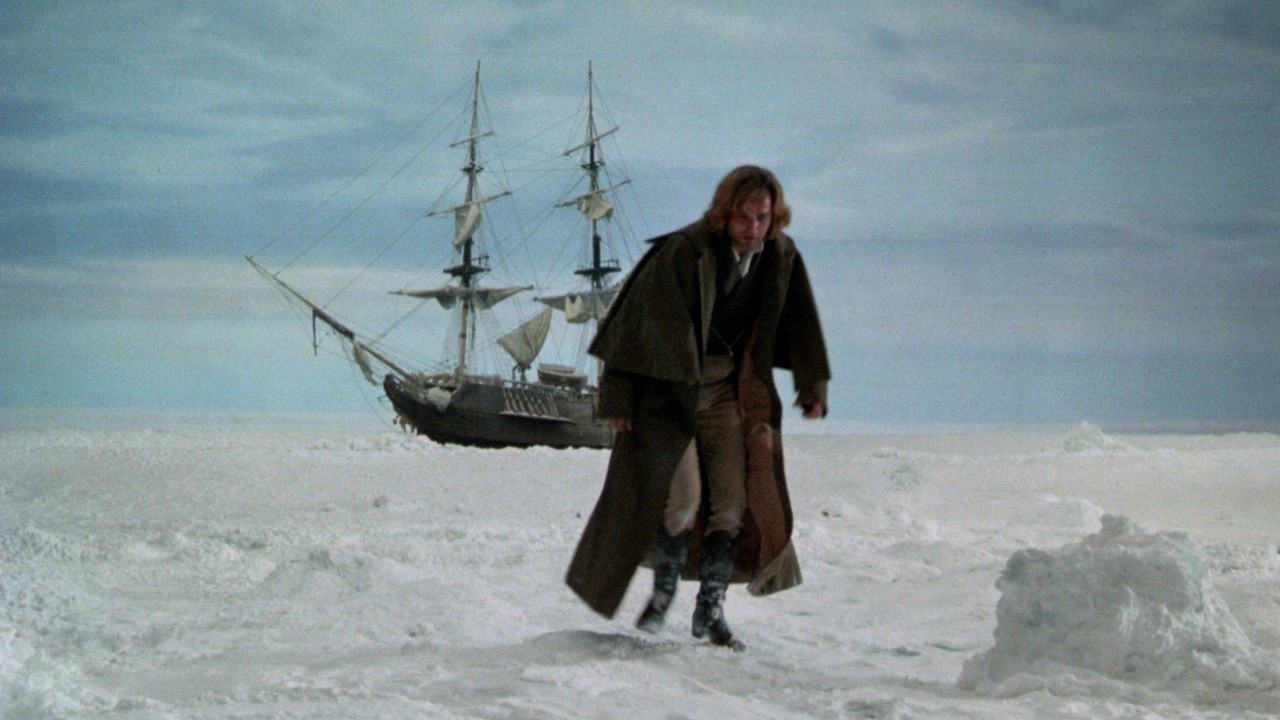
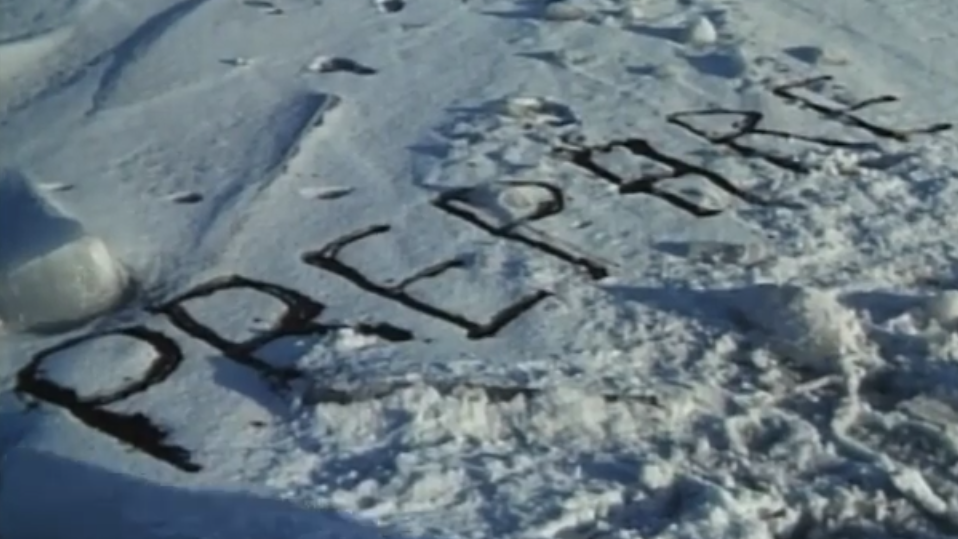
Also like the book, the film’s beginning and ending scenes take place in the Arctic. It’s not typical for a Frankenstein film, but its suitably bleak and lonely. In the end, Victor tracks his creature through an Arctic wasteland until, freezing and exhausted, his is taken in by the captain of a research vessel. The captain is determined to reach the North Pole, even though massive ice floes and other dangers threaten him and his crew. Victor tells the whole story to the captain– that’s how the whole movie was presented; as Victor’s telling of the tale. Once Victor finishes his narrative, the ship’s captain decides to abandon his dangerous quest for the North Pole, with the obvious motivation that he viewed Victor’s story as a cautionary tale about monomania. Shortly thereafter, Victor dies, and the creature boards the ship to find him so. Then, with a short soliloquy (“Now death is my only consolation, because in death I cease to be a monster..and a man”), the creature walks out into the dark Arctic night.
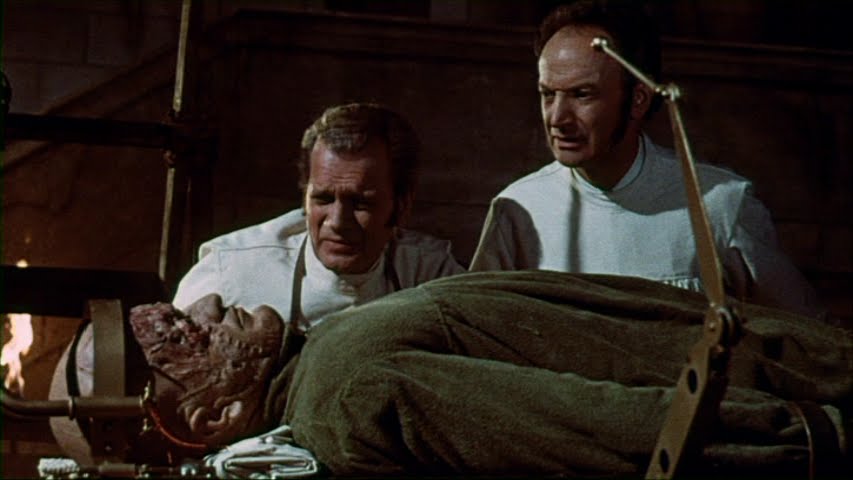
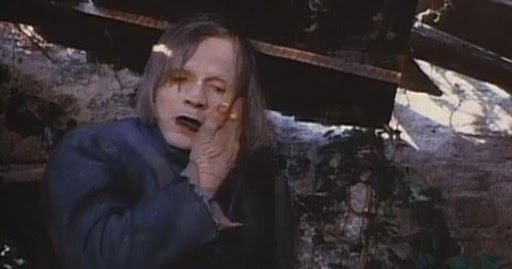
The Monster: Unlike most other film portrayals, the creature in this film is articulate, sympathetic, intelligent, and even sensitive. He’s not gruesome in a “monster” way, but rather a little “off.” (His makeup is little more than black lipstick and white face paint. Kind of a proto-Goth.) And yet, in some ways, this is the scariest rendition of the creature. Not a lumbering zombie, but an intelligent man bent on revenge. He’s desperate and focused.
Signal Bleed: Frankenstein Month: 'Terror of Frankenstein' (1977)
Alright Mr. DeMille, I’m ready for my closeup

Swedish actor Per Oscarsson was 50 years old at the time this movie was made. Notably, he would go on to appear in two of the Milennium series movies (you know, the ones that began with The Girl with the Dragon Tattoo). He died in a mysterious house fire at his home in 2010, at age 83.

Terror of Frankenstein (1977) - ALL HORROR
Scarier than Karloff

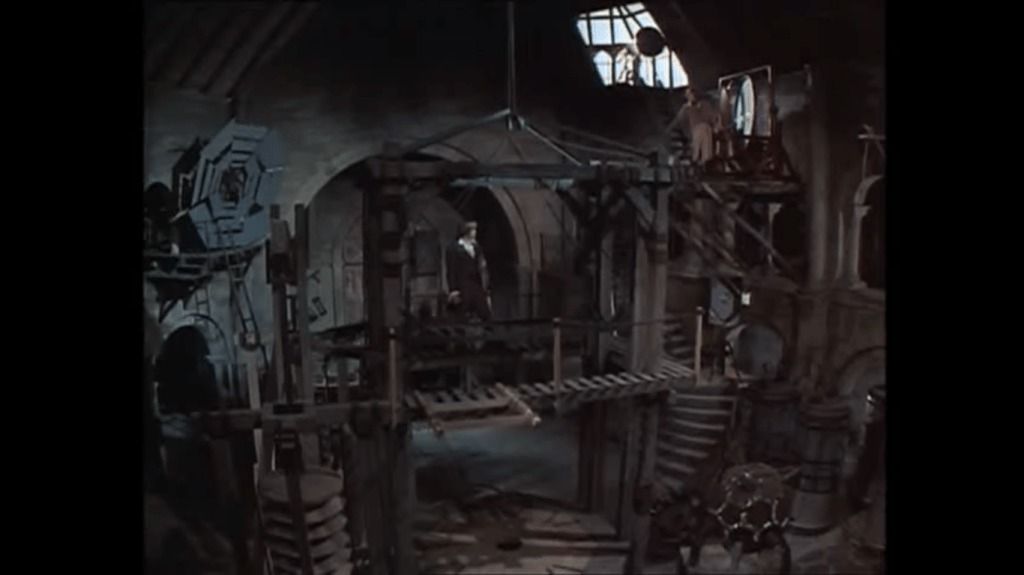
The Atmosphere: This is the only part of the film that didn’t really work for me. The plot was engaging and faithful to the source material; the acting was superb; the cinematography was technically excellent and artistically effective. But the look of this film was, well, so Scandanavian. Sunny outdoor scenes, snowy forests, ice floes, ships. It’s just not what you expect from a Frankenstein movie. True, the film did dedicate some lingering shots to Victor’s explicit surgical procedures on corpses, but that was more a matter of gratuitous 1970s gore than spooky or creepy ambiance. Still, the sets felt authentic.
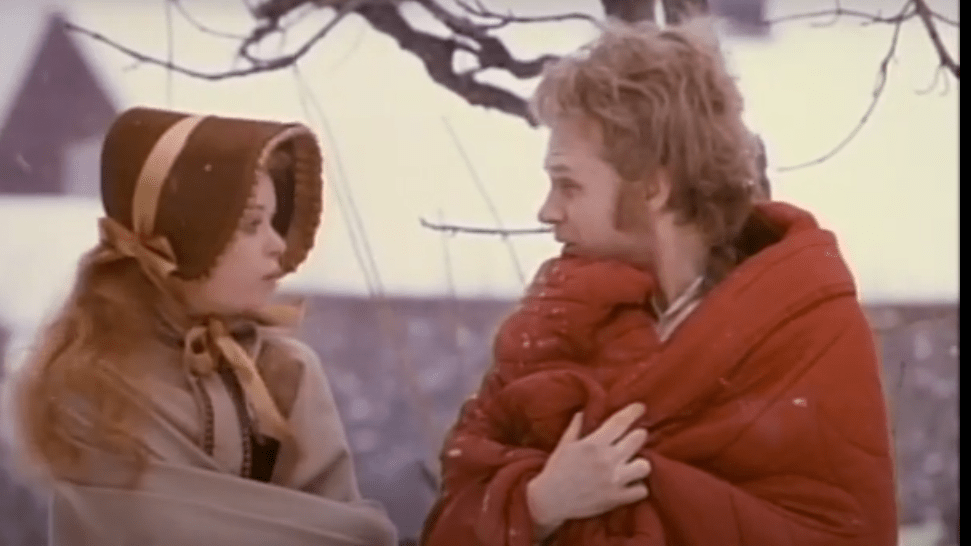
Could someone please direct me to a spooky castle, or a graveyard, or even a claustrophobic laboratory?

There’s always something about 1970s movies though; it seems there’s no escaping the hair styles and the makeup that were popular at the time. There’s also that distinctive 1970s approach to cinematography, that has a particular way of shifting from close-focus to wide-focus. But, again, I’ll take these downsides when they’re connected to an engaging story.

General Comments: The most notable aspect of this movie is its faithfulness to the source material While that doesn’t guarantee a good movie, it does in this case, with such great source material. The hardest part must have been deciding how to condense Shelley’s epic work into 90 minutes.

Perhaps strangely, this movie left me with a feeling of hope about the human race. Sure, almost everyone in the movie dies, but Victor remained a decent man of (sometimes misguided) principles to the very end. And the creature, while obviously murderous, seems to have his own moral compass that, while we can’t excuse his decisions, we can understand them. Most of all, that ship’s captain at the end suggests that we can learn and, perhaps, make better choices. I give this film two thumbs up.
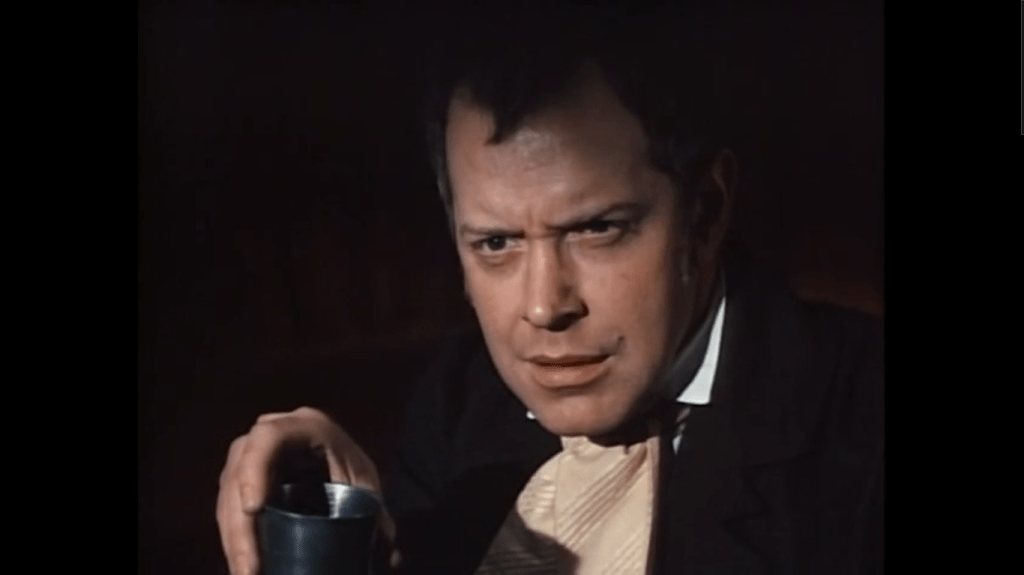
The ship’s captain: A sign of hope.

Tomorrow we review another made-for-TV movie about Frankenstein, starring yet another Star Wars actor. You can watch Frankenstein for free on YouTube. (But note that this copy seems to be someone’s VHS tape of a television broadcast.)

Frankenstein movies

Frankenstein: The True Story (1973)

Frankenstein: The True Story (Film, Gothic Horror): Reviews, Ratings, Cast  and Crew - Rate Your Music

In 1973 I was a 12 year old kid who loved monster movies. That fall NBC started breathlessly advertising its miniseries, “Frankenstein: The True Story,” which NBC promised would portray “the great story as [Mary] Shelley wrote it.” Finally, after all the liberties taken by Universal and Hammer and even Rankin-Bass, NBC was here to authoritatively present a genuine portrayal of the actual book! I counted down the days until November 30 and December 1, when the “miniseries” would be broadcast. I watched both nights with rapt attention, and came away feeling enlightened and a little superior for finally understanding the “true story” of Frankenstein.

It would be many years before I would actually read the book and discover what a load of crap NBC had foisted on me. While the miniseries was well done, with good production values, excellent acting, great makeup, impressive sets, and a very literate script, it simply wasn’t Mary Shelley’s story. Normally I wouldn’t quibble with a movie that takes extreme liberties in re-interpreting the source material. But when the title claims that this is the “true story,” and when the advertising copy emphasizes that it faithfully depicts Shelley’s tale, it’s fair to criticize major departures from the original.

FRANKENSTEIN: THE TRUE STORY (1973) Reviews and overview - MOVIES and MANIA

Now, to be clear, this was a made-for-TV movie. But it really doesn’t feel like one. The actors are top-notch (James Mason, Jane Seymour, etc), the sets are well-presented, it has some great location shots. It also pushed the envelope on the portrayal of surgeries and beheadings and such, at least by then-current television standards. This movie could have been released in the theaters. They just should have changed the title…

The Plot: Victor Frankenstein is a normal, young German man with a fiance and an English accent. When his younger brother dies in a tragic boat accident, Victor dedicates his life to learning how medical science could be used to overcome death. He goes back to college and meets an unorthodox professor named Henri Clerval, who has been conducting experiments on reanimating dead beings. Soon Henri takes Victor as a protege, and together they piece together a man that they plan to bring to life. It’s worth noting that this plot has already departed from Shelly’s book. In the original, Victor was not motivated by the death of any sibling, and he discovered how to create a living being himself. The name Henri Clerval does appear in Shelley’s book, but it belongs to Victor’s friend, not a professor involved in reanimation experiments.

In Praise of 1973's Frankenstein: The True Story
Victor and Henri

Anyway, Henri dies the night before they are to bring the body to life, and the next day Victor proceeds with the task himself, after first transplanting Henri’s brain into the body. He successfully brings to life a handsome and intelligent man (that, oddly, is never given a name. Let’s call him Michael Sarrazin, which is the name of the actor that portrayed him.) Victor is overjoyed at his success, and seems to genuinely admire and befriend this newly-created being. Again this is a huge departure from Shelley’s book, as in the book Victor immediately loathed the creature, which was ugly and deformed.

Frankenstein: The True Story Blu-ray
Not your father’s Frankenstein’s monster

As time passes, though, Michael Sarrazin begins to regress, as the body parts he’s made of begin to degrade. With this change in appearance, Victor comes to loathe the good-natured, child-like creature. It’s truly sad and tragic how Victor distances himself from his creation, and the creature, robbed of his approving “parent,” despairs and throws himself off of a high cliff into the ocean. So you think that would be the end of things.

But: Henri’s old partner, a Dr. Polidori (played by an oily James Mason, who almost steals the show), discovers Victor’s creature, that somehow survived the jump into the ocean. Polidori bends the creature to his own purposes, and he (Michael Sarrazin) ends up killing a few people. Polidori then blackmails Victor on his wedding day to get him to help create a female creature. You see, Polidori knows why Victor’s creature ended up regressing, and Polidori plans to avoid that issue with his new creature. Victor agrees to help, and they create a beautiful woman (Jane Seymour) that Polidori calls “Prima,” since she’s the first of a new race. More to the point, Polidori sees Prima as the instrument he will use to connect with powerful leaders in Europe. (Let’s again note that this has nothing to do with Shelley’s book; in the book, Victor starts to build a female mate for his creature, but he destroys her before he finishes.)

BLACK HOLE REVIEWS: FRANKENSTEIN - THE TRUE STORY (1973) the longest, the  dullest
James Mason as Polidori
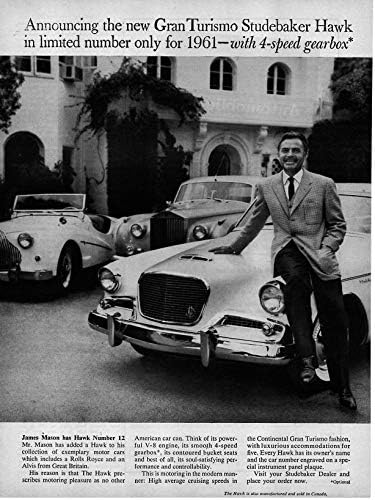
Amazon.com: Magazine Print Ad: 1961 Gran Turismo Studebaker Hawk V-8, Car  Collector James Mason,"Limited Number for 1961-With 4-Speed Gearbox" :  Collectibles & Fine Art
Is this the right time to point out that James Mason owned a Studebaker Hawk, as I did?

With Prima now on the scene, Polidori and Victor burn up Michael Sarrazin in a house. They throw a coming-out ball to introduce Prima to polite society. But (you could have expected this) Michael Sarrazin shows up and pulls off her head.

Frankenstein: The True Story (1973). Film review of the horror starring  Leonard Whiting and Jane Seymour – CineSocialUK
I’m going to tell daddy! Er, if I had one!

Victor and his wife understandably feel like life here in London has taken a bad turn, so they charter a ship to America to start over. But it turns out that Polidori had somehow gotten aboard. He essentially blackmails Victor again, saying that he’ll pin the creature’s murders on him if he doesn’t help Polidori with a new set of experiments. But wait: Michael Sarrazin is also aboard! Doesn’t this guy ever die? And he’s ticked that Polidori tried to burn him up, so he kills Polidori. And then, for good measure, he kills Victor’s wife. The crew abandons ship, and the creature pilots the vessel to the North Pole, where, finally, we reconnect with Shelley’s story. The creature goes ashore, and Victor, with nothing left to live for, follows. An avalanche buries them both. The end.

Frankenstein: The True Story (1973) | MUBI
Finally! Something that Shelley would recognize!

The Monster: I have to admit that the decision to portray the creature as handsome (at least initially) makes for an interesting plot. Victor is thrilled with his creation (unlike in the original story), and we end up rooting for the two of them. Then, when the creature’s body begins to turn ugly, we feel strong sympathy for him. (At least I do; it’s a metaphor for my puberty) It’s painful to see Victor rejecting him, simply on the basis of his appearance. The creature seems hurt and confused.

Frankenstein: The True Story" TV Miniseries (1973) Michael Sarrazin | Tv  miniseries, Frankenstein, Classic horror
The degeneration of the creature.

As noted above, the creature is played by Michael Sarrazin, a Canadian actor who ended up appearing in a number of Hollywood movies, but never really hit the big time. He died of cancer in 2011.

The Atmosphere: The look of this movie is sumptuous, sort of like one of those BBC series like “Upstairs, Downstairs.” The filmmakers have a real eye for detail with the period costumes, the sweeping location shots, and the convincing sets. Frankenstein’s laboratory is kind of an early steam-punk, before steampunk was even a thing.

As noted above, this film includes some gory scenes, and I’ve always felt that such an approach cheapens a horror film. But I suppose it could be argued that the explicit shots of illicit surgeries and such is necessary to establish the gruesome side of Frankenstein’s craft.

General Comments: At over three hours (when you combine parts 1 and 2), this is a long movie. There are definitely places where it feels like they padded it out a bit. But overall it’s an engaging film with good acting and a good plot. So, if you go into this not expecting a faithful depiction of Shelley’s book, you’re in for an entertaining few hours. What’s more, the movie does a better job of raising issues of life/death, beauty, morality, and love than do most Frankenstein movies.

DVD Talk
Weird science

FRANKELLANEOUS: Alert reader Chris F. pointed out that the actor who played the creature in Horror of Frankenstein (David Prowse) had also portrayed Darth Vader in the Star Wars movies. I suppose that the fact one man played both parts is why we never saw the ultimate smack-down, “Frankenstein Vs. Darth Vader.”

Tomorrow it’s 1977’s Terror of Frankenstein (which had originally been titled “Victor Frankenstein”). Watch it for free on YouTube.

Frankenstein movies

Lady Frankenstein (1971)

1972 Lady Frankenstein One Sheet

As you probably know, during the 1960s and 1970s western movies made for American audiences using Italian locations and some Italian actors — frequently called “Spaghetti Westerns”–were a thing. Around this same time, an Italian studio tried its hand at a Frankenstein movie, using a few American and English actors and a bunch of Italian extras. In the true Spaghetti Western tradition, the Italian actors were badly dubbed into English. Doesn’t sound very promising? Read on!

The Good, The Bad and The Ugly
Quick! Name the movie!

The Plot: This movie pretty much follows the standard Frankenstein story, until Doctor Frankenstein (played by American movie veteran Joseph Cotten) is killed by his creature (about a third of the way into the movie). Then the doctor’s attractive daughter (Italian hottie Rosalba Reri) takes on the three tasks of holding the police at bay, killing the creature, and completing her father’s work. Somehow, she aims to achieve these tasks by transplanting the brain of her father’s aged assistant into the body of a young stud who also happens to be brain-deficient. (Part of the appeal, to her, is she’d get the side-benefit of a perfect lover.) However (spoiler alert), the newly-brained young stud ends up strangling Lady Frankenstein…for no particular reason. The end.

Cool Ass Cinema: Lady Frankenstein (1971) review
Joseph Cotten tries to ignore the ugliness of this movie

The Atmosphere: Well, it’s the 1970s, so I probably shouldn’t have had my hopes up very high. But the atmosphere is very disappointing for the genre. I’d describe it as typical 1970s garish schlock. The actors have 1970s haircuts, the colors are too bright, the soundtrack is lame, there’s absolutely no fog, and the even the monster is laughable and cheesy. There’s the typical early-1970s fixation on gore for the sake of gore, and gratuitous nudity. Indeed, even Doctor F’s daughter–the (ahem) titular Lady Frankenstein–gets naked on various occasions. I can assure you this was not done to advance the plot.

Killer B Cinema: Lady Frankenstein & Bride of the Monster | Lizzie Violet

Overall, this is a cheap, exploitive, forgettable movie. Joseph Cotten gets top billing, probably because he’s the one name that American audiences would recognize. He was of course great in Sunset Boulevard (1950). But his acting here is as wooden as a Louisville Slugger bat. It’s hard to believe he’s in this schlock. This is a guy who you’d expect to see in quality fare, like Citizen Kane. Oh, wait–he was in Citizen Kane!

This movie also includes 1955’s Mr. Universe (Mickey Hargitay) playing a police inspector . I’m not making this up.

Mr. Universe

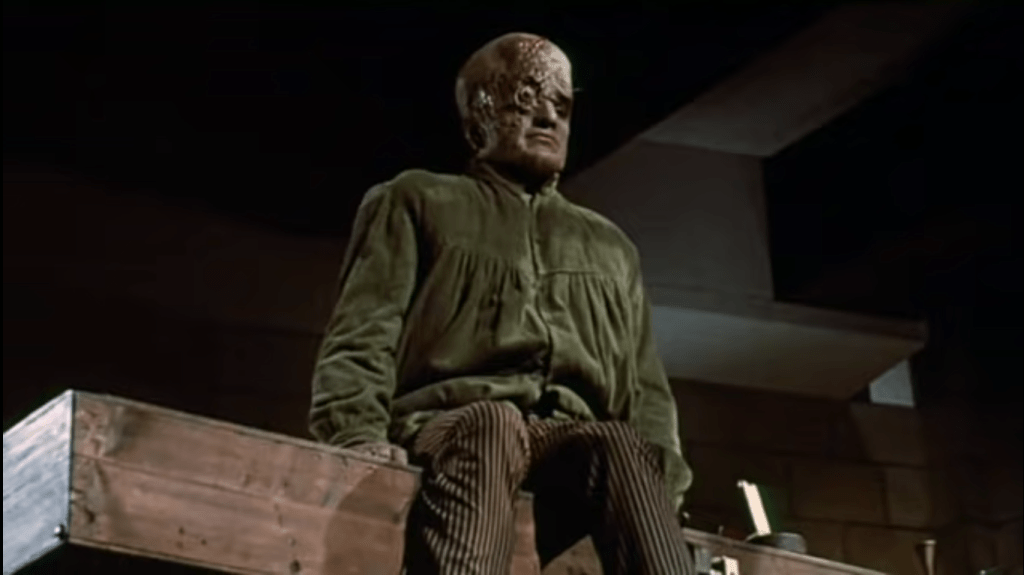
The Monster: The creature is played by young Italian actor named Riccardo Pizzuti. This isn’t a demanding part; he just kind of walks around — he doesn’t even shamble like many of the other Frankenstein monsters. His costume (velour top and striped pants) could have been worn by Freddie on Scooby-Do. The makeup folks do give him a grotesque face, but he has absolutely no personality. He wears an expression like he’s driving a bus.

Scooby? Shaggy? Velma? Where is everyone?

Other Comments: There’s not much to recommend this (aside from Rosalba Neri, for those of you looking for that sort of thing). It’s pretty much the same old Frankenstein story (man creates monster, monster goes on killing rampage, villagers try to kill monster). But there’s no pathos; no thought-provoking questions; no interesting twists. You don’t really feel for any of the characters, and you don’t care much about how the story resolves itself. Other than those quibbles, this is Oscar material.

Tomorrow we review a surprisingly good made-for-TV version of the Frankenstein story. Frankenstein: The True Story is available for free on YouTube, in two installments. (It was broadcast on NBC in 1973 on two consecutive nights.) Try to divine for yourself whether this is really “the true story” or not.

Frankenstein movies

Horror of Frankenstein (1970)

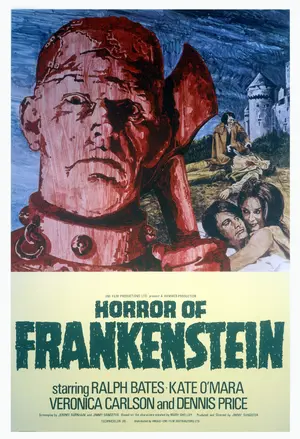
The Horror of Frankenstein (1970) movie posters
What? Did Hammer run a drawing contest at some elementary school to select the artwork??

We now arrive at Hammer’s sixth Frankenstein film, and it’s the only one without Peter Cushing. (It’s said that Hammer execs wanted a younger actor to appeal to younger audiences, as Cushing was starting to get long in the tooth.) This movie takes a notably different approach than its predecessors, in that it goes more for humor than for terror. And yet, this is not a comedy; it simply a horror movie with periodic black humor. Like the other films, though, it indulges in Hammer’s growing penchant for titillation. But let’s start, as we always do, with the plot.

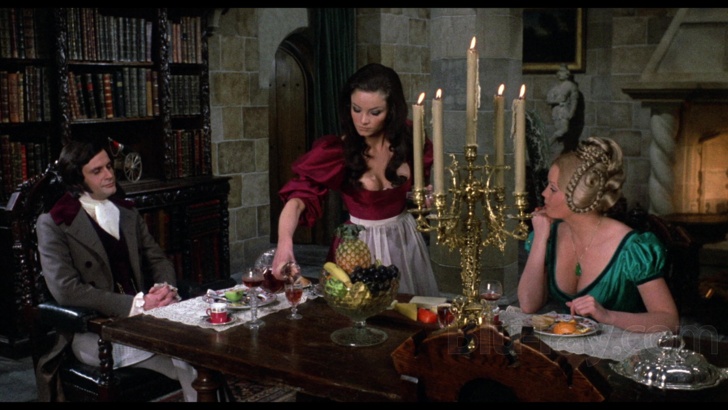
The Horror of Frankenstein Blu-ray
Part of Hammer’s cost cutting evidently involved reducing wardrobe expenditures on fabric.

The Plot: Unlike most portrayals of Dr. Frankenstein, this one uses a somewhat younger actor (a thirty-year-old Ralph Bates.) (Trivia fact: Ralph Bates was the great, great nephew of Louis Pasteur. I’m not making this up.) And whereas most portrayals of Dr. Frankenstein show him to be passionate about science and generally well-meaning (if misdirected or even mad), in this movie he is self-indulgent, debauched, sociopathic, and evil. (Note that this essentially describes Peter Cushing in1969’s Revenge of Frankentein). Here, Dr. Frankenstein manages to maintain an outwardly respectable appearance, which makes him even more dangerous.

The Horror of Frankenstein (1970) Ralph Bates, Kate O'Mara, Veronica  Carlson, Dennis Price Movie Review
Now if you’ll excuse me, I have an appointment for my weekly facial.

Early in the film, Dr. Victor Frankenstein arranges the death of his wealthy father so that he can receive the inheritance, which he uses to enroll at the university to get a medical degree and then to equip a laboratory. He then goes about constructing a man using body parts from (recently-expired) corpses. His project is successful, and he directs his creation to kill his enemies and anyone else who happens to be in the way. The film does not resolve happily for the creature, but Victor, while perhaps not getting what he wanted, does manage to survive the ordeal.

You’ll note that the plot generally follows that of the Curse of Frankenstein (1957). In fact, it’s said that director Jimmy Sangster reviewed the original screenplay and objected it amounted to a uninteresting retread of Curse. So he decided to give it its own unique flavor by injecting it with sex and humor.

Kate O'Mara

The sex is tame by today’s standards (mainly just lots of cleavage and double entendres), but I’m sure it was daring for 1970. The humor is arch, a combination of black humor and wordplay, but it’s pretty clumsy and predictable.

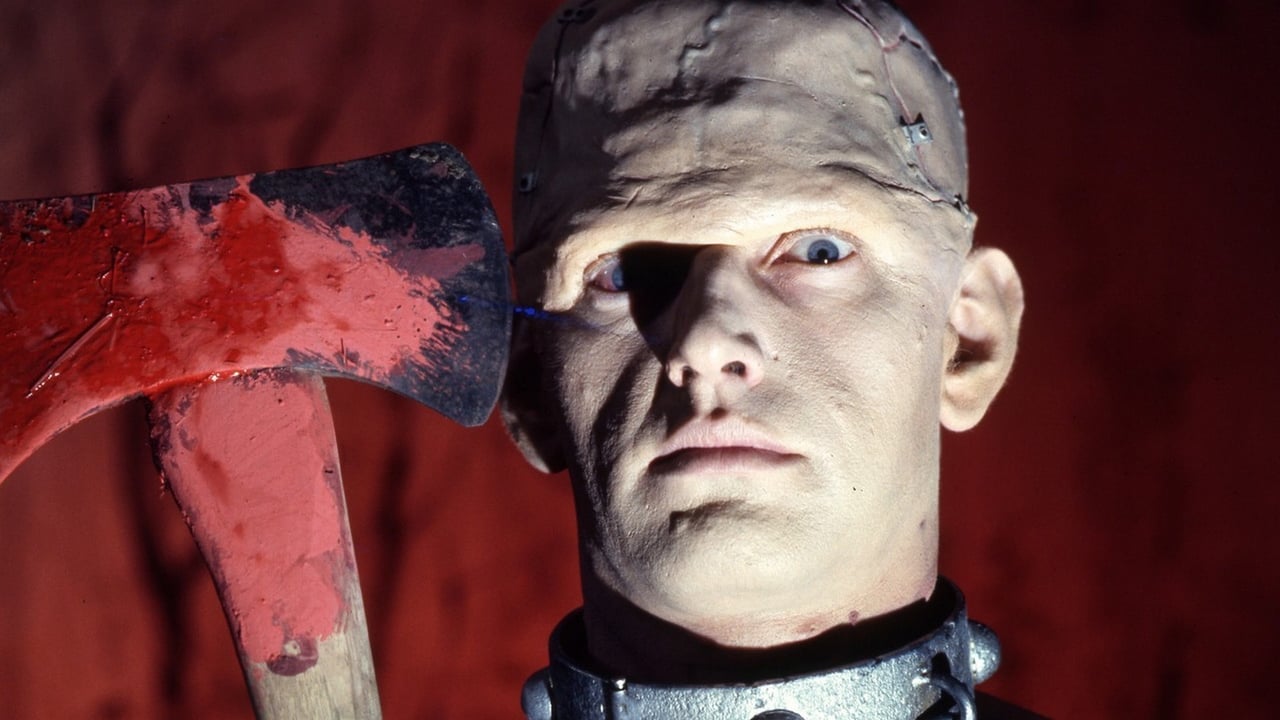
The Monster: The monster in this movie looks like a cross between a skinhead and the lead singer from a 1980s boy band. The actor, David Prowse, was a bodybuilder in real life, so I imagine that’s what scored him the part in this movie.

The Horror of Frankenstein (1970) - IMDb
Color me badd

The creature doesn’t show up until the last third of the movie. Sadly, he is one-dimensional (despite what you might think from the photo above.) He’s essentially just a killing machine. There’s no humanity, no pathos, no “misunderstood child” angle that we get from Karloff’s creature or some of Hammer’s earlier entries. We have absolutely no sympathy for this creature. And yet, I think we’re supposed to conclude that the real monster is Victor, who lies and cheats and kills everyone in his way.

The Atmosphere: It’s the usual garish production that you expect from Hammer: Lots of cleavage, blood, and off-screen dismemberment. Still, while it tries to push the envelope, it’s pretty tame by today’s standards. More than anything, it has the feeling of being gratuitous. Most of the sex and/or dismemberment scenes are entirely unnecessary to the plot.

The Horror of Frankenstein (1970) - Movie Review : Alternate Ending

This movie probably goes into the most graphic detail concerning the construction of the monster of any Frankenstein movie. The obtaining and assembly of body parts takes up almost the entire first hour, with technical shots of limbs being sawn off corpses and then getting stitched together into a new creature. Overall, this movie makes the same mistake as many modern horror movies, offering explicit, gory scenes instead of spooky atmosphere and unnerving situations.

General Comments: It’s a typical late 60s/early 70s horror movie, taking advantage of relaxed censorship standards and garish color film. But it hasn’t aged well at all. The humor is predictable and clumsy; the same goes for the sexual content. And the horror angle is too lurid and clunky to be scary. The Dr. Frankenstein character is too smarmy to garner any sympathy, and the creature is about as nuanced and sensitive as a wood chipper. It’s hard to care about anyone in this movie. The only segment worth watching is this little clip starting at around 1:40.

The Horror of Frankenstein (1970) - IMDb
Doctor, do you think you can revive the dead plot?

Overall, this movie has a recycled plot, no sympathetic characters, and meretricious set pieces. You can find better Frankenstein movies to watch.

Tomorrow we review an Italian movie that amounts to a Frankenstein version of a spaghetti western. Lady Frankenstein is available for free on YouTube. I guarantee you’ll love this movie, or I’ll double your money back.

Frankenstein movies

Frankenstein Must Be Destroyed (1969)

Lot #283 - FRANKENSTEIN MUST BE DESTROYED (1969) - UK Quad Poster 1969 -  Price Estimate: $600 - $700

The fifth of Hammer’s Frankenstein movies. Clearly they’ve milked the “traditional” Frankenstein story as much as possible, so they’ve been moving into other territory. That’s not necessarily a bad thing; the themes definitely have some interesting or provocative elements. But Peter Cushing seems to be becoming a caricature of himself.

The Plot: Victor Frankenstein had been conducting his usual experiments to bring life to dead tissue, and he’s been corresponding by mail with a like-minded doctor named Frederick Brandt. Brandt, apparently, has unearthed some secrets that have so far eluded Frankenstein. So Frankenstein plans to visit Brandt and get his formula for some (unrevealed) purpose. But when Frankenstein arrives at Brandt’s home, he learns that Brandt has gone insane, is locked in an asylum, is incapable of speech, and is on death’s doorstep. So Frankenstein conceives a plan to kidnap Brandt from the asylum, transplant his brain into a healthy body, and then get the formula from him. What could go wrong?

Frankenstein Must Be Destroyed (1969) - Moria
And of course, there’s a Hammer Babe.

Once Brandt’s brain is placed in a new body, the new being has all Brandt’s knowledge and memories. But he is (understandably) angry that Frankenstein has conducted the operation: “I have become the victim of everything that Frankenstein and I ever advocated. My brain is in someone else’s body.” So he gets his revenge against Frankenstein by depositing him into a burning building. And thus, abruptly, ends the movie.

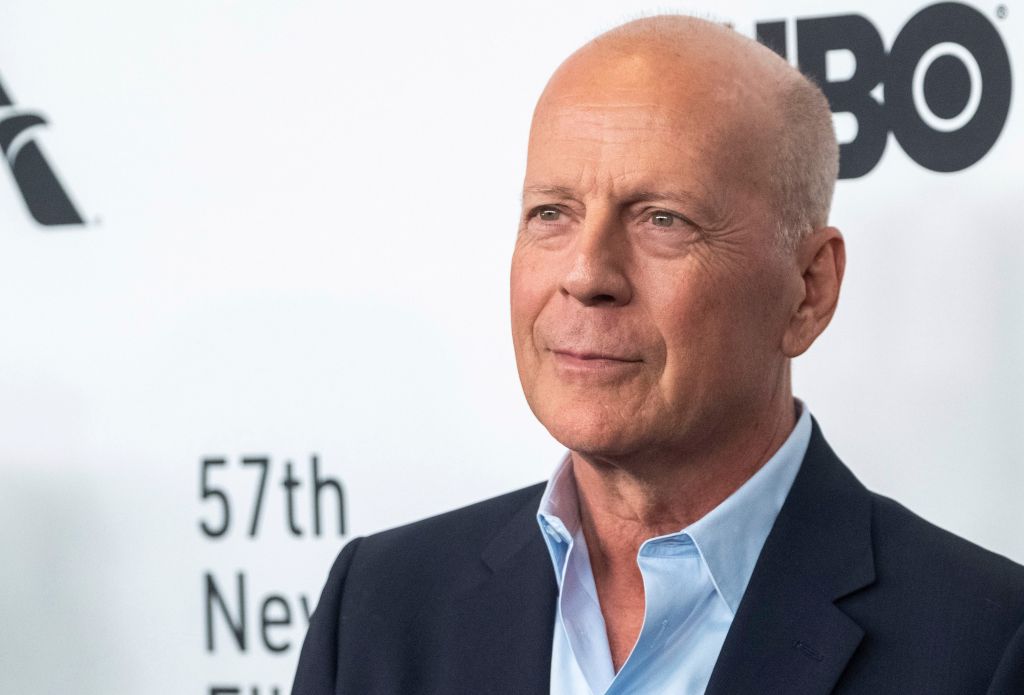
The Monster: The creature in this movie (hardly a monster) is totally likable and sympathetic. I guess he technically fits the bill for the creature because he was “created” by Dr. Frankenstein, who placed a brain in a new body. But this isn’t a homicidal or scary monster. He’s a poor schlimazel who finds himself in someone else’s body. You feel his anguish. And he looks like Bruce Willis.,

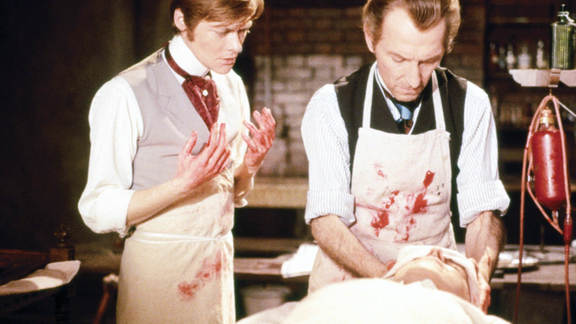
The Atmosphere: Hammer continues to push the limits on gross-out scenes. There are long and explicit surgery scenes that do nothing to advance the plot. There are needless sound effects of scalpels cutting through flesh, the top being sawn off a skull, etc. In this reviewer’s opinion, such gratuitous gore cheapens the movie. It’s not daring at all, but rather a desperate and misplaced attempt at horror.

This movie also, more than its predecessors, goes overboard making Frankenstein hateful. Dr. Frankenstein is rude, arrogant, murderous, heartless, and perhaps sociopathic. In this movie he even commits a rape, which most reviewers (and Cushing himself) thought was unnecessary and harmful to the plot. (But the murders were fine?)

Vudu - Frankenstein Must Be Destroyed Terence Fisher, Peter Cushing,  Veronica Carlson, Freddie Jones, Watch Movies & TV Online
“Is this really necessary?”
Frankenstein Must Be Destroyed
“But the director said ‘cut’!”

The usual Hammer sets are starting to look cheap; were the budgets declining at this point in the series? This movie feels more like a “thriller” than a monster movie. In fact, the first 45 minutes play as a detective drama, with a droll police inspector tracking down Frankenstein’s murders.

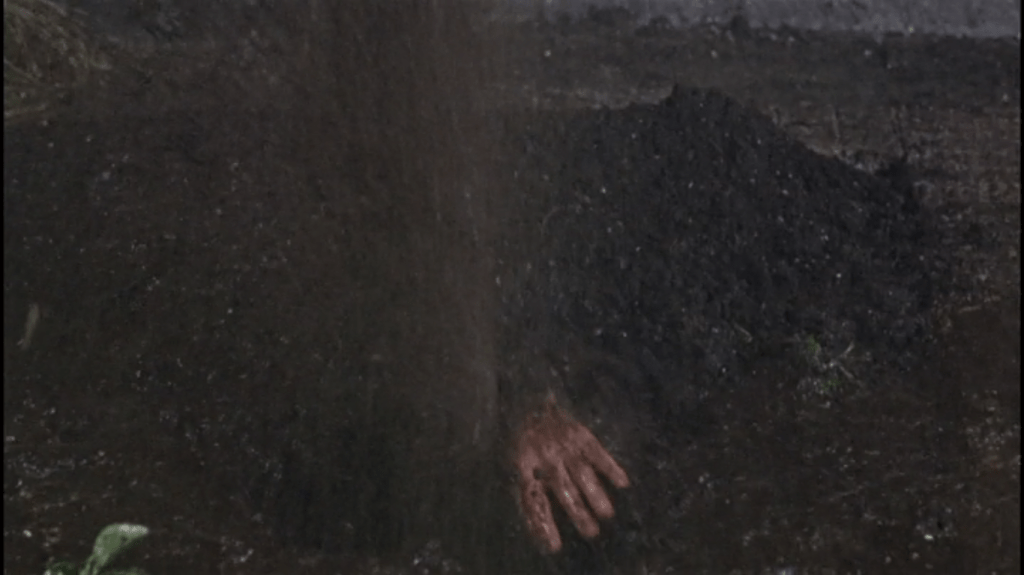
One effective scene from this movie stands out: A buried body bursts out of the earth when a water main breaks. It’s the kind of scene that Hitchcock would have filmed.

You can’t keep a good man down.

One gets the sense that the producers really were excited about the big climax at the end of the movie, with Frankenstein becoming trapped in a burning house. But the scene plays very flat. It’s not suspensful, and while Frankenstein clearly needed to receive his just deserts, this scene is a ham-handed glorification of revenge bordering on torture, as the creature makes Frankenstein search through burning house for the formula.

Hammer Horror Films on Twitter: ""I am the spider and you are the fly... Frankenstein" Frankenstein Must Be Destroyed" (1969) Peter Cushing  https://t.co/g3N449HLEE" / Twitter
A sure-fire movie ending.

All that said, I need to give a shout-out to the musical score, that was very effective.

General Comments: Dr. Frankenstein is more unsympathetic, even hateful, than in the earlier Hammer efforts. He commits rape, blackmail, and murder, all with his polished and refined manners. Dr. Frankenstein has come a long way from Colin Clive in 1931’s Frankenstein. But that’s what makes the Hammer films interesting. Each installment takes Peter Cushing to a more complicated and twisted level. Few actors can keep this going without making the character seem cartoonish and unbelievable. But somehow, Cushing convinces.

Tomorrow, we turn to Hammer’s sixth Frankenstein movie, which does not feature Peter Cushing! It’s quite a departure in some ways, while in others it’s very derivative. Check out Horror of Frankenstein for free on YouTube!