Halloween Cocktails

Bone-ified Halloween Cocktail

In nineteen-hundred and eighty-two Tim Burton wrote a poem.

About a guy obsessed with Halloween.

Then ten years later Tim received the green light from Touchstone

“The Nightmare Before Christmas” could be seen!
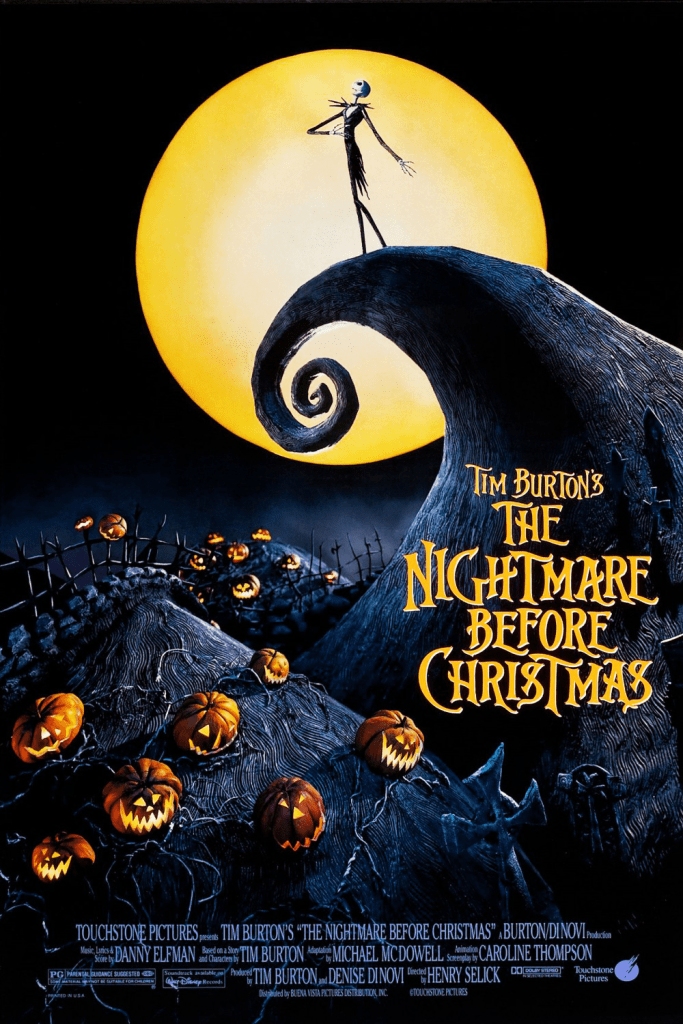
OK, it admittedly needs a little work. But whenever I encounter anything related to The Nightmare Before Christmas, the movie’s opening song (Danny Elfman’s “This is Halloween”) runs through my mind. And I’m always struck by how the song both sticks in your head and monumentally sucks. I mean, the “music” is practically a monotonal C-major meditation. And the lyrics are full of forced rhymes: “age” and “strange”; “see” and “Halloween”; “scream” and “Halloween”; “home” and “song.” Anyway, my point isn’t to dump on Danny Elfman, but rather to explain why I find myself writing doggerel.

The reason I brought up The Nightmare Before Christmas is because today’s drink is something called the Jack Skellington. You’ll recall that Jack Skellington is the “King of Halloweentown” in the movie.
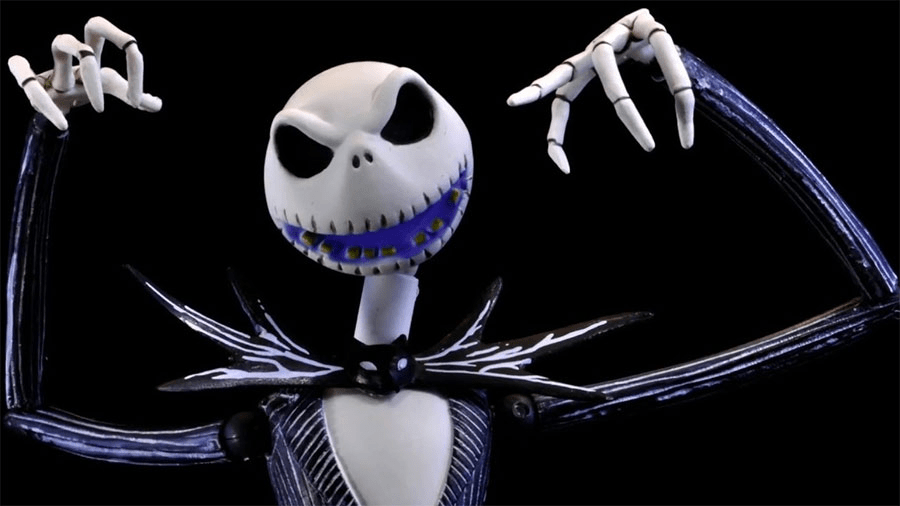
Do you know Jack?

Now, I should note that there are a number of very different cocktails called a “Jack Skellington” rattling around on the Internet. But the one I chose comes from a cocktail bar in Melbourne, Australia. It contains both vodka and Scotch, which sounds a little odd to me, but also sounds intriguing. Let’s make one!

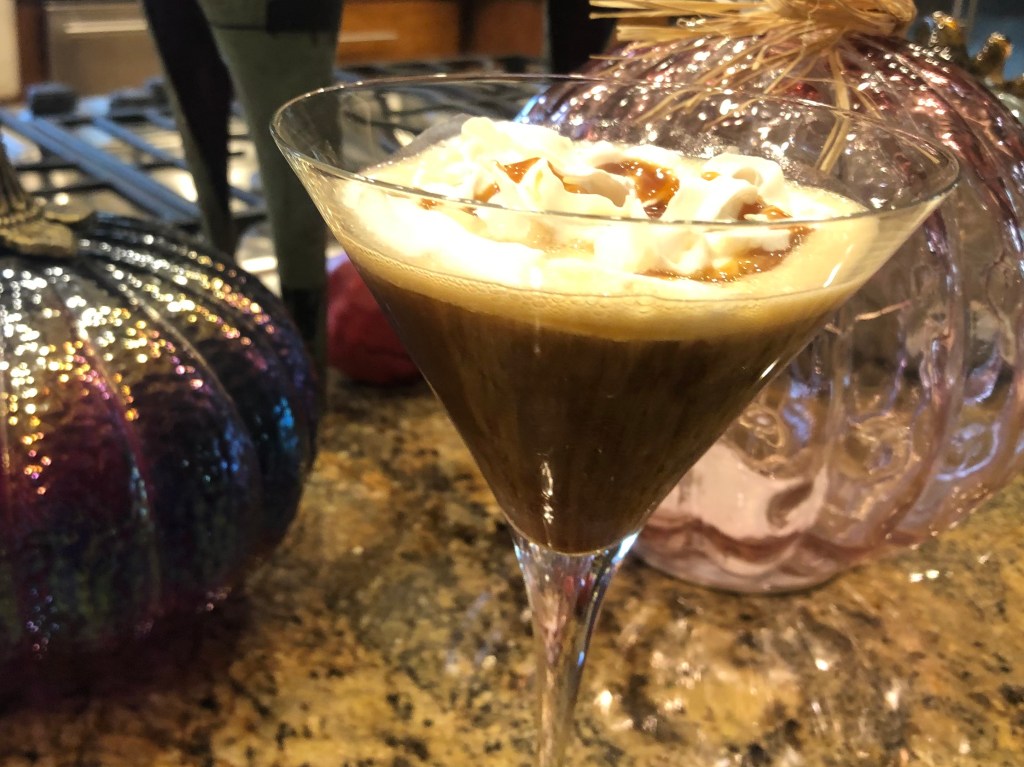
The Recipe: In a cocktail shaker with ice mix 30 ml vanilla vodka, 10 ml Johnnie Walker, 20 ml Antica, 20 ml Little Drippa, and 15 ml pumpkin spiced syrup. (These Australians have evidently never heard of the English measurement system. For those not conversant with antipodal measurements, let me translate: 1 oz vodka, 2 tsp Scotch, 2/3 oz sweet vermouth, 2/3 oz cold extracted coffee, and 1/2 oz pumpkin spiced syrup.) Then garnish with whipped cream and toffee.

The Ratings: The appearance of this drink is moderately attractive. Yes, it looks like espresso with cream. The coffee/Scotch/vermouth color approximates that of a good porter. But I really don’t see how this resembles “Jack Skellington.” I’ll give it 2.5 points. And that’s just because I’m feeling generous.
Turning to the taste: O.M.G.! This is delicioso (as we Iberian people like to say). The coffee (Little Drippa) and the Scotch (Johnnie Walker) interact beautifully, pumping up their smoky, earthy flavors. Those peaty notes are perfectly balanced by the sweetness of the pumpkin spice syrup and sweet vermouth. The whipped cream and toffee might be inclined to tip the whole thing towards saccharin, but that’s where the vodka comes to the rescue, centering the whole drink as a high-alcohol, peaty, creamy drink reminiscent of something a wise teenager would order at Starbucks.
I should note that this drink reminds me of a Laphroaig espresso martini, which, in my opinion, is the single best cocktail in the world. But whereas the Laphroaig drink is sweetened by simple syrup, the Jack Skellington has a mix of pumpkin spice syrup, whipped cream, and sweet vermouth. The overall effect is complex, balanced, and pungent. I wouldn’t drink it every day, but it sure is a fun drink for a change of pace. I simply must give this cocktail the full 4 points for taste.

The name is definitely Halloween-related, but it’s not really connected to the drink at all. One wonders why this particular name was chosen. The best I can offer here is 1.5 points.
Grand Total: 8 points.
Halloween Cocktails

Back in Black

By pure coincidence, immediately after I received Erin R’s recipe for a black “Headless Horseman,” my friend Chris F. sent me a recipe for a “Black Magic Margarita.” Who knew that there’d be multiple recipes for black cocktails?

Very clever name for a potting soil.

Whenever I hear the phrase “Black Magic, I think of my dad. Let me explain: Dad was skeptical about almost everything, and when a heating/air conditioning guy came out to fix Dad’s furnace, Dad pronounced that the work he did was “black magic.” It’s the only way Dad could reconcile the fact that a twenty-something guy with a community college degree could successfully fix something that had stumped him.

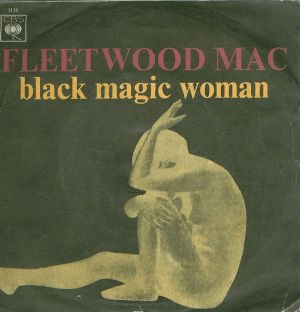
Anyway, a “Black Magic Margarita” is clearly more Halloween-appropriate than a generic margarita. So let’s make one!

The Recipe: Before I provide the recipe, let me acknowledge that I’ve cut all the ingredients in half. The original recipe was created by a bourbon distiller, and they call for a full 4 oz (!) of their bourbon for this cocktail. I think half that would be more than enough. So, all the ingredients listed here are cut in half.

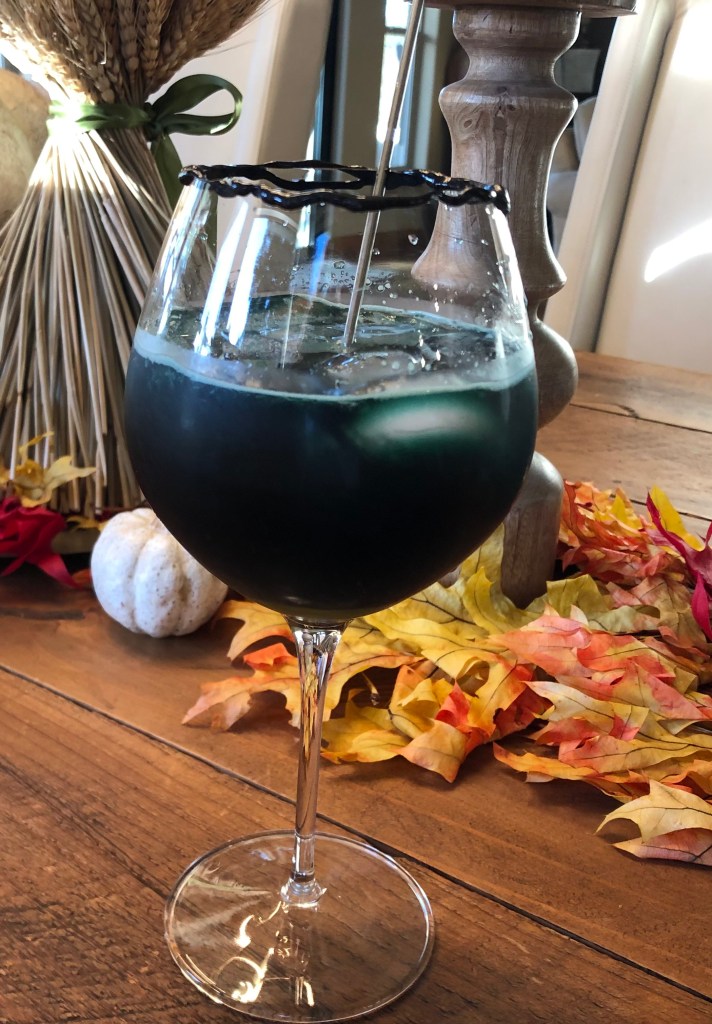
So here’s my altered recipe: combine 2 oz bourbon, 1 oz orange juice, 1/2 oz Triple Sec, 1 oz lime juice, and 1 oz agave nectar in a shaker with ice. Shake, and pour into a glass with ice that’s had the rim prepared with black sugar icing. Add 1.5 oz sparkling water, and green, red, and blue food coloring. Stir.

The Ratings: The appearance of this drink is suitable for something called a “Black Magic Margarita.” But I must acknowledge that the color, while very dark, has a distinct green cast. The idea (according to the recipe) is that combining red, blue, and green food coloring should produce black. But that’s not the case, even after I repeatedly added a drop of this and a drop of that. If you want a black cocktail, I recommend adding activated charcoal (as we did for the Headless Horseman yesterday).

So, the appearance gets a 2.5 (brought down a bit because of the green cast).

Remember?

But let’s talk about taste: Yum! This is a very tasty cocktail indeed. It’s not your typical margarita. For starters, it uses bourbon rather than tequila. And while I do appreciate tequila (and even more than that, Mescal), bourbon provides a bolder taste with notes of brown sugar, maple syrup, vanilla, and various spices. This particular cocktail balances the bourbon and the sweet agave nectar quite well. The orange juice and lime juice lend a solid citrus backbone, and the sugar on the rim ensures a sweet finish. It’s a complex cocktail that goes down easy. I have to give this 4 points. Seriously. This is an enjoyable drink. Now I’m thinking that maybe I shouldn’t have cut all the ingredients in half!

The name of this cocktail is moderately cool. “Black magic” is a Halloween theme of course, but “Black Magic Margarita” not an especially imaginative name for a black margarita. I’ll give the name 1.5 points…and that’s my final offer.

Grand Total: 8 points.
Halloween Cocktails

Headless in Seattle

Halloween season is a good time to re-familiarize ourselves with Washington Irving’s short story, “The Legend of Sleepy Hollow.” The story was first published almost exactly two centuries ago–in 1819–and it famously focuses on a local schoolmaster (Ichabod Crane) and, of course, a headless horseman.

Heading for trouble.

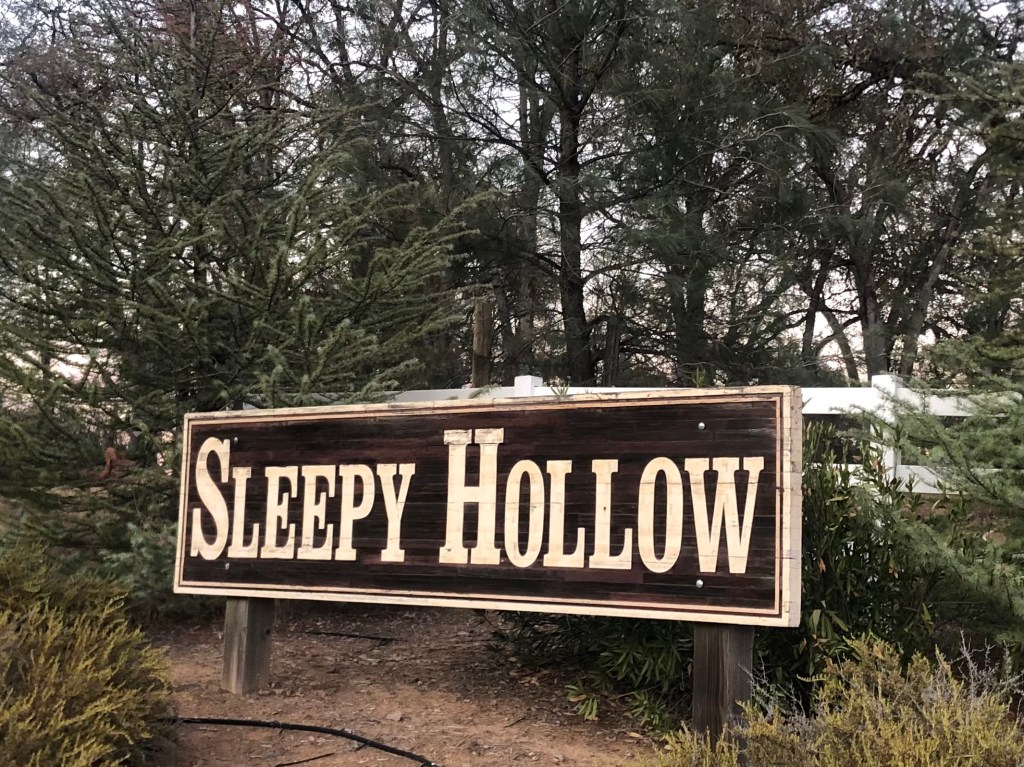
I am reminded of the story frequently, as there’s a community near our home called “Sleepy Hollow.” For this post I tried looking up the history of that nearby community, but I came up empty-handed. I did learn, however, that there are several other Sleepy Hollows in California, including one near Chino Hills and one near San Anselmo.

Just a stone’s throw from my house!

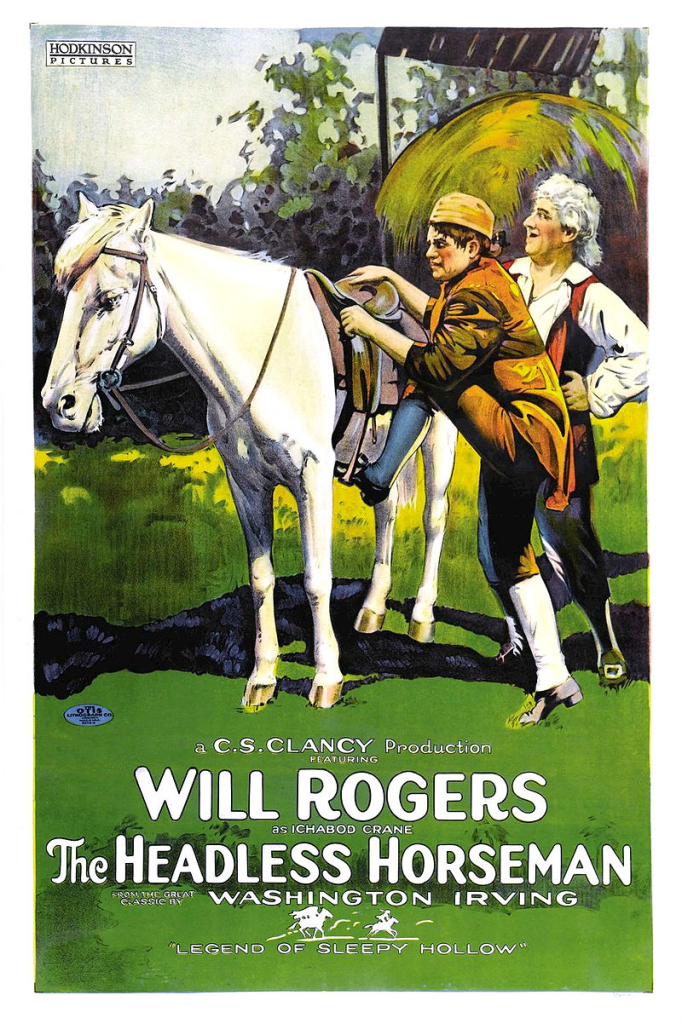
There have been many film adaptations of the story, starting with a 1922 silent movie starring Will Rogers.

He doesn’t look like the Will Rogers that I remember!

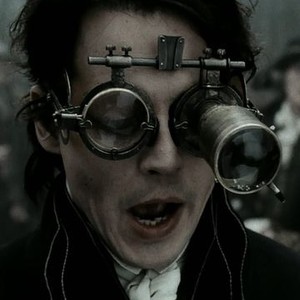
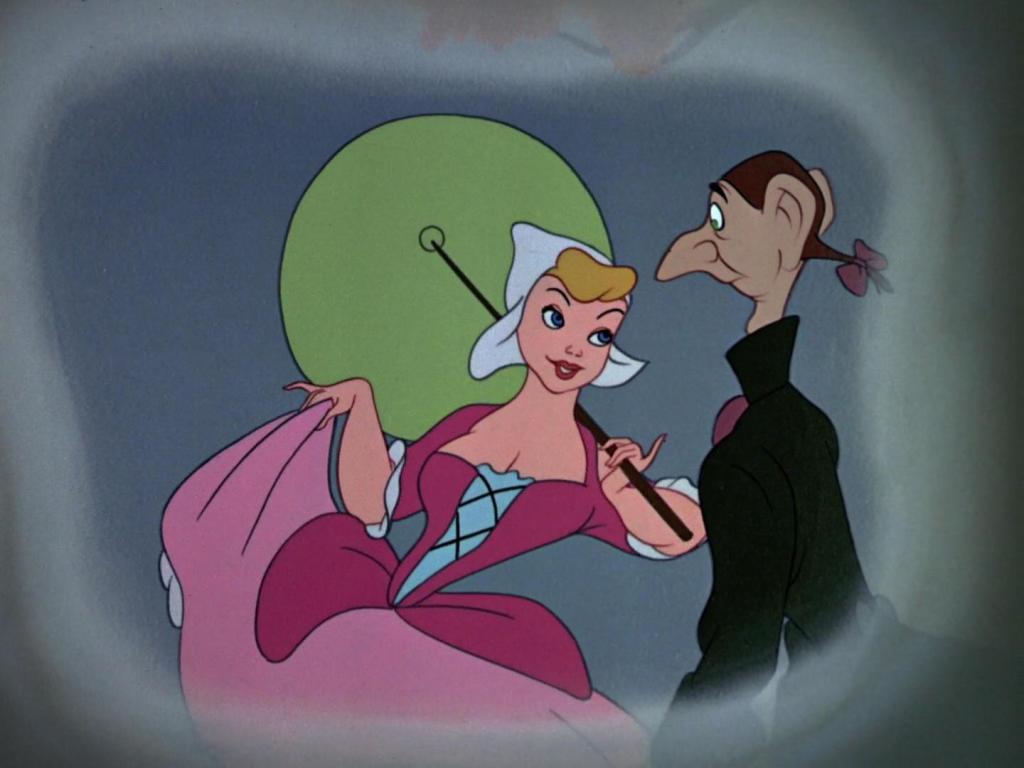
…but it’s likely that you’ve only seen the Tim Burton version (1999, starring Johnny Depp) or perhaps Disney’s animated version (1949, starring the voice of Bing Crosby).

Notably, there’s a new version of The Legend of Sleepy Hollow currently being released in short episodes each week by Shipwrecked Comedy. You can watch the episodes released so far on YouTube. Here’s the trailer:

To be honest, this isn’t Shipwrecked Comedy’s best effort. Instead, I highly, highly recommend their recent “Edgar Allan Poe’s Murder Mystery Dinner Party.” Here’s the trailer:

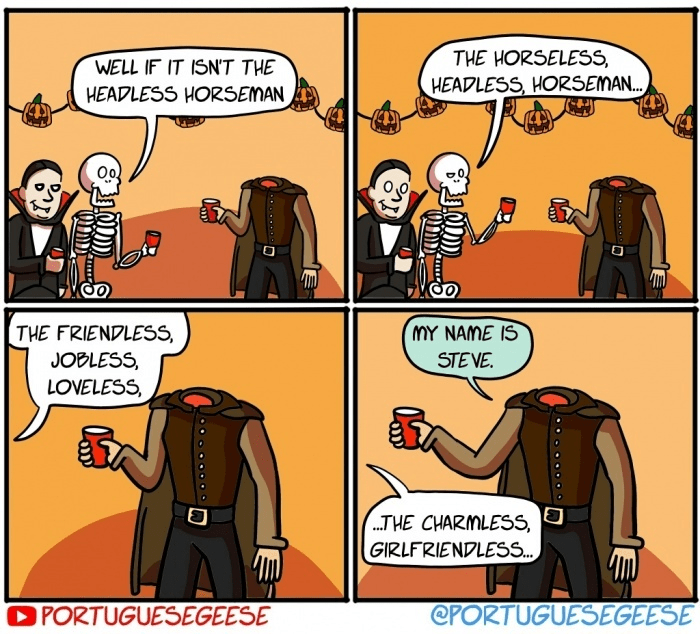
But I digress. We were talking about Sleepy Hollow. And the reason we’re talking about Sleepy Hollow is because noted mixologist and family friend Erin Rea has developed a special cocktail for use in this monthlong Halloween cocktail experiment. Her drink is called The Headless Horseman. So, without further ado….

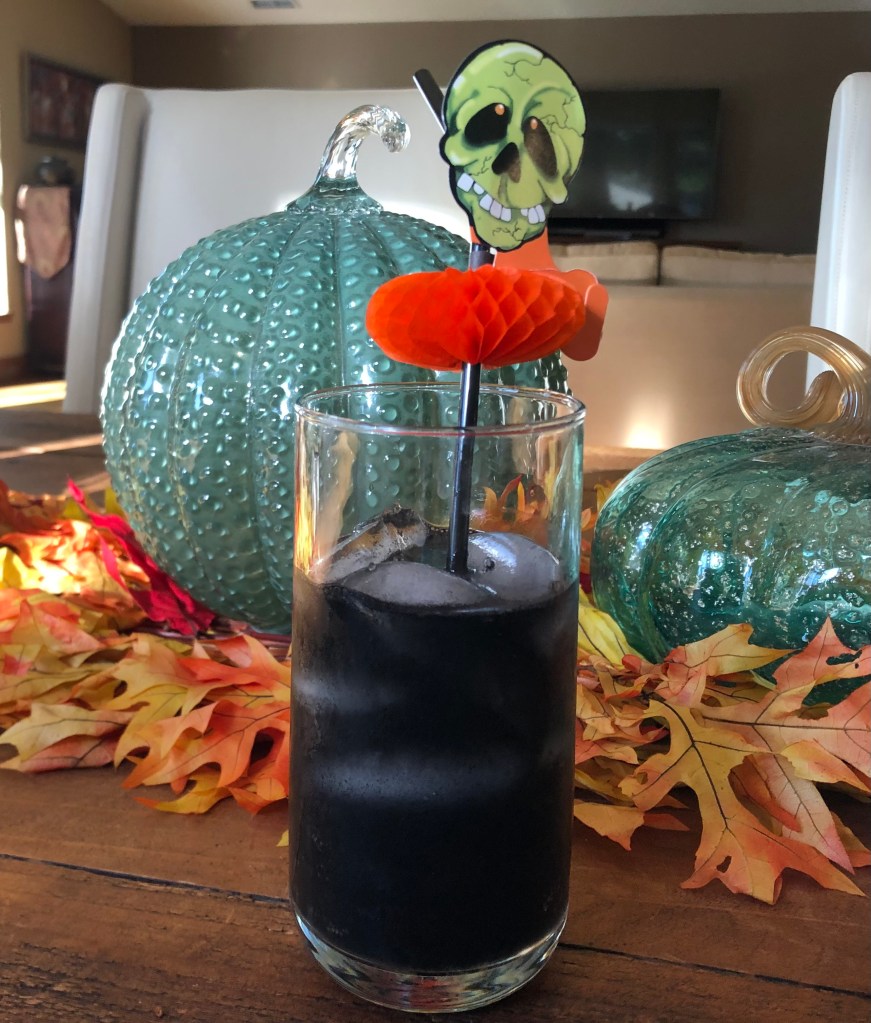
The Recipe: Combine 2 oz bourbon, 1/2 oz lemon juice, 2 dashes of Angostura bitters, and 1/8 tsp of activated charcoal into a cocktail shaker with ice. Shake vigorously for 20-30 seconds to really integrate the charcoal. Strain into a tall glass with fresh ice, top with 3 oz ginger beer, and stir lightly to integrate.

Cool-looking antiflatulent.

Yes, you read that right–“activated charcoal” is an ingredient. It’s used to create the black color of the drink. It’s sold in capsule form at CVS, as an “anti-gas” nostrum. [Insert obvious joke here.]

The Ratings:

This is our first all-black drink. The photo above doesn’t really do it justice. It’s an inky black that doesn’t look like any cocktail I’ve ever had. It might have been cool to have added a little dry ice, but it’s still striking just on its own. I’ll give it a solid 3 points for appearance.

In terms of taste: This is essentially a Kentucky Mule. As such, it’s refreshing and a little spicy. One of my favorite summer drinks is a Moscow Mule (vodka, lime juice, ginger beer, and a little ginger syrup). This Kentucky Mule uses bourbon in place of the vodka, replaces the lime juice with lemon juice, and skips the ginger syrup. The result is a more refreshing, less sharp, and less sweet drink than my usual Moscow Mule. The activated charcoal imparts no flavor, but the visual effect causes the drink to come across as perhaps a bit richer than it actually is. Notably, the bourbon is almost entirely disguised by the ginger beer. This just goes down damn easy. I’ll give the taste 3 points.

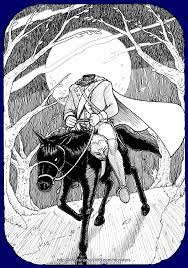
The name gets the full 2 points–The “horseman” is presumably a riff on the “mule” theme (Horse + Donkey = Mule), which I think is pretty clever. And the headless horseman, as we’ve already established, is a good Halloween story. And to top it all off, the headless horseman’s horse is almost always depicted as black.

Grand Total: 8 points.
Halloween Cocktails

Death in the Afternoon

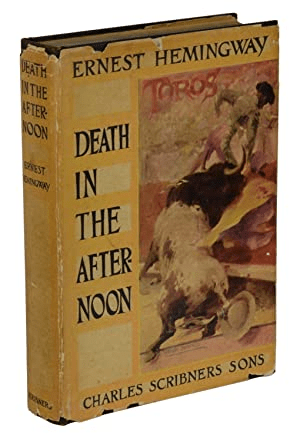
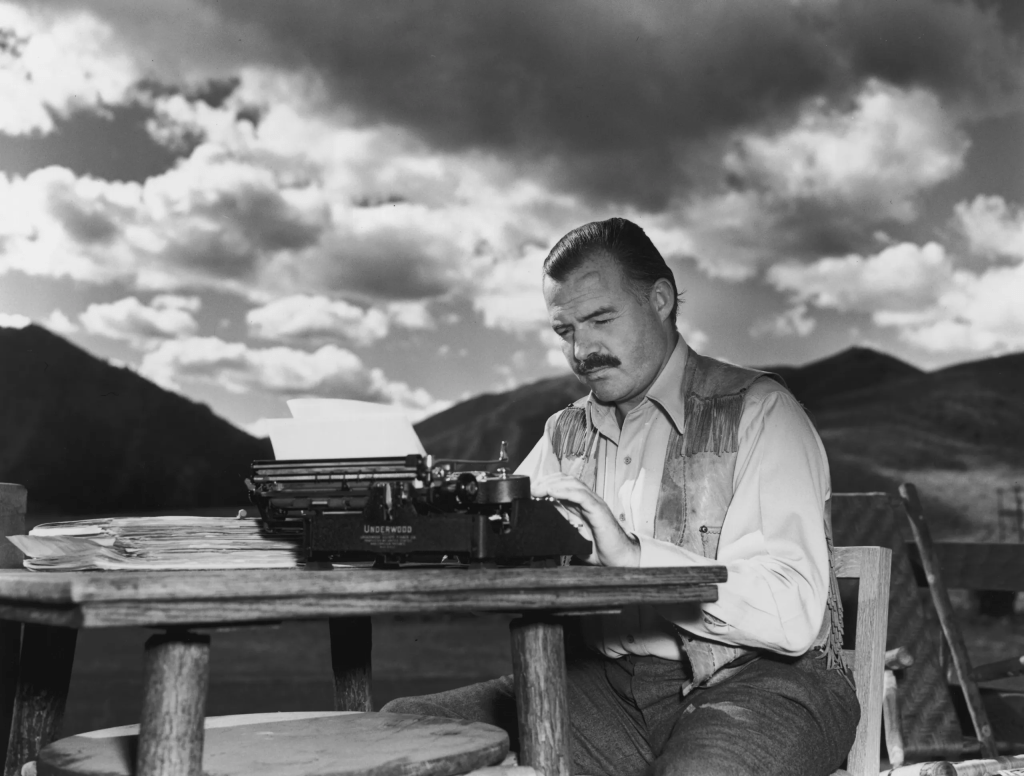
As you may know, Death in the Afternoon is the name of a 1932 book by Ernest Hemingway. The title reminds one of an Agatha Christie story. (Agatha Christie wrote a number of books with “Death” titles , including Death In the Clouds, Death on the Nile, and Death Comes As the End.) Hemingway’s Death in the Afternoon, however, is definitely not a Whodunit, but rather is a treatise on and celebration of Spanish bullfighting. And knowing that the title is about the ritualized killing of an imprisoned, male cow is definitely a buzzkill.

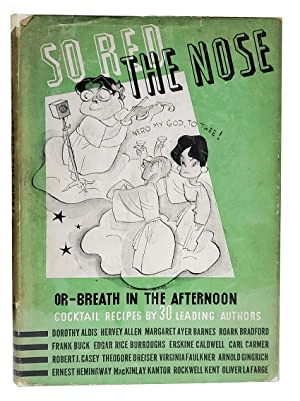
And yet, Hemingway repurposed that same title (Death in the Afternoon) for a cocktail he invented. It seems that, in 1935, writer Sterling North and a bookseller named Carl Kroch (I’m not making this up) put together a book that featured cocktail recipes from 30 famous writers, including Edgar Rice Burroughs, Christopher Morley, a bunch of people I never heard of, and Ernest Hemingway.

Now, for our purposes, “Death in the Afternoon” is a pretty good name for a Halloween cocktail. (And thanks to loyal reader Marie R for bringing this to my attention.) So let’s make one!

The Recipe: In Hemingway’s own words: “Pour one jigger absinthe into a Champagne glass. Add iced Champagne until it attains the proper opalescent milkiness. Drink three to five of these slowly.”

First of five…

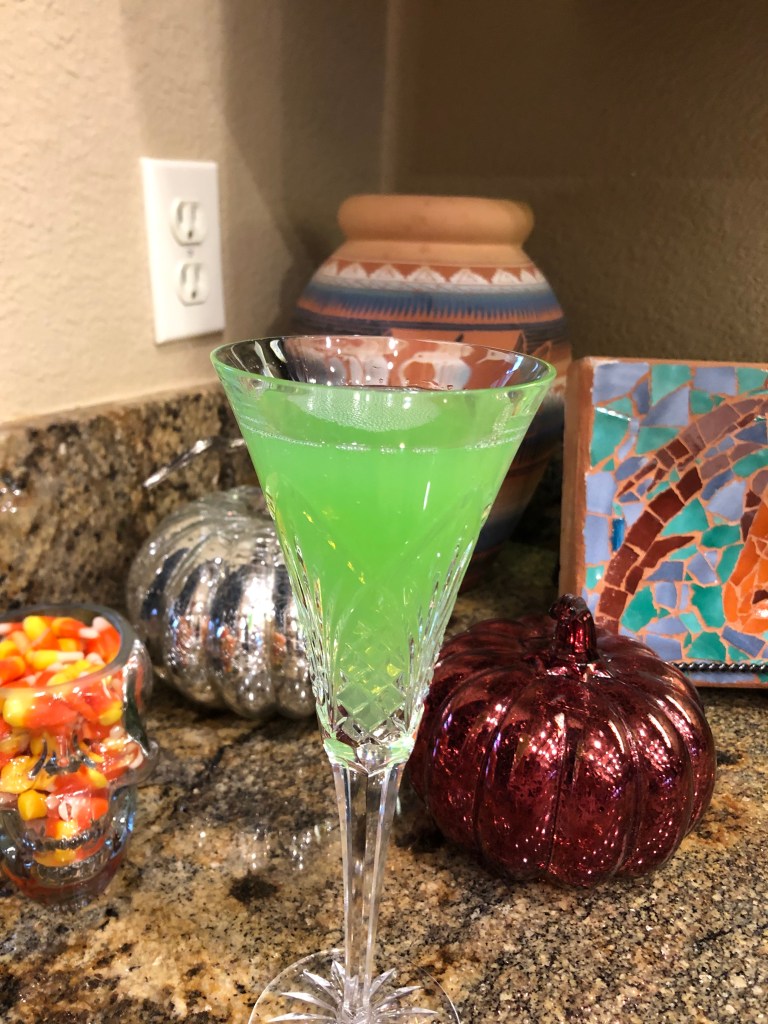
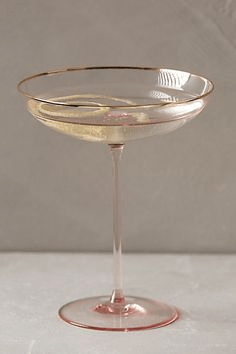
The Ratings: Well, it’s another green cocktail. Thankfully the color is imparted by absinthe and not by chartreuse. The green is made lighter and somehow more neon by the addition of the champagne, which also lends an effervescence. It’s probably the fault of my inadequate absinthe selection that it didn’t achieve “the proper opalescent milkiness.” In any event, I suppose it’s worth two points for appearance, which is essentially a B- on my grading scale. It’s not especially entrancing, but the color is unusual, and the use of a champagne glass adds a little bit of interest. (It would have been better if I’d had one of the old-timey champagne glasses that you see in New Years Eve memes.)

Now there’s a proper champagne glass!

As for the taste: I really wanted to like this one. Its Hemingway pedigree makes it cool, and the comingling of bohemian absinthe and patrician champagne is intriguing. The first sip was interesting — the licorice of the absinthe added depth and texture to the champagne. But with each successive sip the absinthe became more cloying and extraneous. I couldn’t see how this was an improvement over just a simple glass of good champagne. Of course, the absinthe (at 50% ABV) definitely boosts the alcohol content of the Roederer (12.5% ABV). (How on earth does Hemingway expect me to drink “three to five of these slowly”?!) But if your objective is simply to get inebriated, a good Scotch could achieve that objective with less fuss and muss. I can’t in good conscience give the taste more than 1.5 points. (My wife’s one-word comment about the taste was “Yuck.”)

I’ll give the full 2 points for the name, even though it’s actually a reference to a despicable sport. I’m still trying to imagine it as an Agatha Christie title.

Grand Total: 5.5 points

Halloween Cocktails

Back to Basics

Tonight we return to some October basics: apple cider, maple syrup, pumpkin pie spices, and some good bourbon. This will not be a gimmicky drink–No lychees here! But the list of ingredients is promising. Let’s make…

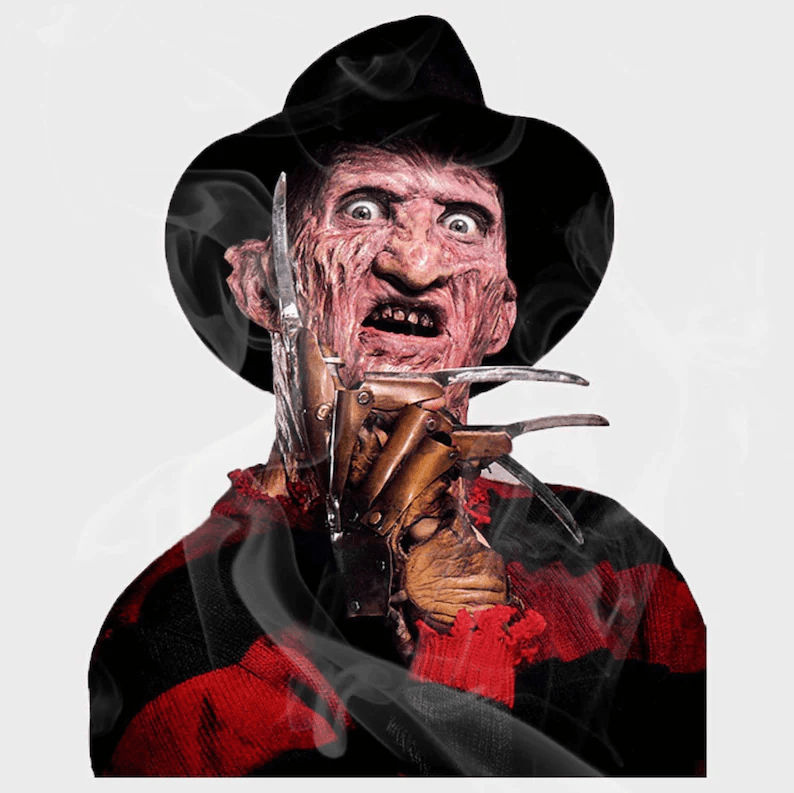
Nightmare on Bourbon Street

(Random graphic stolen from the Web. It’s not connected to the drink in any way.)

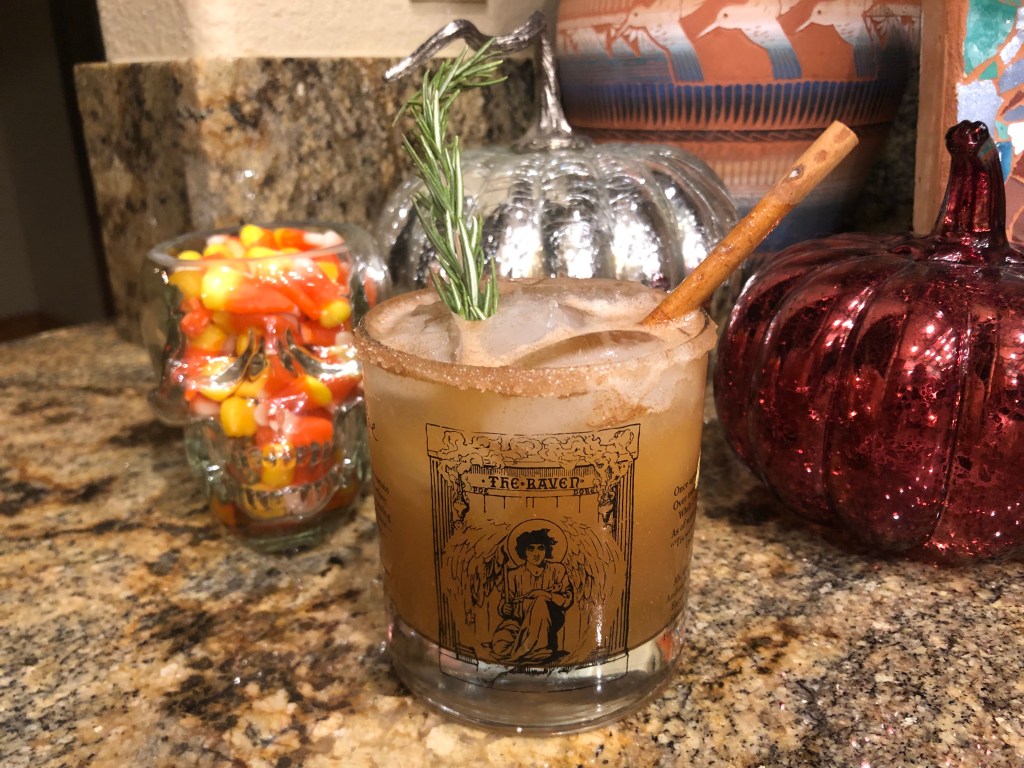
The Recipe: OK, this sounds awesome: Start by preparing a cocktail glass by rimming it with cinnamon sugar, and filling it with ice. For the occasion, I used my “Edgar Allan Poe’s The Raven” glass, provided to me by longtime friend Chris F.

Now, in a cocktail shaker, combine 1.5 oz bourbon (use the good stuff!), 1 oz fresh lemon juice, 1/4 cup apple cider, 2 tsp maple syrup (I get mine from Cousin Bonnie in Vermont), 1/4 tsp ground ginger, and 1/8 tsp ground cinnamon. Shake the hell out of it, and strain into the prepared glass. Now top the glass with Martinelli’s sparkling apple cider. (Note: The recipe actually asks that you top the drink with hard cider, but I figured Martinelli’s would be preferable. And I was right. As I always am. Well, sometimes.) Finally, add rosemary and a cinnamon stick as garnish.

The Ratings:

The appearance of this drink is welcoming and rich. To be fair, it’s not really Halloween-y, in that there’s no floating eyeballs or odd colors or fake blood. But it comes across as an honest, solid drink that’s somewhere between pumpkin and cinnamon in color. The rosemary evokes a tree in the spooky woods, and the cinnamon stick is a standard symbol of fall cookery. The sugar-cinnamon rim of the drink is just pure indulgence. I’ll give it 3 points for appearance. (It would have been 4 if I could have somehow called it a Halloween drink.)

Spooky woods

But let’s shift to the taste: O. M. G. This is the ideal drink for a fall evening. The apple cider (NOT apple juice, you Philistine) is rich and complex and earthy. It perfectly complements (NOT compliments, you Philistine) the caramel and vanilla of the bourbon. The lemon juice emphasizes the tartness of the cider, but the maple syrup emphasizes the sweetness of the cider. The ginger and cinnamon are suggestive of an apple pie, while the Martinelli’s tips the balance toward apple sweetness, and also lends an effervescence. And as if all that’s not enough, the rosemary garnish adds depth of flavor and brings out the earthy notes, while the cinnamon stick is suggestive of a hot apple cider (even though this drink is iced). How could I not give this four points for taste?

The name “Nightmare on Bourbon Street” simultaneously evokes the Freddy Krueger franchise and the iconic street in New Orleans. It’s scary and fun and historic. It gets the full 2 points.

Leatherman, eat your heart out!

Grand Total: 9 points.

Make one tonight, and thank me later.