Uncategorized

Making Passes

The day started out in Angels Camp, the first town of any interest as Highway 4 starts climbing into the foothills.

Remember my musings about how towns like to capitalize on some notable aspect of their history? As with Niles and Charlie Chaplin. [note: at the end of this post, I’ve including some more information on Niles that Uncle Ed sent me by email last night.] Or (as I noted on my US Route 60 blog a few months ago), Quartzite, AZ and its camels. Well, Angels Camp has its frogs. In 1865 Mark Twain set his breakout story about “The Celebrated Jumping Frog of Calaveras County” in Angels Camp. The town has capitalized on this connection by holding its annual Jumping Frog Jubilee each spring. In 1944 Warner Bros premiered its new movie, “The Adventures of Mark Twain,” at the Jubilee. WB also donated a statue of Twain, which I visited this morning. The statue originally had three bullfrogs set at Twain’s feet, but a gang of Hells Angels sawed them off while terrorizing the town in 1957. I’m not making this up.
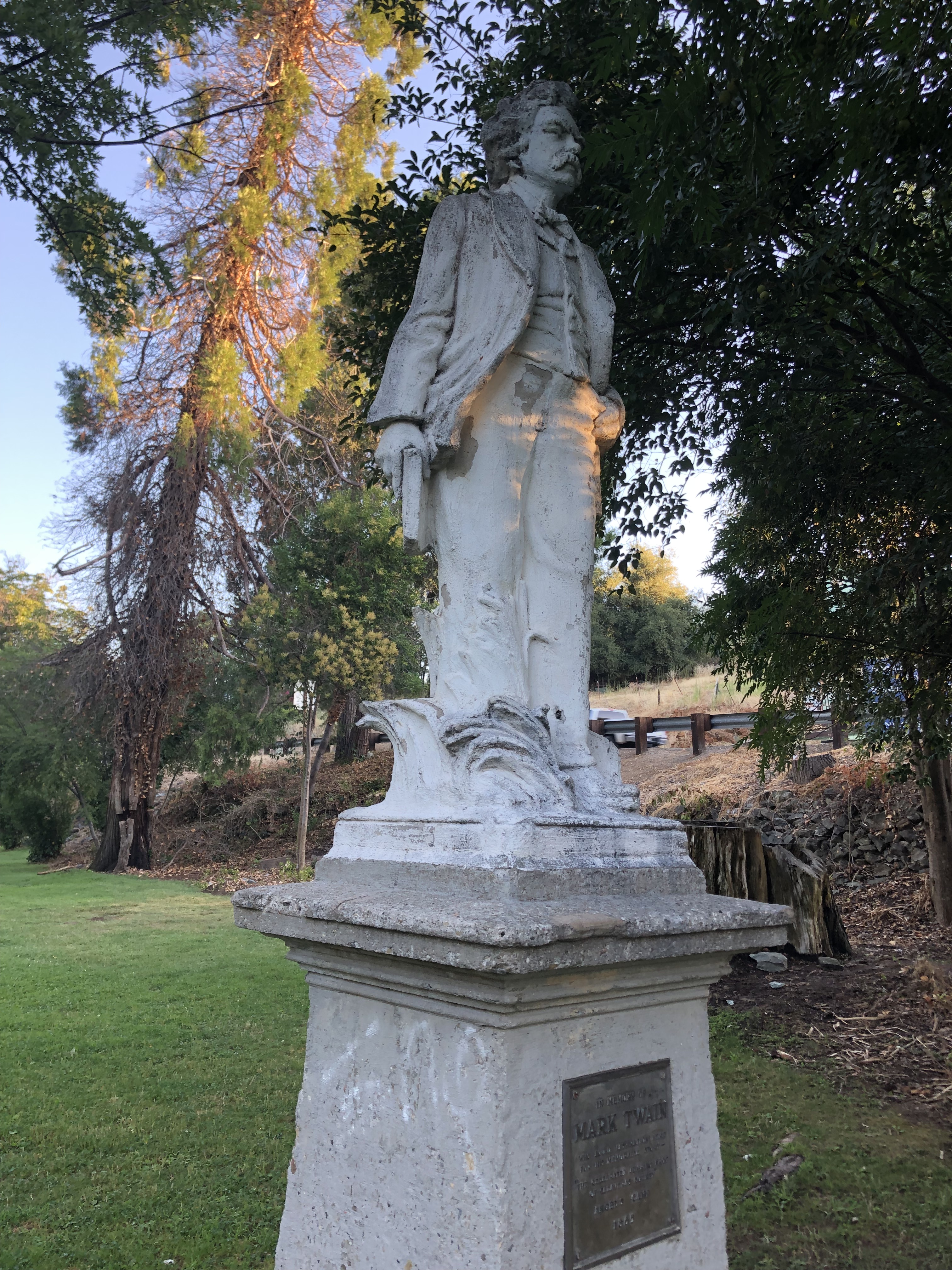
Samuel Clemens, sans frogs.

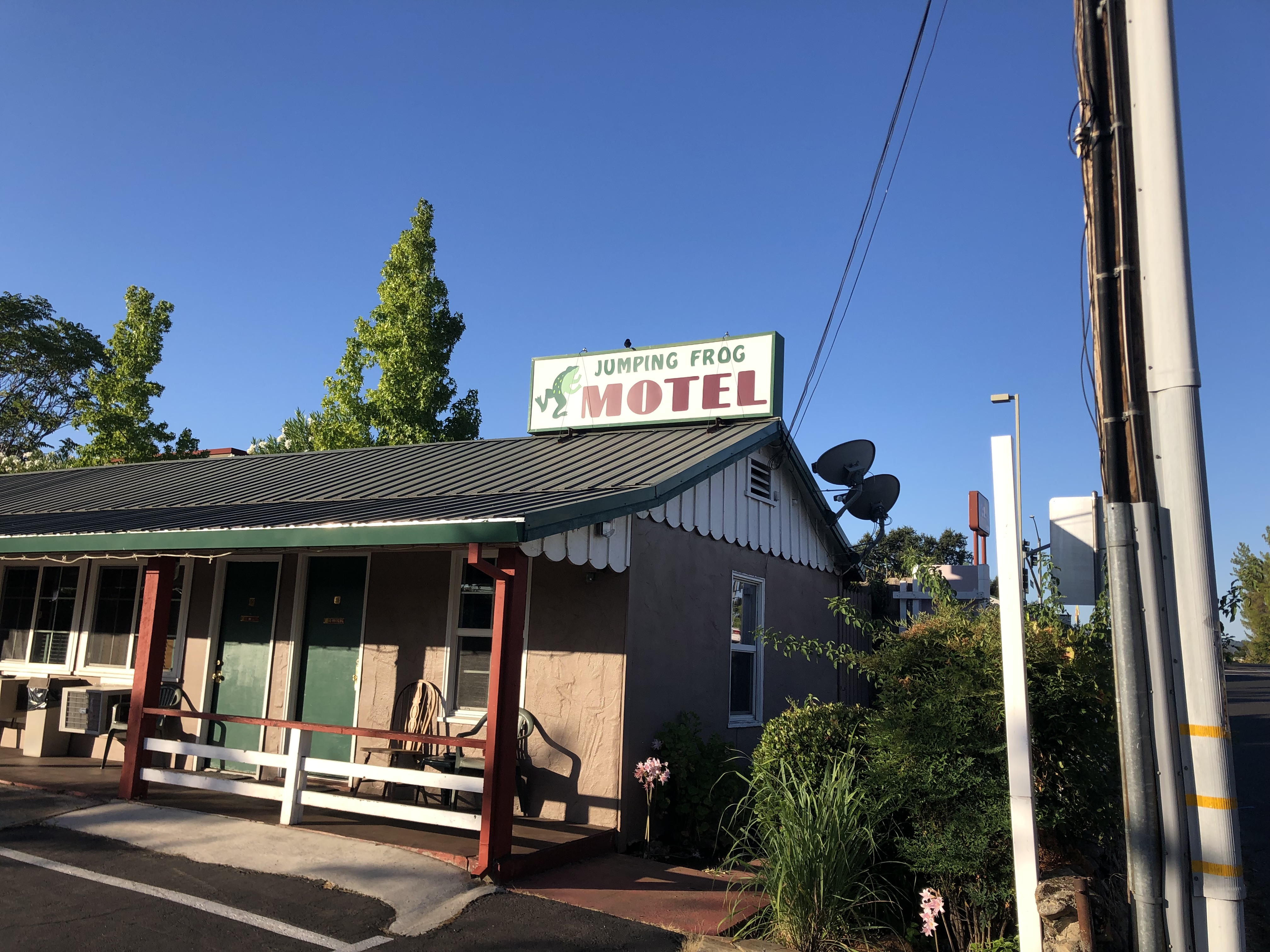
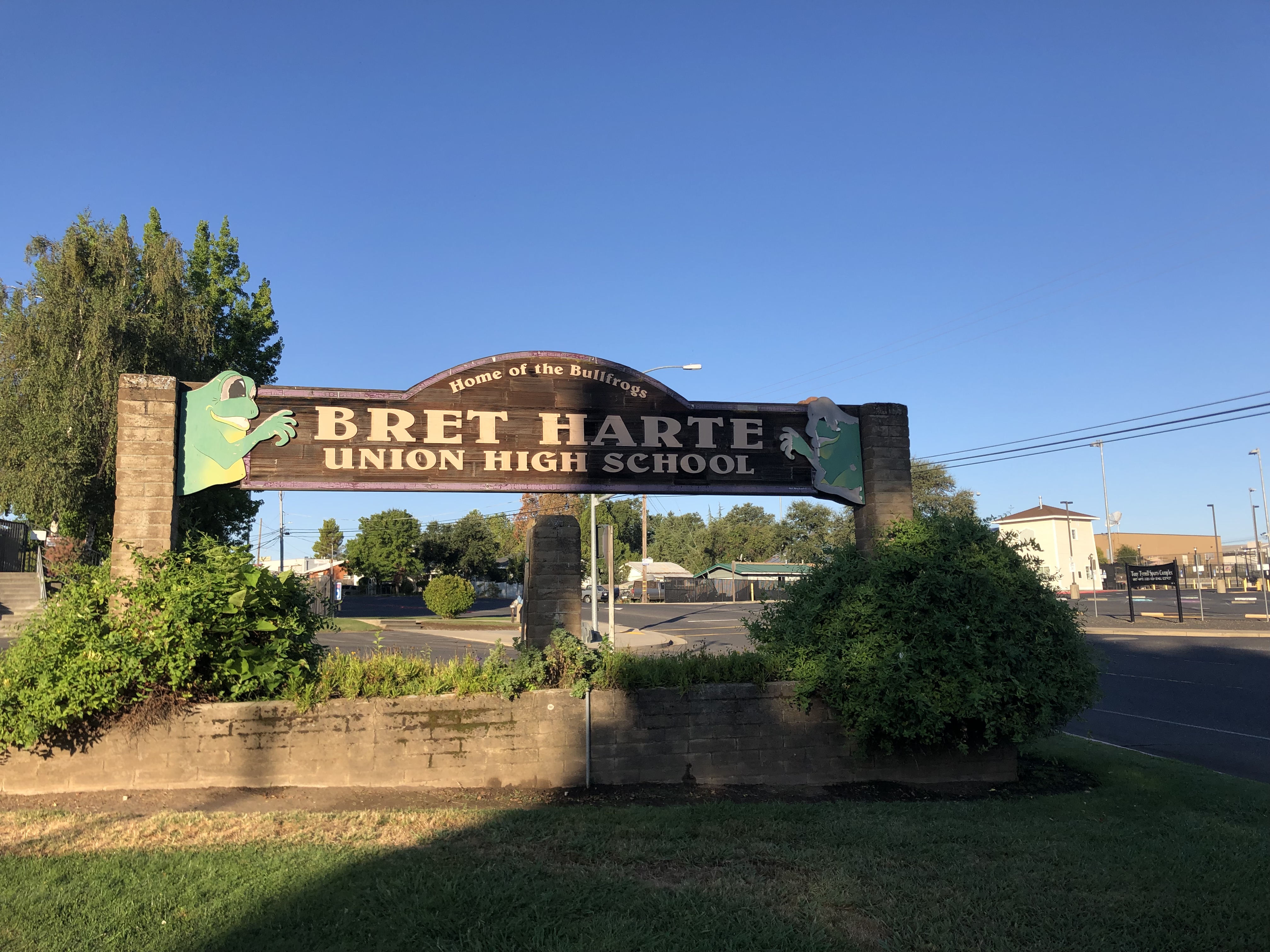
Today it seems that every business uses “frog” in its name or has a frog on its sign. Even the local high school’s mascot is a bullfrog.
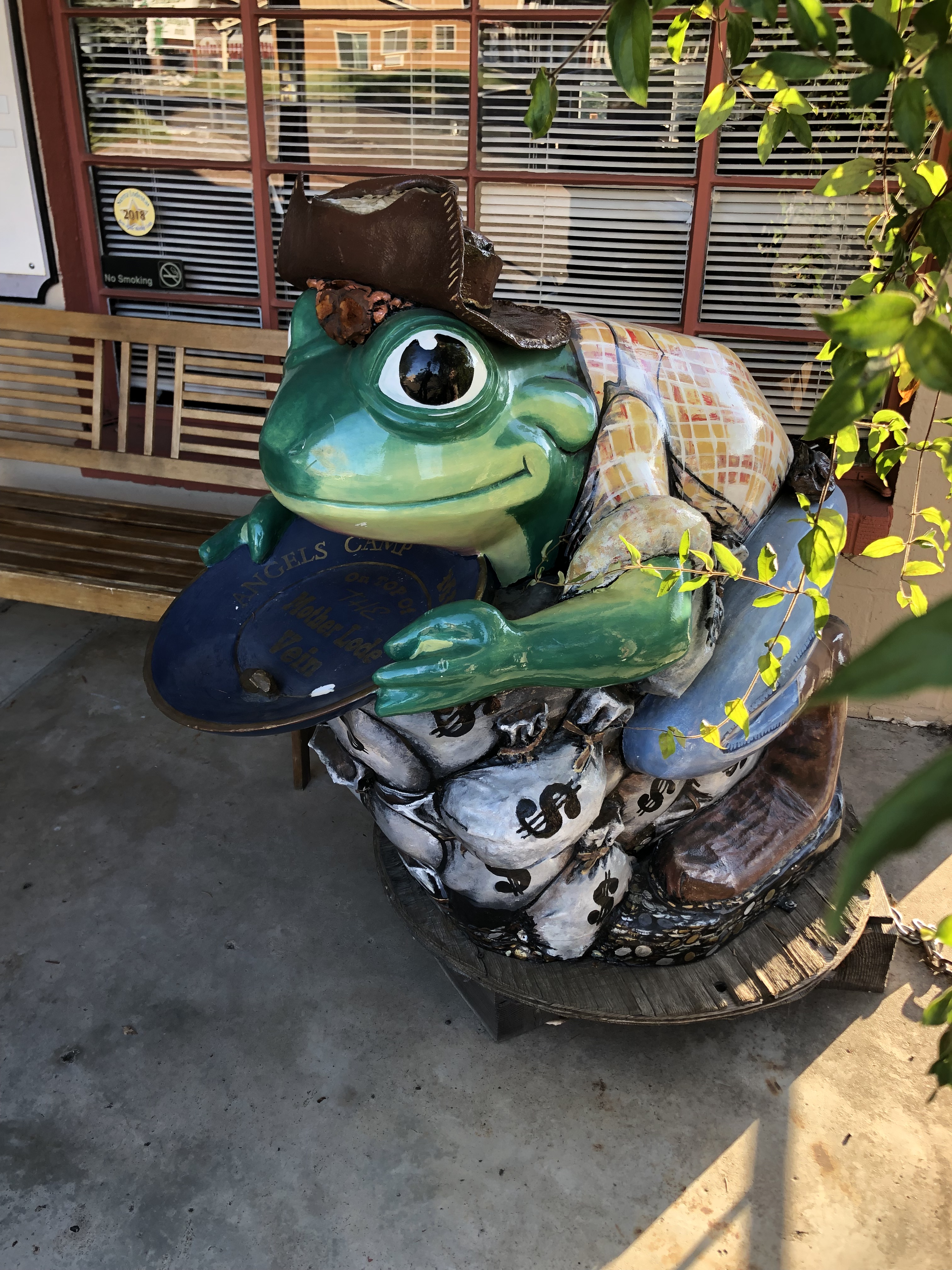
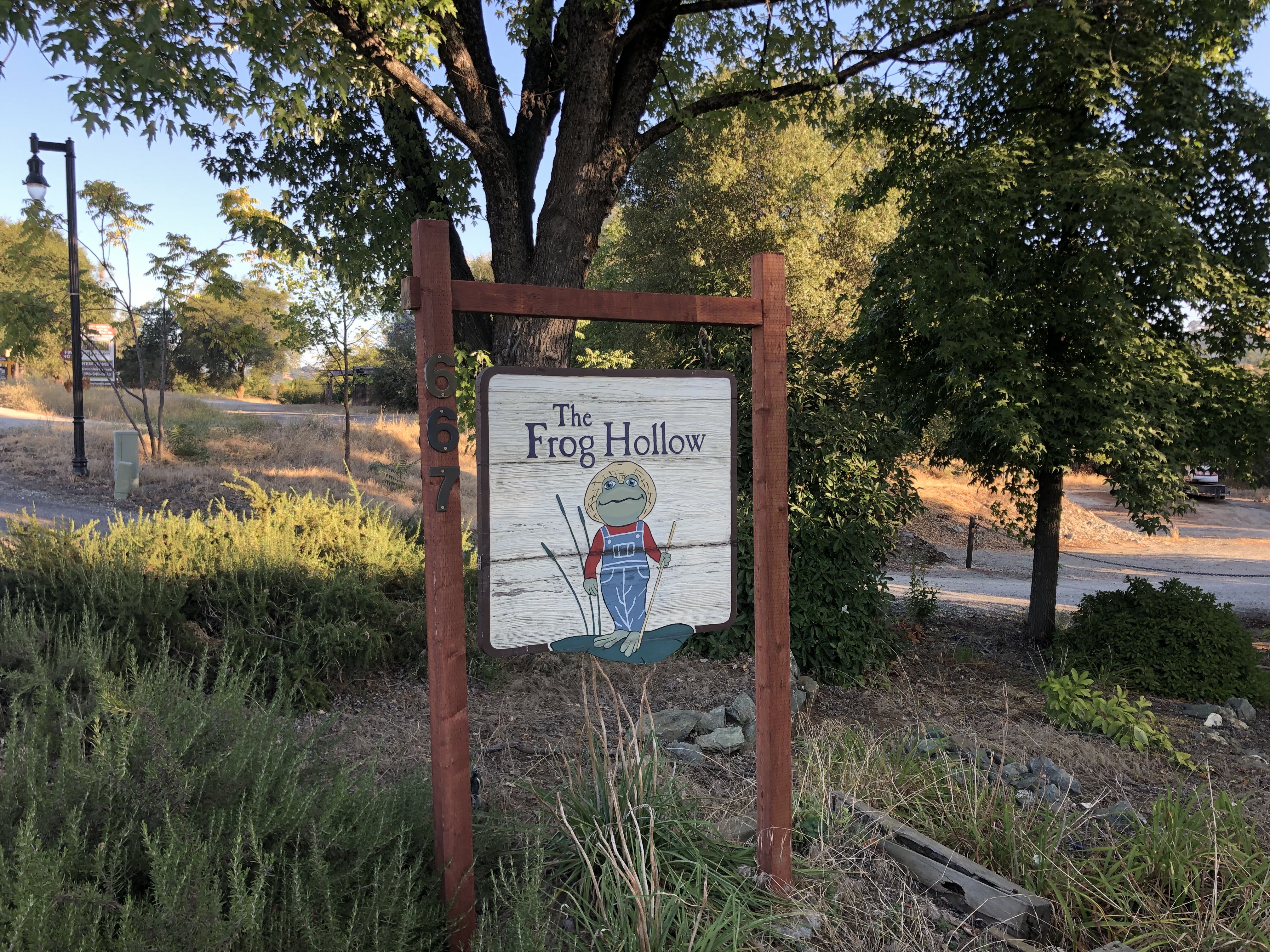
Getting rich off the frog connection.
I wonder if anyone’s croaked here.
I’m told lots of students jump a grade…

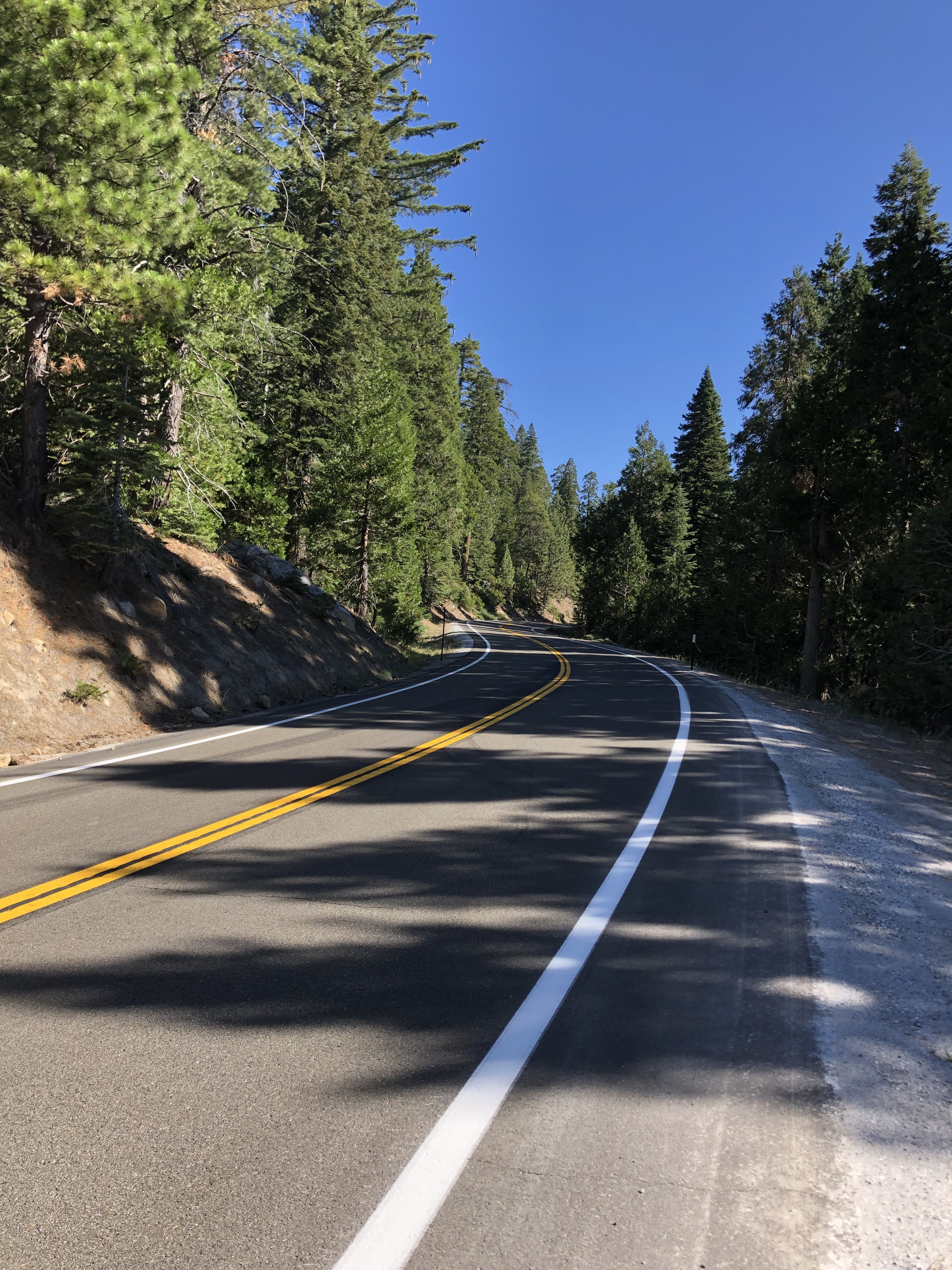
After making my Tour of the Frogs, I got back onto Route 4 and took a very pleasant ride up into the mountains. Highway 4 is really a study in contrasts. It begins in the Bay Area, with traffic and multiple lanes and urban crowding. But by the time you get into the hills it becomes a winding, two-lane road through beautiful country with almost no traffic.
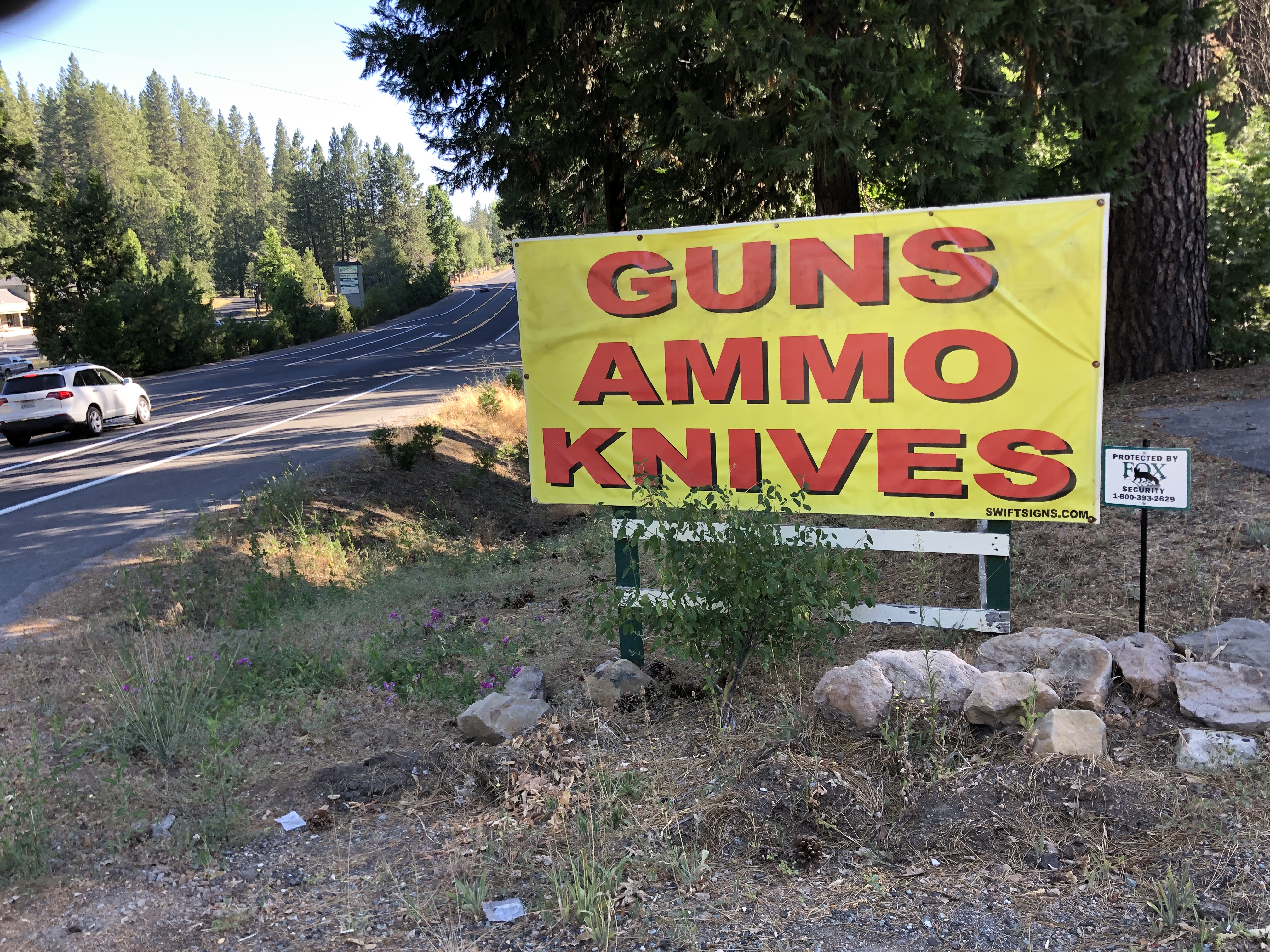
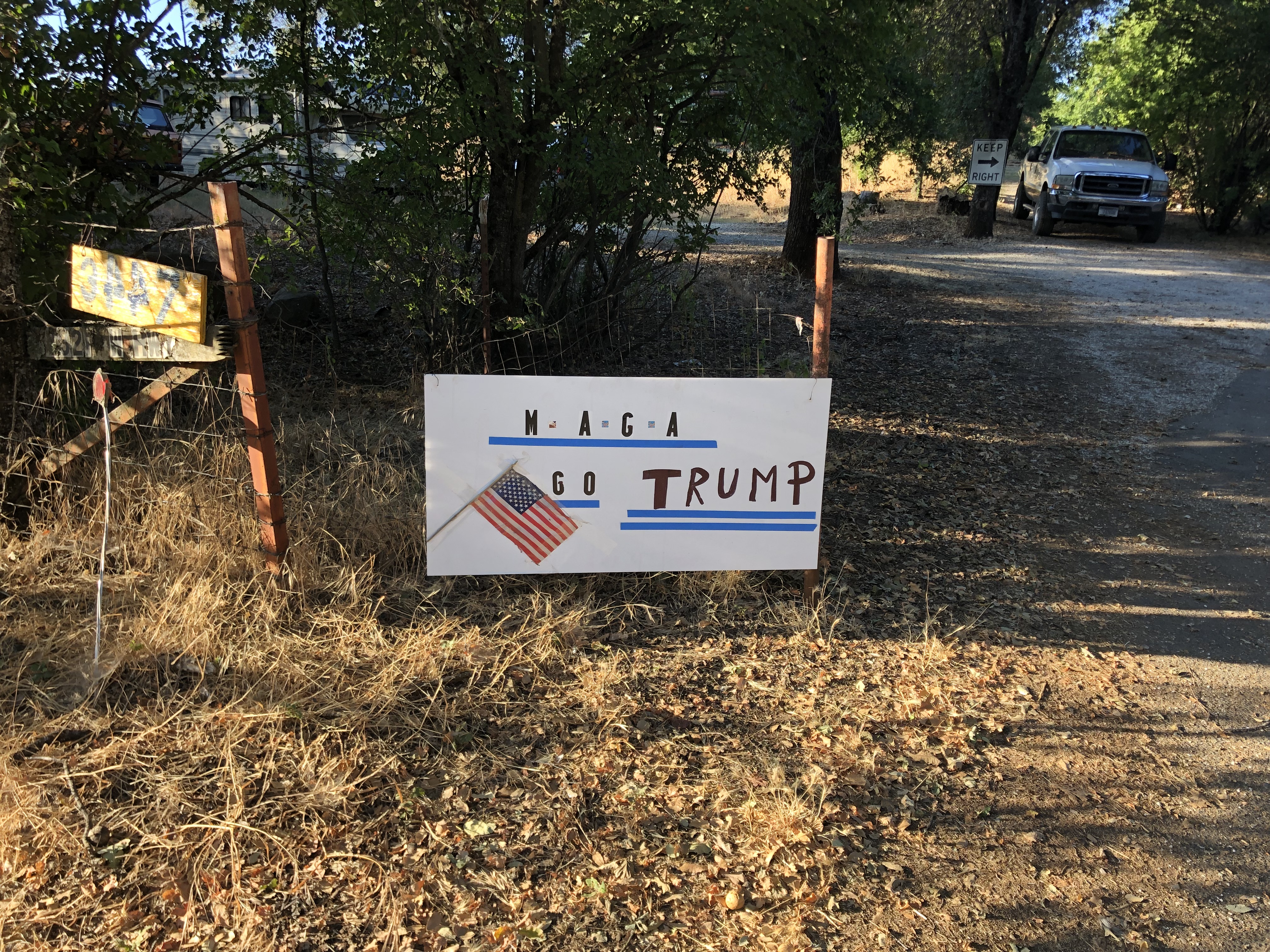
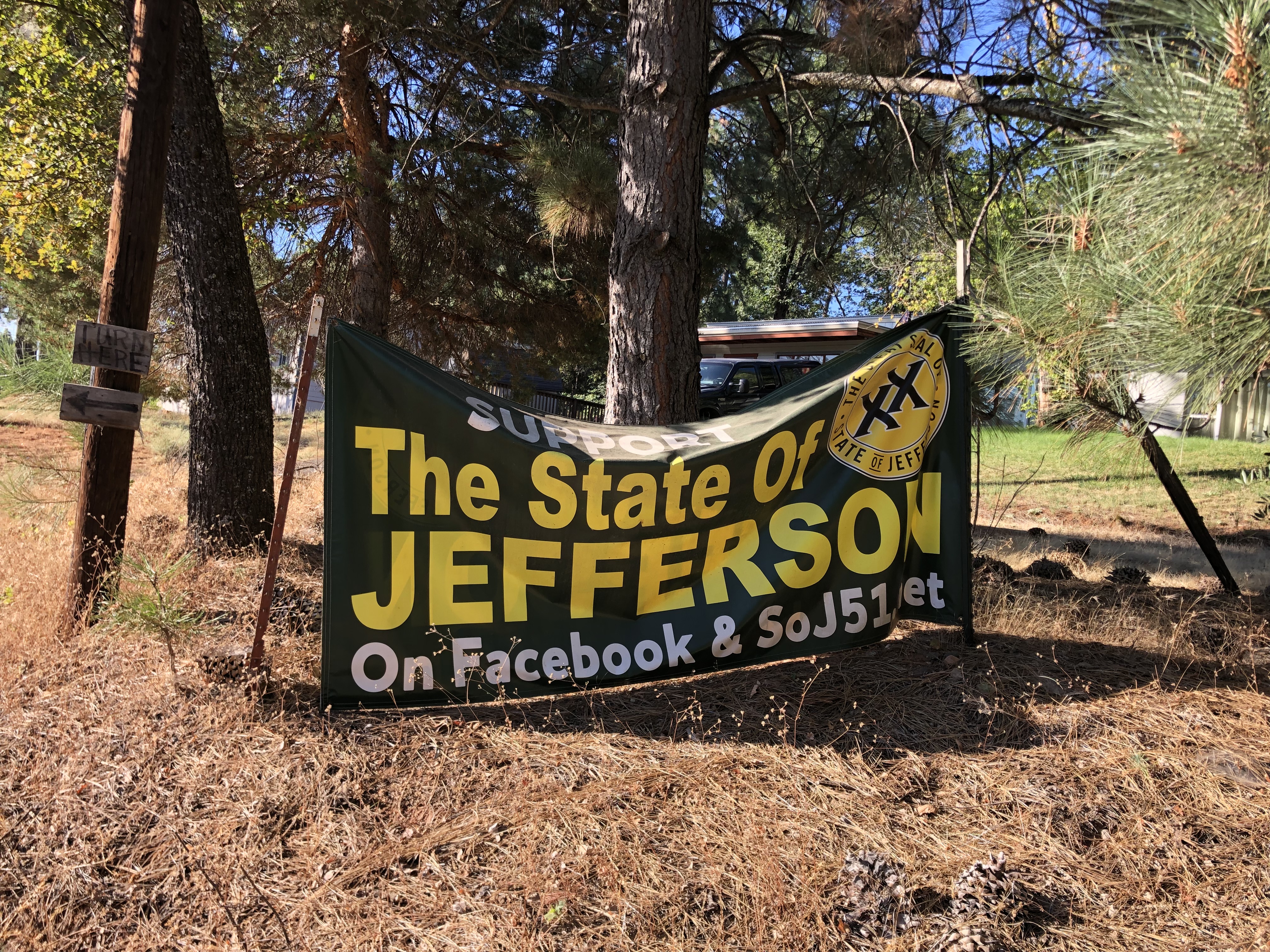
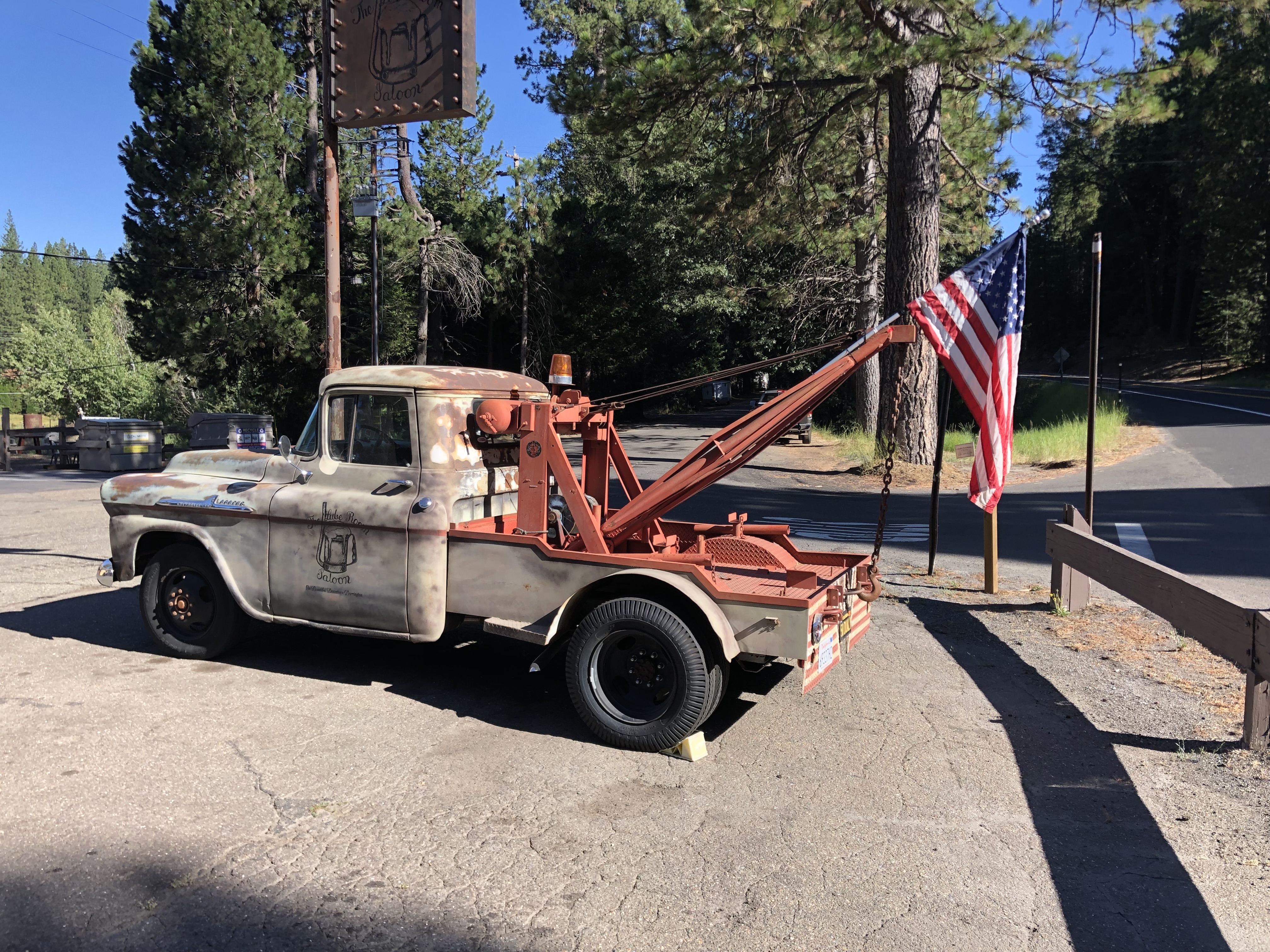
There’s another way that highway 4 is a study in contrasts: At its western end it begins in the deep blue Land of Pelosi and UC Berkeley. But as you move eastward on the highway…. well, let me share a few photos:
Route 4 is also something of a time machine. The farther east you go, the further you go back in time. For example, when stopping for gas late this morning, I encountered a gas pump that had mechanical dials and no place to insert a credit card. I actually had to talk to a human being to make the transaction. The young woman at the cash register was earnest and friendly, but she seemed a little flummoxed by my credit card. I get the sense that most people out here use cash.
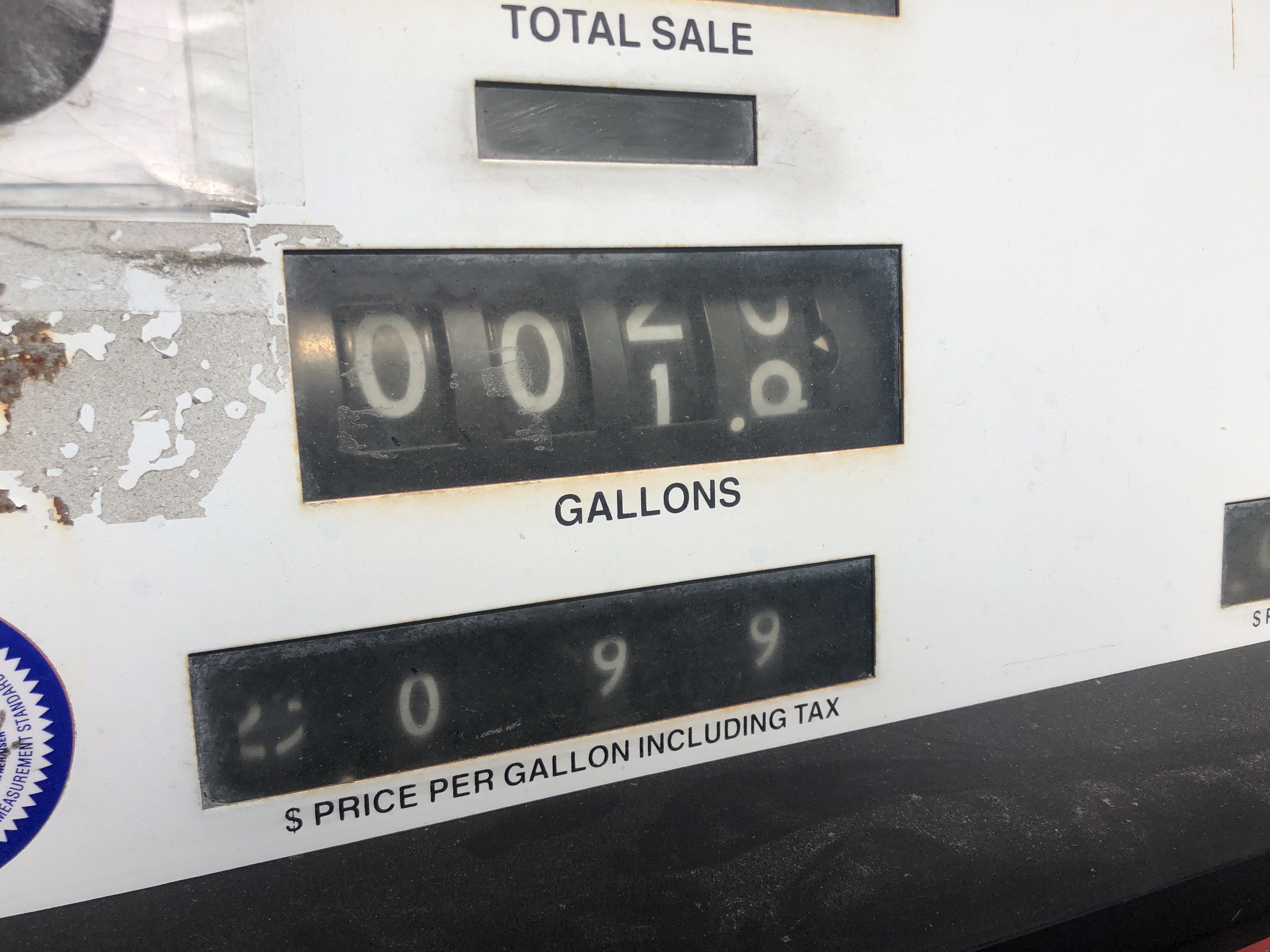
And you know what else, kids? Our odometers used to work like this, too!
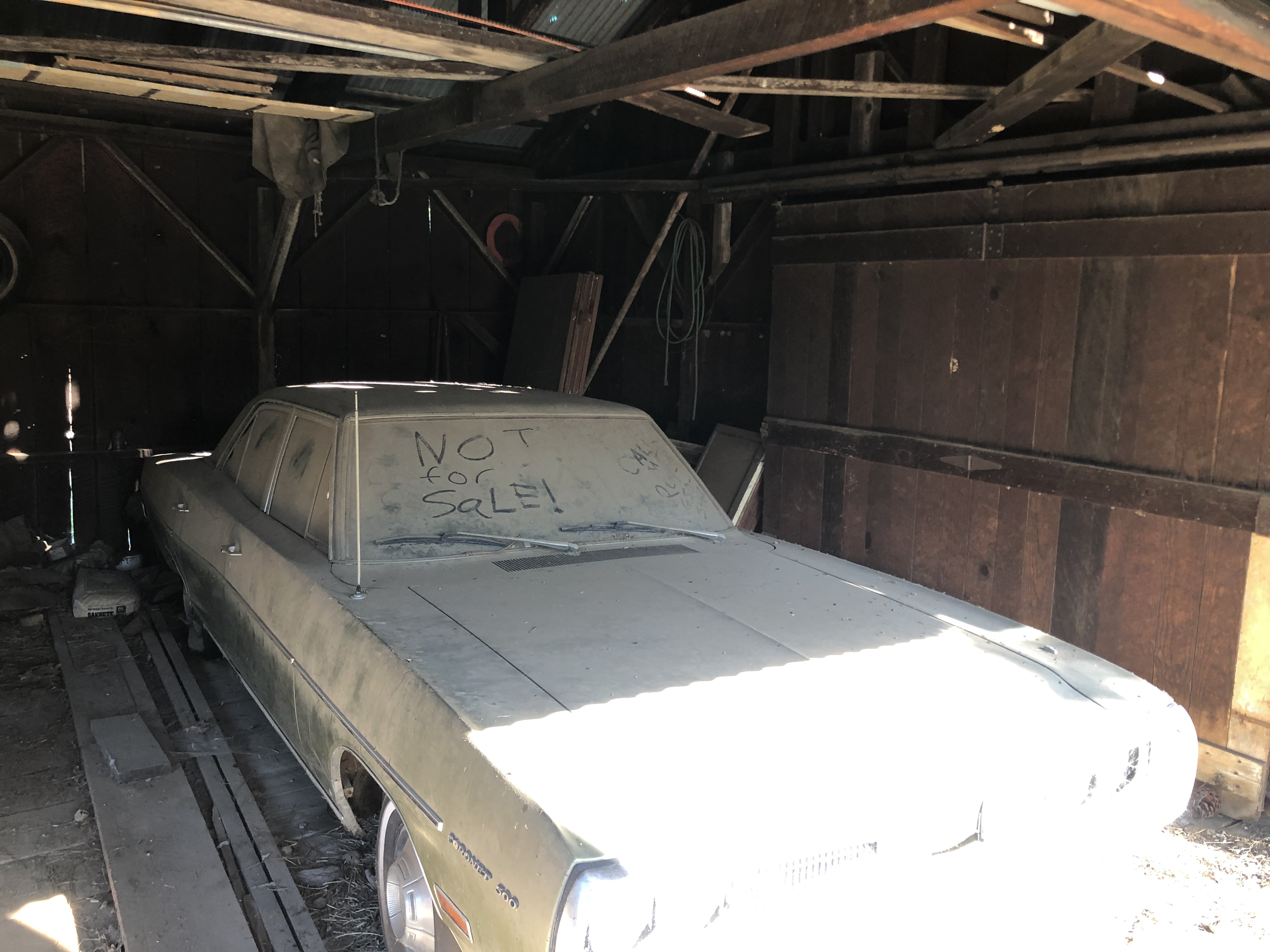
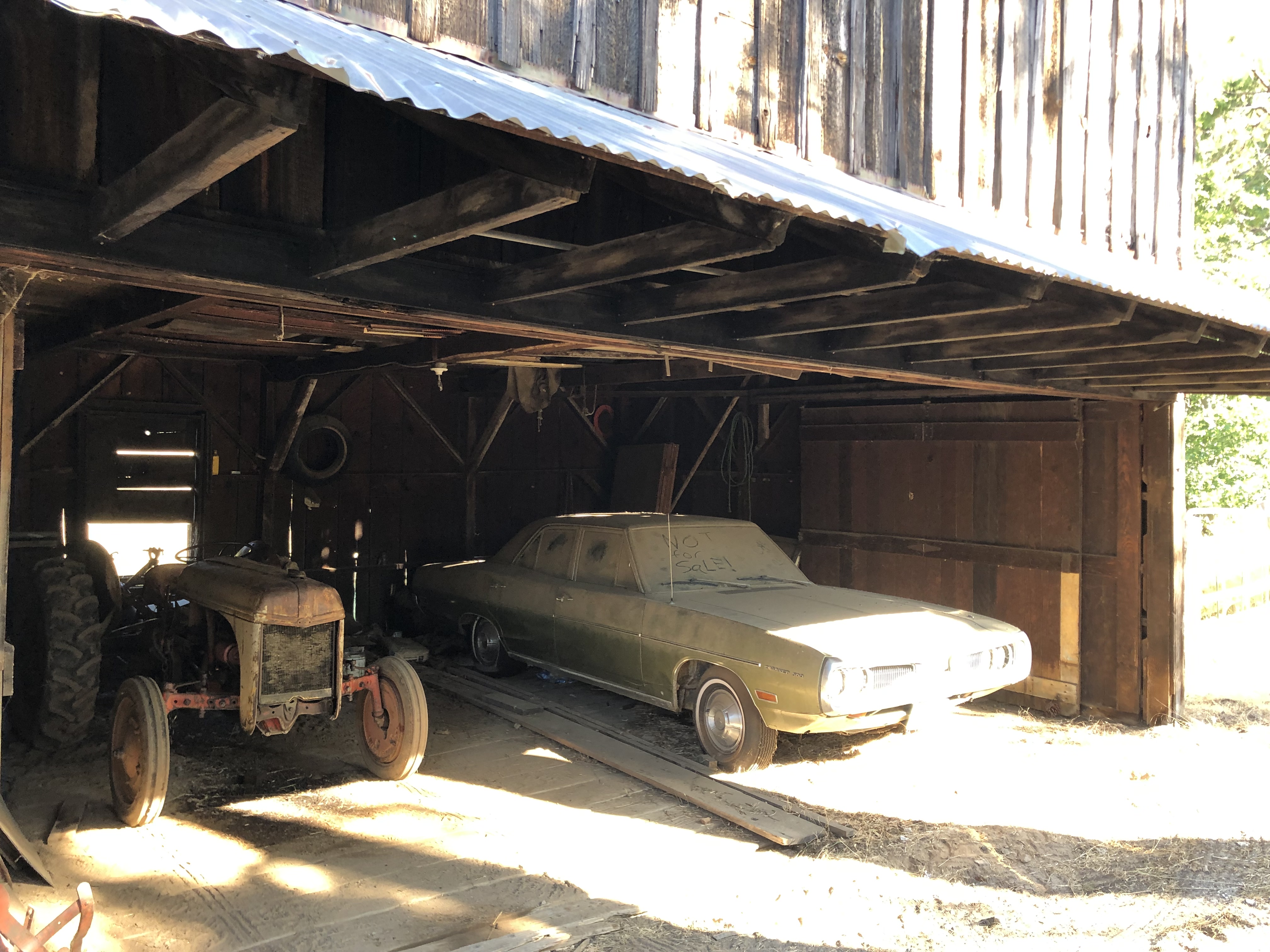
The quintessential old car in a barn.
“…at least, not until I wash the windshield.”
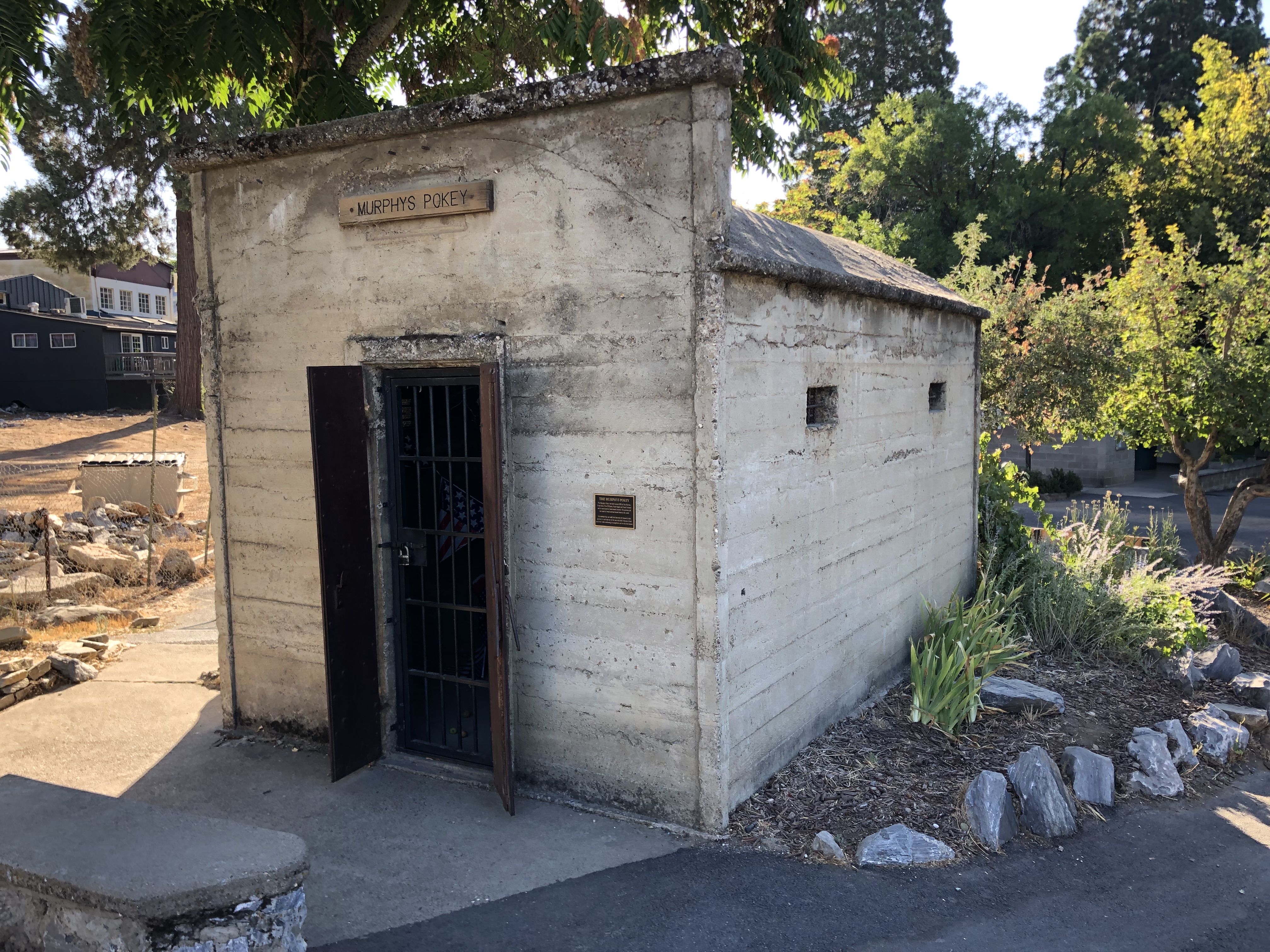
The 1915 “pokey” in Murphys. It’s said that the men who built it celebrated with too much drink, and themselves became the pokey’s first customers.
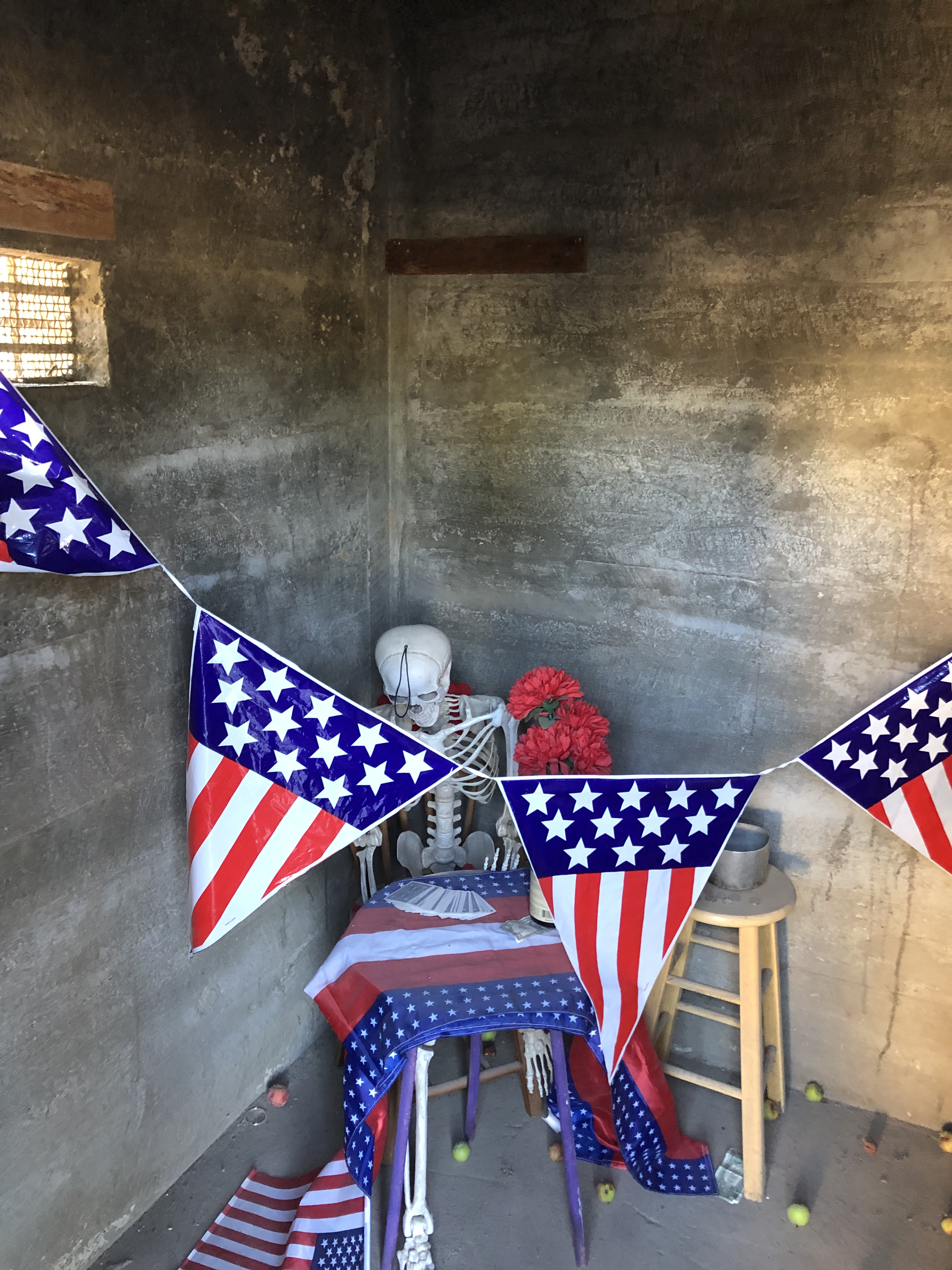
Even the interior of the pokey is patriotic here in MAGA country.
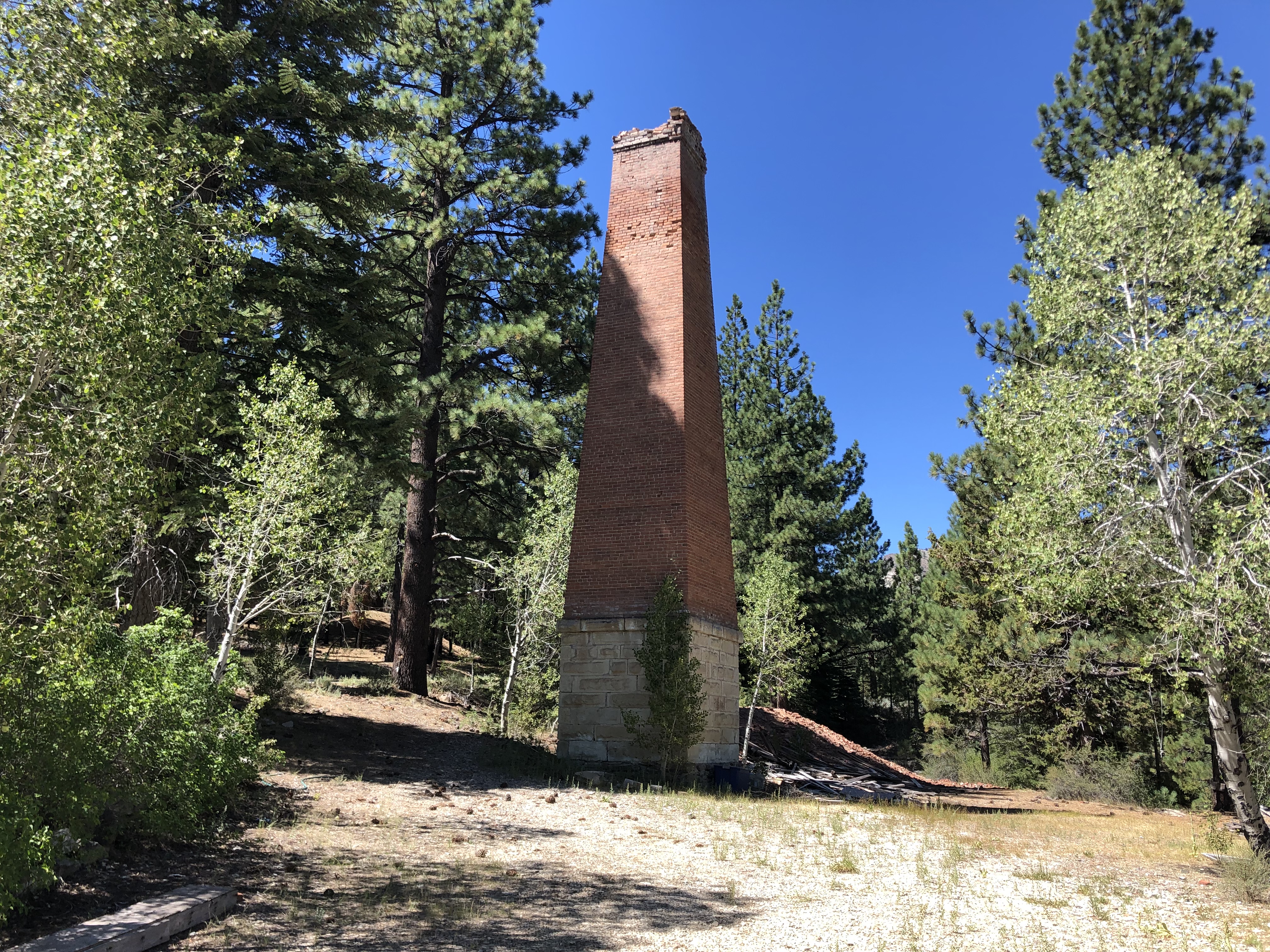
I couldn’t find any information on this enormous old chimney (maybe an incinerator?) along Route 4, near Markleeville. Any tips are welcome!

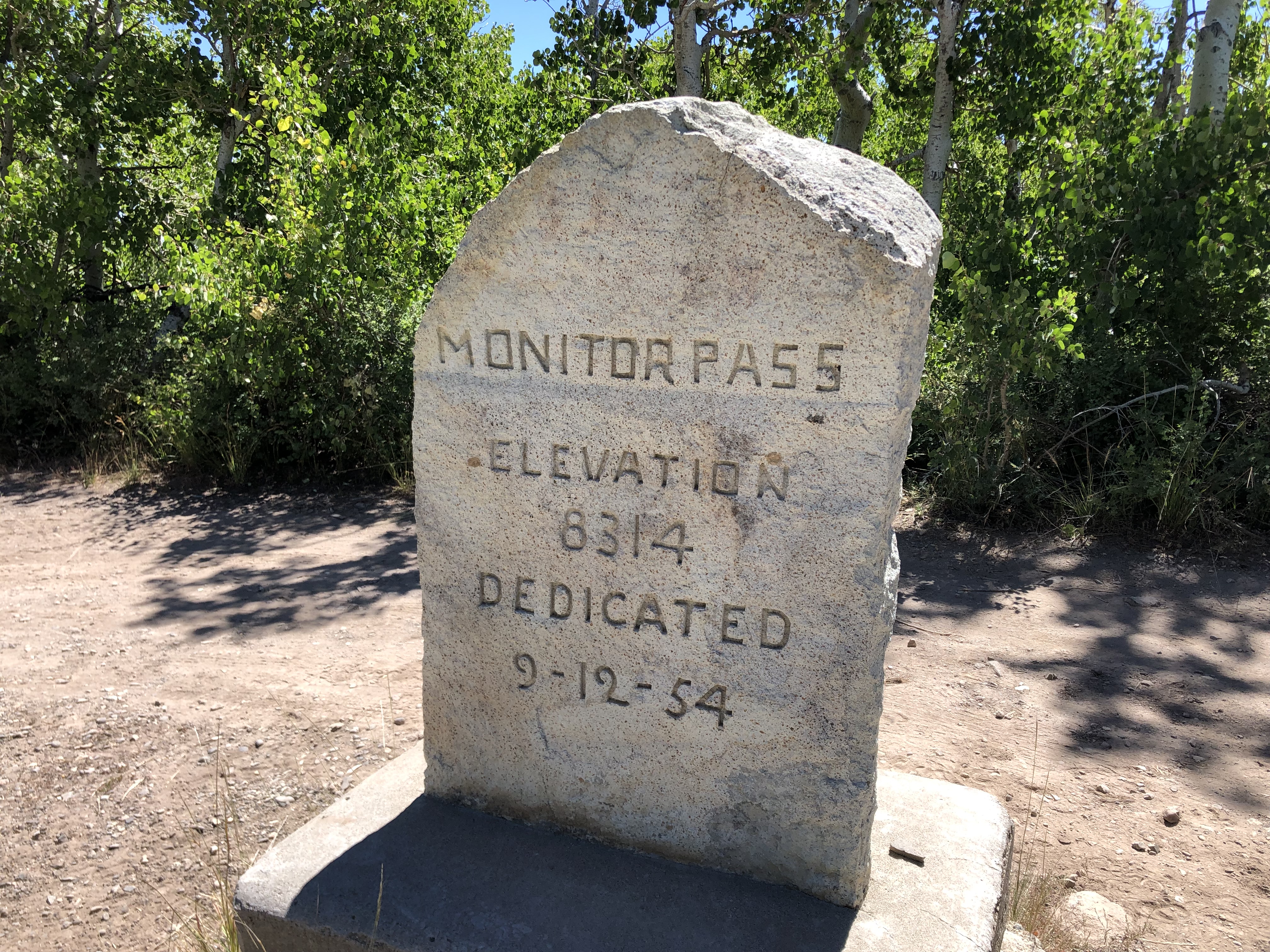
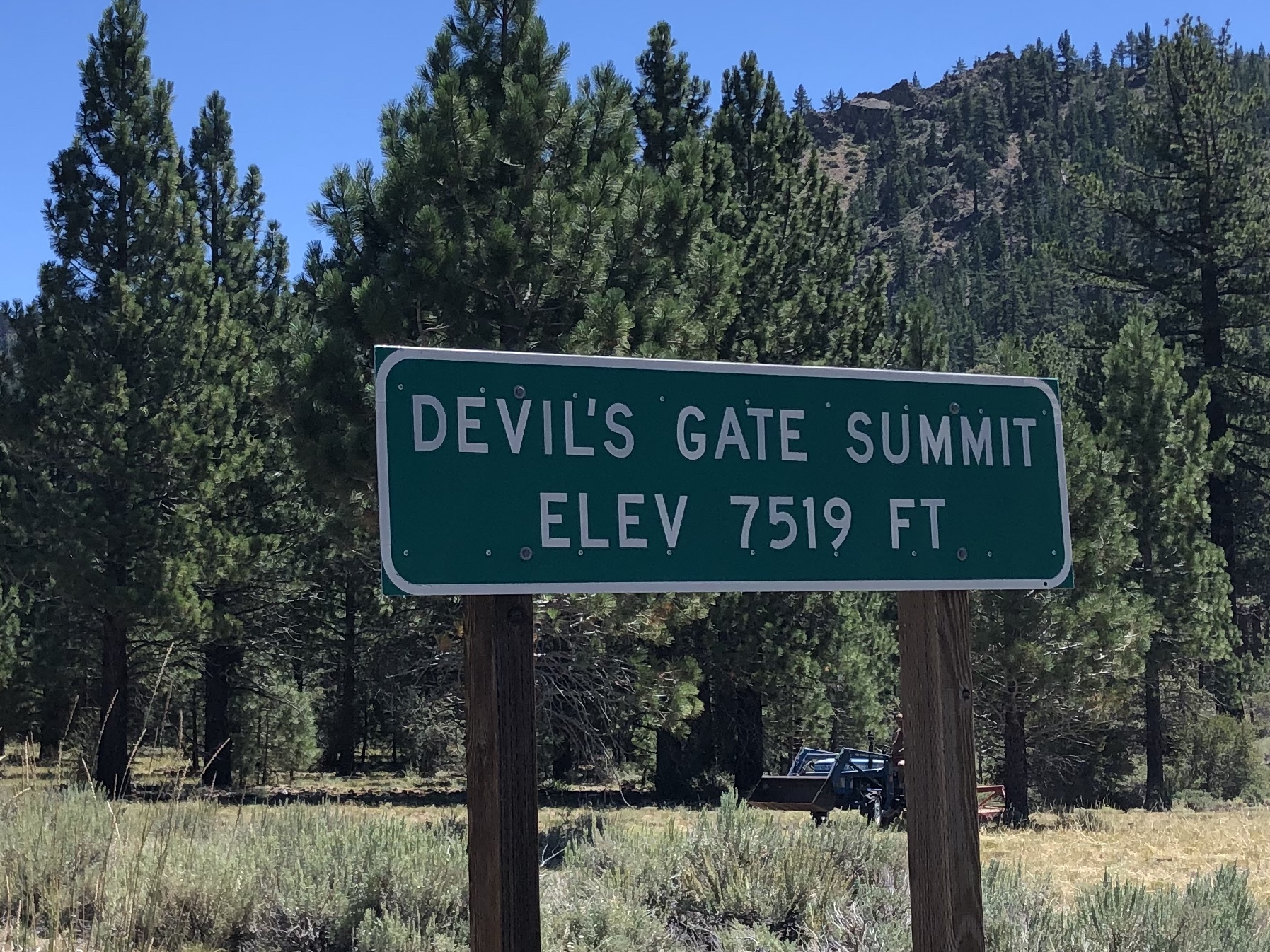
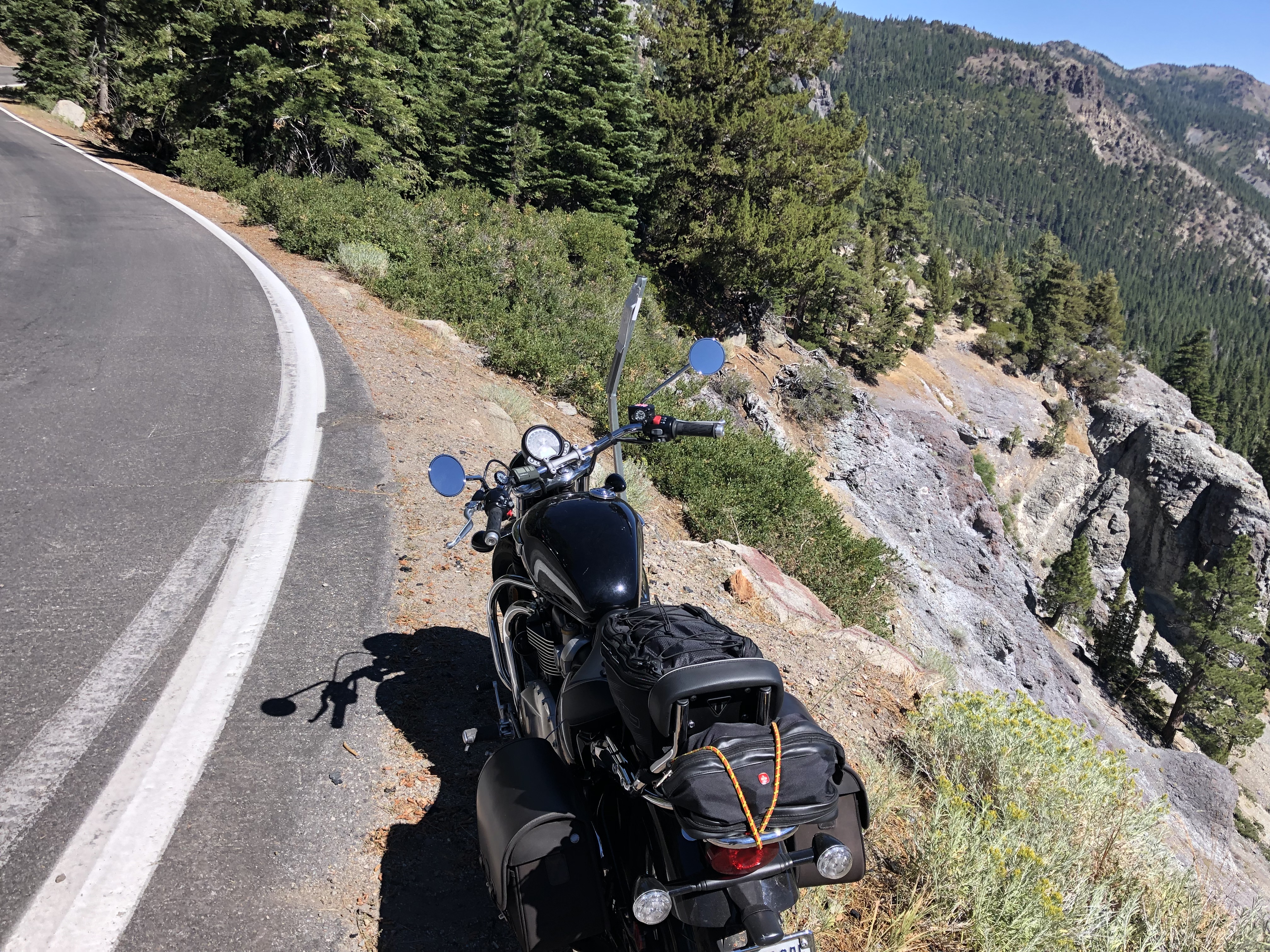
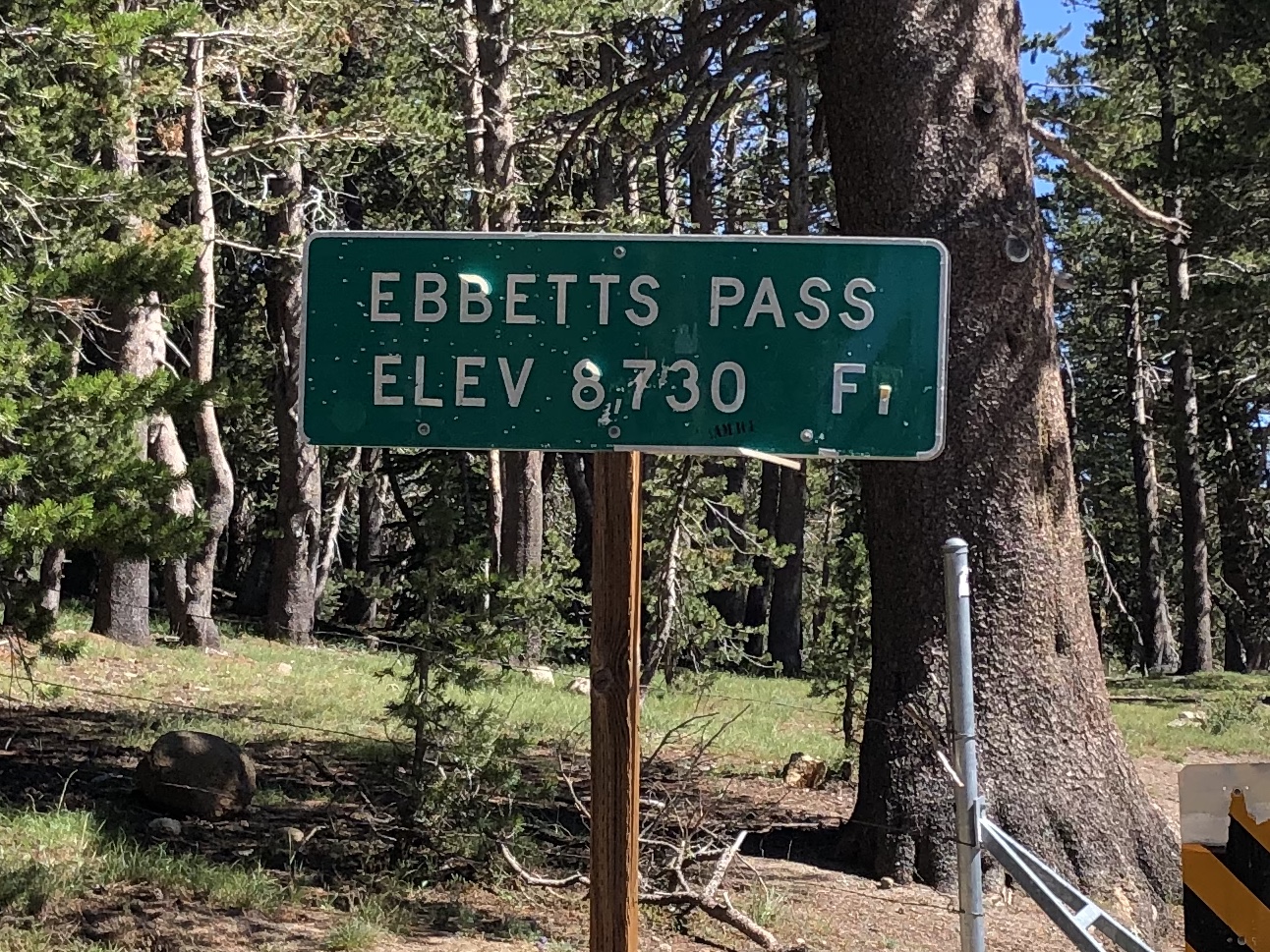
Most of all, today was day of crossing through passes and over summits. Given that I was climbing over the Sierras, it’s not surprising that I was getting up to 7,000 and 8,000 feet and higher. Some of the views were breathtaking. A few times the road brought me unsettlingly close to the edge of oblivion.
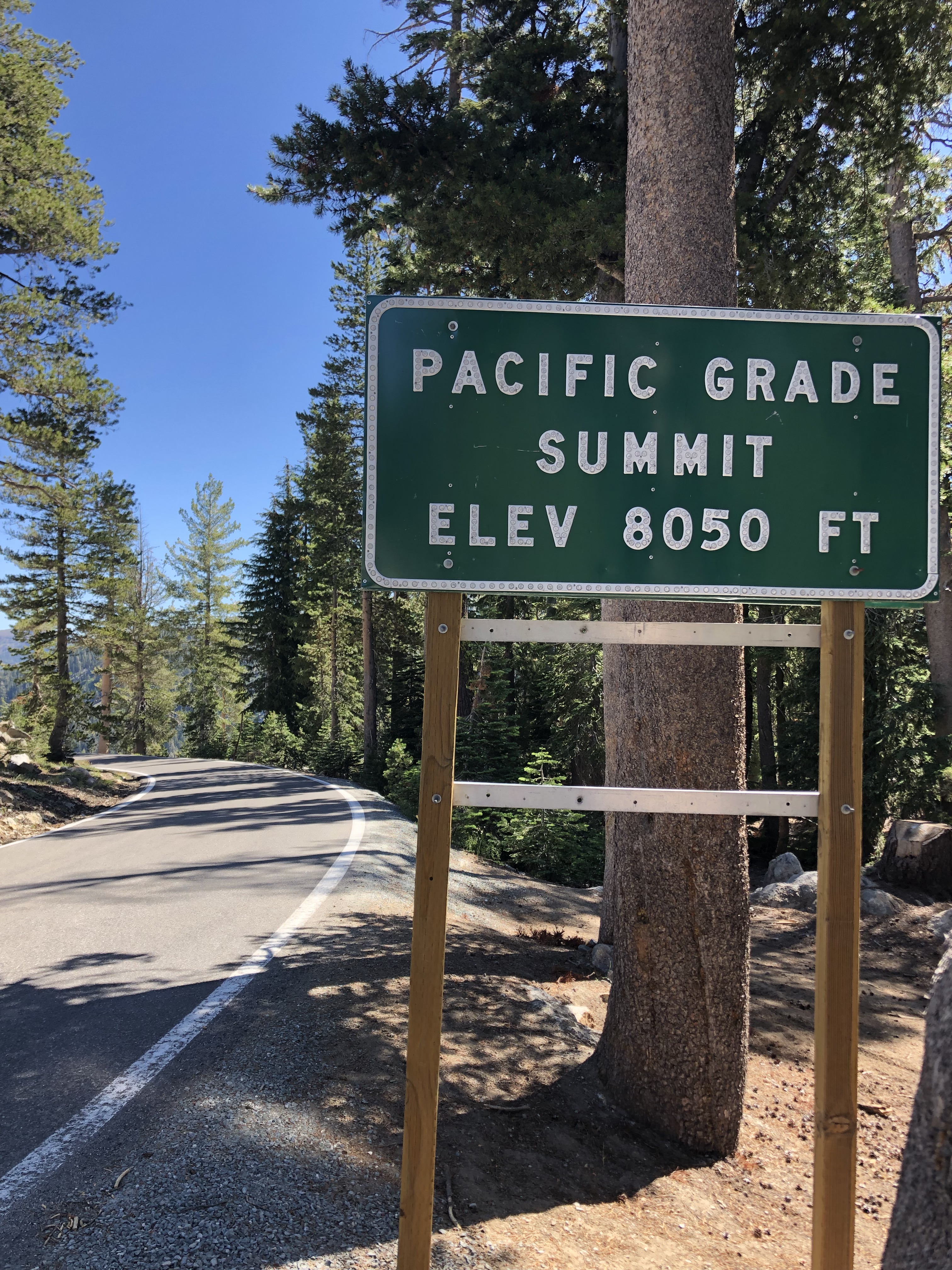
Shouldn’t someone put guard rails on this curve?!

And then, somewhat abruptly, I was at the end of Route 4. After a quick photo op, I turned onto CA 89, and then to US 395 south. But that’s the domain of another blog (coming shortly).
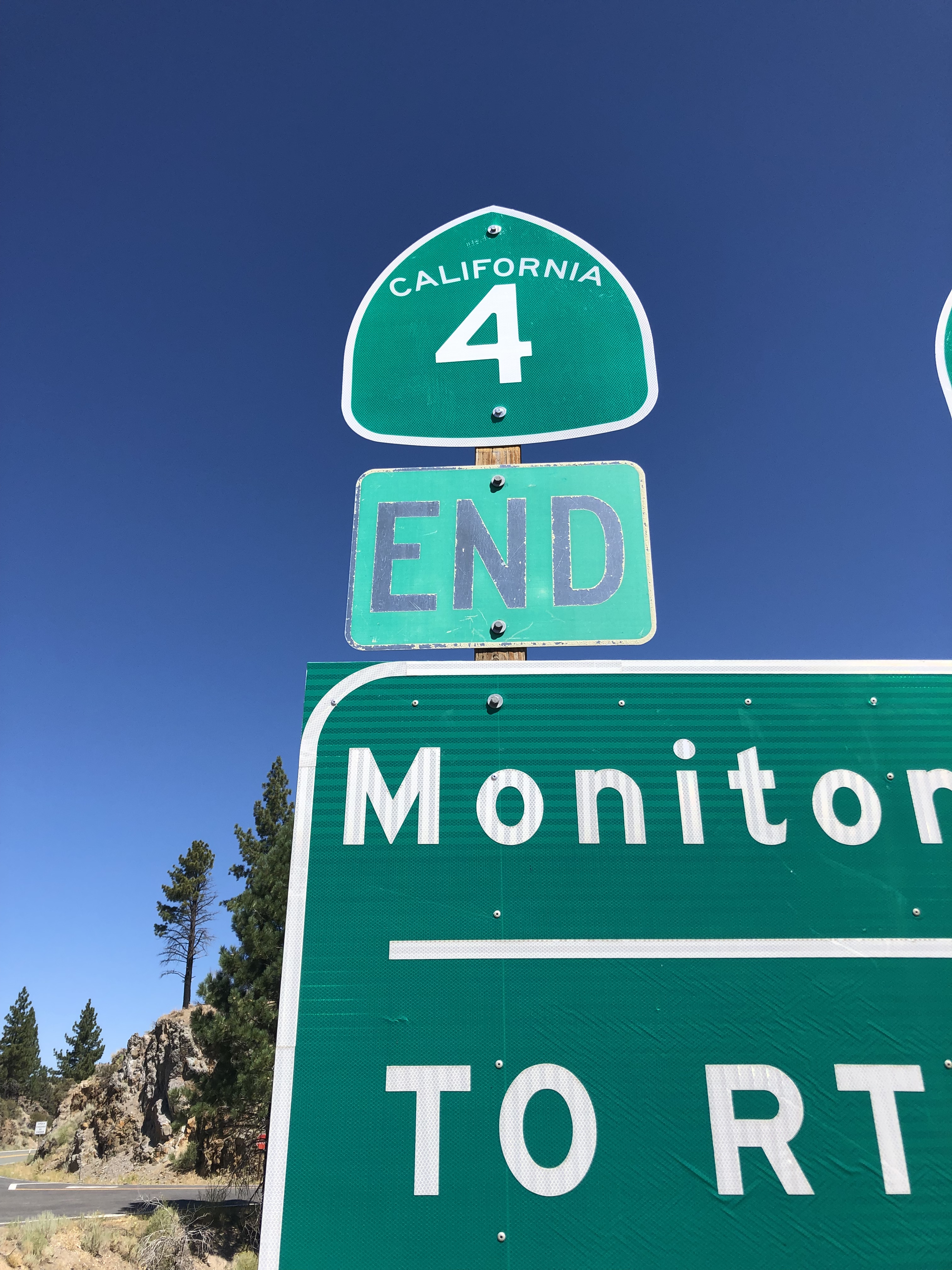
The end of the road.

BREW OF THE DAY

In the town of Bridgeport, I stumbled upon a self-proclaimed Craft Brewery. It was set in a historic building on the main street, and had inviting signage and a big picture window. It was almost 1 pm, and I hadn’t yet had lunch. It was positively providential. Only after I’d hopped off the Triumph did I notice that they didn’t open for another hour.
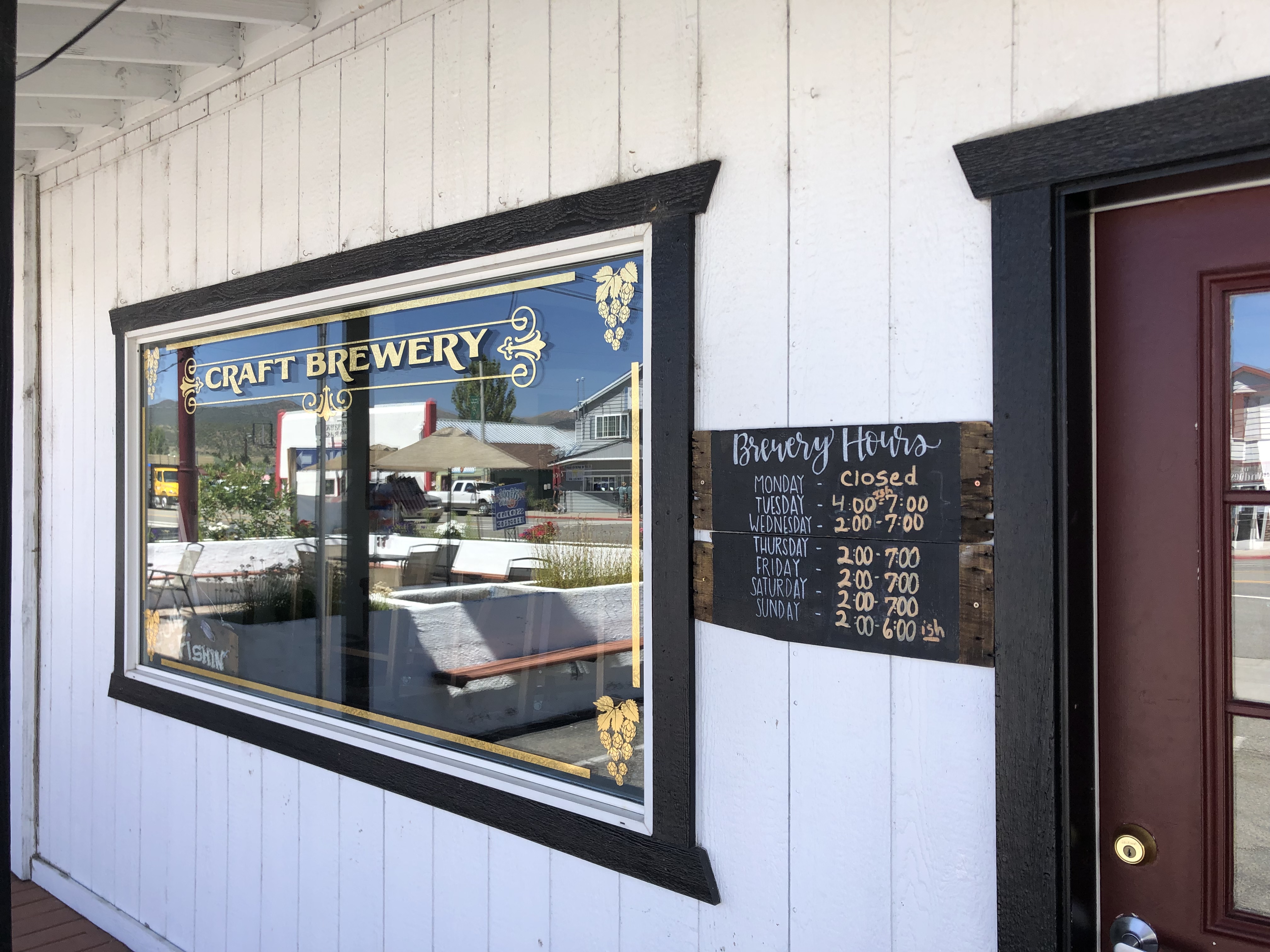
Disappointed, I sat on their porch and started checking my phone for another brewery option in town. There were none. Just as I was about to get back on the road, the door opened and a woman asked me if I was there to get a beer. Yes, I answered, but I didn’t want to wait for an hour. She turned out to be the owner, and welcomed me to come in while she set the place up for business. She introduced herself as Rose, and told me that she and her husband had moved up to Bridgeport from Temecula, and opened this brewery just a year ago. (The place is called “Big Meadow Brewing.”) Rose does the front office stuff like serving customers, while her husband brews the beer. It’s a pretty small operation, but she said they were making a go of it. They’d actually run through over 30 kegs last month.
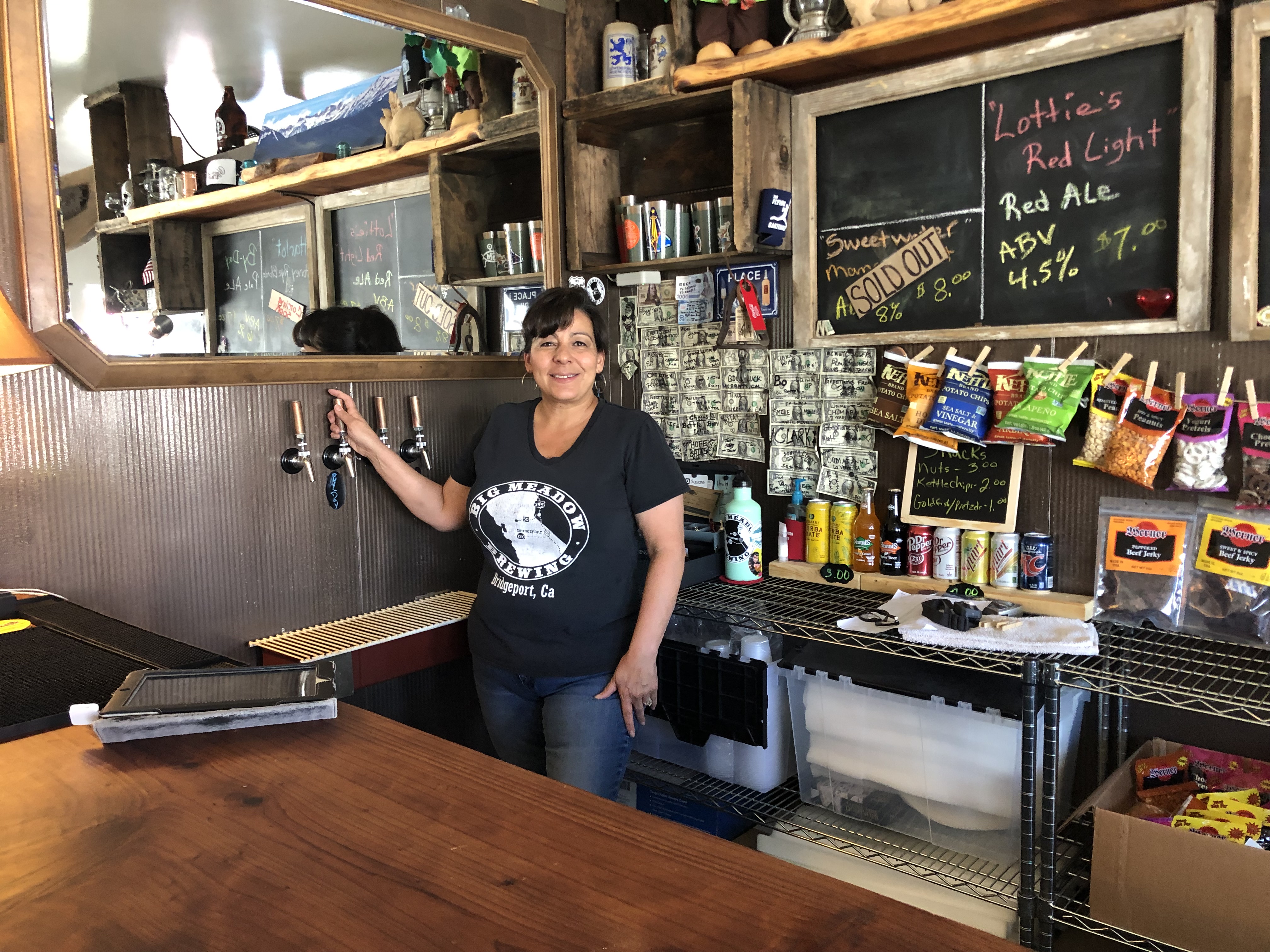
Rose at her post. Shouldn’t there be a glass under that tap?

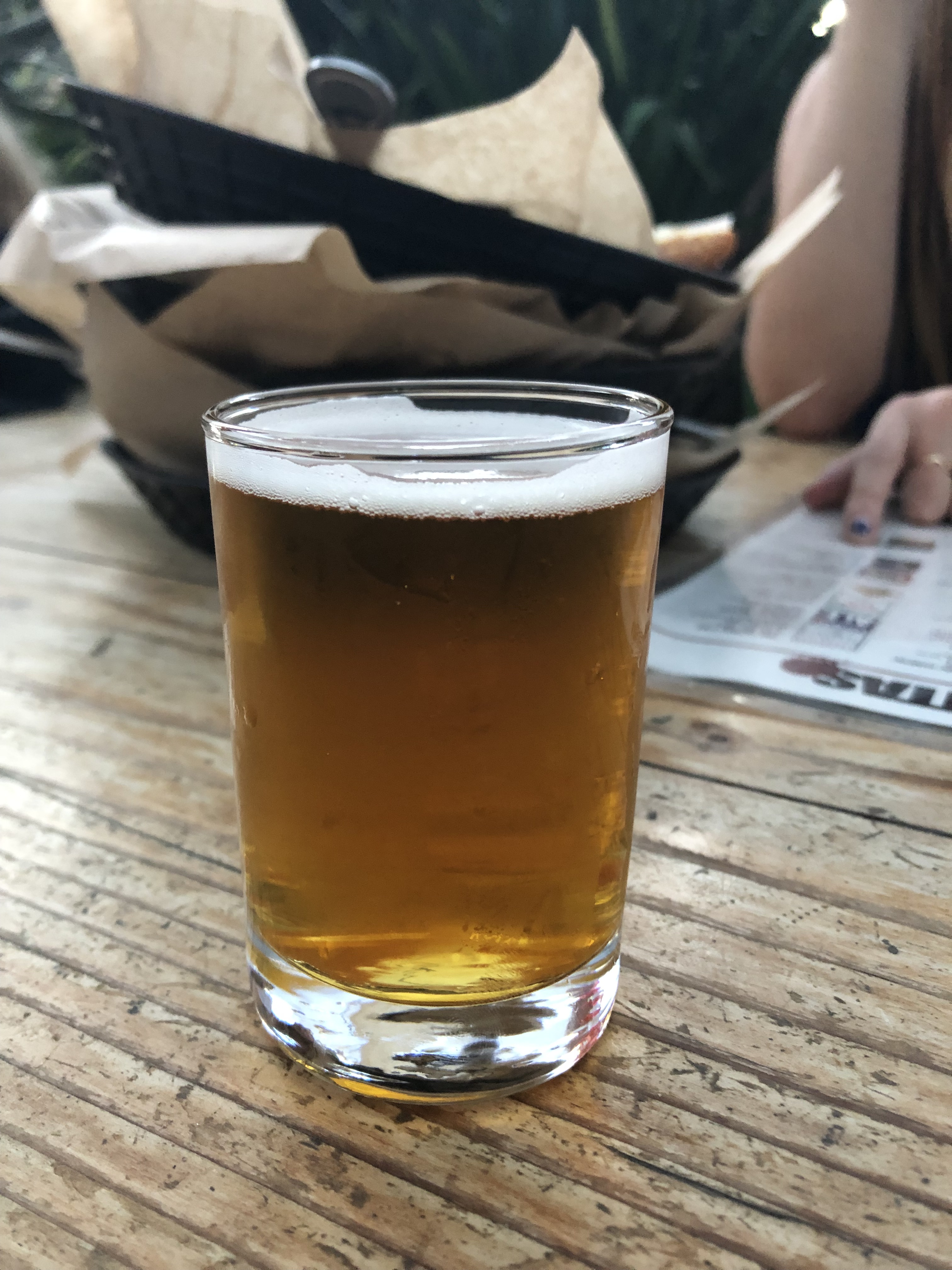
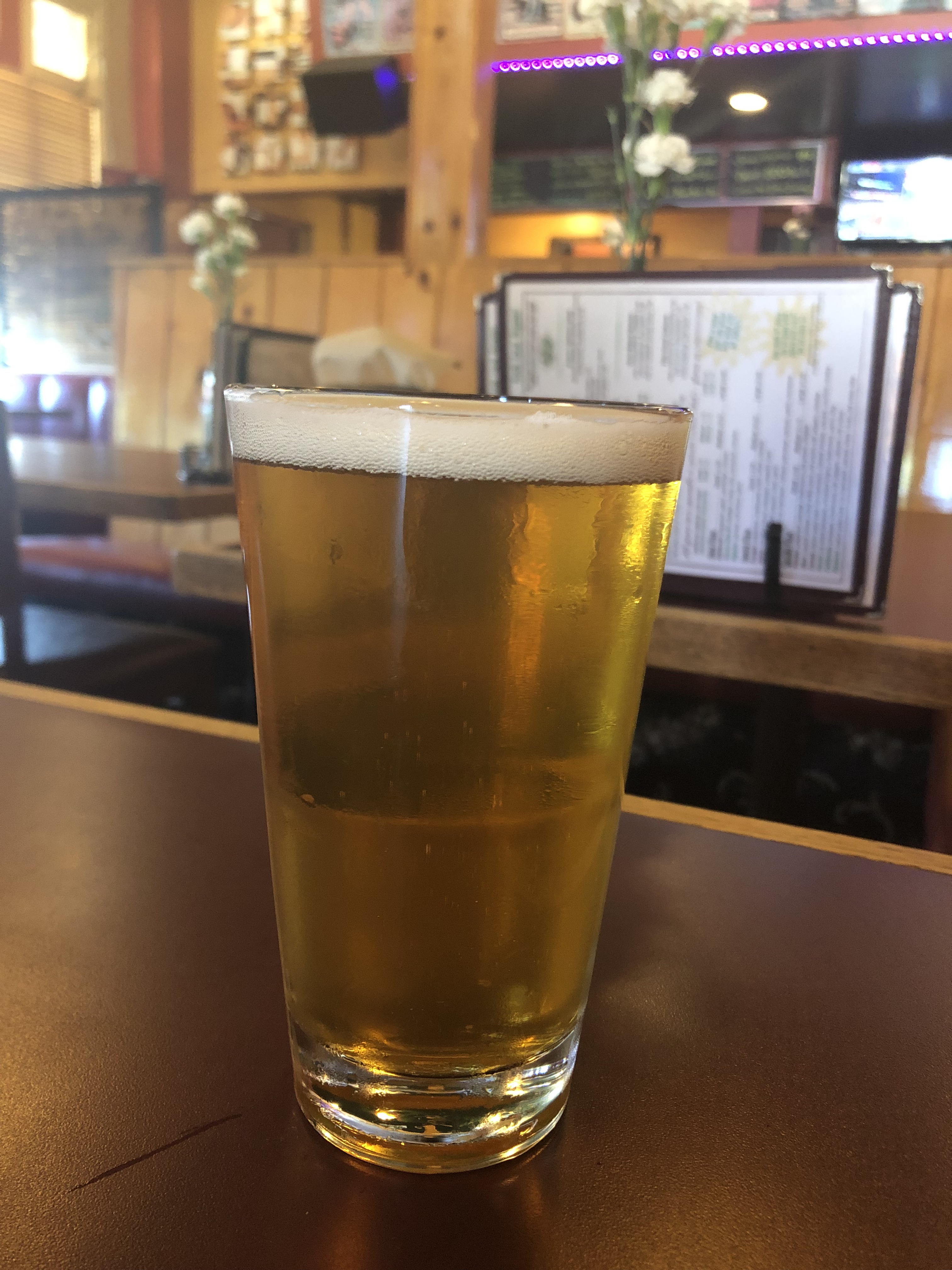
Rose poured me a “Lottie’s Red Light Red Ale,” which was delicious indeed. It’s a fairly light-bodied red ale, with a modest 4.5 percent ABV. It wasn’t overly hopped, but it had a pleasant bitterness on the finish. The malt profile was also moderate, coming across more nutty than sweet. It was perfect for a hot day. If you find yourself in Bridgeport, you should pop in for a pint.

ADDENDUM ON NILES FOR TRUE RAILFANS

Uncle Ed sent the following to supplement the link from his Dome of Foam that I’d included in my blog. He says that he’s learned a lot since he wrote that entry for the Dome some years ago. He writes:

A bit over 100 years ago, when local and branch line passenger service – not freight trains and posh limiteds – constituted Southern Pacific’s major source of income, Niles was literally awash in passenger trains from the four winds. A fair number of local trains on the old Western Pacific (the Central Pacific’s WP, that is) ran from San Jose through Milpitas, Niles and Hayward to Oakland, while four milk trains (yep, milk trains outside of Wisconsin!) described a giant X by running part of the way between Oakland and San Jose on the Milpitas – Hayward route, then crossing over to the old South Pacific Coast line via Centerville. Santa Cruz – Sacramento and Dumbarton Bridge local trains to/from Redwood City also called at Niles. There also was heavy Oakland to Tracy / Sacramento / Stockton / Fresno and even Coalinga service. Although a couple of them were “flyers” with open tail cars for a few years, essentially they all were merely long-winded, makes-all-stops locals  like Santa Cruz – Sac. Oddly, the latter were the only ones that ever ran directly from San Jose over the Altamont to the Valleys, and only for a couple of years, at that. Niles was the point where passengers on turn-around locals out of San Jose changed to the Valleys trains. San Jose’s old Market Street depot handled most of the Niles trains, while West San Jose (Diridon) depot remained largely a calling point for trains running over the old SPC. There was never a direct connection between the two SJ depots. When SP opened the present depot in 1935, a connecting link was finally put into service that enabled Niles trains via Milpitas to operate out of the new facility, but only for a short time before they were eliminated entirely.

The big show lasted about 15 years before SP began the first of its periodic purges of passenger trains shortly after World War I. By then, many of the trains had long been running empty due to the completion of paved state highways in the East Bay just before the war’s onset. The last couple of passenger trains through Niles, the remnants of the old Stockton Flyers, disappeared at the beginning of World War II. Niles did continue on as an important point for adding and subtracting helper engines as long as steam lasted, however.
Uncategorized

CA Route 4

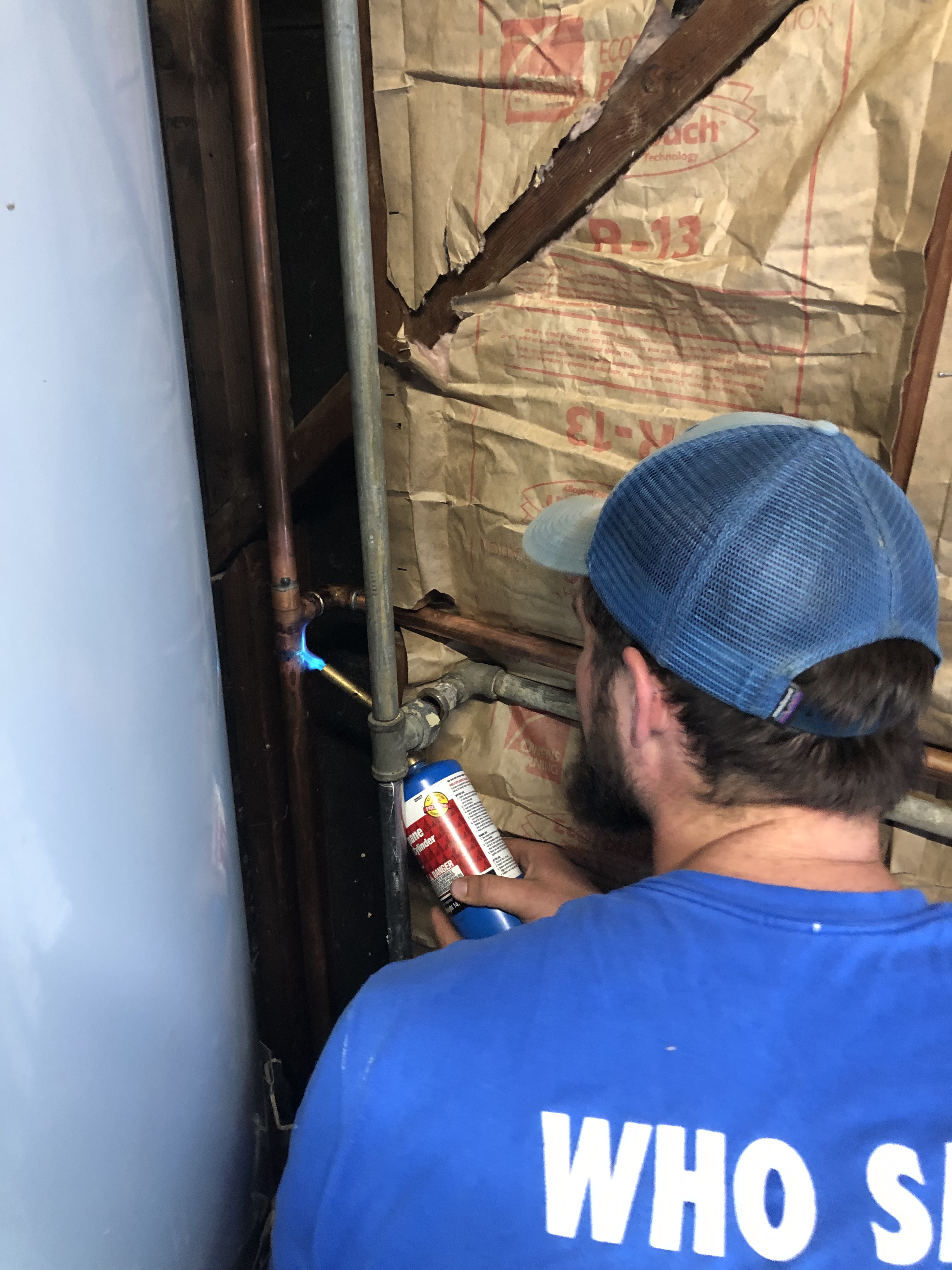
DIdn’t do much riding on Friday because I spent most of the day helping Ian with a plumbing project at his house. It’s been unusually hot in northern California the past few days, so we were forced to take a few beer breaks. But other than almost setting the house on fire, the day was pretty uneventful. And did I mention the whiskey shot at breakfast?

What could possibly go wrong?

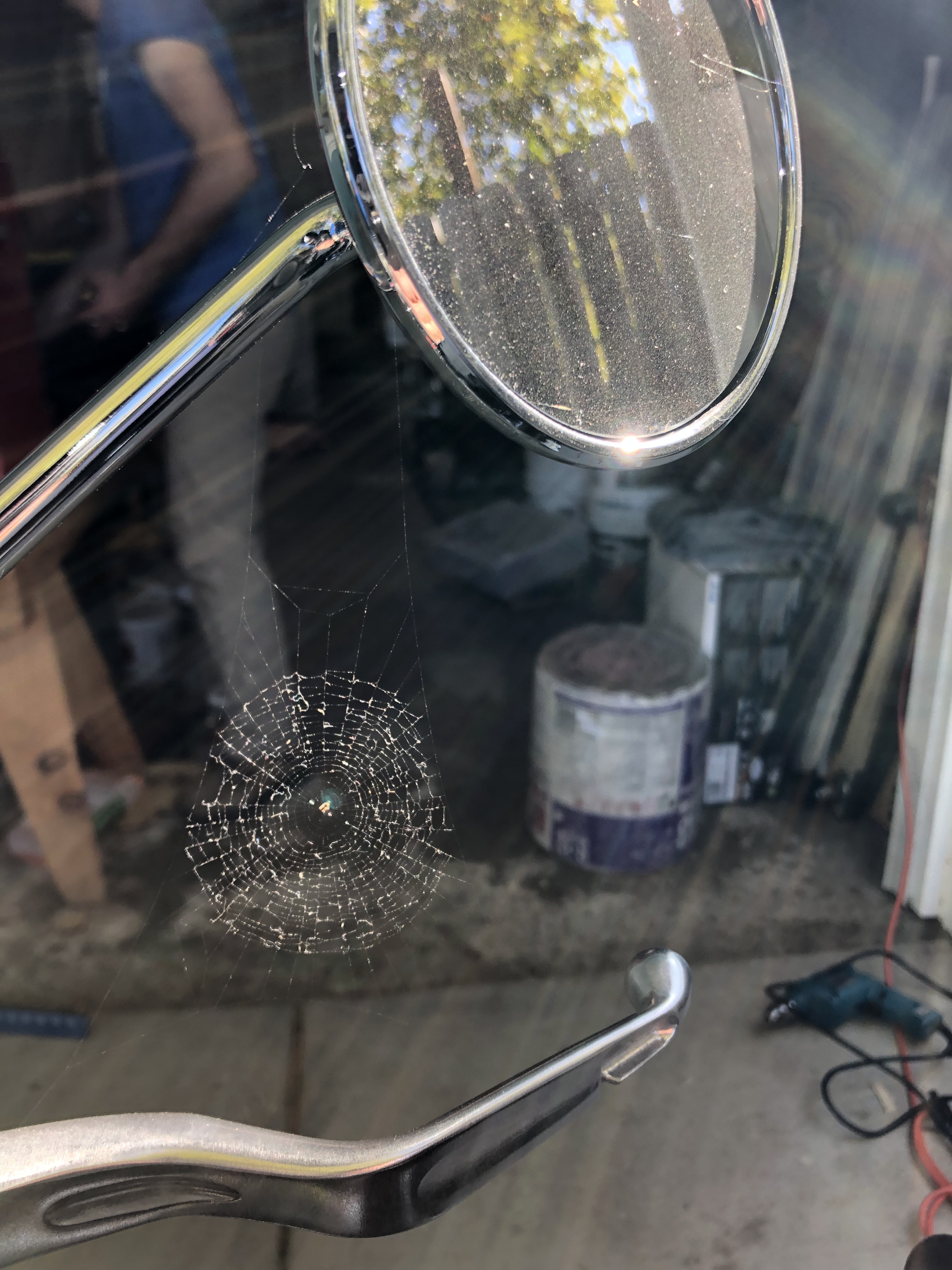
I finally set out about 5 pm. I don’t want to say that I’d taken a long break from riding today, but this was on the Triumph when I was preparing to leave:

Always makes me think of Vincent Price in The Fly.

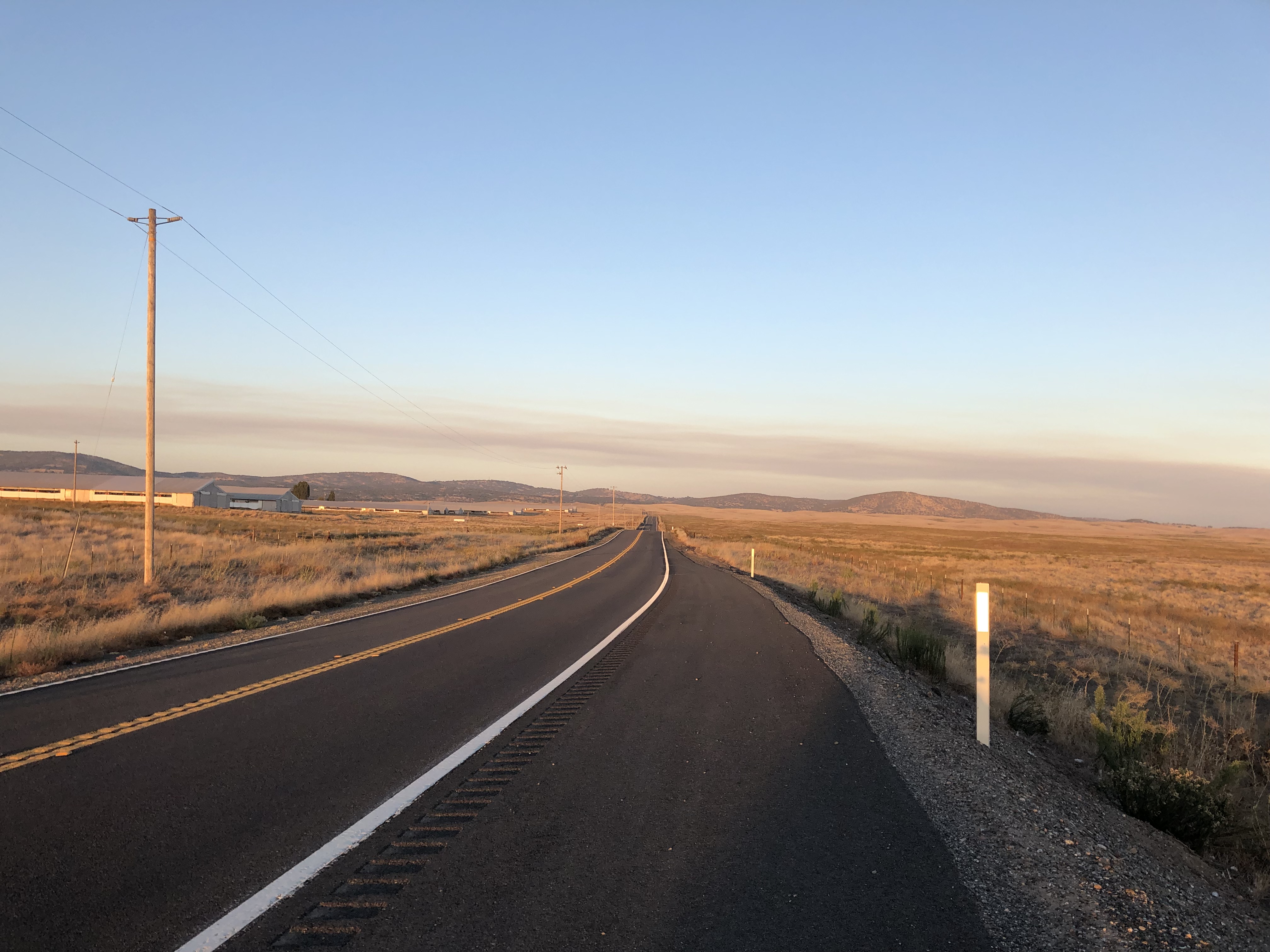
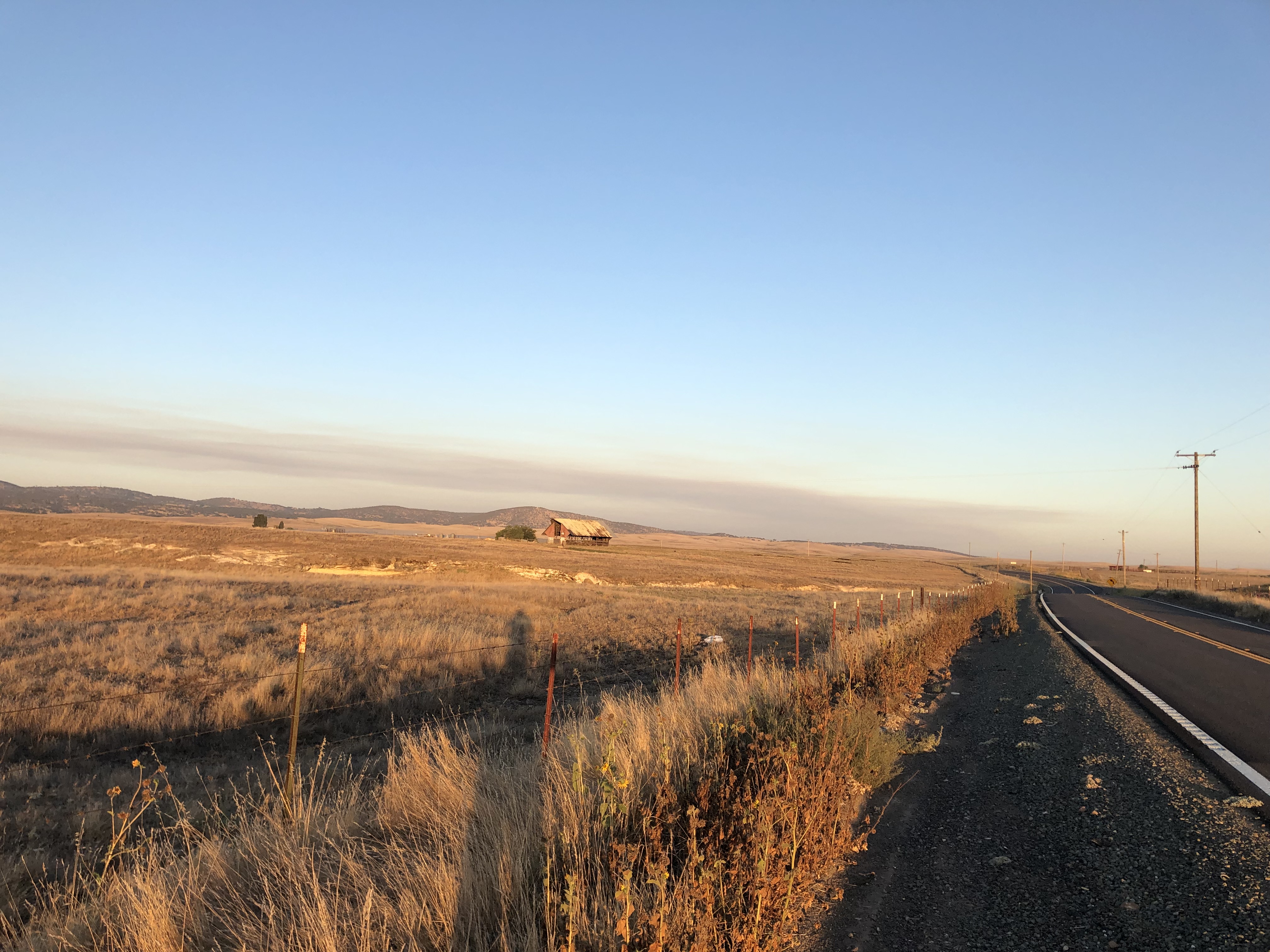
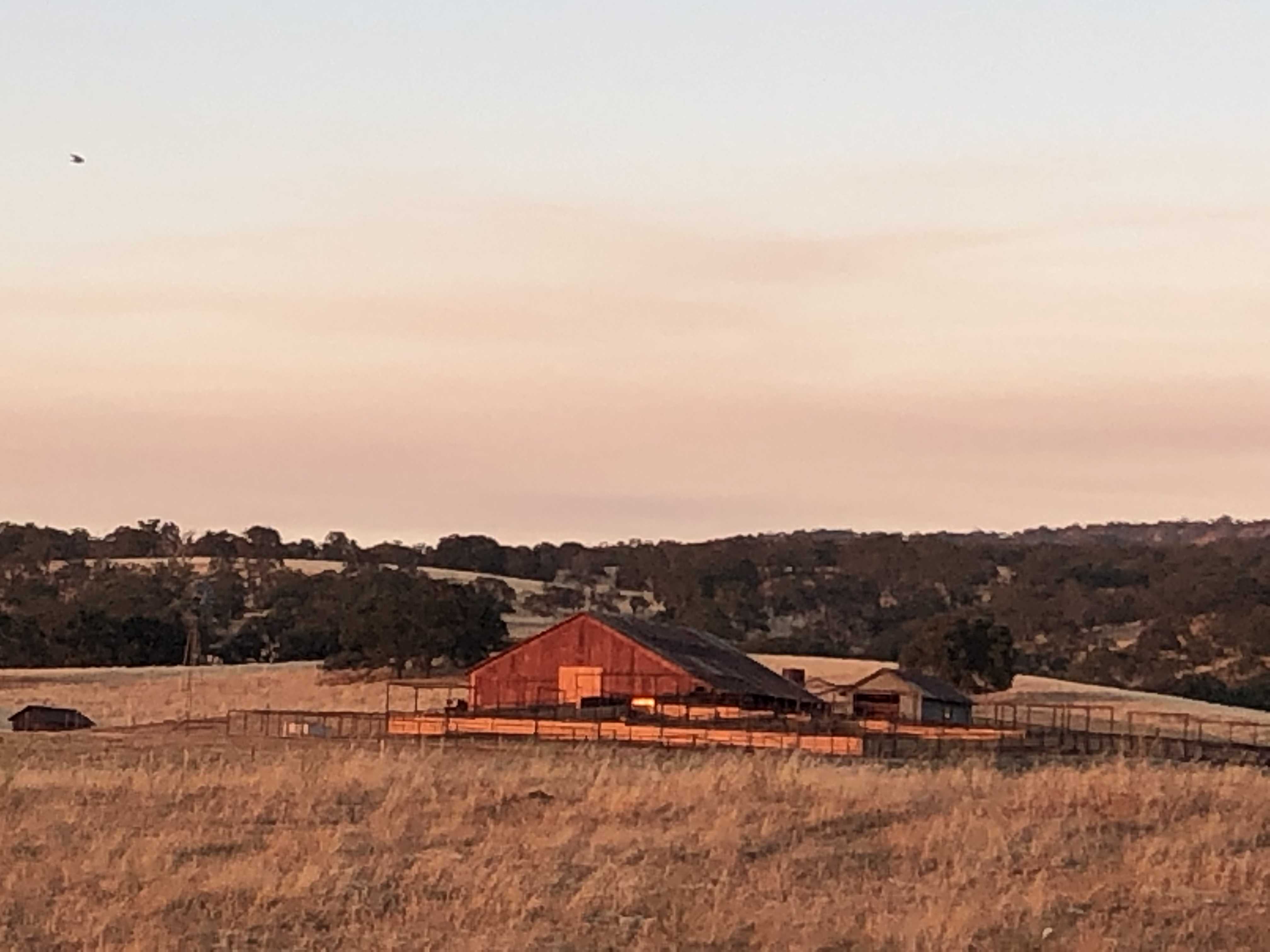
This next leg of the trip involves driving the entirety of California Route 4, which extends eastward from the town of Hercules near Ian’s house in the East Bay, across the central valley through Stockton, and eventually up into the Sierra, almost reaching the Nevada state line. This evening I rode the most unremarkable part of the drive — the first portion to Stockton is primarily a congested freeway, and then is becomes a rural highway running through endless farmland.

That lonesome highway.
The last few moments of daylight.

As the sun set, I decided to hole up in Angels Camp. And if you saw my motel, you would agree with my choice of verb in that sentence. Saturday should be a much more interesting ride, with reports from the gold country.

DRINK OF THE DAY

I’m embarrassed to admit there was no Brew of the Day today. But as Ian and I ate breakfast on the back patio, I noticed an empty whisky bottle he was using as a vase or a decoration or something. When I asked about it, he said it was his favorite American whisky, and offered me a shot. I don’t remember the name of the stuff (which is always a sure sign of a great whisky). Don’t try this at home.

Uncategorized

East Bay Oddities

As many of you know, I grew up in an area that’s now called the Silicon Valley. Back in my day, that appellation hadn’t yet been coined. But then Steve Jobs changed all that.

I heard a lot about Steve Jobs throughout my time in high school. He had graduated from Homestead just a few years before I arrived there, and my electronics instructor, Mr. McCollum, endlessly told us about how he (McCollum) had taught Jobs everything he knew. He implied that if we would pay attention in class, we too could become like Jobs. (Steve Wozniak also took classes from McCollum, and Wozniak actually does credit McCollum in his biography.)

Mr. McCollum was indeed a good teacher, but he was a cranky old coot. He was firmly stuck in the past, insisting that we learn to use slide rules to do calculations, even though everyone now owned a calculator. (“But what if the batteries on your newfangled calculator goes dead?” he’d ask. Umm, maybe I’d buy new ones?) He also kept a newspaper clipping pinned to the bulletin board of his classroom, that told the story of a student who got his long hair caught in some machinery in shop class, and had his scalp ripped off his head. “Cut your damn hair” was his not-so-subtle message.

So, reflecting on all the changes to the Silicon Valley when I awoke in Sunnyvale this morning, I made a pilgrimage to a place a few blocks from my old high school. And I saw this:

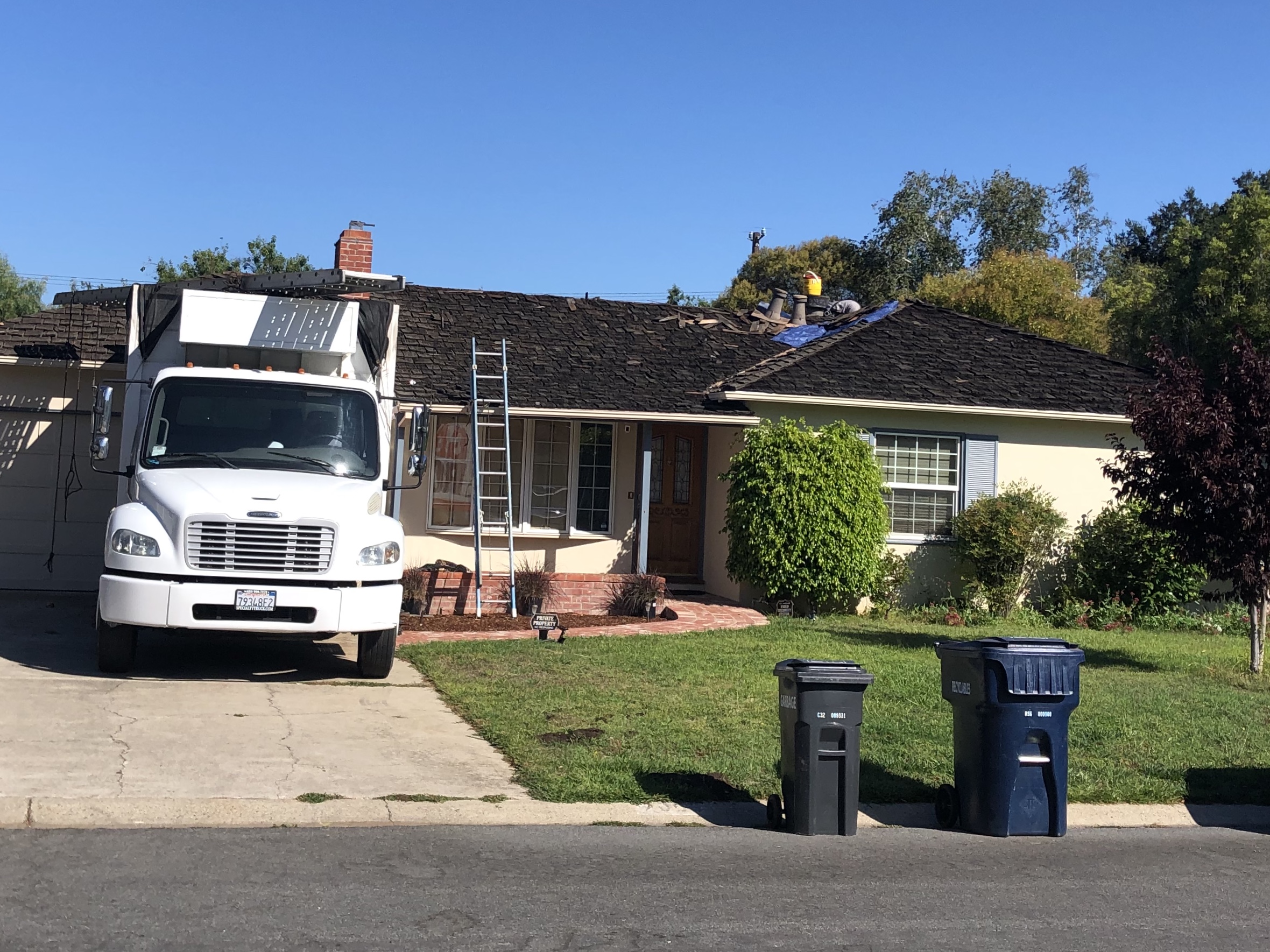
Maybe he should consider upgrading his Windows? Har.

For those of you who don’t recognize it, this is the house where Steve Jobs grew up. It’s where he and Wozniak founded Apple and built the first Apple computer. I’m assume the roof repair was made necessary because iphone prices went through the roof. Haha.
I got back on the road and made my way north along the east bay to the town of Niles, which is an old railroad district that’s actually within the city limits of Fremont. Like many old and small towns, Niles tries to capitalize on its historic past. By accident, I stumbled upon what I think must be the country’s most boring historic building: The Vallejo Adobe. In 1842, the administrator of the local mission, Don Jose de Jesus Vallejo, built this place. That pretty much sums up its history. It’s a small, one-room building that’s used primarily for school field trips. I peeked inside this morning while some kids were having a lesson. The building is bare, except for some classroom chairs and tables.

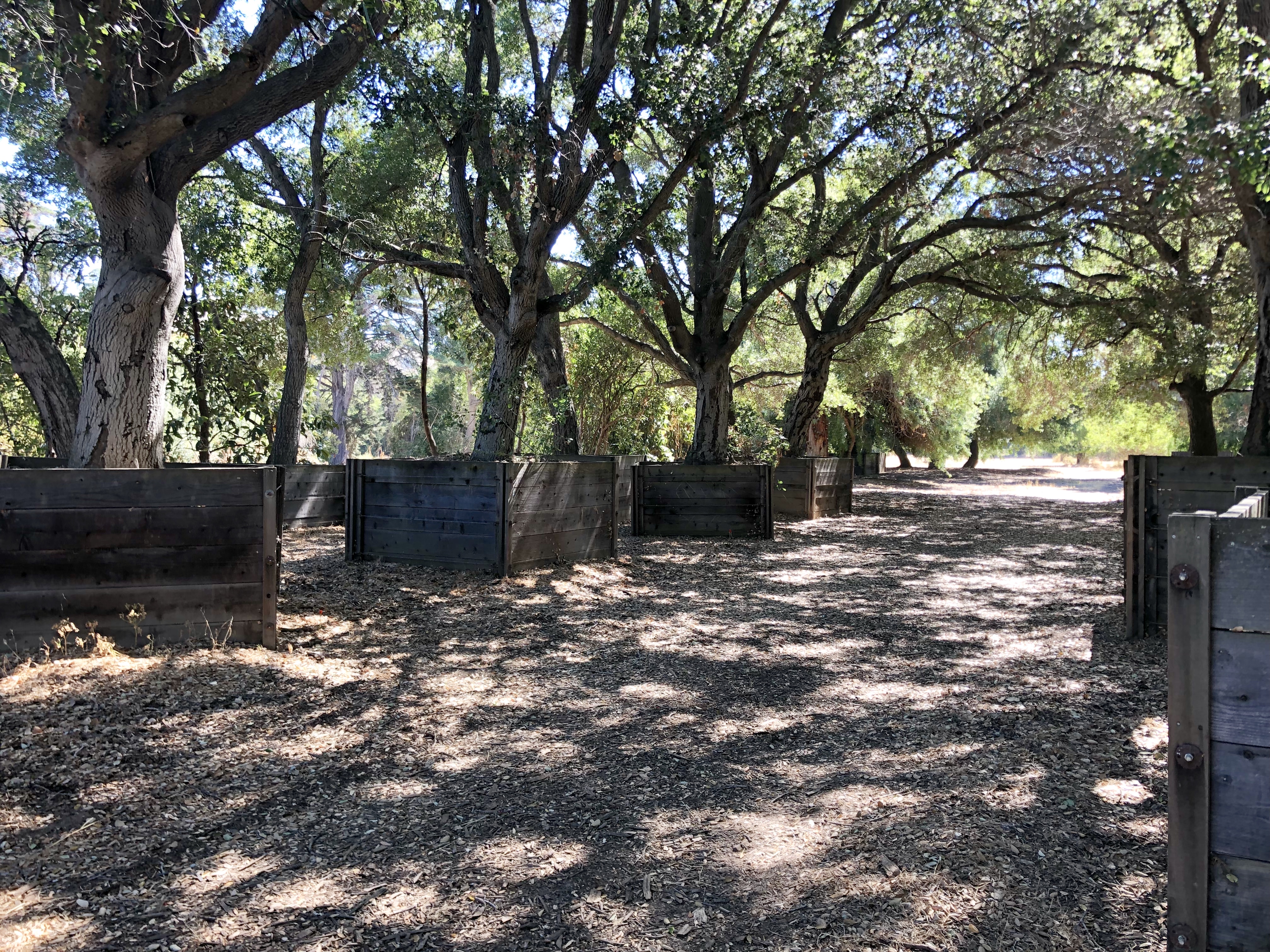
But next to the Adobe of Amazement is an old tree nursery that, as far as I can tell, was abandoned in the 1960s and became the California Nursery Historical Park. The notable thing about this place is a number of the saplings that had been in wooden boxes when the nursery was abandoned eventually took root, and still stand where they’d been left. The Parks service has even maintained and occasionally expanded those original boxes because…well, there’s really no reason to do it. But it looks kind of interesting.

50 year old oak trees, boxed and ready to ship.

Back to my discussion about how Niles capitalizes on its history. There are really two big themes here. One is silent movies. Essanay Studios was one of the first movie companies in the west, and it was based in Niles. Charlie Chaplin filmed some of his silent movies here, and today statues and signs and posters depicting him in his “little tramp” getup line the main street in the business district. There’s also a silent movie museum and a silent movie theater. Sadly, these were closed when I came through today.
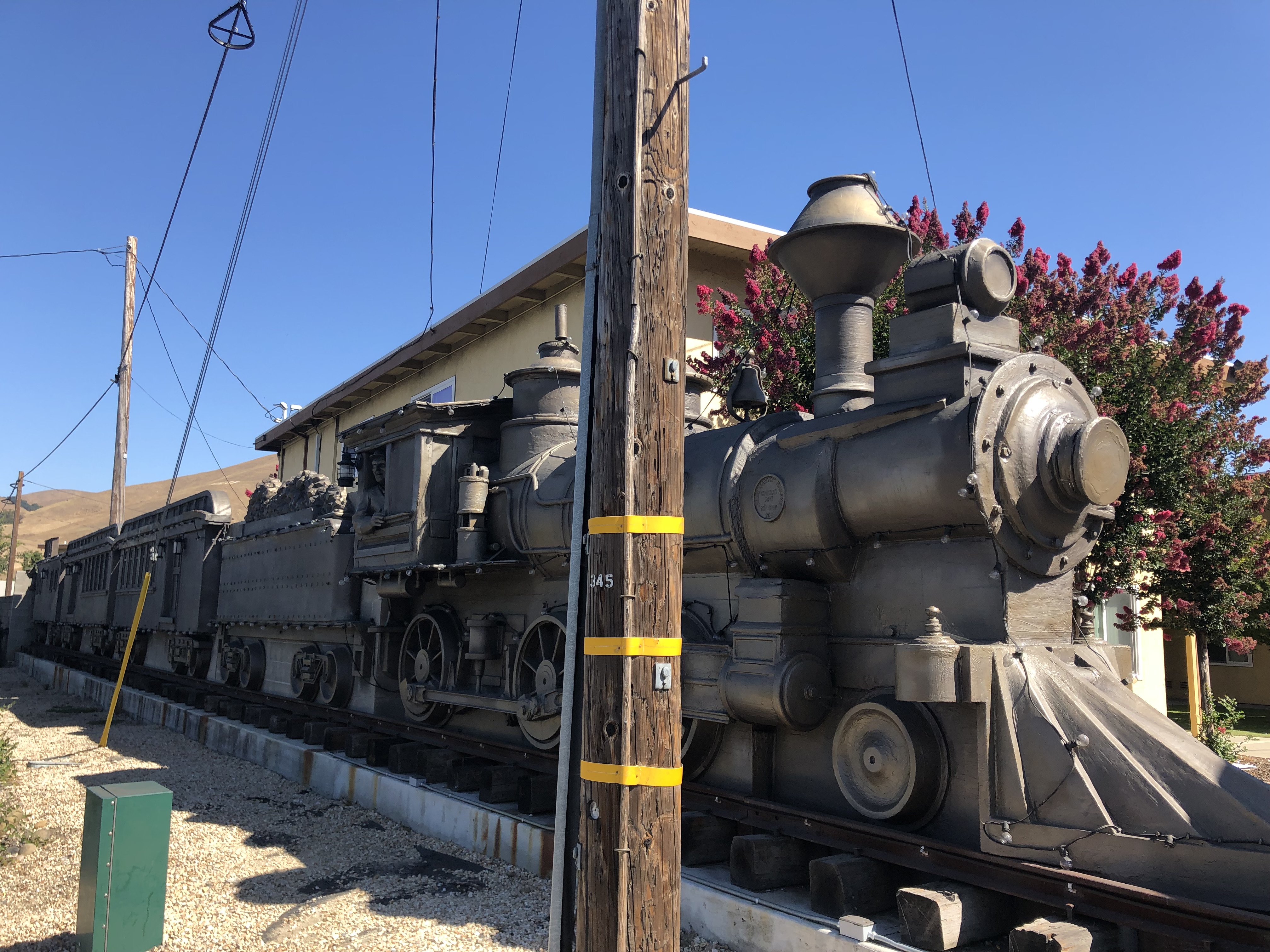
Niles’ other claim to fame is its railroad heritage. Niles is a railroad town, and the crossroads of two major rail lines. It sits near the western end of the First Transcontinental Railroad, and as such saw lots of traffic going to and from San Francisco. Railroad references abound, and are even more plentiful than Charlie Chaplin figures. One of the most recent installations is this half-size steam train sculpture, installed in 2012:

Nice sculpture. But could someone please relocate that telephone pole?

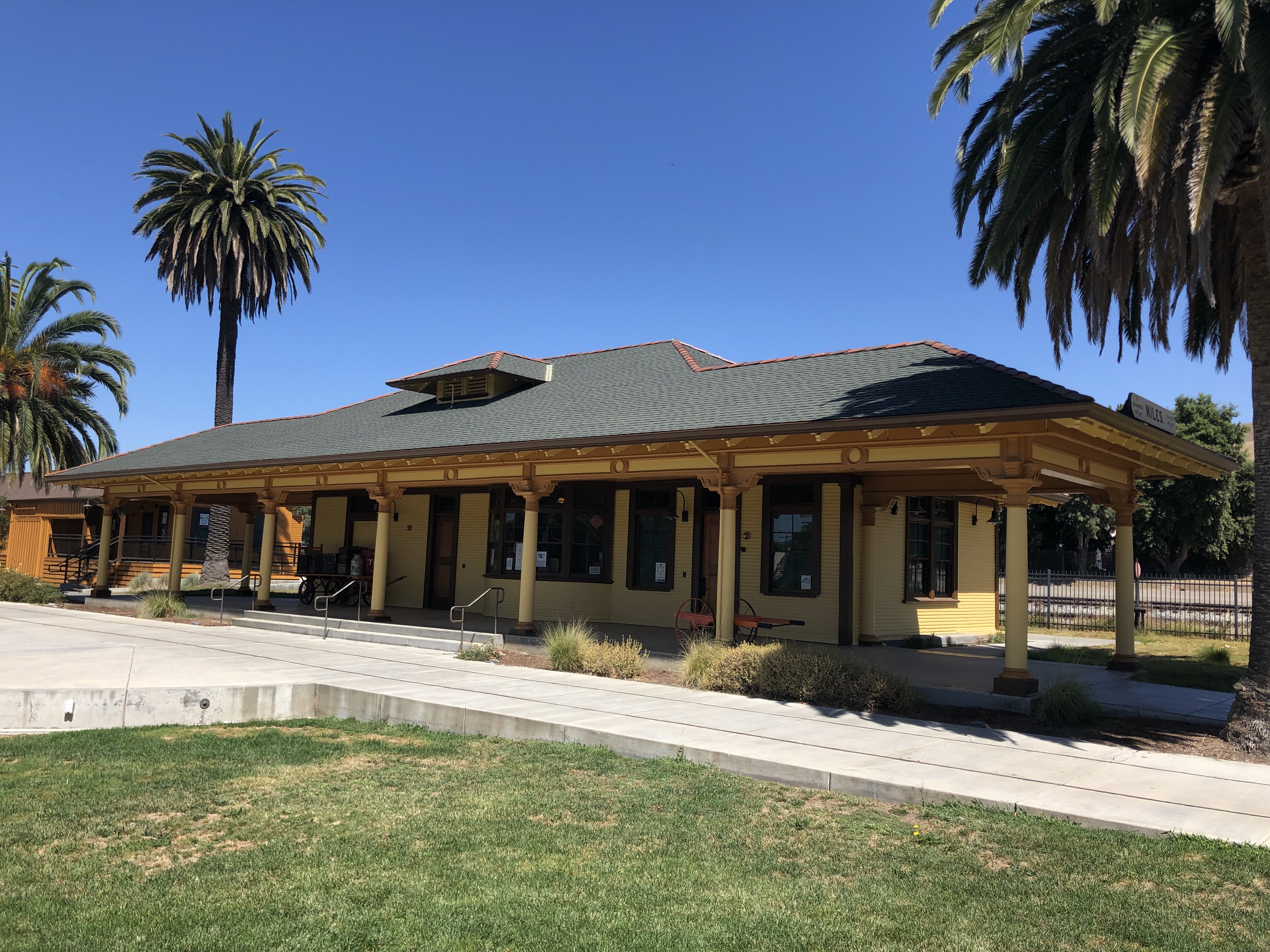
Passenger trains don’t come through Niles much anymore, but their depot does keep moving. I came across the depot this morning in a plaza near the middle of town. It’s a beautiful, colonnade-style depot built in 1901. Check this thing out:

So, here’s the story of the peripatetic depot: Built in 1901, the depot was closed by the Southern Pacific in the 1970s. SP wanted to demolish it in the 1980s in order to make way for some new development on the site. But local advocates raised funds to keep and restore the building. SP agreed to donate the building to the city….so long as they moved it to a different location so the new development could proceed. The city upheld its end of the bargain, moving the entire building a few blocks away. For a variety of reasons, SP never ended up developing the land, and 25 years later the city decided to move the station back to its original location. The station has been “home” since 2009, and now serves as a museum.

Meanwhile, after SP closed the depot and abandoned rail service through Niles, it tore up the tracks. The good people of Niles, feeling their history slipping away, set about the business of re-laying the tracks and resuming rail service to Sunol, on their newly-created Niles Canyon Railway. It runs dinner trains and other excursions frequently.

Incidentally, if you have any interest in the railroad history of Niles, or if you just want to clear up some of the confusion and errors I’ve perpetuated in this blog, check out my Uncle Ed’s website (the Dome of Foam), which is the definitive site for all things Southern Pacific. You can get to some of the Niles stuff here: http://wx4.org/to/foam/sp/niles/tower.html

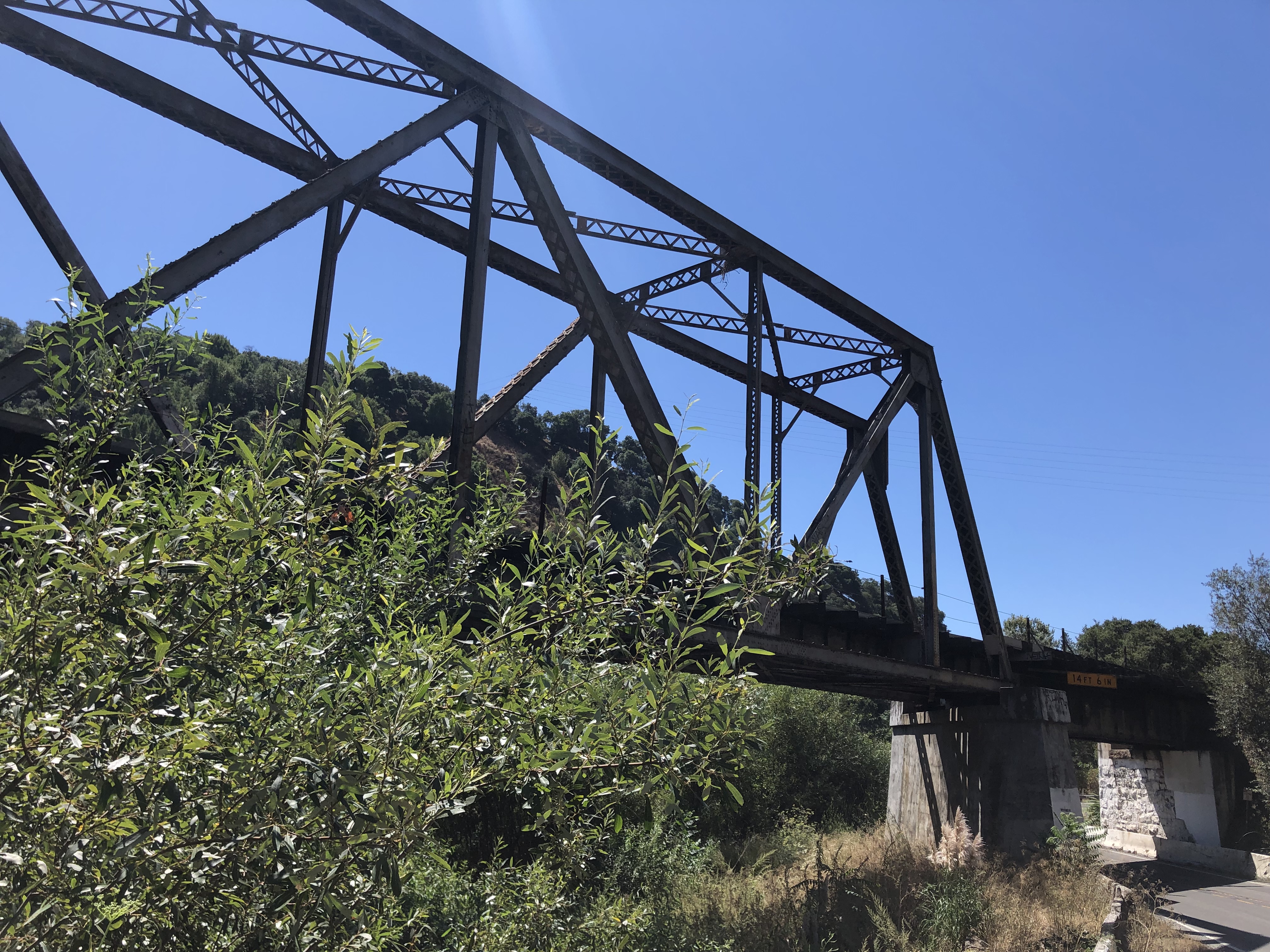
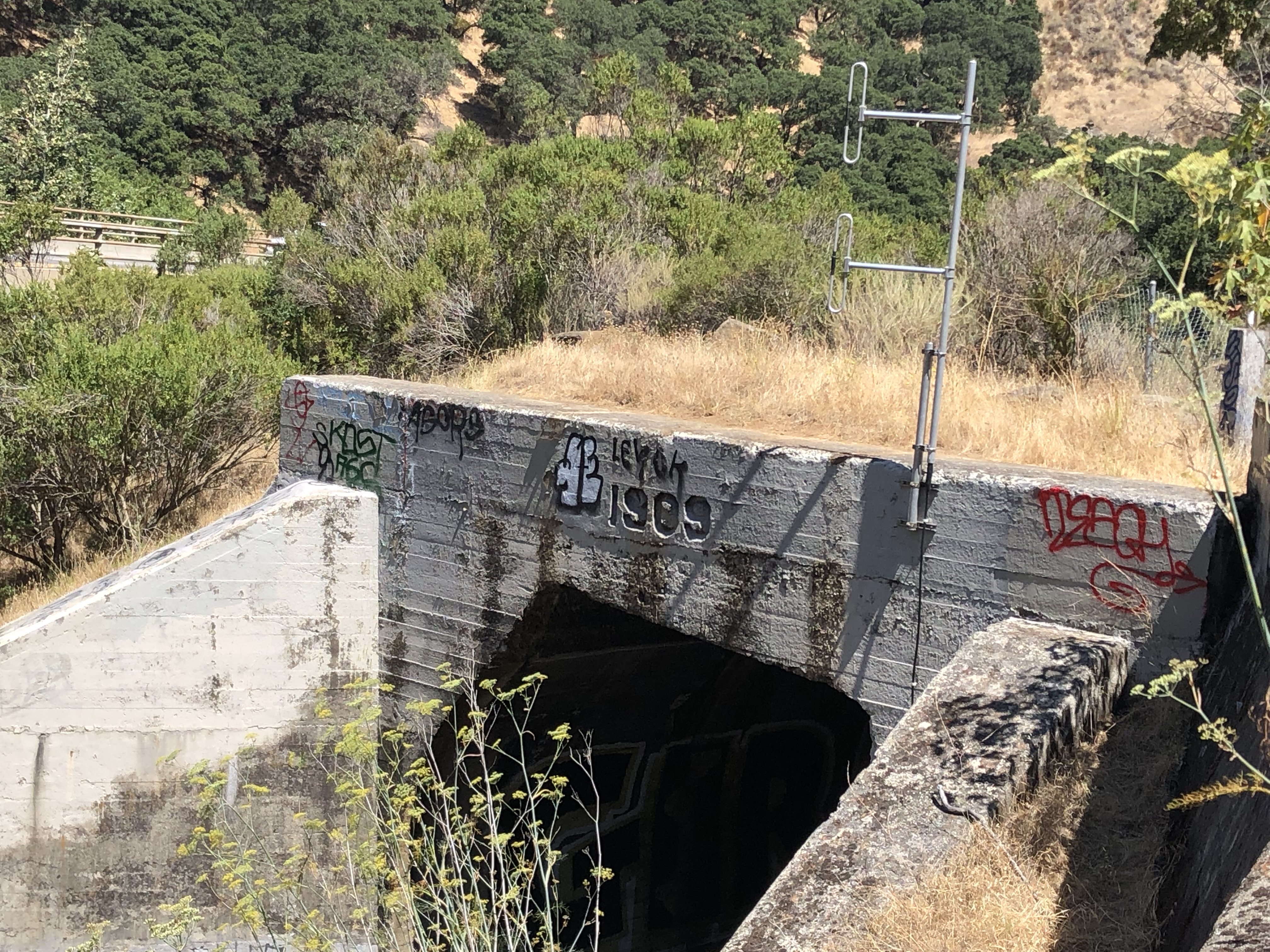
Now, given that I didn’t have much of an agenda today, I figured I’d follow the Niles Canyon Railway’s route through Niles Canyon up to Sunol. Recall that this had originally been part of the transcontinental route (which at that time, in the late 1800s, was run by Southern Pacific’s predecessor, the Central Pacific). The tracks have been through some realignments since that time, and on my ride I noticed a truss bridge from 1906 and a tunnel from 1909.

The Dresser Truss Bridge, manufactured by the American Bridge Company in 1906.
Tunnel from 1909, suffering the indignities of graffiti.

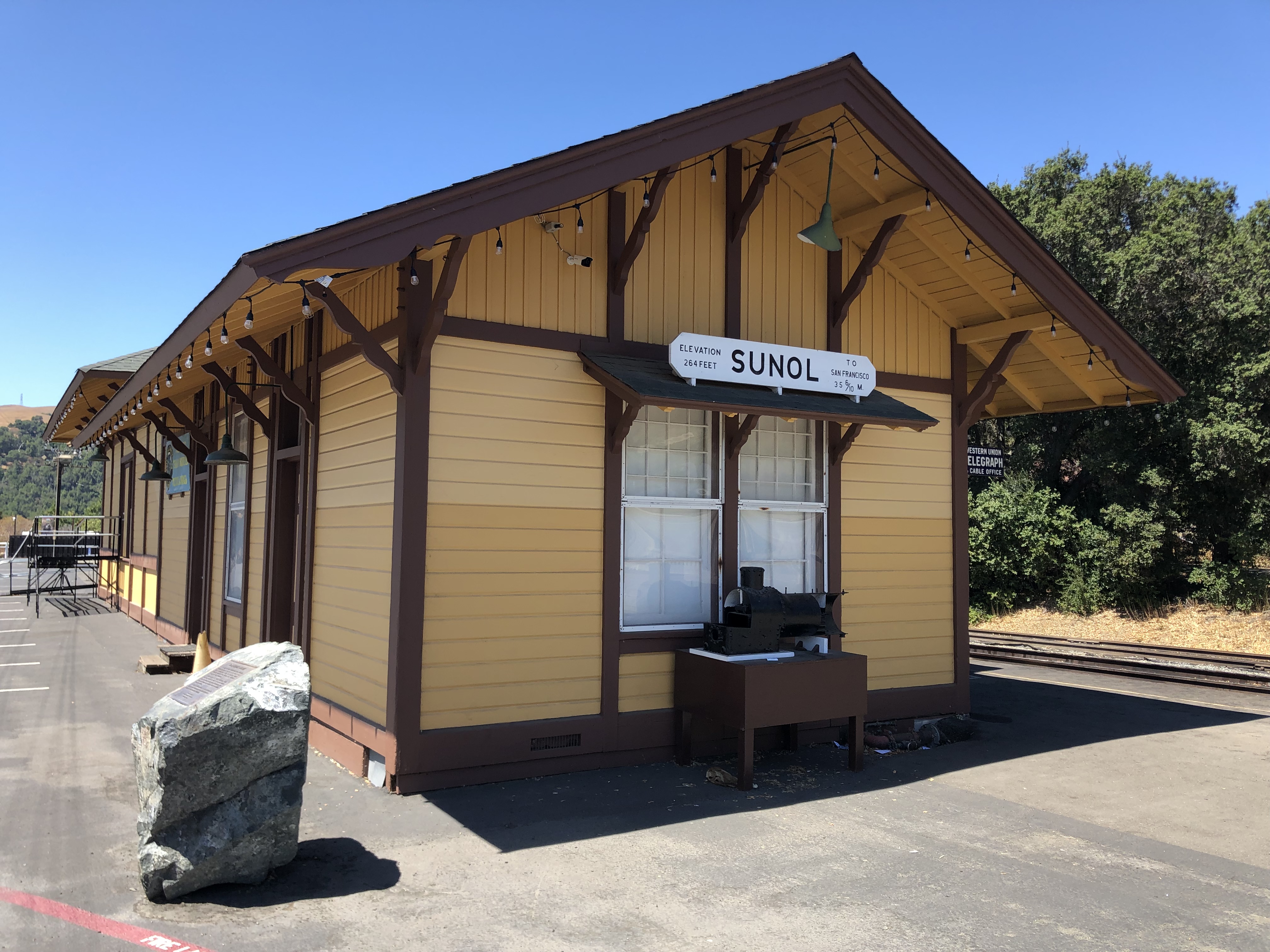
Arriving at Sunol after about eight winding miles, I encountered the old depot that dates back to 1884. It’s not as grand as the Niles depot at the other end, but it gets points for surviving 135 years.

Not bad for something built in the 1800s…

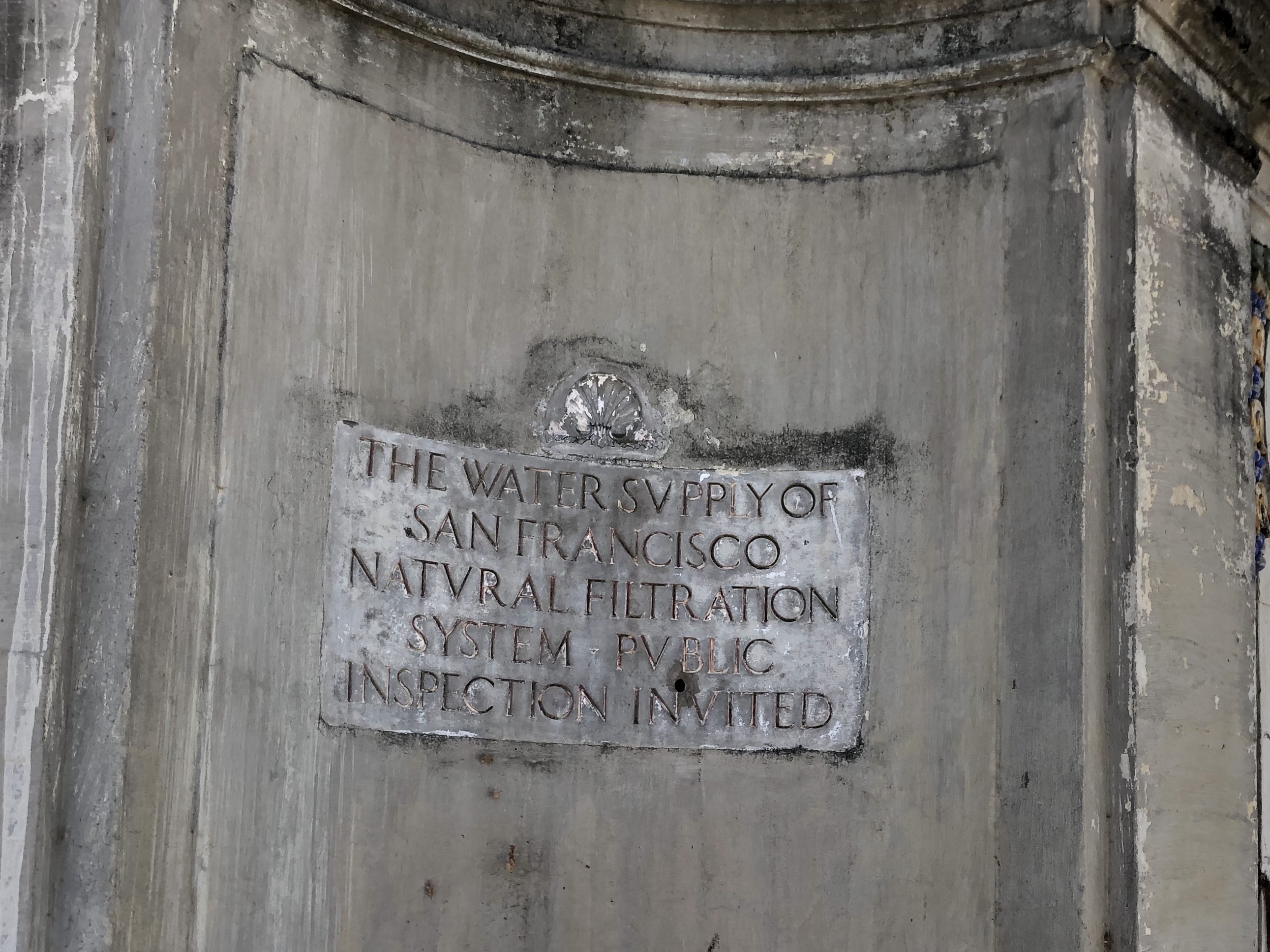
As I left the town of Sunol, I noticed this gateway entrance with signage that seemed out of place: “The Water Supply of San Francisco. Natural Filtration System. Public Invited.” San Francisco is 40 miles away, across the bay. What’s this about?

Vnvsval, for Svnol.

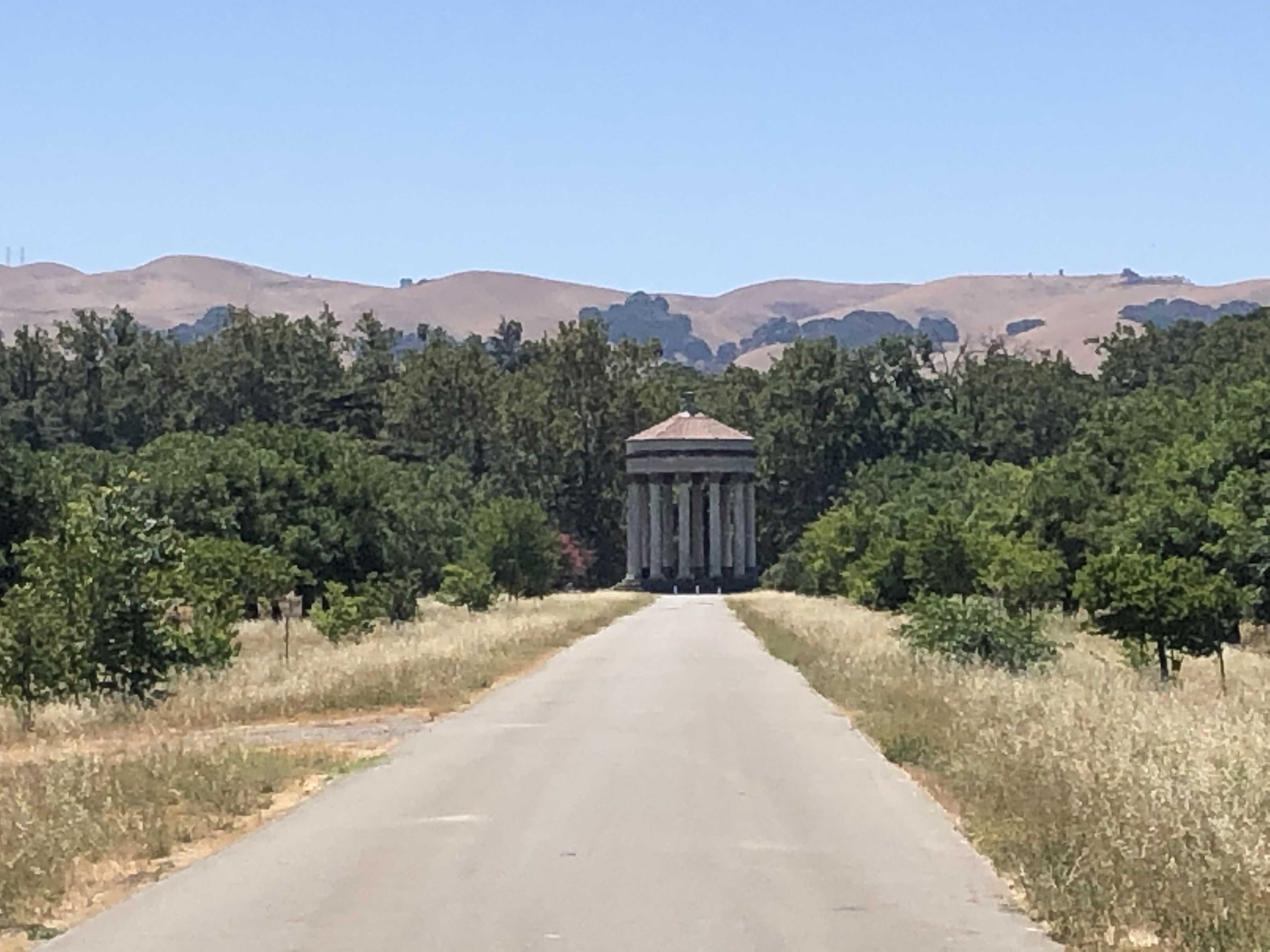
Intrigued, and always on the lookout for old water mysteries, I passed the gateway and saw, far behind a fence, this structure that looks like an ancient roman temple.

Turns out this is a “water temple” that was built in 1910 by a private company that provided water service to San Francisco. Under the Temple, three water pipelines converge in a huge cistern before heading out through an aqueduct and across the bay to San Francisco. Water flowing through the Temple provided fully half of San Francisco’s water supply until Hetch Hetchy came online in 1934. San Francisco bought the Temple outright in 1930, hence the signage.

I wasn’t able to get close to the Temple because it’s currently behind a fence as it undergoes renovation through 2022. But seeing it, even from afar, once again “whetted” my appetite for exploring major water infrastructure. Later in this trip I plan to see the headwaters of the Los Angeles Aqueduct in the Owen’s Valley.

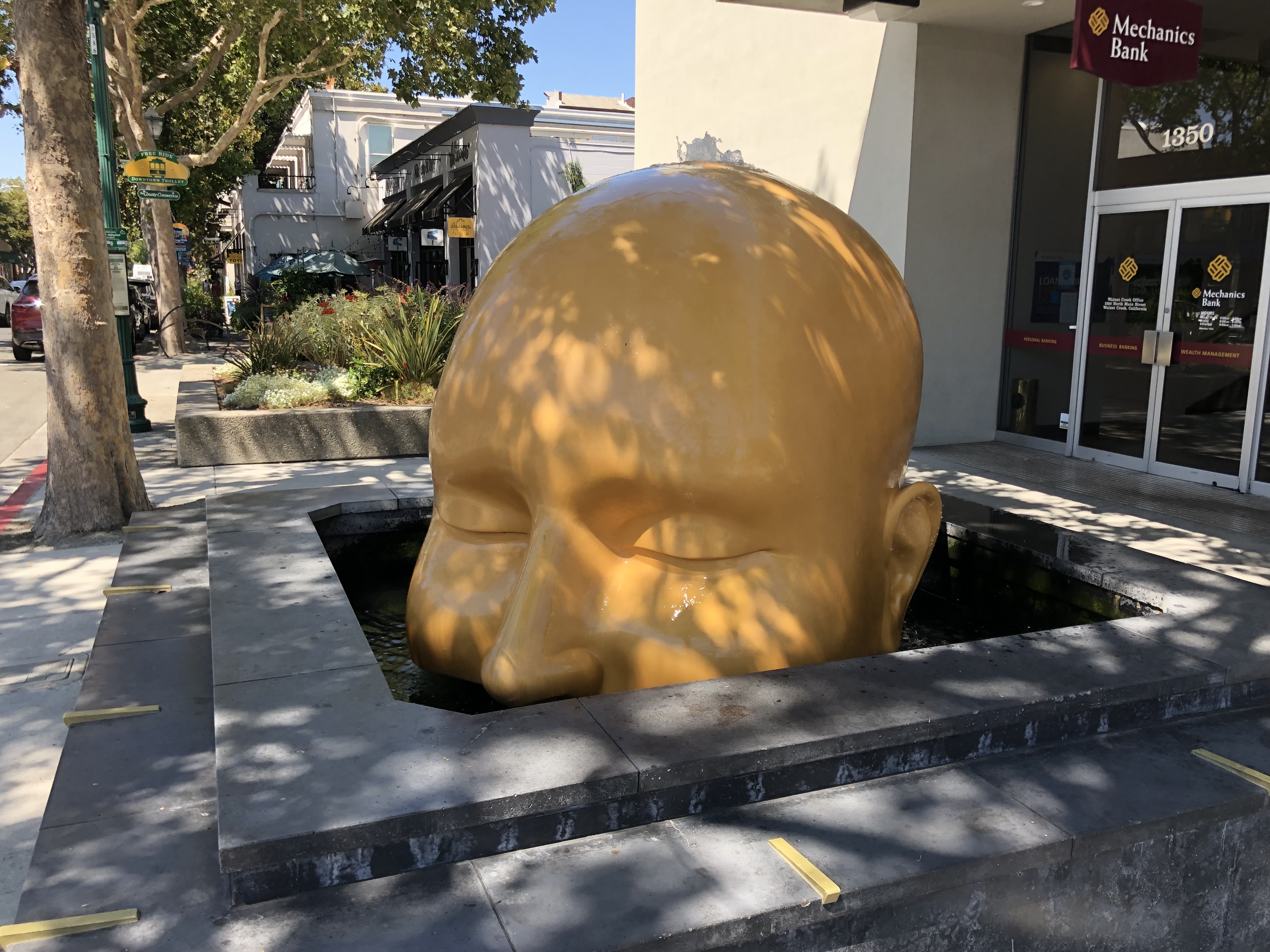
And speaking of headwaters….

Get it? “Headwaters? ” Saw this in Walnut Creek this afternoon…

Tomorrow I set out on California Route 4, heading east beyond Stockton.

BREW OF THE DAY

I stopped in Benicia for the night at the home of my son Ian and daughter-in-law Katelyn. We had dinner at Lagunitas Brewing Company in Petaluma, where I tried their Secret Agenda w/Coffee and Cacao. Before I tell you that it was the fourth beer I tried there tonight, let me tell you that (1) they were just 5 ounce “taster” pours, and (2) I wasn’t driving. Anyway, the first three beers were entirely forgettable. But the Secret Agenda hit Nectar of the Gods status for me. The “Secret Agenda” starts with a pale lager (recall that I generally believe lager to be swill), but this was more of a strong bock, with 7.2 ABV. It’s a smooth and light (and strong) base beer, but then it’s infused with Brazilian coffee and (most notably) cacao nibs. The lager really gets out of the way to let the darker, stronger tastes of the coffee and cacao do their thing. If you can find one, grab it!

Uncategorized

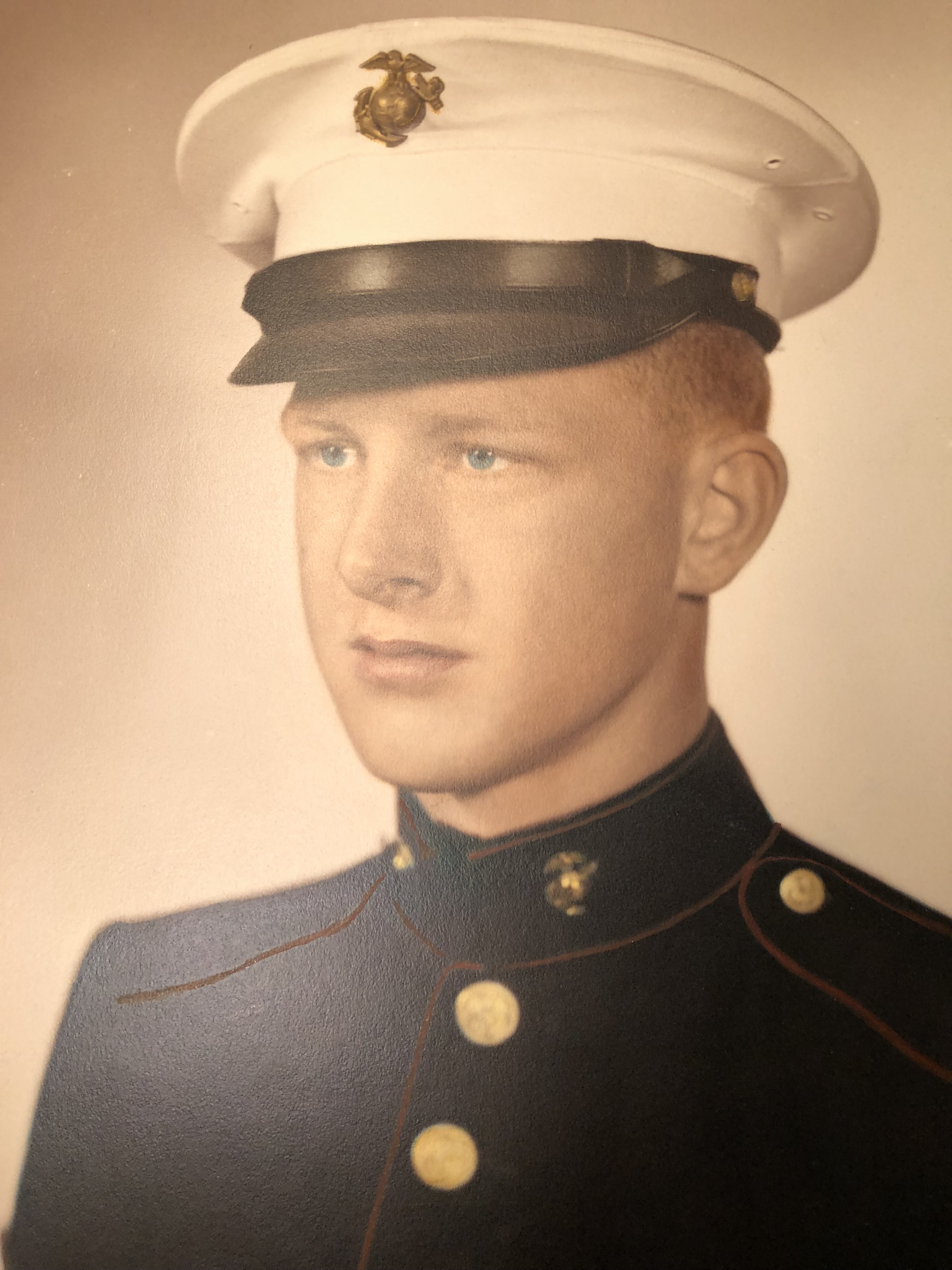
RIP, Dad

Dennis Irving Boilard, 1932-2017

Today I took a break from my travels to spend the day in Santa Cruz with my brother, Dave. Today would have been dad’s 87th birthday, had he not died two years ago. Dave and I decided then that we’d get together on Dad’s birthday each year at some location where the family had vacationed. So this year Dave drove down from his home in Elk Grove, and I took a pause in my road trip to meet him.

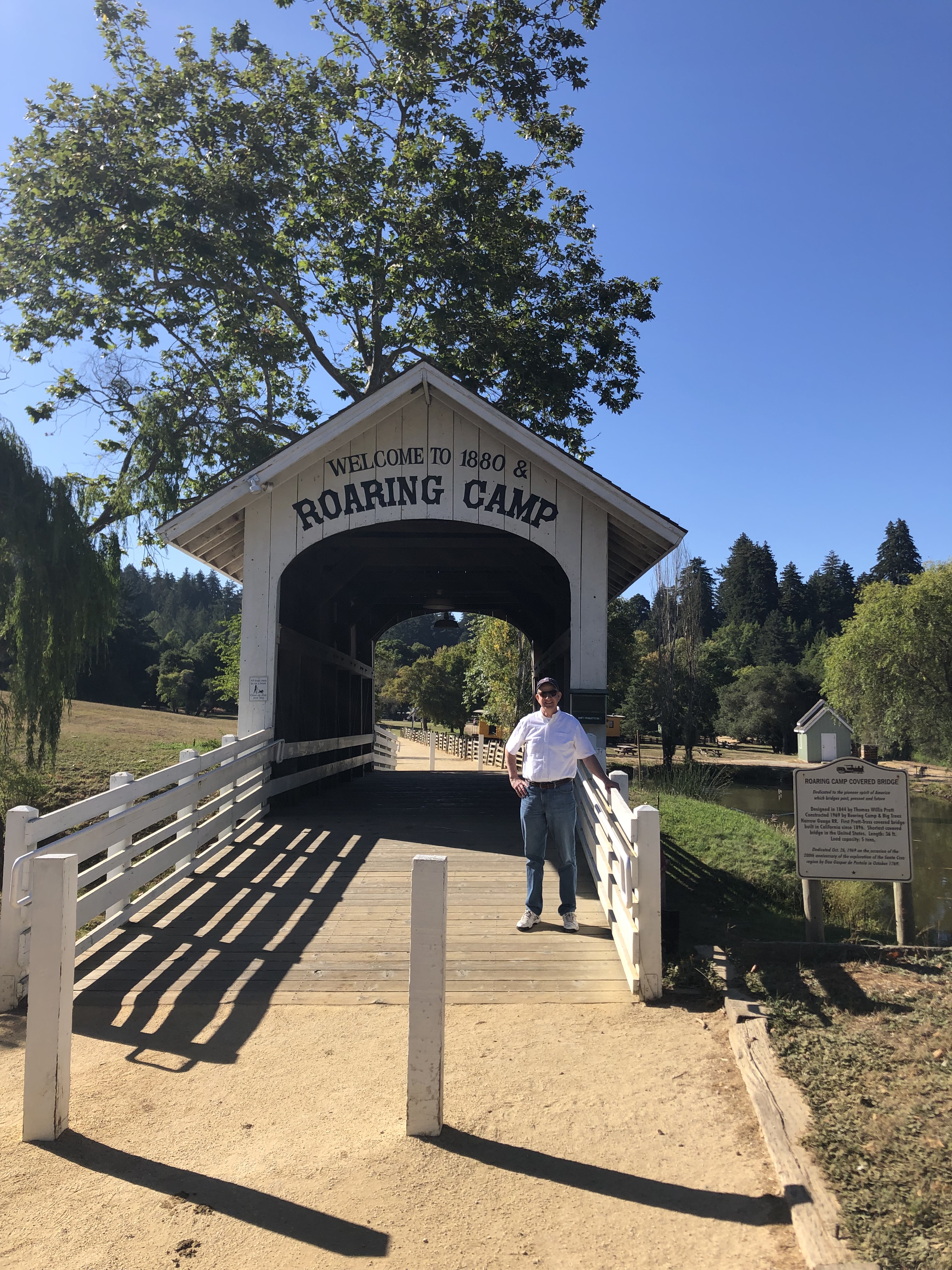
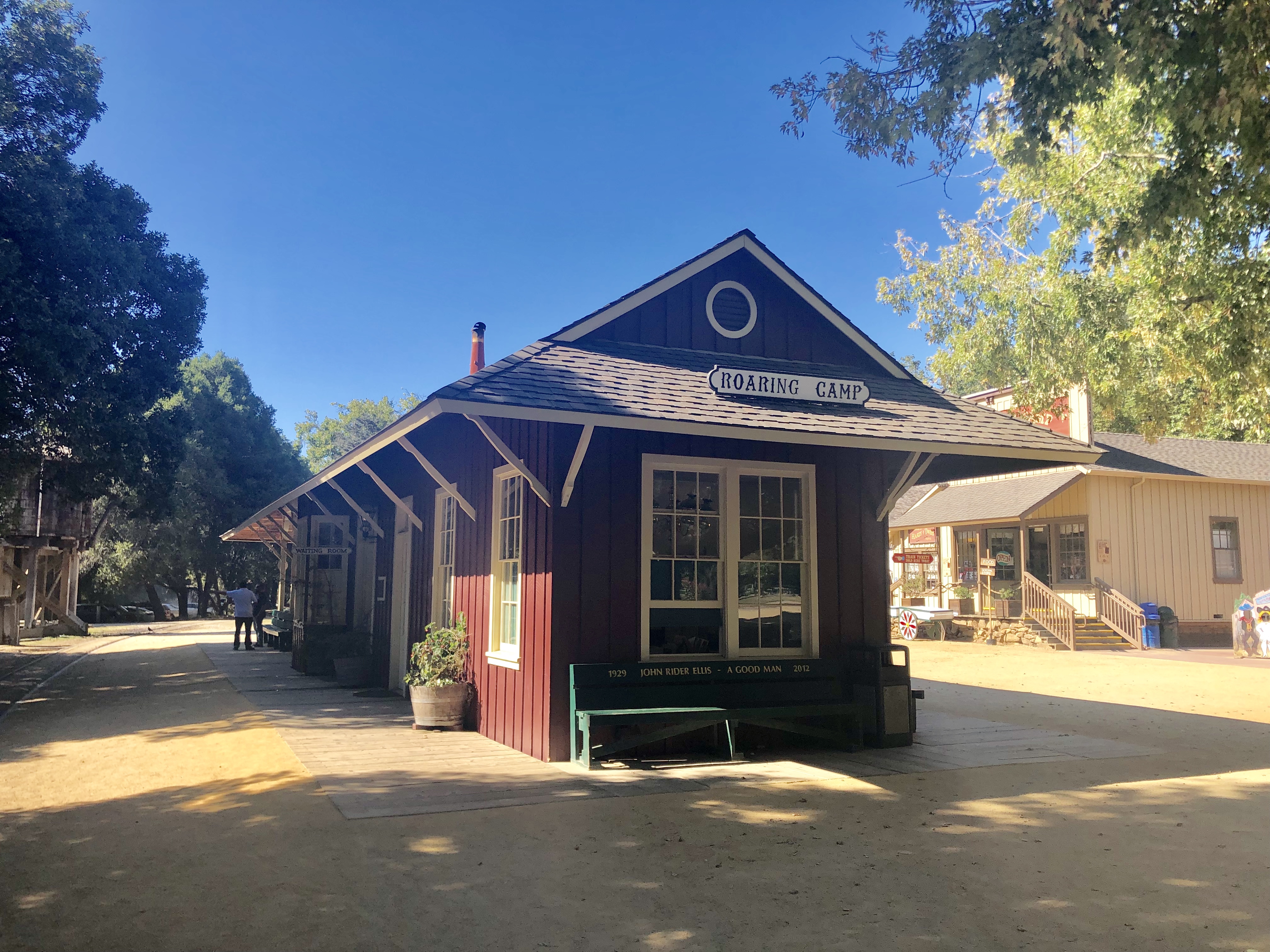
We rendezvoused at Roaring Camp, which is a narrow gauge railroad set among the redwoods in Felton. It’s a re-creation of a late 19th/early 20th century logging railroad, with authentic steam locomotives, a depot, a general store, a water tower, and other elements of an old logging camp. We had gone there as a family a few times in the late 1960s and early 1970s, and rode the train on the one-and-a-half hour loop through the redwoods. Roaring Camp is situated right next to Henry Cowell State Park, so we’d sometimes walk over to the trains while we camping or picnicking at the park. Those were good memories.

Today, virtually everything about Roaring Camp was as I had remembered it. As a family-owned business, it hasn’t been subject to corporate re-branding or major tech investments. Instead, it’s just a simple steam railroad, still operating as it would have 100 years ago. The employees wear period costumes, and there are no cars permitted in the park.

Dave, back for the first time in over 40 years…
The depot, just as I remembered it.
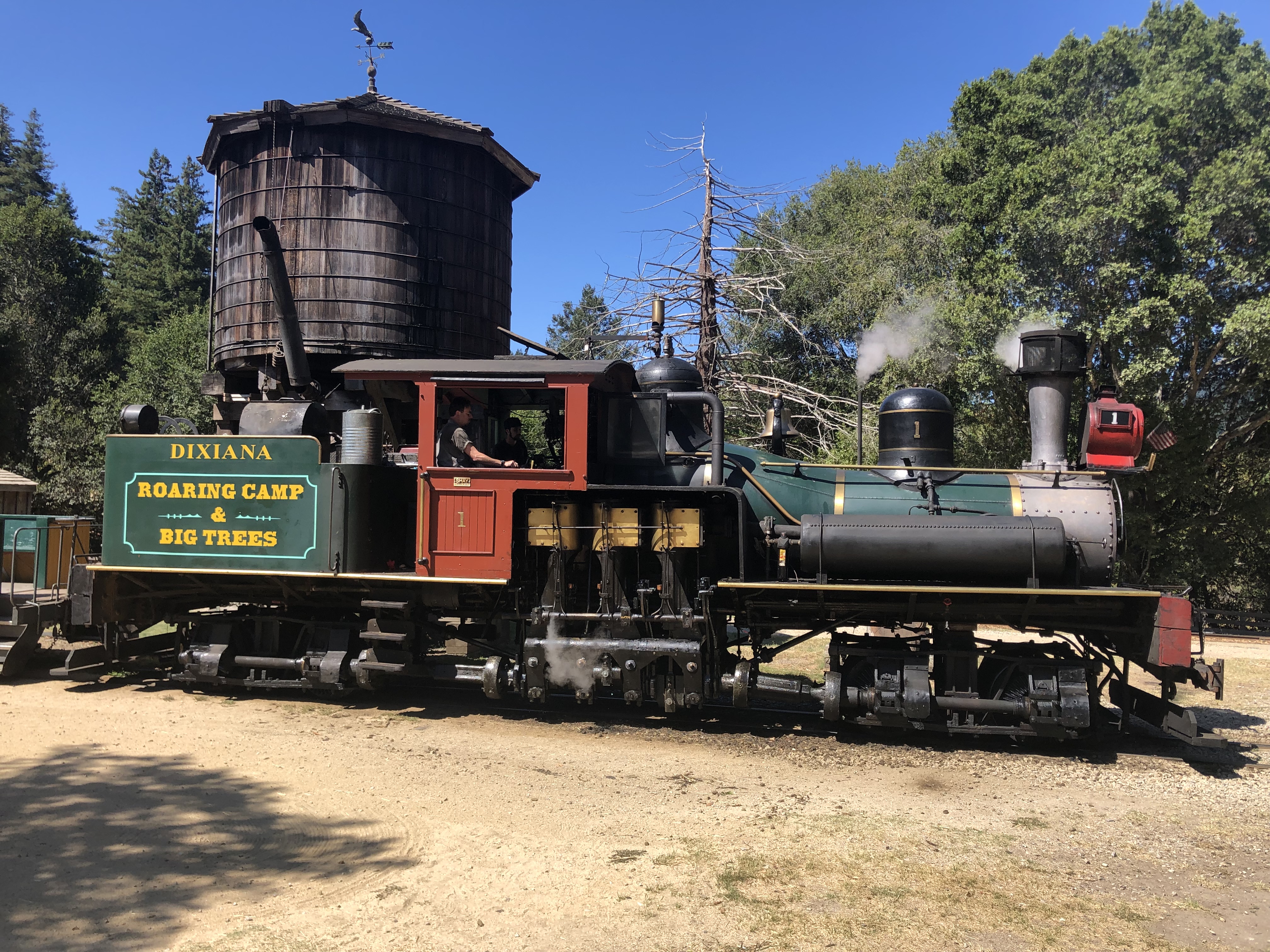
The Dixiana, getting ready to pull our train today. The same locomotive was at the head of our train when we rode it in the 1960s.
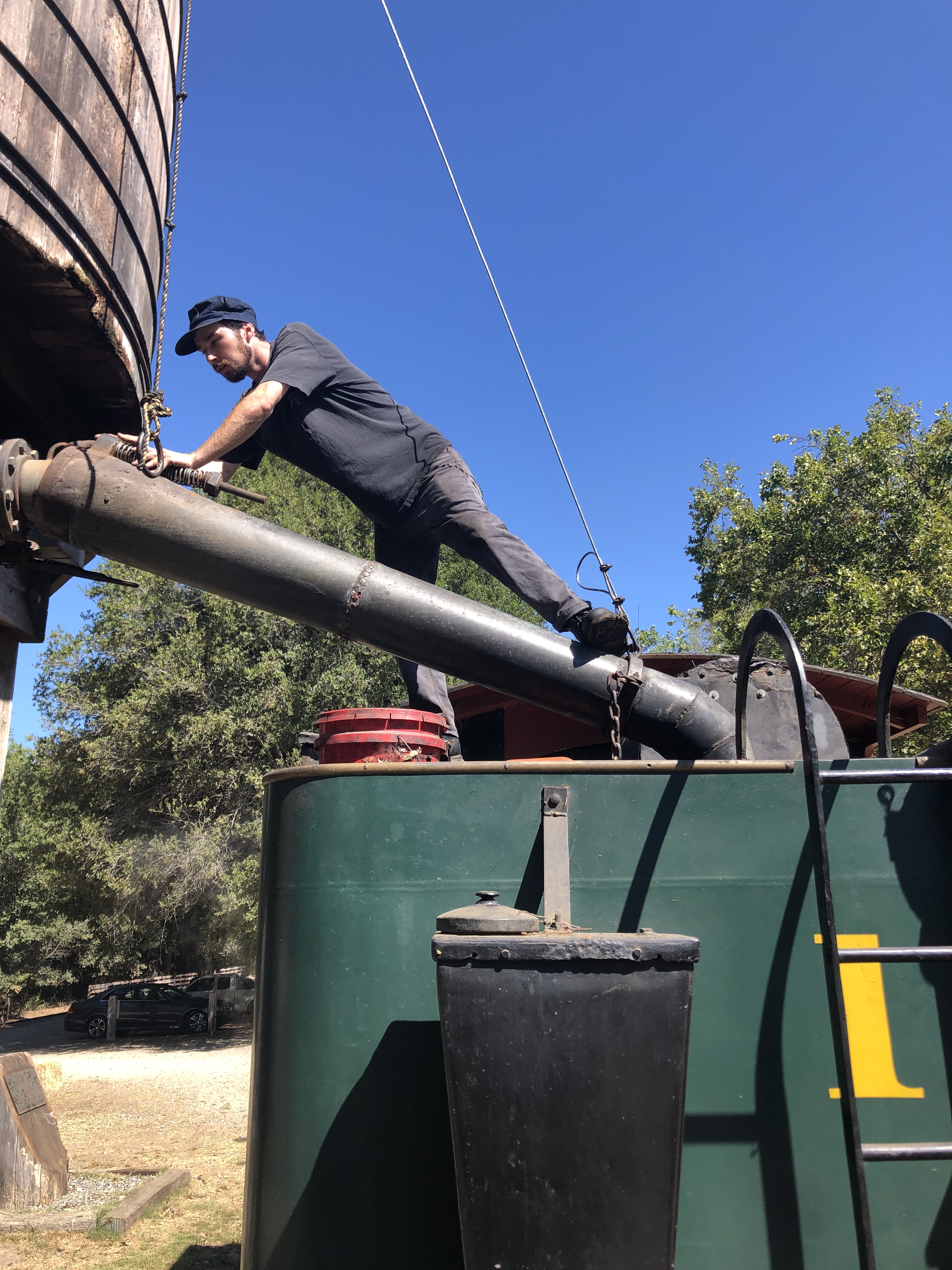
Watering the Dixiana.

Dad (and mom) were patient with their two boys at Roaring Camp. Dave and I tended to fight endlessly. Dave once lost his train ticket minutes before boarding. We were constantly hungry and asking for ice cream and money to buy souvenirs. I nearly lost a hand retrieving a penny that I’d placed on the tracks to be squashed by the train. And yet, I have memories of wonderful times at Roaring Camp, and I think dad enjoyed it too. It appealed to his (electrical) engineer’s mind. And he enjoyed seeing us have fun. It also helped that it was far less expensive, and much closer, than Disneyland. Later in life Dad would even take his grandson, Ian, to Roaring Camp.

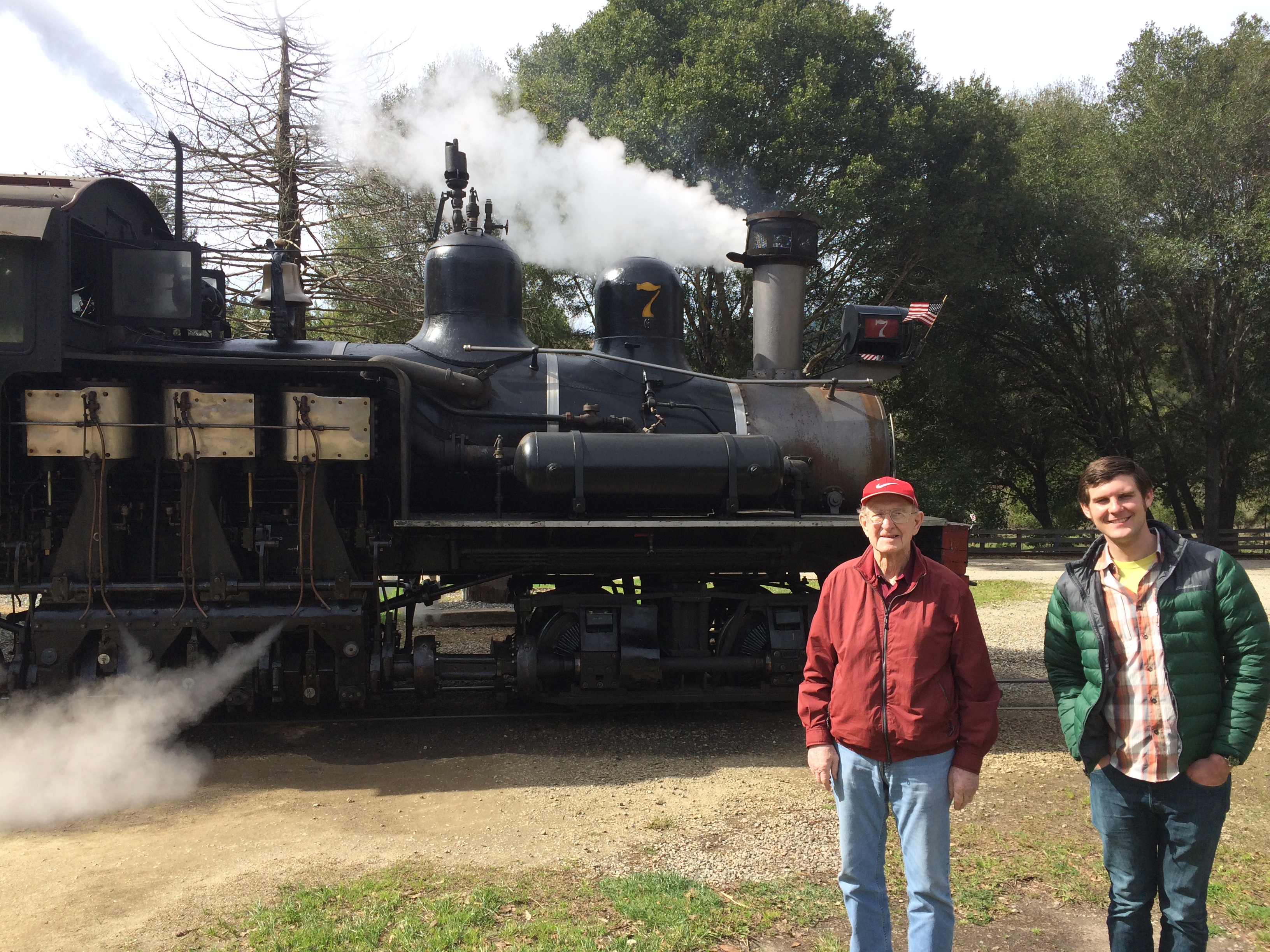
Dad and Ian…and the Dixiana again!

If Dad was patient with us at Roaring Camp, the same can’t be said about the times we had visited the Santa Cruz Beach Boardwalk, just a few miles down the road. Dave and I loved the Boardwalk, which felt like a garish, noisy, exciting land of games and rides and food and music and, of course, beach. It was originally opened shortly after the turn of the 20th century, and was intended as the west coast’s answer to Coney Island. Dave and I particularly liked the Giant Dipper, an old wooden roller coaster built in 1924. We also spent hours in what was then called the “Penny Arcade,” which was a large hall filled with old pinball games, Skee-Ball courts, animatronic fortune tellers (think Zoltar from the movie “Big”), a shooting gallery, and various other diversions There wasn’t a single video game in the place. Most of the stuff looked ancient, as though it had been there since the 1920s or 1930s. That, to me, made it special. You just could’t get this experience anywhere else. But it also meant that Dave and I were constantly asking dad for coins, which I’m sure got old after awhile.

We also begged mom and dad to indulge us with the Boardwalk’s fare, particularly cotton candy and salt water taffy. Dad in particular saw this to be a massive waste of money. But he usually relented a little. This was certainly the case the day I turned 11 and Dad took me (and only me) to the Boardwalk for my birthday celebration. Much cotton candy was consumed. I also got a wrist band for endless rides throughout the day. I must have ridden the Giant Dipper a dozen times.

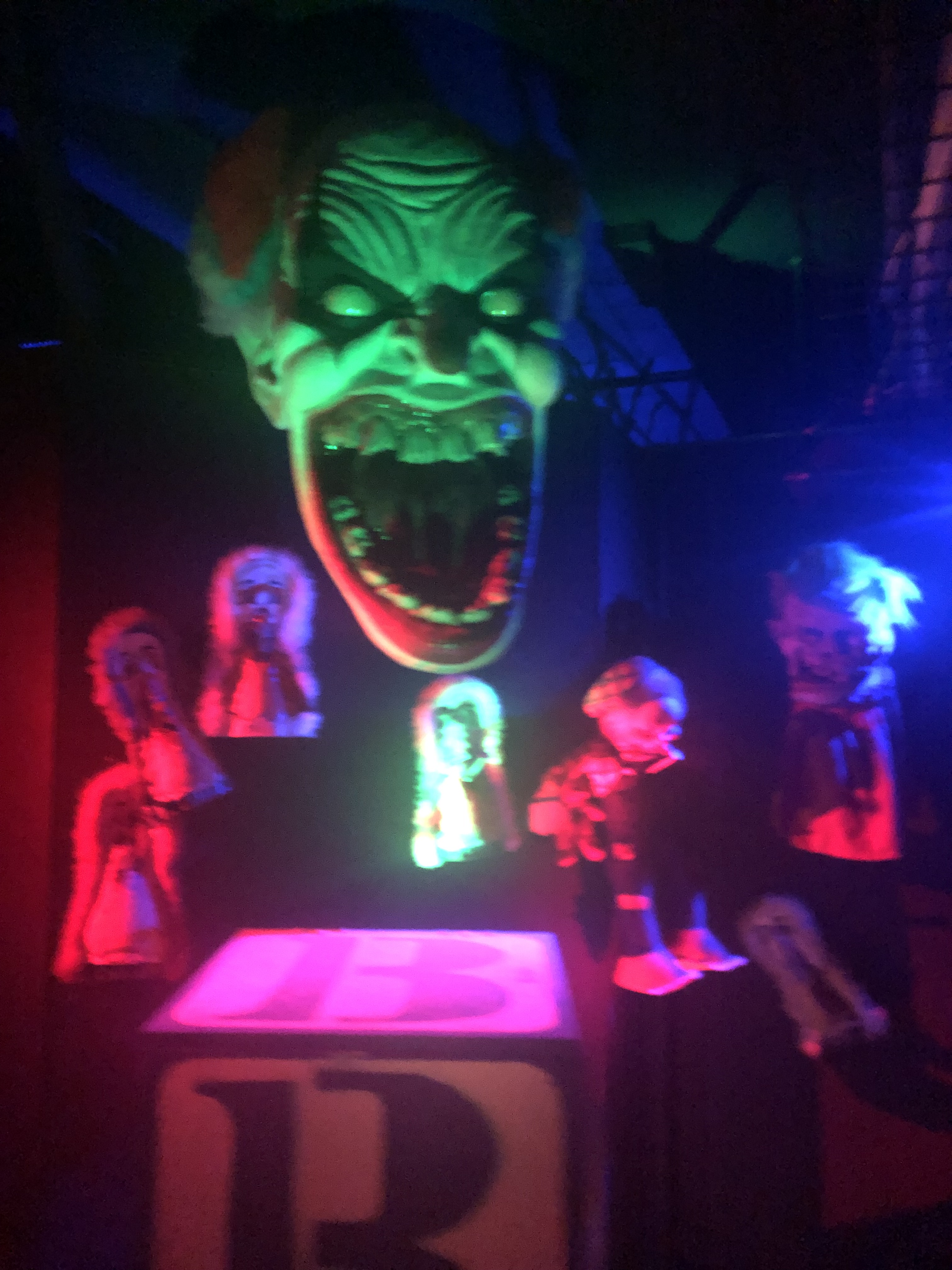
Today, Dave and I revisited three rides from our youth: The Haunted Mansion, the Sky Glider, and, of course, the Giant Dipper. They were all as fun as I remembered them, though I was a little self-conscious as a retiree riding these things with his brother. We also checked out a new attraction: the Fright Walk, where you walk through a long, darkened maze while various ghouls, skeletons, zombies, and whatnot jump out at you. I have to admit it was one of the best such things I’ve experienced this side of Lobby Day at the state Capitol.

Part of the Fright Walk.
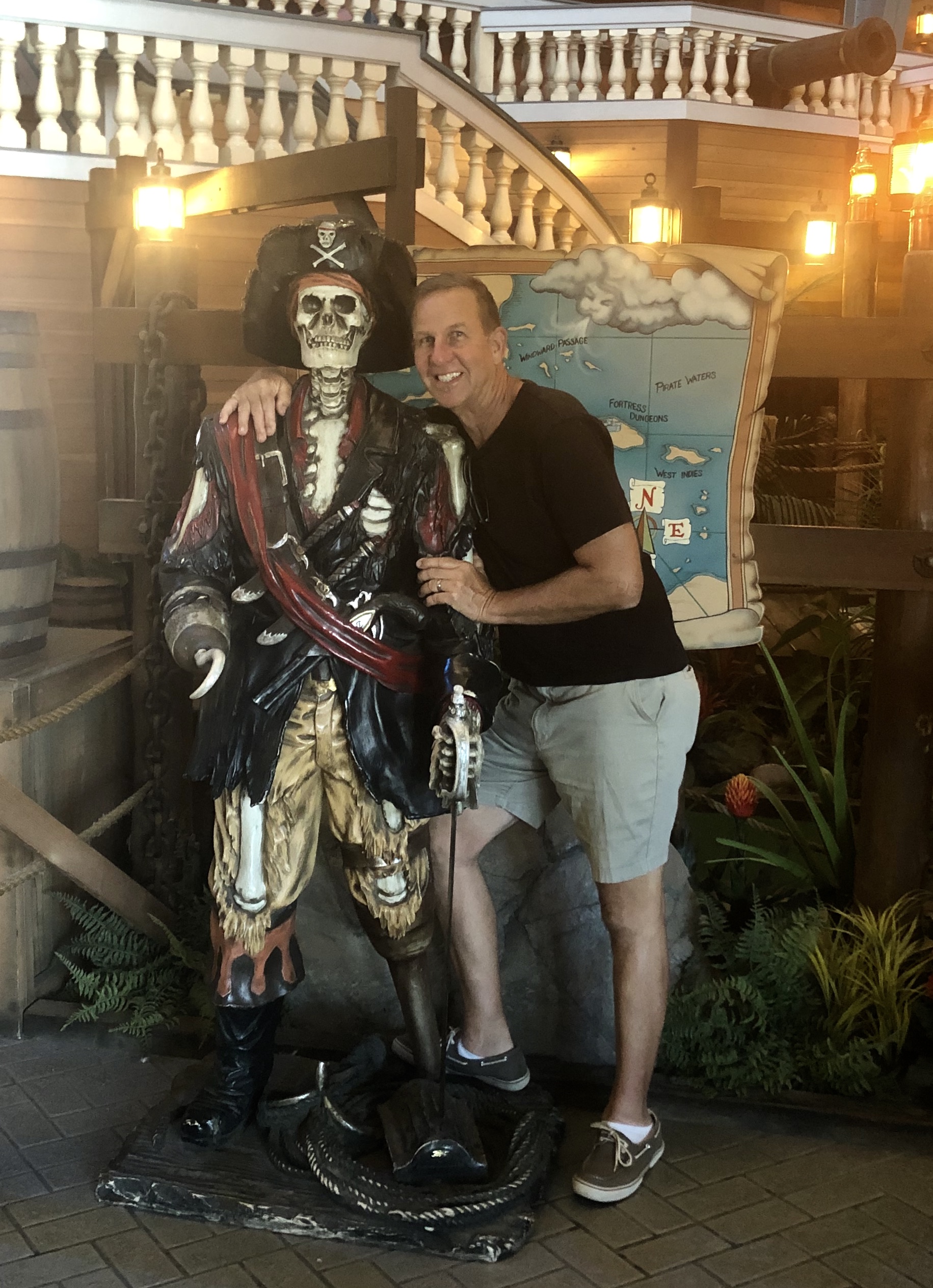
Does this skeleton make me look fat?

Anyway, on this anniversary of my dad’s birth, I want to acknowledge his hard work and dedication to his family. And for taking us to Roaring Camp and the Santa Cruz Beach Boardwalk. It was good to relive those memories today.

BREW OF THE DAY

Today’s BOTD was a Seismic Megathrust IPA. I admit that I chose it strictly on the basis of the name.

The beer was served at Redwood Pizzeria in Felton, and it was brewed by the Seismic Brewing Company in Santa Rosa. It’s a typical modern IPA (and I’m sure you’ve had a million of them, as they seem to be the most popular style these days). It had the typical hoppy profile, with lots of pine and citrus on the nose, and tropical fruit on the palate. With an ABV of 7.5 percent, you can’t throw back many of these. But it sure tasted good on this hot day (it was about 90 degrees).

Who could turn down something called “Seismic Megathrust?”

Until tomorrow,

sdb

Uncategorized

Iconography

I left Scott and Michelle’s early this morning to meet another Santa Barbara friend from the old days. Alison had been a fellow grad student while I was working on my PhD, and we even shared an office for awhile. Unlike most of us grad students, who, despite our desires and best efforts, were unable to get a full-time position at UCSB after graduating, Alison actually managed to land a gig in UCSB’s political science department. She’s living the dream. It was good to catch up, and to rediscover why I really couldn’t ever survive working there.

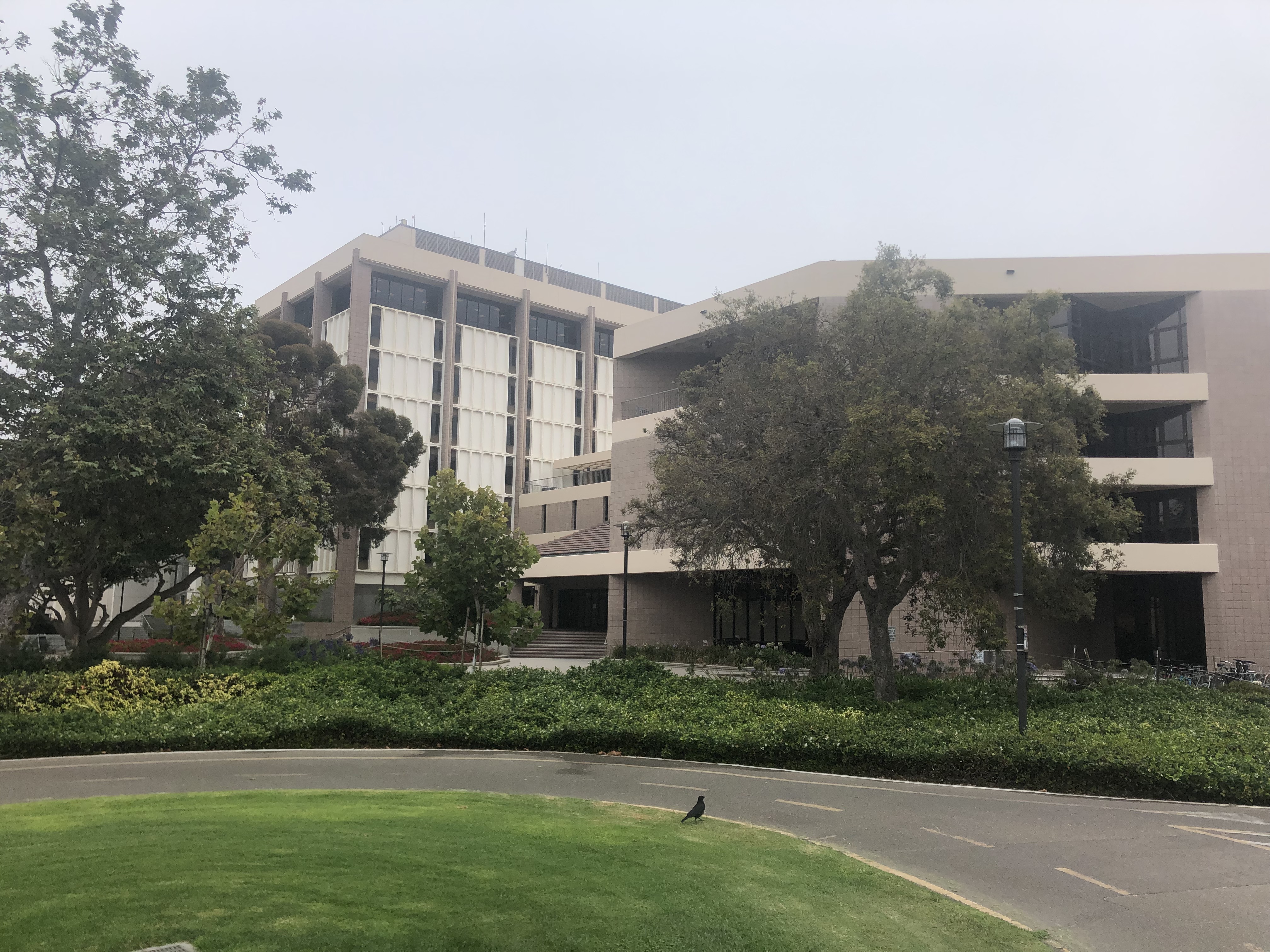
Perched on the bluffs above the Pacific Ocean, just minutes from one of the country’s most exclusive communities, UCSB has the distinction of pairing the most beautiful setting of any UC campus with some of the worst architecture. As Exhibit A, I direct you to the library:

My roommate Bruce and I both worked at the library while we were undergrads. Our job position was called “Closer,” which described just the last 20 minutes of our shift, when we’d close up the library (shooing out the stragglers, locking up the doors, turning out the lights). The rest of the shift we were supposed to type into a computer various pieces information about library books (title, author, ISBN, etc), that was hand-written onto goldenrod cards by other employees as the books were checked out. This was 1981, and UCSB was in the midst of shifting its library catalog to a UPC format. It was tedious work, but we kidded ourselves that we were actually the most important workers in the library, because we had the authority to swagger through the stacks and kick people out. What’s the quote by that Pinkerton character Booker DeWitt? Something like “Give a man a little power, and he falls in all kinds of love with himself”? It embarrasses me to think about it.

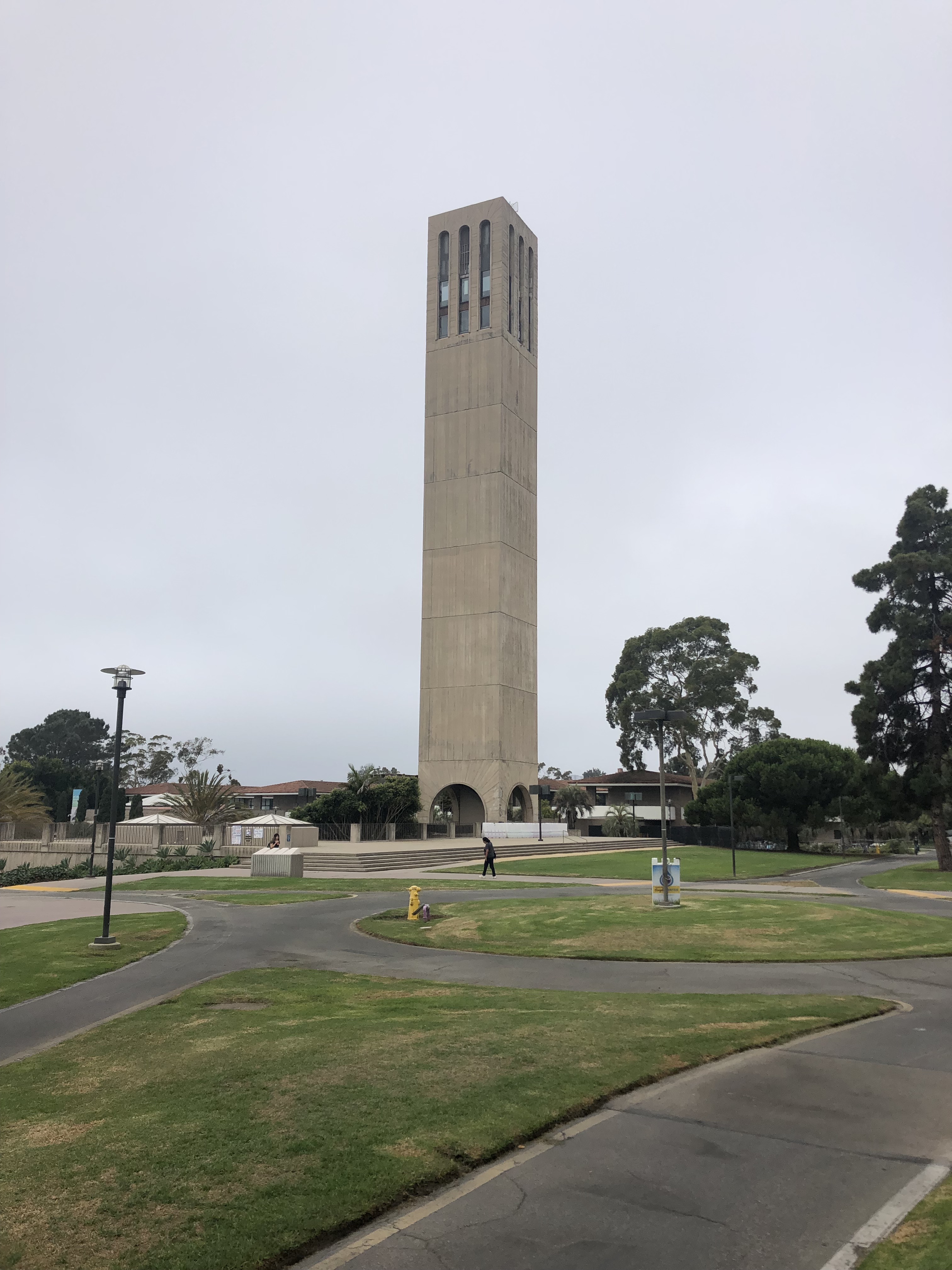
Speaking of embarrassing, and continuing with our tour of horrid UCSB architecture, here’s the bell tower that is considered “iconic” UCSB:

I’m resisting the urge to make the predictable, sophomoric jokes…

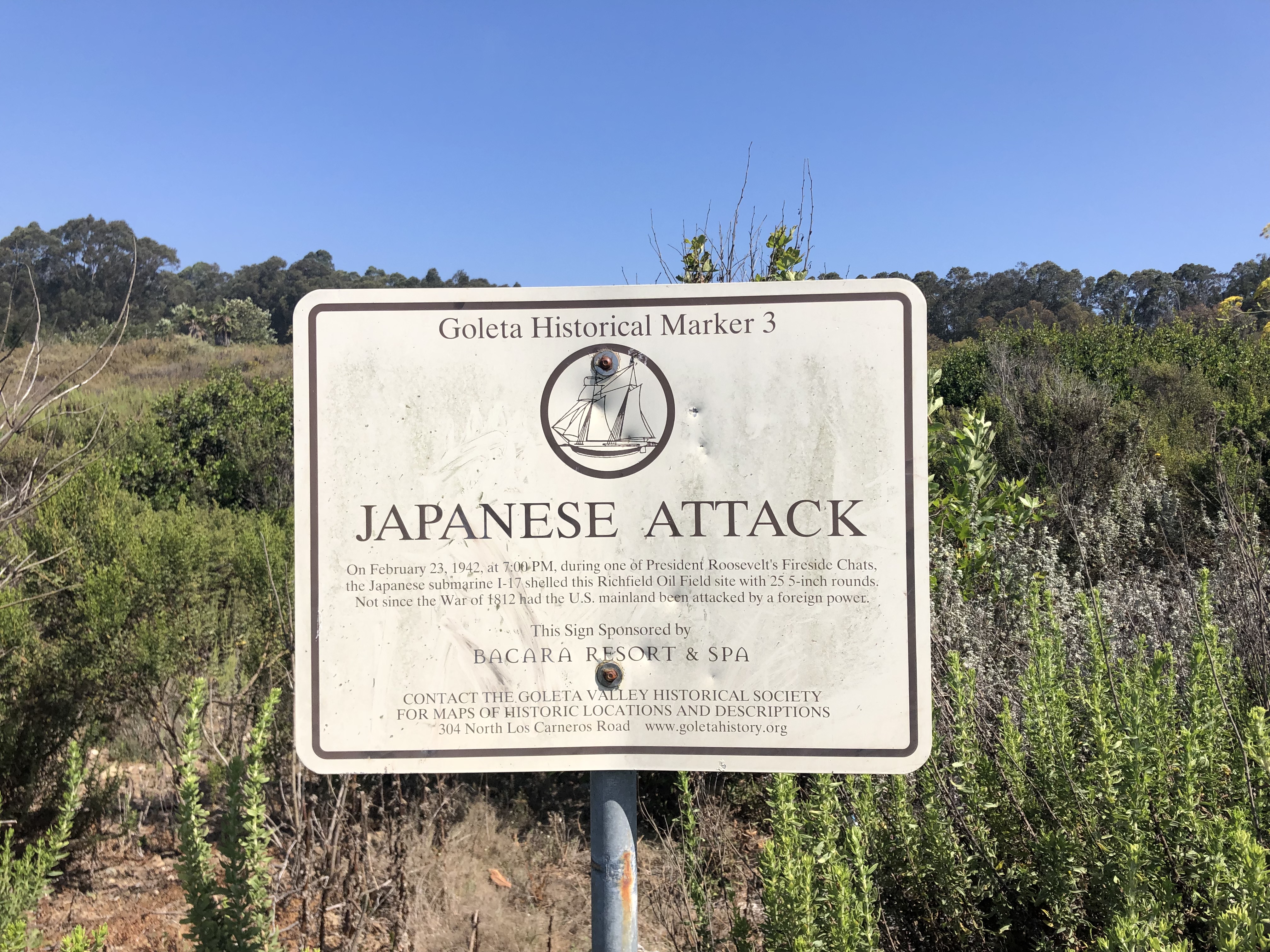
Eventually Alison had to move on to a meeting, and so it came time to leave UCSB and head north up the coast. Santa Barbara is actually a big “oil town,” in that the shoreline is essentially a thin crust of sandy soil atop pools of oil and tar. It was not uncommon, during my undergraduate days, to have tar stuck on the soles of my feet from walking barefoot on the beach. Offshore breezes send the cloying smell of petroleum into the town. Oil drilling platforms dot the horizon just beyond the state territorial limit. Refineries occupy prime real estate near the shore. One such refinery was actually the target of offshore shelling by Japanese submarine in 1942. As I read the commemorative sign (below), I was reminded that, on a trip to Oregon a few years back, Ian and I stumbled upon coastal site where the Japanese had floated incendiary bombs by air in an effort to start forest fires. Don’t ever let anyone tell you that the US mainland wasn’t attacked during the war.

At Elwood Beach, north of Santa Barbara, near a golf course.

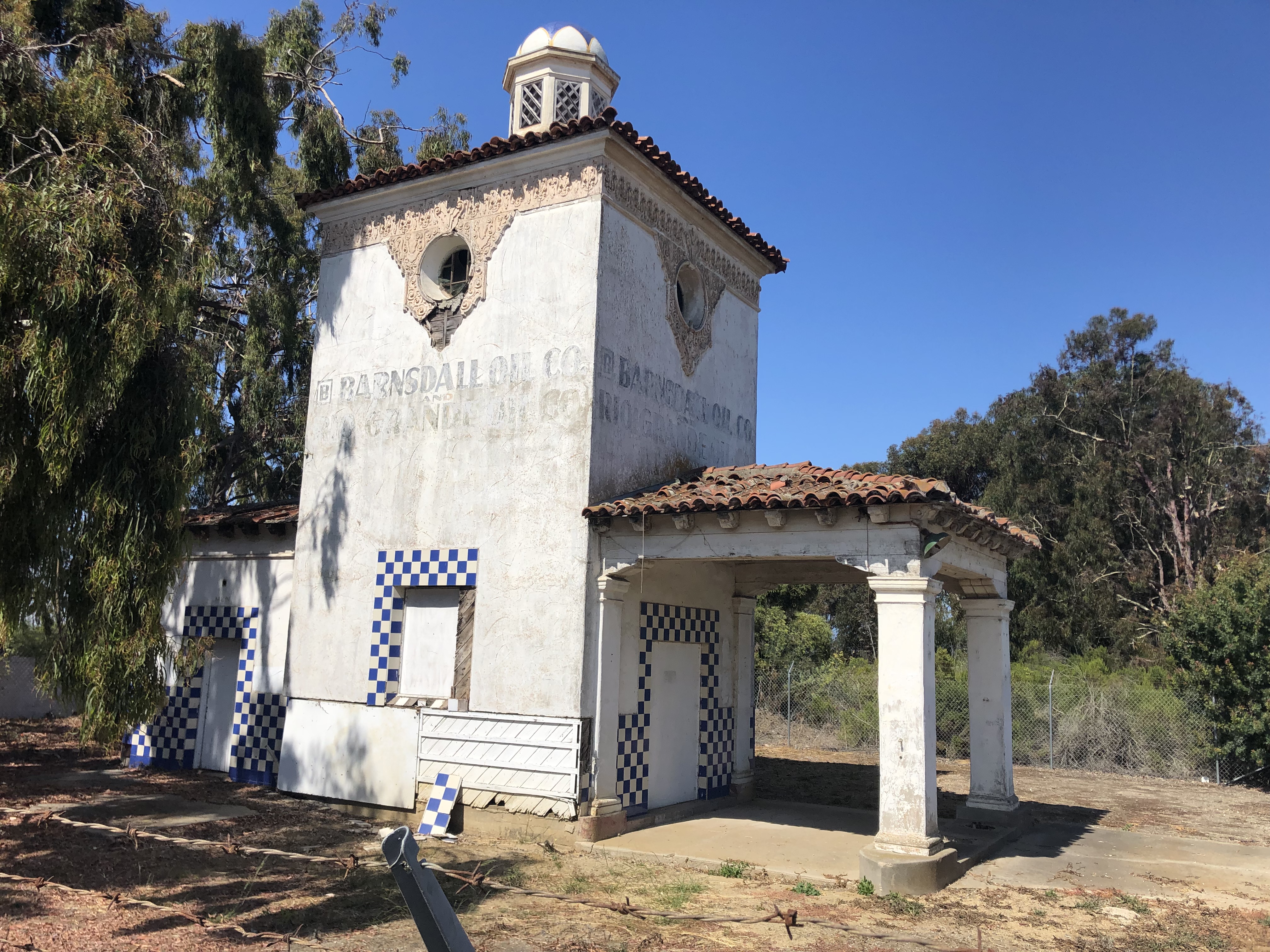
Not far from the Japanese attack site is another oil-related artifact: The Barnsdall gas station, built in 1929. It’s a beautiful Spanish Colonial building, and it’s remarkably well preserved, given that it’s been vacant since the 1950s. (It saw some brief activity in 1980, as a filming location for the remake of The Postman Always Rings Twice, with Jack Nicholson.) I’m told the building is currently owned by Ty Warner….the former kid who founded Beanie Babies. No lie. It’s unclear what Ty intends to do with the building.

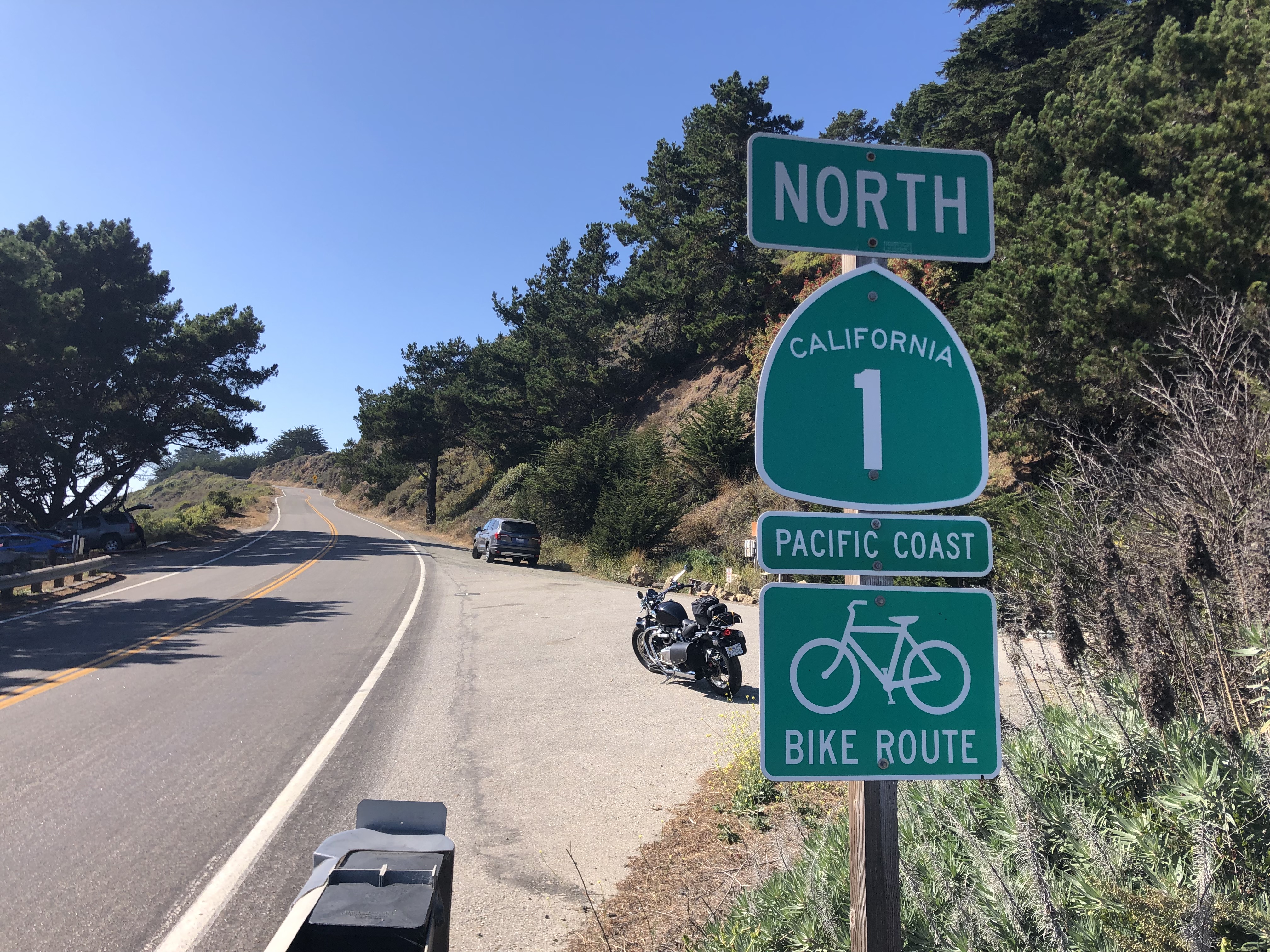
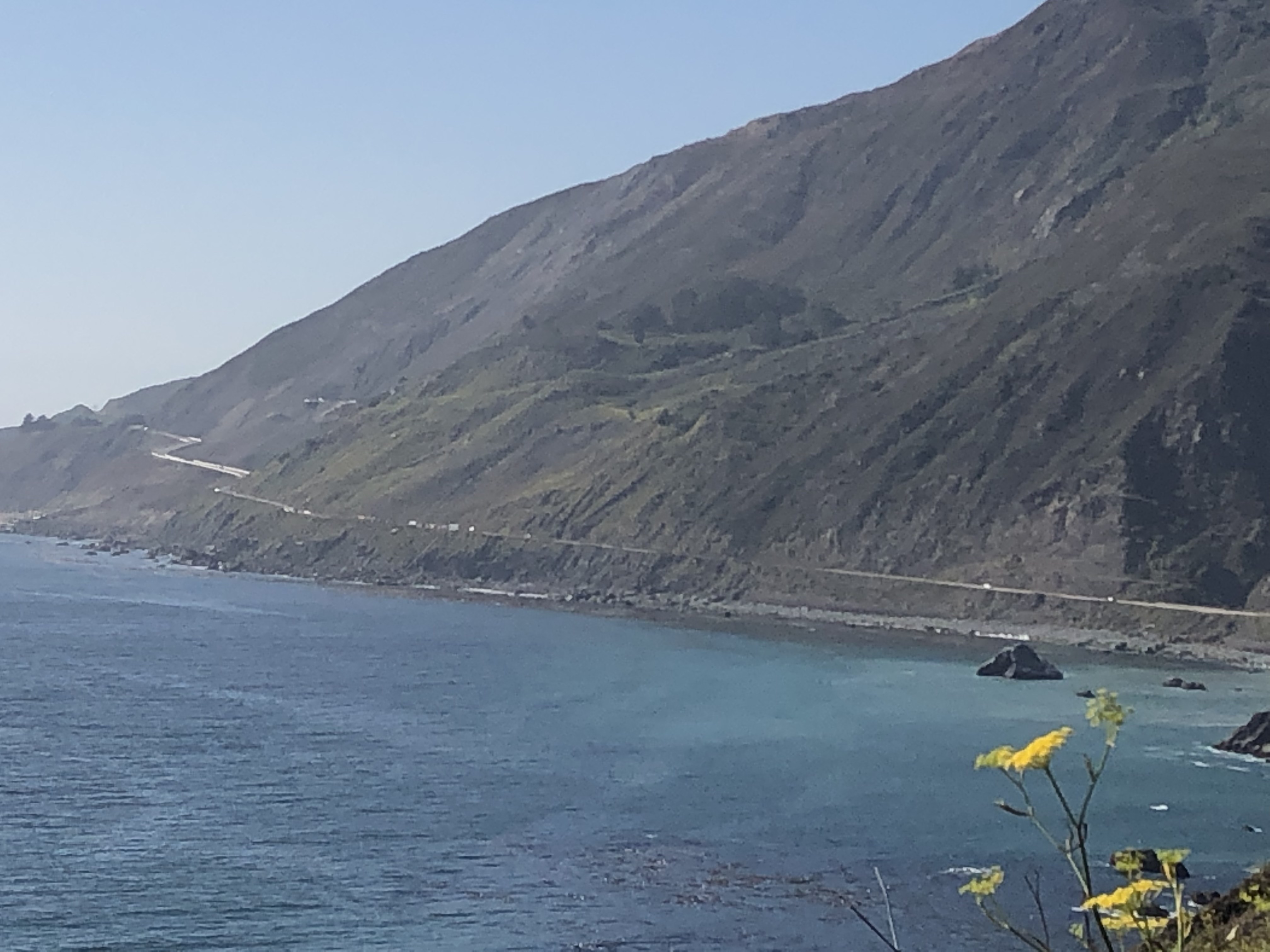
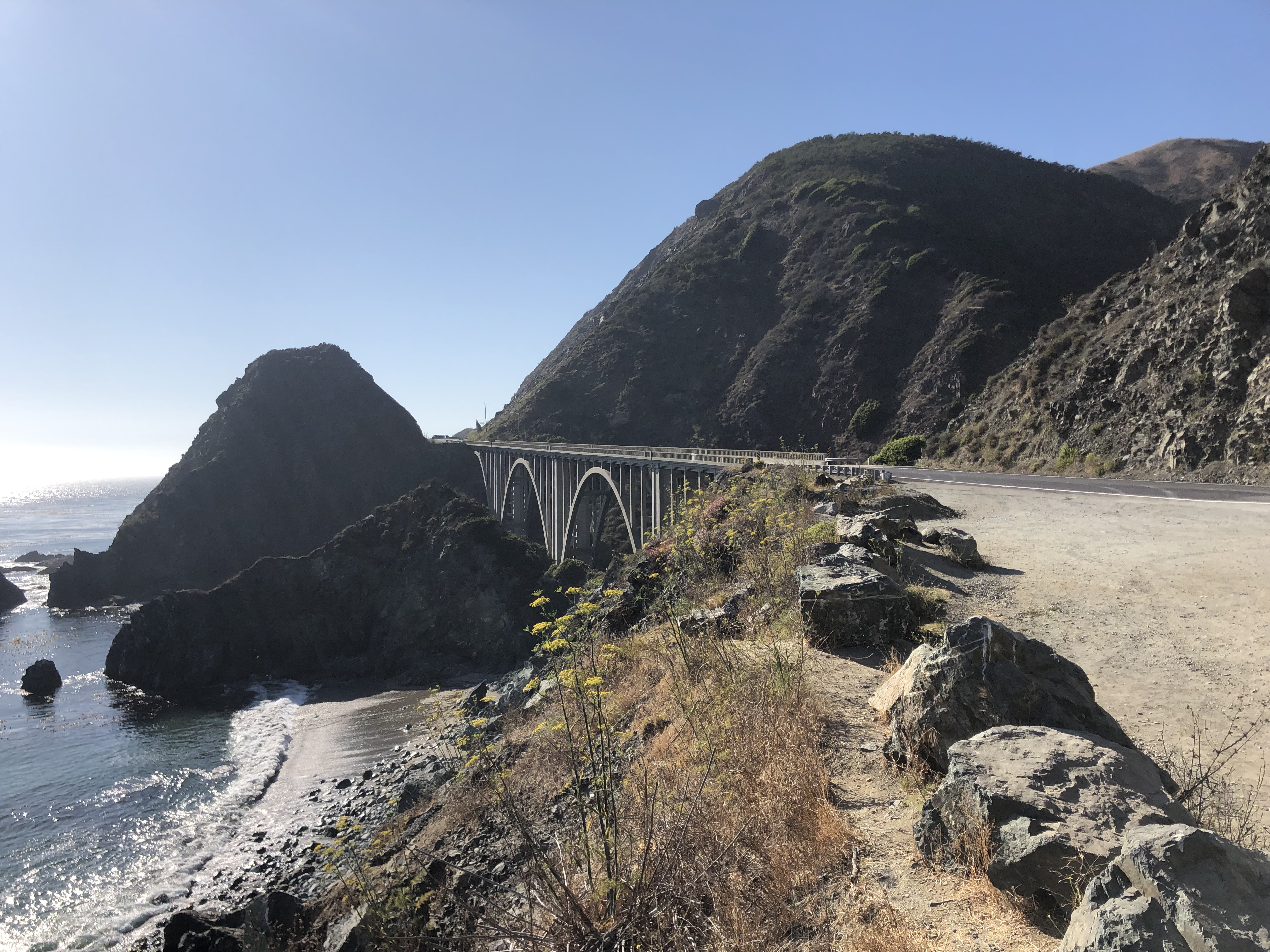
After paying my respects to the old Barnsdall building, I continued north on US 101. (Here in southern California they’d call it “the” 101.) I suppose that this whole stretch I was driving today would be considered California’s Central Coast. The road names and numbers are a jumble of US 101, CA State Route 1, the Pacific Coast Highway, Historic El Camino Real, and the Cabrillo Highway. But no matter what you call it, this stretch of road is iconic California: rocky cliffs, blue waters, sweeping curves, foggy mists. Here are a few pictures:

I’m a sucker for the bridges…
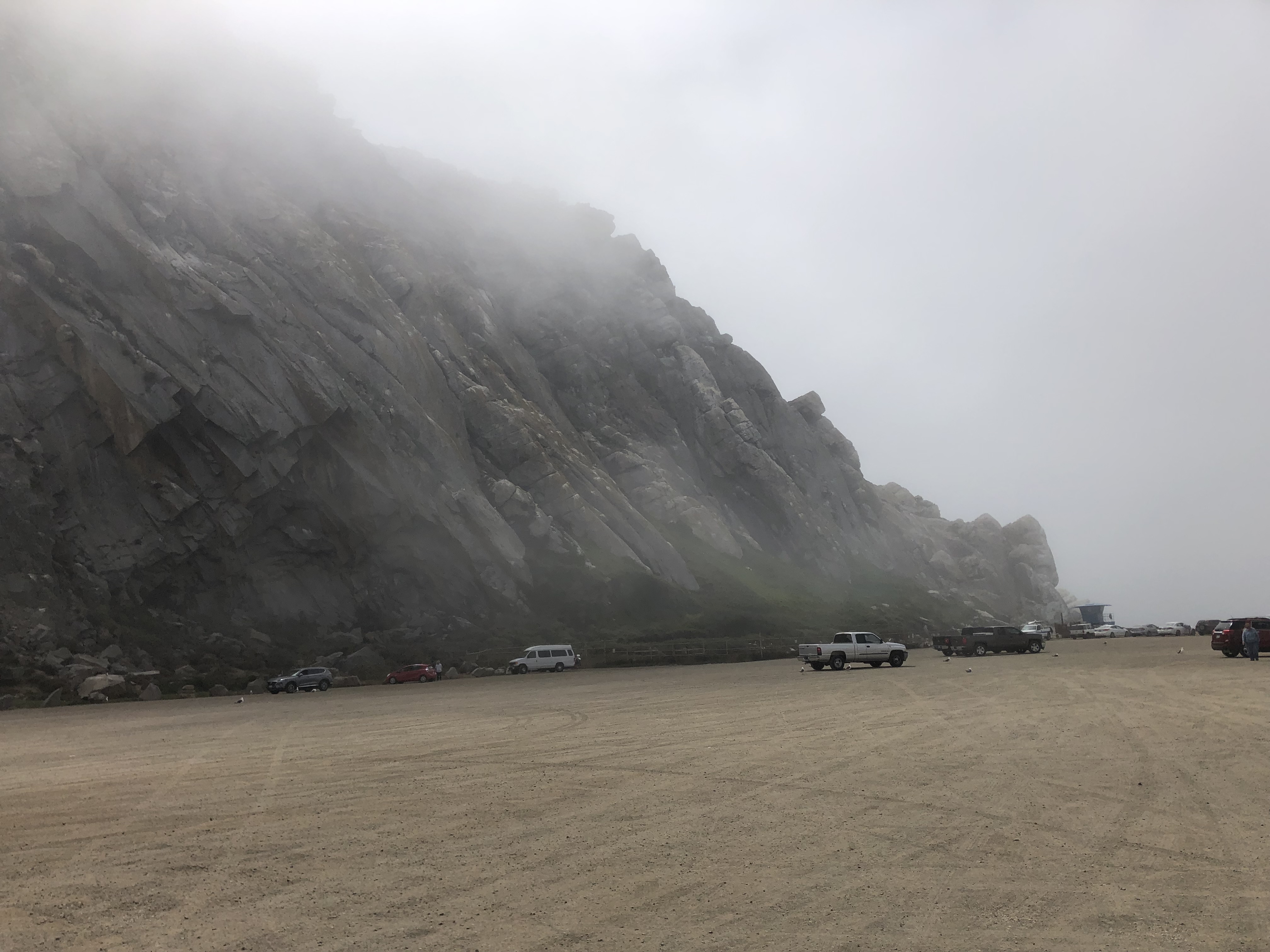
Speaking of iconic, here’s Morro Rock — the “mascot” of Morro Bay.

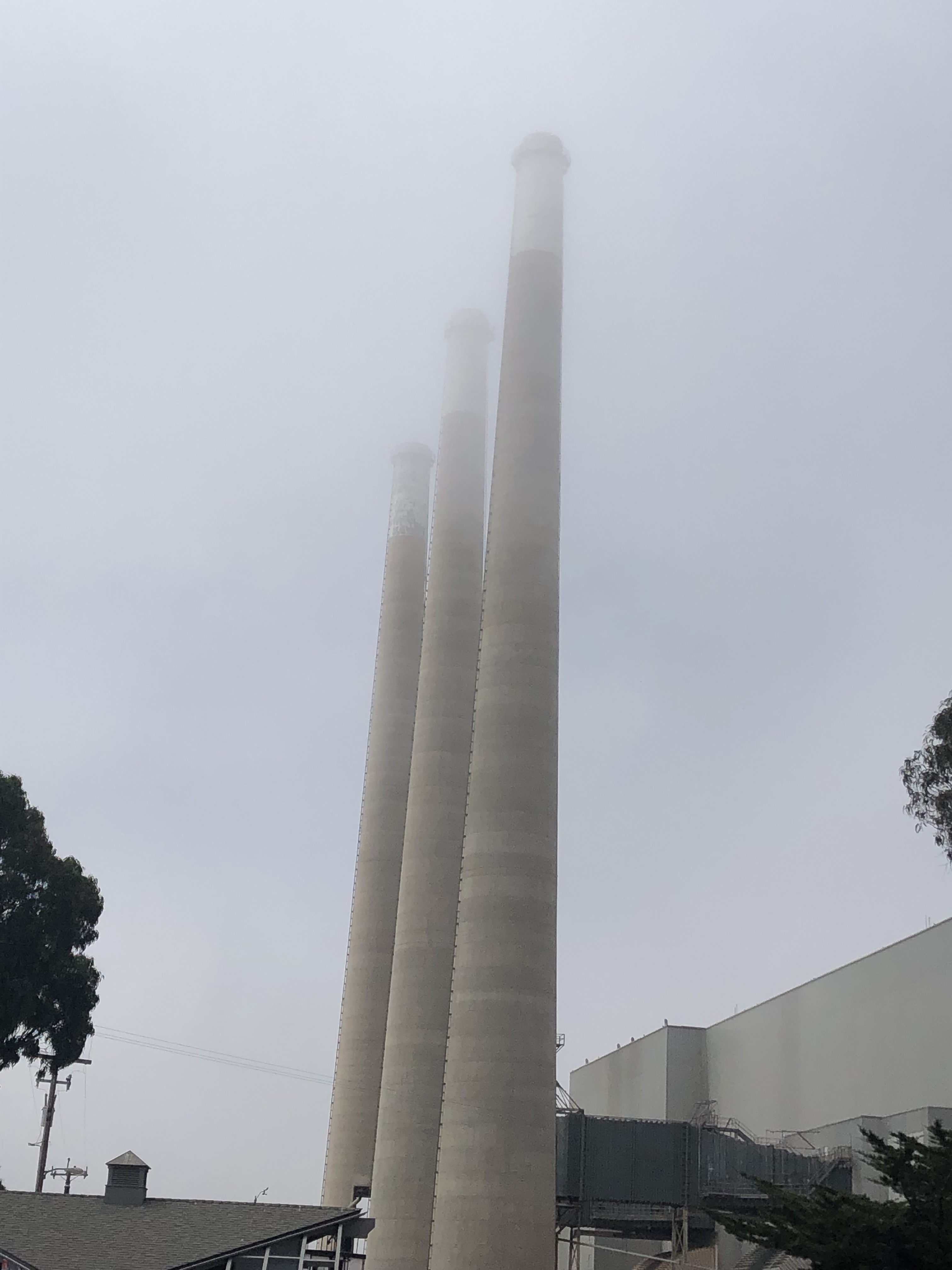
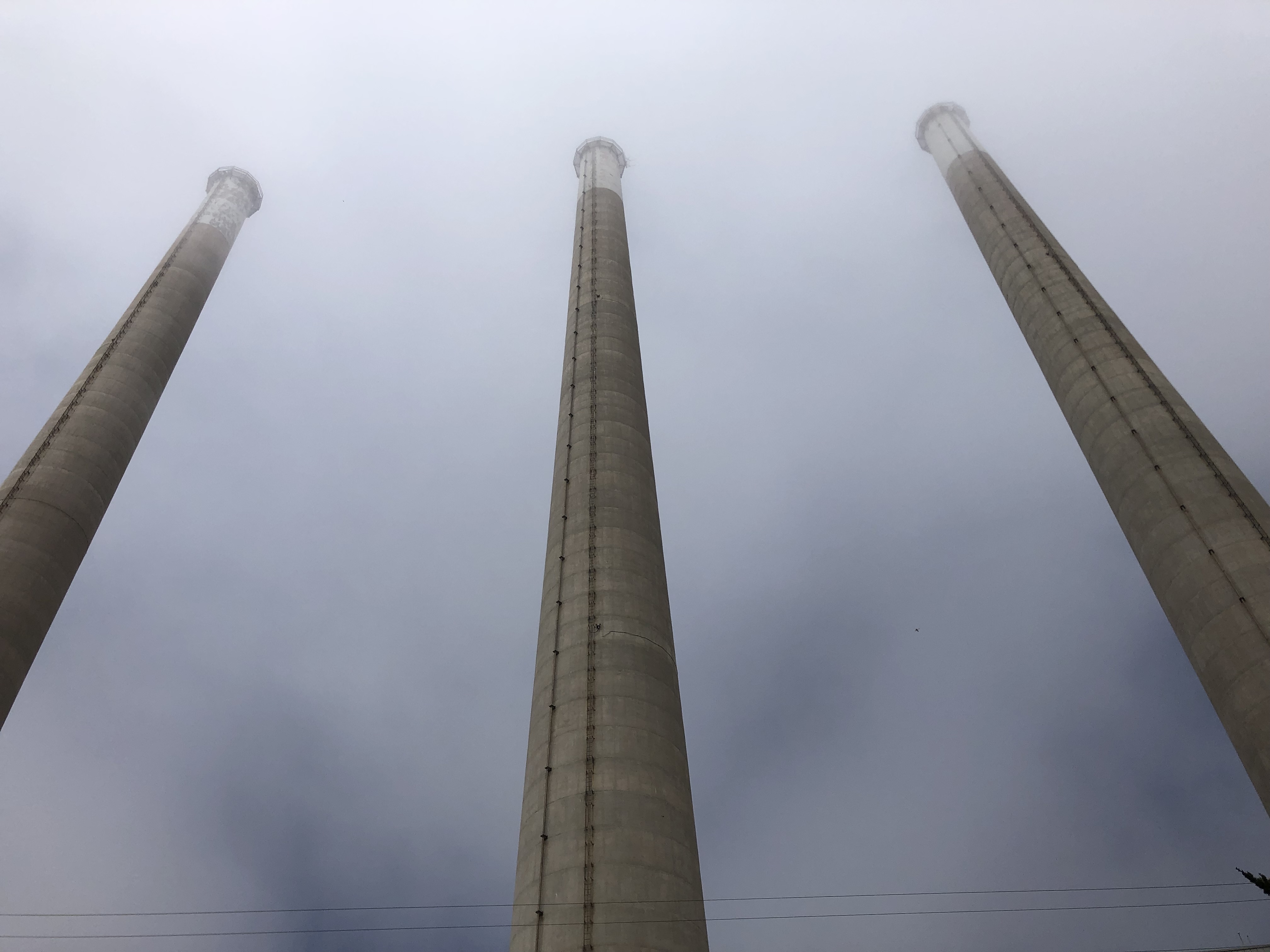
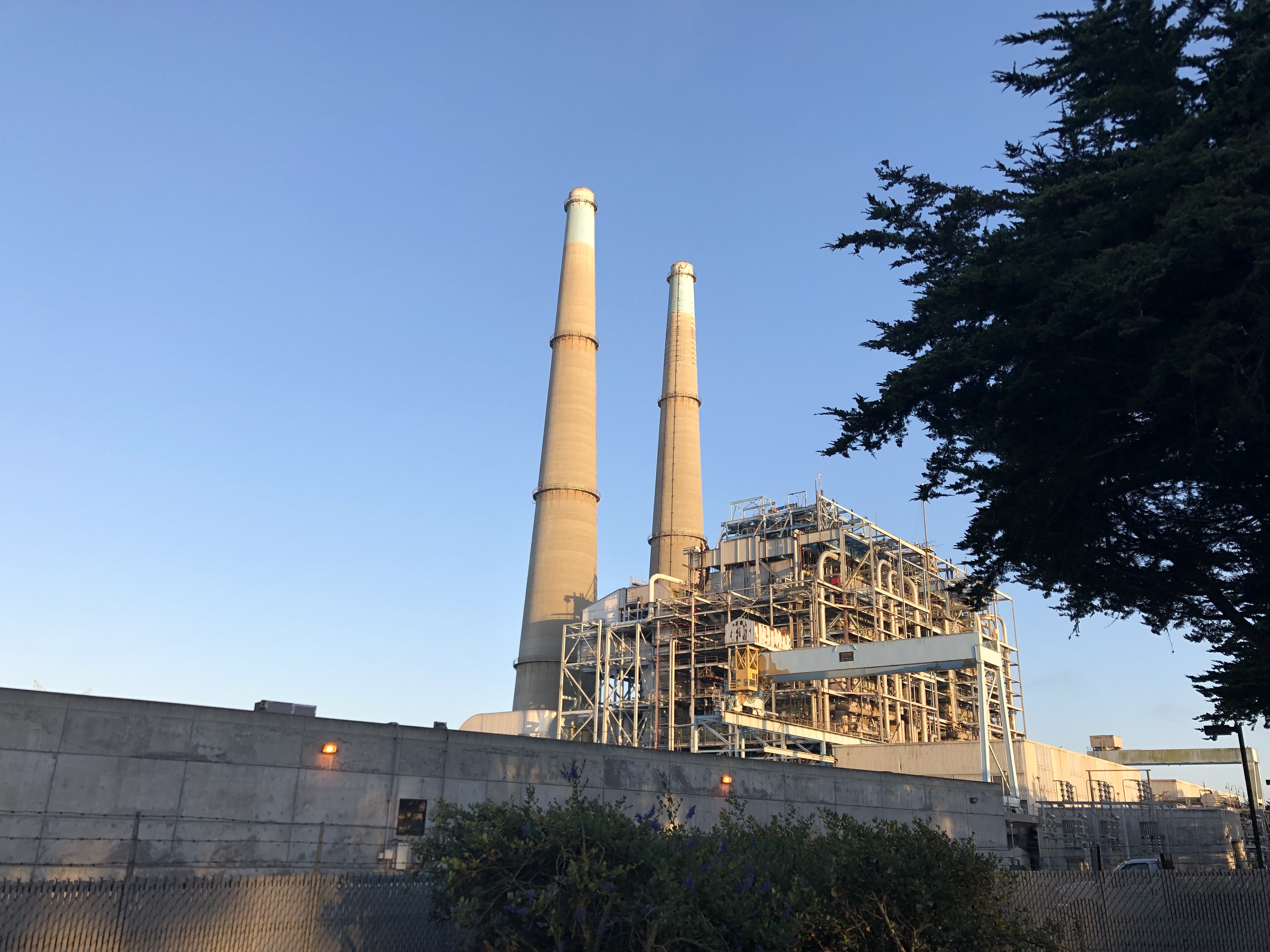
The other iconic feature of the central coast is a string of several natural gas power stations at the shoreline of various cities, each with enormous stacks reaching into the fog. There’s actually one near our home in Palos Verdes (in the town of Redondo Beach). Today I passed similar plants in Morro Bay and Moss Landing. I think that these are located near the shore because they use ocean water to produce steam and/or for cooling. But someone should correct me on that if you have other information. I think most, if not all, of these natural gas plants are either now offline or significantly throttled back, due to new environmental regulations. Still, those huge stacks have always struck me as a notable feature of California’s coast. A few pictures:

Morro Bay
Another view of the Morro Bay plant. For some reason, it reminds me of that famous Escher drawing (below):
Another power plant — this one’s at Moss Landing.

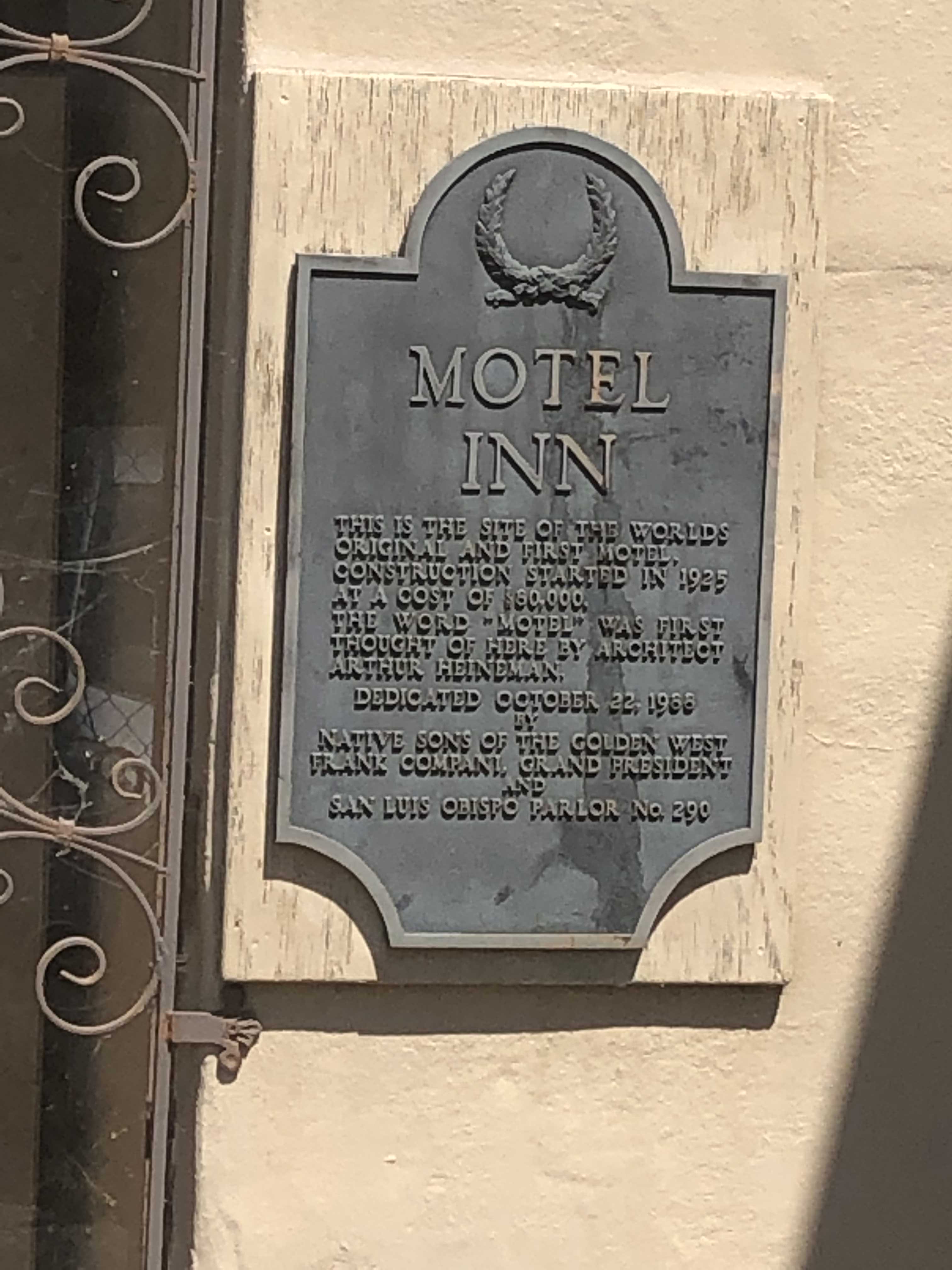
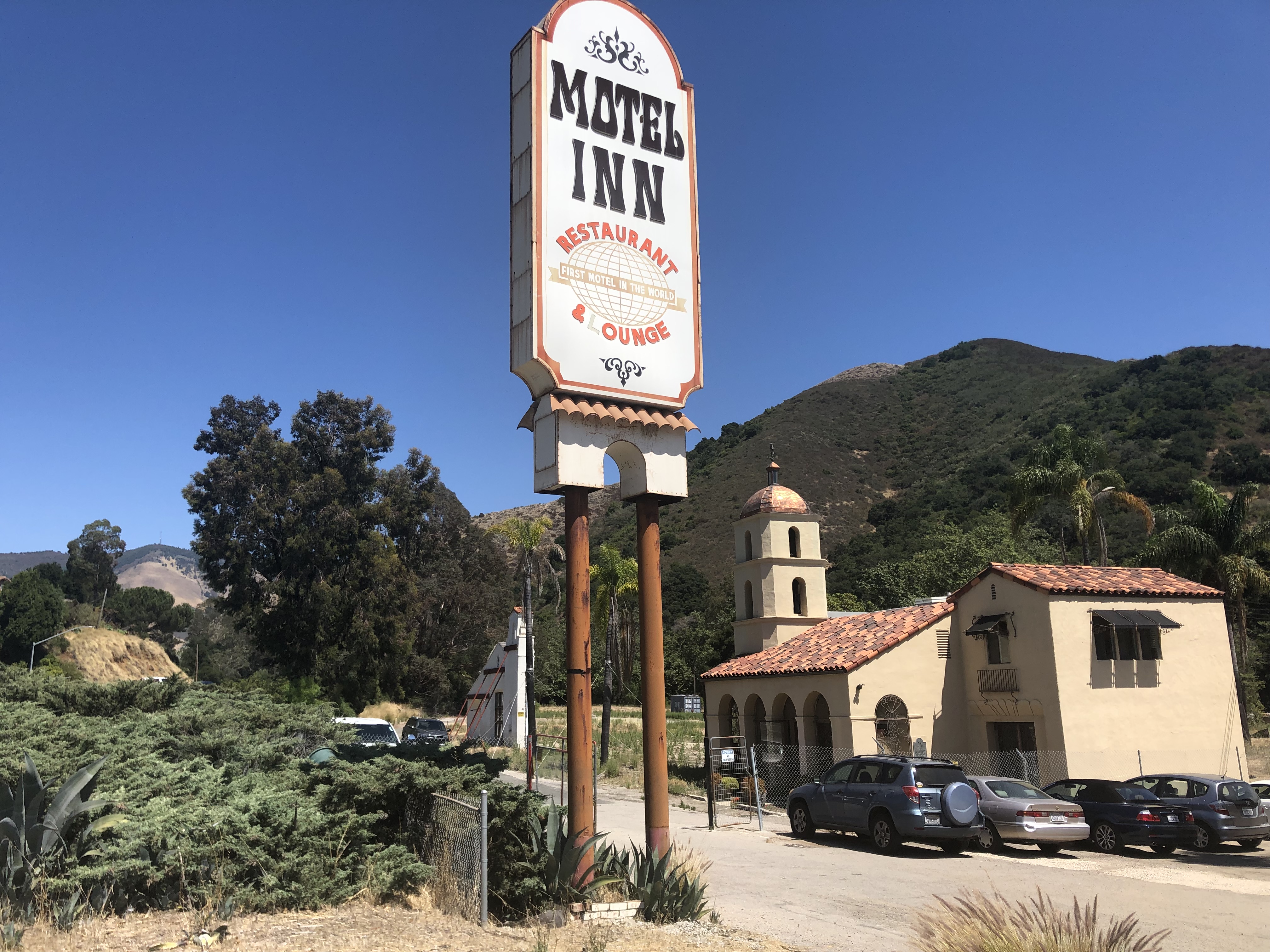
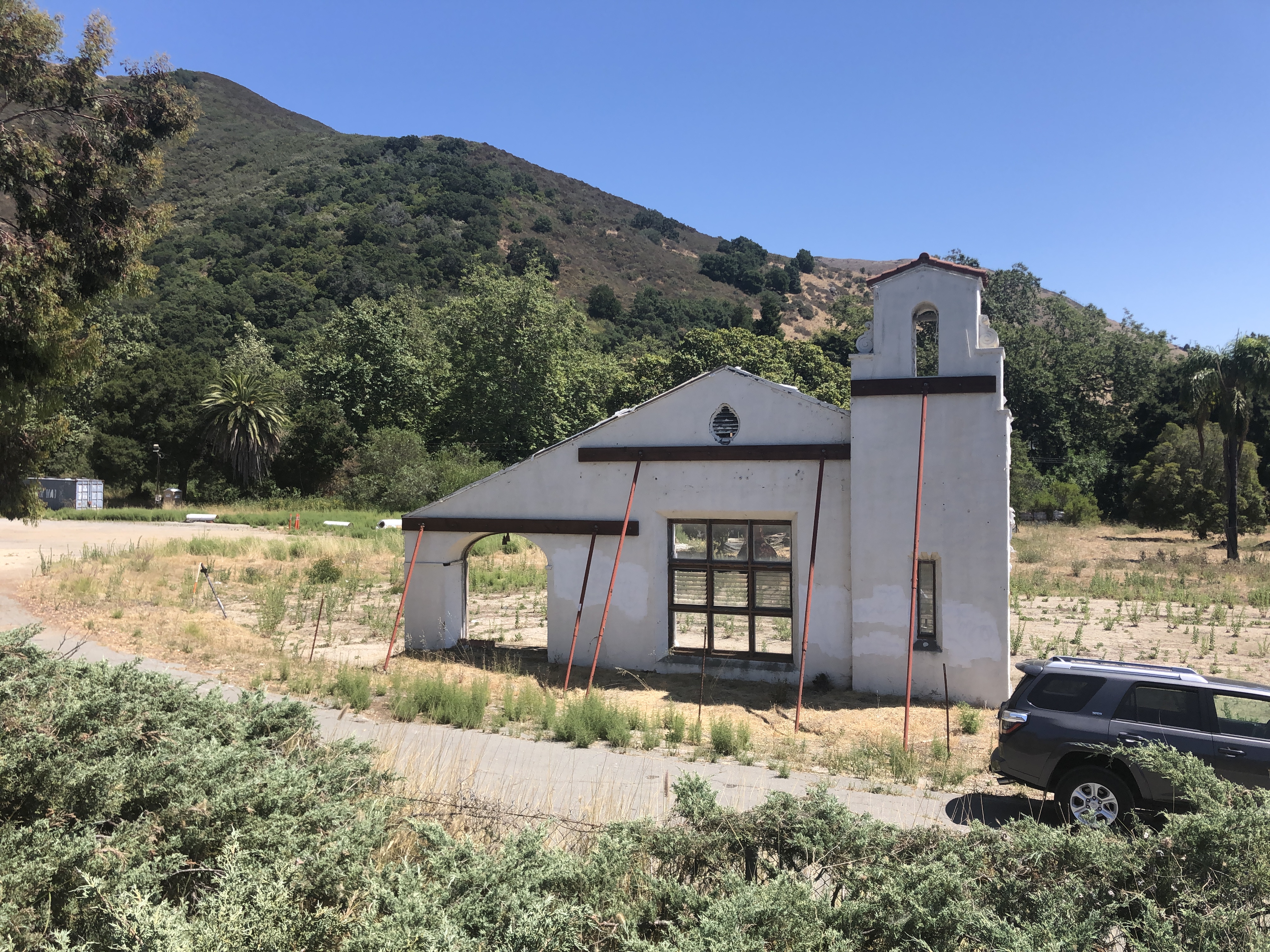
Two more historic encounters from today: When I was a lad, I had a book that listed supposedly interesting facts from history. One item that has always stuck in my head is that the word “Motel” is a portmanteau , created when a sign painter ran out of room on the side of a “motor hotel” and thus created this new, shorter term. Well, today I visited the that motel. Sort of. The place in question is the self-described “world’s first motel,” which sits along highway 101 in San Luis Obispo. A guy exiting the building told me that it’s not a functional motel any longer, used instead for corporate offices. He also couldn’t explain the lone wall that’s propped up by metal braces.

Can someone please explain this wall? It’s like an old movie set…

Observant readers of this blog will be struck by two things:

  1. If it’s the world’s first “Motel,” why is it named “Motel Inn?” Isn’t that redundant?
  2. The whole “Motor Hotel” story seems a little shaky. The plaque claims the name “motel” was the brainchild of the architect, not the clever expediency of the sign painter.

OK, if you thought that was a letdown, check this out:

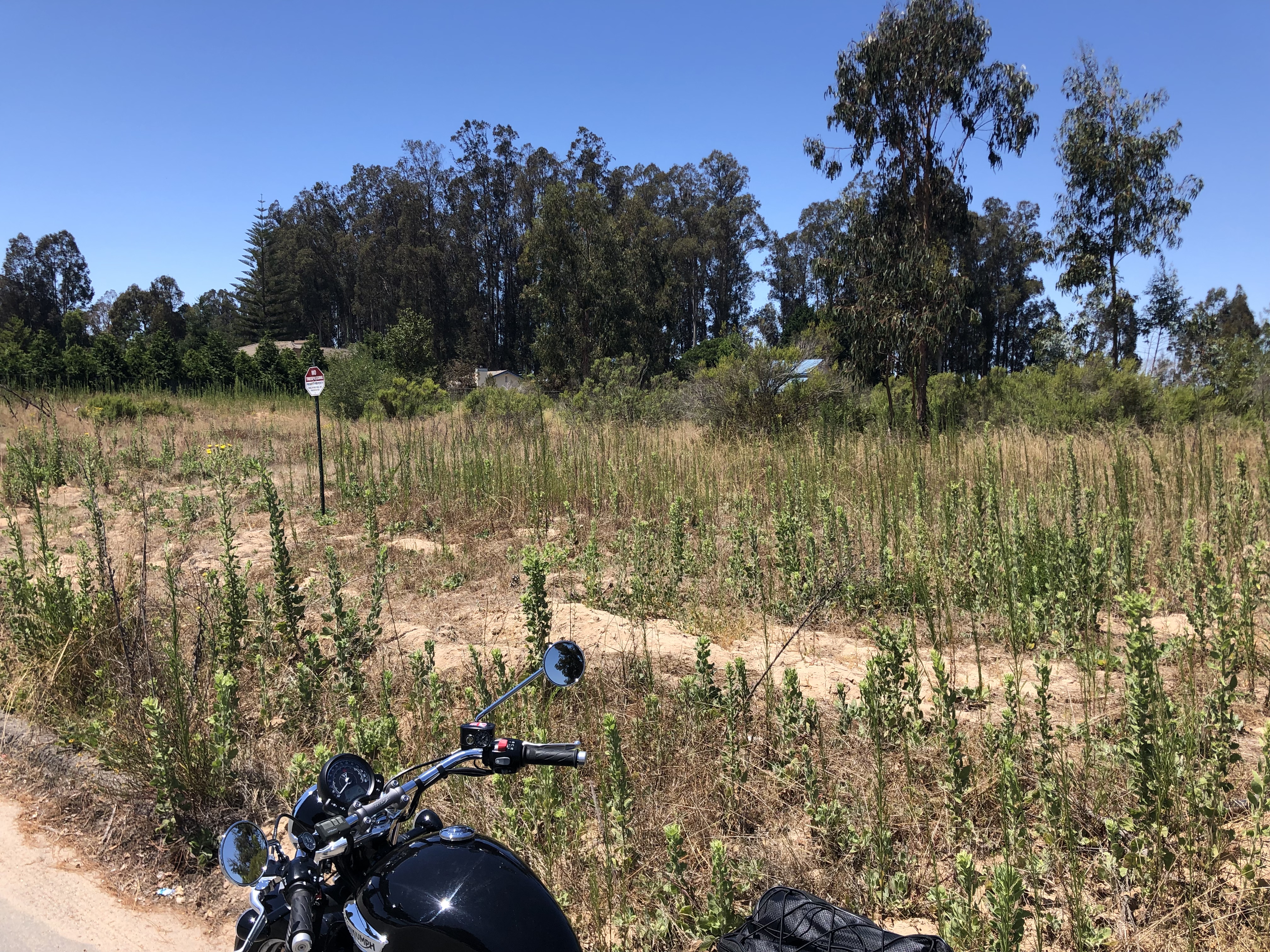
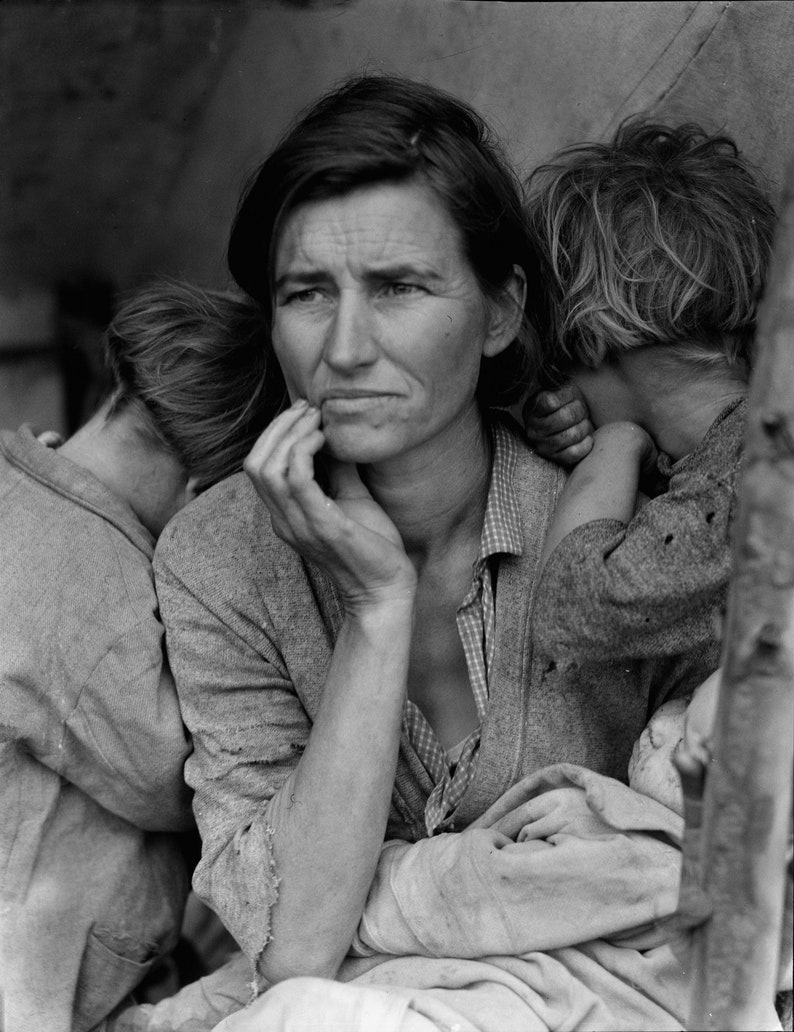
This is supposedly the place where Dorothea Lange took the iconic photograph of the “Migrant Mother.” In 2013, a professor at Cal Poly claimed to have tracked her down to this site in Nipomo, which used to be a migrant labor camp. Below is the original photo.

image 0

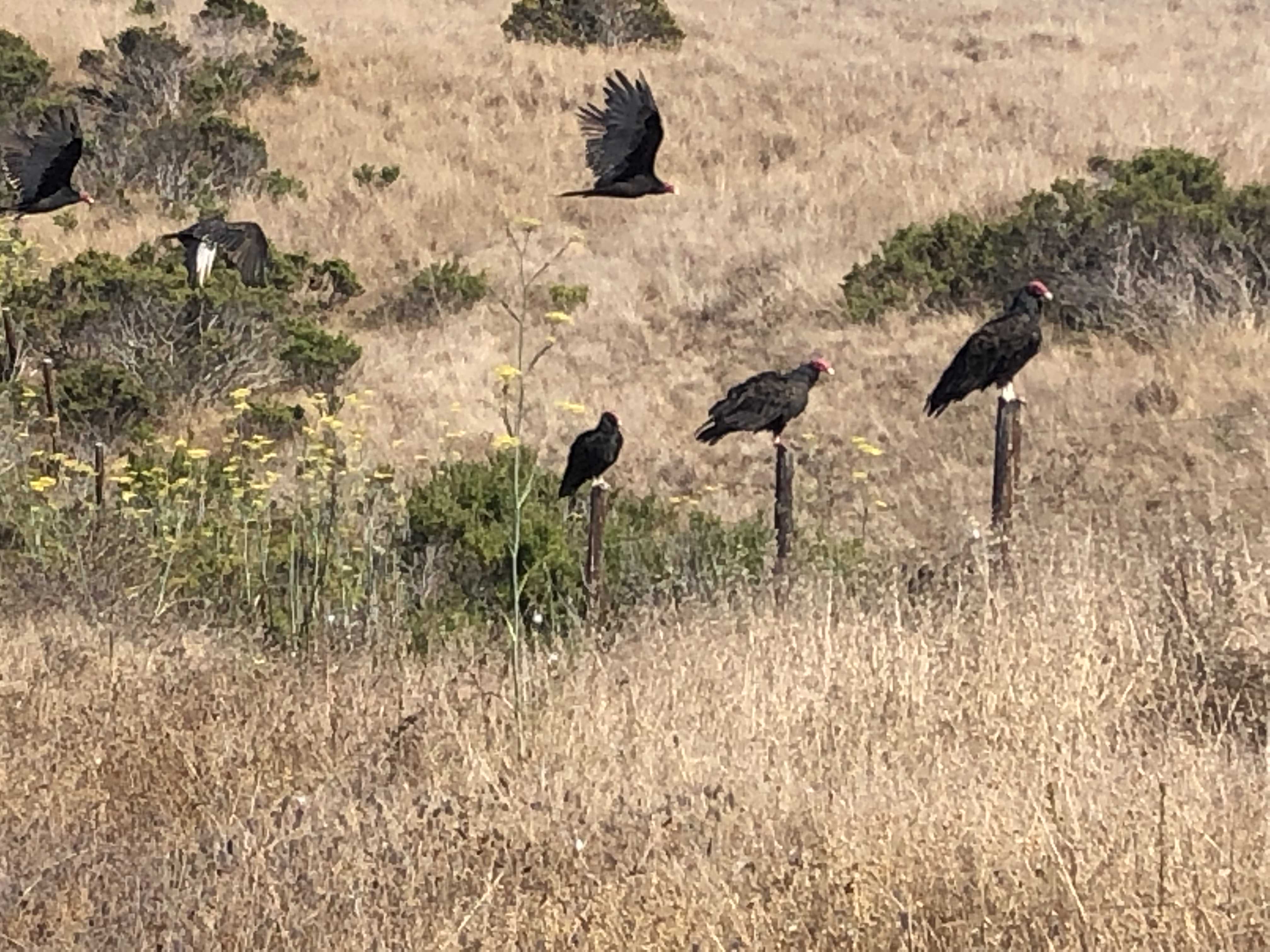
OK, enough iconography. I’ll close with a three animal-related photos. First, vultures perched at Ragged Point:

Note the fourth one, in the air.

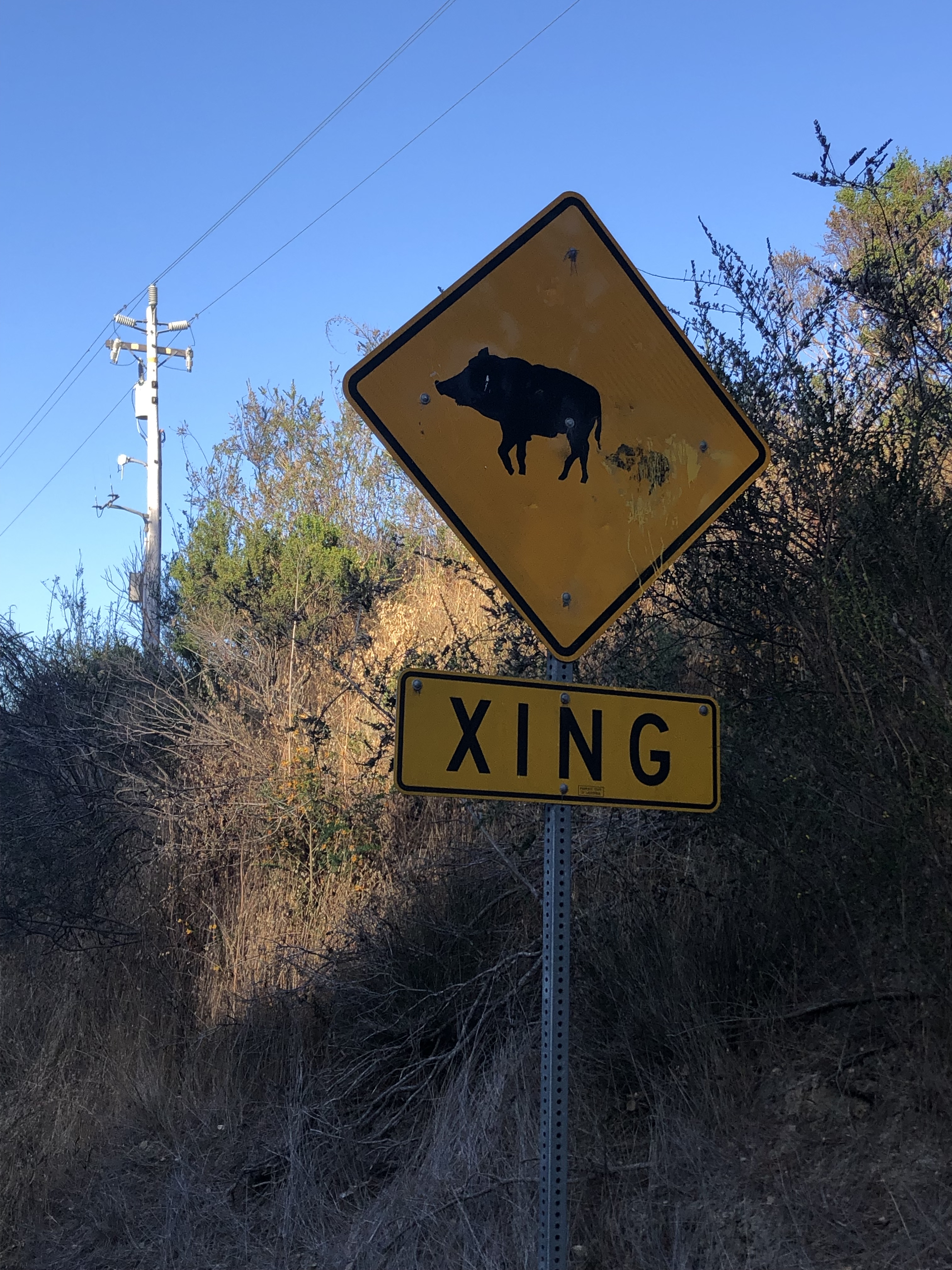
Second, here’s a traffic sign you don’t see every day:

Hog crossing?

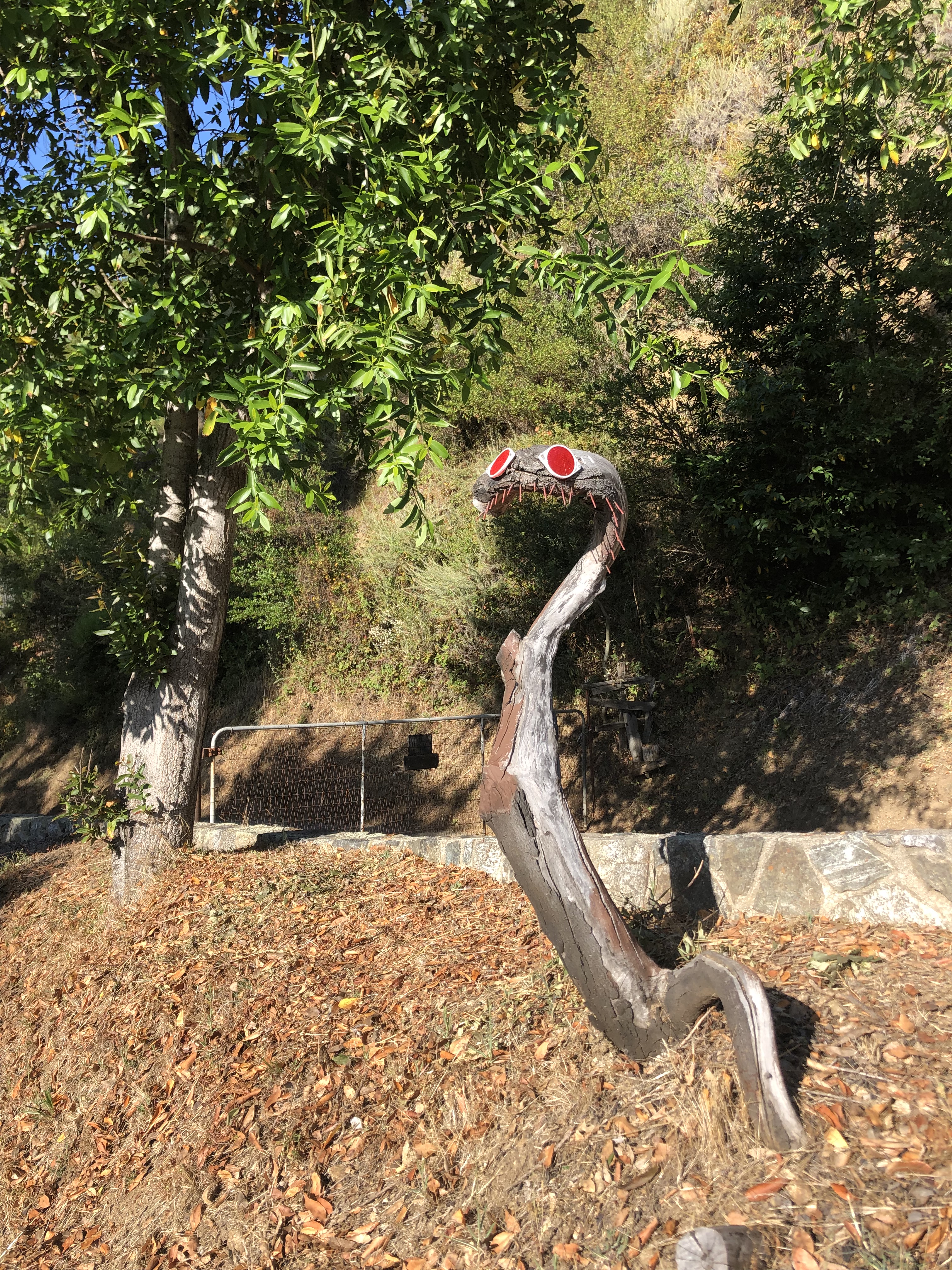
Finally, this will give you nightmares:

That’s it for today’s travels. Tomorrow it’s off to Santa Cruz, where I’m meeting my brother to celebrate my (late) Dad’s birthday.

BREW OF THE DAY

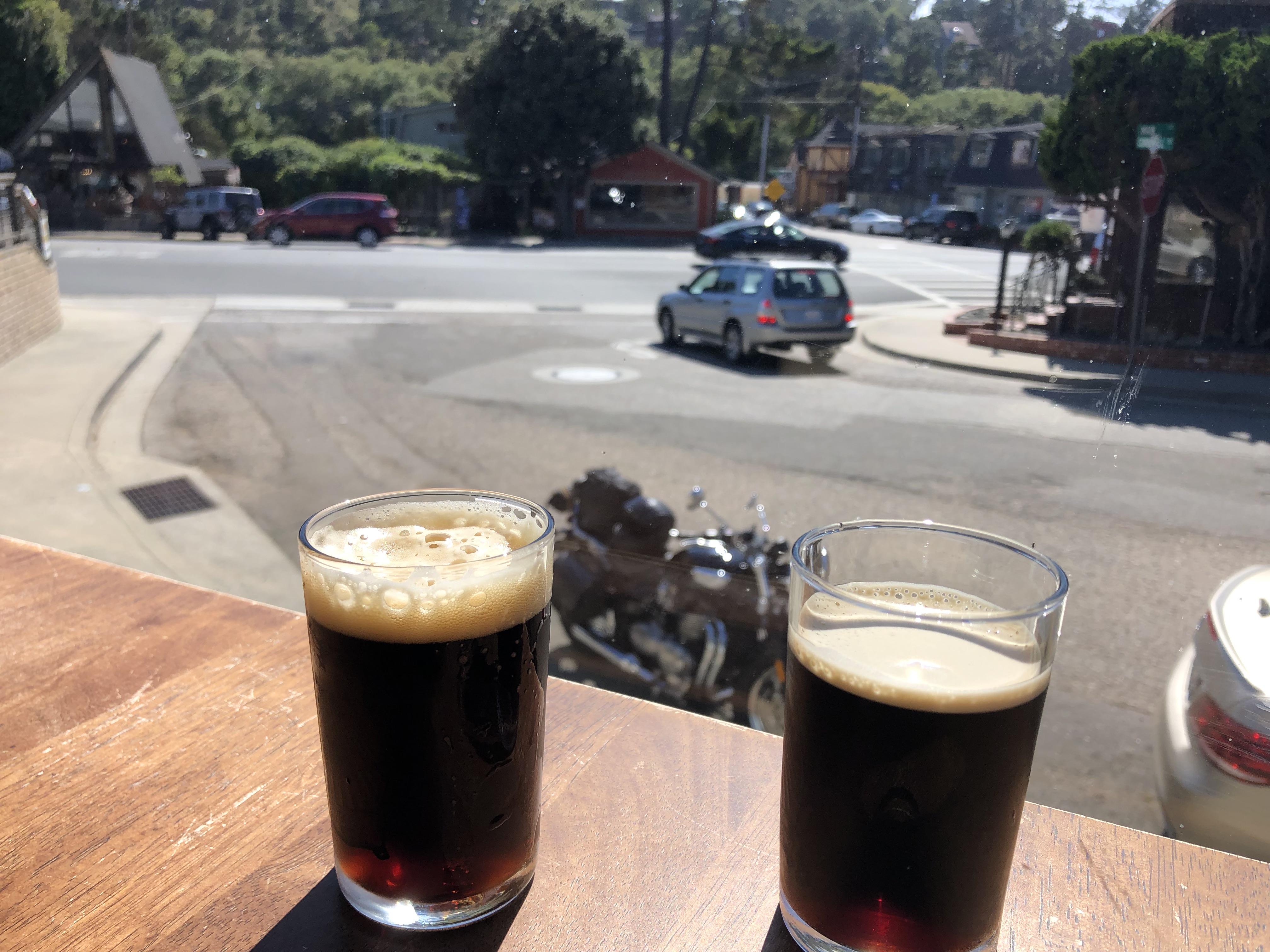
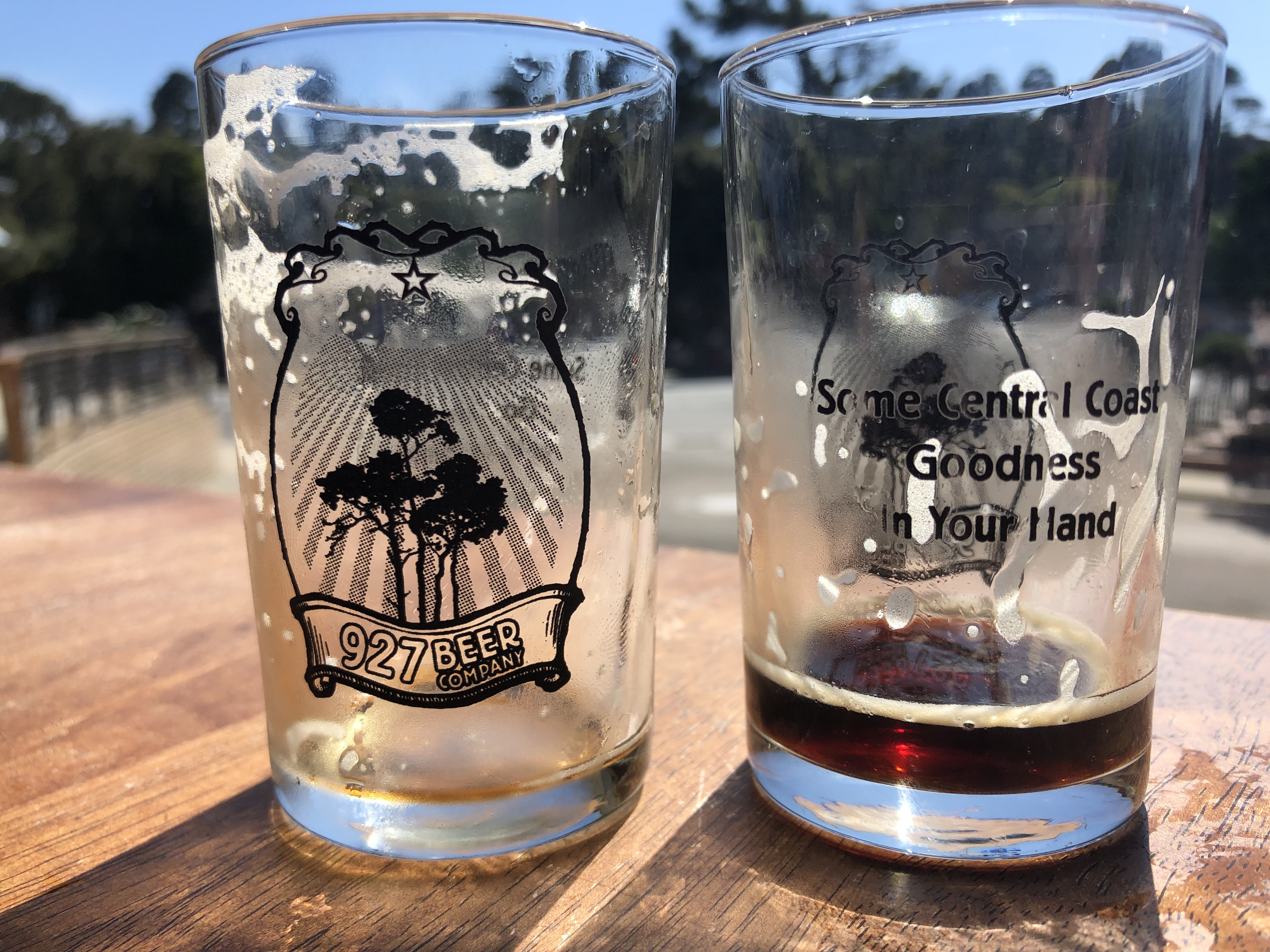
I tasted two dark beers — a porter and a stout — at 927 Beer Company, in Cambria. It’s only a three-barrel operation, so they call themselves a “nano-brewery.” The place is pretty small, and the bar feels like a tasting counter at a small winery in Amador. (I took my beers to a table at the window, looking out on the main street.) The name 927 refers to the prefix (not the area code) that all Cambria phone numbers shared many years back. In those days, Cambrians would give out their phone numbers as four-digit numbers, since the first three digits were always going to be 927.

I drank the two beers side by side, which turned out to be an unintentionally brilliant move. As I moved back and forth between these two similar beers, I was able to ferret out their differences. It also combated palate fatigue, so I was able to repeatedly take “fresh” sips of each beer alternately. It reminds me of the brilliant two-flavor packs of Fun Dip:

Image result for fun dip two flavors

Anyway, back to my beer: The Old Number 23 Robust Porter had a good, carbonated kick that held the malt at bay. Moderate hopping also gave it balance. The finish had hints of cola (without the sugar). The ABV was 6.1%. The Mudhoney Oatmeal Stout was on nitro, which gave it a very creamy mouthfeel. With almost no carbonation, it went down like a glass of milk. The flavor wasn’t wimpy though–with a strong taste of coffee (the beans, not as brewed coffee). It almost had a burnt finish, which isn’t as bad as you might think.