California history · Hydrology

Spooky Castle in the Sierra Foothills

As a child I was never sent to prison–though not for lack of trying. But if the law had caught up with me, I surely would have been sent to juvenile hall (a place invariably referred to as “juvie” when I was growing up). For I grew up in a more enlightened time than that of the unfortunate wastrels of the 19th century. In those days, northern California felons as young as 14 years old would be sent to San Quentin or Folsom prison.

And then, in 1889, the California Legislature passed legislation to create a state reform school for boys. It was a progressive idea for the time: Instead of serving out their terms in prison alongside more seasoned felons, underage boys would be sent to live together at a youth facility, where they would attend school, learn a trade, and eventually be reintegrated into society.
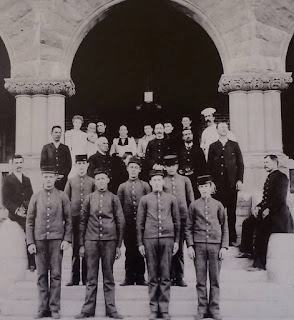
The new reform school’s first class (1894). All seven young men had been transferred from San Quentin.

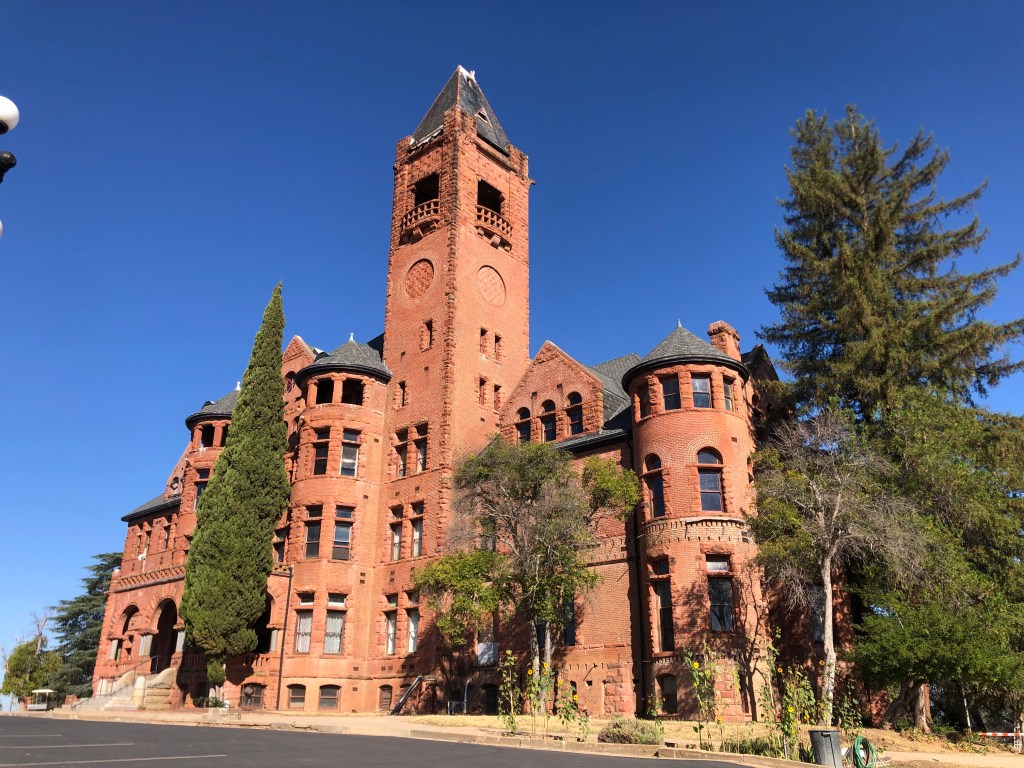
Originally the school was to be sited near Folsom Prison, but the Legislature ultimately decided to downplay the prison connection and place the new school in a more bucolic setting, amid the rolling, oak-studded hills of Amador County. They also gave it the milder name, “Preston School of Industry.” (Senator Edward Preston was the bill’s author.) Soon, an imposing, four-story stone building was being erected outside the tiny town of Ione, about 30 miles southeast of Folsom.
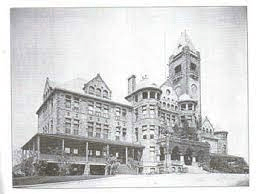
The Preston School of Industry, in all its Romanesque Revival glory.

Preston opened its doors to student inmates (they were officially called “wards”) in 1894, and it eventually housed up to 800 wards at a time from all of the state. They weren’t all felons; during the Depression it was not unusual for some impoverished families to abandon their boys to Preston, where they would be fed and clothed at the state’s expense. One Preston “graduate” who would go on to become famous was country singer Merle Haggard, who was sent there in 1954 after being convicted of auto theft.
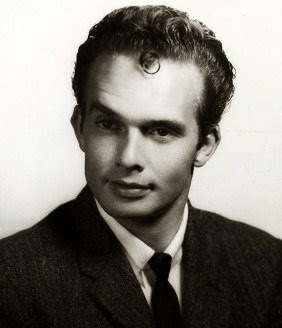
The Okie from Muskogee did a stretch at Preston School of Industry.

The Preston School of Industry was shut down in the late 1950s, when it was replaced with more modern facilities next door. The new facility adopted the name “Preston Youth Correctional Facility,” which, if you ask me, sounds less enlightened than “School of Industry.” The “new” facility itself shut down in 2011.
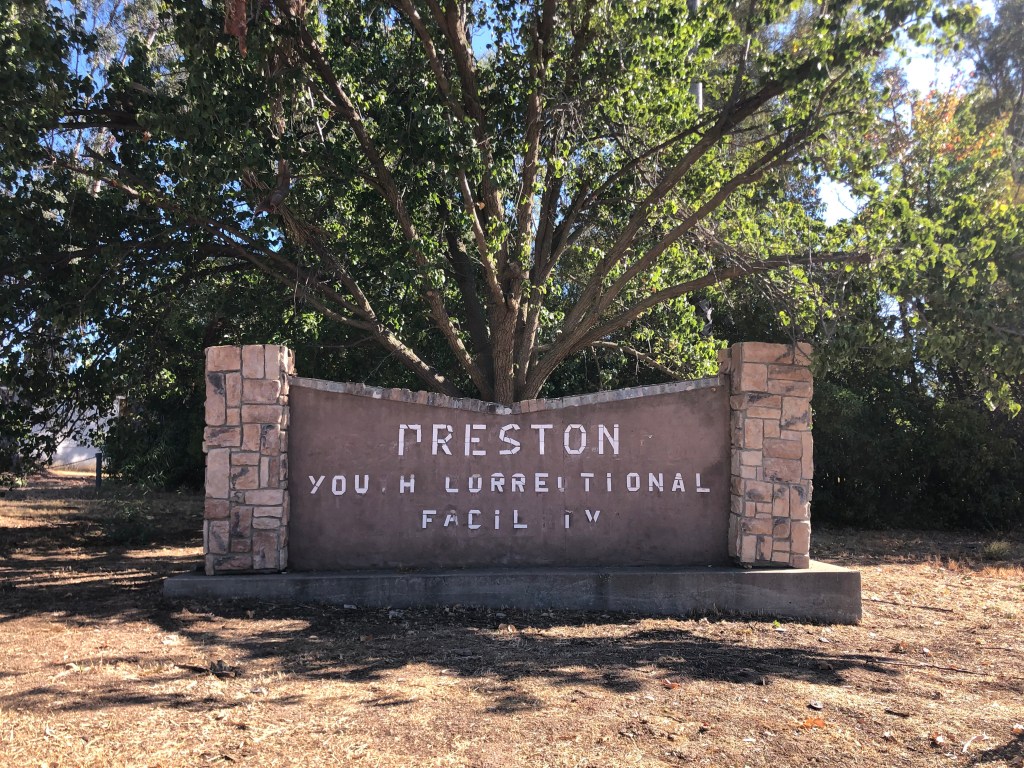
Well-intentioned step backward in nomenclature.

But what of the original building? The plan was to tear it down, and, incredibly, in 1960 the general public was invited to come in and take whatever usable pieces they wanted. Wainscoting, moulding, light fixtures, decorative tile, even parts of the slate roof were ransacked. But then local activists successfully fought to spare the building from the wrecking ball. The building became State Historical Landmark #867, and it’s been standing in a state of barely-arrested decay ever since.

Today I visited what’s now known as Preston Castle. It’s as imposing as ever.
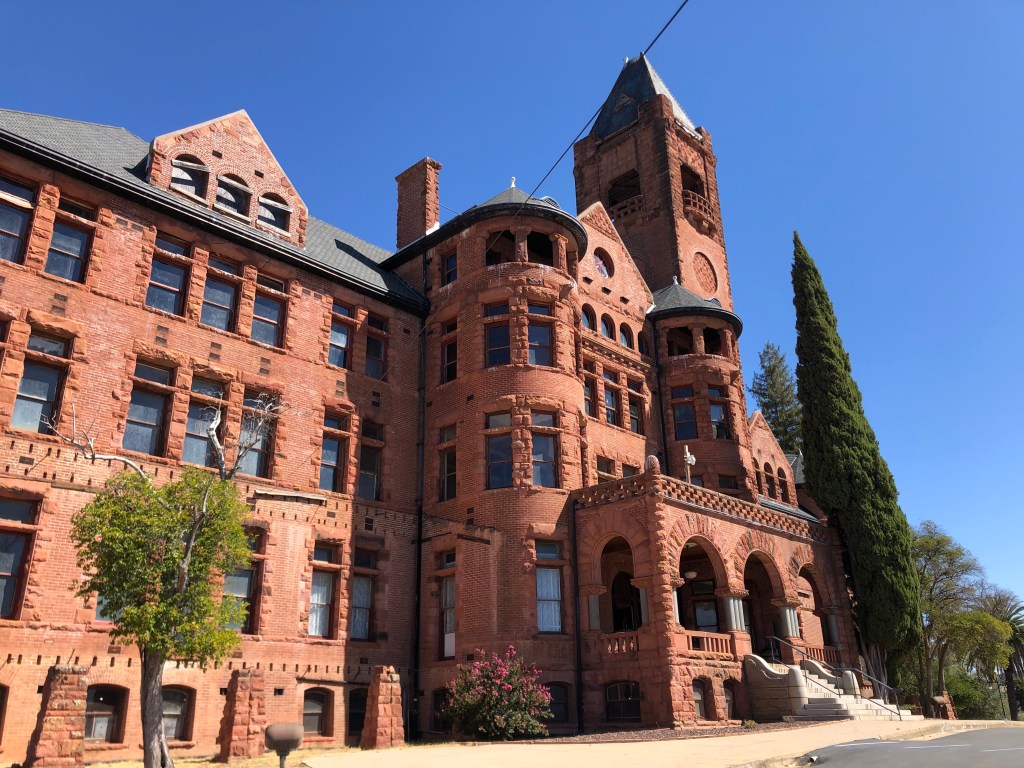
Can you imagine calling this home?
But be it ever so humble…

The building was open for self-guided tours today–the last day of the season, as it’s next going to be transformed into a haunted house for a Halloween fundraiser. From what I saw today, it won’t require much work to make it into a proper haunted house….
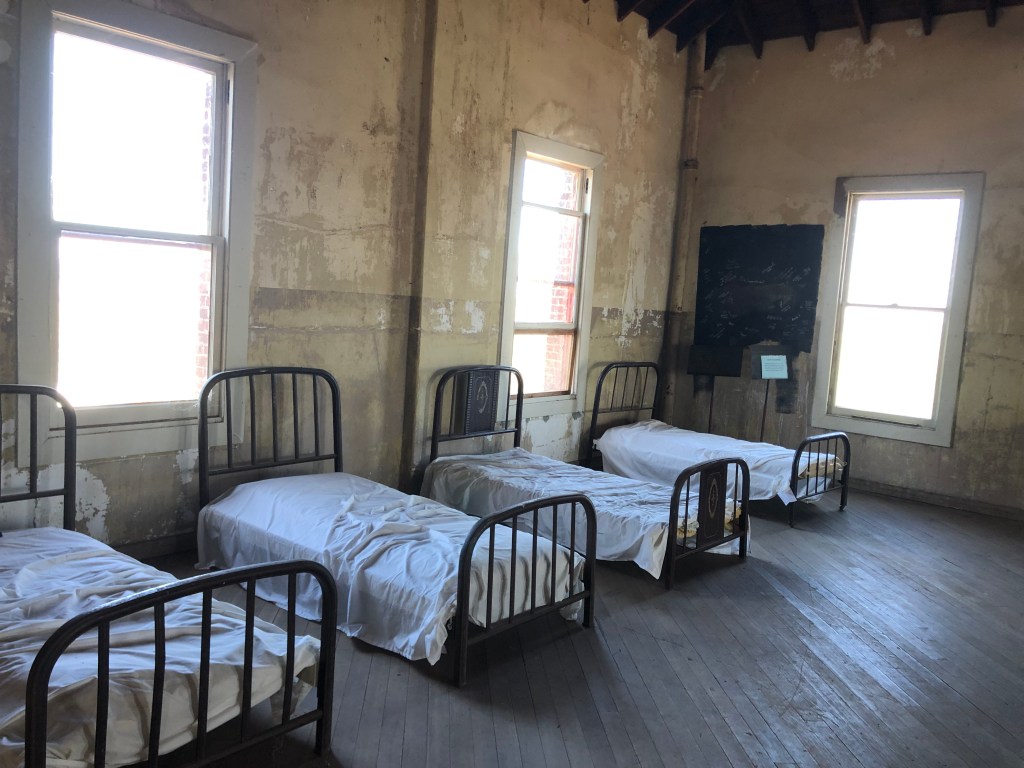
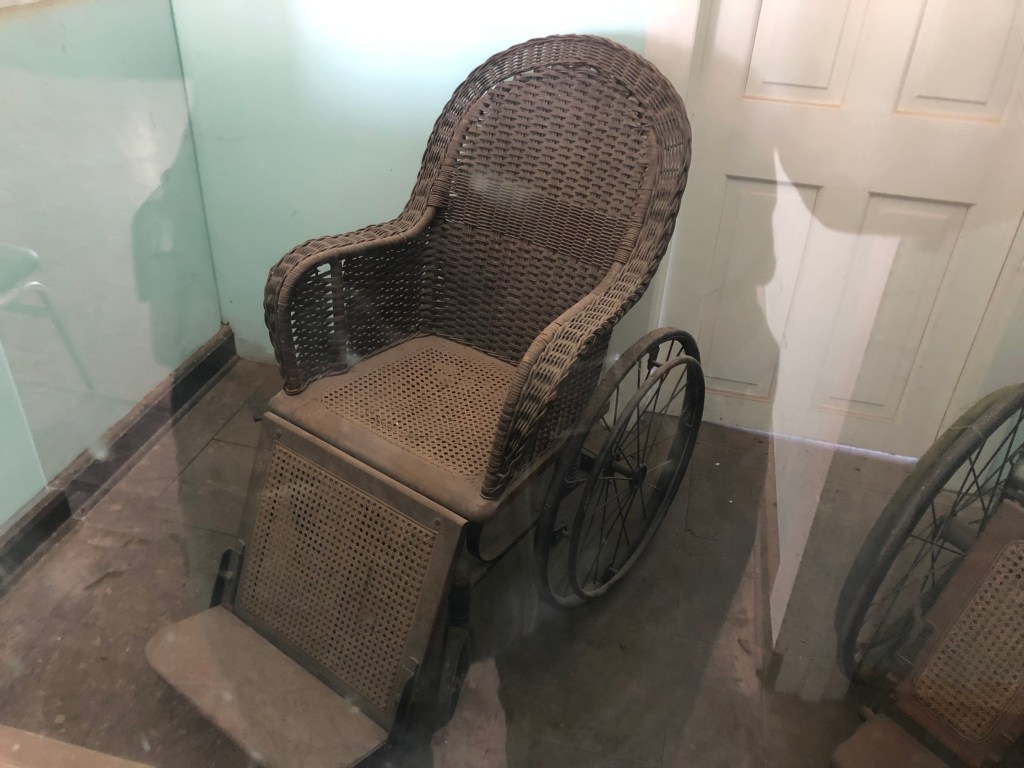
You know what’s creepier than a 100-year-old institutional ward?
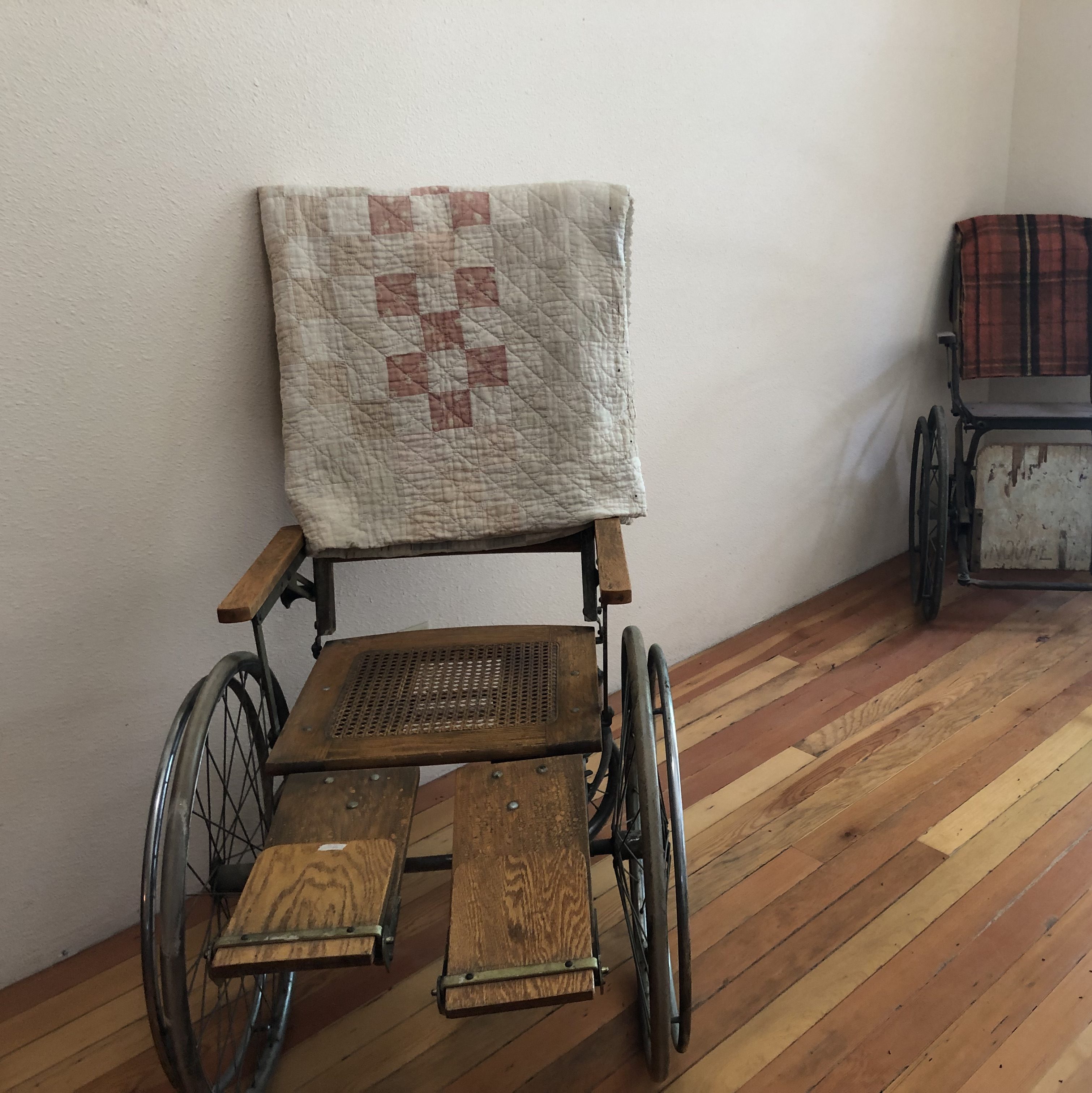
…It’s a 100-year-old institutional wheelchair.
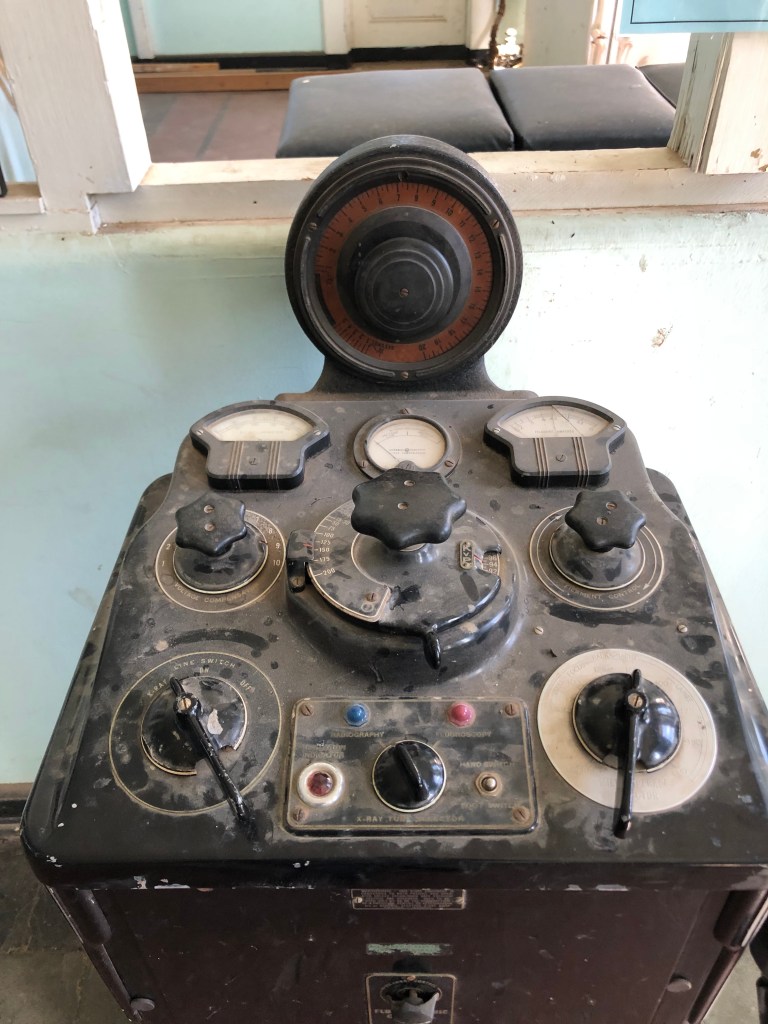
Runner up is this old-timey X-ray machine.

And then we have the infamous “plunge.” Newly-arrived wards would be stripped, shorn, and then required to swim through a chemical pool to rid them of lice and other bugs. I’m not making this up. (Some accounts say the pool was filled with lye, though I haven’t been able to confirm that.)
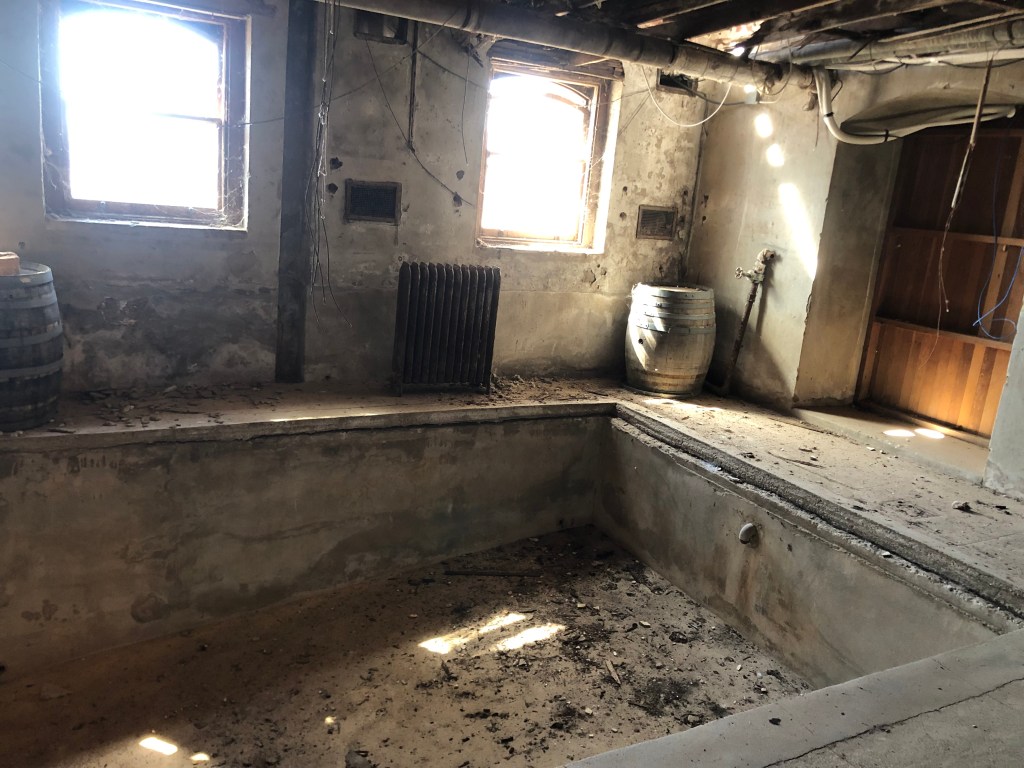
The Plunge. What? No jacuzzi?

Overall, a palpable sense of despair hangs over this place. I’m sure part of it is due to the state of decay. But the history doesn’t help.
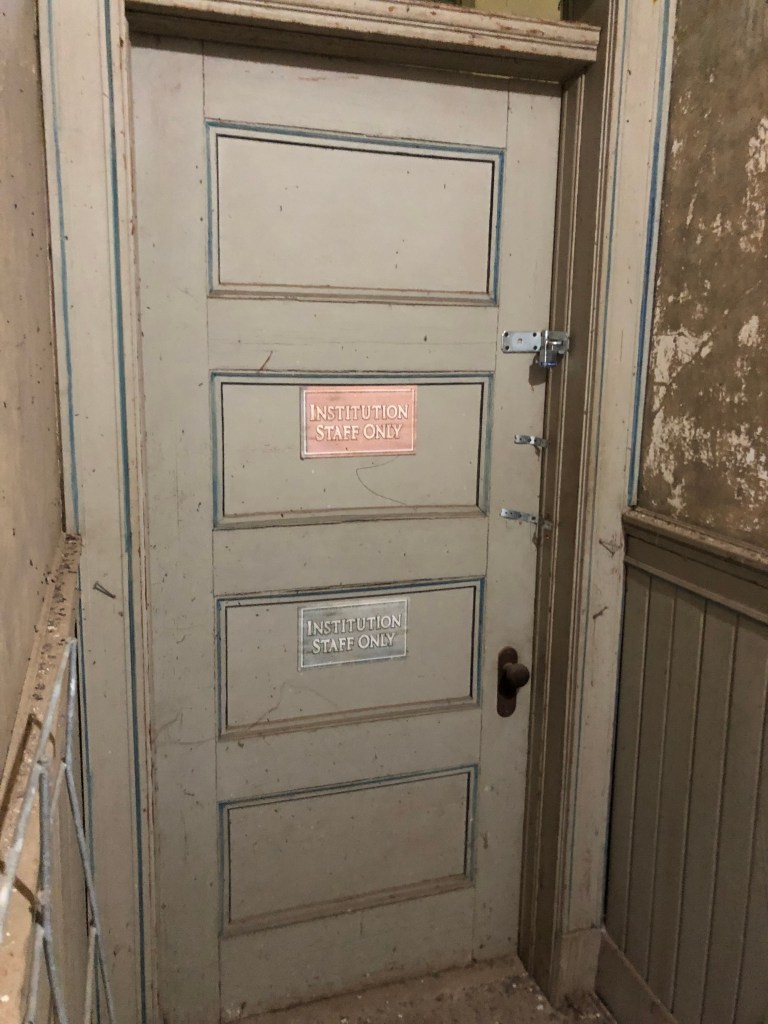
As if anyone else would want to darken that doorstep!

I noted that the Castle contained some innovative features. For example, it boasted a late-19th-century elevator, prior to electrification. The device was powered by water pressure. Alas, the elevator was soon deemed too slow and an unnecessary waste of water in the dry foothills, so it was removed. (From that point forward, everyone had to use stairs to move between floors in the four-story building.) But the lift mechanism remains today in the dusty basement.
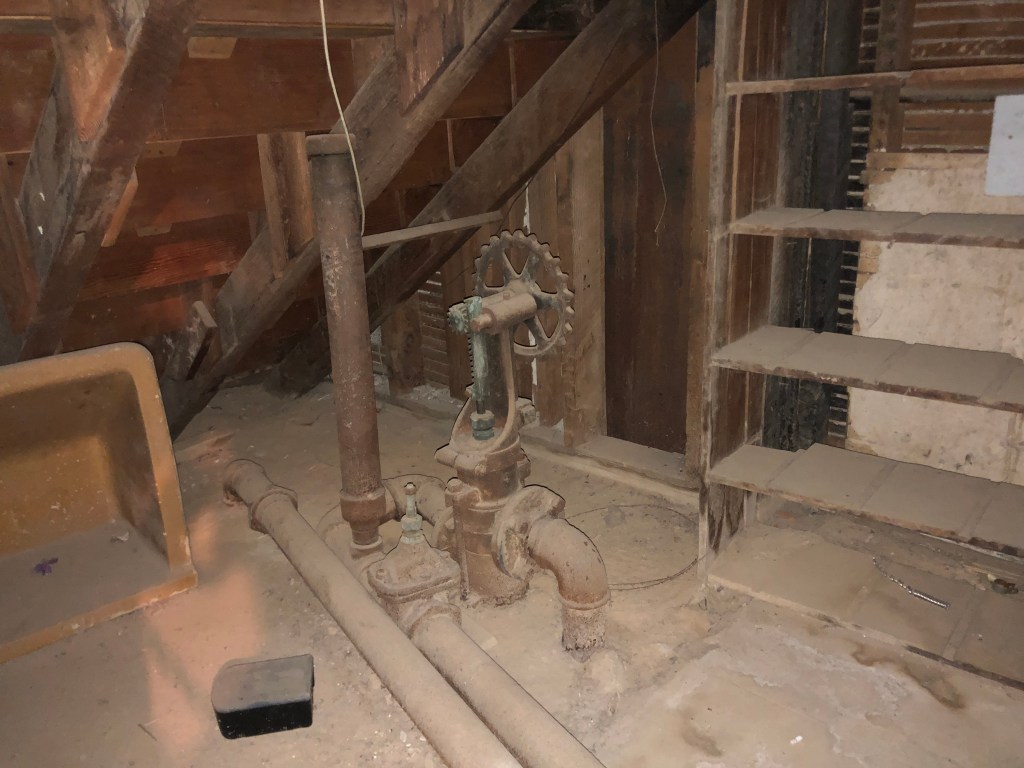
Abandoned lift mechanism for Preston’s water-powered elevator.

Another water-related innovation is the fire escape. It’s actually a spiral slide within a metal tube, which utilized a spray of water to lubricate the trip down. I’m not making this up either.
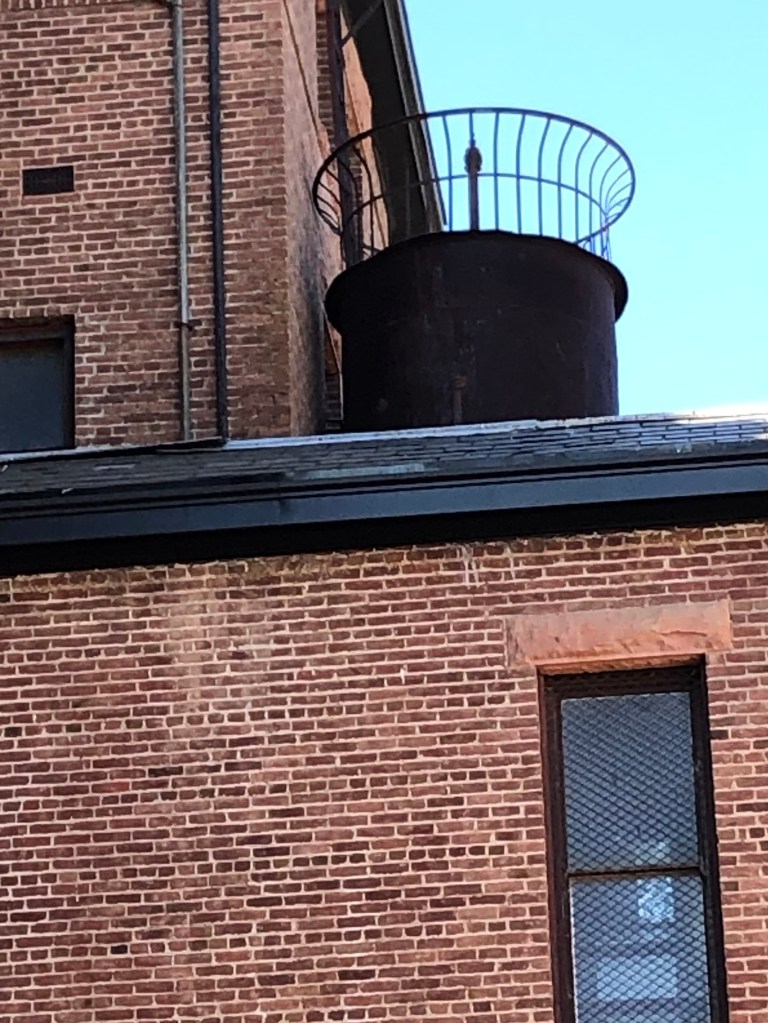
Top of the fire escape/water slide. Eat your heart out, Six Flags!

The only bright spot I observed during my visit was the reading room which adjoins the building’s library. You can still feel the lightness of spirit afforded by an open space and a good view.
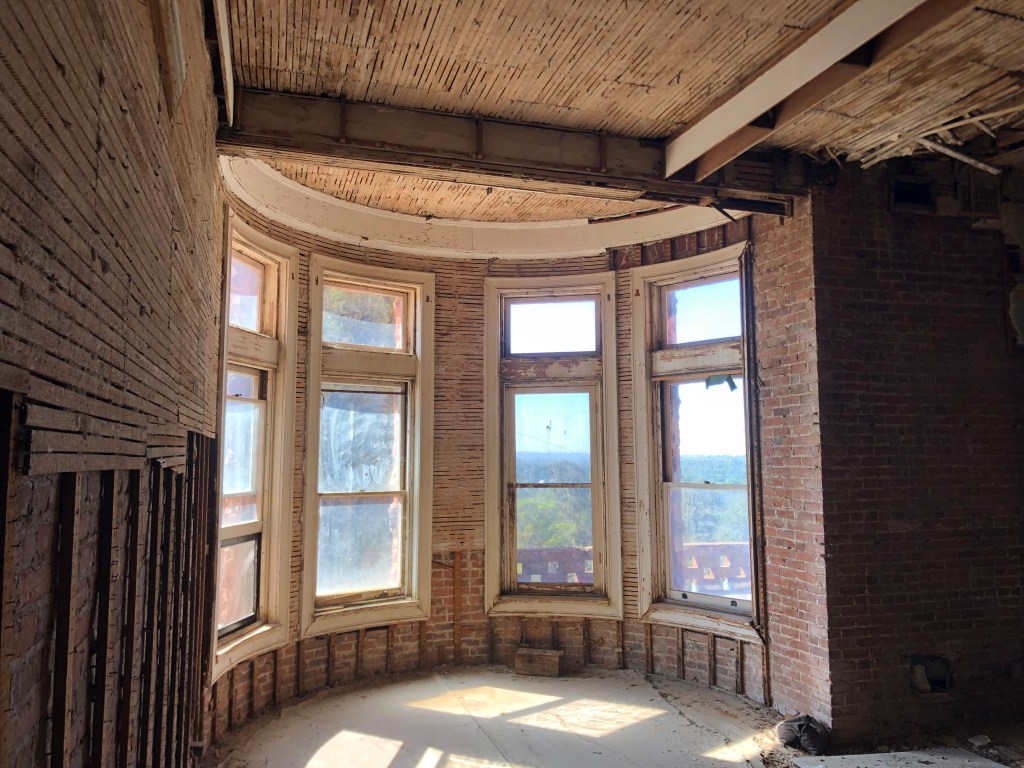
Refuge for reading.

So, what to make of all this? First, I think we all owe a debt of gratitude to the original activists and to the Preston Castle Foundation for preserving this piece of history. Preston Castle is a stunning structure with a fascinating past. Second, I think we’re well advised to continually revisit the topic of how we’re dealing with the state’s youthful offenders. I’m of the opinion that we as a society must stand up to antisocial behavior…but, at the same time, I believe that no one is irredeemable. I don’t know how to balance those two thoughts, but I do have some confidence in this third point: Public institutions should pay some attention to architectural style. I’m looking at you, Golden 1 Center.
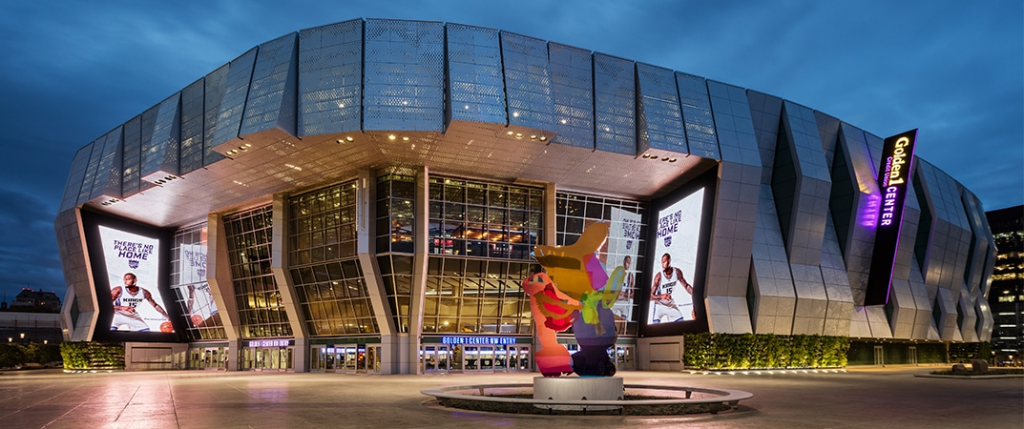

Halloween

Halloween in August

Regular readers will recall that every October I turn over this blog to a series of daily Halloween-related content. You must re-read my intro to this annual custom here. Subsequent annual contributions are summarized here, and here.

Do you mind if I smoke?

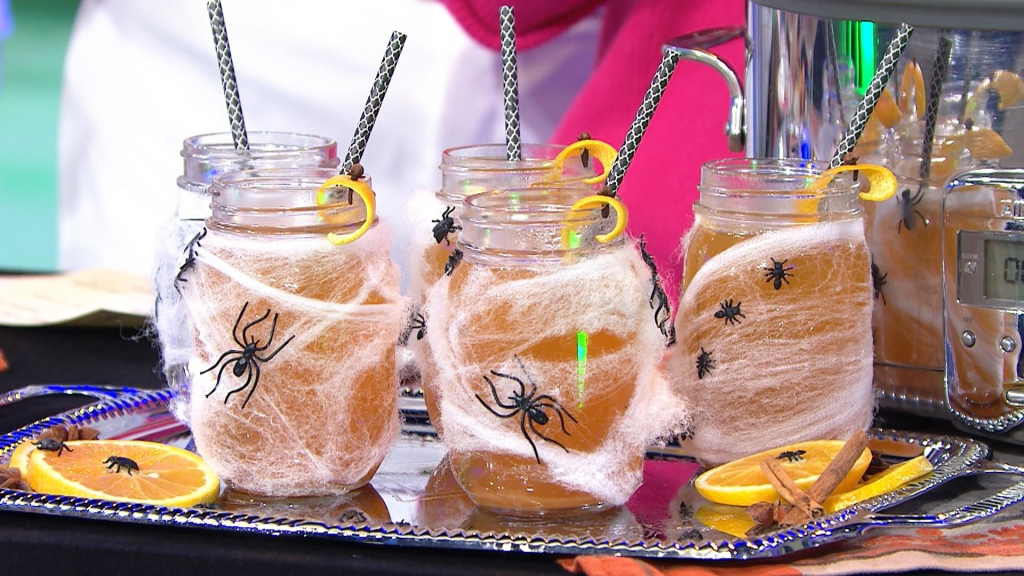
For 2022, the October blog posts will feature Halloween-themed drinks. (Kudos to Elisa N. for sparking this idea.) The way I envision it, each day I’ll try out a different drink, and then post the recipe, pictures, and my own review of the drink’s worthiness as a Halloween libation. Now, I still have about seven weeks before this endeavor begins in earnest. Until then I’m inviting my loyal readers to offer their own recipes and/or suggestions as to Halloween-themed drinks.

Pina Ghouladas

So put on your thinking caps, cast your mind back to your college days, and/or experiment at home, and then send me your suggestions. Contributors will be acknowledged in the corresponding posts in October.

Until then–

Puns · Road trips

Weiser trip: Bonus content

Although the main work of my Weiser trip (i.e., to track down the haunts of my Grandmother Burley) was completed and reported yesterday, I thought I’d add these final items that amused me during my more-than-one-thousand-mile round trip.

First, let me offer these final photos from the regional museum in Weiser:

One of the two creepiest displays at the Snake River Heritage Center.
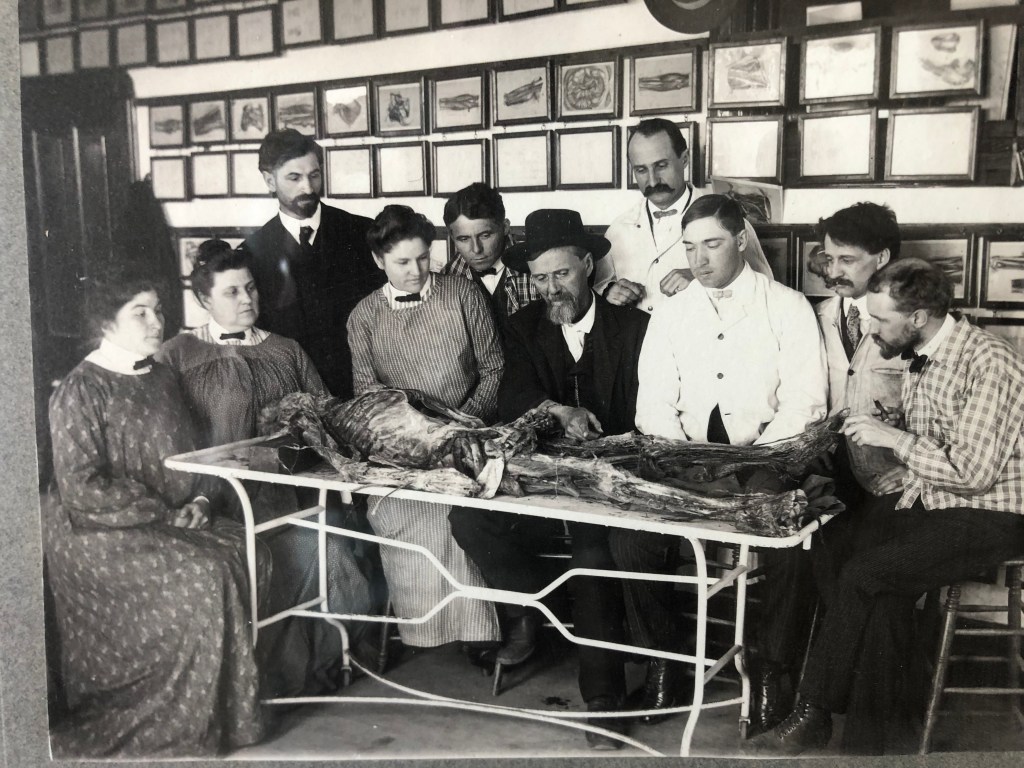
…and the other one. (I love how composed these people are. They look like the wise men gazing down at the baby Jesus in a creche.)

Now, a few photos from various points of my trip:

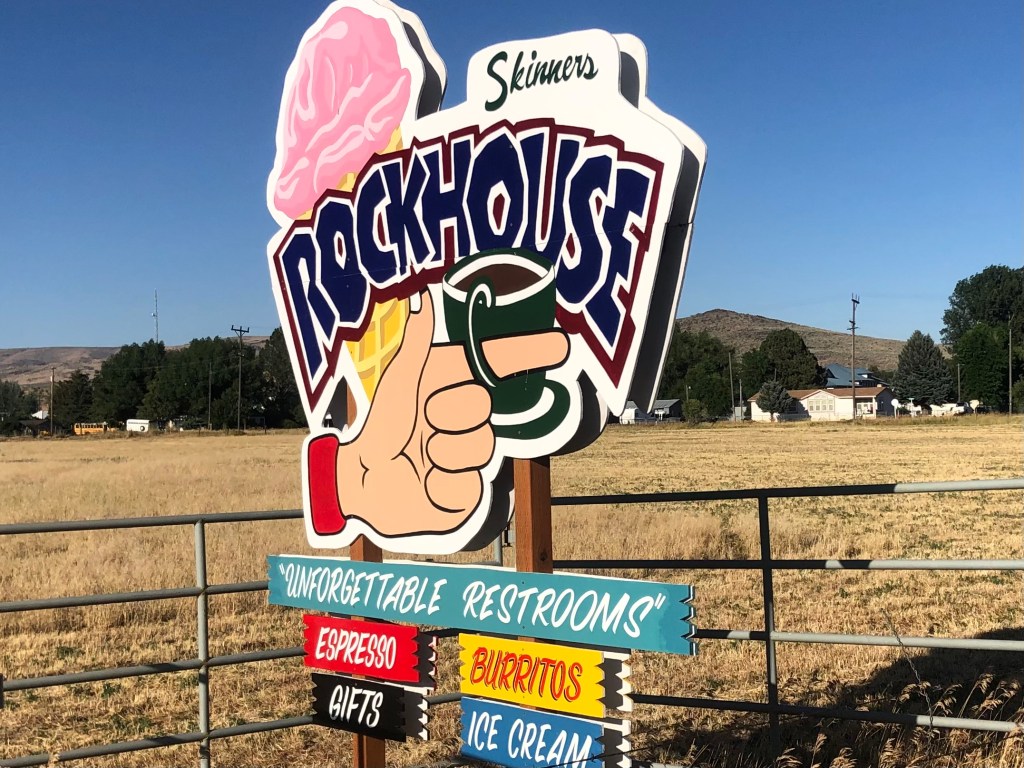
“You had me at Unforgettable Restrooms.” Said no one ever.
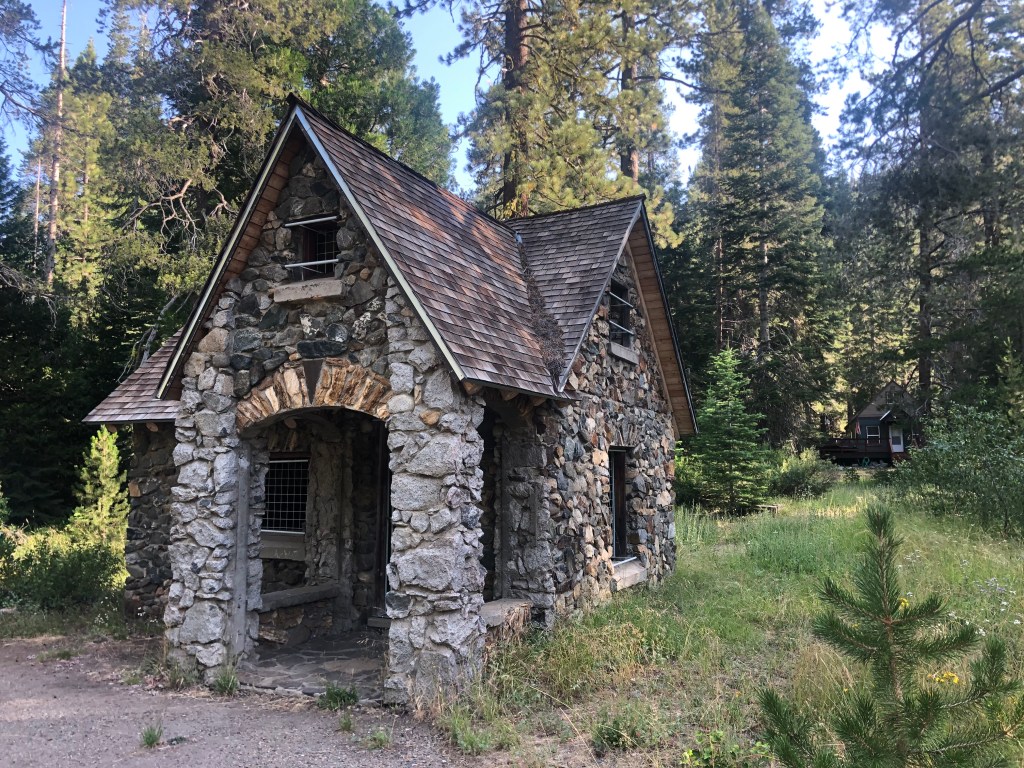
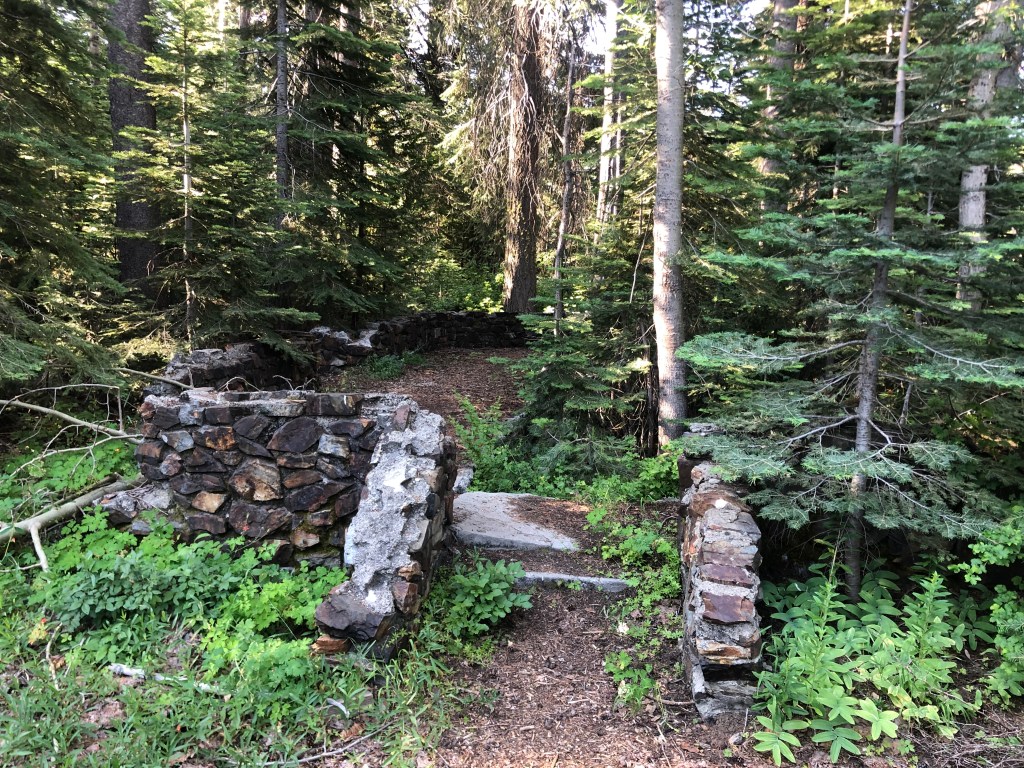
Ruins of an old gift shop near Donner Summit, along the original Route 40 (which was superseded by I-80). The building was constructed in 1938, and the gift shop’s biggest sellers were said to be “owl ashtrays made from pine cones.”
More Route 40 ruins.

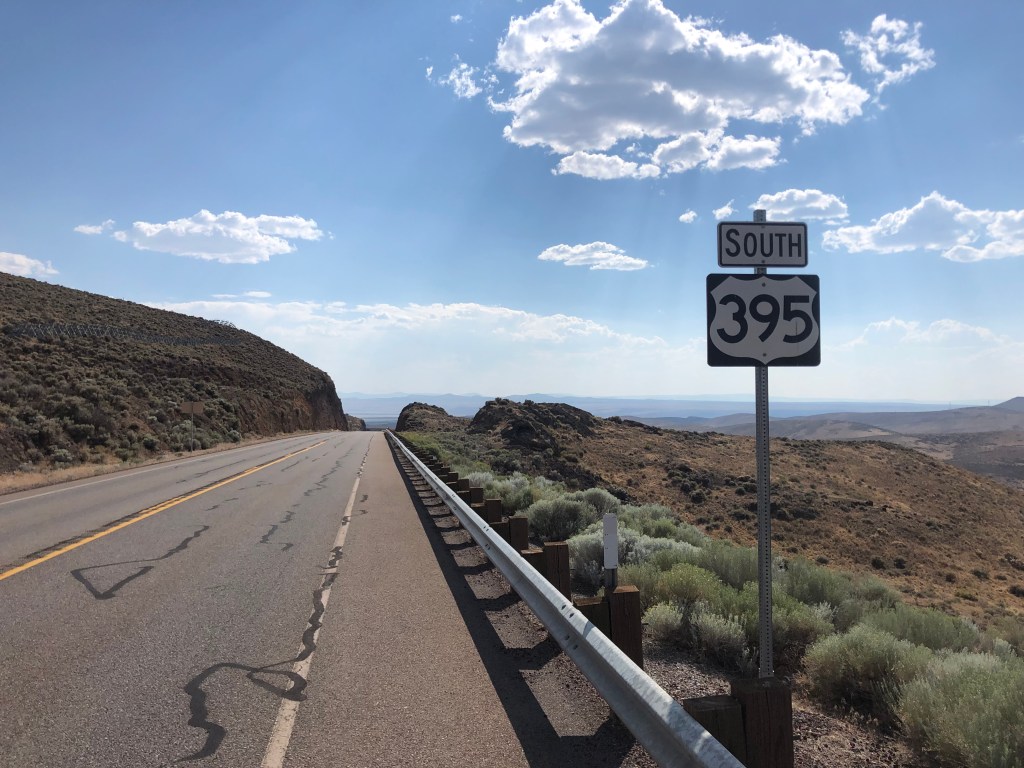
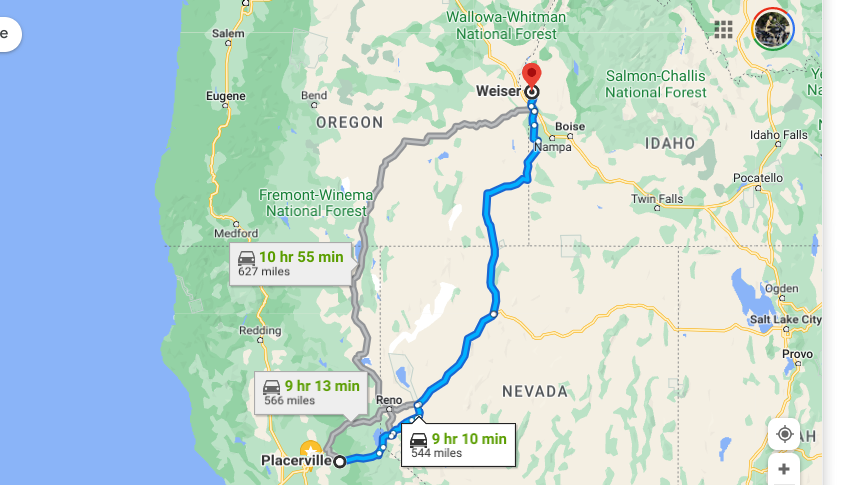
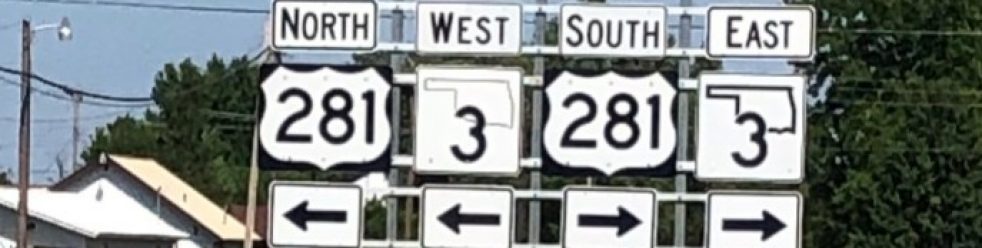
I took a different route home than the route I took to Weiser. Recall that I’d taken I-80 to Winnemucca, and then headed north on US 95. For my return, I headed east out of Weiser and into Oregon for about 150 miles along Route 20, and then I headed south on US 395 for about 350 miles to Sparks, Nevada, and which point I headed west on I-80.

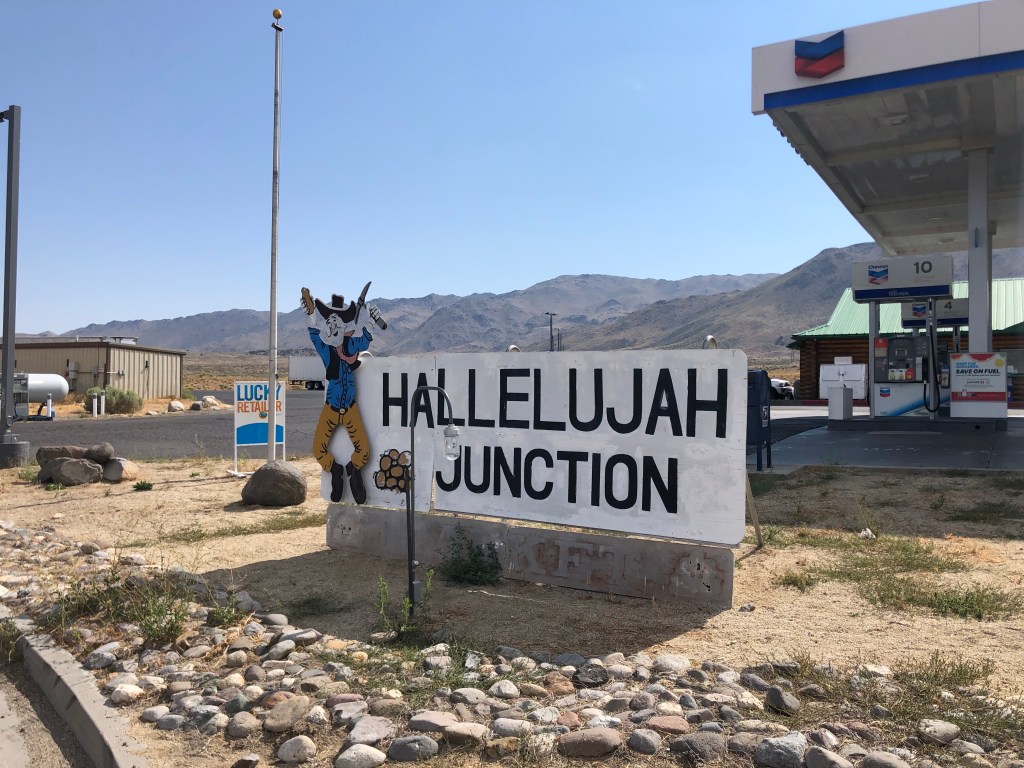
I’ve made a number of trips along US 395 in recent years (typical mentions are here and here). Most of my journeys along US 395 originated at its southern terminus in the Mojave. I can’t remember getting any further north than Hallelujah Junction (where 395 meets CA 70 in Lassen County). On my return trip today I extended my coverage to US 395’s more northernly section, from Burns, OR down to Hallelujah Junction. Even though US 395 is quite hot and desolate this time of year, it never ceases to intrigue me.

Stark beauty.
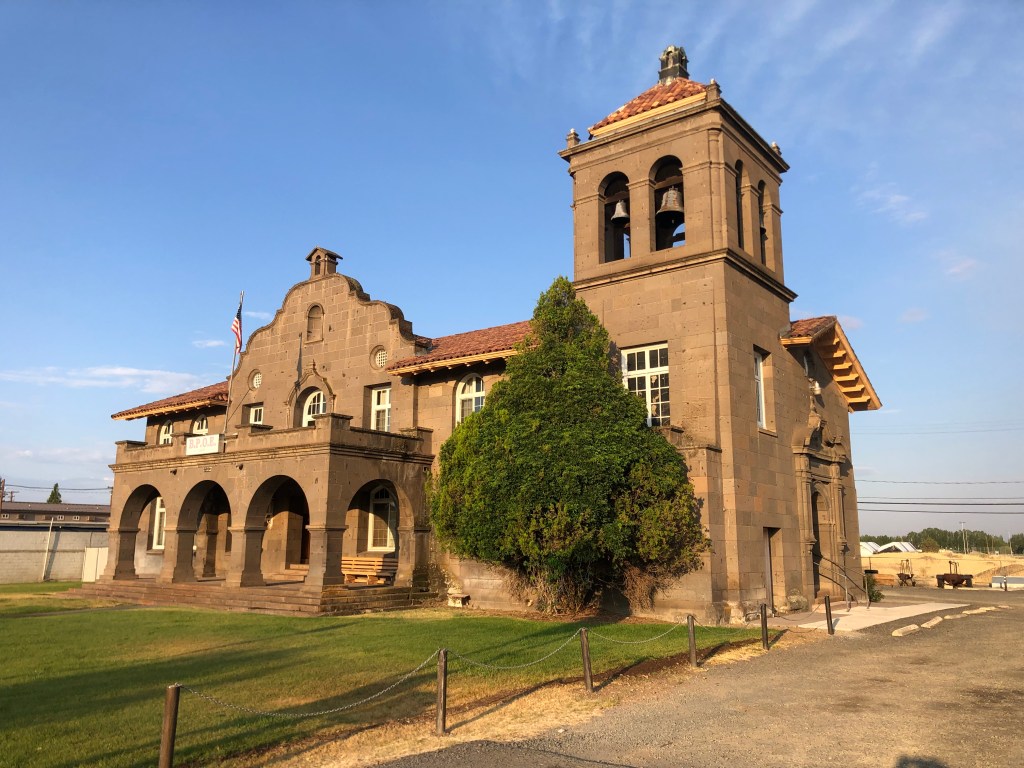
Elks Lodge in Alturas on US 395. The building was built in 1917 as the administrative offices of the Nevada-California-Oregon Railway Company.
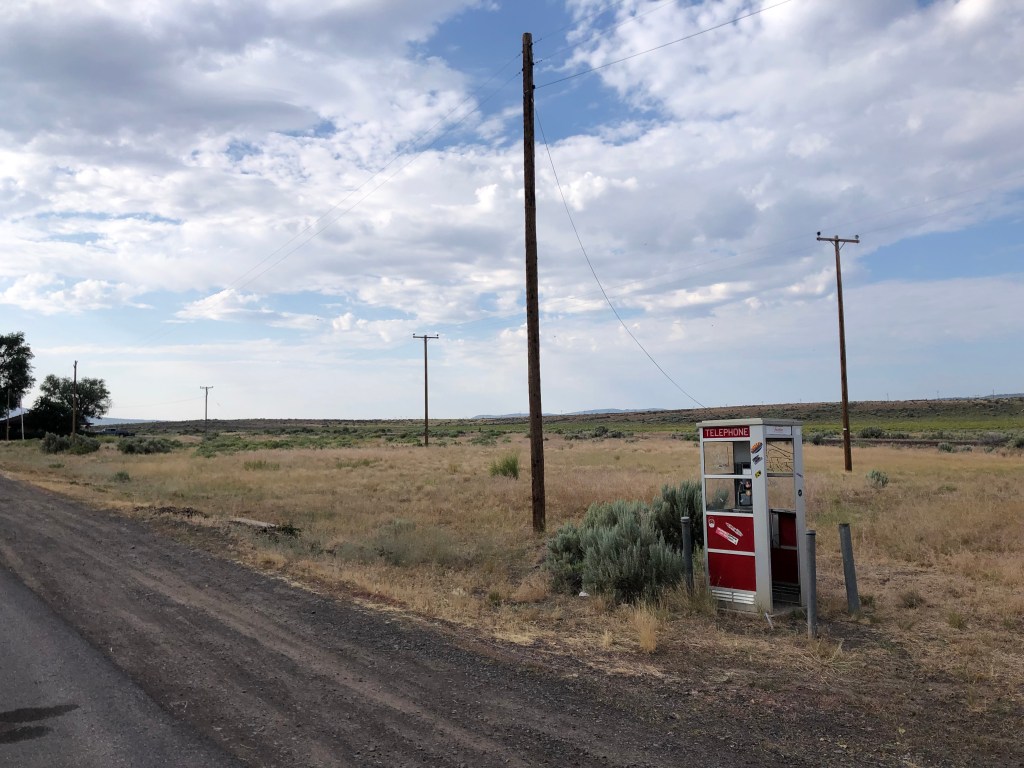
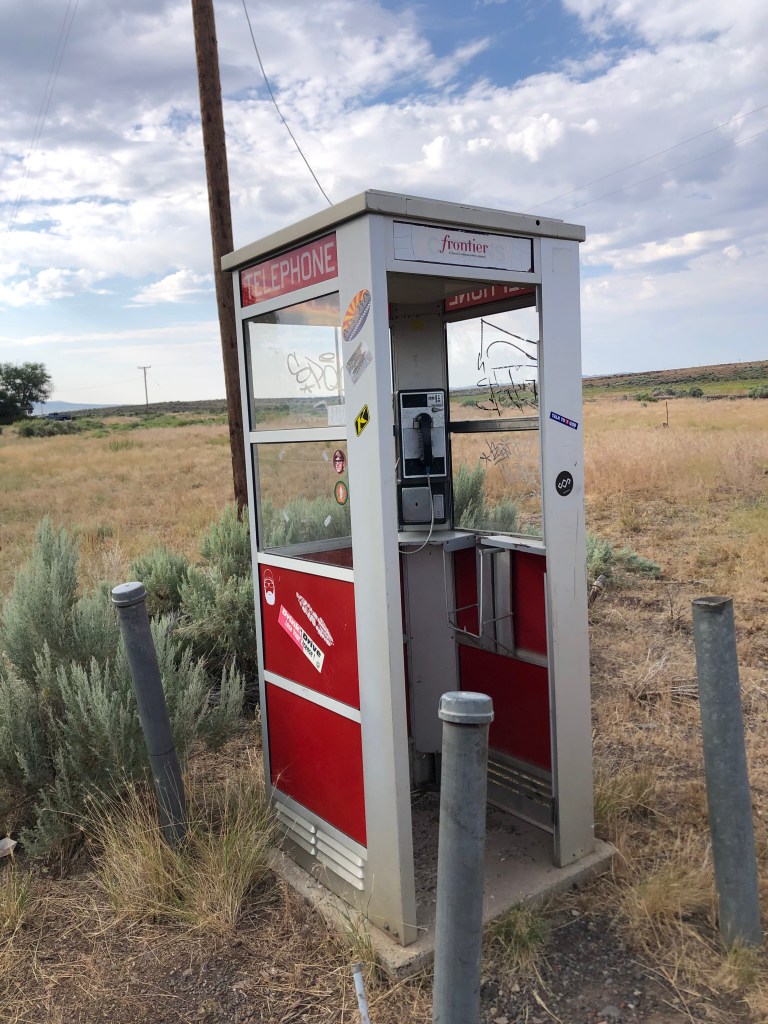
Now this is something you don’t see much anymore. It’s just standing there on the side of US 395.
Still has a dial tone!
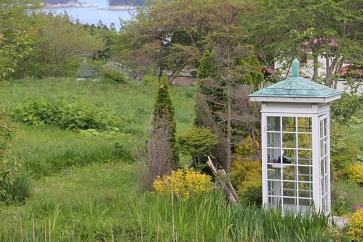
That phone booth on us 395 reminds me of the Wind Telephone in Japan (shown here). It was featured on This American Life in 2016.
Previousy, the furthest north I’d been on US 395.
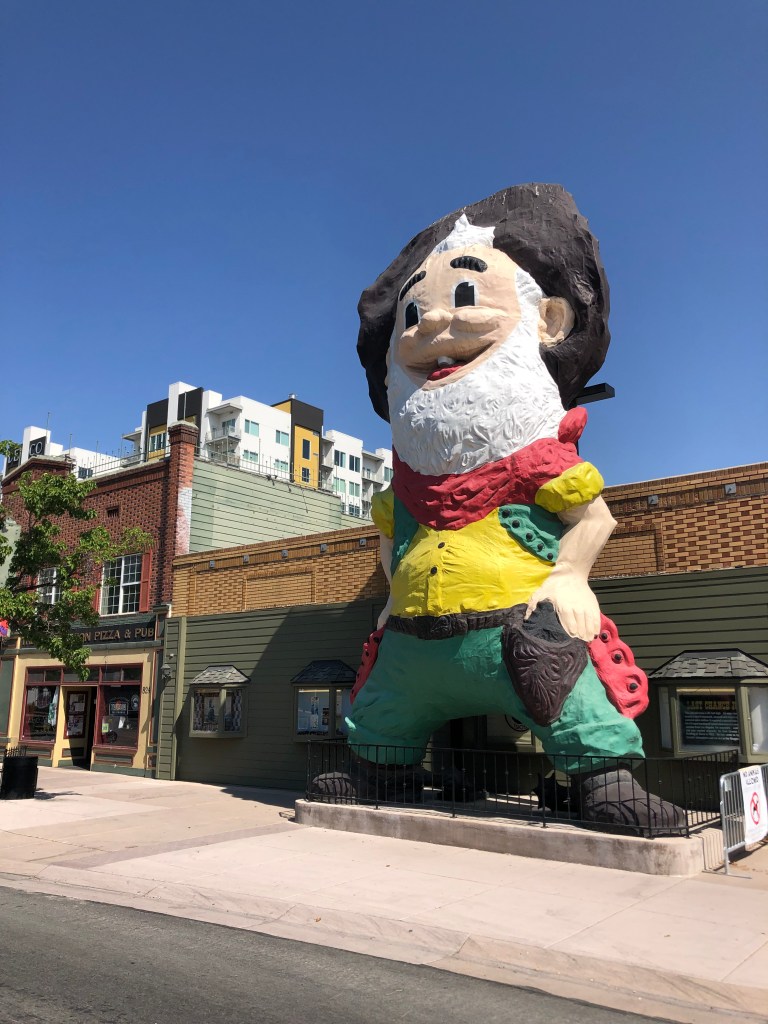
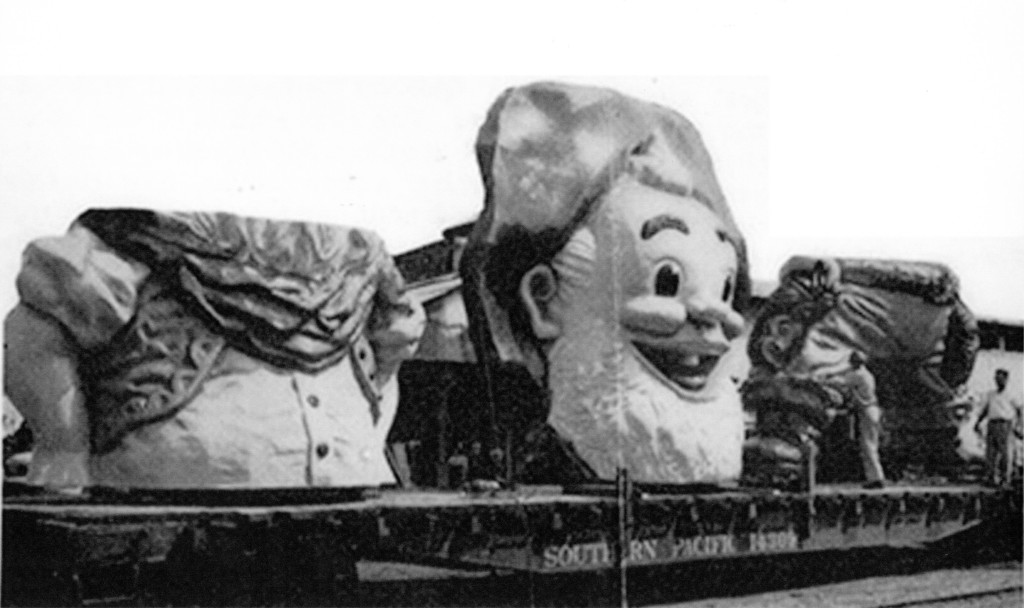
Last Chance Joe stands 36 feet tall at the Sparks Museum. He had been in front of the Nugget in Sparks since 1958, but recently the casino’s new owners told him to vamoose. I was reminded of a photo of the dismantled figure being shipped by rail in 1958.
For perspective, look at the size of the two men on the left of the flatcar.
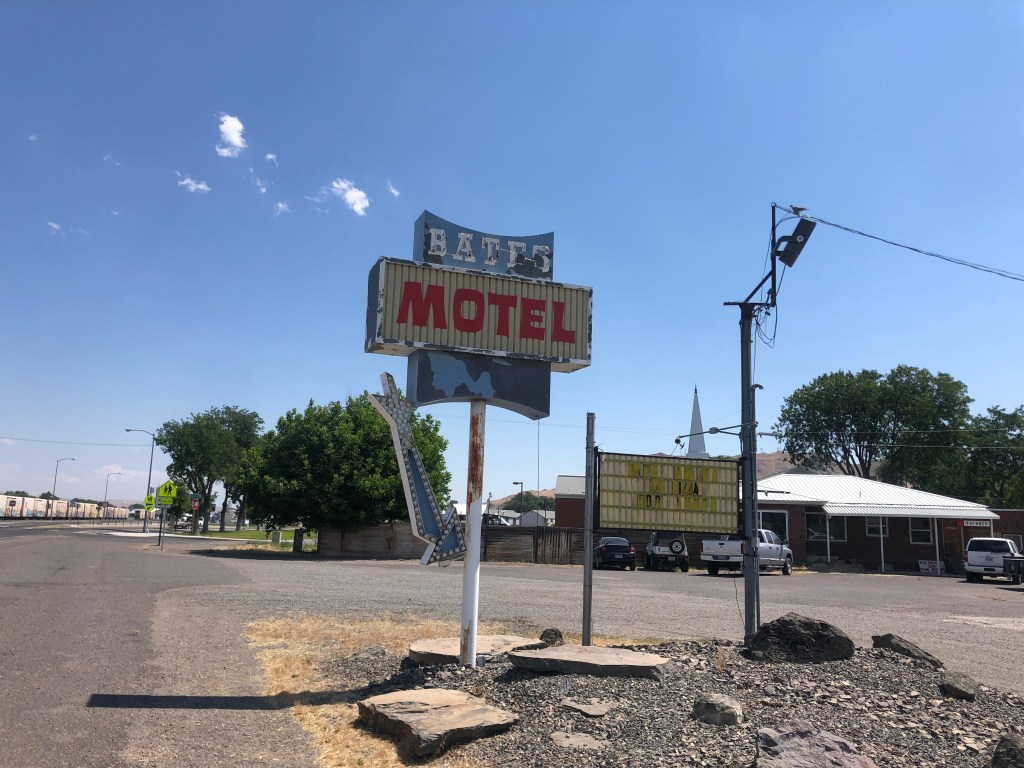
I know this motel predates 1960’s Psycho, but if you owned it, wouldn’t you have changed the name?
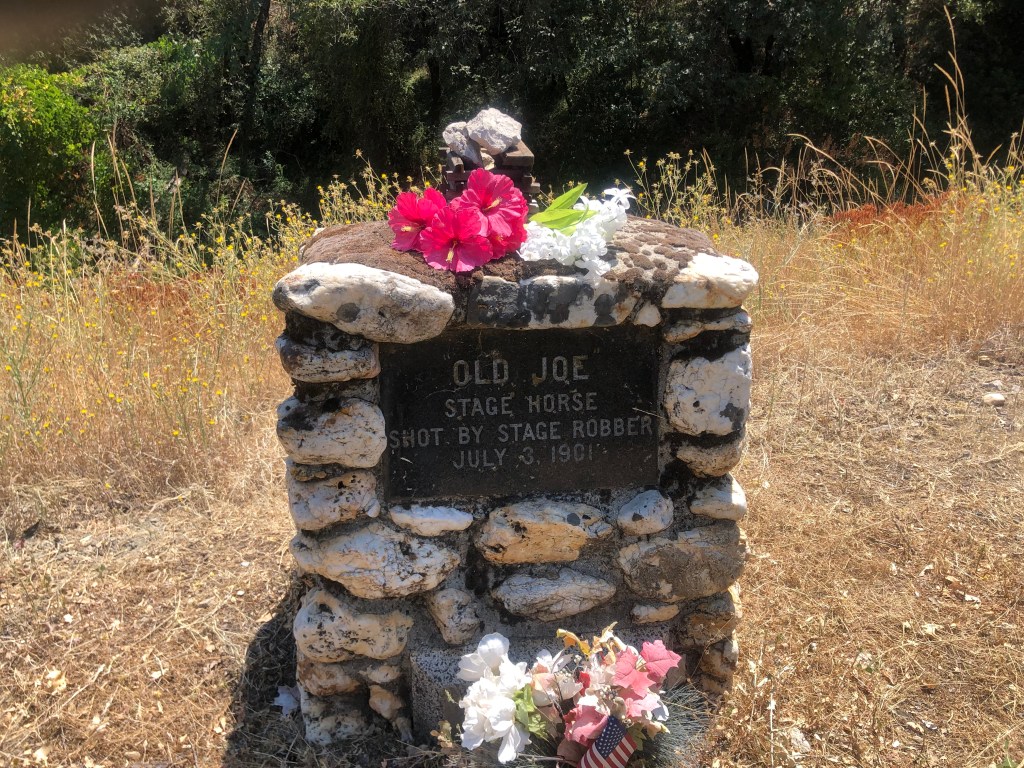
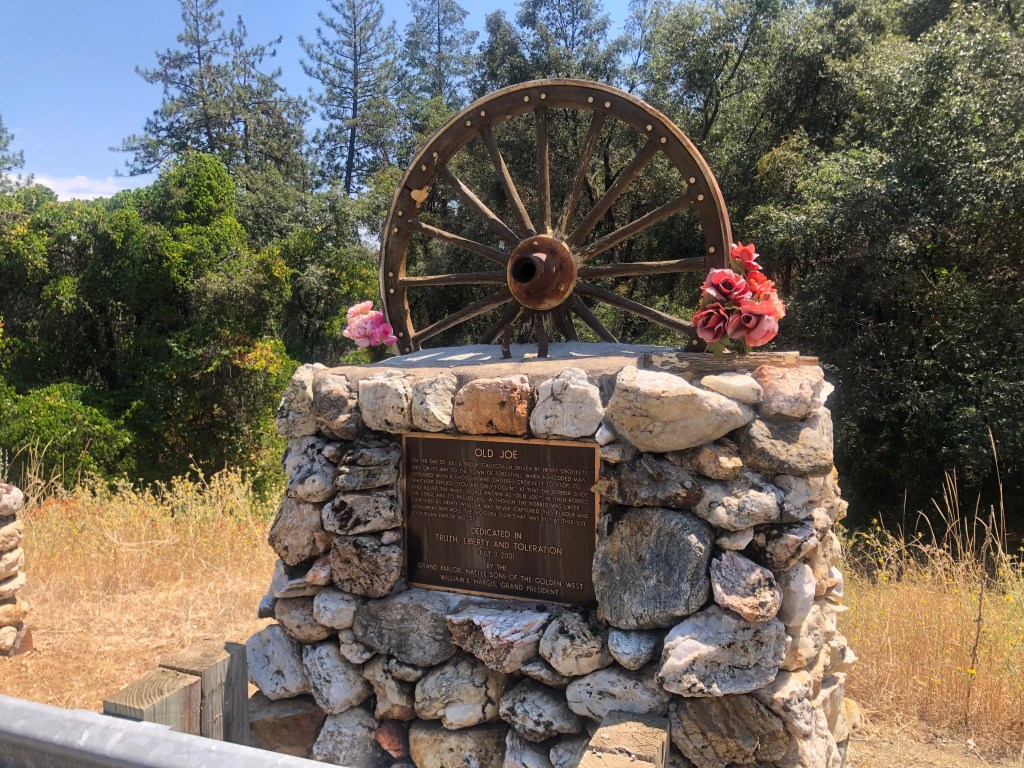
Off of 395, near Foresthill (close to Placerville) is this sad gravesite. Old Joe was a stage horse (i.e., he pulled a stagecoach) who was shot by a highwayman during a holdup. The miscreant was never caught. Old Joe was buried where he fell, and a second memorial to the beloved horse (photo below) was added in 2001.
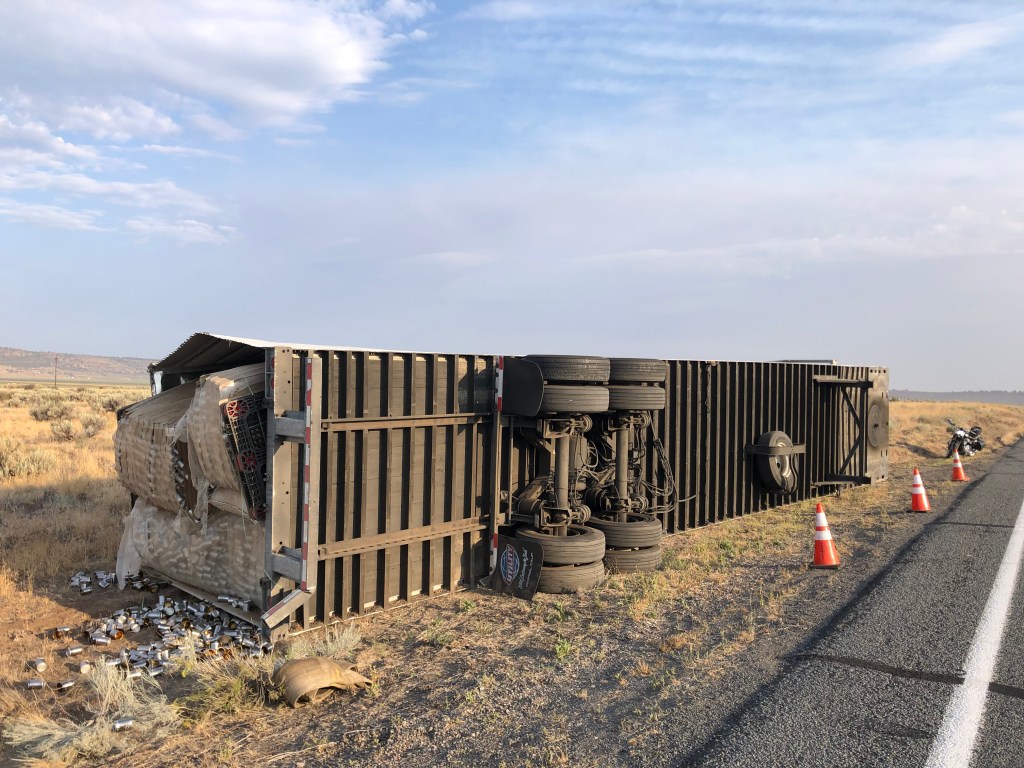
On the side of US 395. Evidently the arrow-straight road was too tricky for the driver.
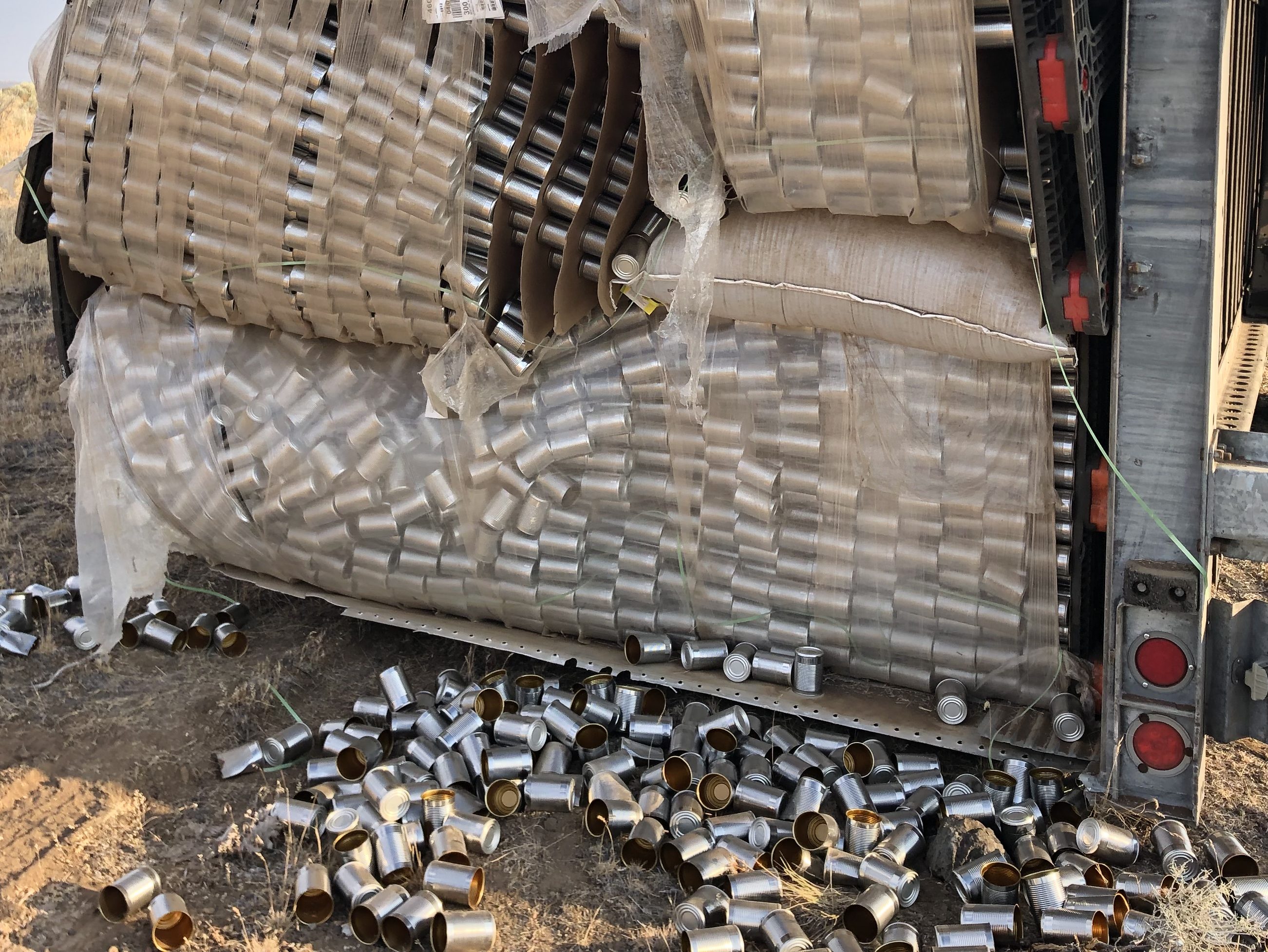
Unfortunately for me, the truck was carrying nothing more interesting than a bunch of empty cans.

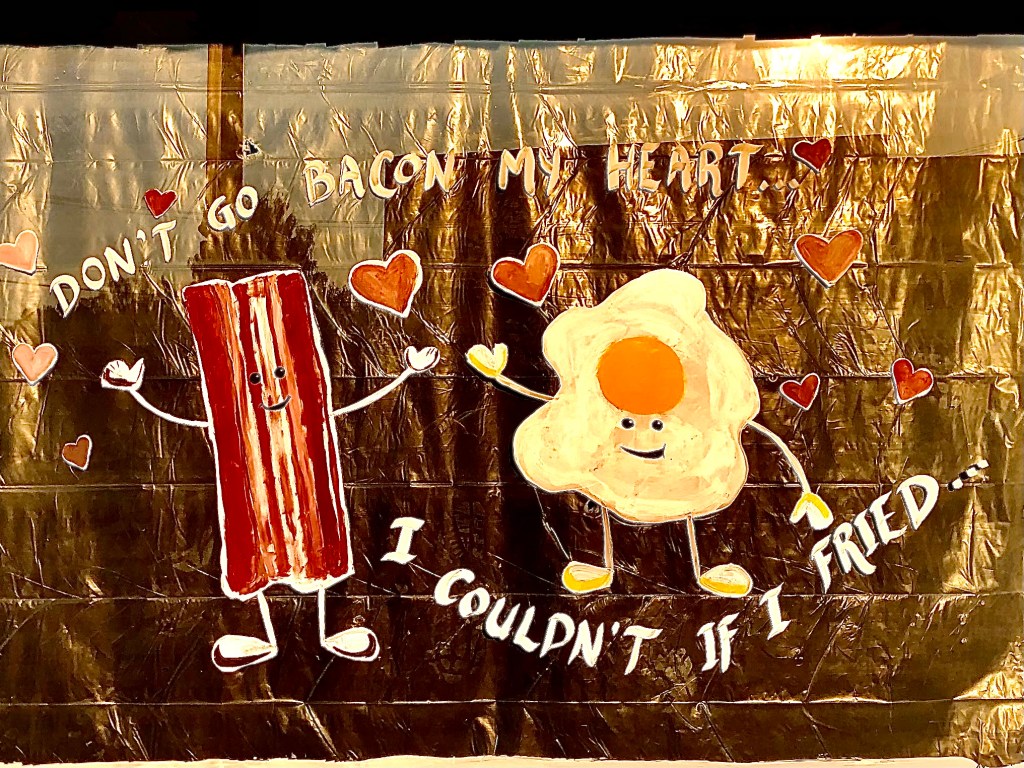
Finally, I was so taken by the following groaner that I’m instituting a Detwiler Memorial Pun Contest. Here’s a finalist. See if you can top it:

On a storefront in Alturas.

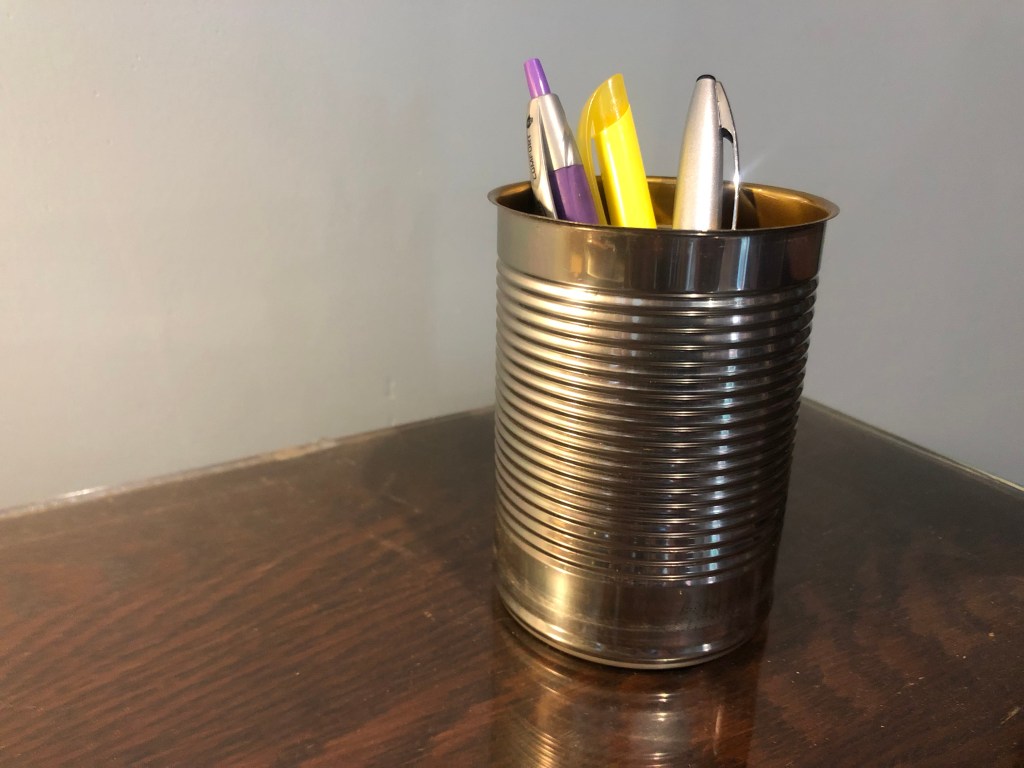
The winner of the Pun Contest will receive this handsome can-shaped pencil holder that I literally picked up on my drive…

Road trips · trains

Getting Acquainted with Weiser

Did someone say “Getting Acquainted with Weezy?”

Have you ever had one of those days were everything works out perfectly?

Me neither. But today came pretty close. At the end of this blog post I will reveal why.

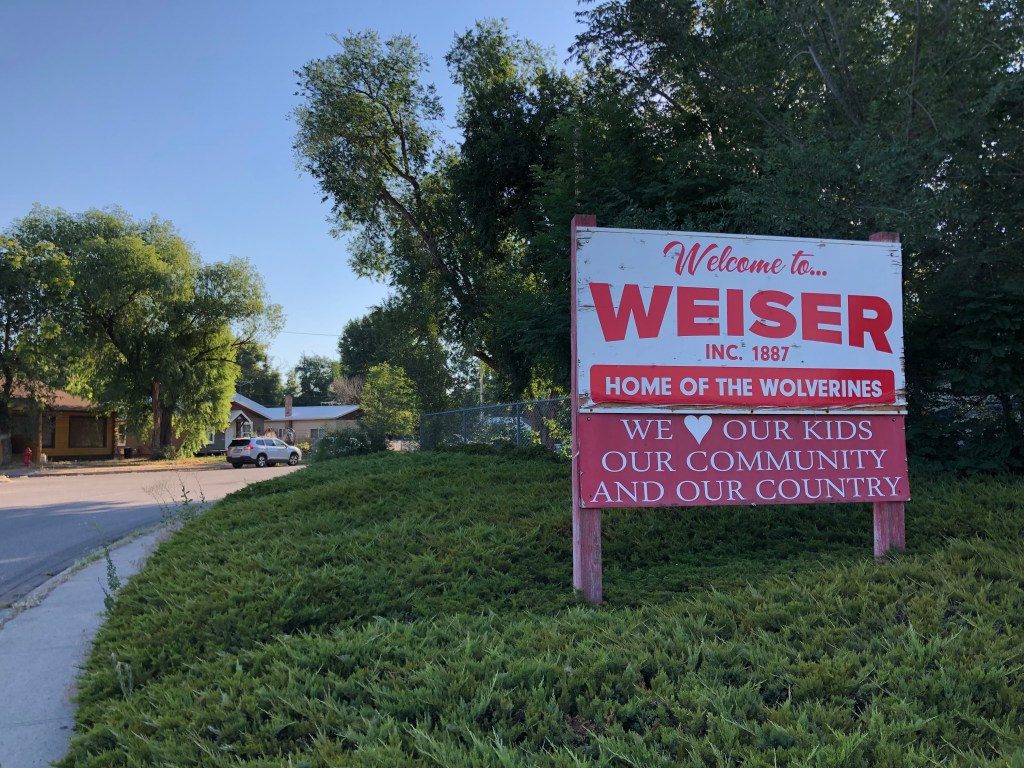
I left my cheap motel room in Ontario, Oregon, crossed the Snake River, and before you could sing the first stanza of “Here We Have Idaho” (which we all know is Idaho’s official state song), I was in Weiser.

At the entrance to town.
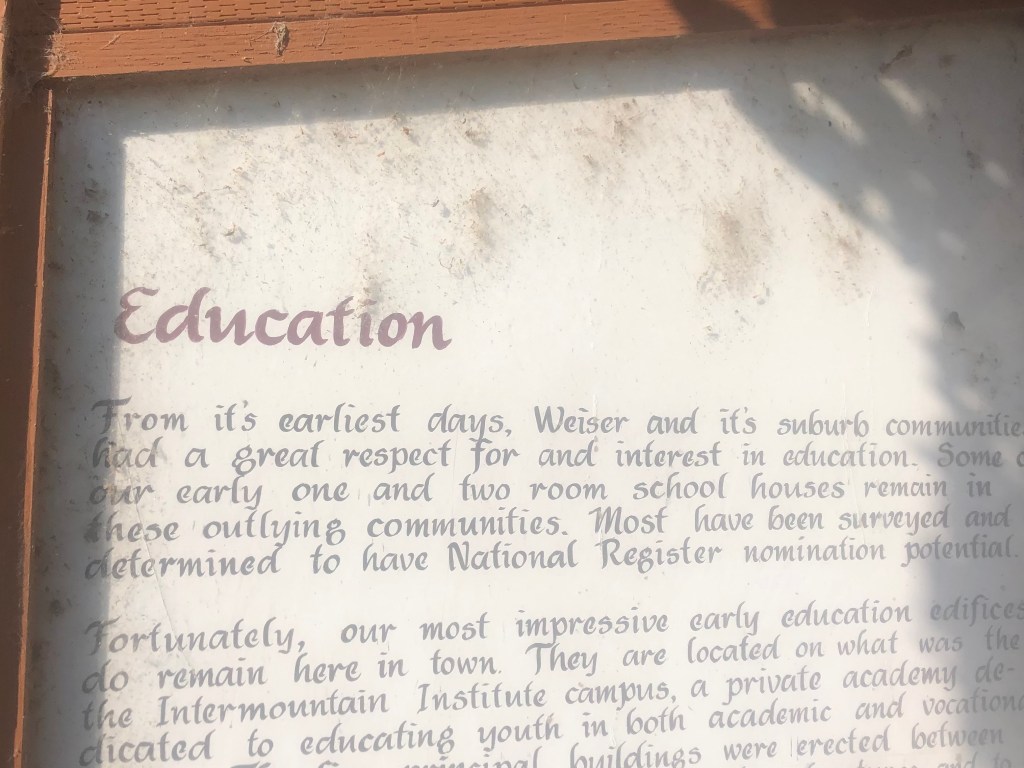
At the visitor center. Evidently their “great respect for and interest in education” didn’t extend to proper use of apostrophes.
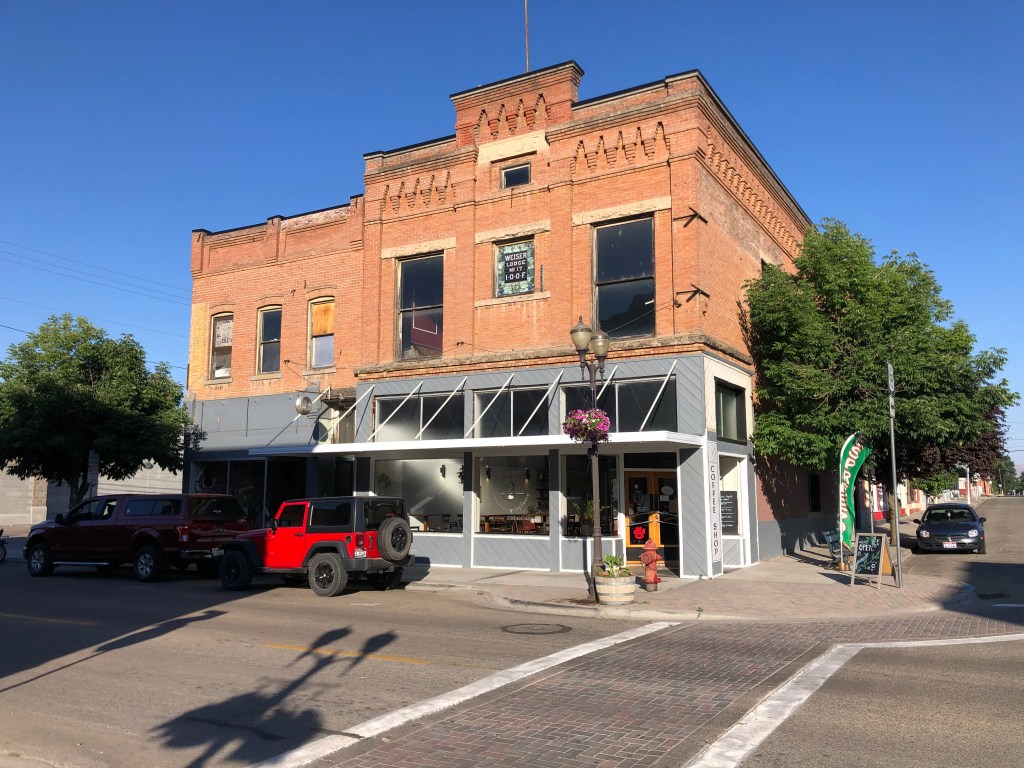
But more important than punctuation, Weiser has done an impressive job of preserving historic structures. The downtown in particular has dozens of well-maintained, functioning buildings that my Grandma must have walked past or even visited. These include the following:

  1. The Odd Fellows building. It was constructed before 1903 (for the town newspaper dated November 25, 1903, mentions a social held there. “It was one of the pleasantest social events of the season.”

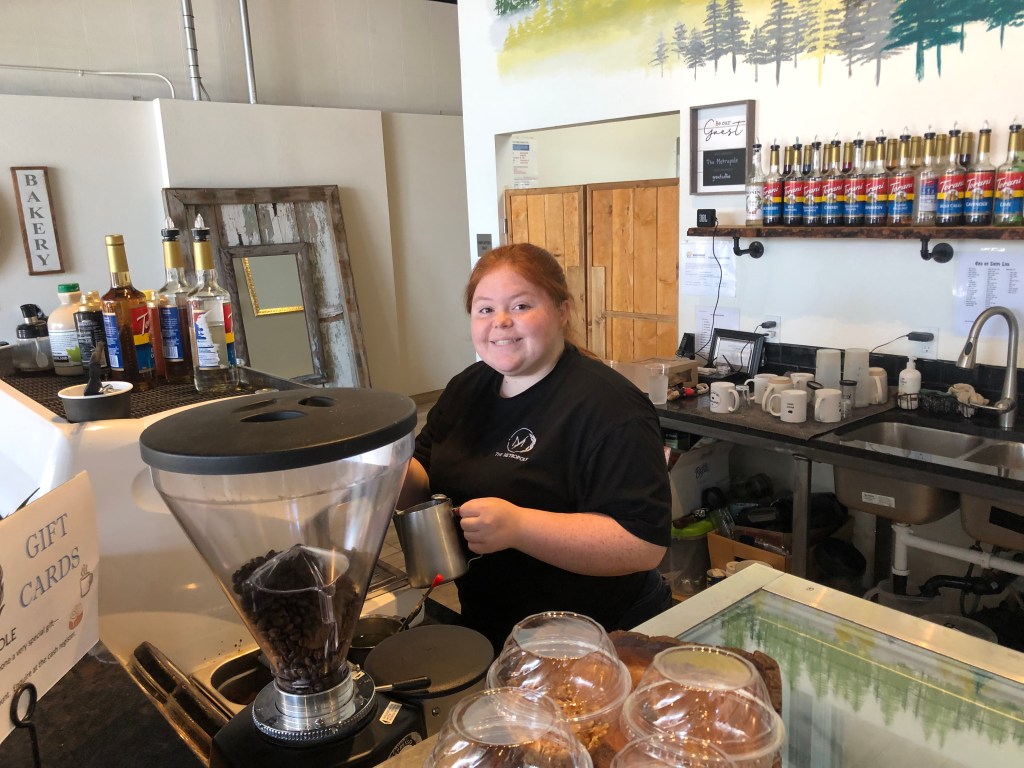
In the cafe on the building’s first floor I had a cup of coffee and a cinnamon roll the size of a small watermelon. I asked the barista about the building’s history but she said she’s new in town and didn’t know much about it. It turns out she’s from Sacramento–pretty much where I’d just driven from.

Danika–a fellow Sacramento-area transplant, now relocated to Weiser.

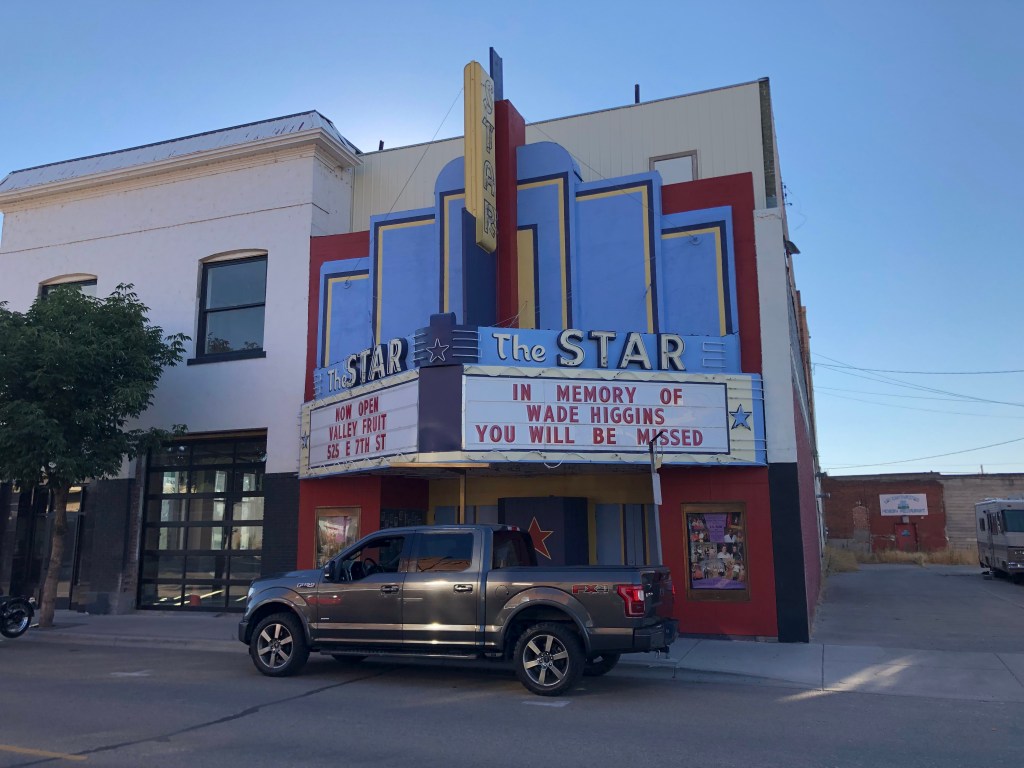
2. The Star Theater. It moved to its current location in 1917 (when Grandma was six). It was a vaudeville house that also showed silent movies. Today it is used for live theater productions and other events. It looks like it’s been extensively modified since 1917. I wished I could have peeked inside.
Surely Grandma must have seen a show here. In her memoir she admits to an affection for vaudeville.

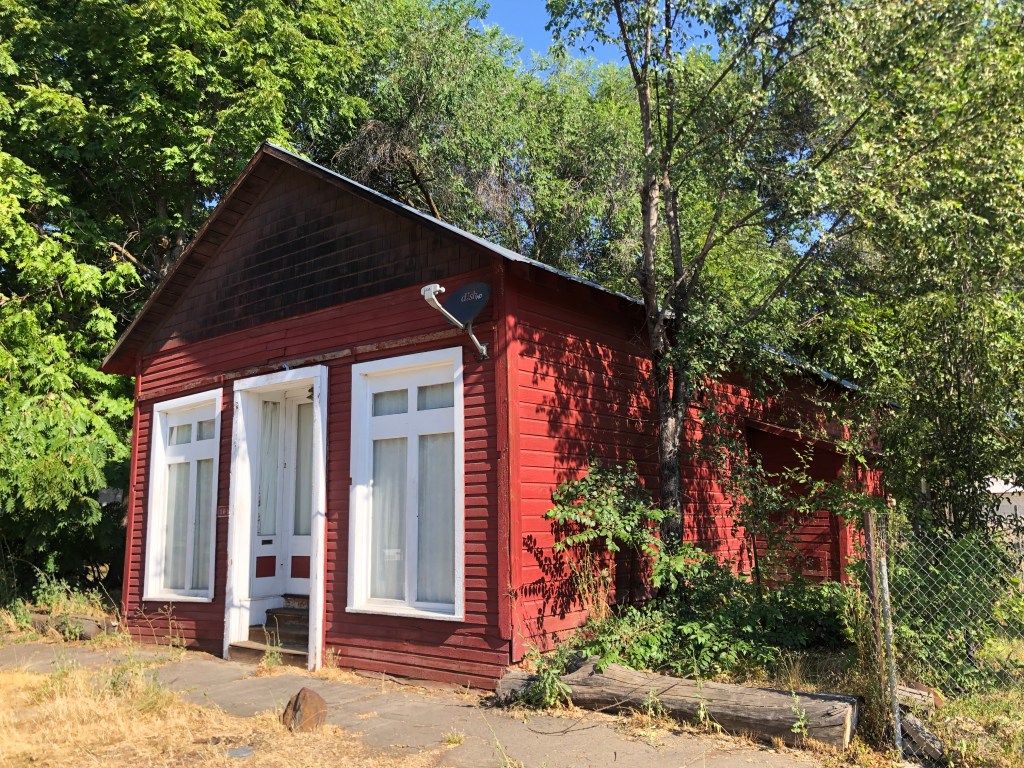
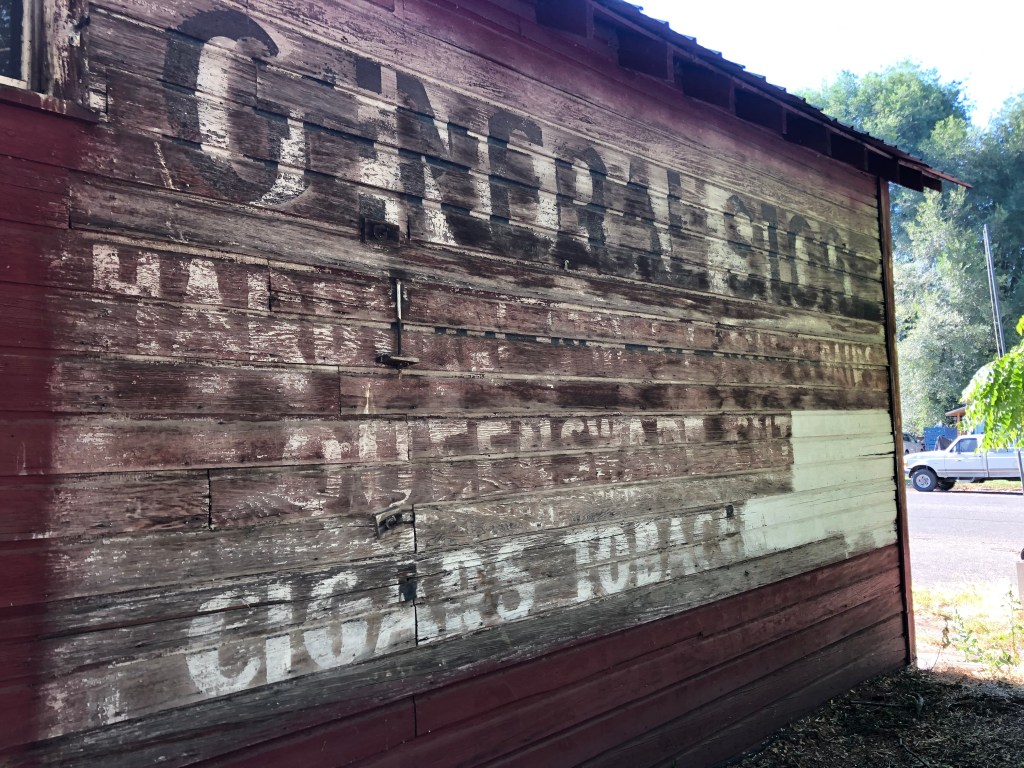
3. The Red Store. One of the oldest buildings in Weiser, The Red Store dates back before the turn of the 20th century. I couldn’t find an exact date of construction, but the old signage on the west side of the building (left untouched by the owners, who’ve otherwise repainted the building) appears to be late-19th century.

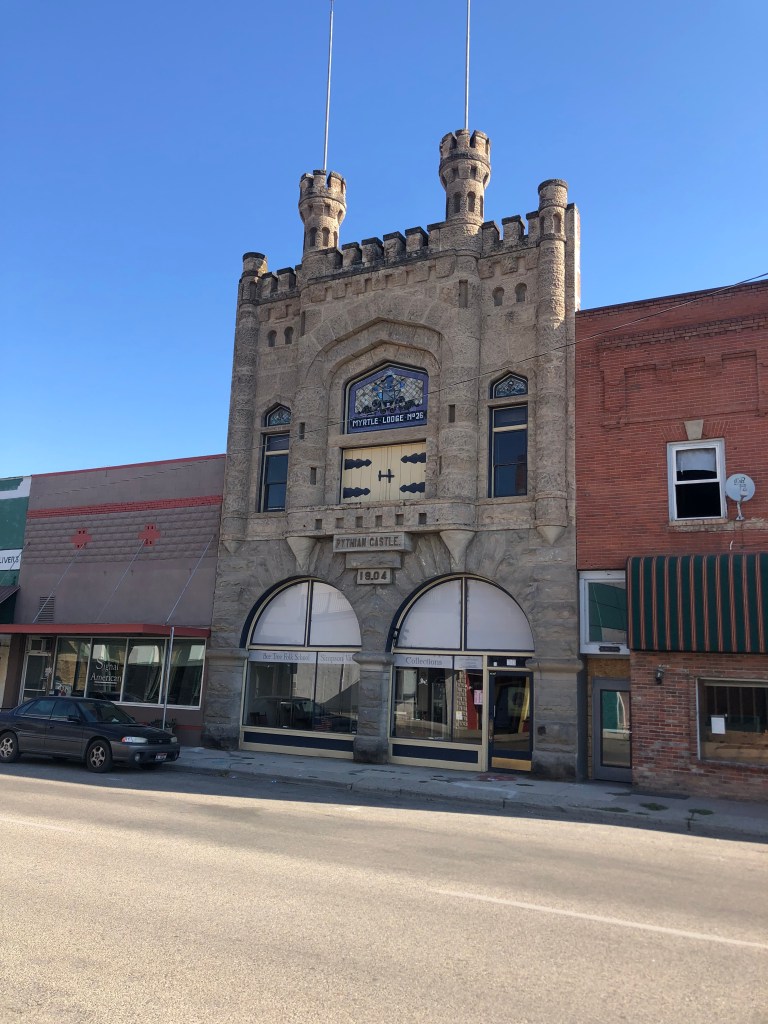
4. Knights of Pythias Lodge. In her memoir Grandma writes that her father (aka my Great Grandfather Burley) “occasionally went to a card game at the Woodmen of the World Lodge, which he had joined in order to qualify for their life insurance.” I couldn’t find any evidence of the Woodmen lodge in Weiser, but I did find this very cool old lodge building from the Knights of Pythias. The building was constructed in 1904 and sits prominently on the main drag, so doubtless it was familiar to Grandma.

Paging Harold and Kumar….

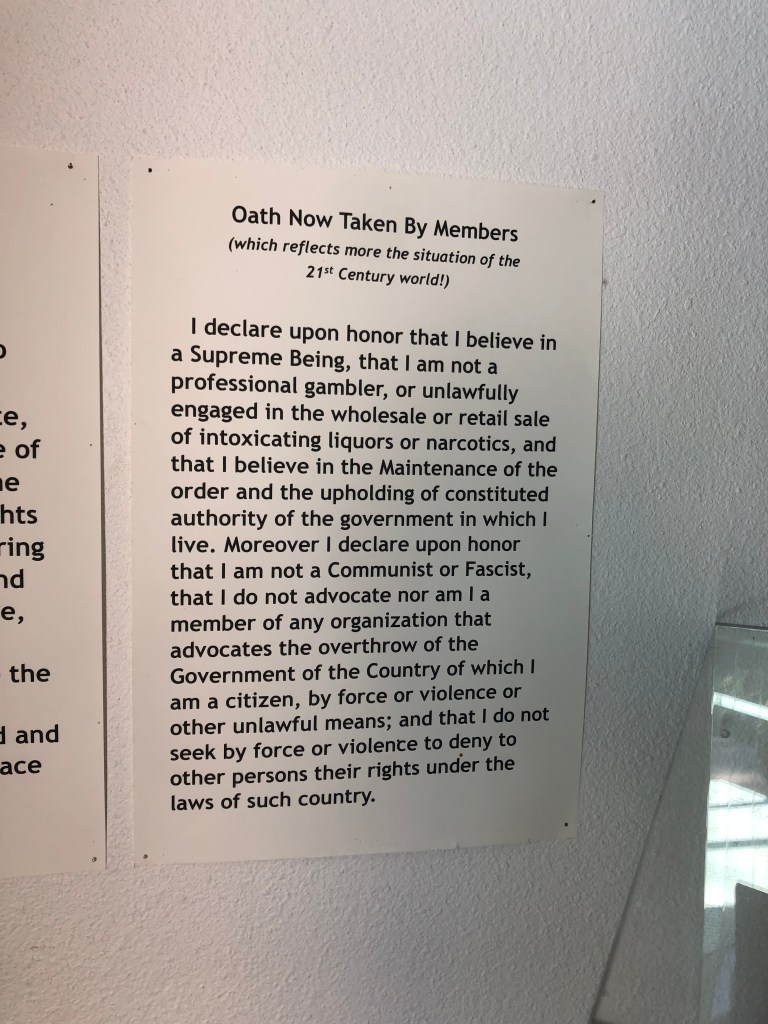
The Knights of Pythias (KOP) was founded as a fraternal order during the Civil War. Like many fraternal organizations, its purpose was primarily to provide assistance to its members and their families when serious illness, death, or some other crisis befell them. It’s not unlike Great-Grandpa Burley’s joining the Woodmen of the World to get life insurance. Also like many other fraternal organizations, the KOP was a secret society that was steeped in rituals borrowed from foreign cultures.

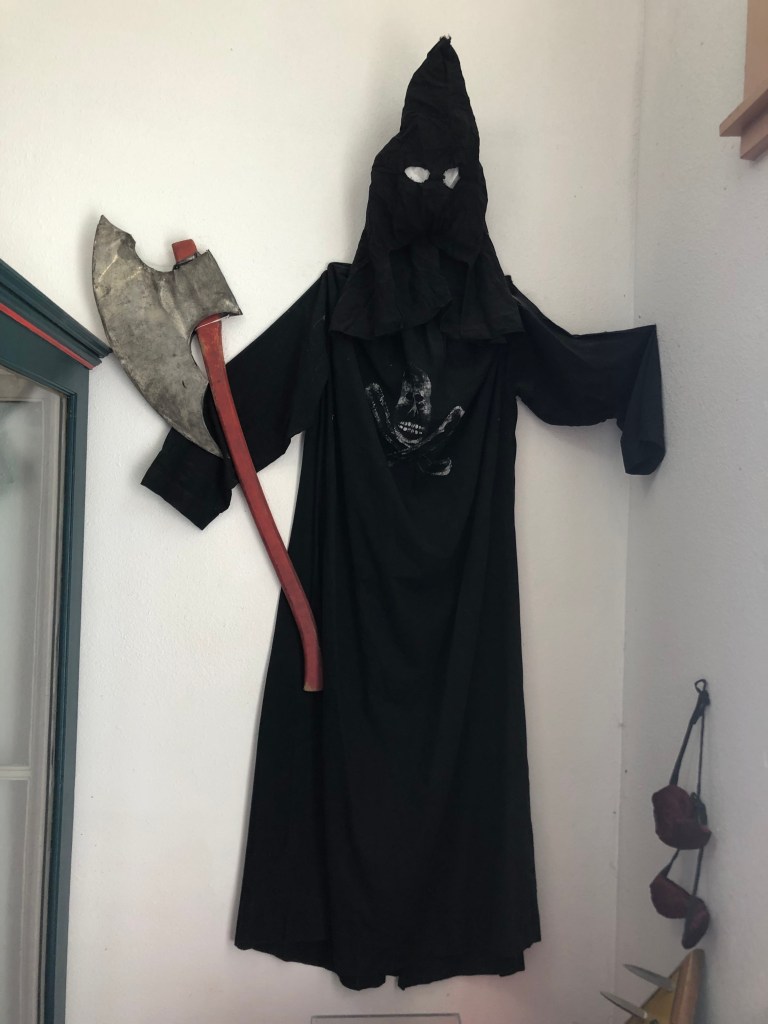
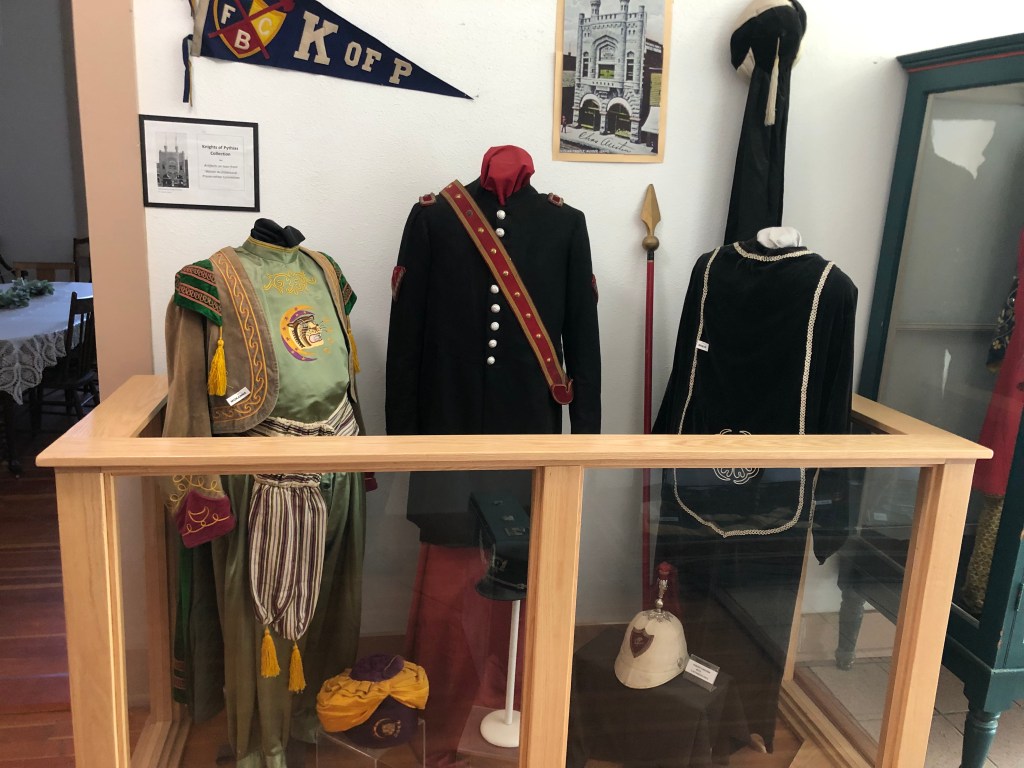
The Weiser chapter of the KOP closed in the middle of the 20th Century, and parts of the building have been used primarily for storage since that time. Then, a few years ago, some boxes were discovered that contained costumes and props for the KOP ceremonies. Some of these are now on display in the regional museum. I took a few pictures of them:

From an era when cultural appropriation wasn’t frowned upon.
This must have been a fun part of the initiation ceremony…
The Knights of Pythias still exists as a fraternal organization, though its numbers have dwindled. Sen. Chuck Schumer is a member. I’m not making this up.
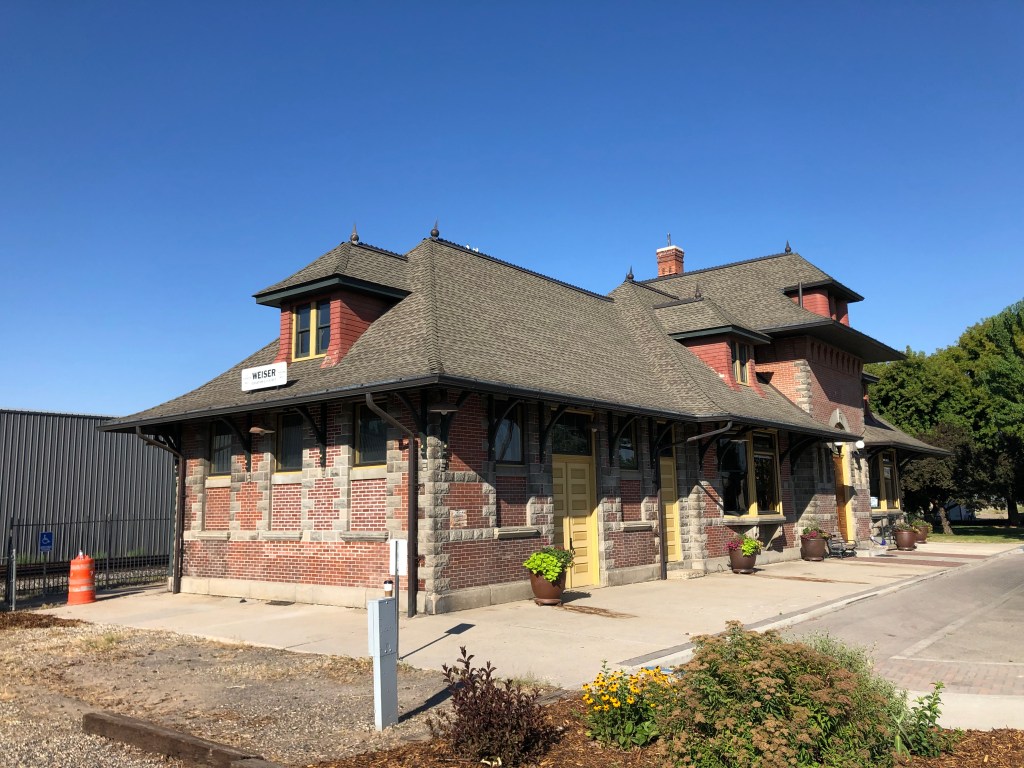
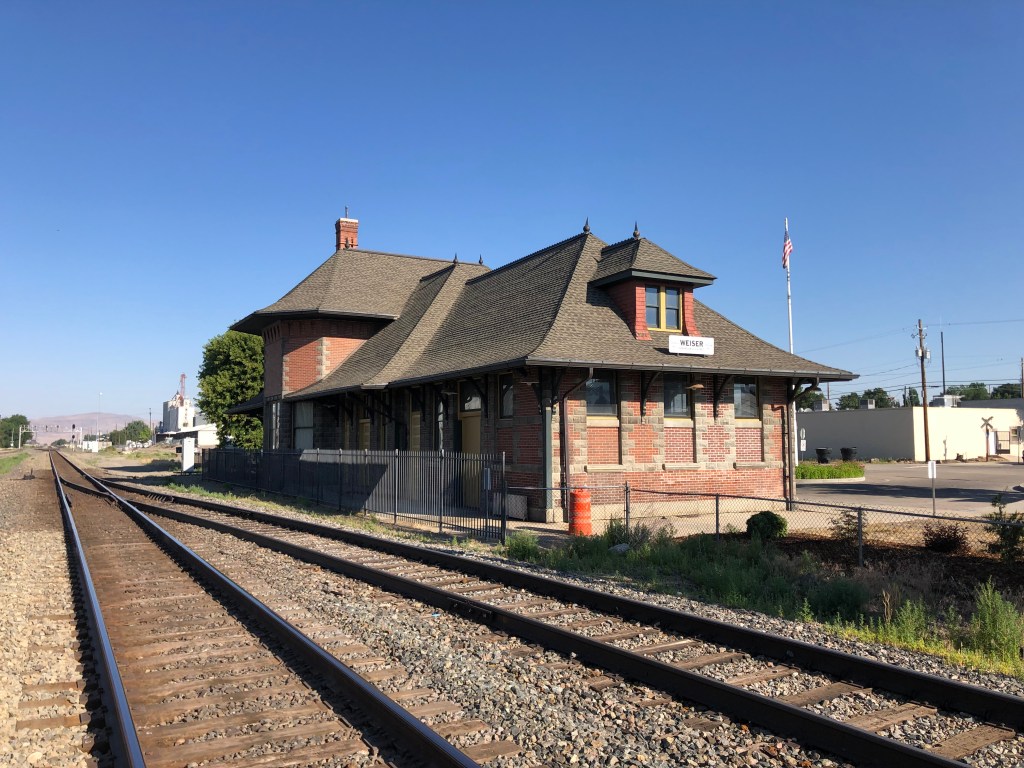
5. Weiser Depot. Weiser lobbied for the Union Pacific to bring its mainline to their town. But they only got a shortline. Still, the UP built them this beautiful Queen Anne-style depot in 1907. In her memoir Grandma talks about taking various train trips, but I don’t know if she ever boarded at this particular depot. Still, she must have had occasion to visit it. Some years ago trains stopped stopping (can I say that?) in Weiser, and the station closed. It’s been restored and for awhile it was a museum, but when I saw it today it was empty.

Trains still come by on the tracks, but they don’t stop at the station.
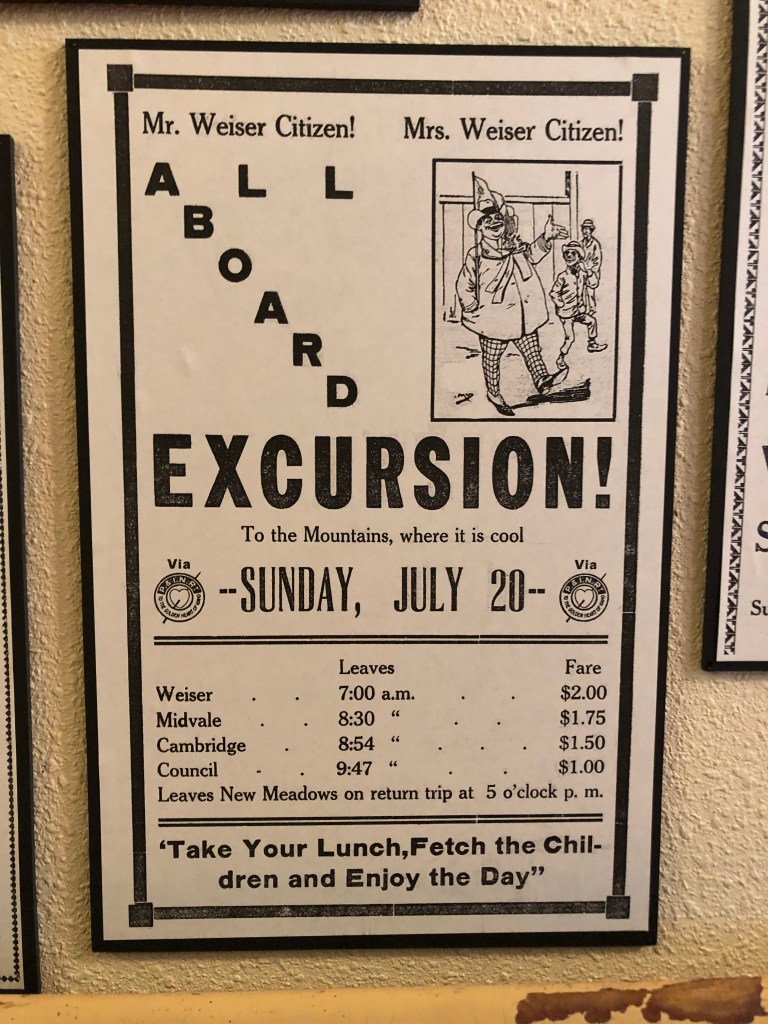
Handbill at the regional museum. Is the illustration mocking “Mr. Weiser Citizen”?
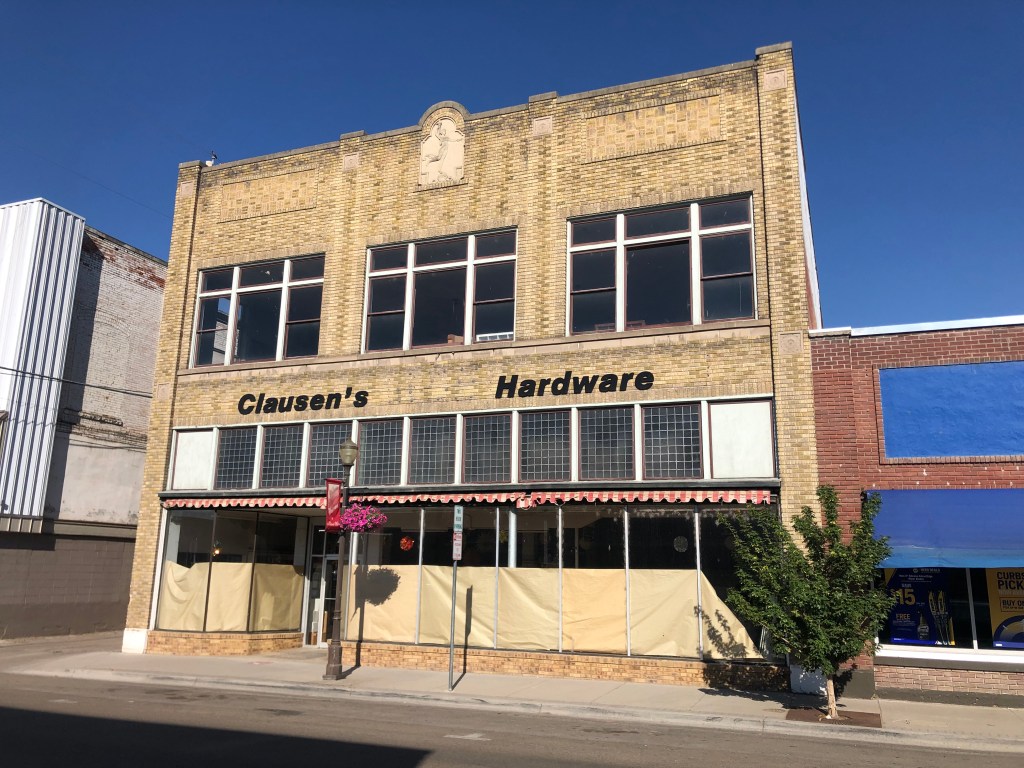
6. Clausen’s Hardware Building. I couldn’t find when this was built, but surely Grandma must have seen it. This became an ACE hardware store in the middle of the last century, but it recently closed.
The brown paper on the windows suggests there’s something brewing.

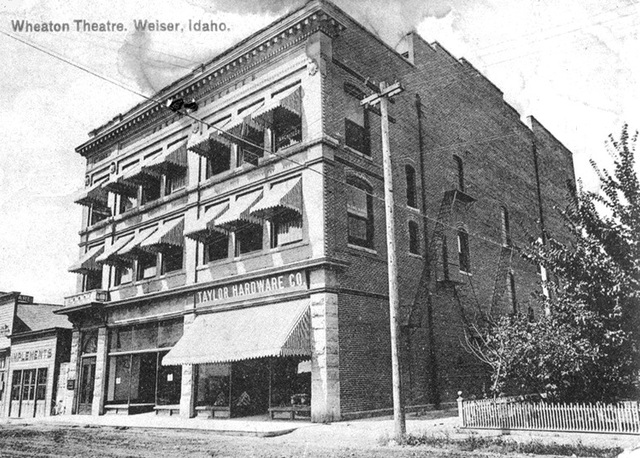
7. Site of the Wheaton Theater. In her memoir, Grandma writes that she and other schoolchildren sang “in the town hall, which, apparently anticipating events that never materialized, the town fathers had given the name of Opera House. Actually it was nothing more than a hole in the wall.” The only building that had been described as an opera house (that I could find) was the Wheaton Theater, which was constructed in 1908 and was destroyed by fire in 1937.

Wheaton Theater/”Opera House”(?)

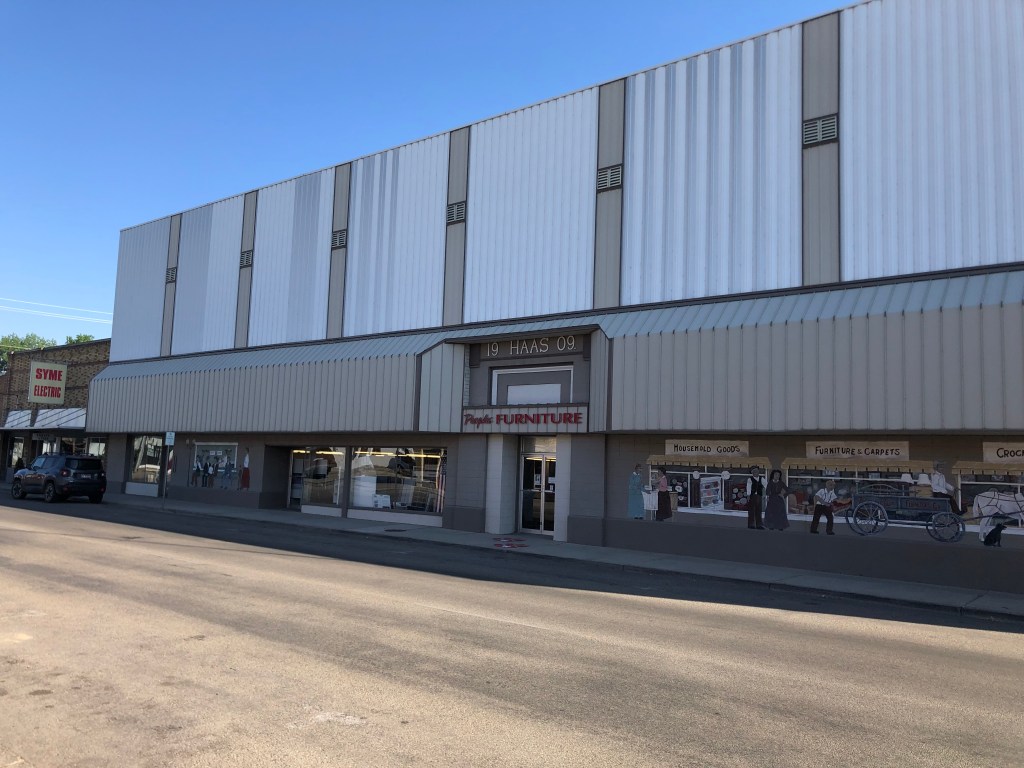
Today, the People’s Furniture building occupies what is said to be part of the site that was once the Wheaton. Looking at the picture, I’m guessing that People’s combines the old Haas Building (from 1909) and the old Wheaton Building.

For some reason, that ugly siding was all the rage in the 1950s and 1960s.
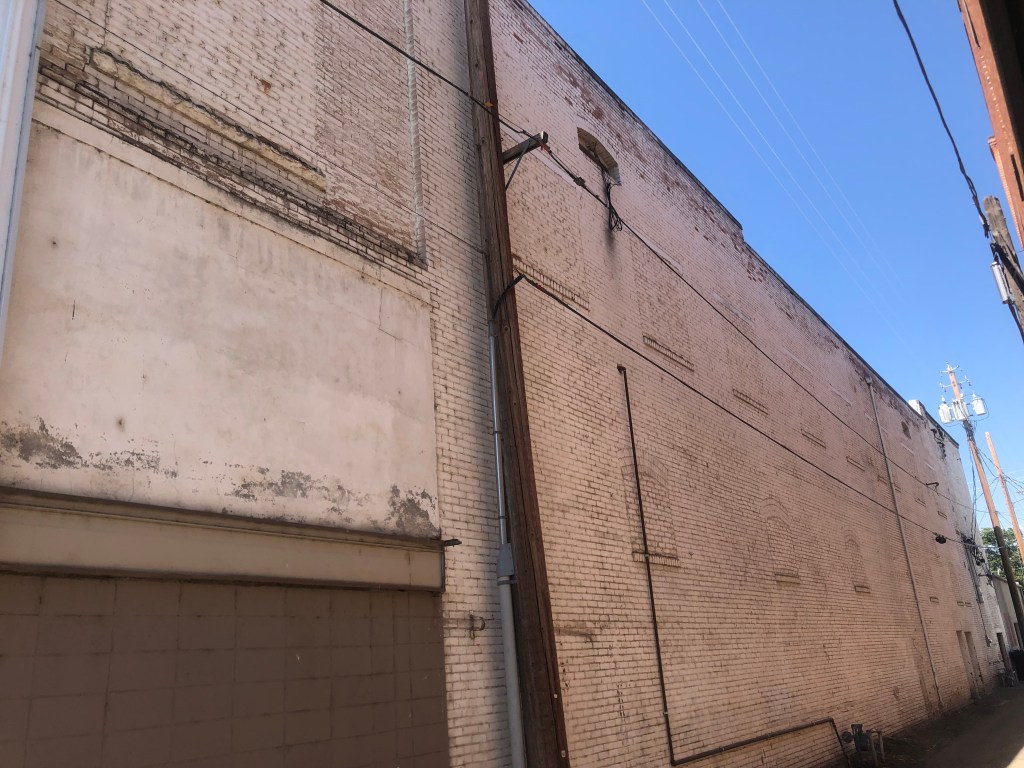
This is the alley side of the People’s building. Are those bricked-up arched spaces the windows that appear in the historic Wheaton Theater photo above?

8. Site of the First National Bank of Weiser. In her memoir, Grandma writes that her father (my great-grandpa Burley) had a sometimes-stressful job with the local bank, and that her mother “took her position as wife of a bank officer very seriously and felt she must live up to it.” However, the 1915 City Directory identifies Great-Grandpa Burley as being an “Asst Cashier First National Bank.” I wouldn’t think to call that a “bank officer.” But evidently the whole family felt Great-Grandpa had a high level of responsibility.

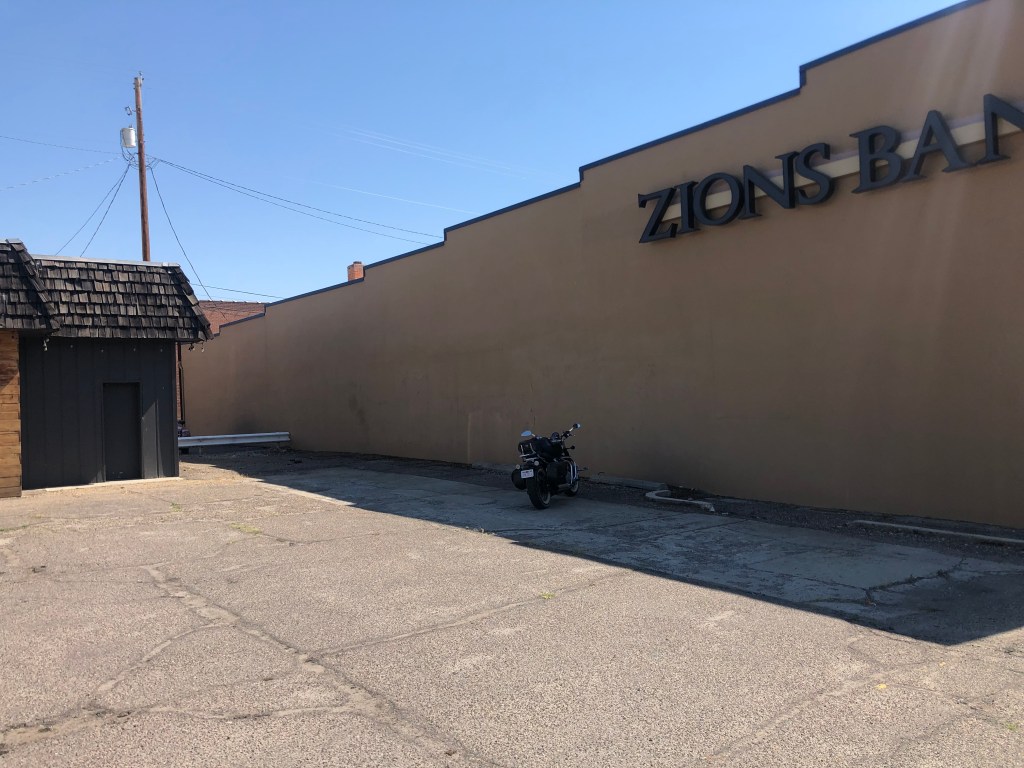
Sadly, the First National Bank of Weiser no longer stands. In its place there is a vacant lot, next to which stands a new(ish) Zions Bank. None of the staff at Zions could tell me anything about the old First National Bank.

The vacant space which used to be Great Grandpa’s bank. Grandma one visited him there after falling into a vat of chocolate. I’m not making this up.

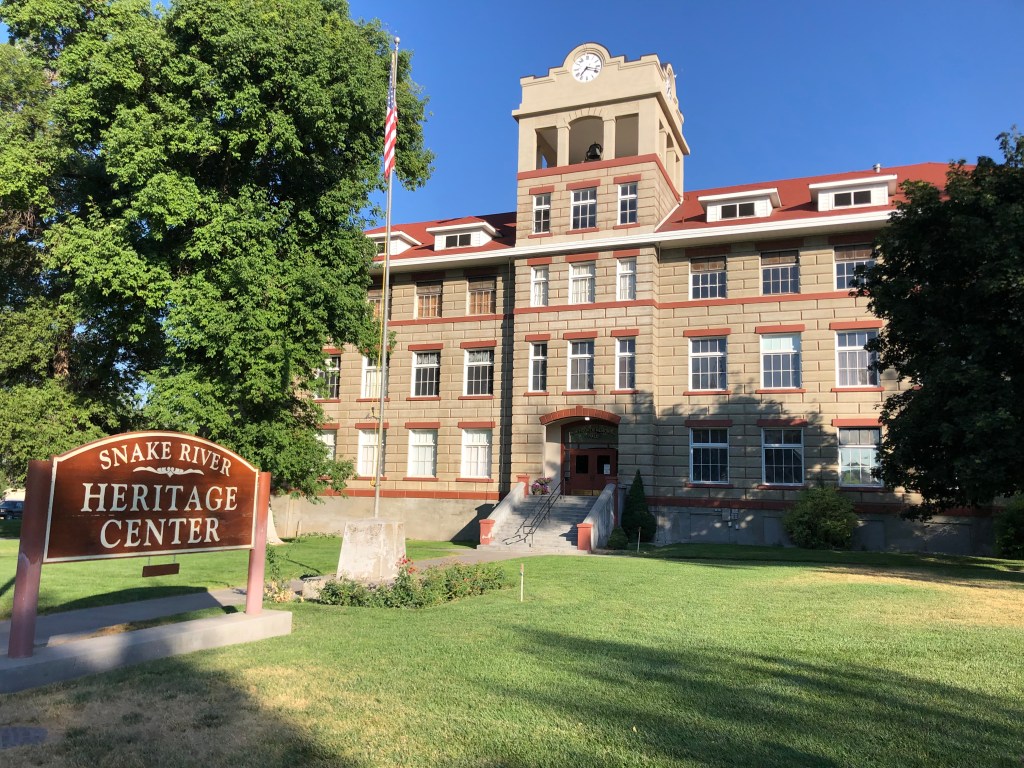
9. The Intermountain Institute. Although Grandma probably never was on the campus, the Intermountain Institute was a boarding school whose extant buildings date back to 1907–a few years before Grandma was born. The Institute closed after Weiser constructed a public high school in the mid-twentieth century. Today, one of the Institute’s main buildings (Hooker Hall) is home to the Snake River Heritage Center, which has historical artifacts and exhibits related to Weiser and the surrounding area. It’s at this Heritage Center that I saw the Knights of Pythias regalia.

Aka Hooker Hall.

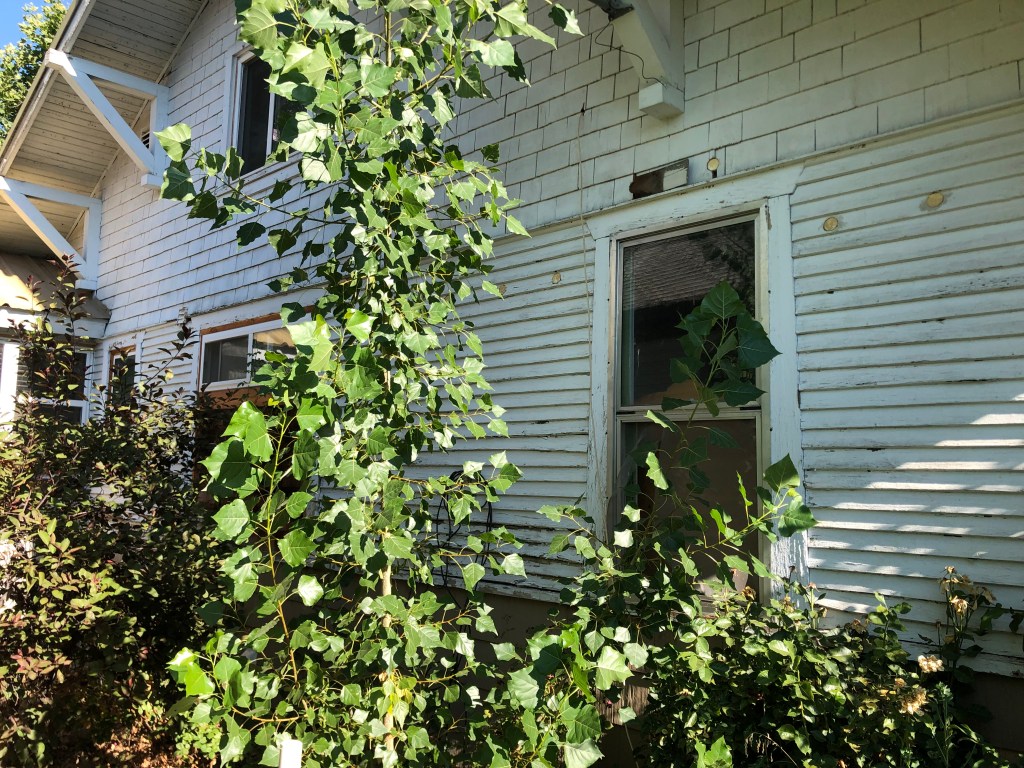
10. Grandma’s Childhood Home. Weiser’s 1915 City Directory lists Great Grandpa Burley’s address as 931 West 3rd Street. Now, Grandma writes “Our first home was close to downtown, and Papa’s job at the bank was only a few minutes away. But in Papa’s eyes the pasture on the other side of the fence was always greener, and so we moved often.” So it’s not clear how long they lived in this house; I only know they were there in 1915.

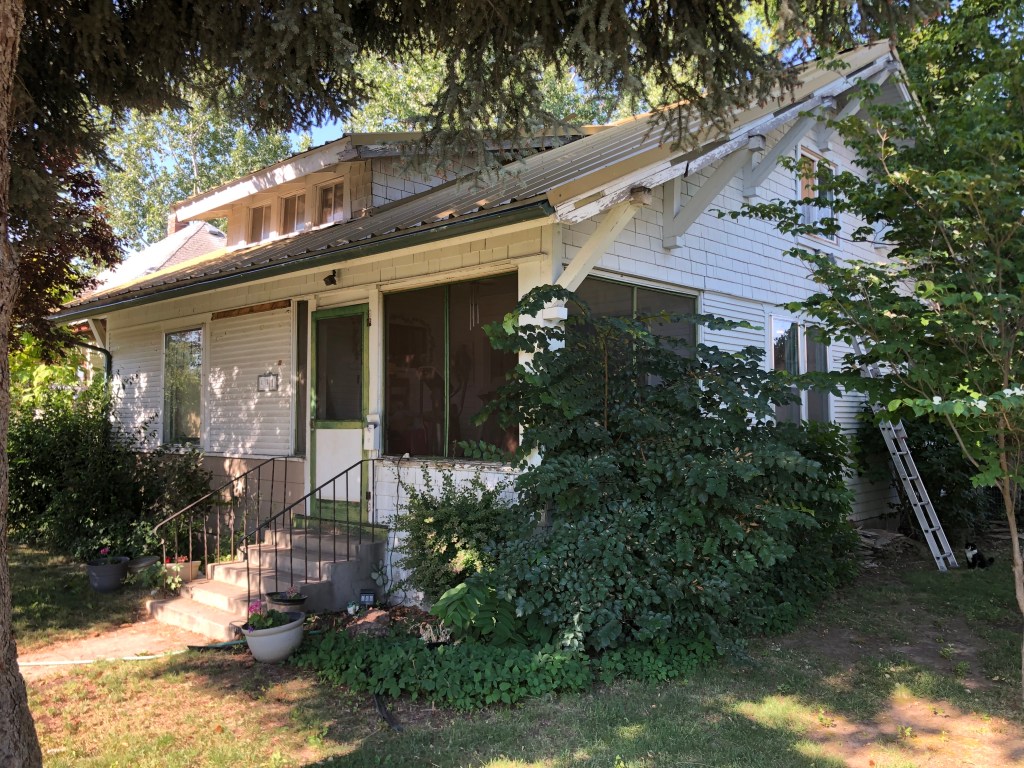
So today I drove out to West 3rd street, and the house is still standing!

It’s just as I pictured it would look.
Not bad for over 100 years old.
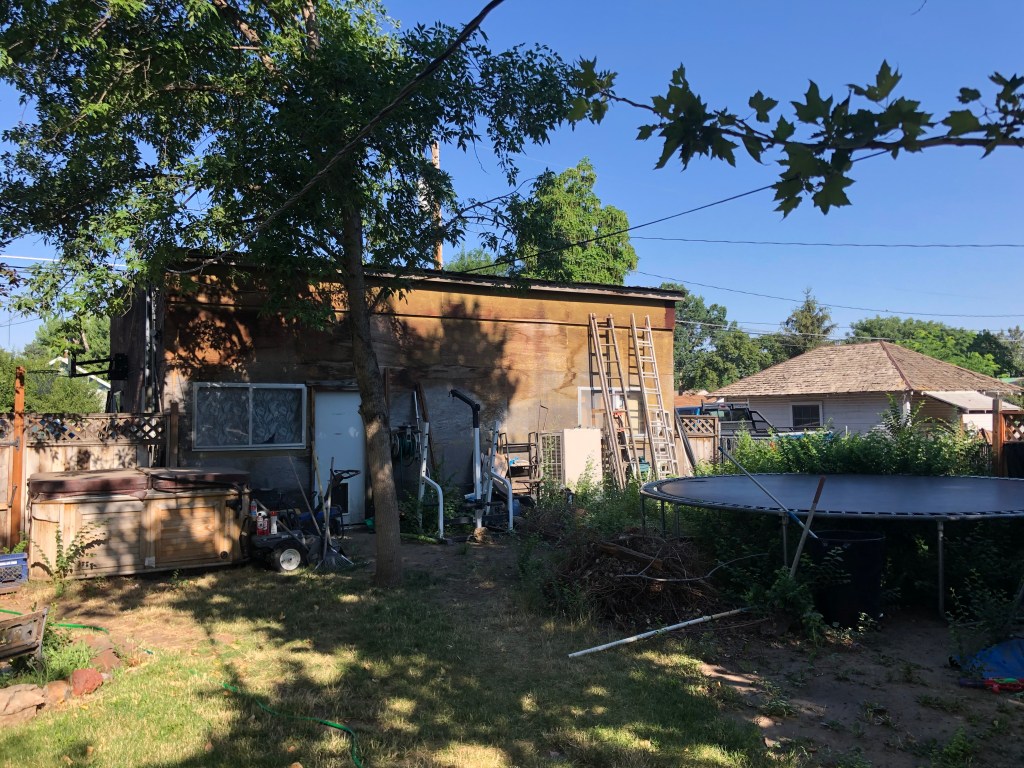
Part of the back yard. It’s not clear to me whether the shop/garage building was there in Grandma’s day.

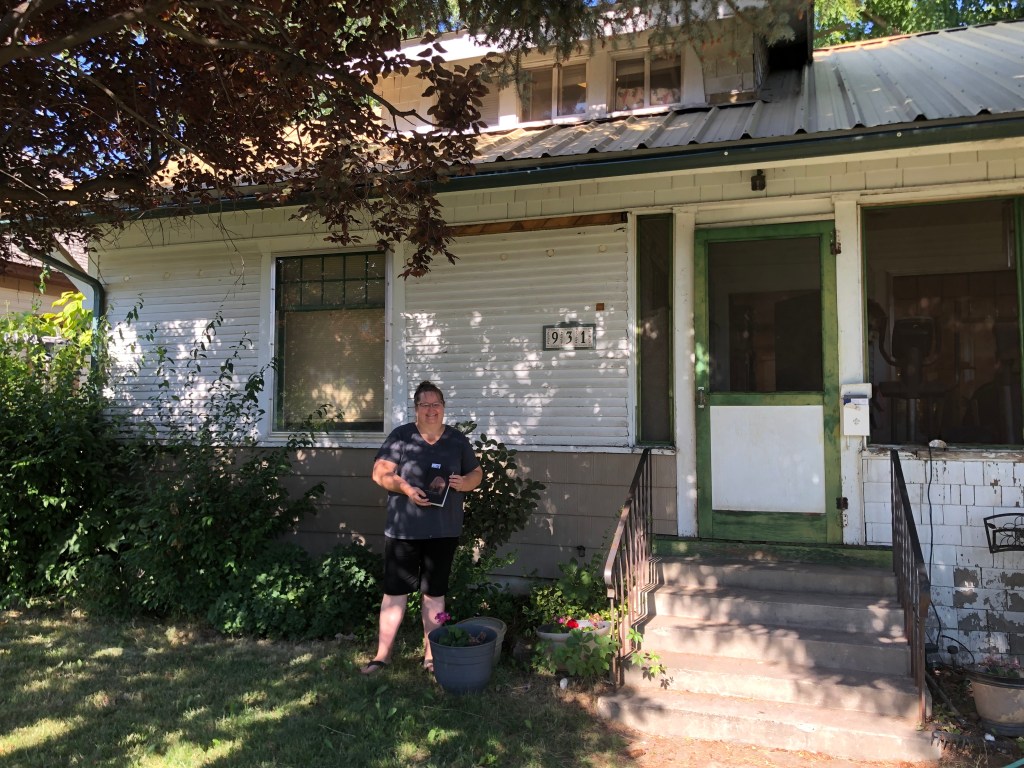
As luck would have it, just as I arrived a woman was parking her car in front of Grandma’s old house. And it turns out she’s the current owner! Stephanie (for that is her name) and her husband bought the house about six years ago, and they’ve made some considerable repairs and improvements.

Stephanie, holding a copy of Grandma’s Memoir.

Their work to the house includes some sheetrocking of walls, moving a bathroom, and converting the attic space to bedrooms. But still there is plenty of the original house that Grandma would surely recognize. And how do I know this? Because Stephanie, bless her, invited me in and showed me around. I was literally walking in Grandma’s footsteps.

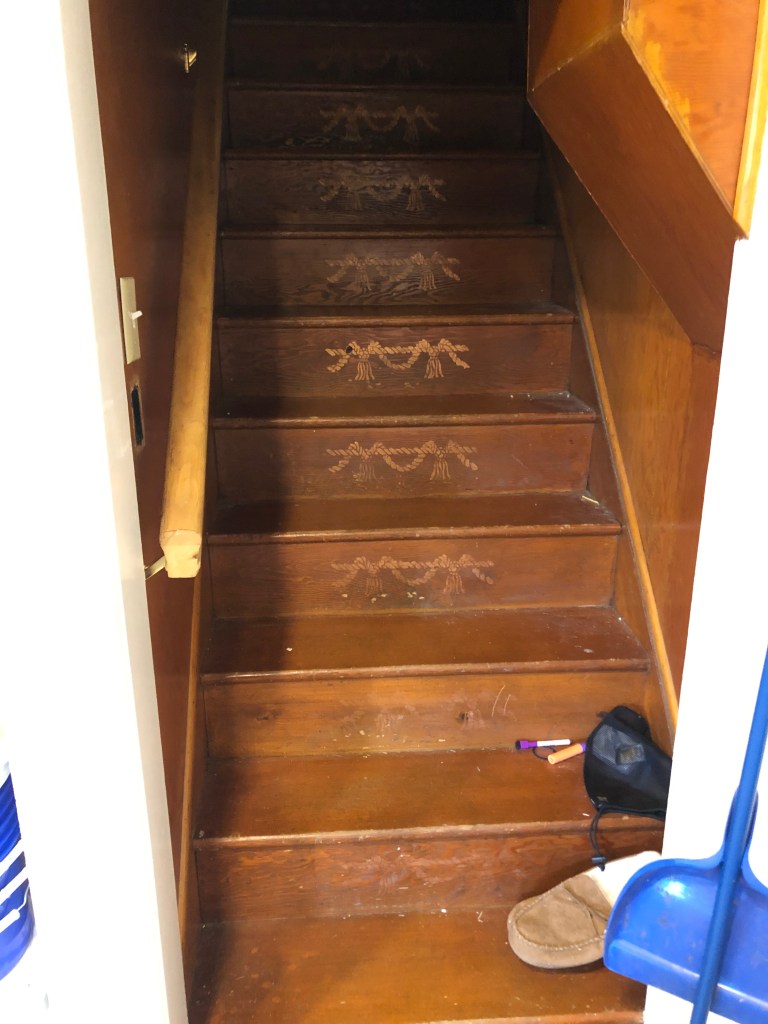
Stairway to the attic.
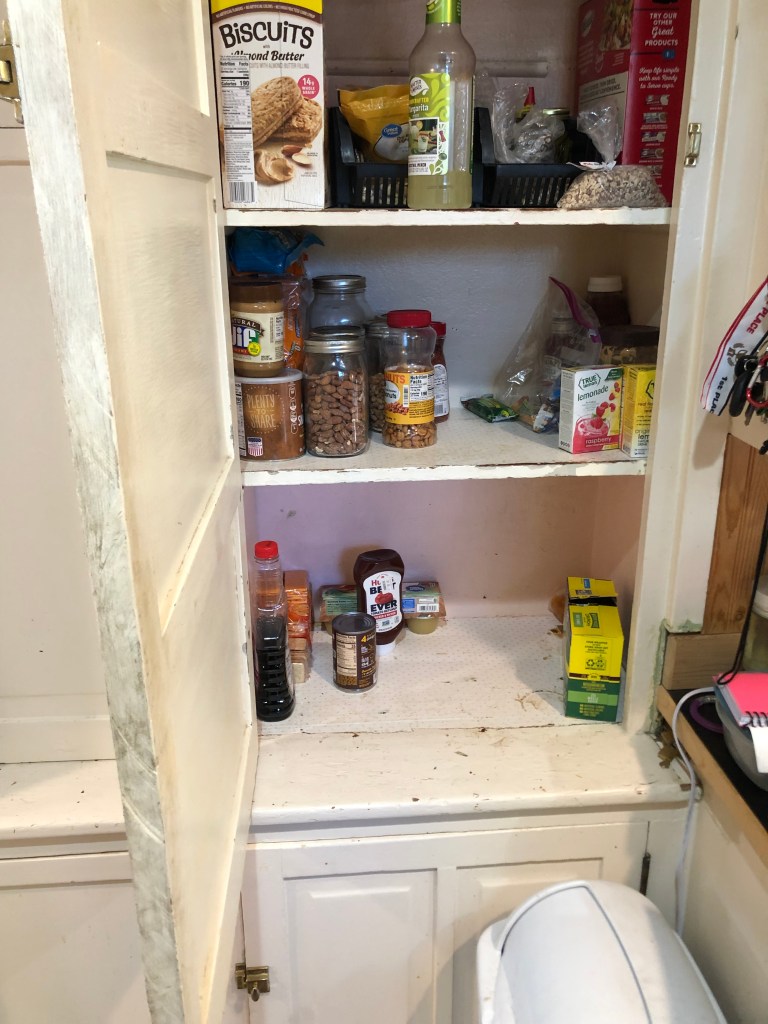
Original kitchen pantry. Grandma’s oatmeal (or whatever she ate for breakfast) would have been stored here.
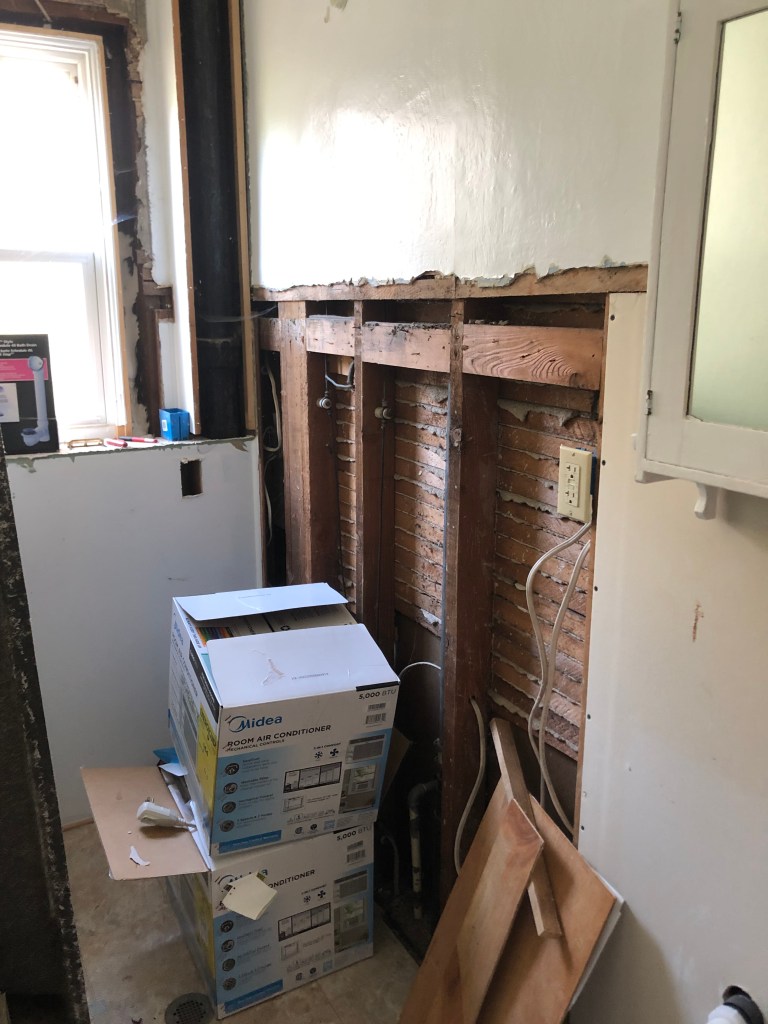
Original lath and plaster wall, exposed from remodeling work. Stephanie reports that she found grandma-era newspapers in the walls, perhaps being used for insulation.
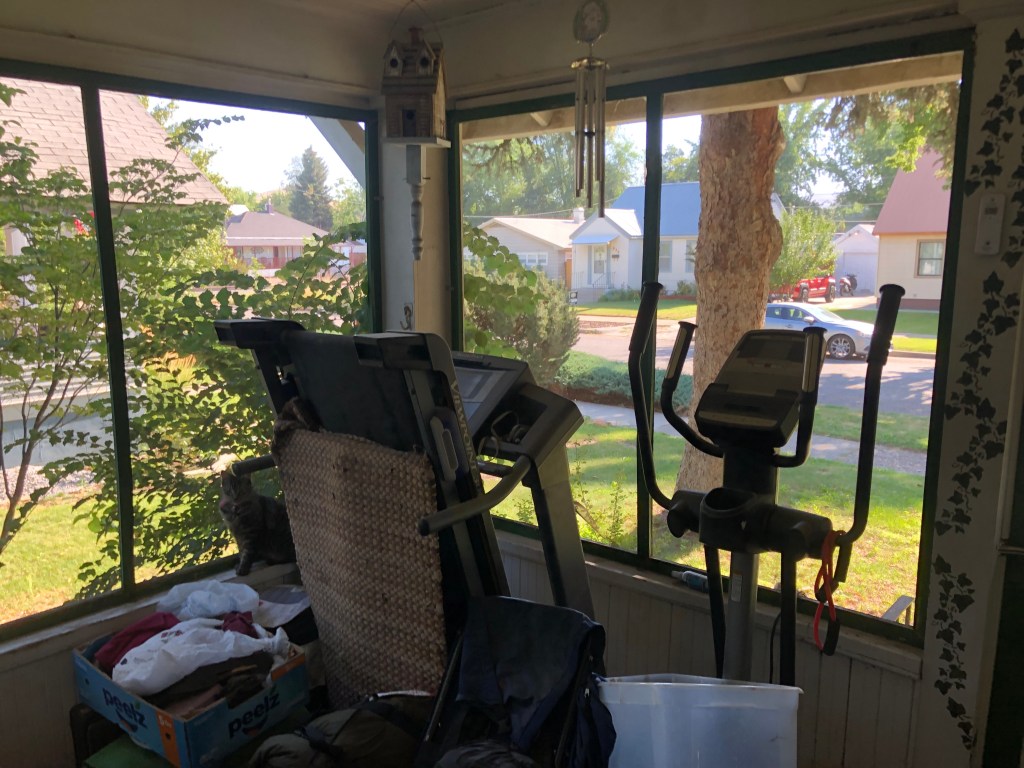
In her memoir Grandma writes of occasionally sleeping in screened porches. Could this be one of them?
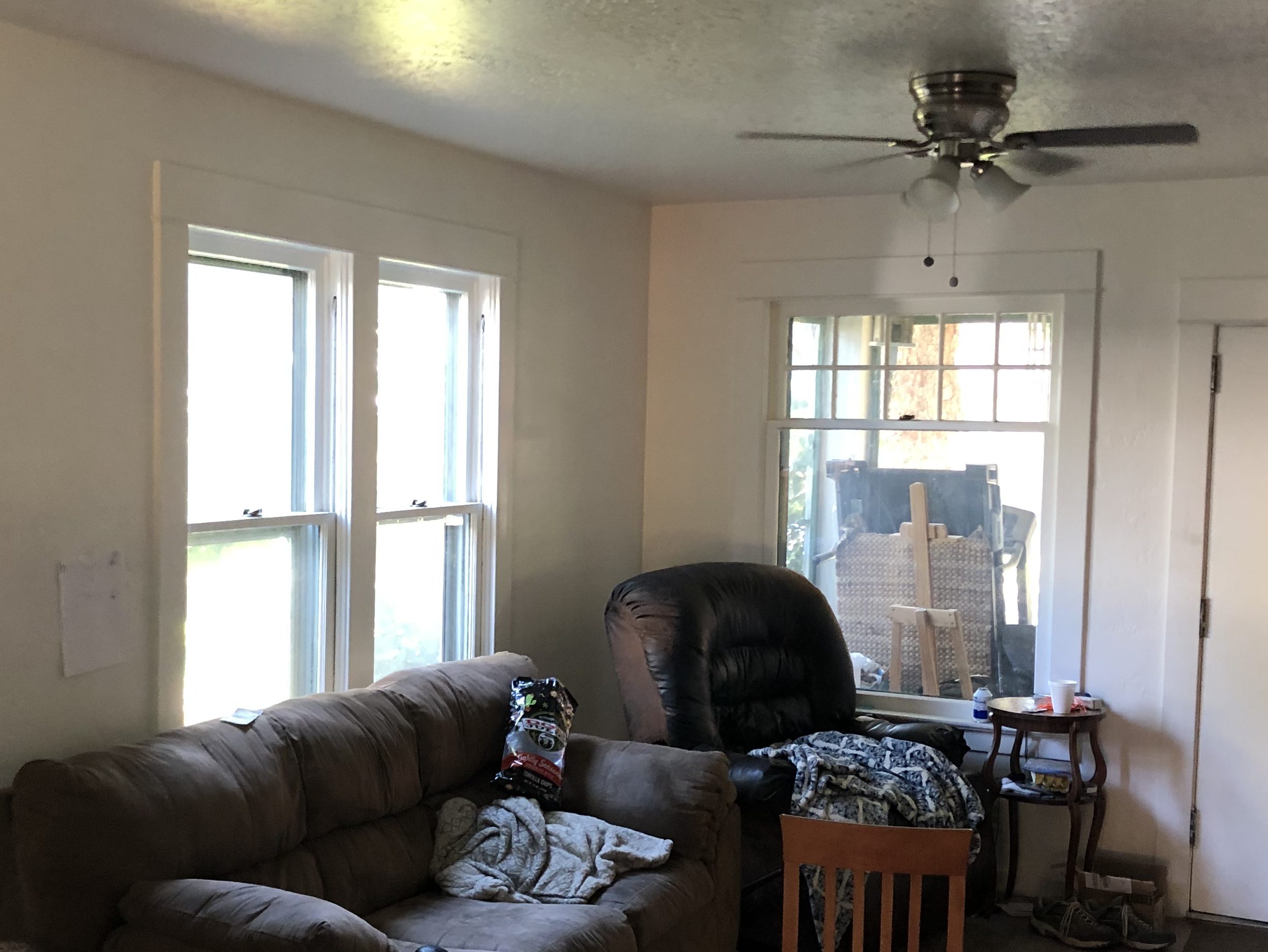
The living room, where Grandma lovingly describes the family Christmas celebrations.

So that’s why I opened this blog post with remarks about the day going to well. I came to Weiser to learn more about my Grandmother. And while I didn’t learn a lot of new facts, what I already knew somehow gelled became textured as a result of spending some time in her childhood home and walking the streets of her town.

And so, feeling satisfied, it was time for me to hop on la machine and head back toward Placerville…which, as it turns out, is the hometown of Stephanie’s husband. Small world, isn’t it?

(Tomorrow I’ll share other photos and remarks from the 1000-mile round trip to Weiser.)

Road trips

Homeward Bound

By way of background for this latest trip I’m about to relate, allow me to quote the back cover blurb from a recently-published memoir:

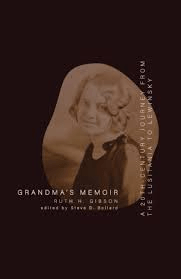
“Ruth Gibson (née Burley) lived through almost all of the twentieth century. A prolific writer with much to say, she spent her later years typing out her memoir on an old Remington typewriter. Sadly, she died before she could have it published. … Ruth’s memoir describes her childhood in prewar, small-town America, coming of age during the Depression, her contributions to the American war effort during World War II, and finding and losing love. She offers timeless insights about perseverance, human relationships, and the importance of family. Told with heartfelt candor and gentle humor, it is a moving story about life in twentieth century America.”

Ruth Gibson was my paternal grandmother, and her memoir has finally been published, posthumously. If this kind of story intrigues you, copies are available on Amazon. (The Kindle version is practically free!)

Coming up with innovative titles is not my strong suit.

I spent much of the past year editing Grandma’s memoir, and in the process became increasingly curious about her life. The first third of her memoir focuses on her childhood in Weiser, Idaho (pop: 5,600). Weiser was (and remains) a farming community along the Snake River, which marks Idaho’s boundary with Oregon.

Now, alert readers may recall that I’d visited the childhood home of my paternal grandfather (i.e. Grandma’s one-time husband) when I was in upstate New York a couple of months ago, on my storied US Route 2 trip. I never met him, since he’d left Grandma before Dad was even born. But it was good to see his old stomping grounds. Wouldn’t it make a nice bookend to also visit Grandma’s childhood home? Helpfully, my Uncle Edward provided me with a 1915 city directory that lists the address of Grandma’s house in Weiser, as well as the bank where her father worked. I also discovered that Weiser has a good historical museum, and a research library with many historic archives.

So I decided to make the short 559-mile drive from my home near Placerville to Weiser. On a motorcycle. In 100-degree heat. What could go wrong?

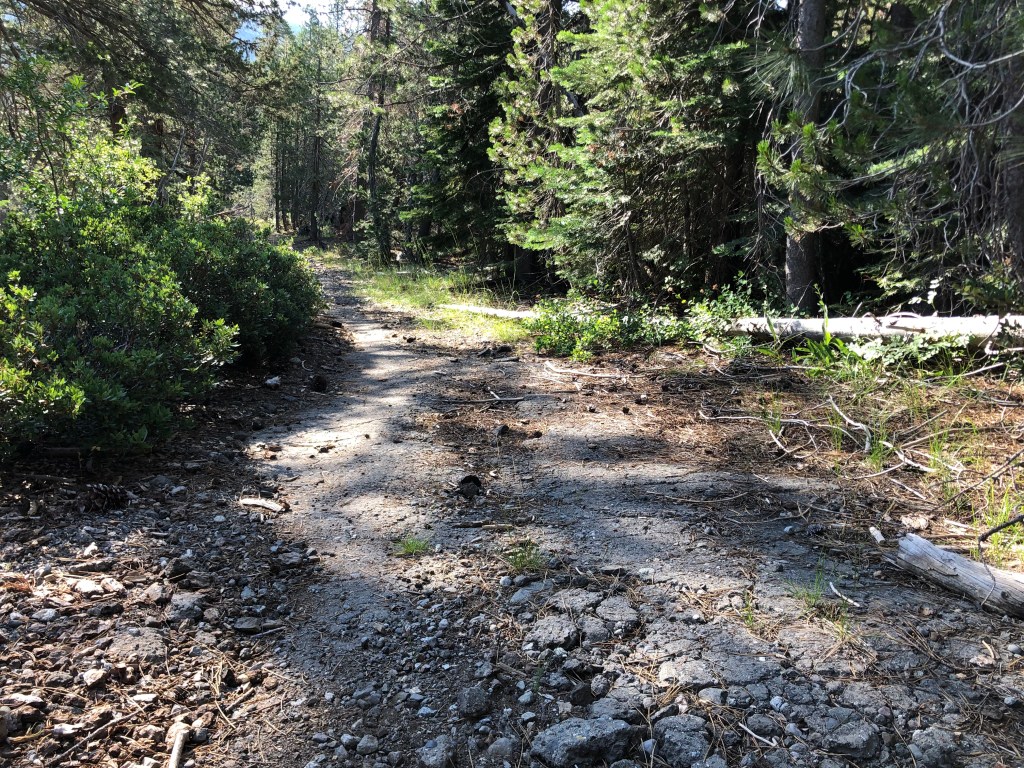
This morning found me crossing the Sierra on Interstate 80. As you may know, I-80 largely follows the old Lincoln Highway, which was the first transcontinental automobile route in the US. The Lincoln Highway opened in 1913, and its alignments changed repeatedly over the years. Today very little of the original Lincoln Highway remains. But I did manage to find this isolated segment this morning, in the shadow of I-80 west of Donner Pass.

Over 100 years since its last repaving.

Once over the Sierra, I dropped into the so-called “Great Basin” of Nevada. Now, I hate to be a naysayer, but the Great Basin really ain’t that great. It’s hot, dusty, and desolate. Mile after mile and mile I traveled, with very little in the way of roadside diversions to break up the monotony. Eventually I came to the town of Winnemucca (pop: 7,800), where I procured my Beer of the Day. (See details below.) Once suitably refreshed, I got back on the Triumph and headed north of US 95. I’d only completed about half the trip.

I took the blue-colored route. Will likely take the longer, western route for my return.

I didn’t quite make it to Weiser today. I’ve stopped for the night in Ontario, Oregon (pop: 12,000). Tomorrow I’ll make the 25-minute drive back over the border to Weiser, Idaho. Until then.

BREW OF THE DAY

In Winnemucca I found a promising establishment called Brew 95. When I entered it looked like a typical hipster coffee shop. Once I caught the attention of the barista who was carefully studying her iphone, I told her I was looking for an alcoholic brew, not a caffeinated one. Did I come to the wrong place? “We also have beer,” said she, not looking up. “But we’re out of it today.” I thanked her and left, still not certain whether she was pulling my leg or not.
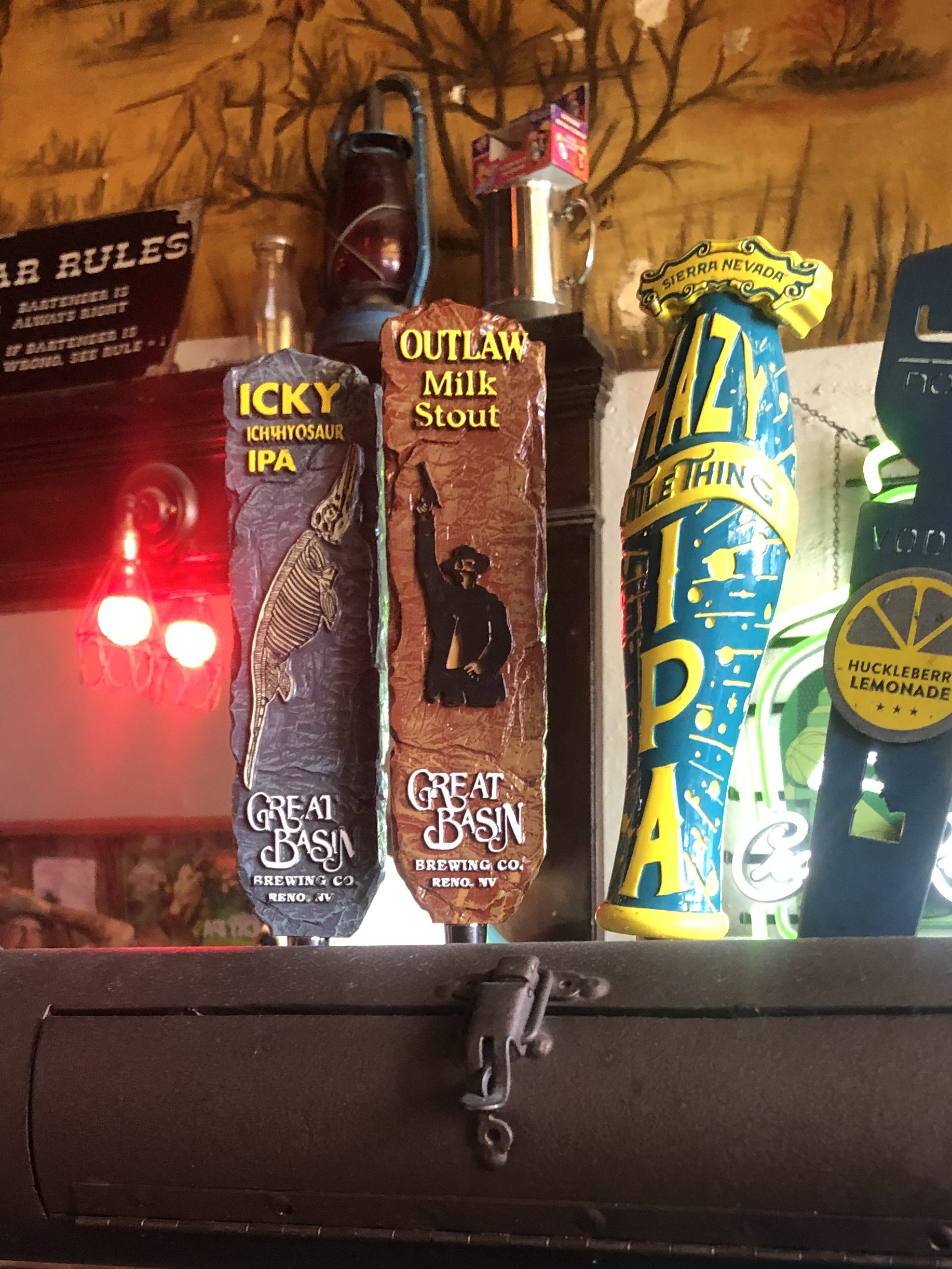
Next I tried a place on the main drag with the propitious (if obvious) name of Cheers. Unlike Ted Danson’s place, this Cheers was dark and smoky. Six people sat at the long, worn bar. Their average age looked to be about 78 (it would have been higher, but for the young, tattooed gal of 47 that the other patrons were flirting with). For some reason this woman had three opened, family-size bags of chips in front of her: Fritos, Munchies, Tostitos. The placed smelled of stale smoke, and years of nicotine had taken its toll on the yellowed wallpaper. But all was not lost; I spied a couple of taps from Great Basin Brewing Co in Reno.

A bright spot in a dank, smoky room.

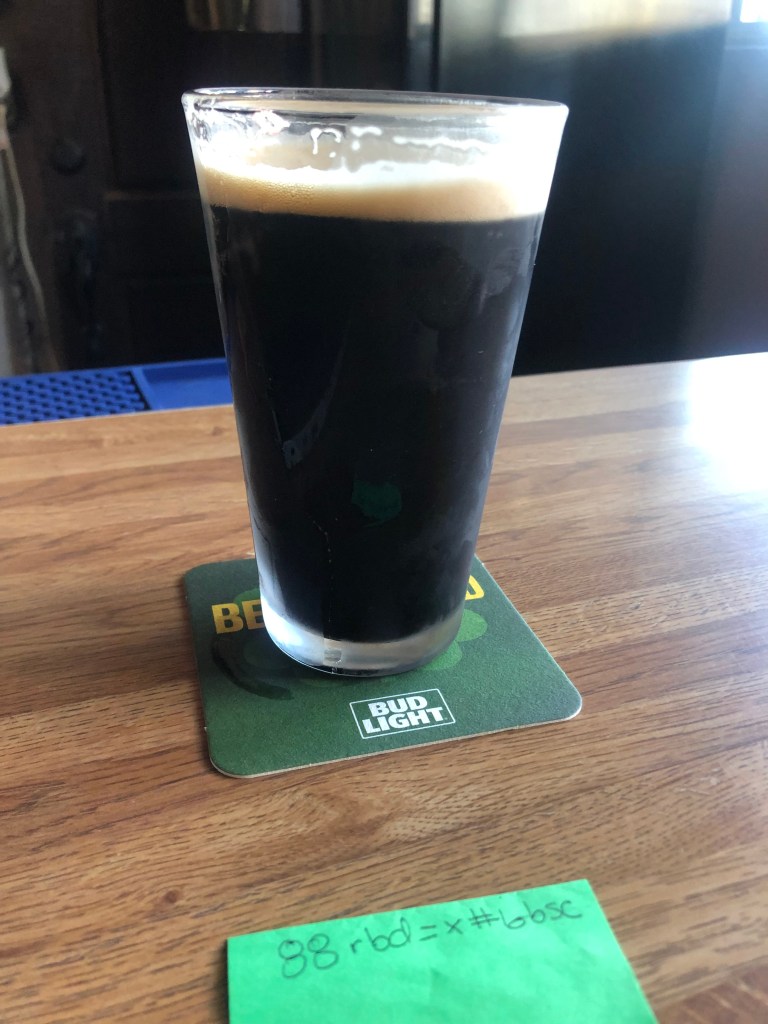
I opted for the Outlaw milk Stout. The color was a rich, dark brown that reminded me of espresso. And in fact it had a strong coffee flavor.

The secret code on the green paper is the wifi password.

The mouthfeel was exceptionally smooth. Despite the color, this was not a heavy stout. It’s not boozy either, with just 5 percent ABV. The coffee taste was malty and sweet, with hints of vanilla extract and chocolate shavings. It’s lightly hopped, with very little bitterness. My only complaint is that there wasn’t enough foam on the head. But this beer went down very easy indeed. If I weren’t getting back on the road, I would have had a second one. Four and half stars.