The weeks immediately following New Years often can be difficult. The Christmas lights have come down, leaving a murky winter gloom throughout the land. It’s a time of chilly weather, short days,and family budgets decimated by holiday spending. Christmas vacation is over and it’s time to get back to the regular routine, made somewhat less enjoyable by my foolish New Year’s resolutions, which this year involve an ill-considered reduction in whiskey consumption. January, to me, is the real Humbug season. Spring won’t be making its arrival for another 68 days, though who’s counting?
So I figured a trip to southern California might at least allow me to catch a little sunshine. What’s more, my nephew Graham recently informed me, over beers, that near his house in Altadena (pop: 43,000) sits just a stone’s throw from the remains of a historic mountain railroad that dates back to 1893. The Mount Lowe Railway (for that’s its name) was gutted by several fires in the last century, but some ruins remain and the view from the top of the right-of-way is said to be impressive. The whole thing frankly sounds right up my alley, so I dutifully purchased a book about the railway, conducted some research, and began to plan a trip for next week.

You probably see where this is going: Tragically, wildfires this week wiped out Altadena, including, I’m sad to say, my nephew’s house. Can you imagine? You’re minding your own business, and suddenly, just a couple of weeks after Christmas, a Sheriff’s deputy knocks on your door and tells you to evacuate. A few hours later virtually everything you own is gone. It sure puts my puny problems into perspective.
So, with a prayer for the thousands of people displaced (and an unknown number killed) by the southern California fires, I decided a trip to the Southland isn’t in the cards right now. Instead, I figured I’d stick closer to home. And so this morning I saddled up the Speedmaster and headed south on Highway 49, which is one of my favorite routes. It’s a scenic, two-lane road that endlessly twists through the oak-studded Sierra Nevada foothills. And it passes through innumerable old Gold Rush towns that still somehow evoke the 49er spirit of tenacity and patience.
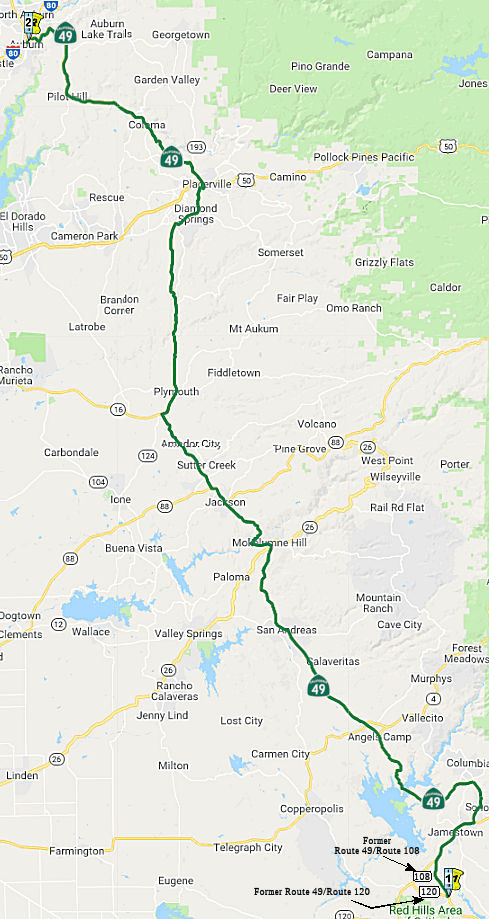
During today’s ride I stopped for a few hours in the town of Jackson (pop: 5,100). All my prior trips to Jackson have strictly been to purchase huge quantities of maple bacon from Swingle’s Meat Market, which calls itself “The Carnivore’s Toy Store.” They really lean into their identity, with taxidermied heads of elk, bison, deer, and something that looks like a water buffalo. Anyway, today I decided to see what the rest of the town has to offer.
Like many towns along Highway 49, Jackson sprang up during the Gold Rush. It’s home to the Kennedy Mine, which was among the deepest and most productive mines in the country. It operated from 1860 until it was shut down during World War II. Many features of the mine are visible to this day. I was drawn to the four enormous, wooden tailing wheels that had been placed on the low hills to the south of the mine. Those wheels stood about seven stories tall. Here’s a few photos of them today.
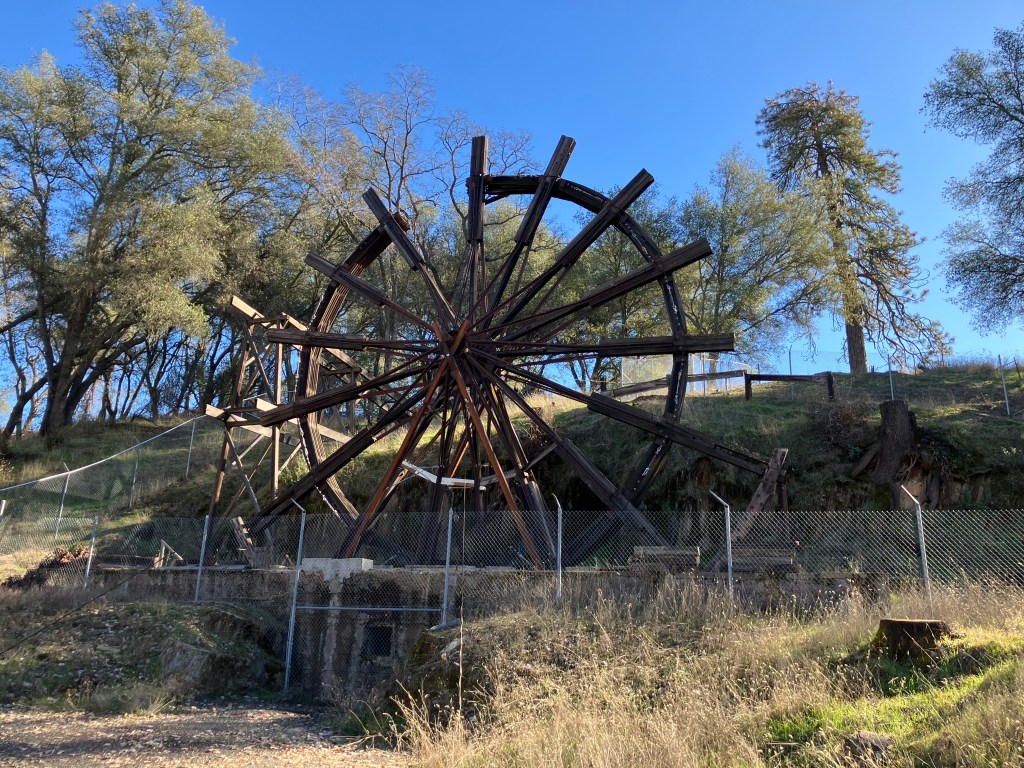
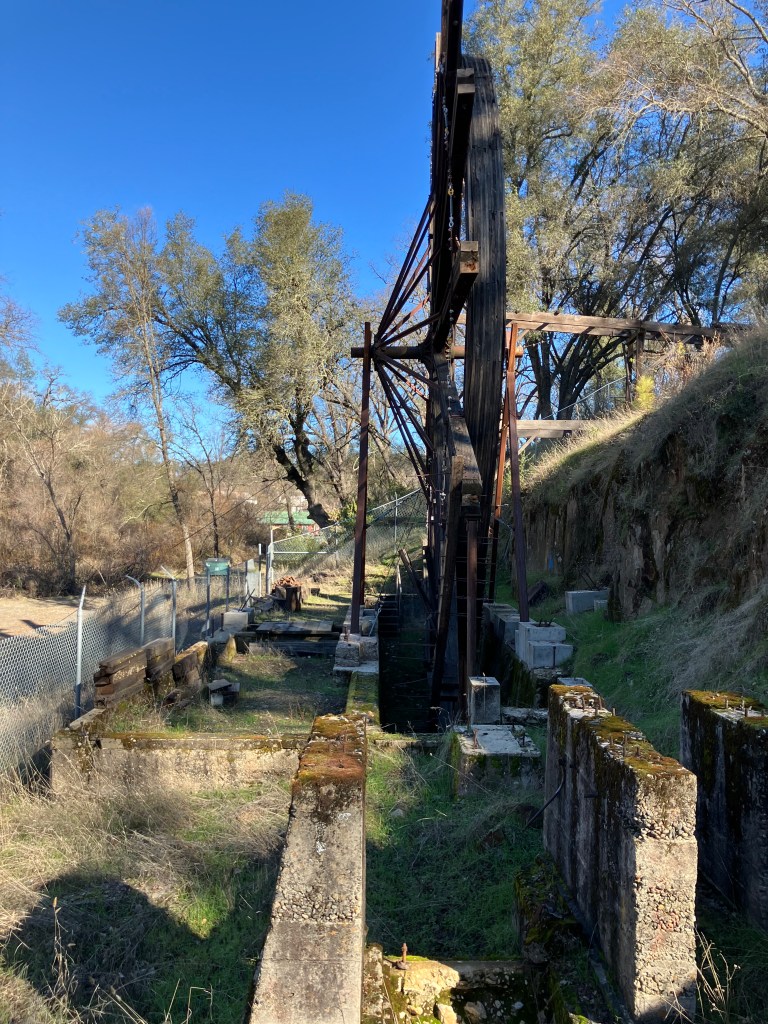
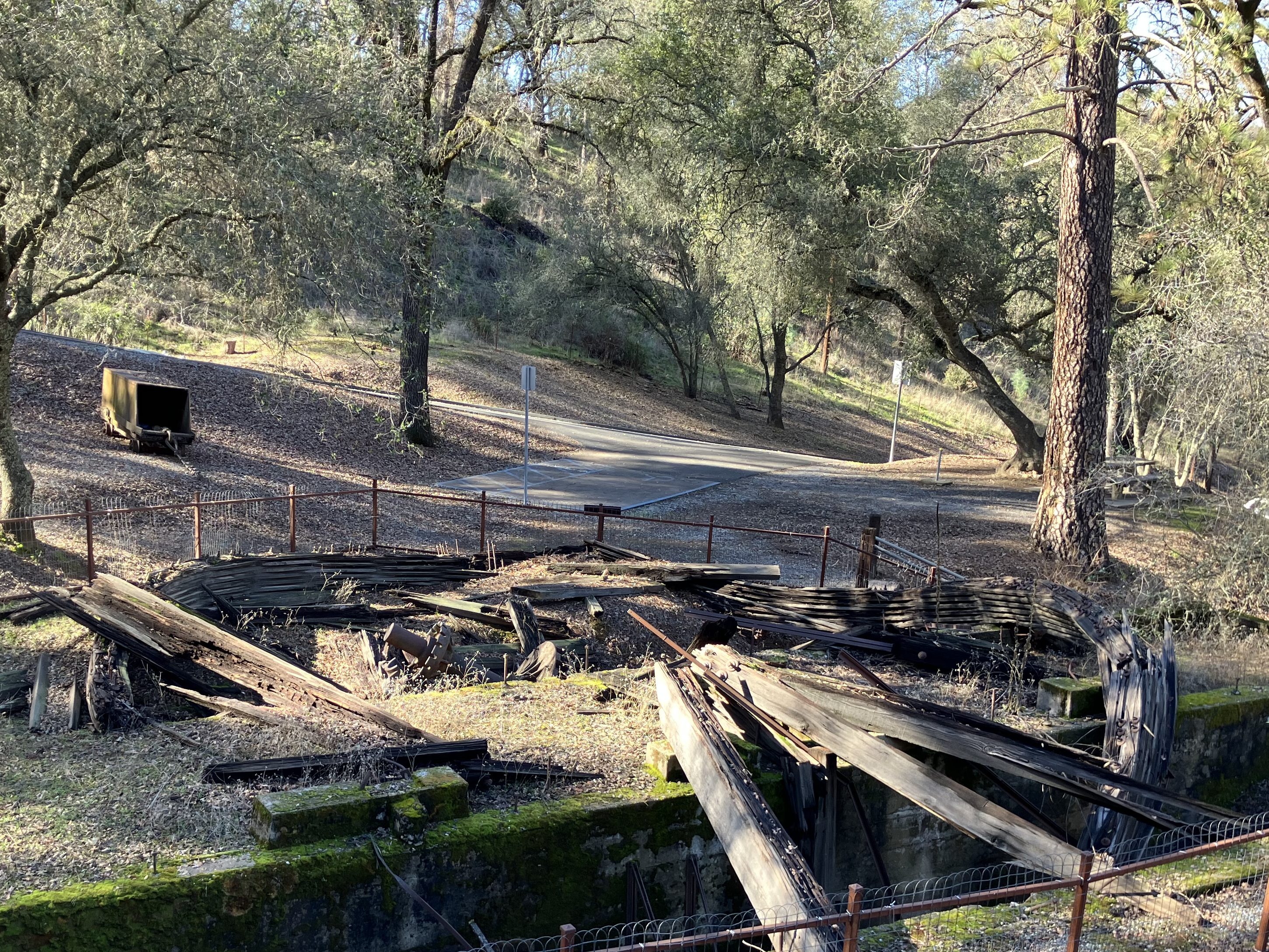
The story behind them is fascinating. Like most hard-rock mines, the Kennedy Mine extracted gold from rock by first pulverizing the rock into fine sand and then separating out the tiny grains of gold with a chemical process. This process left behind tons and tons of silty wastewater called “slickens” that over time fouled nearby streams and ruined local farms. Local farmers threatened lawsuits and eventually a settlement was reached: The Kennedy Mine would send its slickens to an impoundment basin a half-mine away. To get there, the slickens would have to get over a couple of hills, and that’s where those giant wooden wheels come in: They were each fitted with 178 buckets which lifted the slickens up to raised flumes and over the hills.
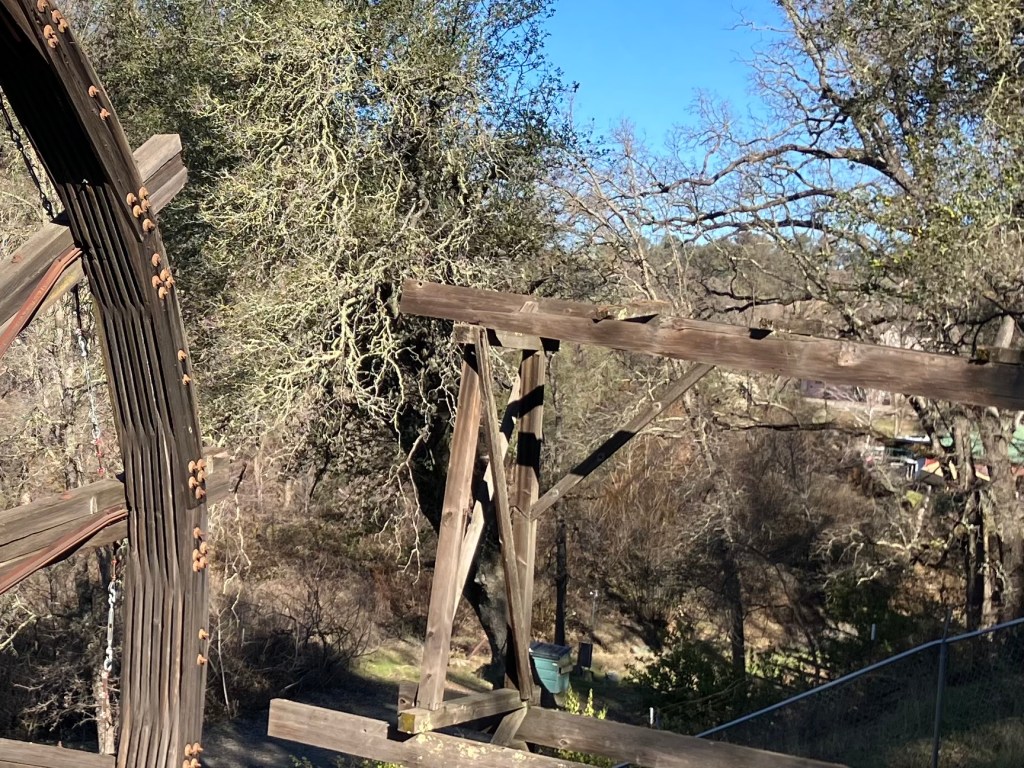

You’ll note in the photo above that the four tailing wheels were contained within corrugated-metal buildings. After the mine closed the metal was sold for scrap and the wheels were exposed to the elements–Hence their condition today. But one wheel has been restored and is enclosed within a modern structure.
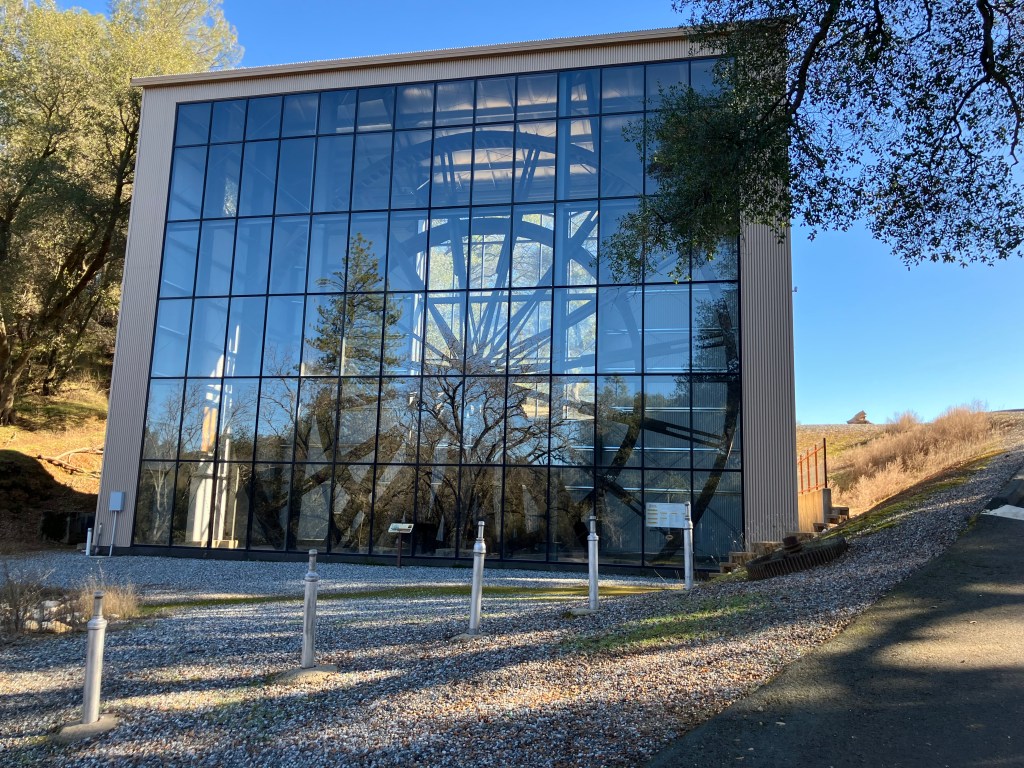
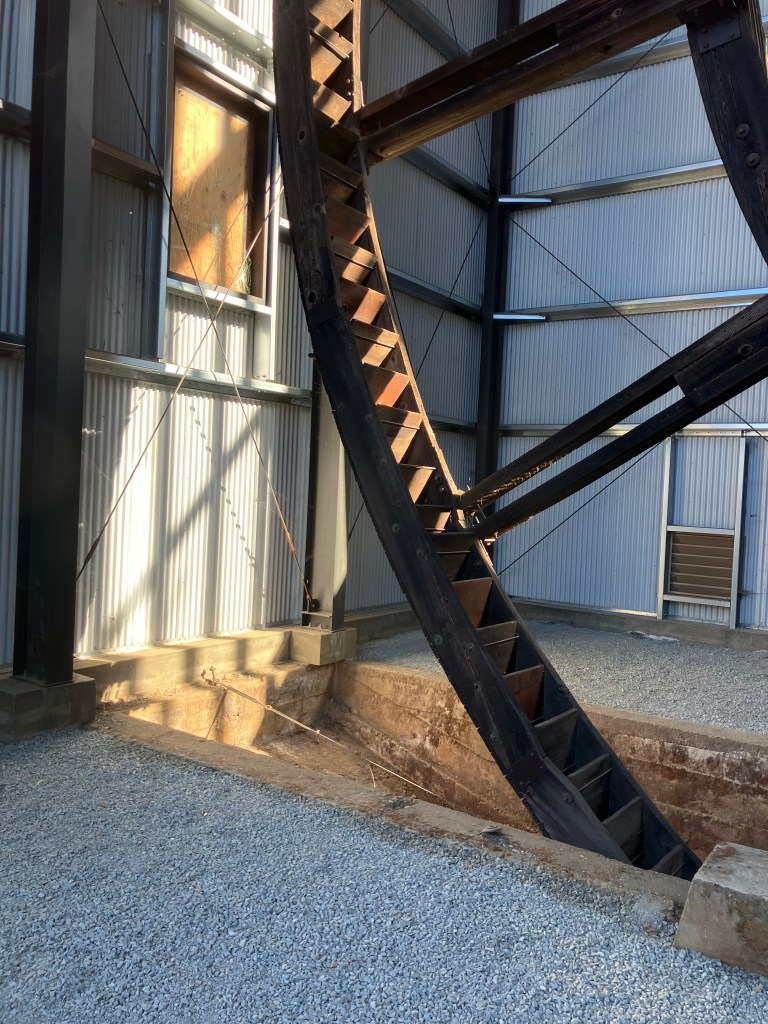
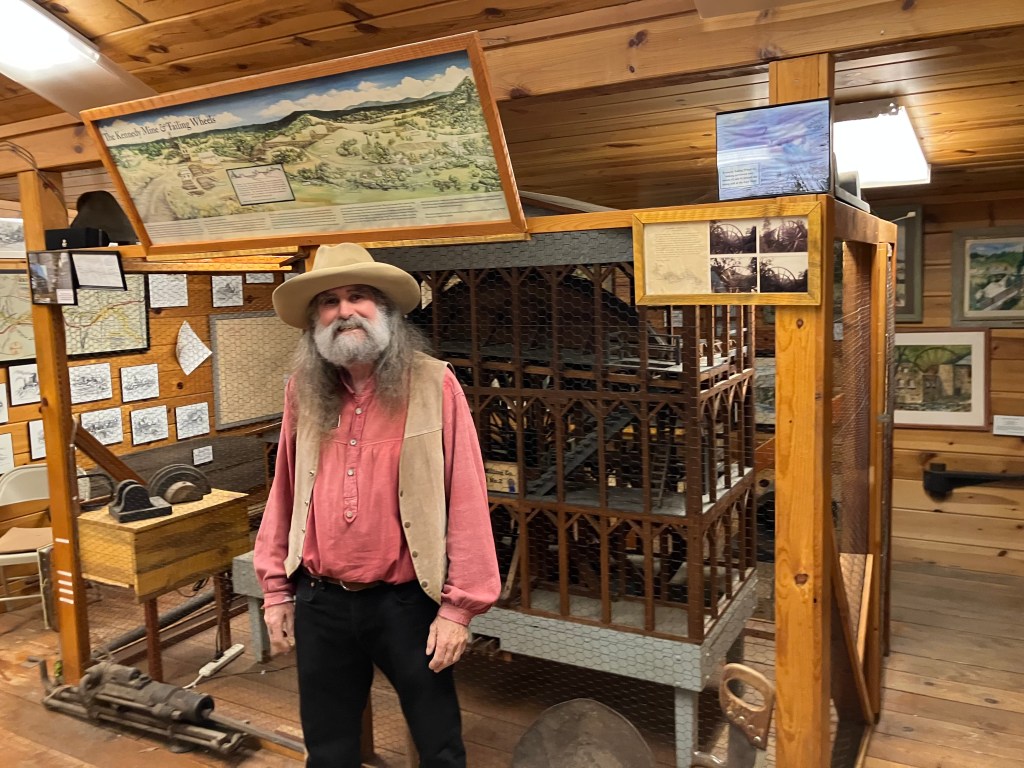
I really can’t explain why I became so fascinated by this primitive technology. But after spending a good hour hiking around the wheels, I went to the Amador Historical Society’s large scale model of the mine and tailing wheels. There I spent another hour chatting with Docent Gary about All Things Mining.
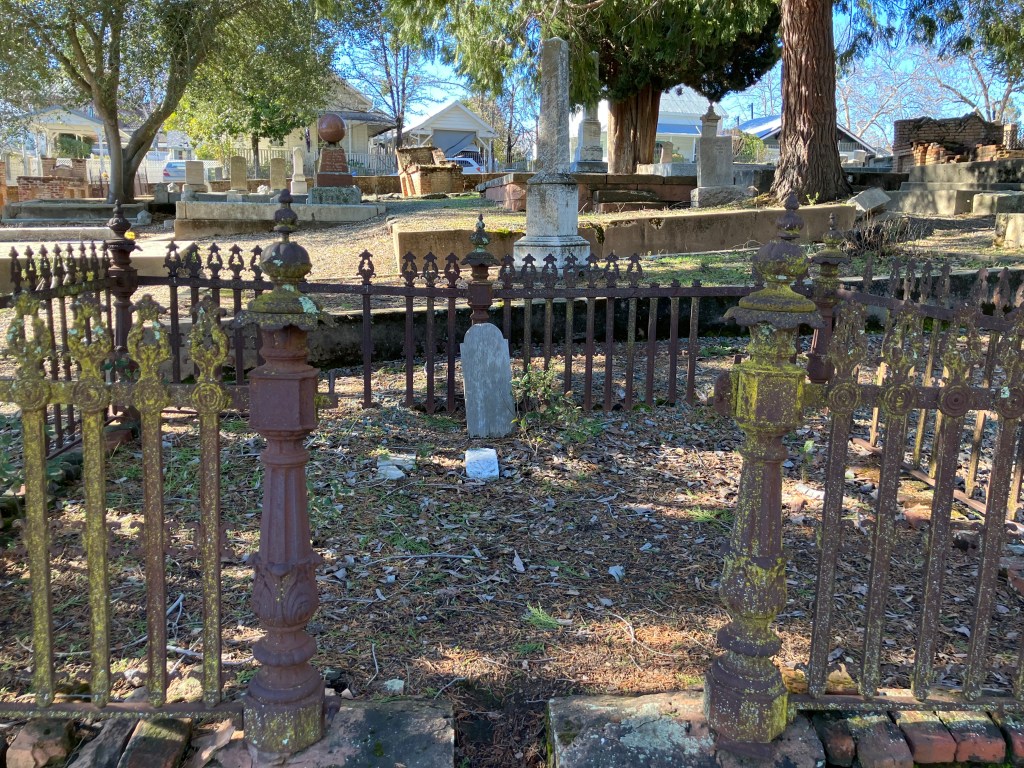
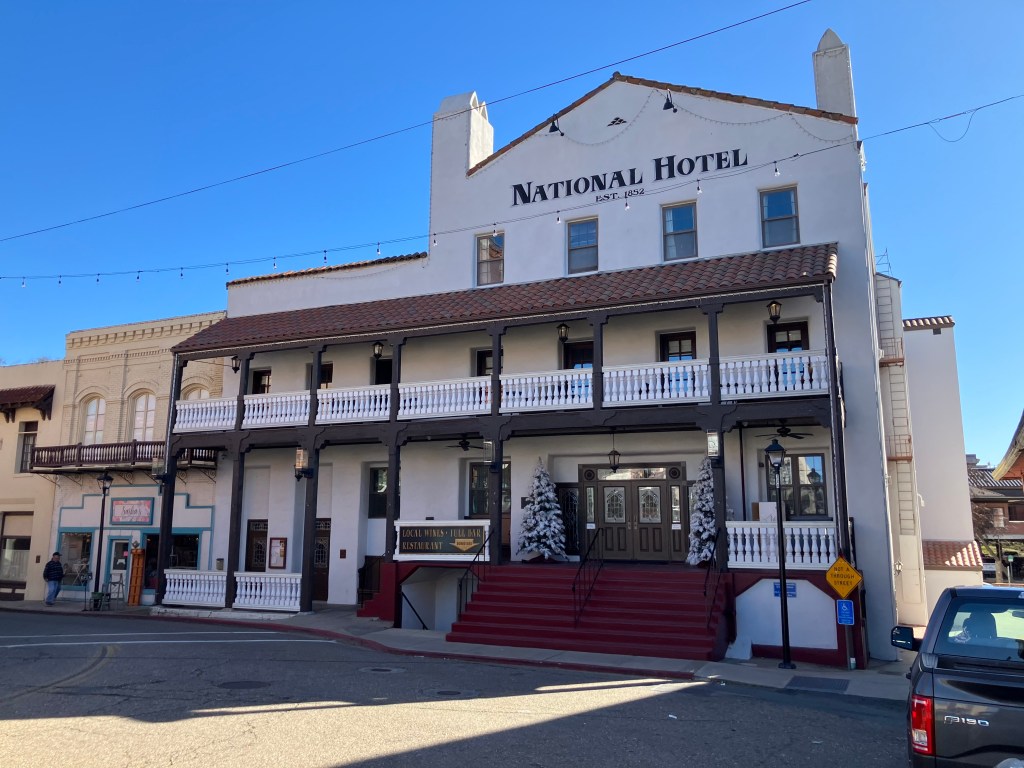
Of course, there are other things to see in Jackson. It’s actually a rather charming town, with a busting historic main street, several historic cemeteries, and a restored, large hotel from 1852.
Speaking of historic hotels, I had lunch at the Hotel Leger in Mokelumne Hill (pop: 800). The Leger was rebuilt after several fires, most recently in 1875. My server told me the ghost of George Leger (1815-1879) still haunts the hotel. When I hinted at my skepticism, she told me she had “absolutely seen and heard things to make me a believer.” She also solemnly informed me that the hotel had been featured on Discovery’s Ghost Adventures in 2018. So that pretty much clinches it.
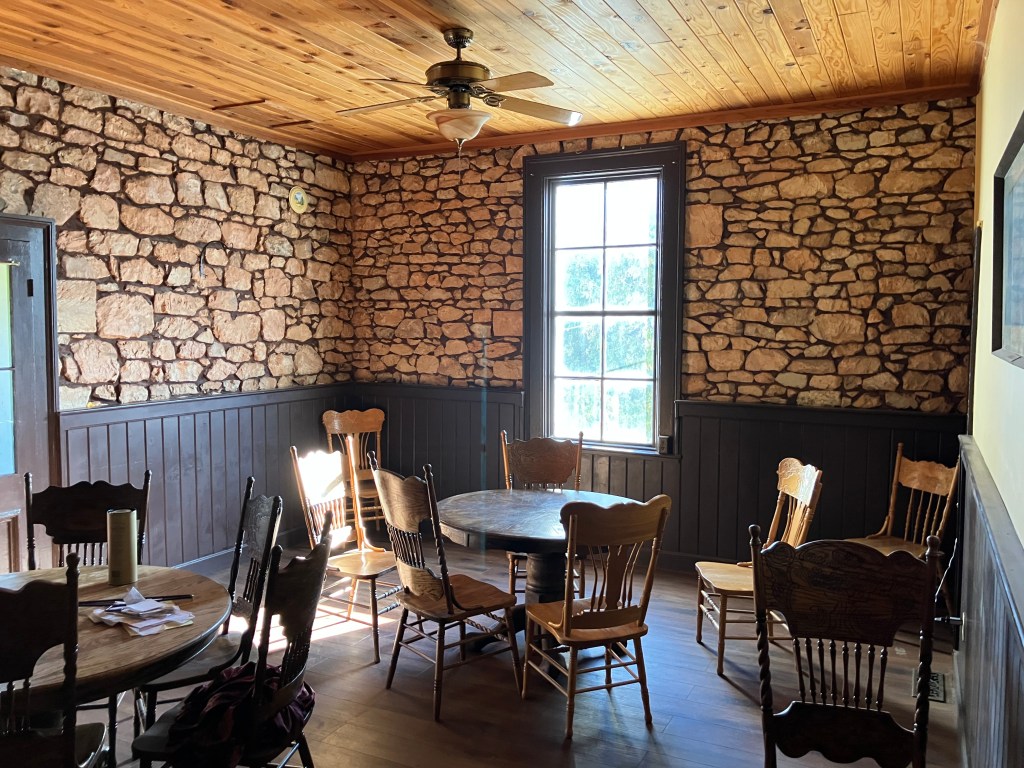
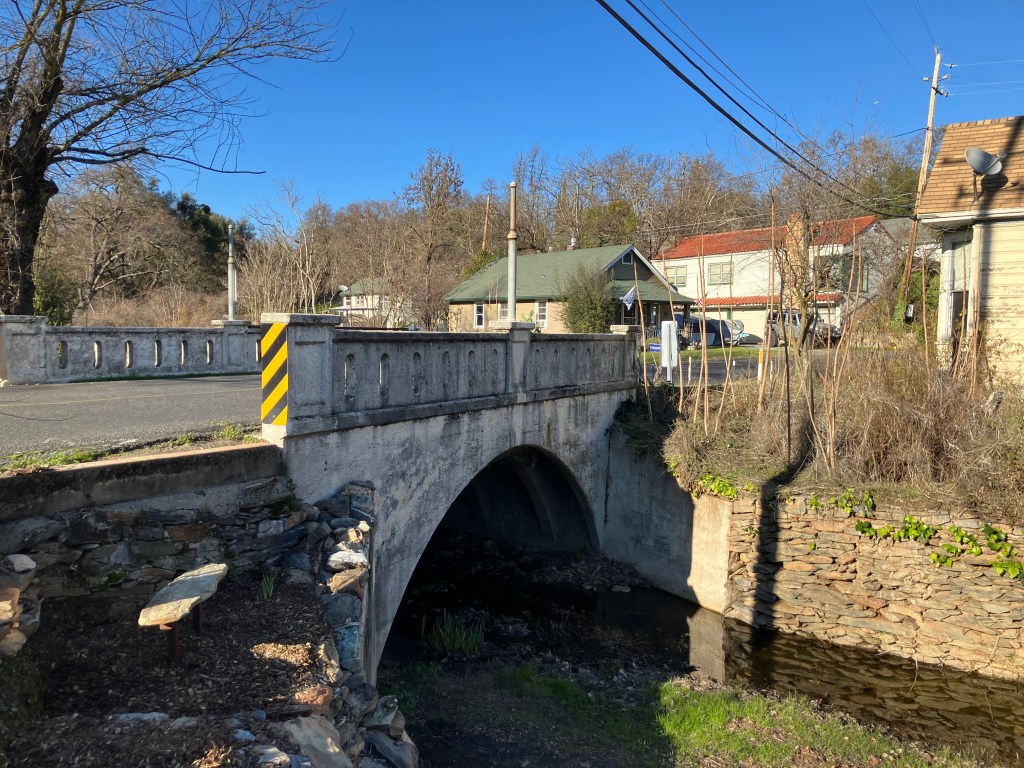
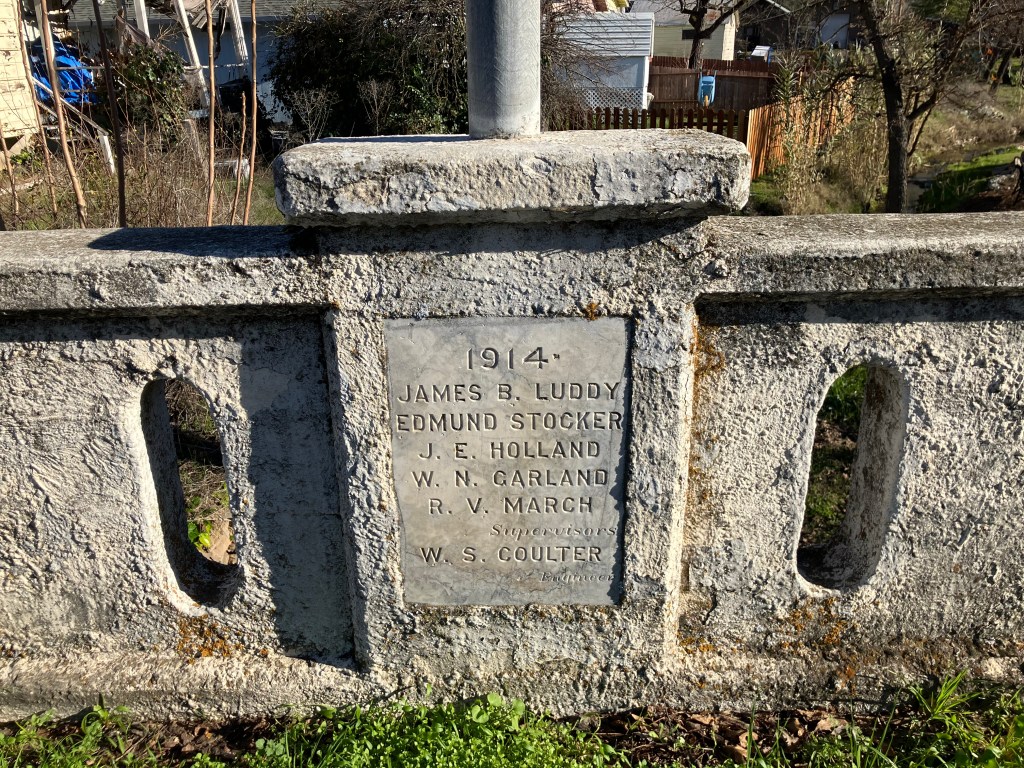
I ended today’s travel in San Andreas (pop: 3,000). There’s not a lot going on here beyond a short, historic Main Street and a small bridge that caught my eye for its age (over a century old) and graceful simplicity.
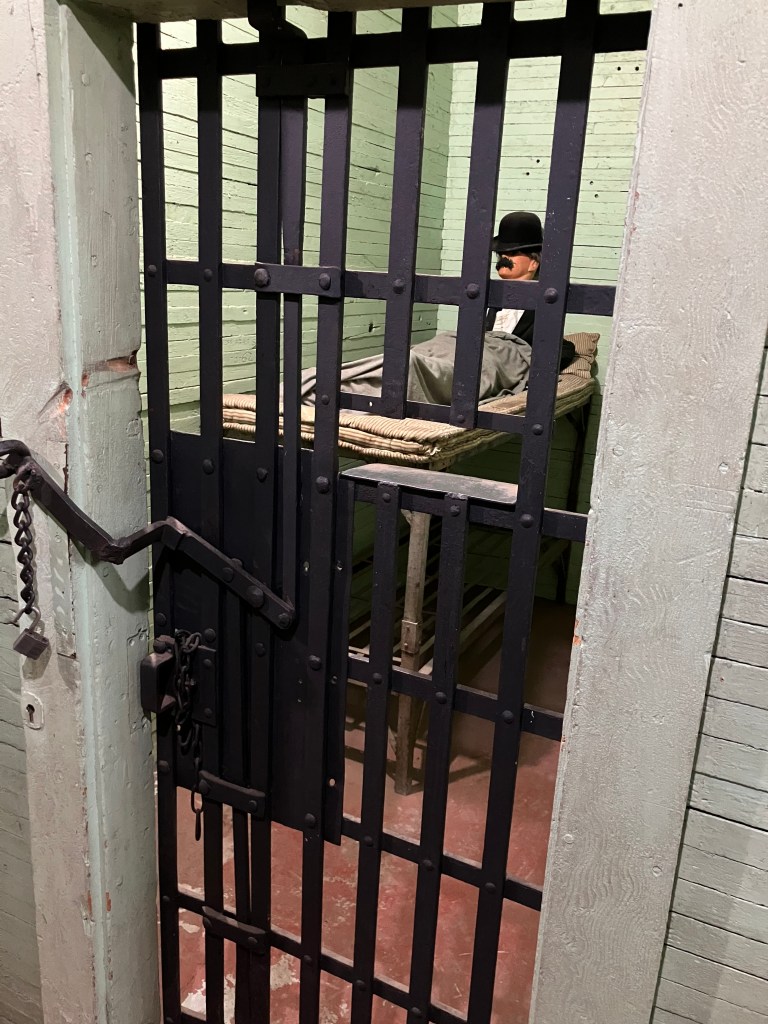
The Main Street does feature a worthy historical museum. Among its many artifacts, I will emphasize two: One is the jail cell where Black Bart had been imprisoned in 1883 for robbing a stagecoach.
Also notable is California’s first courthouse..which sits entirely within the museum.
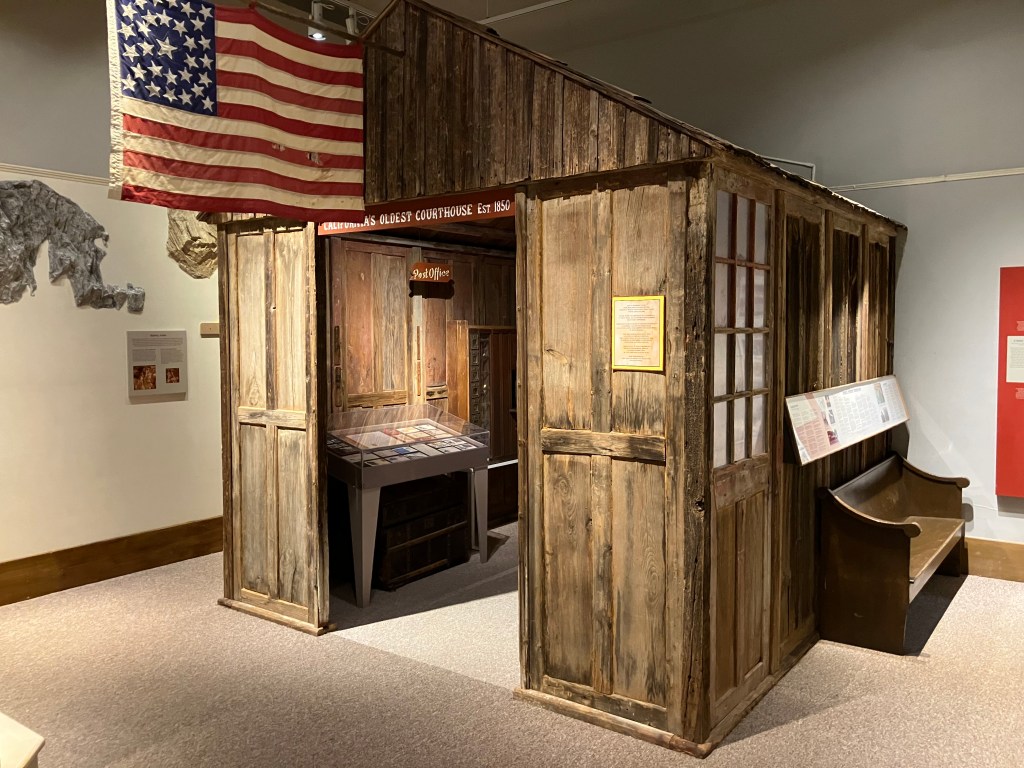
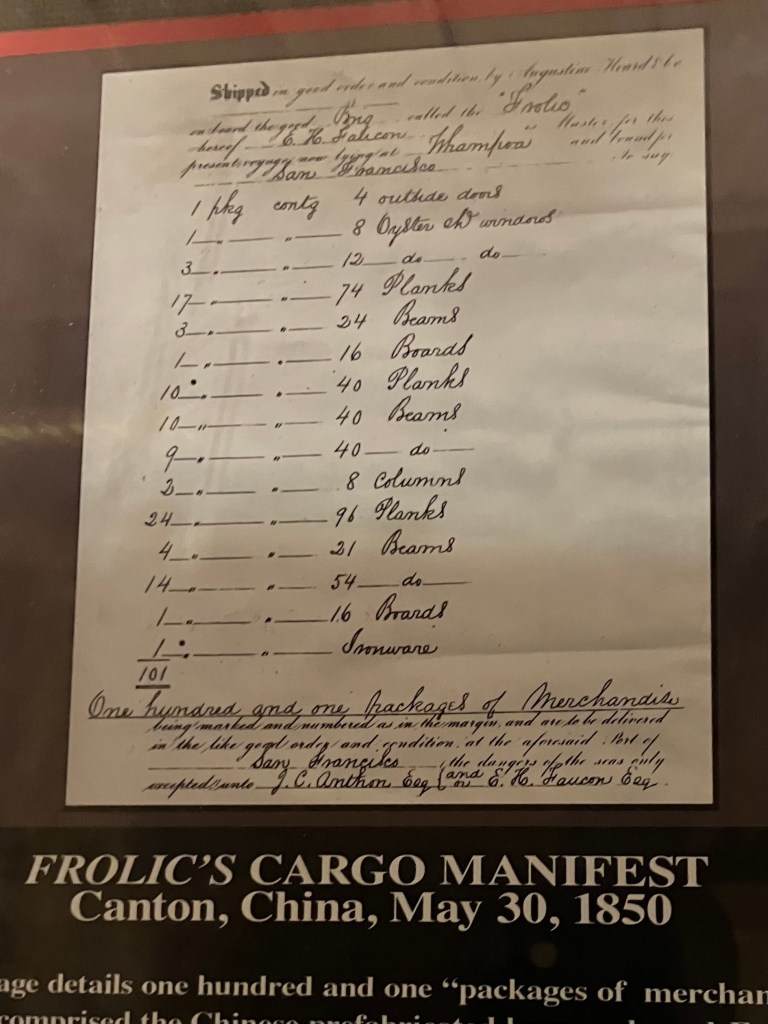
The story goes like this: There were no sawmills in California at the beginning of the Gold Rush, so all lumber had to be imported. This building was essentially a “build-it-yourself” kit of pre-cut camphor wood that had been shipped from China. It served as the Calaveras County courthouse in 1850, and later served as the post office. A placard assures me that it is not a reproduction, but the actual building (though it has been truncated to fit in the museum space).
There’s a footnote to this story as well: The building was shipped to California aboard the brig Frolic. I thought the name sounded familiar, and then I remembered that last year I visited the site near Point Cabrillo where the Frolic sank in the summer of 1850–just months after it delivered the courthouse building to Calaveras County. This time she was carrying porcelain and opium.
Tomorrow I am going to try out a downloadable driving tour app for the stretch of Highway 49 between Angel’s Camp and Jamestown. I don’t normally use travel guides on my trips, as I like to remain open to whatever catches my interest along the way. But this particular driving app is only a two-hour commitment and it seems pretty authoritative. So for twelve bucks I’m willing to take the risk. Full report tomorrow!



 Chasing Phantoms
