California history · Hydrology · trains

Polar Express

In the 1860s, the Central Pacific Railroad began laying tracks from Sacramento that would cross the Sierra Nevada mountain range and eventually connect with tracks that the Union Pacific was laying westward from Omaha. The two railroads were joined at Promontory Point, Utah on May 10, 1869. The country’s first transcontinental railroad was complete.
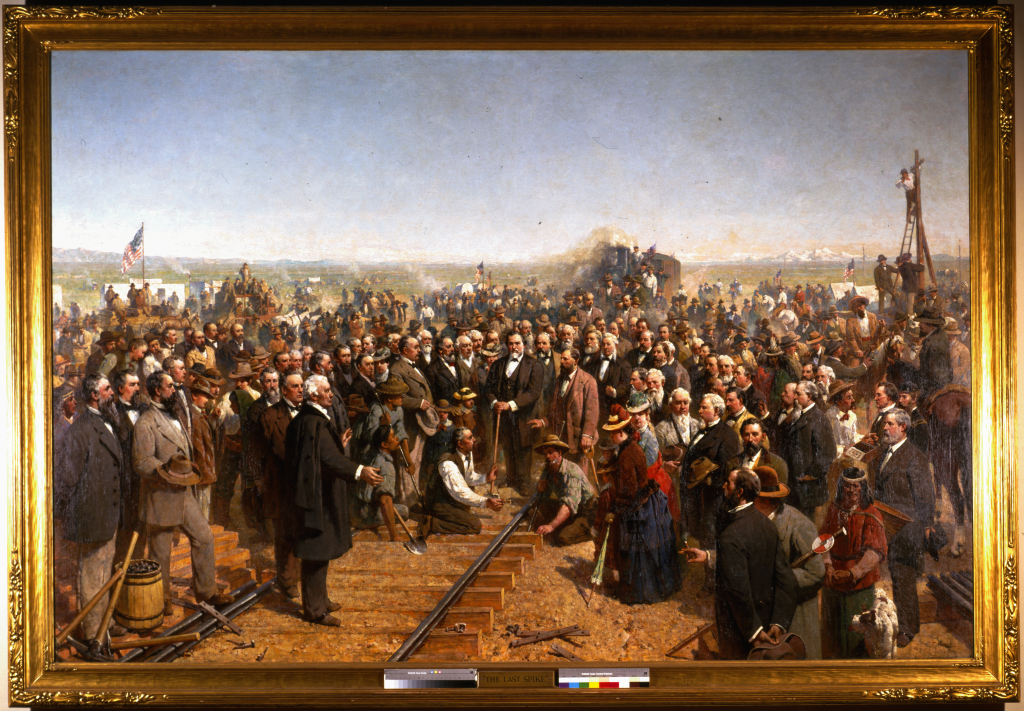
“The Driving of the Last Spike,” by Thomas Hill (1881). This painting, which isn’t entirely historically accurate, hangs in the California State Railroad Museum in Sacramento.

Much of the new railroad was hurriedly and haphazardly put down in a relatively straight shot across the Great Plains. But the much more difficult, dangerous, and impressive work involved cutting a roadbed across the Sierras. Fifteen tunnels would have to be dug through solid granite, using hand tools and blasting powder. Daily progress was measured in mere inches. In addition to the tunnels, various cuts, fills, and bridges were constructed to keep the roadbed at a manageably gradual incline. And because of the heavy snowfall in the Sierras, about 40 miles of snowsheds were built to protect tracks in the areas given to especially heavy snow and avalanches.
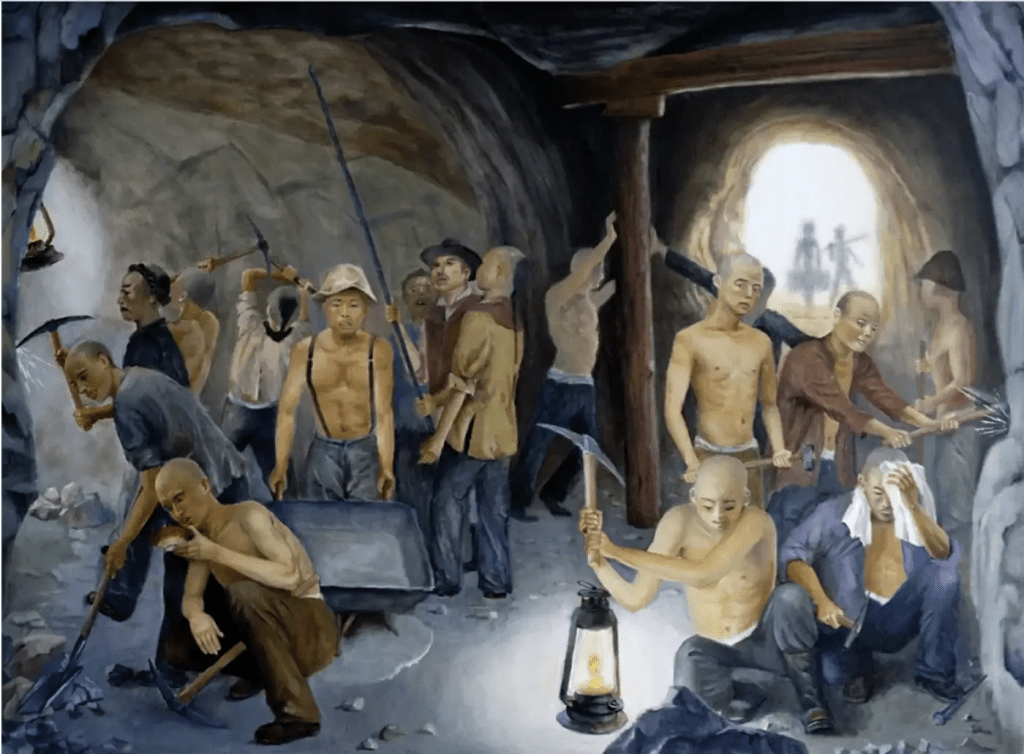
No picnic.

Today, over 150 years later, most of the original route is still in daily operation. (Some small improvements to the route have been made over the years, most notably the abandonment of the 1,687-foot long Summit Tunnel at Donner Pass. My friend Bill and I were able to walk through that abandoned tunnel a few years ago.)
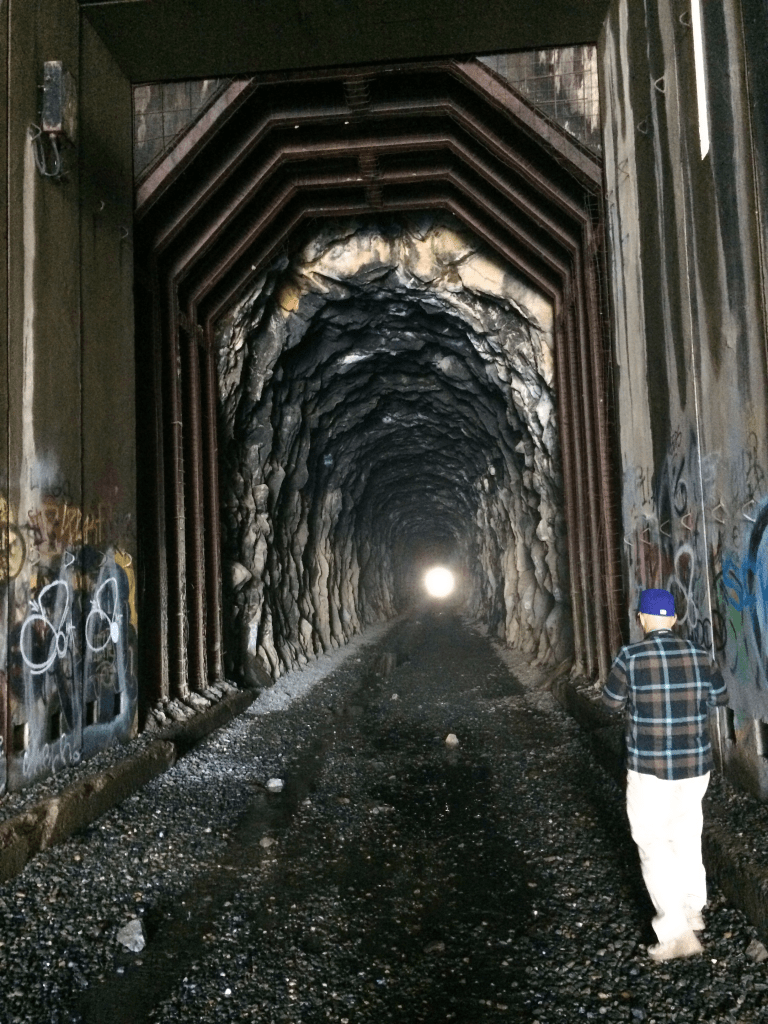
Bill, literally walking in the footsteps of Chinese railroad workers.

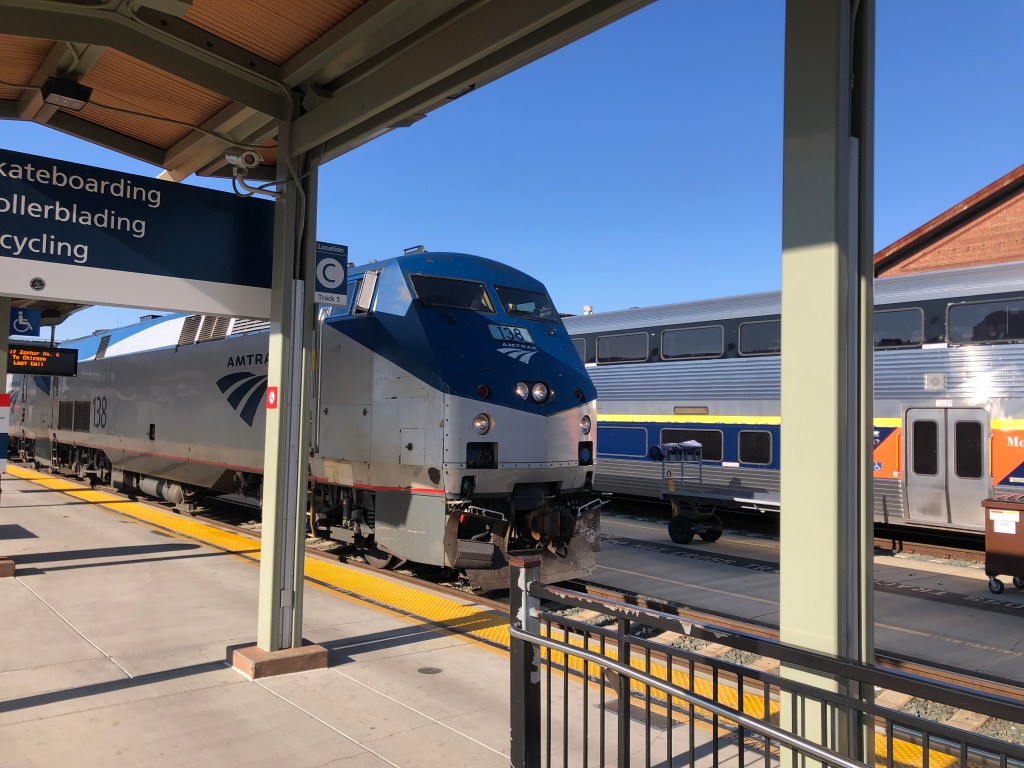
Amtrak (the country’s only remaining interstate passenger railroad) runs a daily train called The California Zephyr between Chicago and San Francisco, and naturally it travels the historic route over the Sierras. Now, you can catch glimpses of the railroad and its tunnels and snowsheds from your car window on Interstate 80, which roughly parallels the railroad. (I recommend the book Sierra Crossing by Thomas Howard, which describes the history of various routes over the Sierra Nevada.) But by car you just can’t appreciate the engineering marvel that is the Sierra route as well as you can by riding the rails themselves.
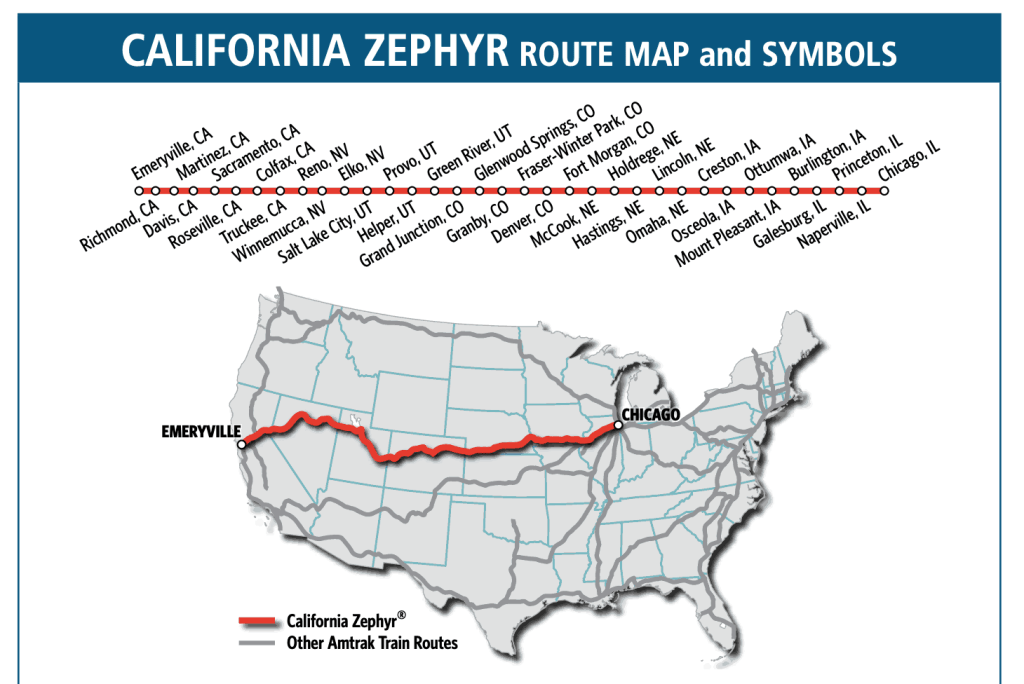
And so it was that, a few years back, my son (Ian) and I flew out to Chicago and boarded the California Zephyr. We were excited to experience the Sierra passage from the window of our compartment. But alas, Amtrak (which notoriously and habitually runs late) reached the Sierras not at midday as scheduled, but rather in the middle of the night as we slept.

Yesterday Ian and I tried again. This time we are boarding at the historic Sacramento station and heading east. We’re only taking the Zephyr as far as Reno, because the whole point of this trip is to finally experience the Sierra crossing in daylight.
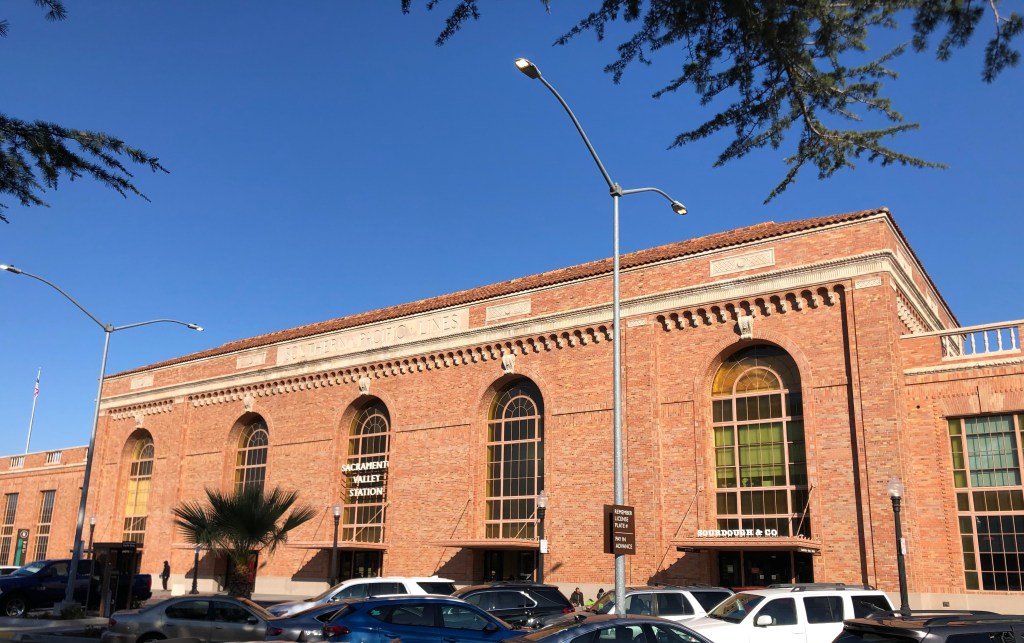
The historic Sacramento Station, built by the Southern Pacific in 1926.
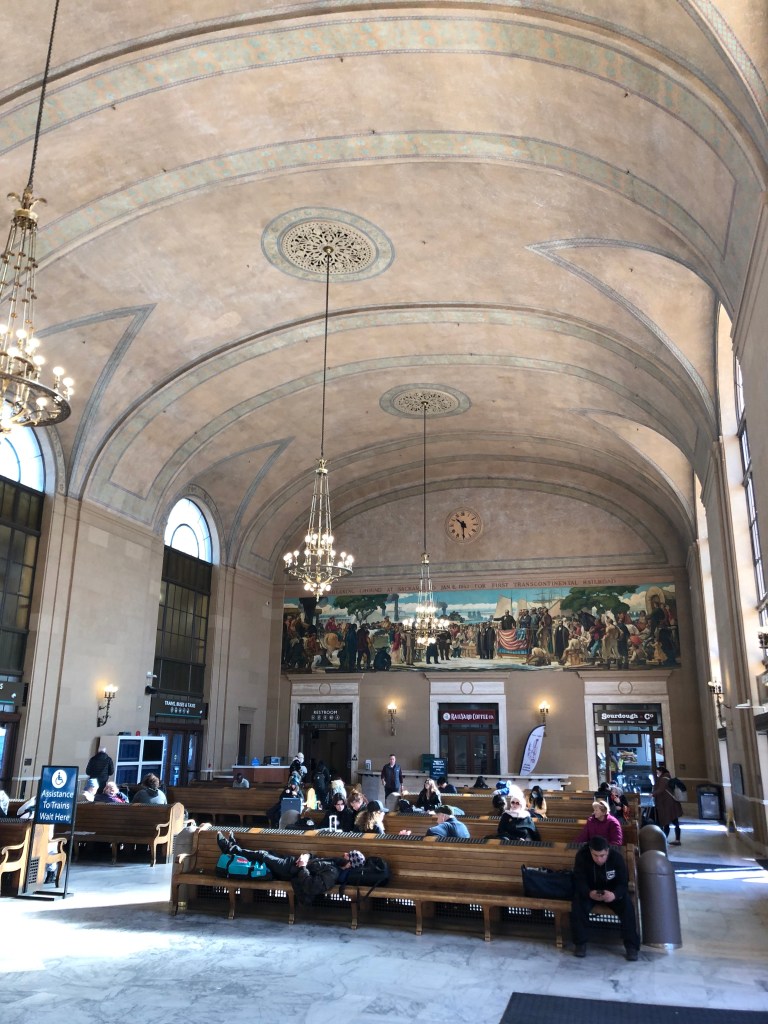
Interior of the station, in all its Renaissance Revival glory.
The California Zephyr arrived on time!

As the train started rolling we settled into our seats and began watching out the window at rather sketchy parts of Sacramento, Citrus Heights, and Roseville. We decided this might be a little more tolerable if we had beer, so we repaired to the club car. Fortified with our beers and some microwaved food, the scenery began to improve. Upstairs from the snack bar is a friendly and casual observation area, with nice big vista-dome windows and comfy chairs and tables. This is where we spent most of the trip.
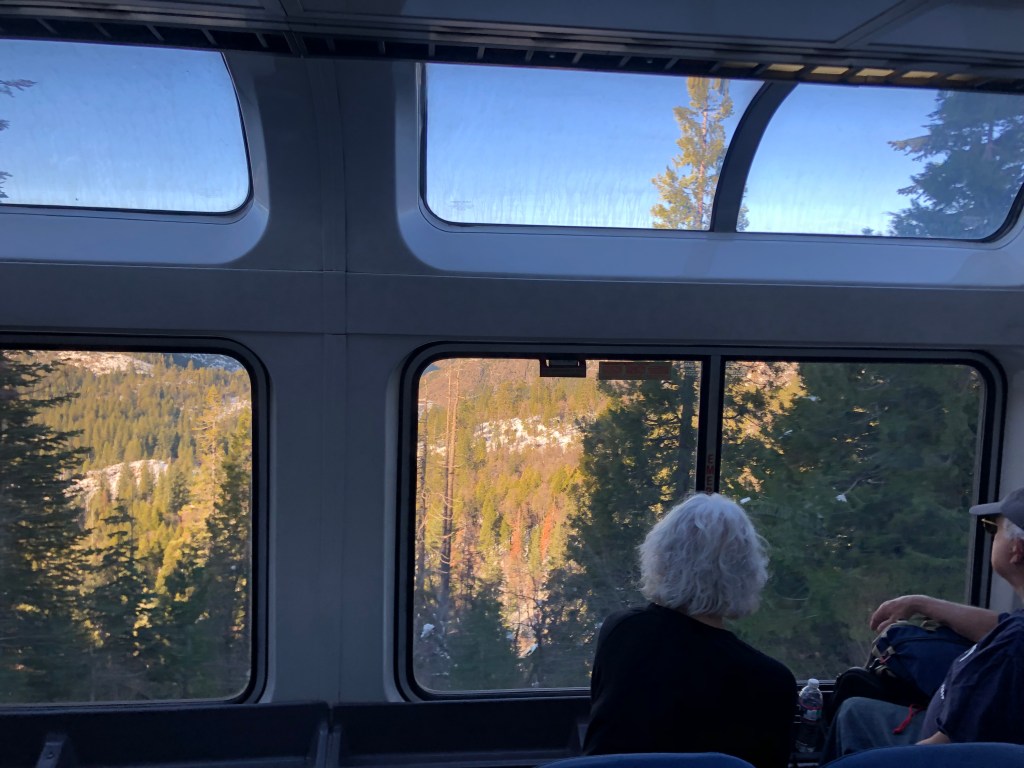
Everyone loves the Vista Dome.

After a bit we started to climb into the foothills, and soon we encountered snow. Our climb over the Sierra had begun!
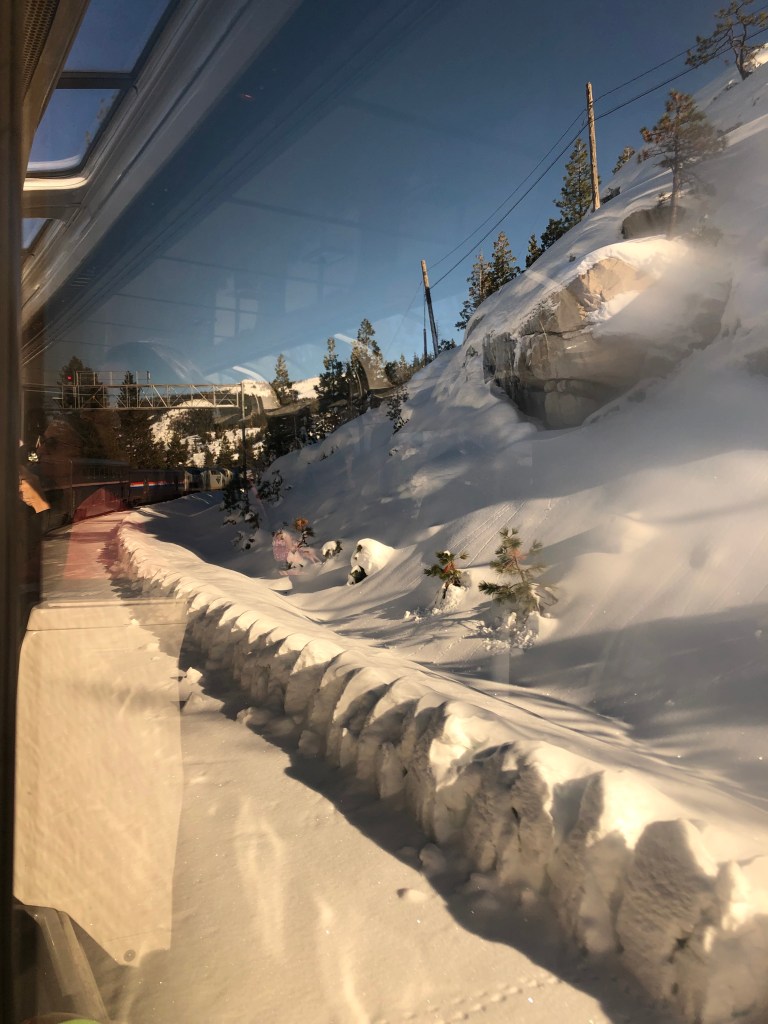
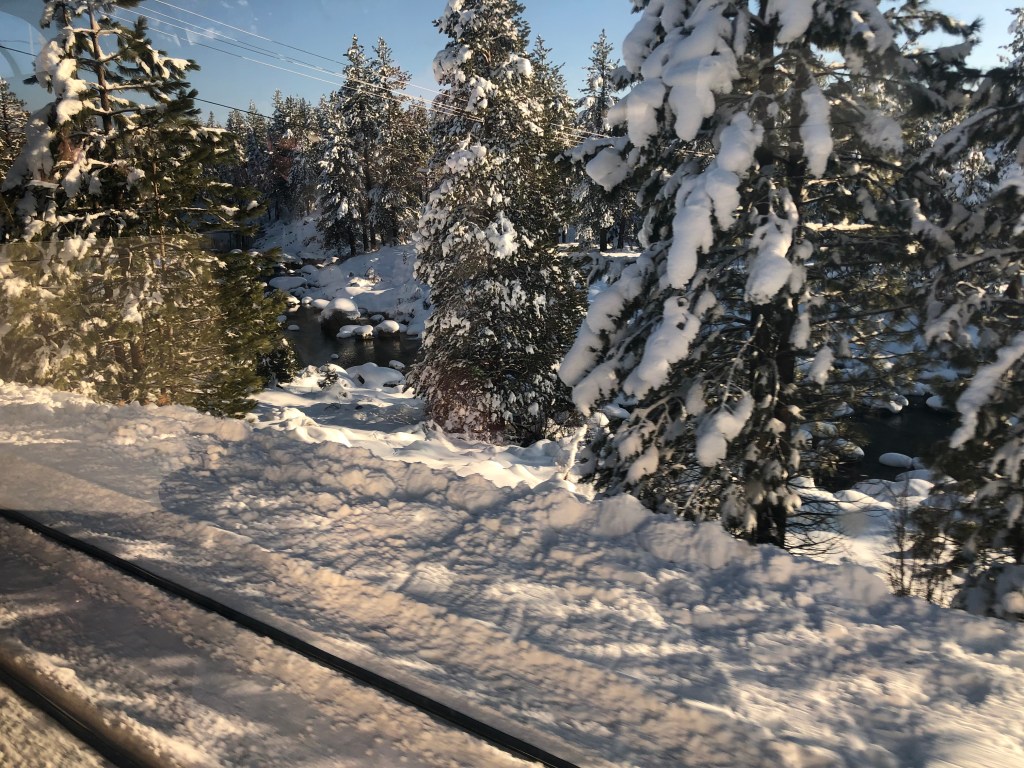
There’s something very relaxing about watching scenery through the window of a railroad car. The train moves steadily and smoothly, and the car is warm and comfortable. The passengers adopt an attitude like they’re in their own living rooms. Young parents entertain their kids, college students take pictures and send text messages, an older couple plays cards. One friendly guy was gushing to his seatmate about how he prefers train travel to the stress and hassle of flying. A few people were napping. Many just watched out the windows. It’s a remarkably relaxed way to travel, where you wear no seatbelt, you have freedom to move from room to room, and someone else up at the front of the train is in charge of getting you where you need to go.

Of course, I had my own specific interest in this particular route. I kept trying to imagine how the Central Pacific work crews managed to build this railroad over the Sierras using 1860s technology. They worked in subfreezing temperatures and massive snow drifts battling avalanches, gravity, and relentless granite walls. And yet they completed the job in just a few years. It’s hard to imagine CalTrans, even with all its modern equipment, ever matching that record.

After a few hours we reached Donner Pass at about 7,000 feet. The snow was at its thickest here, but it was pretty scanty by historic standards. A snowplow had passed through about a week earlier. Fortunately, brother-in-law Scott found a video of that very event: The plowing of Donner Pass around December 10.

The other thing I really like about going over the Sierra by train is the visual access to California’s remote and relatively untouched lands. In the more urbanized parts of the state where most of us live, very little evidence of our history remains. Historic buildings are torn down as soon as they are deemed “outdated.” Those that do remain are often rebuilt with modern materials or modified for ADA access. But here in the Sierra it’s not unusual to see 150-year-old relics still standing proud–Like many of those original tunnels that we passed through.
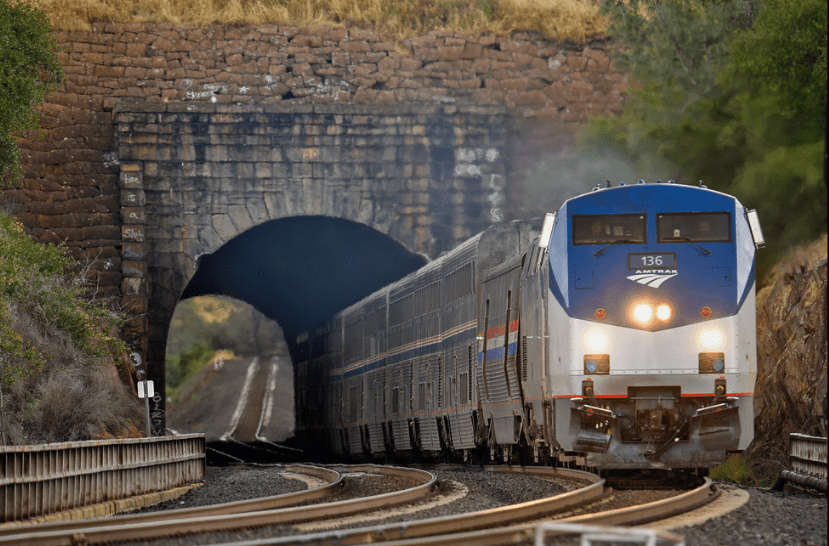
I did not take this photo, since I was onboard the train! Photo taken by Tom Taylor, who does excellent railroad photography.

Another relic from a century ago is a collection of wooden flumes conducting water along the Truckee River. The water powers several century-old hydroelectric plants that are still in operation today.
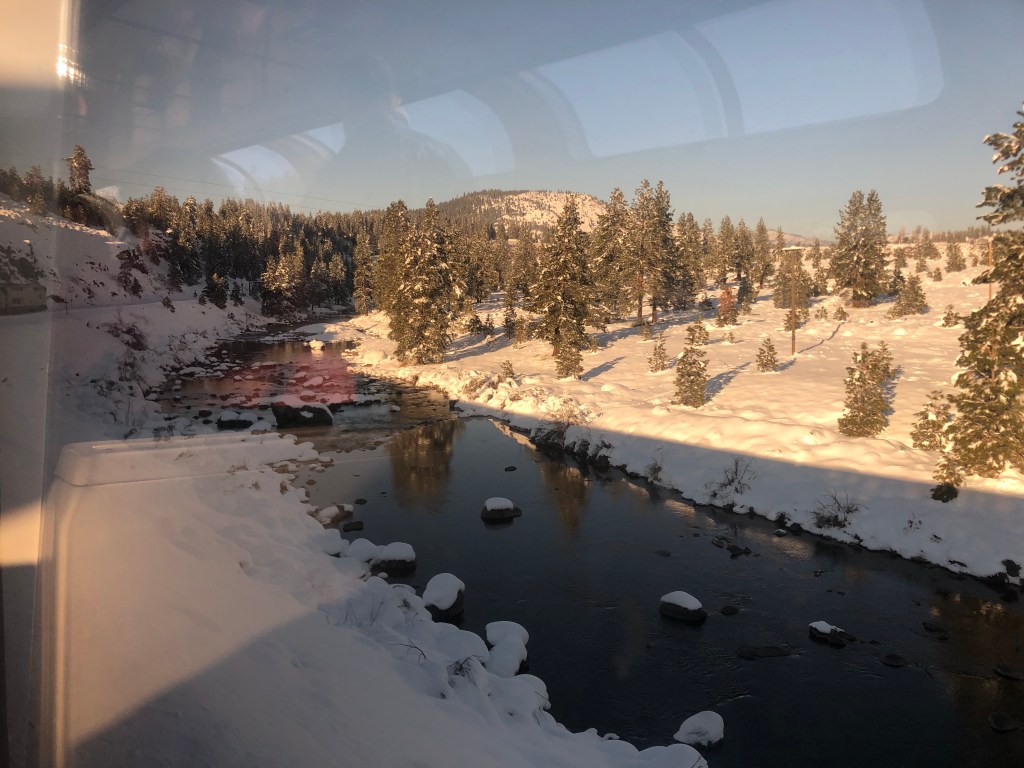
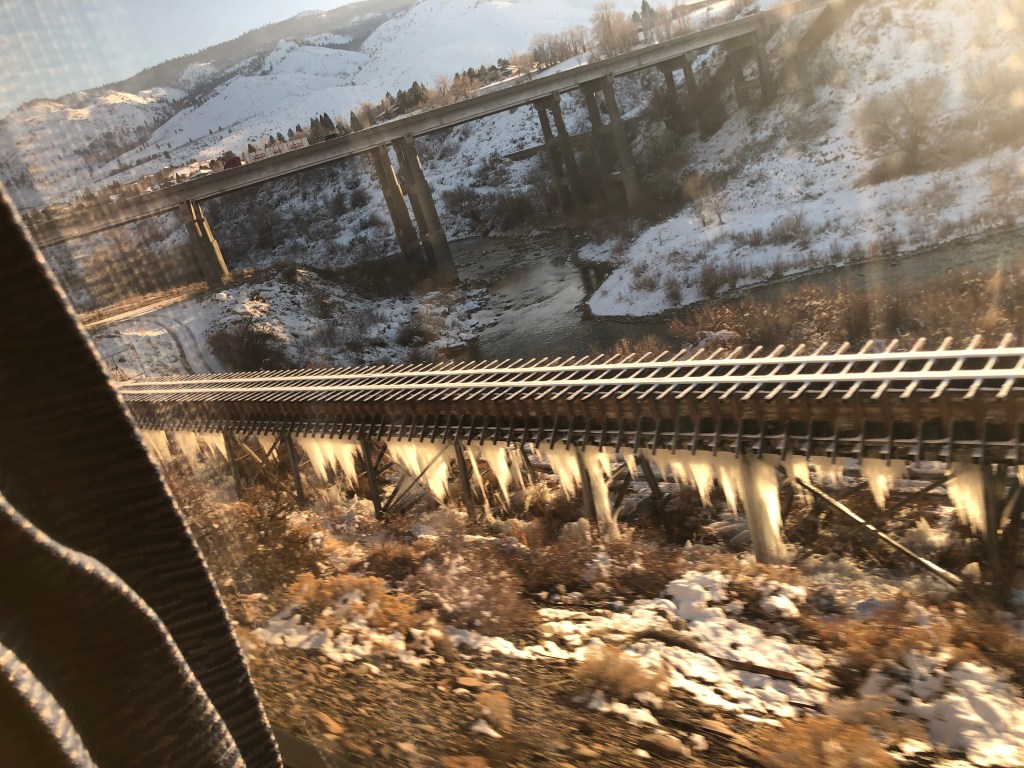
The Truckee River.
The flume is the railroad-track-like structure at the lower third of the photo. Note the icicles hanging beneath. Evidently the wooden flumes aren’t watertight.

Speaking of Truckee, the town still has its old Southern Pacific station from 1900. It’s remarkably well preserved, and according to “The Great American Stations” website, “Renovations and modernization in 1985 altered the historic fabric only slightly.”
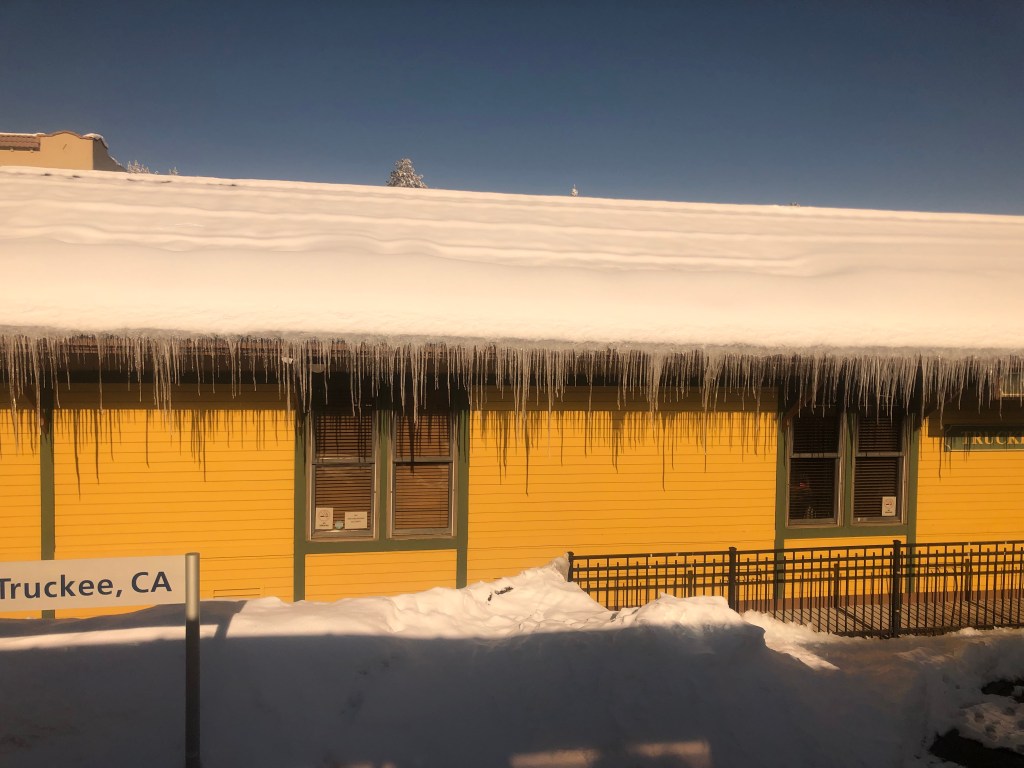
Careful standing under those eaves!

Eventually we got over the Sierras and dropped into Reno, NV (pop: 270,000). Reno’s current Amtrak station was grafted onto the city’s 1926 Southern Pacific depot in 2005. That same project lowered the railroad tracks into a 2-mile long ditch (a two-track-wide concrete canyon), in order to eliminate 11 grade crossings at street level. We got off the train down in this concrete canyon, enter a waiting room, and then climb stairs to the street level.
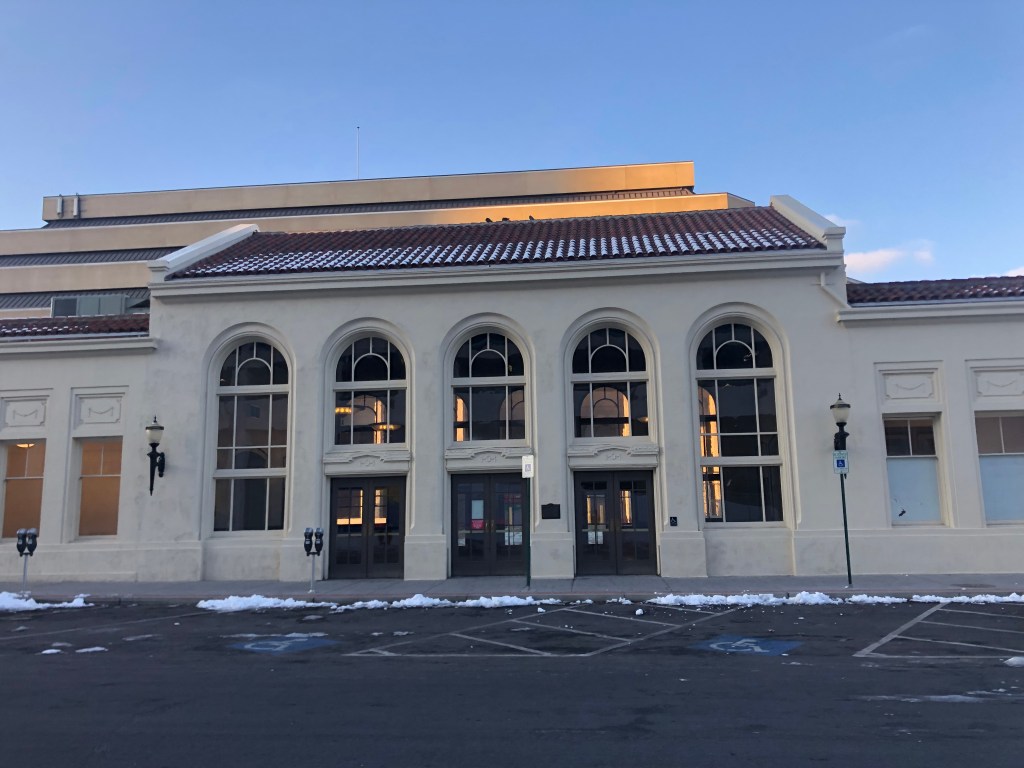
The Reno station at street level. (This is the original Southern Pacific portion of the structure; the Amtrak section is to the left.)
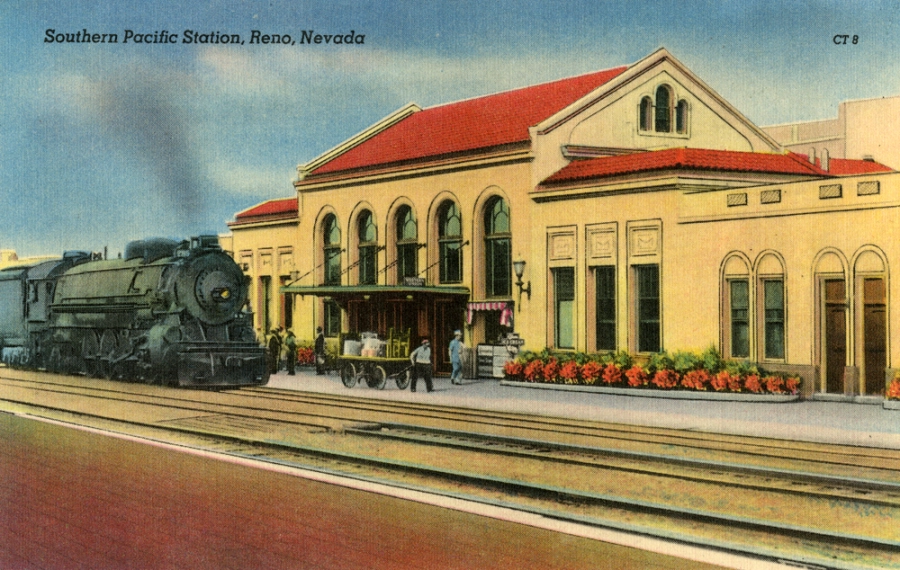
Reno’s Southern Pacific station in the steam era.

So, that’s about it for our Amtrak adventure over the Sierra. (We returned today, but obviously covered the exact same ground.) But it’s worth noting that we spent some time walking around Reno last night…
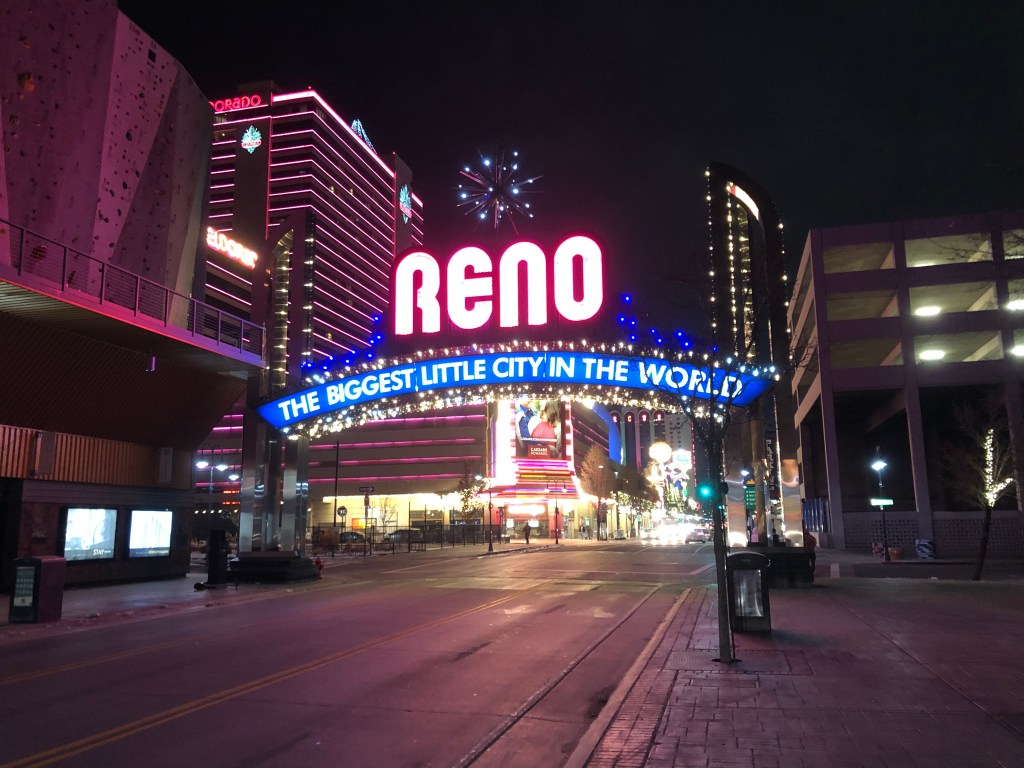
…and naturally I was able to squeeze in a Brew of the Day. So, without further ado, I present:

THE BREW OF THE DAY

Just a few blocks from the Reno station is a brew pub named The Depot. Appropriately, it’s housed in the old Nevada-California-Oregon Railroad depot, which was built in 1910.
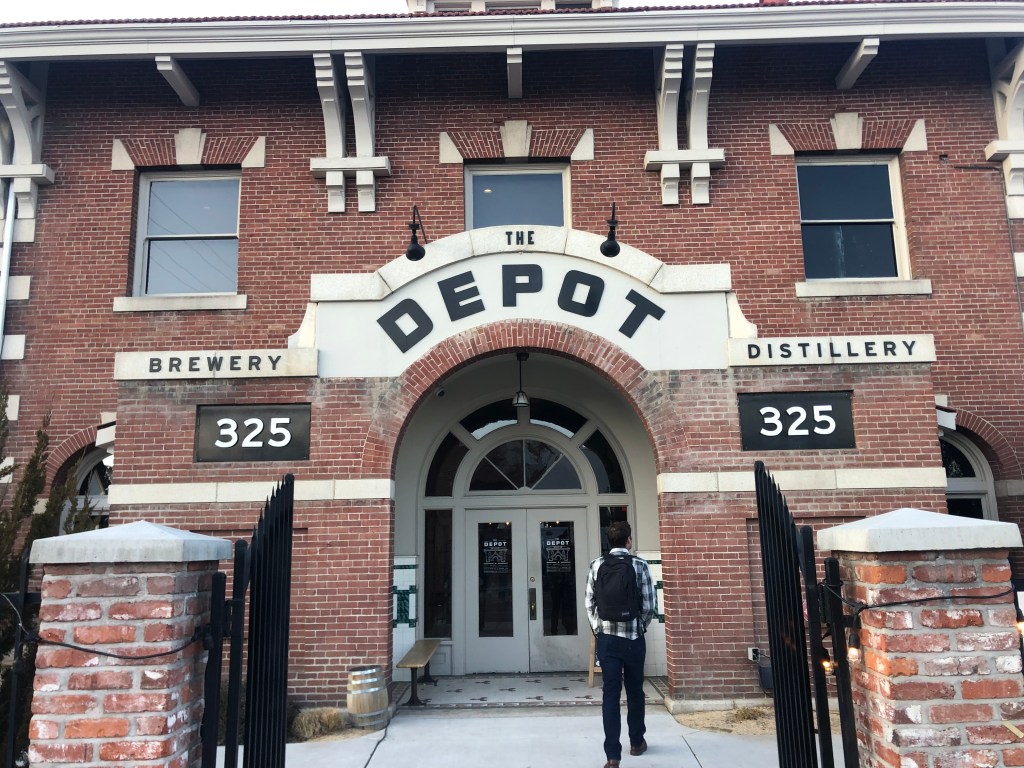
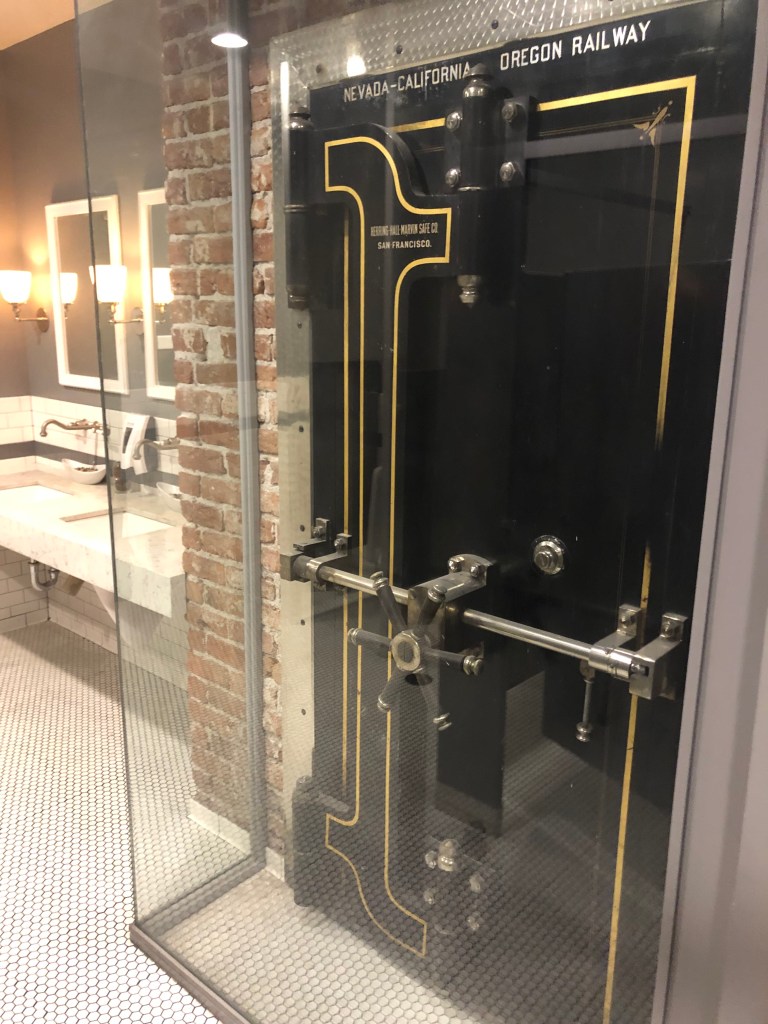
It’s a cool old building, remarkably preserved, with an impressive bar and attractive decor. There are neat old and anachronistic features everywhere, including the railroad’s ancient walk-in safe standing in the Men’s room.
Feeling good about our find, we set ourselves down at the bar and studied the extensive beer menu. After much consideration I ordered something called a “Yankee and Kraut.” Let me quote how the menu describes it: “German beechwood smoked malt and Bavarian pretzel smoked sour ale.” (5.9% ABV.) I was intrigued. I’d literally never heard of anything like it. But I like Bavarian pretzels, and I like smokey drinks like Scotch or Mezcal or a smoked porter. What could go wrong?
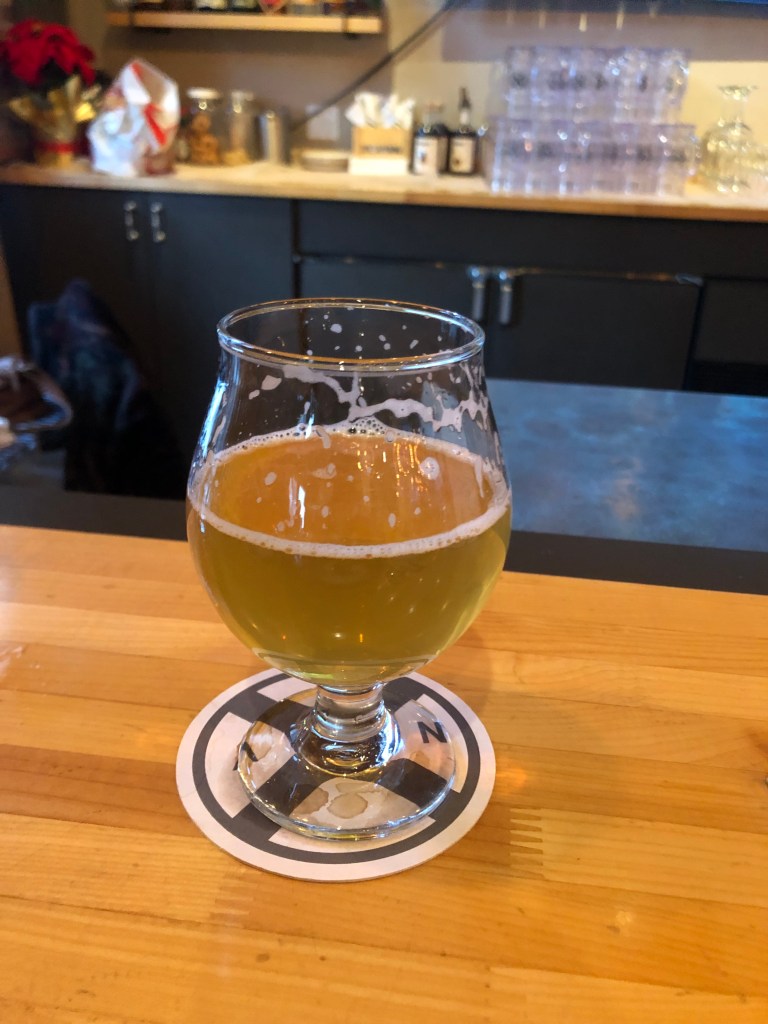
Yankee and Kraut

The first sip I took definitely had a smokey profile, but it was fleeting and became immediately overwhelmed by a sour, vinegary assault on my tastebuds. This wasn’t a fun or playful sour like you get from sour gummy worms or Lemonheads. This was reminiscent of swimming pool acid. What’s more, the acidic, sour taste kept increasing with each new sip. And then, just when I thought it couldn’t get any worse, a “finish” reminiscent of off-brand window cleaner washed over my tongue and singed my sinuses. Meanwhile, there was not the slightest hint of “Bavarian pretzel” anywhere–not even the requisite salt or mustard, which would have been a welcome distraction for this beer. I cannot in good conscience give this anything higher than zero points. (The Mac ‘n’ Cheese Bites were awesome, though.)
cemeteries · churches · Halloween Cocktails · trains

Poe-tober 2022

Chartreuse? Nevermore!

We interrupt this month of Halloween cocktails to bring you breaking news that I’m in Virginia for an Edgar Allan Poe pilgrimage. I will give you the gory details in a moment, but first let me share some other breaking news:

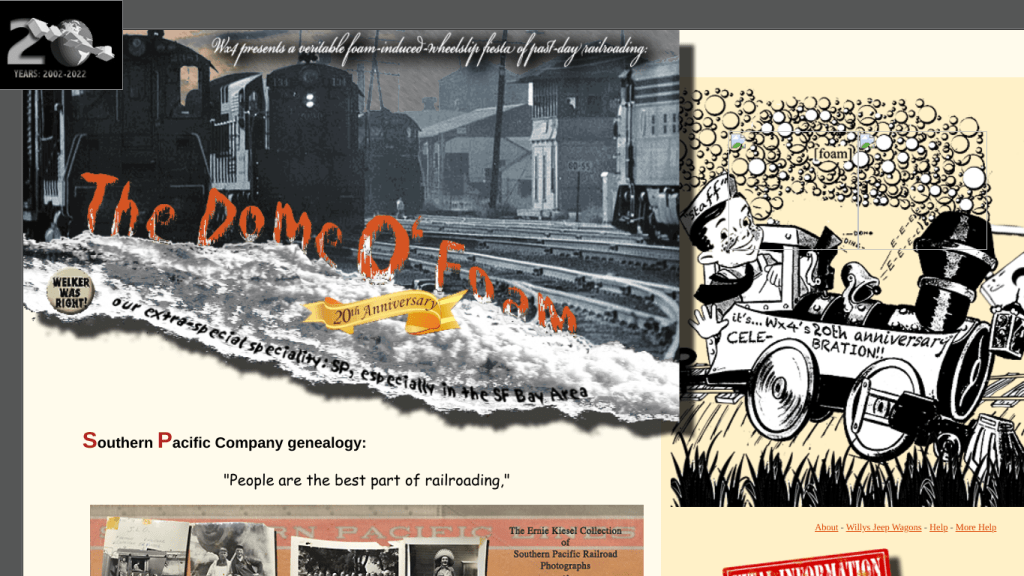
The Twentieth Anniversary Edition of the Dome of Foam is live!

Uncle Edward’s Fever Dream

I am aware that a number of my readers respond positively to any railroad-themed content from my road trips, so they will be especially heartened by this news. The Dome o’ Foam, for those of you not already familiar, is a quirky, hard-to-define, and entirely mesmerizing collection of railroad history and miscellanea, focusing in particular on the Southern Pacific Railroad. The Dome is the brainchild of my Uncle Edward — E.O. Gibson, to you. Alert readers will recall that Uncle Ed has periodically made appearances in this blog. The new, 20th anniversary edition of his site contains a dizzying array of new content, updates on old content, photographs, personal stories, and cartoons. You owe it to yourself to check it out here.


So, on to my Poe trip. As everyone should have learned as a school child, Edgar Allan Poe lived in various cities of the East during the 19th century, focused largely on Richmond, VA (where he grew up) and Baltimore, MD (where he died under mysterious circumstances). Three years ago (before Covid shut down public gatherings) my friend Chris and I attended the International Edgar Allan Poe festival, held literally in Poe’s old neighborhood in Baltimore, MD. Today Chris and I bookended that trip with a visit to Poe’s old neighborhood in Richmond VA.

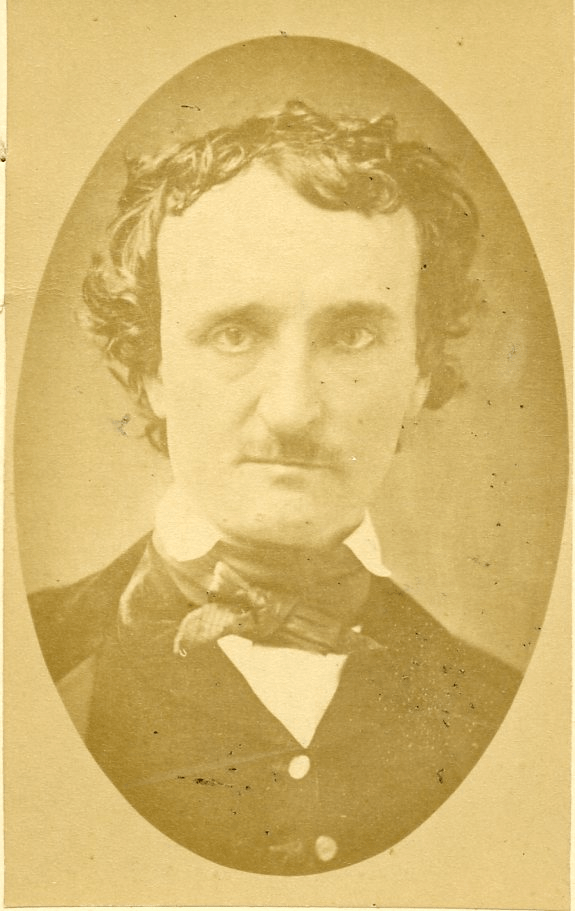
Before beauty filters.

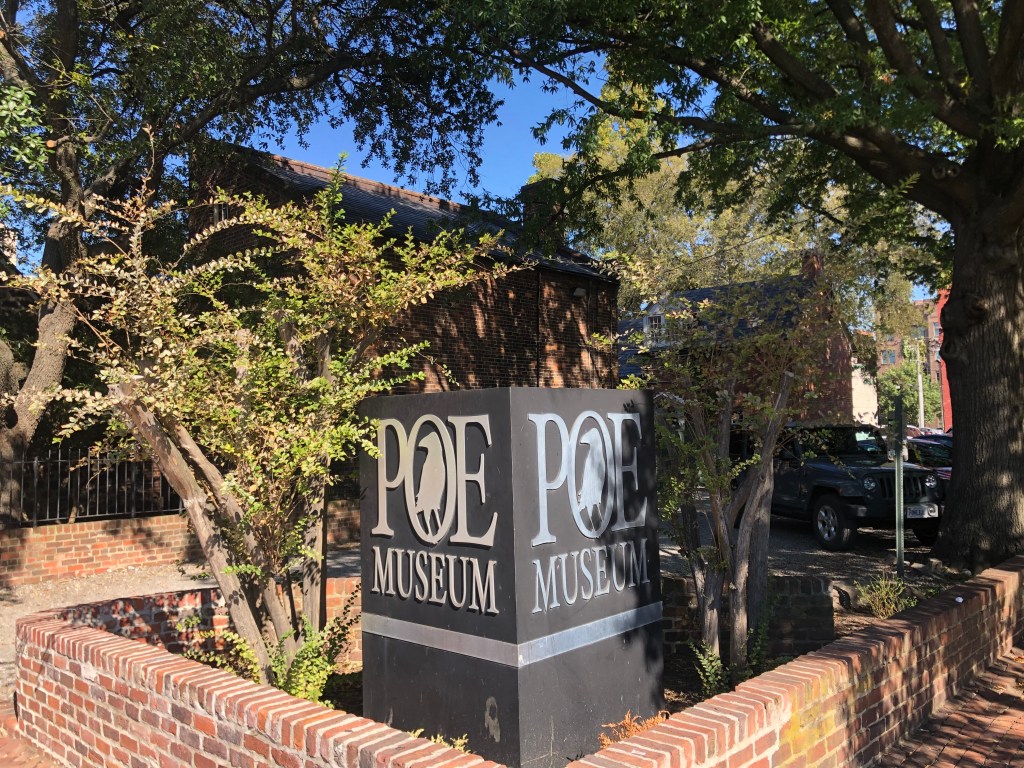
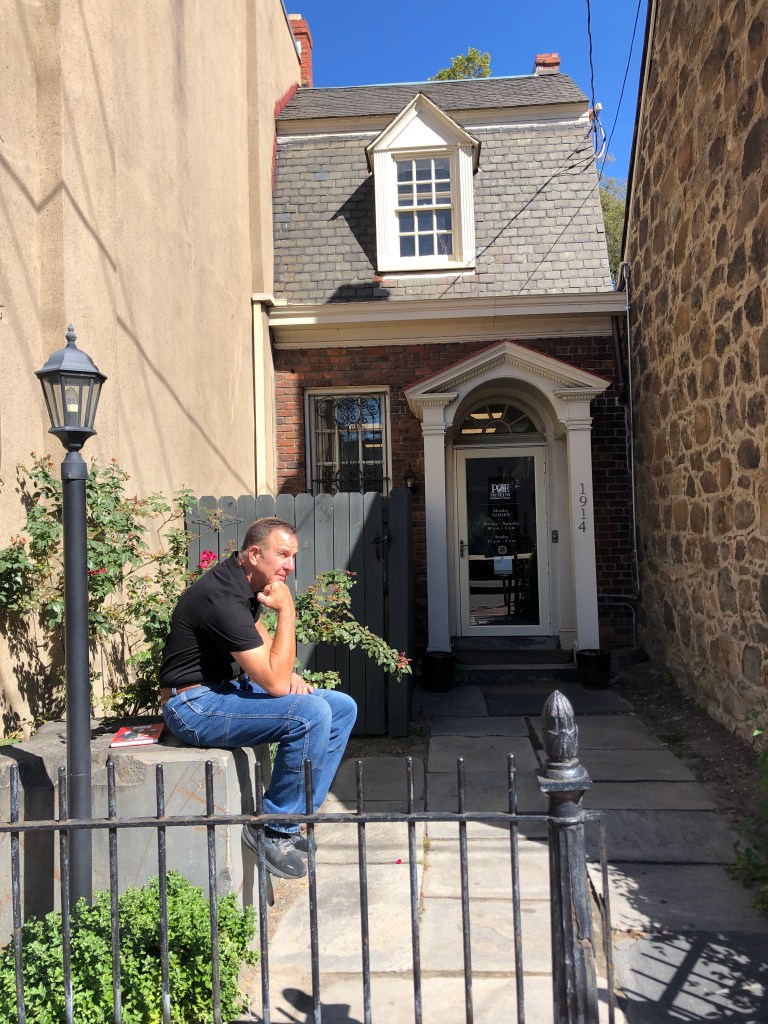
The main Poe attraction in Richmond is the Poe Museum on E. Main Street. You may recall that I drove right by the museum on my Route 50 trip in 2018, as Route 50 becomes Richmond’s Main Street and takes you right through the neighborhood. Alas, the museum was closed when I passed it. So this time, I was finally able to darken its doorstep.

Better late than never.

It’s a remarkable museum, with the world’s largest collection of authentic Poe memorabilia: His bed, writing desk, walking cane, various letters, articles of clothing, photographs and daguereotypes, books, other personal effects, and even the staircase and fireplace mantel from prior Poe residences. It also has a meditation garden and major shrine to Poe.

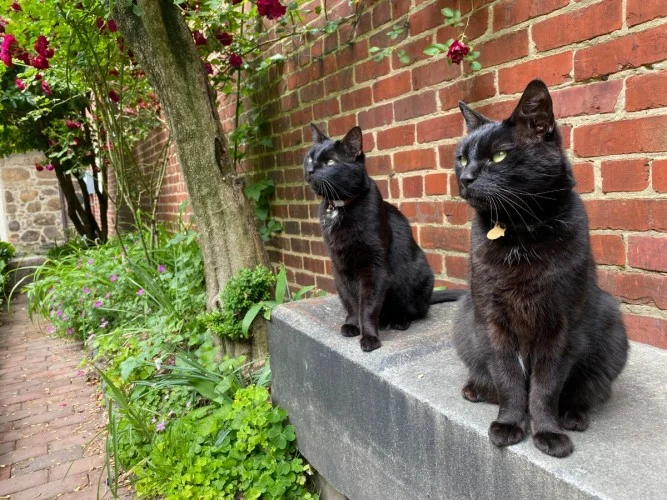
Two cats–Edgar and Pluto–roam the museum grounds like the own the place…which in a way they do.

Edgar and Pluto…or is that Pluto and Edgar?

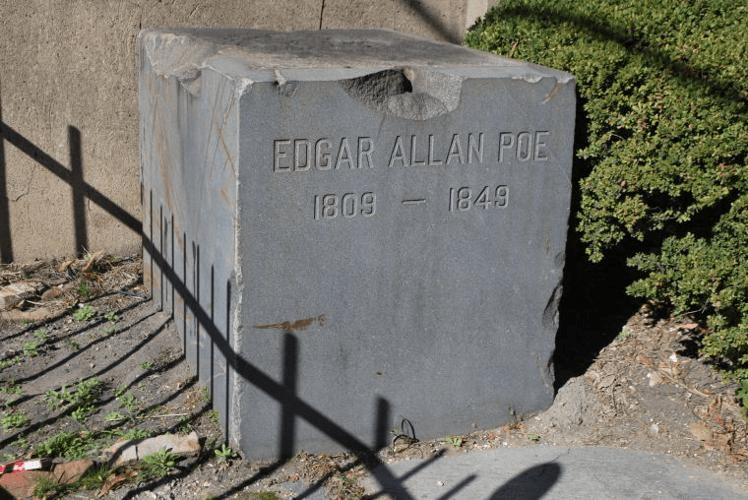
In front of the museum is a large granite block with Poe’s name and birth and death years inscribed on it. No, it’s not a giant tombstone; it’s the pedestal base for a Poe statue that was created in the mid-1950s–when Richmond finally decided to embrace Poe.

Channeling my inner Dobie Gillis

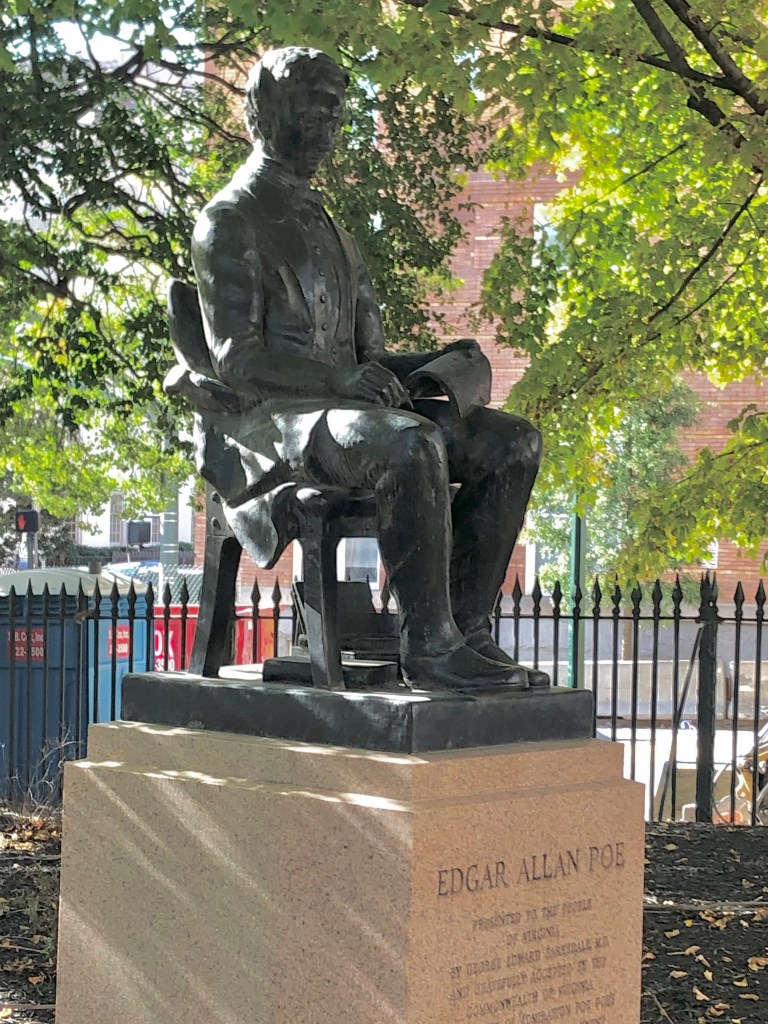
For reasons that aren’t entirely clear, the pedestal base was discovered in a local landfill by some kids many years later (in 1973, to be exact). It seems that it had been rejected by the city, and a new one had been cut. This “new” base sits, with the statue atop it, in Richmond’s capitol park.

Poe statue in Capitol Park

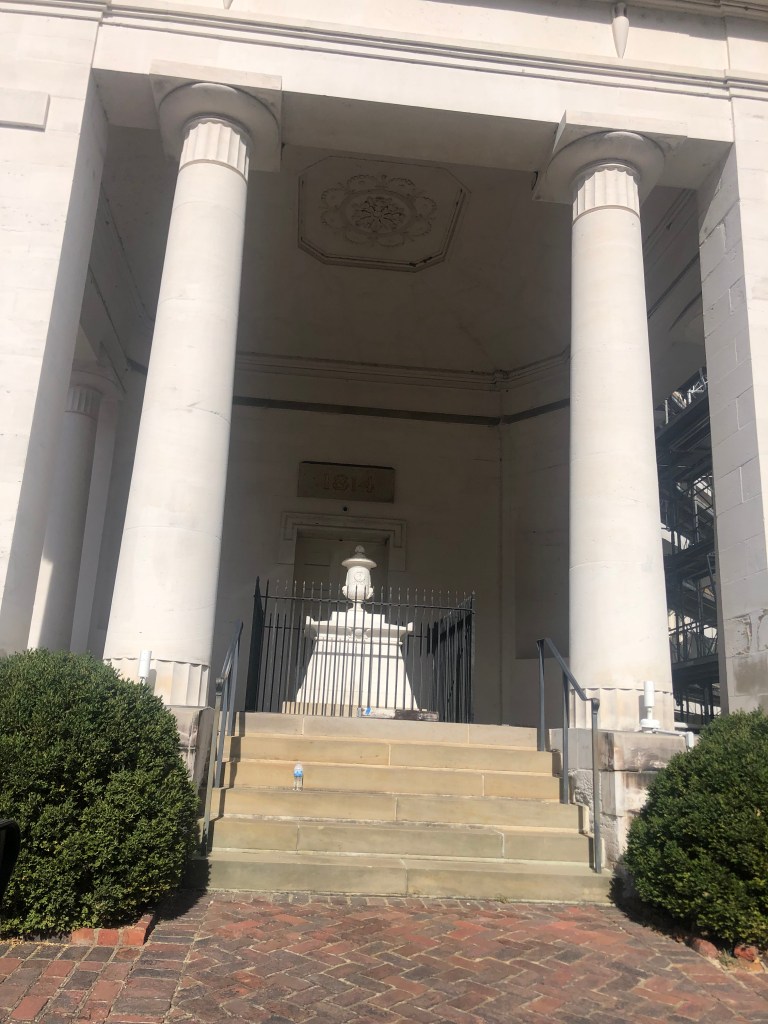
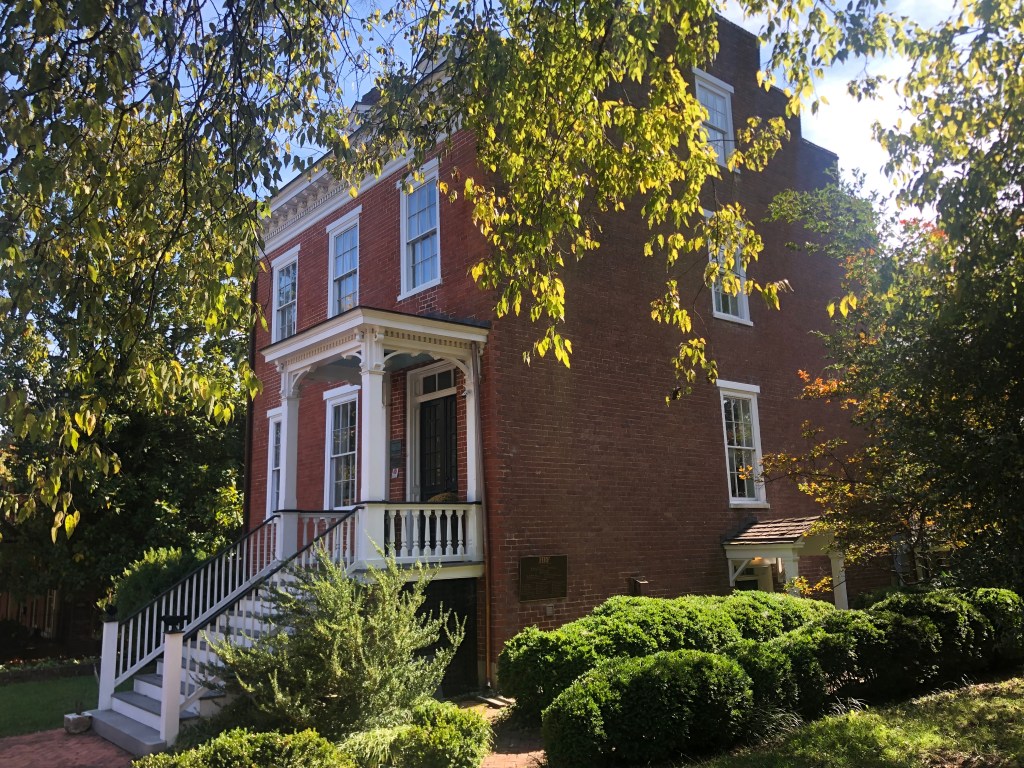
After the museum, Chris and I visited a number of other Poe-related sites in Richmond, as depicted below.

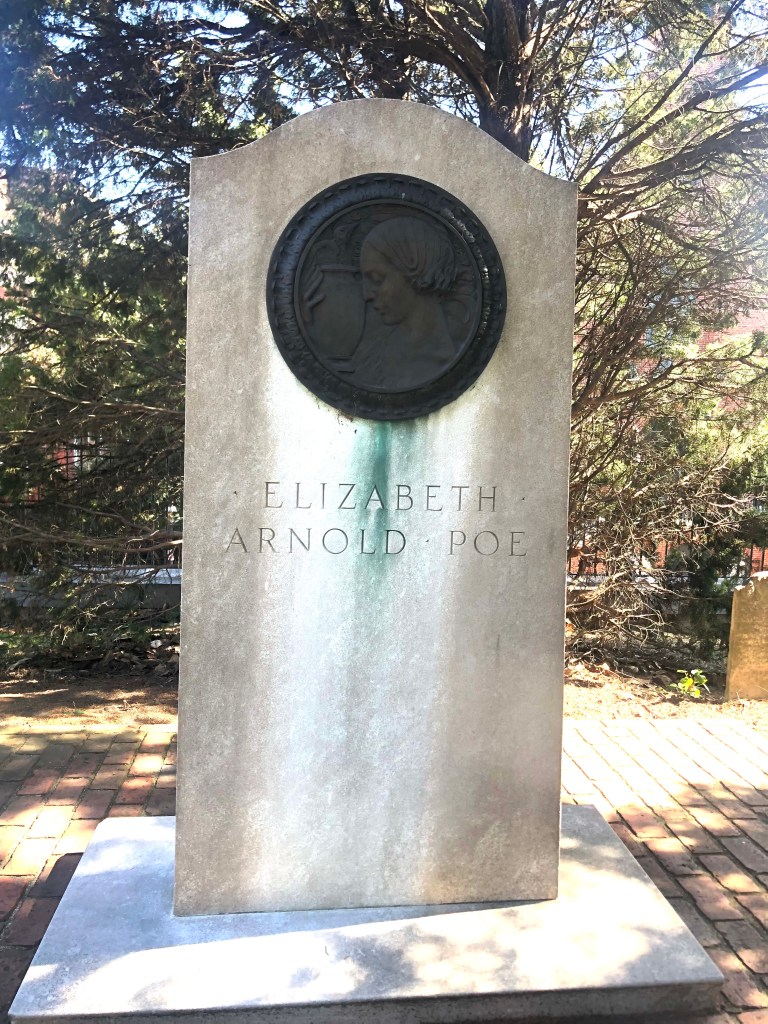
Grave marker for Poe’s mother–an English actress who died of tuberculosis in Richmond at age 24, when Poe was only 2.
Richmond’s Monument Church, where John and Frances Allan were parishioners. The Allans took in the orphaned Edgar Poe (as his father had abandoned the family before Eliza Poe’s death). This is how Edgar Poe became Edgar Allan Poe.
The house of Elmira Shelton. Poe became engaged to Elmira at the tender age of 16, just before leaving for UVA. Her father disapproved of the courtship, and intercepted Poe’s letters to Elmira. Thinking that Poe had forgotten about her, Elmira married another man. Later, Poe famously married his own 13-year-old cousin. But after she died of tuberculosis and Elmira’s husband also died, Poe and Elmira again became engaged. To complete the tragedy, Poe himself died at age 40 just a week and a half before he and Elmira were to be married.
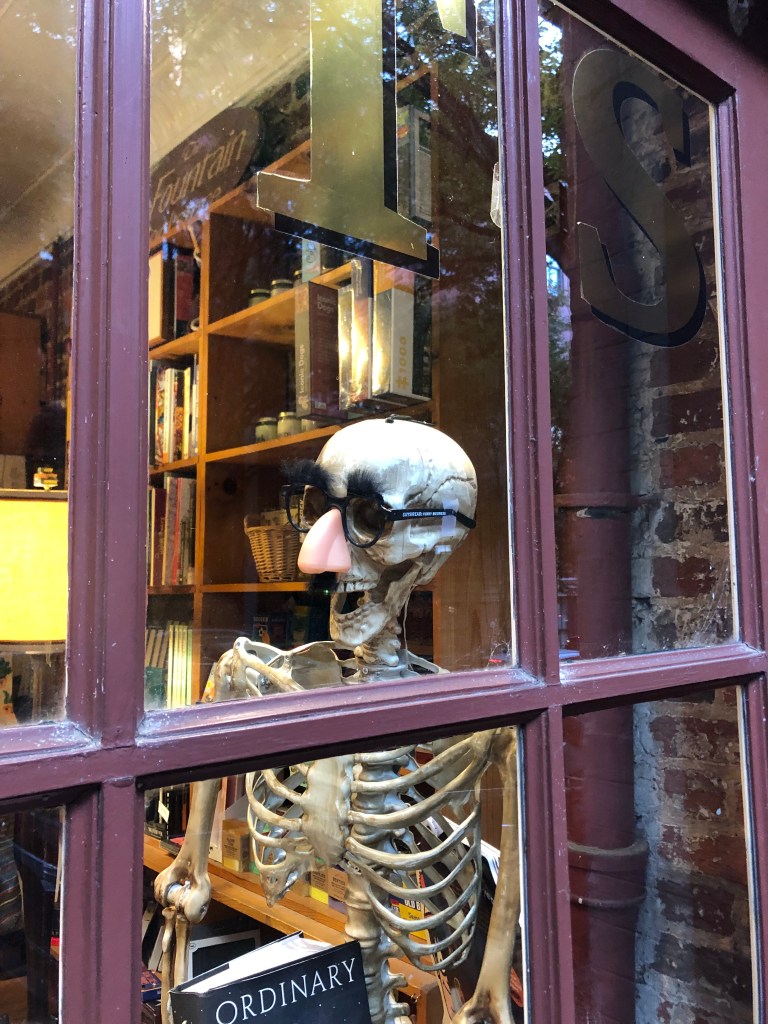
Skeleton in a local bookstore. It’s not directly Poe-related, but somehow it’s appropriate.
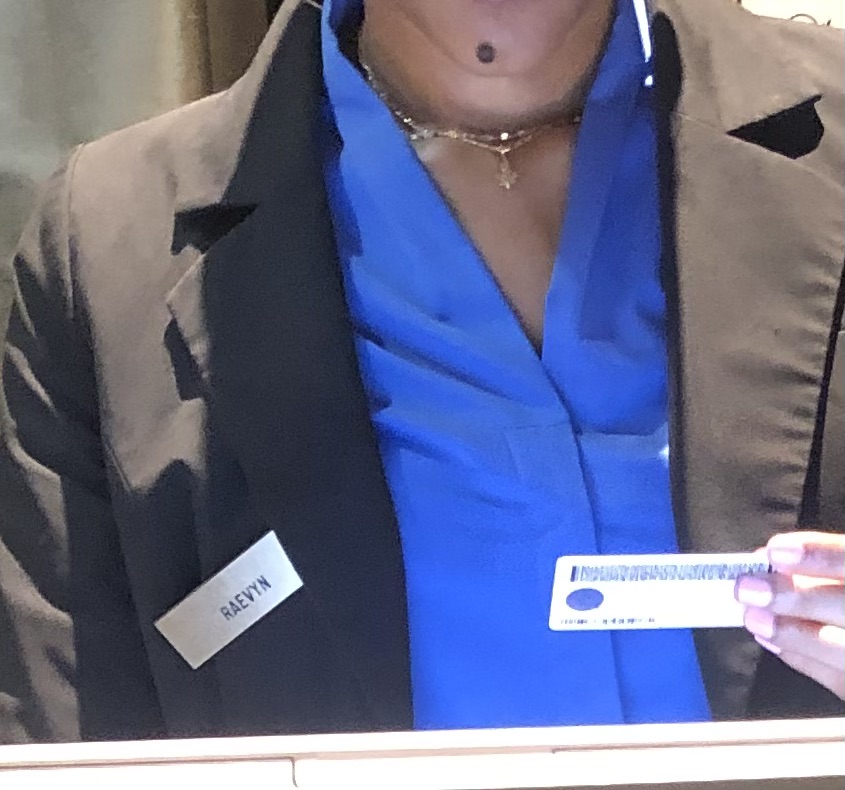
And to round out our Poe-themed day, the receptionist at our hotel is named “Raevyn” (as in, Raven).I’m not making this up.

I hope that all this explains why I wasn’t able to prepare a Halloween cocktail for the blog today. I promise to double-up my cocktail posts when I get home.

Road trips · trains

Getting Acquainted with Weiser

Did someone say “Getting Acquainted with Weezy?”

Have you ever had one of those days were everything works out perfectly?

Me neither. But today came pretty close. At the end of this blog post I will reveal why.

I left my cheap motel room in Ontario, Oregon, crossed the Snake River, and before you could sing the first stanza of “Here We Have Idaho” (which we all know is Idaho’s official state song), I was in Weiser.

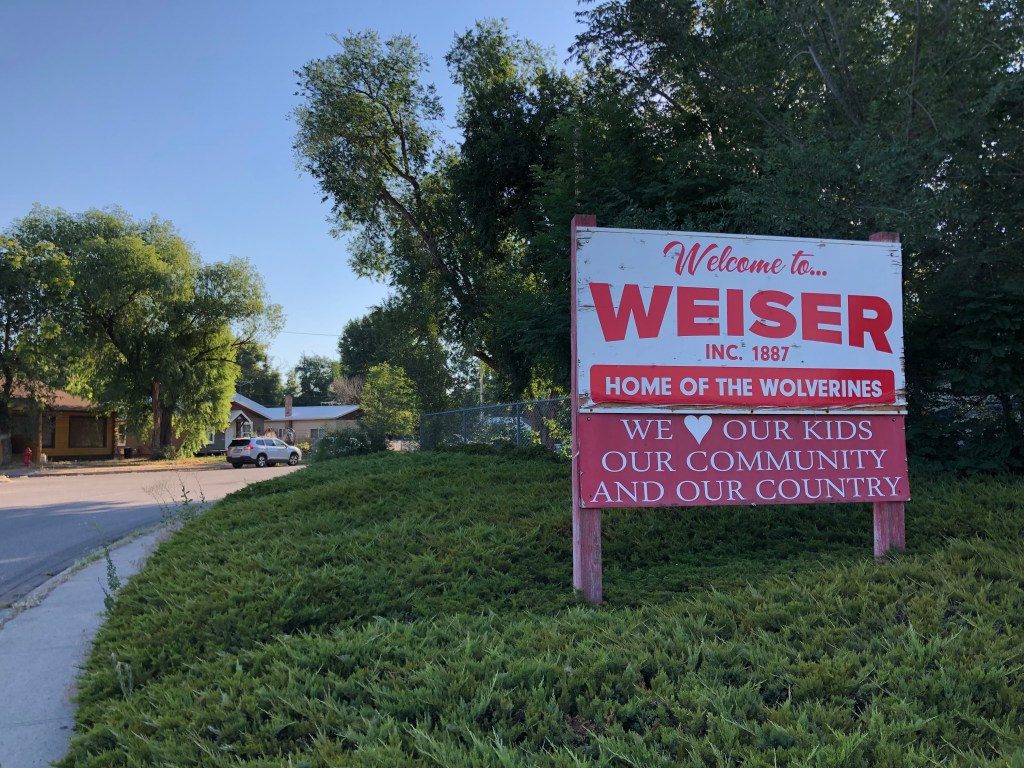
At the entrance to town.
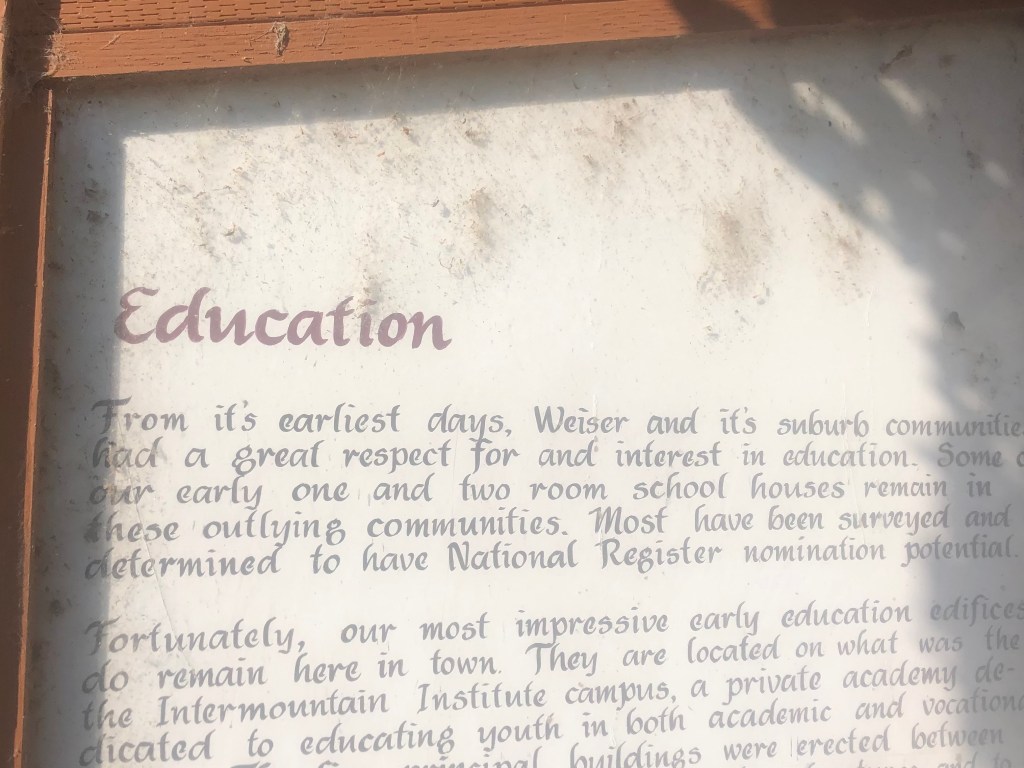
At the visitor center. Evidently their “great respect for and interest in education” didn’t extend to proper use of apostrophes.

But more important than punctuation, Weiser has done an impressive job of preserving historic structures. The downtown in particular has dozens of well-maintained, functioning buildings that my Grandma must have walked past or even visited. These include the following:

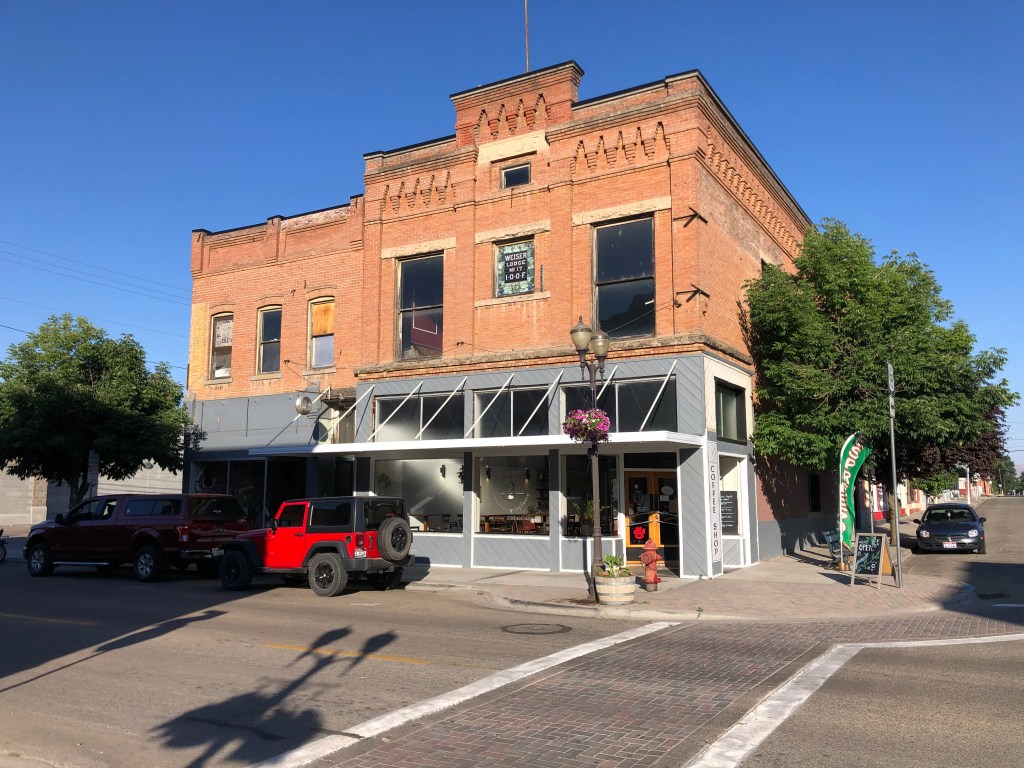
  1. The Odd Fellows building. It was constructed before 1903 (for the town newspaper dated November 25, 1903, mentions a social held there. “It was one of the pleasantest social events of the season.”

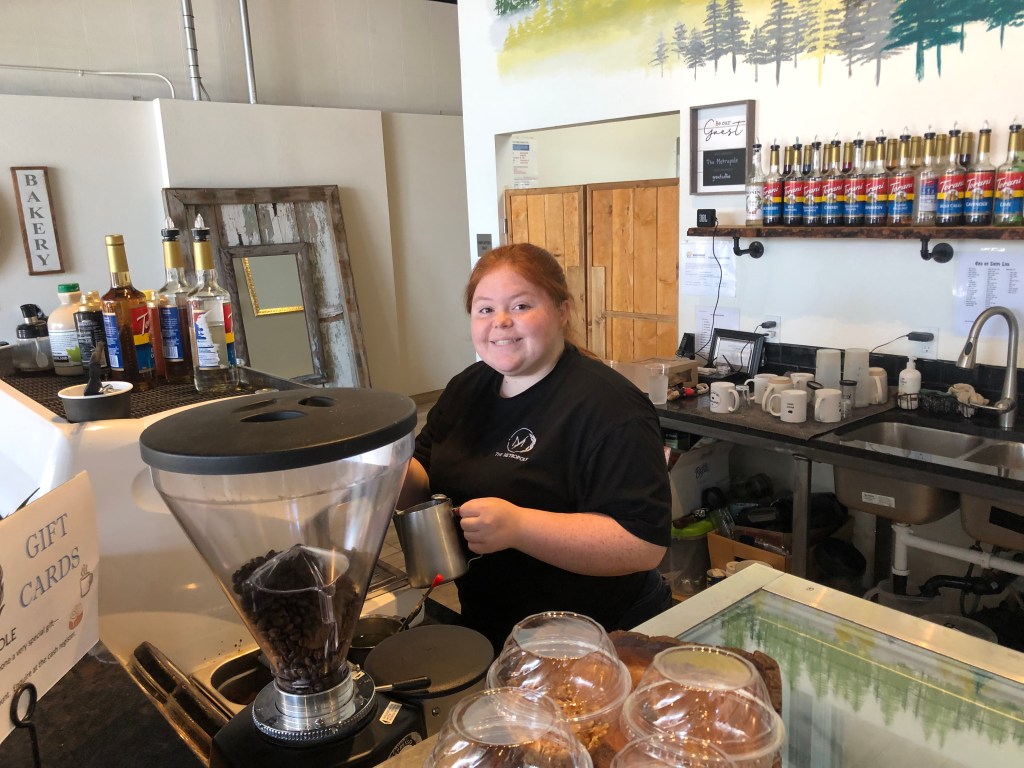
In the cafe on the building’s first floor I had a cup of coffee and a cinnamon roll the size of a small watermelon. I asked the barista about the building’s history but she said she’s new in town and didn’t know much about it. It turns out she’s from Sacramento–pretty much where I’d just driven from.

Danika–a fellow Sacramento-area transplant, now relocated to Weiser.

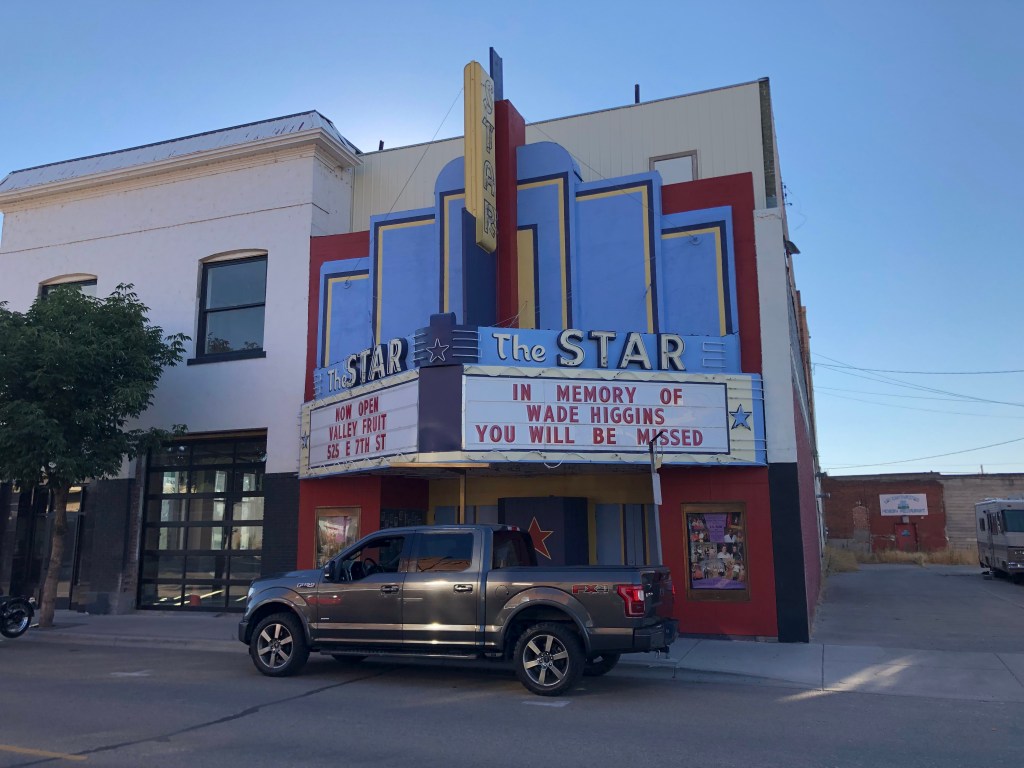
2. The Star Theater. It moved to its current location in 1917 (when Grandma was six). It was a vaudeville house that also showed silent movies. Today it is used for live theater productions and other events. It looks like it’s been extensively modified since 1917. I wished I could have peeked inside.

Surely Grandma must have seen a show here. In her memoir she admits to an affection for vaudeville.

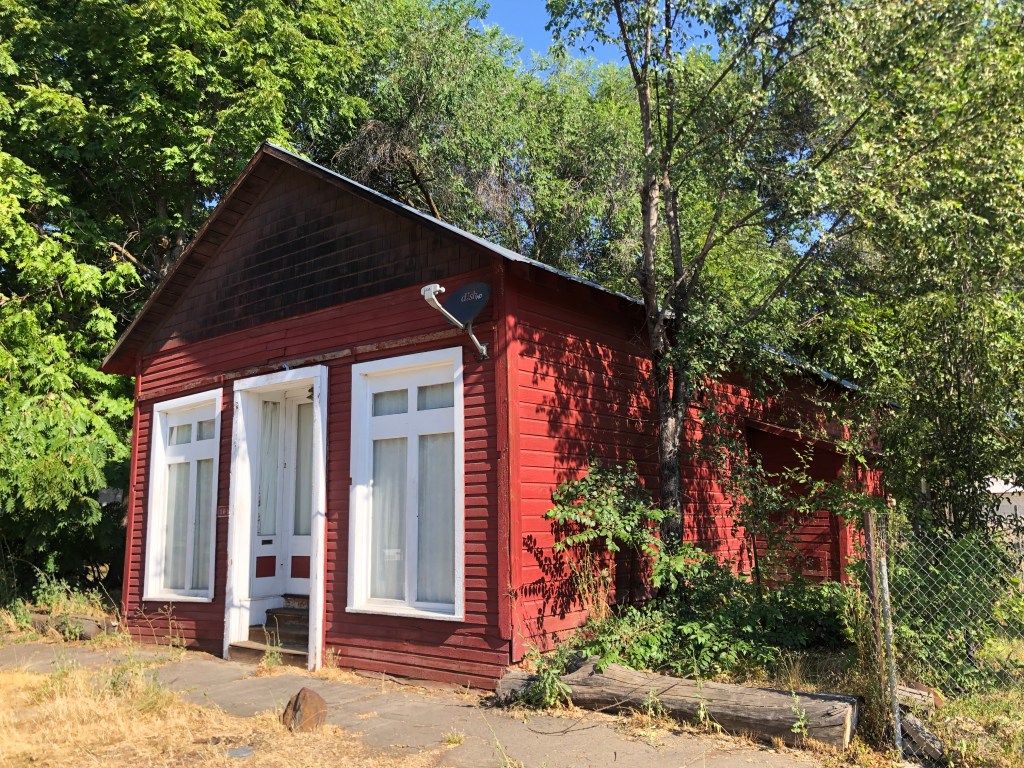
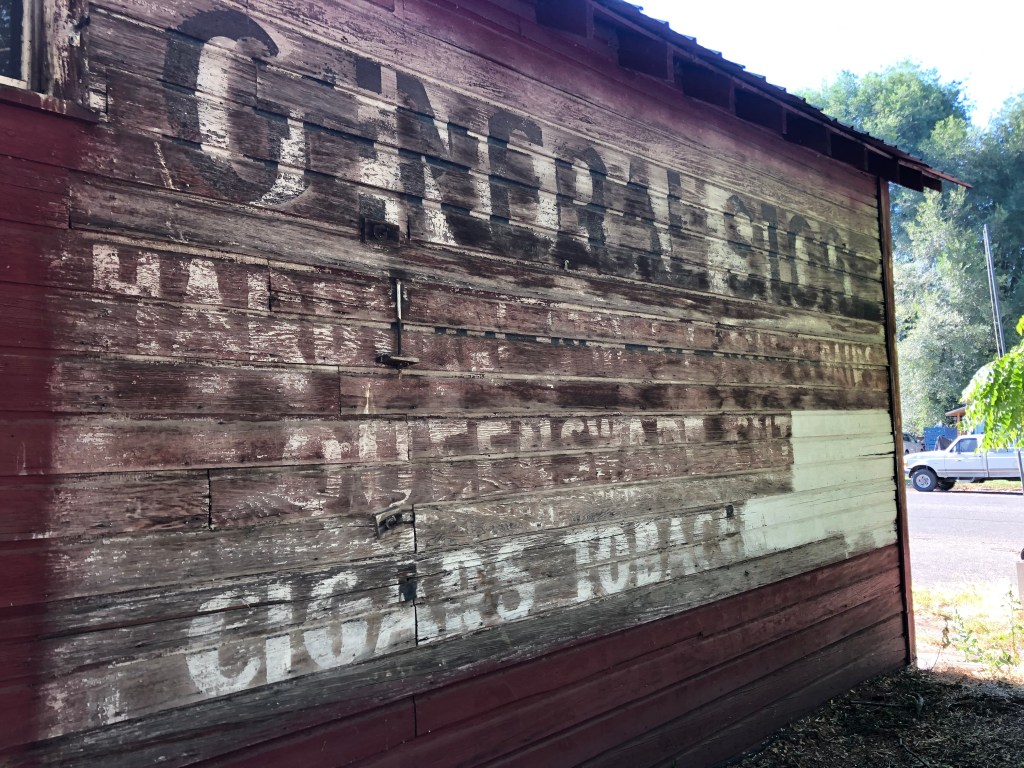
3. The Red Store. One of the oldest buildings in Weiser, The Red Store dates back before the turn of the 20th century. I couldn’t find an exact date of construction, but the old signage on the west side of the building (left untouched by the owners, who’ve otherwise repainted the building) appears to be late-19th century.

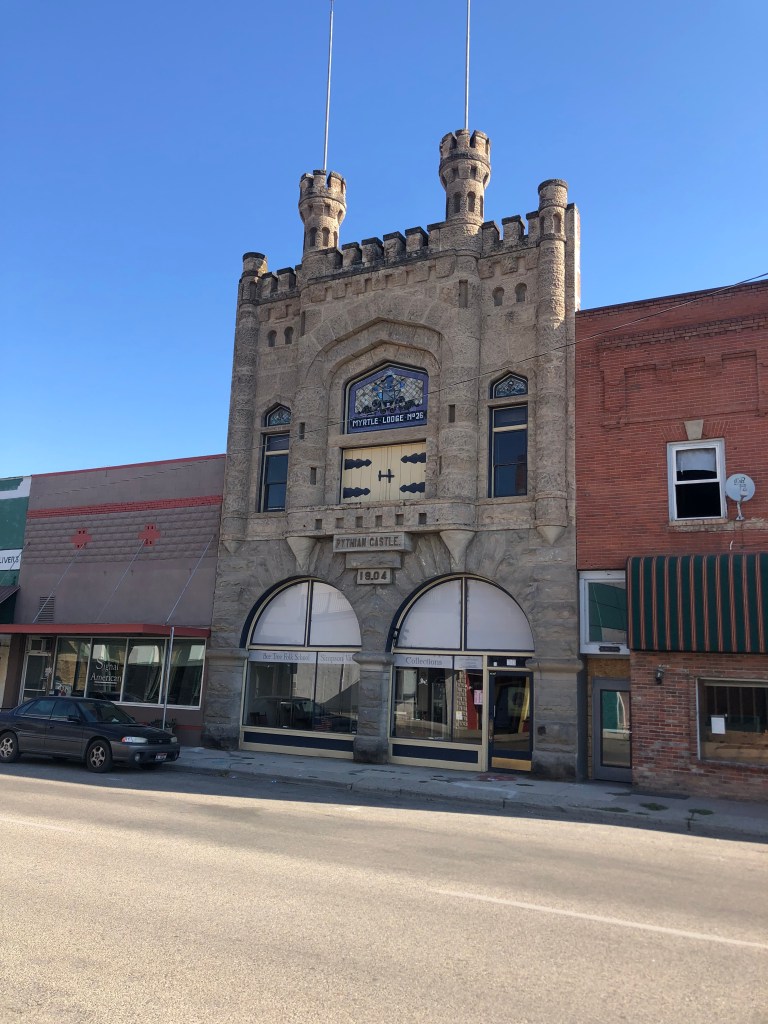
4. Knights of Pythias Lodge. In her memoir Grandma writes that her father (aka my Great Grandfather Burley) “occasionally went to a card game at the Woodmen of the World Lodge, which he had joined in order to qualify for their life insurance.” I couldn’t find any evidence of the Woodmen lodge in Weiser, but I did find this very cool old lodge building from the Knights of Pythias. The building was constructed in 1904 and sits prominently on the main drag, so doubtless it was familiar to Grandma.

Paging Harold and Kumar….

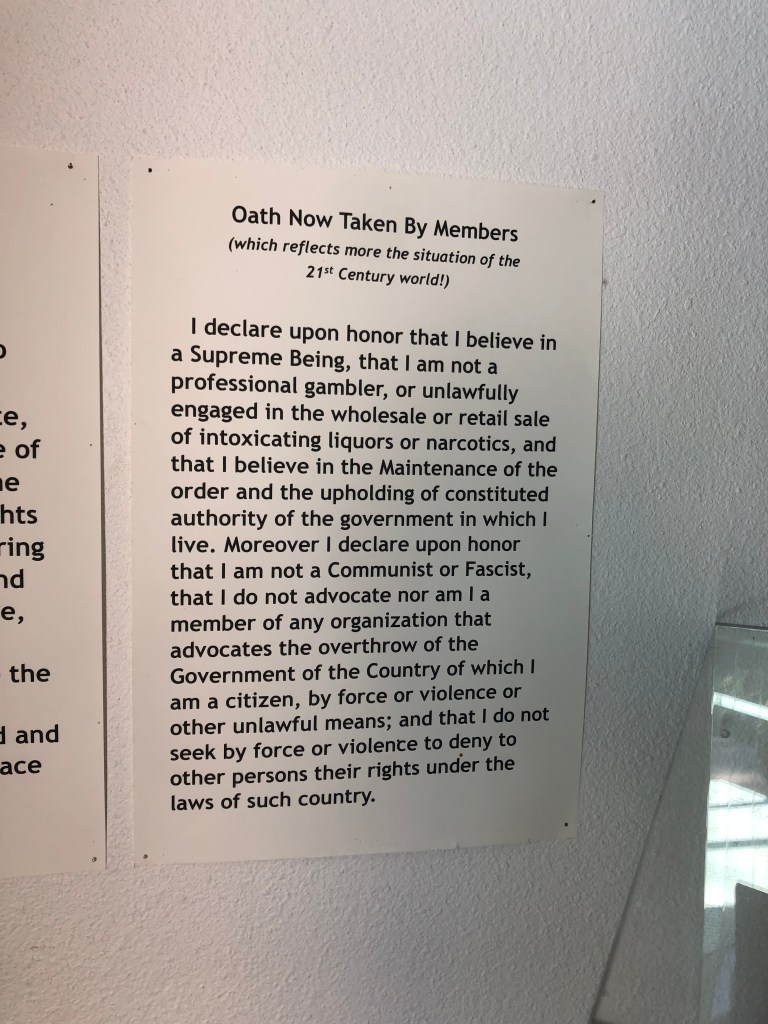
The Knights of Pythias (KOP) was founded as a fraternal order during the Civil War. Like many fraternal organizations, its purpose was primarily to provide assistance to its members and their families when serious illness, death, or some other crisis befell them. It’s not unlike Great-Grandpa Burley’s joining the Woodmen of the World to get life insurance. Also like many other fraternal organizations, the KOP was a secret society that was steeped in rituals borrowed from foreign cultures.

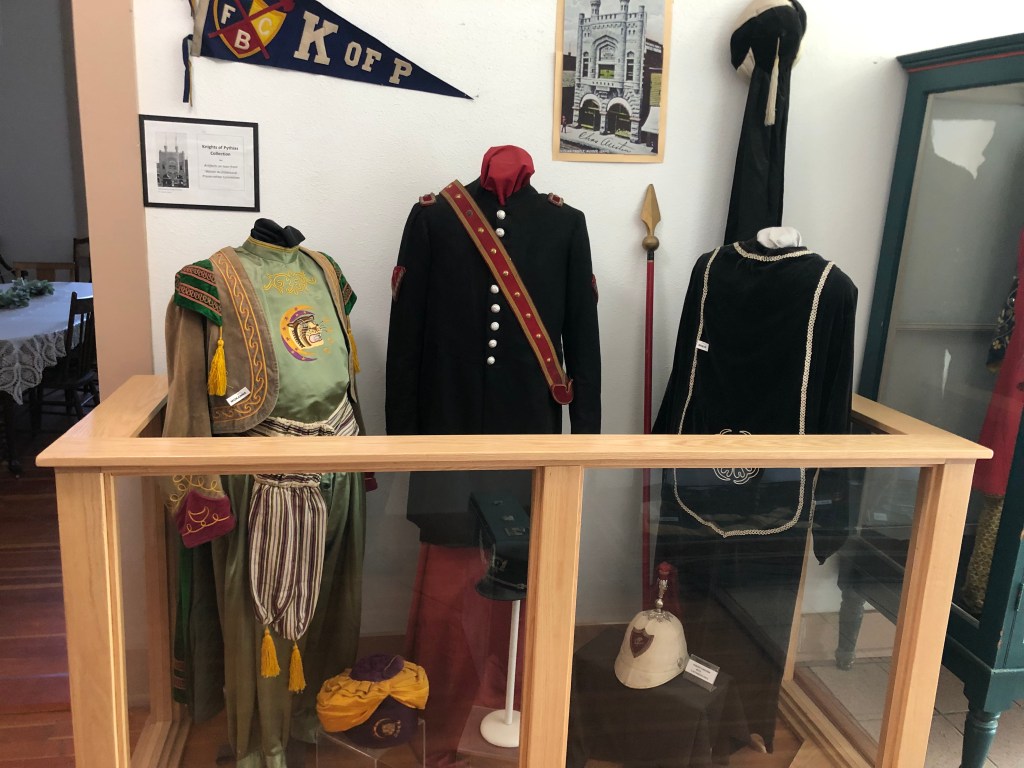
The Weiser chapter of the KOP closed in the middle of the 20th Century, and parts of the building have been used primarily for storage since that time. Then, a few years ago, some boxes were discovered that contained costumes and props for the KOP ceremonies. Some of these are now on display in the regional museum. I took a few pictures of them:

From an era when cultural appropriation wasn’t frowned upon.
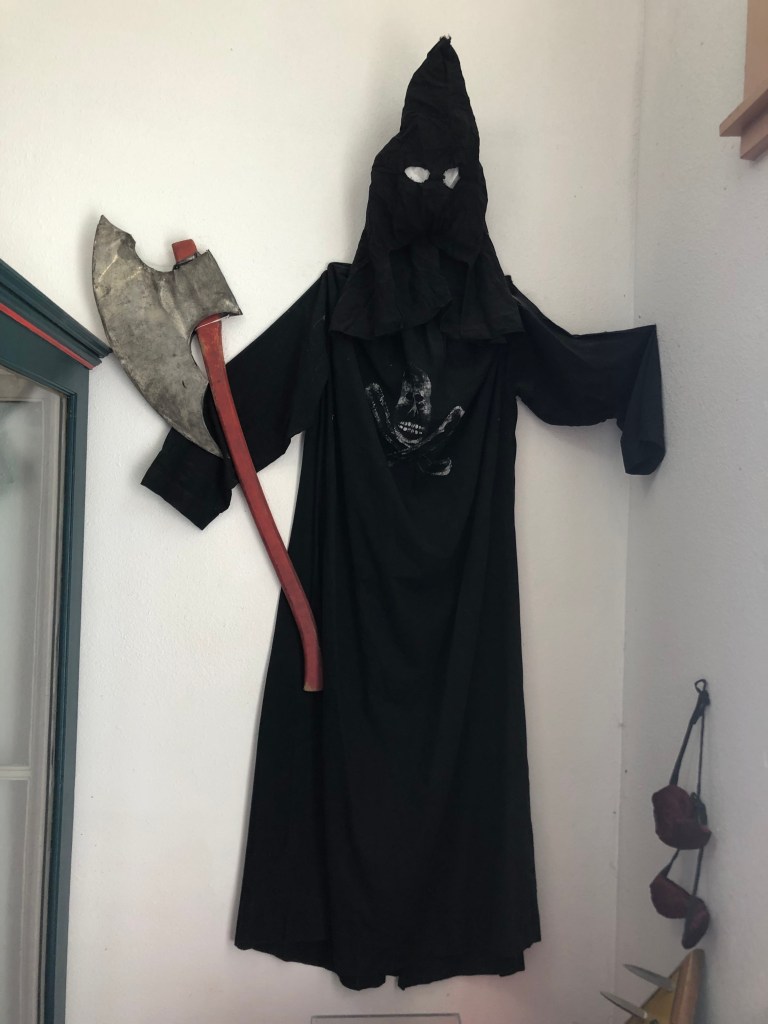
This must have been a fun part of the initiation ceremony…
The Knights of Pythias still exists as a fraternal organization, though its numbers have dwindled. Sen. Chuck Schumer is a member. I’m not making this up.

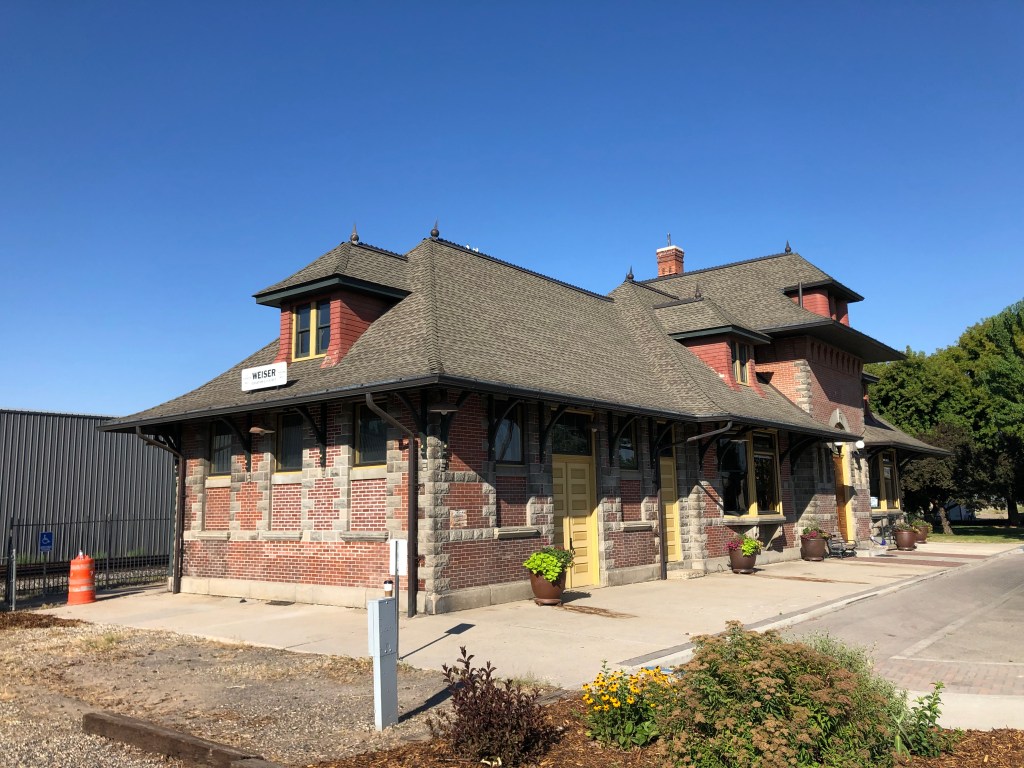
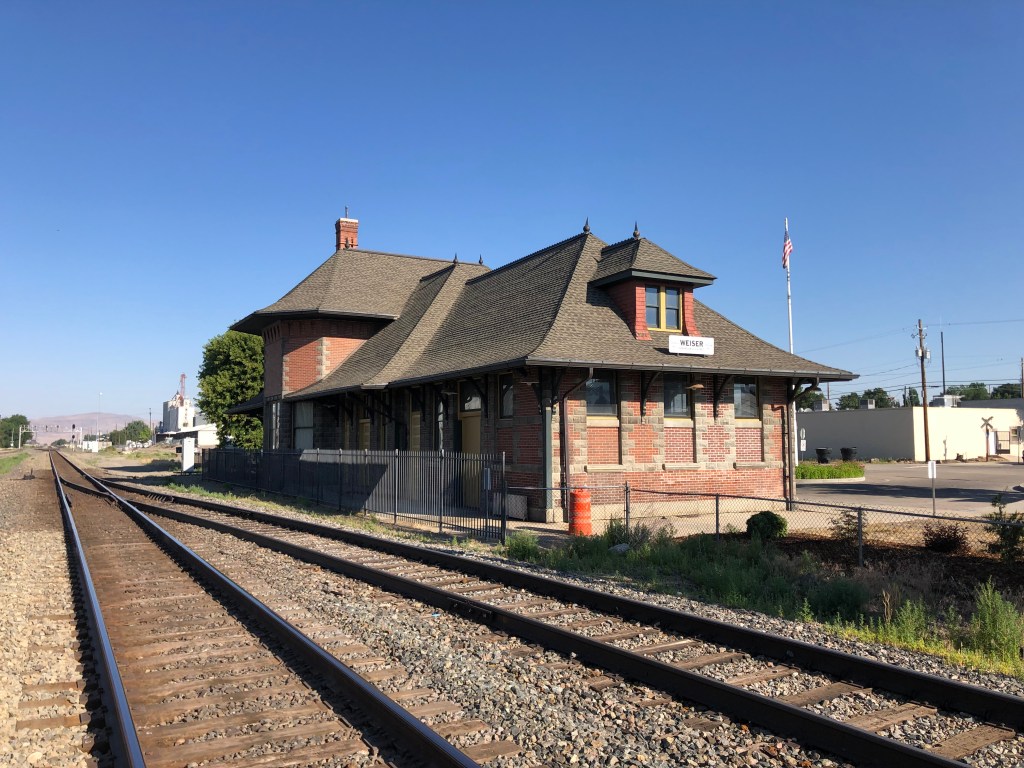
5. Weiser Depot. Weiser lobbied for the Union Pacific to bring its mainline to their town. But they only got a shortline. Still, the UP built them this beautiful Queen Anne-style depot in 1907. In her memoir Grandma talks about taking various train trips, but I don’t know if she ever boarded at this particular depot. Still, she must have had occasion to visit it. Some years ago trains stopped stopping (can I say that?) in Weiser, and the station closed. It’s been restored and for awhile it was a museum, but when I saw it today it was empty.

Trains still come by on the tracks, but they don’t stop at the station.
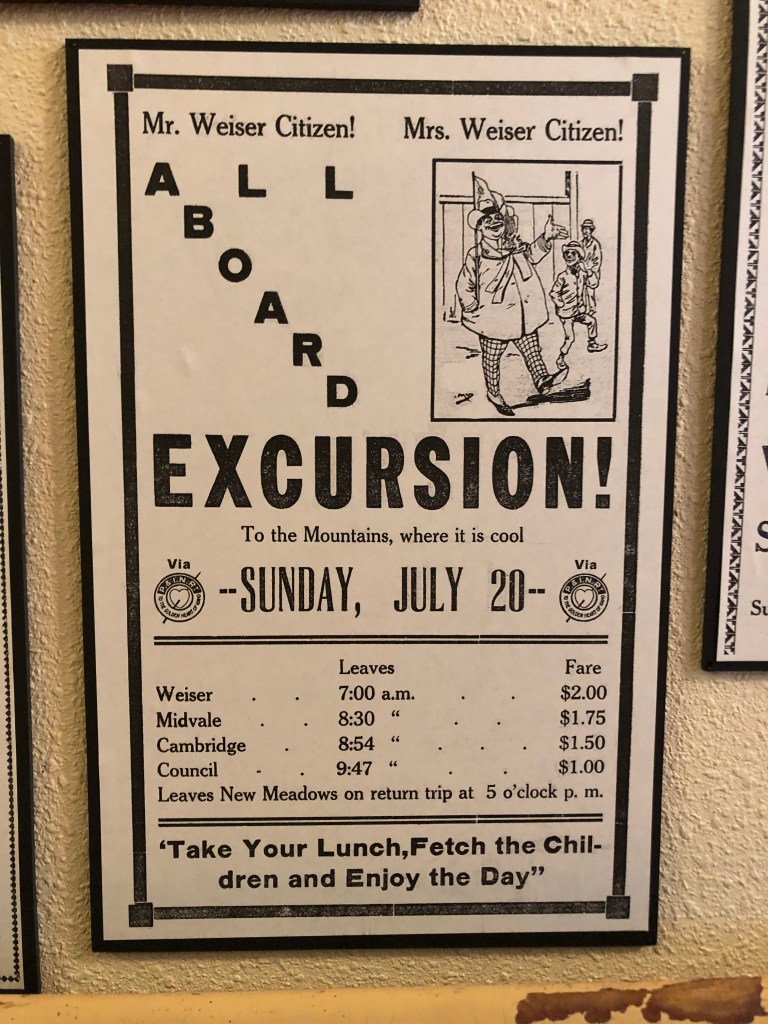
Handbill at the regional museum. Is the illustration mocking “Mr. Weiser Citizen”?

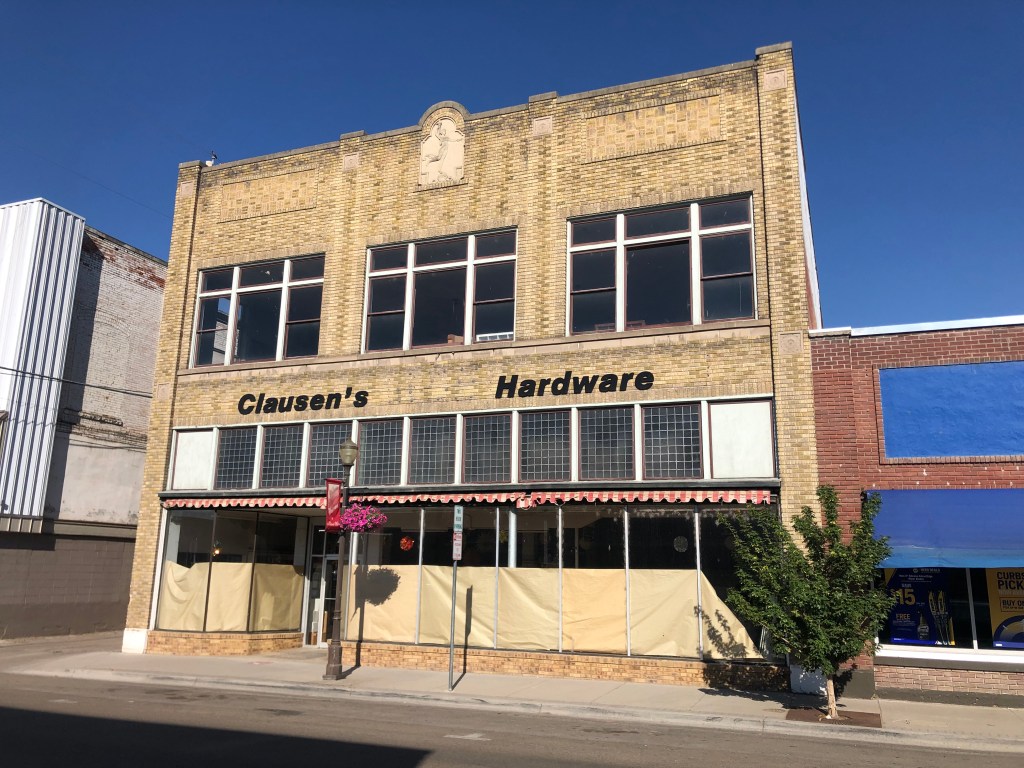
6. Clausen’s Hardware Building. I couldn’t find when this was built, but surely Grandma must have seen it. This became an ACE hardware store in the middle of the last century, but it recently closed.

The brown paper on the windows suggests there’s something brewing.

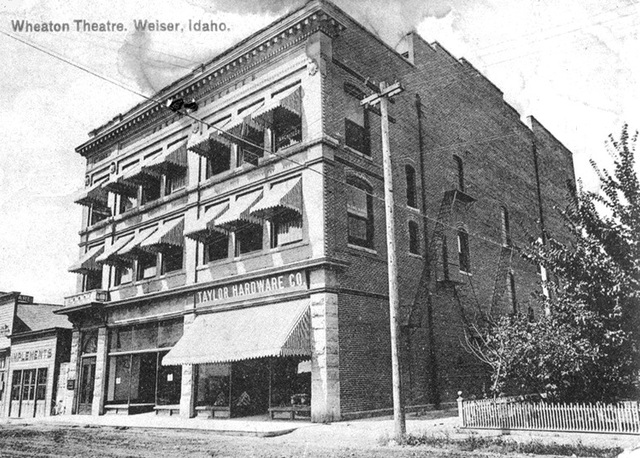
7. Site of the Wheaton Theater. In her memoir, Grandma writes that she and other schoolchildren sang “in the town hall, which, apparently anticipating events that never materialized, the town fathers had given the name of Opera House. Actually it was nothing more than a hole in the wall.” The only building that had been described as an opera house (that I could find) was the Wheaton Theater, which was constructed in 1908 and was destroyed by fire in 1937.

Wheaton Theater/”Opera House”(?)

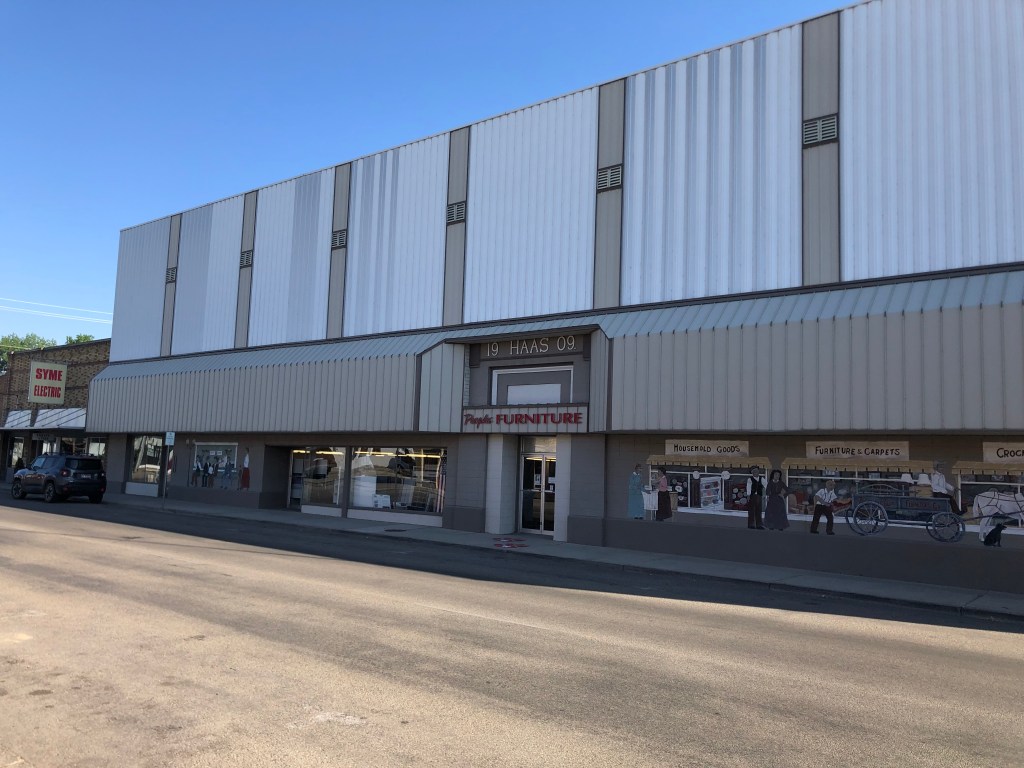
Today, the People’s Furniture building occupies what is said to be part of the site that was once the Wheaton. Looking at the picture, I’m guessing that People’s combines the old Haas Building (from 1909) and the old Wheaton Building.

For some reason, that ugly siding was all the rage in the 1950s and 1960s.
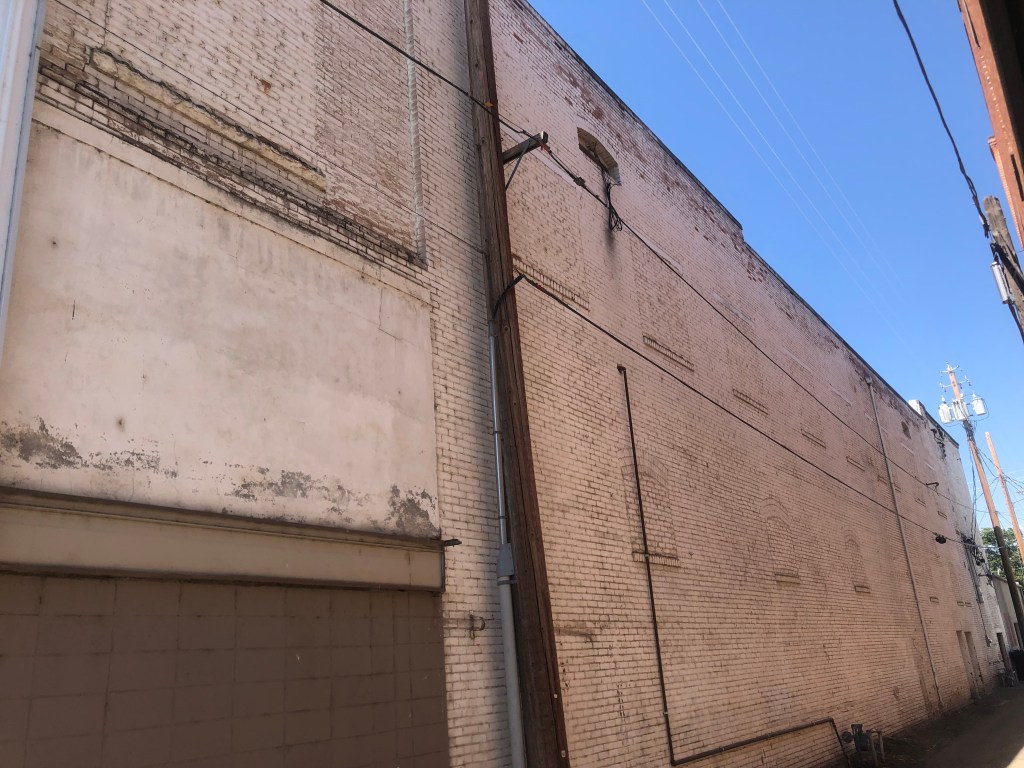
This is the alley side of the People’s building. Are those bricked-up arched spaces the windows that appear in the historic Wheaton Theater photo above?

8. Site of the First National Bank of Weiser. In her memoir, Grandma writes that her father (my great-grandpa Burley) had a sometimes-stressful job with the local bank, and that her mother “took her position as wife of a bank officer very seriously and felt she must live up to it.” However, the 1915 City Directory identifies Great-Grandpa Burley as being an “Asst Cashier First National Bank.” I wouldn’t think to call that a “bank officer.” But evidently the whole family felt Great-Grandpa had a high level of responsibility.

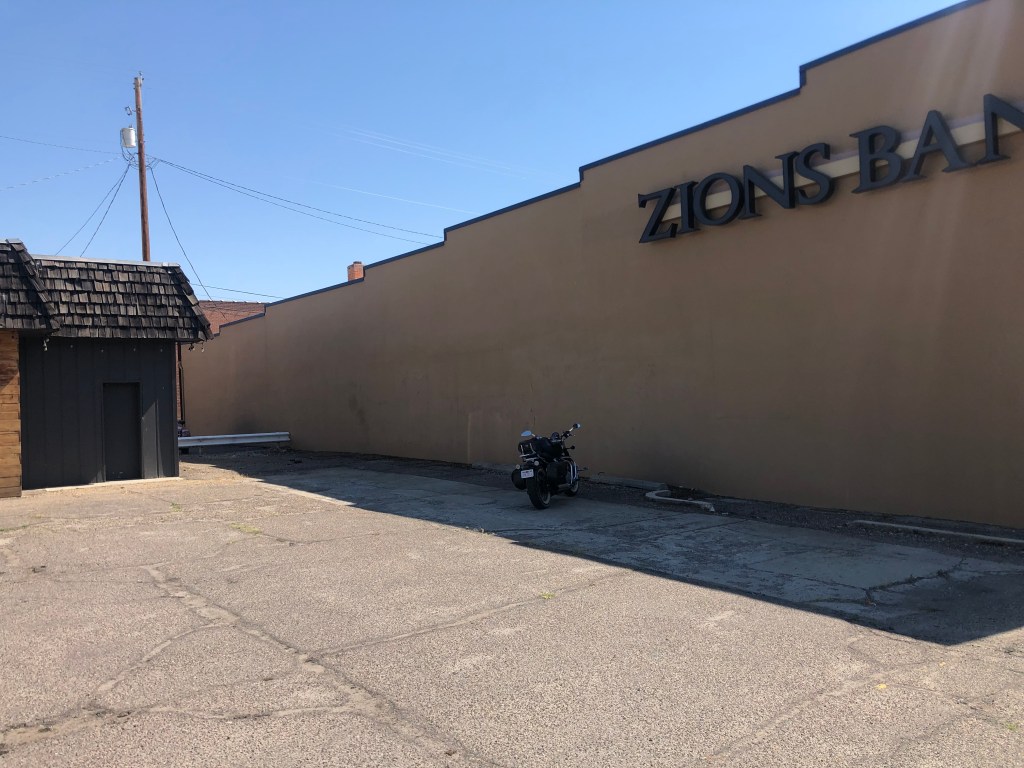
Sadly, the First National Bank of Weiser no longer stands. In its place there is a vacant lot, next to which stands a new(ish) Zions Bank. None of the staff at Zions could tell me anything about the old First National Bank.

The vacant space which used to be Great Grandpa’s bank. Grandma one visited him there after falling into a vat of chocolate. I’m not making this up.

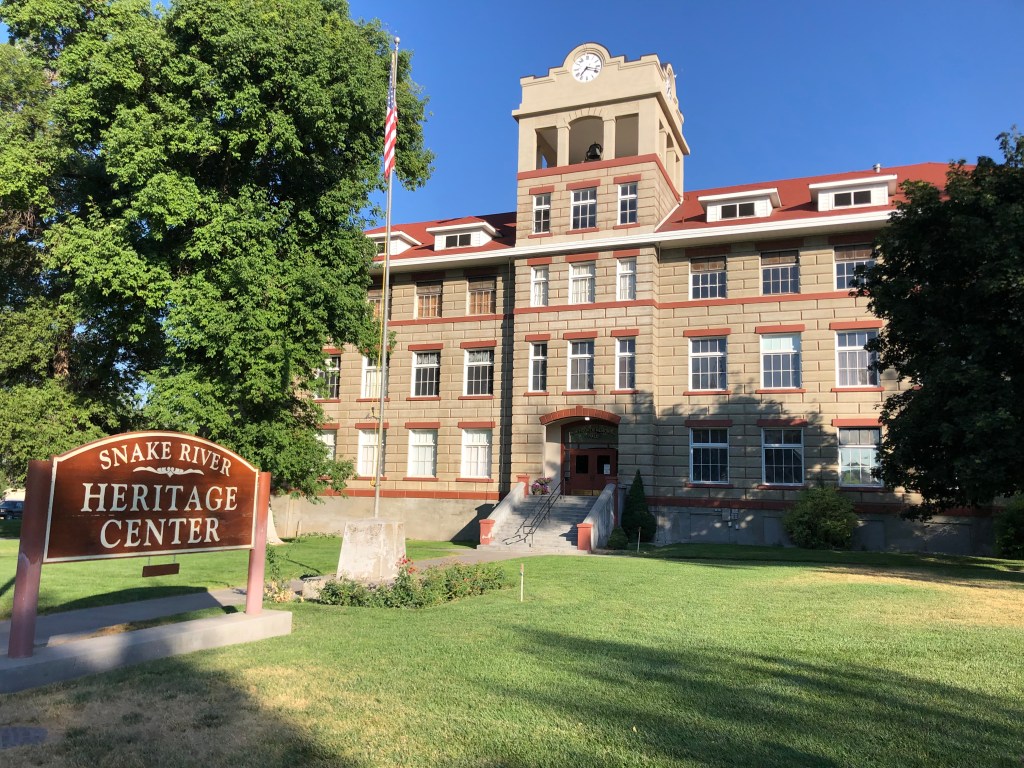
9. The Intermountain Institute. Although Grandma probably never was on the campus, the Intermountain Institute was a boarding school whose extant buildings date back to 1907–a few years before Grandma was born. The Institute closed after Weiser constructed a public high school in the mid-twentieth century. Today, one of the Institute’s main buildings (Hooker Hall) is home to the Snake River Heritage Center, which has historical artifacts and exhibits related to Weiser and the surrounding area. It’s at this Heritage Center that I saw the Knights of Pythias regalia.

Aka Hooker Hall.

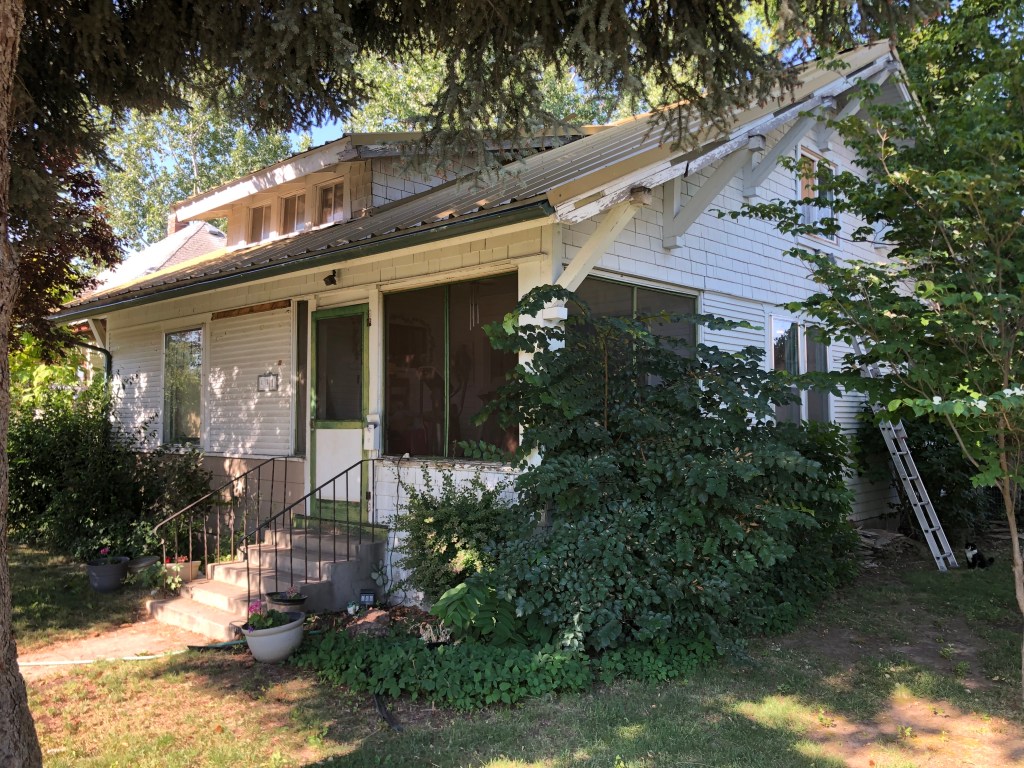
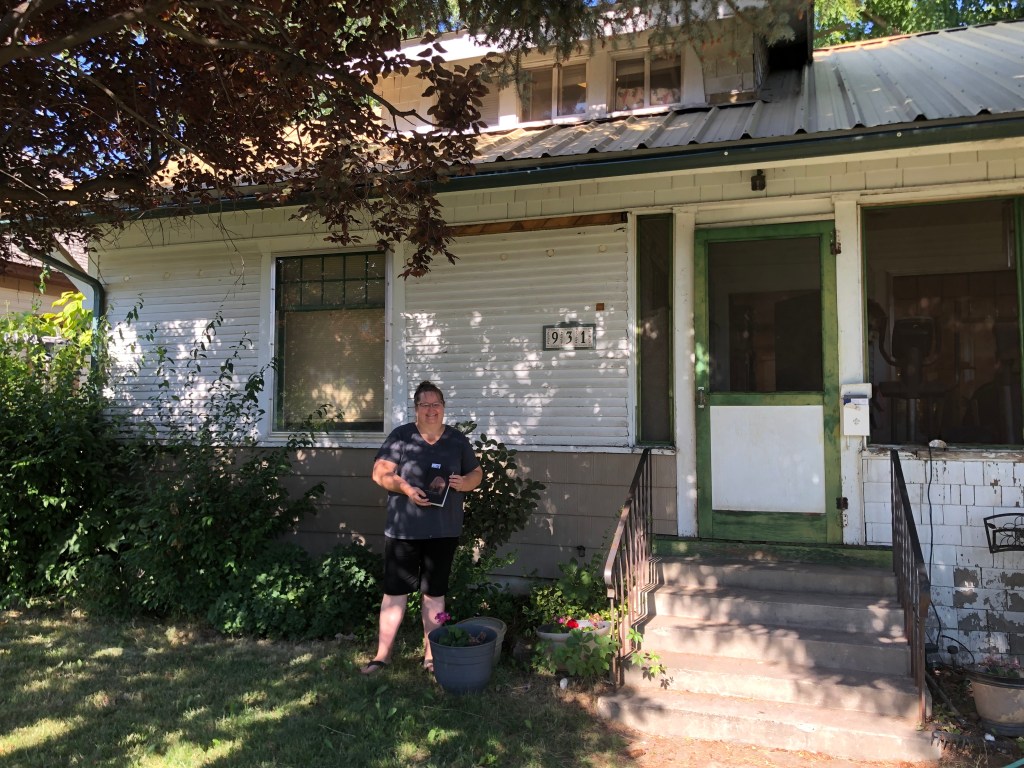
10. Grandma’s Childhood Home. Weiser’s 1915 City Directory lists Great Grandpa Burley’s address as 931 West 3rd Street. Now, Grandma writes “Our first home was close to downtown, and Papa’s job at the bank was only a few minutes away. But in Papa’s eyes the pasture on the other side of the fence was always greener, and so we moved often.” So it’s not clear how long they lived in this house; I only know they were there in 1915.

So today I drove out to West 3rd street, and the house is still standing!

It’s just as I pictured it would look.
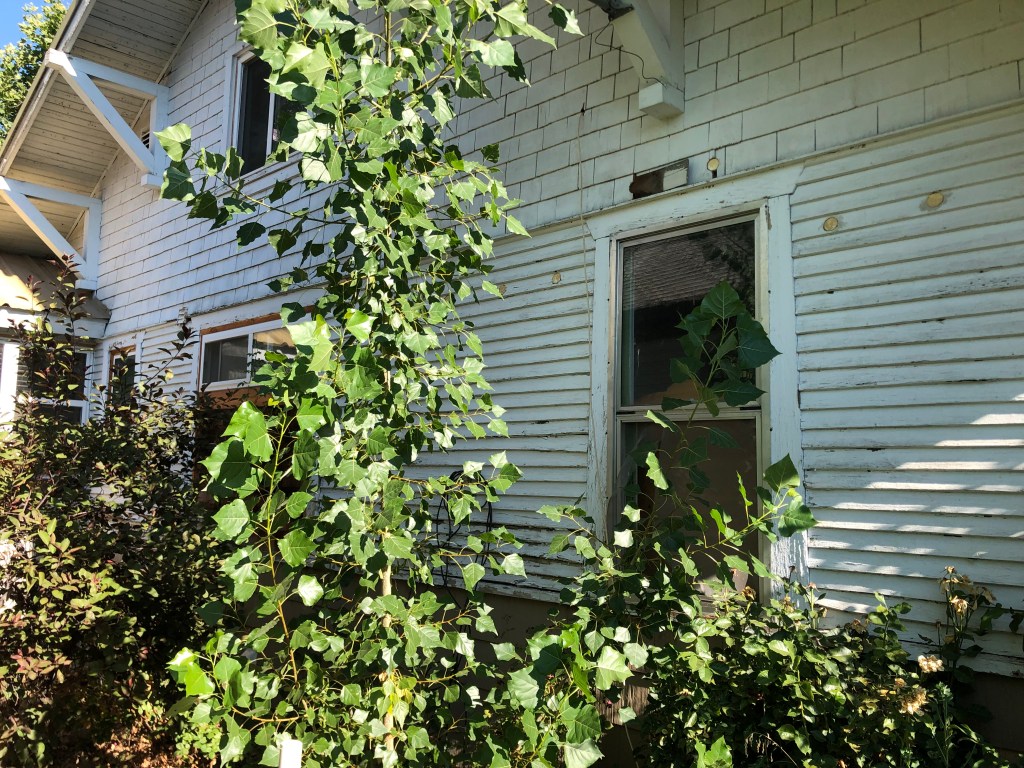
Not bad for over 100 years old.
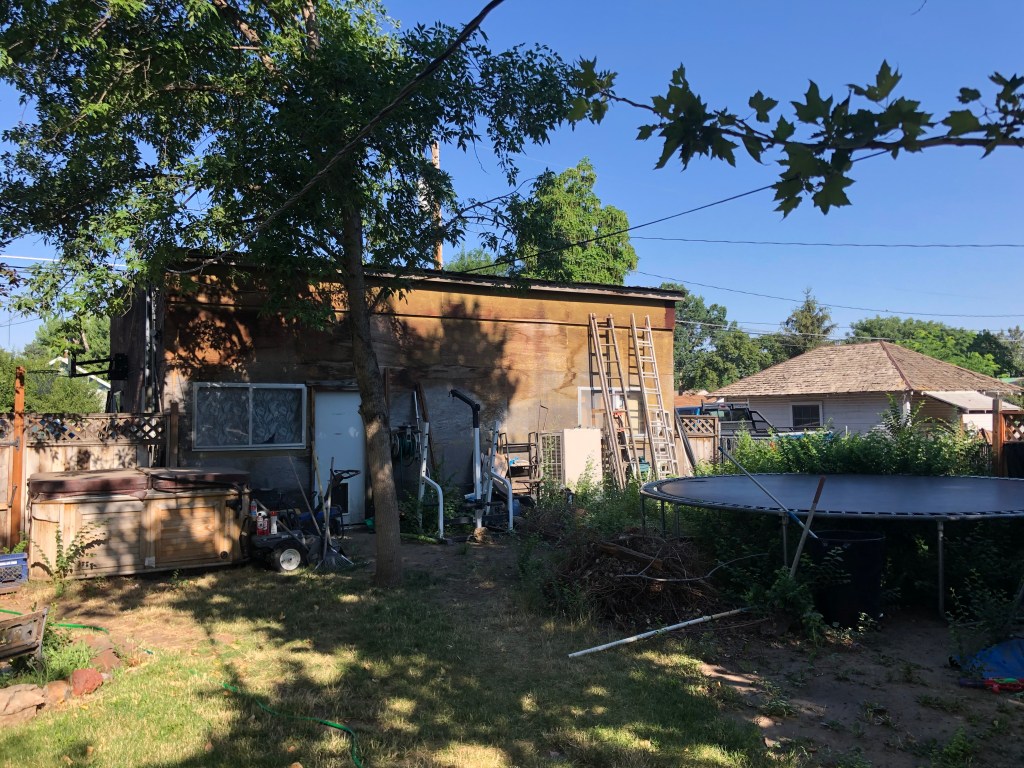
Part of the back yard. It’s not clear to me whether the shop/garage building was there in Grandma’s day.

As luck would have it, just as I arrived a woman was parking her car in front of Grandma’s old house. And it turns out she’s the current owner! Stephanie (for that is her name) and her husband bought the house about six years ago, and they’ve made some considerable repairs and improvements.

Stephanie, holding a copy of Grandma’s Memoir.

Their work to the house includes some sheetrocking of walls, moving a bathroom, and converting the attic space to bedrooms. But still there is plenty of the original house that Grandma would surely recognize. And how do I know this? Because Stephanie, bless her, invited me in and showed me around. I was literally walking in Grandma’s footsteps.

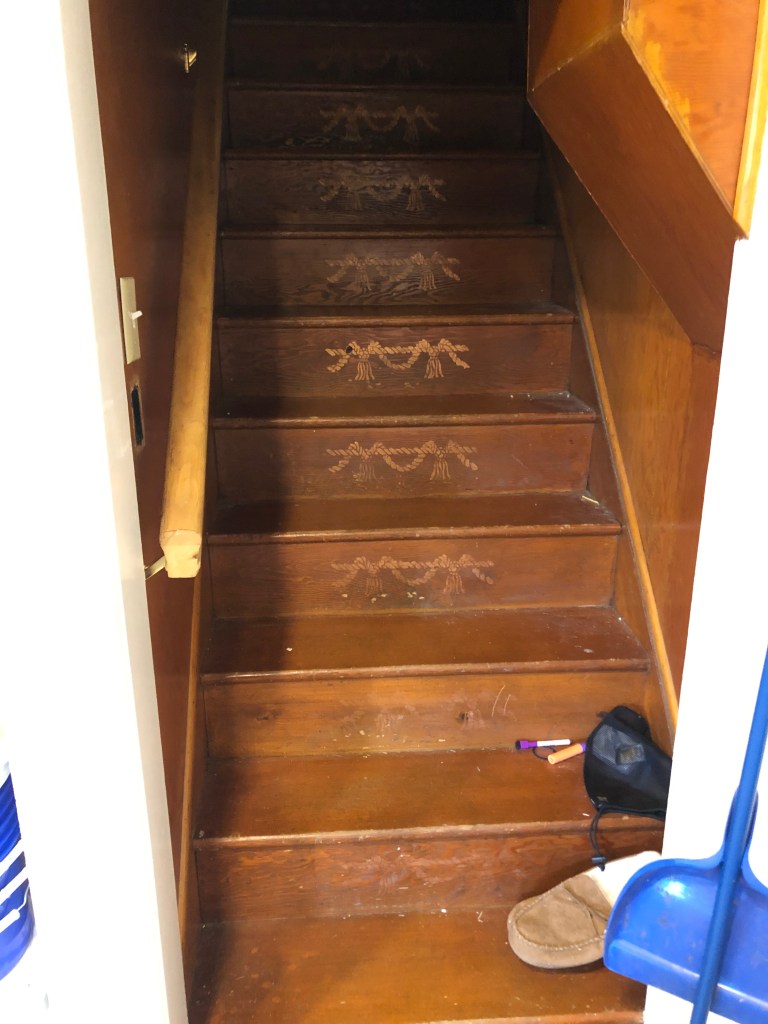
Stairway to the attic.
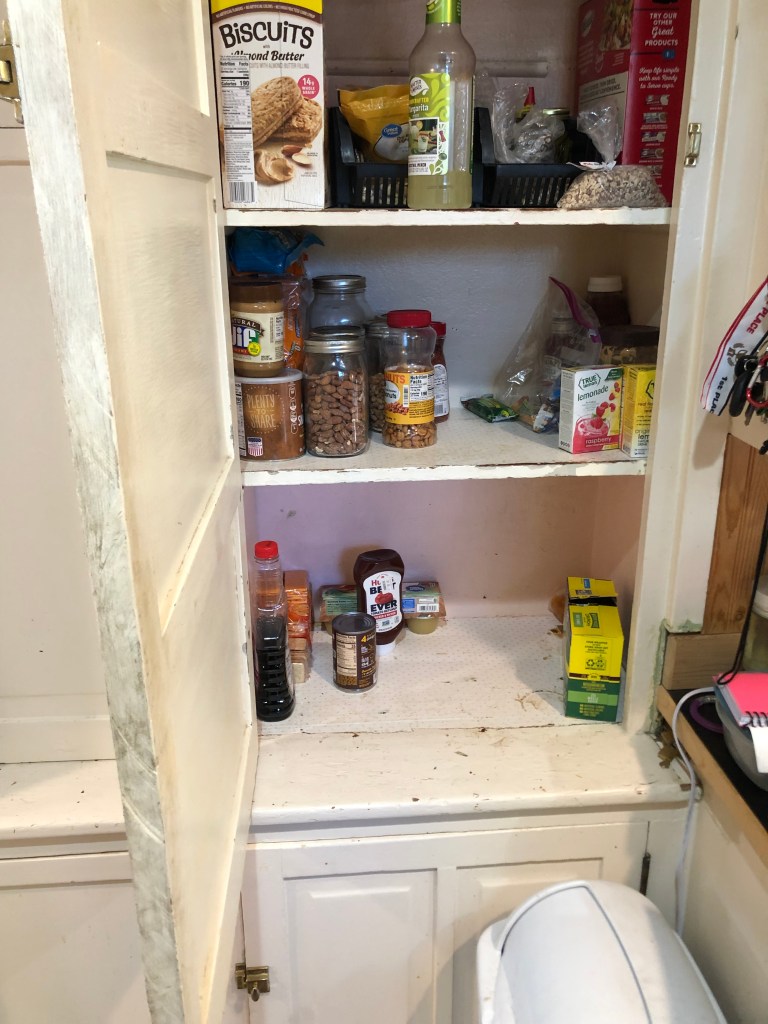
Original kitchen pantry. Grandma’s oatmeal (or whatever she ate for breakfast) would have been stored here.
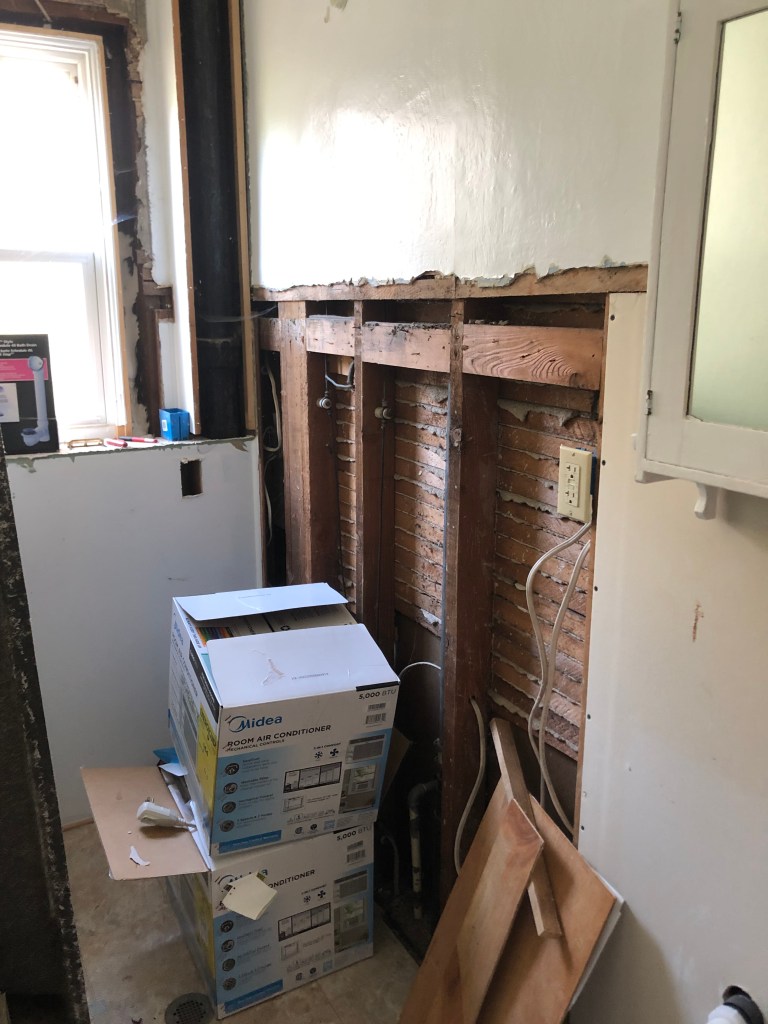
Original lath and plaster wall, exposed from remodeling work. Stephanie reports that she found grandma-era newspapers in the walls, perhaps being used for insulation.
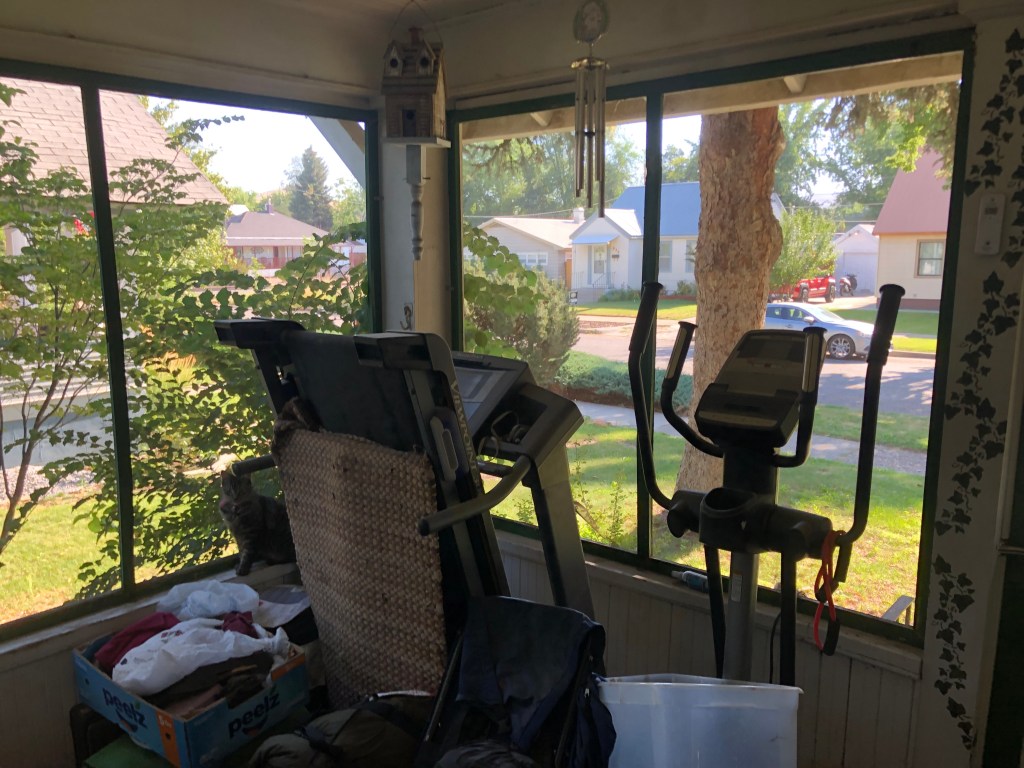
In her memoir Grandma writes of occasionally sleeping in screened porches. Could this be one of them?
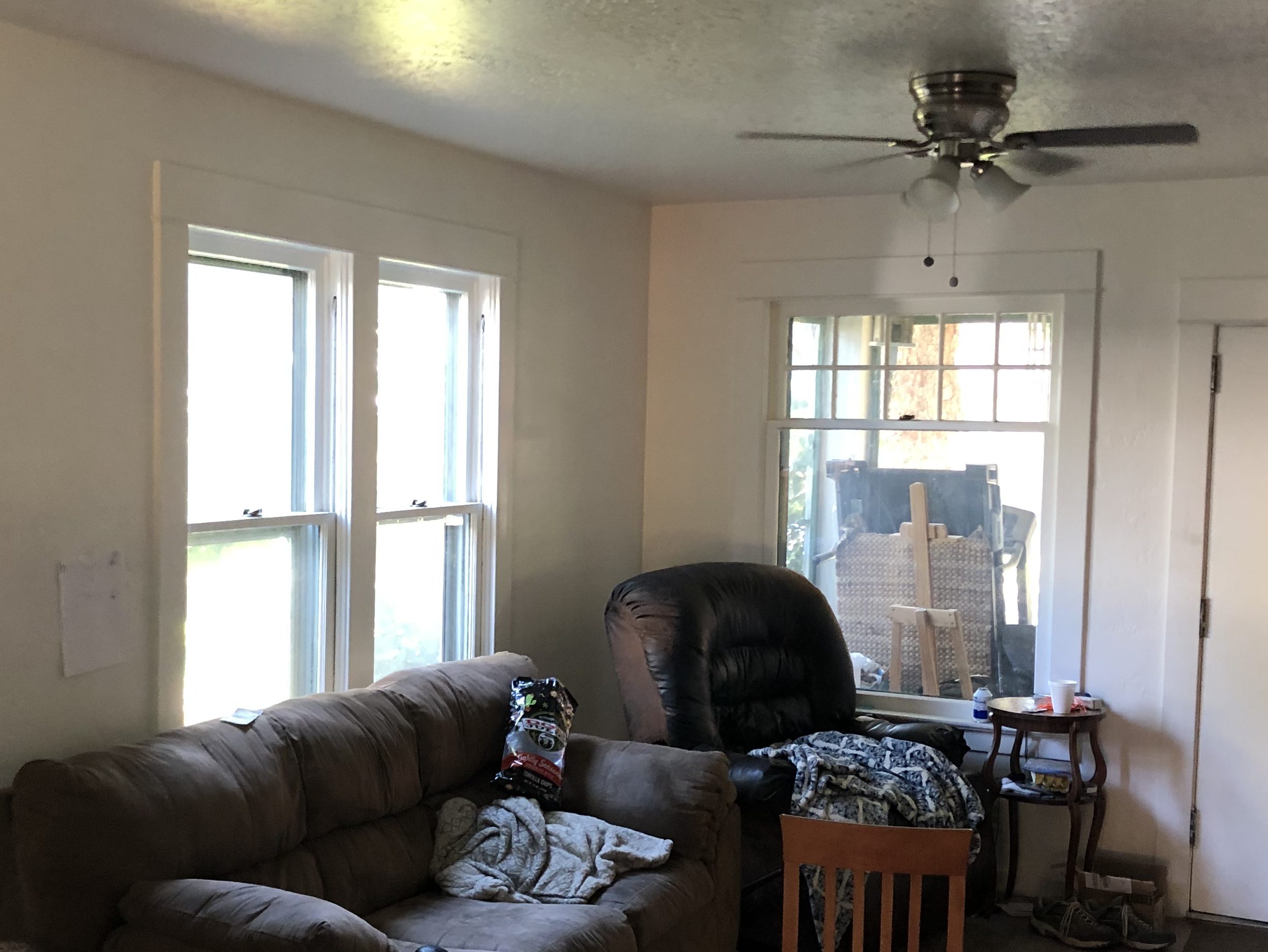
The living room, where Grandma lovingly describes the family Christmas celebrations.

So that’s why I opened this blog post with remarks about the day going to well. I came to Weiser to learn more about my Grandmother. And while I didn’t learn a lot of new facts, what I already knew somehow gelled became textured as a result of spending some time in her childhood home and walking the streets of her town.

And so, feeling satisfied, it was time for me to hop on la machine and head back toward Placerville…which, as it turns out, is the hometown of Stephanie’s husband. Small world, isn’t it?

(Tomorrow I’ll share other photos and remarks from the 1000-mile round trip to Weiser.)
California history · trains

Sacramento’s Ghostly Cathedrals

I like to think of Sacramento as a railroad town. Though it’s the capital of California and a thoroughly modern city of over a half-million residents, it owes much of its success to its location as the western terminus of the first transcontinental railroad (and, of course, its proximity to the Sierra foothills during the Gold Rush). Founded in 1850, Sacramento was the headquarters of the Central Pacific Railroad, which in 1863 began laying track from what is today Old Sacramento toward Promentory Point, Utah, where it connected with the Union Pacific’s tracks.

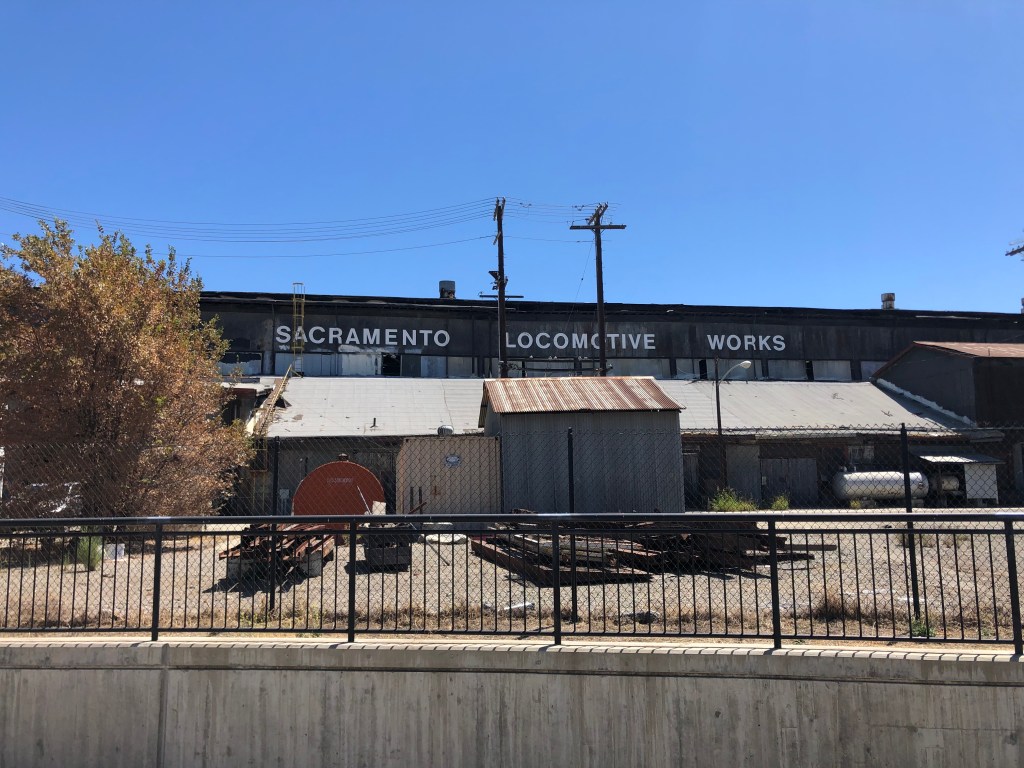
The Central Pacific (which later became the Southern Pacific) centered most of its locomotive-building and repair operations just north of downtown, on a reclaimed swamp that was formerly called China Slough. Buildings were erected starting in the 1860s, and they eventually became a sprawling complex that employed tens of thousands of workers. It would remain a major part of Sacramento’s industrial landscape until the late 1990s (!), when new owners of the railroad consolidated operations elsewhere and shut down the Sacramento shops.
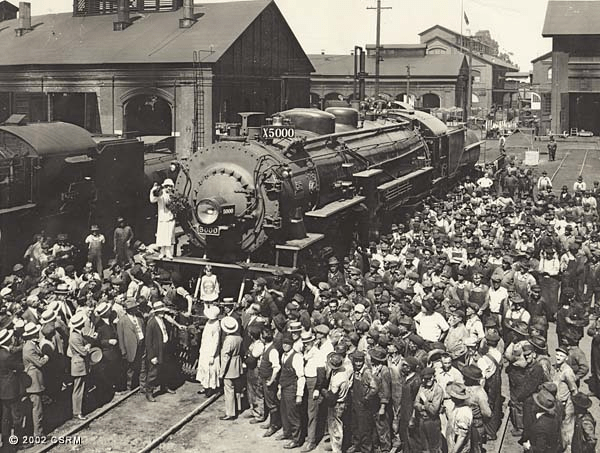
Celebrating the first of a new class of locomotive at the Shops in 1925. Some of the shops buildings are in the background.

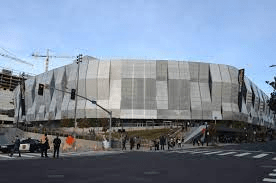
Now, here’s the intriguing part: While so many of Sacramento’s historic sites have been razed (I’m looking at you, Alhambra Theater), a number of the Central Pacific shop buildings are still standing–even a couple of the ones that date back to the mid-to-late 19th century. And not only are they still standing, but they look very much as they did for much of the 150-year history. What’s more, they’re once again being used to work on vintage railroad equipment. (More on this in a moment.) There’s something reassuring about knowing that these pieces of Sacramento–and US–history are still with us, tangible reminders of an ancient but formative past of iron and steam, standing in the shadow of Interstate 5 and just a short distance from the dubious modernity of the Emerald City Building and Golden 1 Center.

Unlikely to be standing–or missed–150 years from now.

The reason I mention all this is because I had the rare opportunity to tour the Shops this morning, guided by the doughty docents of the California State Railroad Museum (CSRM). For it turns out that one of the historic shop buildings (the Boiler Shop) is now owned by CSRM, and a second (the Erecting Shop) (insert middle-aged male joke here) is being leased by CSRM with an option to buy. The CSRM uses these buildings to store and service locomotives and other equipment in their collection. The number of employees working in the shops today can be counted on one hand, but the legacy nonetheless continues.

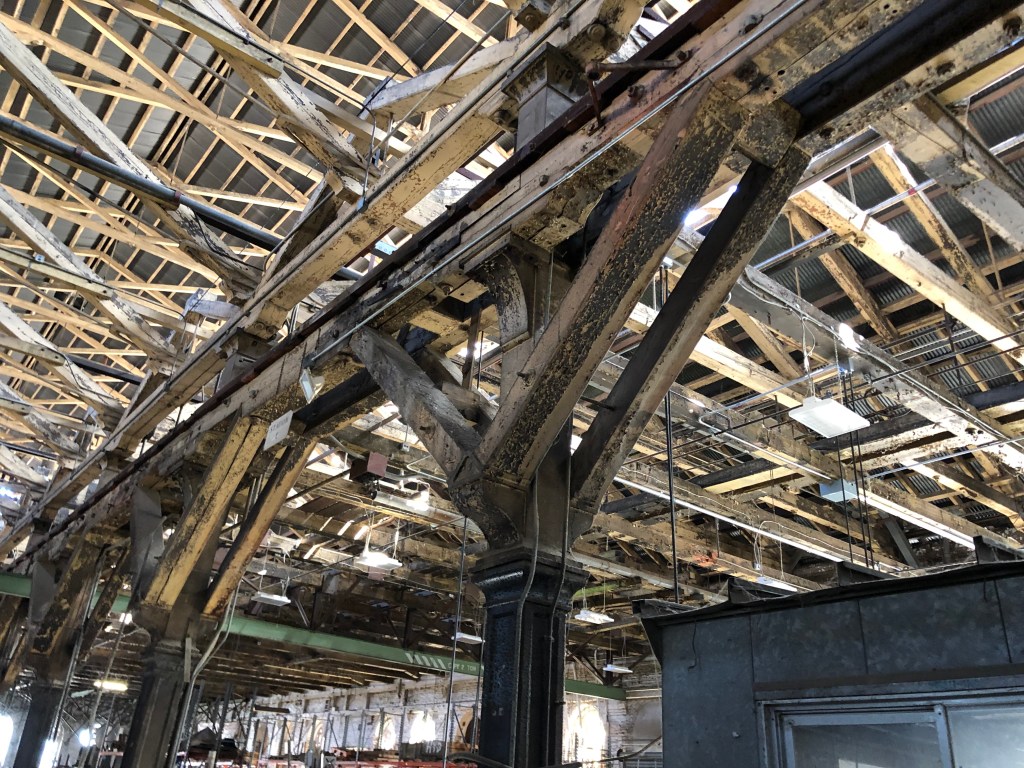
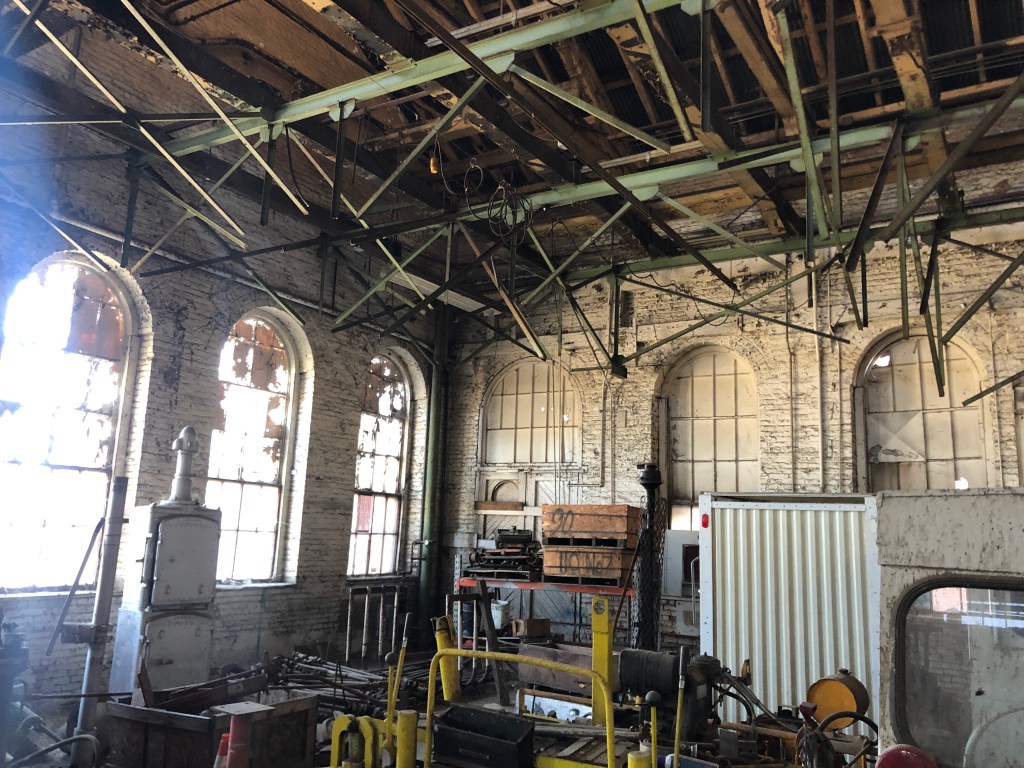
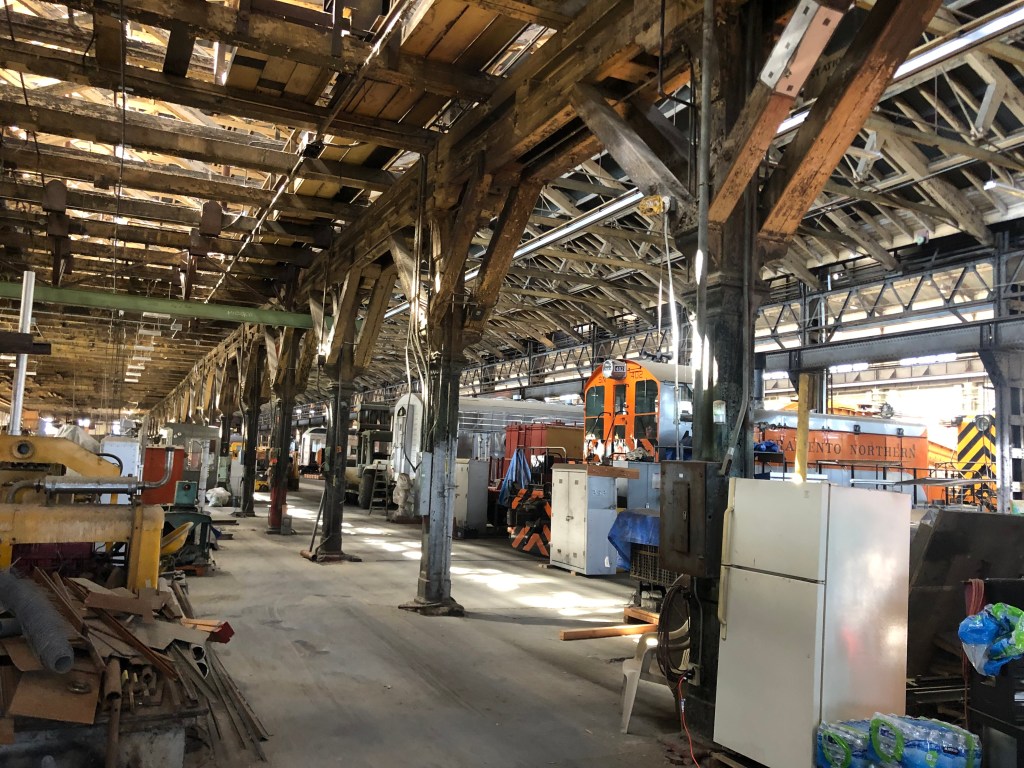
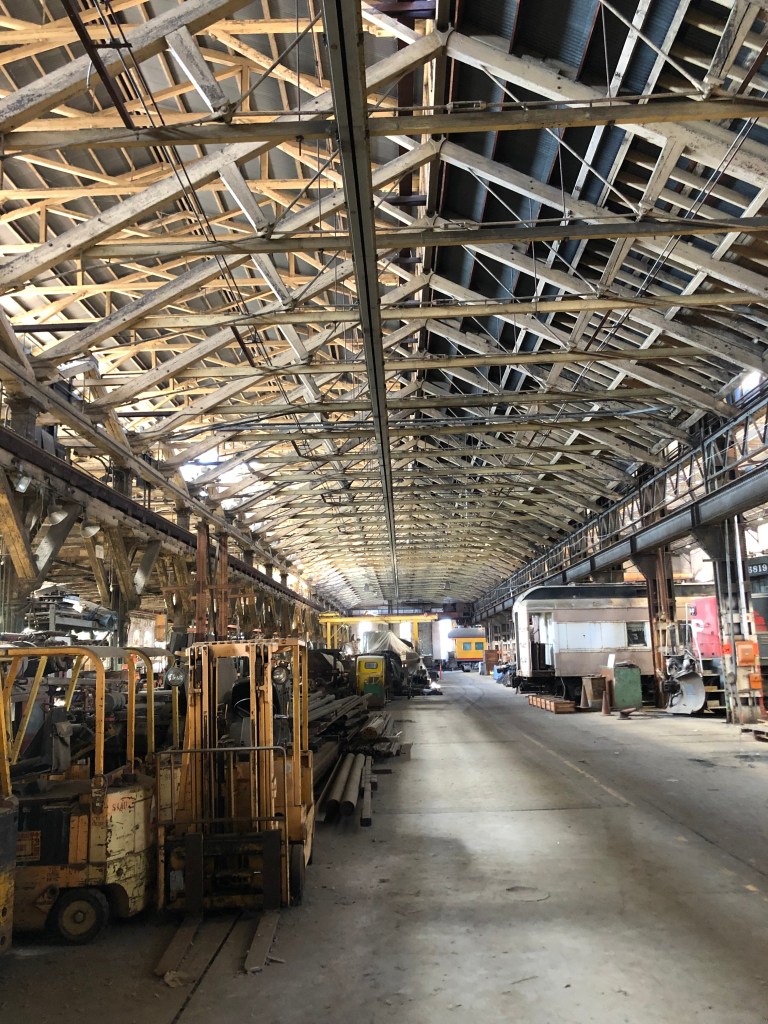
Now, there are three things I want to emphasize about the Shops. First, these are cavernous spaces, sometimes metaphorically called “cathedrals” in honor of their high ceilings, majestic architecture, and sacred purpose (I made that last one up).

Inside the Boiler Shop
Showing its age, but still…
Still a working space.
Doesn’t it make you want to genuflect?

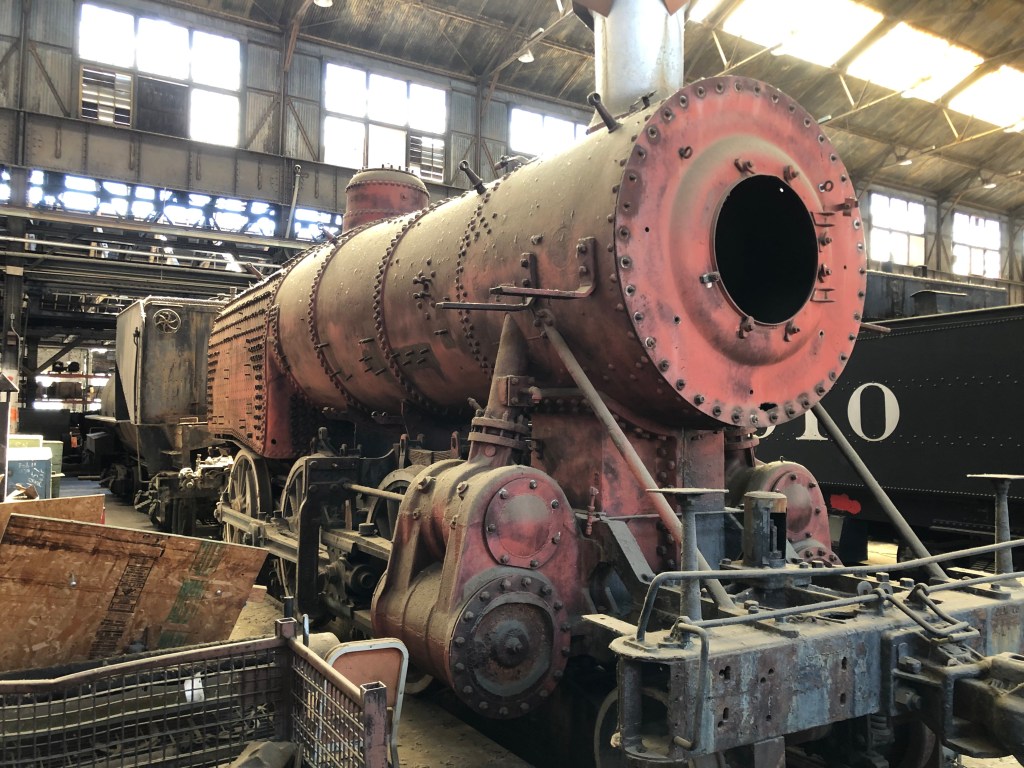
Second, the CSRM has filled much of the space with locomotives and other rolling stock from its extensive collection. These are not currently on display for the general public (though they sometimes find their way into the main CSRM museum building). But the CSRM receives many donations for which it’s not yet ready to restore and display, so they find their way here.

Steam loco, a work in progress.
She’s a beauty.
The “Daylight” paint scheme is always a crowd pleaser.
The CSRM has acquired a number of wood-constructed cars, which understandably don’t weather the years very well.
Record-breaker from 1905. Read the story here.

Third, the shops harbor a number of artifacts that really don’t fit neatly into any category, and as such will probably never be part of a museum display. But it’s electrifying to be able to simply walk past them.

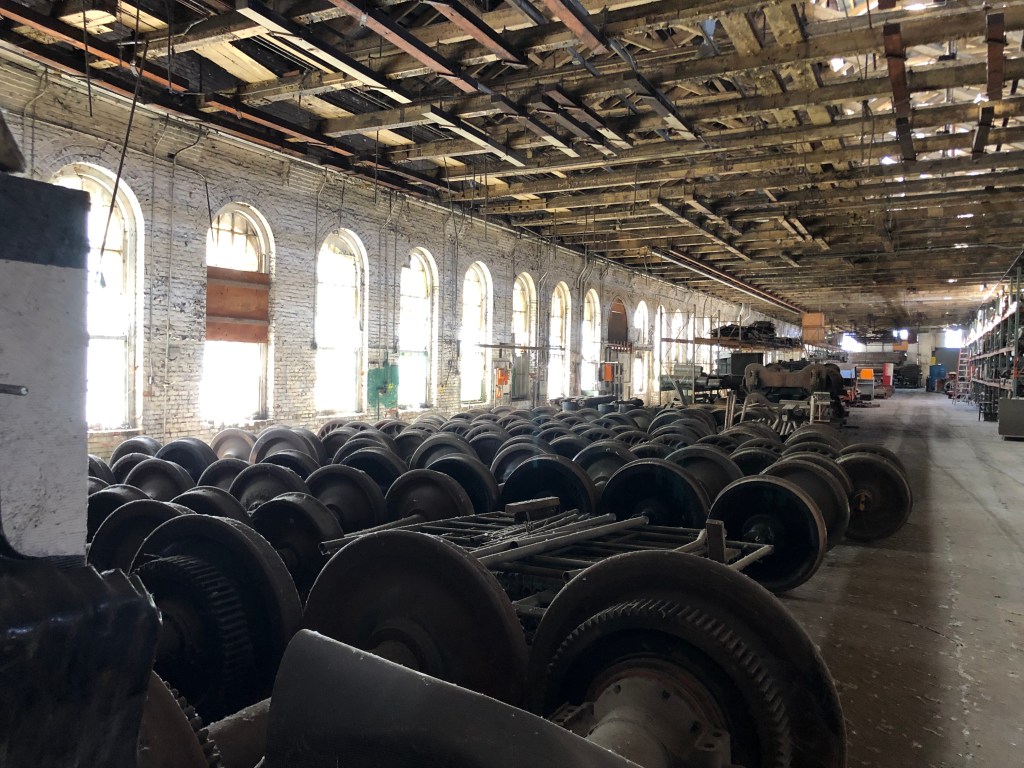
Flanged railroad wheels, as if they were Lionel model parts stored in a hobby shop.
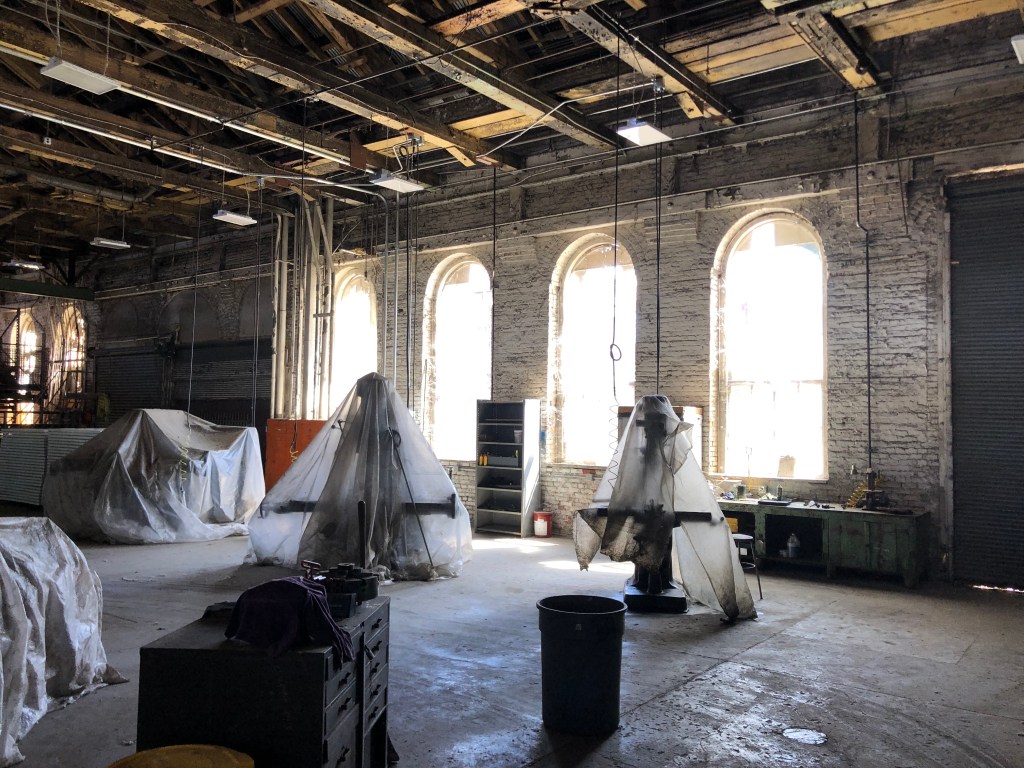
Lathes, drill presses, and other shop tools, dressed like ghostly furniture in a haunted house.
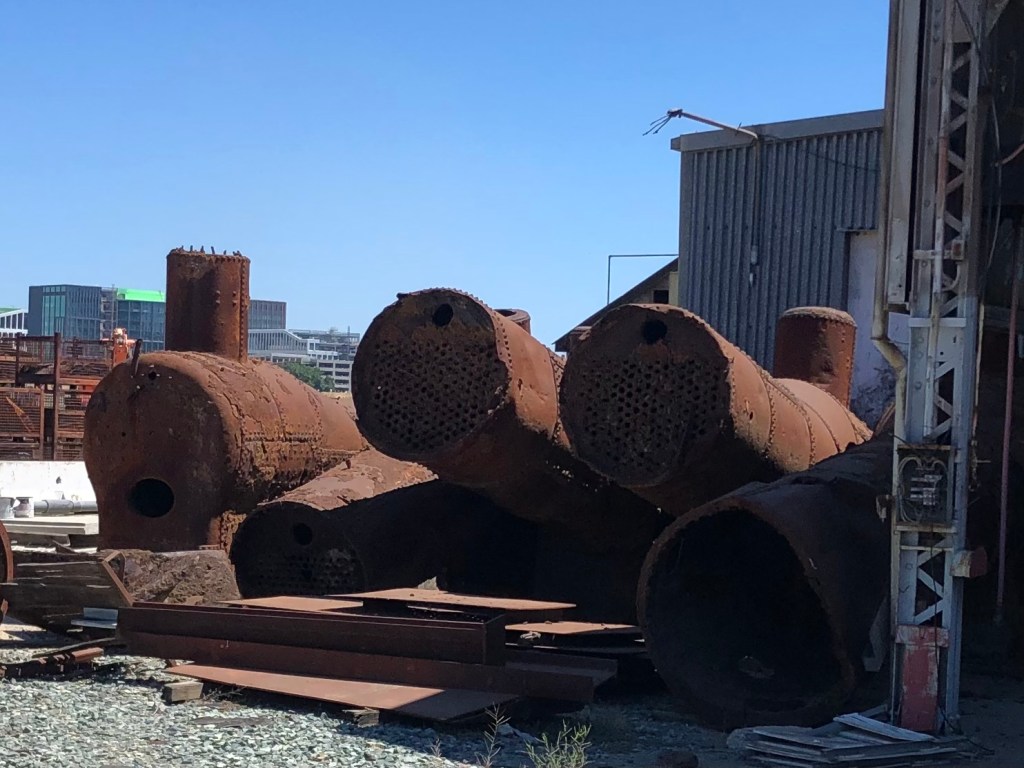
Old locomotive boilers that were excavated from the (former) China Slough, as part of EPA remediation efforts.
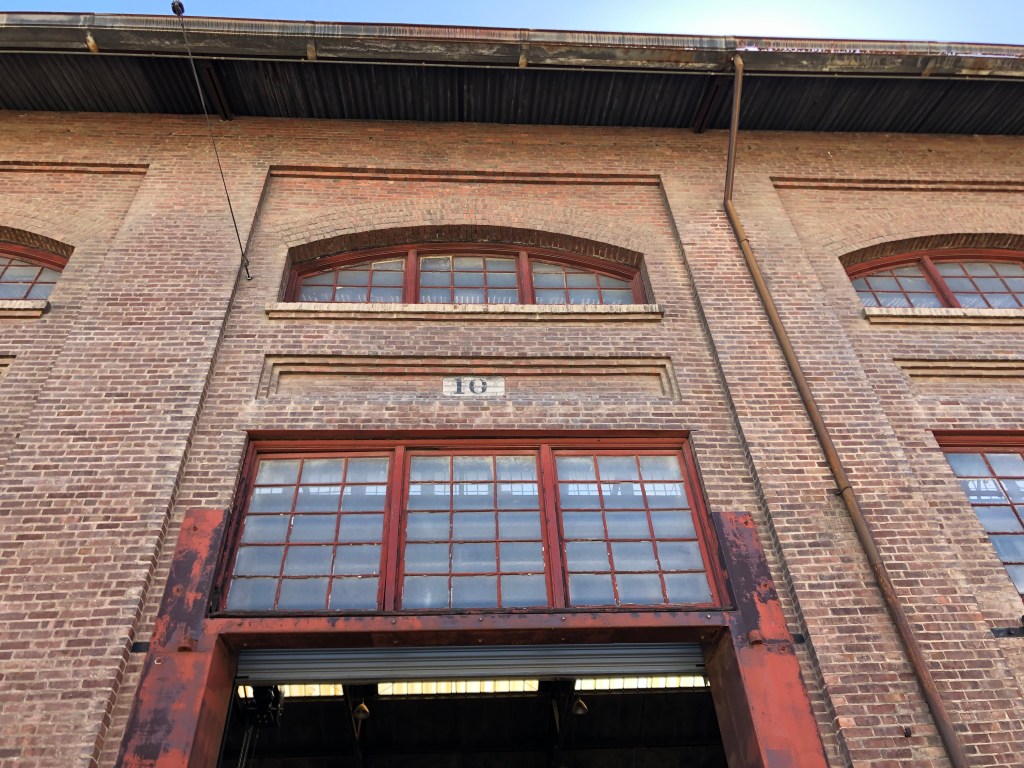
One of the many doors into the erecting shop. A classic example of fin de siecle architecture.

In conclusion, I feel compelled to say “God bless the CSRM and the city of Sacramento” for preserving this hallowed ground from a critical stage of our history. It’s difficult to articulate just how unique and important this property is. I strongly encourage you to visit the CSRM and walk the block or two from the museum to also view the outside of the Shops from the Amtrak platform at the Sacramento Depot. (The Depot itself will be the worthy subject of a subsequent blog.) For the moment, the Shops are not open to the general public. But if you’re willing to become a docent of the CSRM (as I have just done), you’ll get your own guided tour. That’s worth the price of admission. Trust me.

Railroad Remnant
Cars · cemeteries · Road trips · trains

Bonus Features

There were a number of photos from my Route 2 trip that didn’t make it into the blog. I’m including some of them here, as a bonus feature. Enjoy!

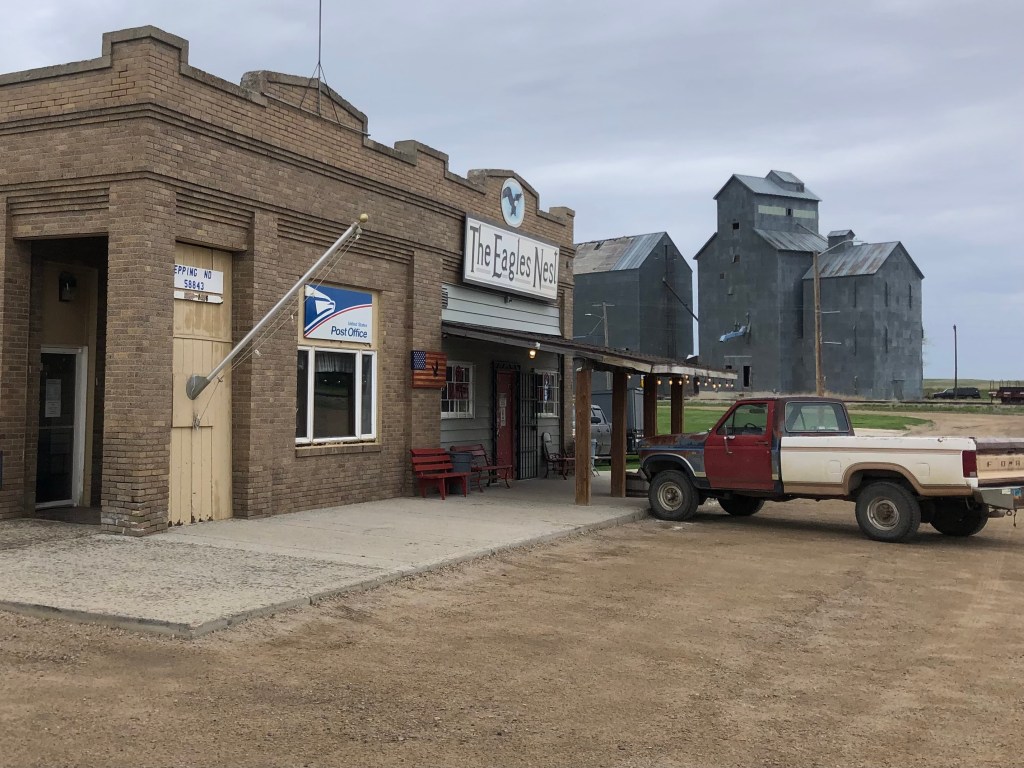
Epping, ND (pop: 100). Practically a ghost town, the only businesses showing any signs of life were the post office and the bar…which are in the same building.
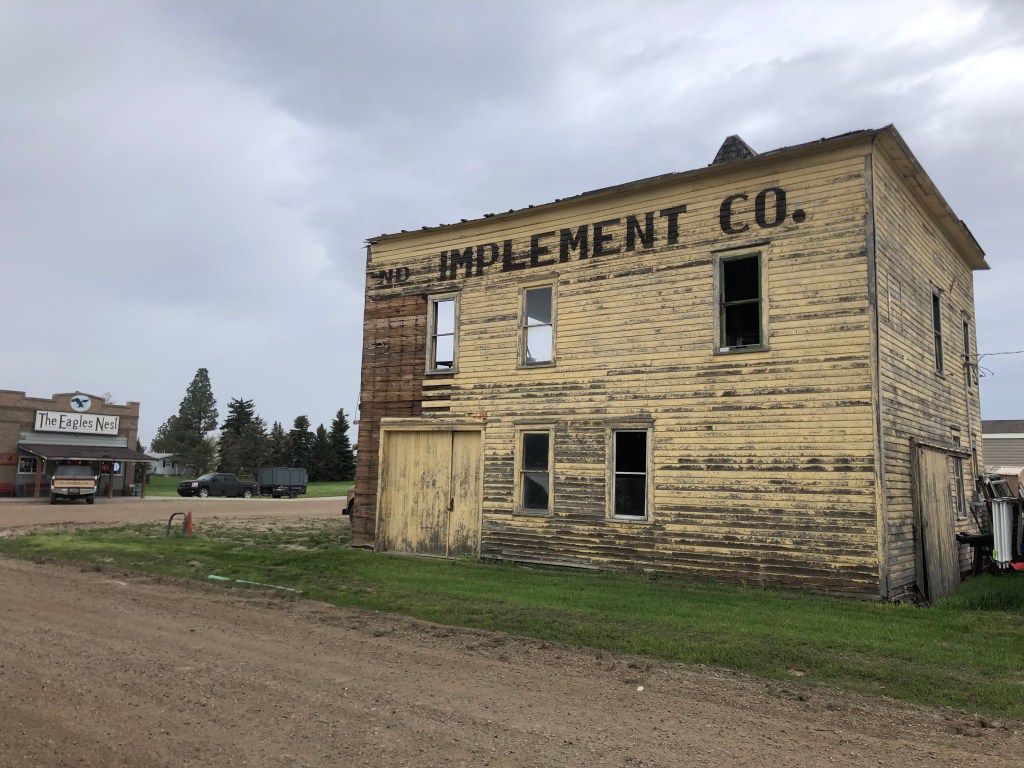
Another Epping builidng.
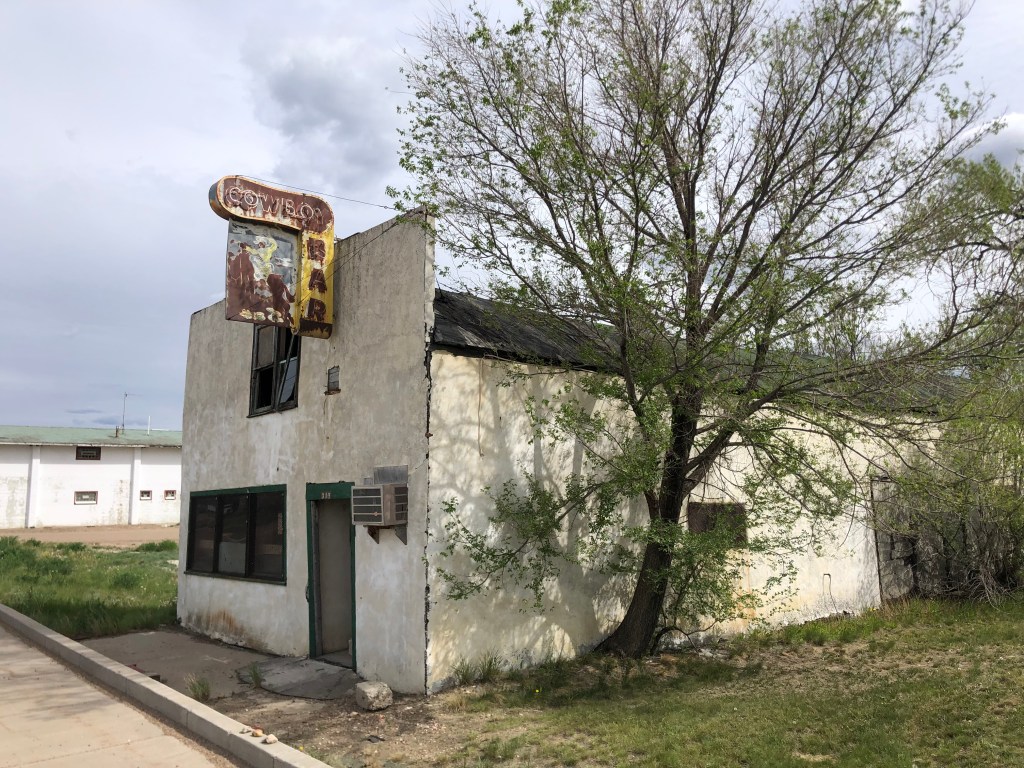
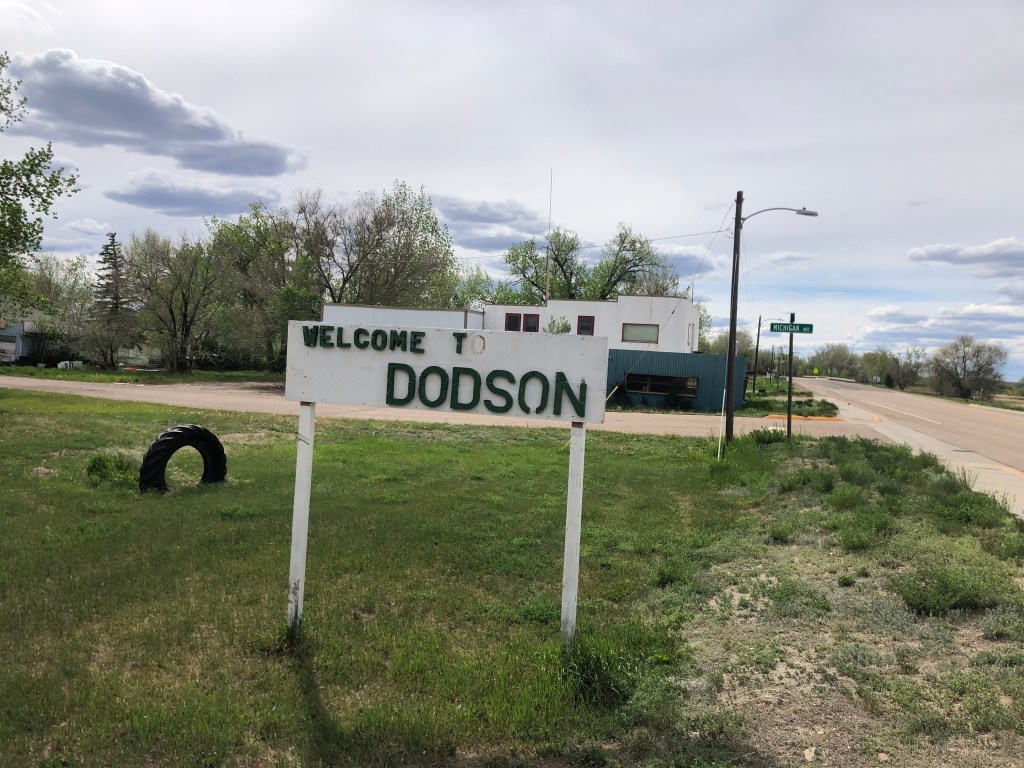
Speaking of bars: here’s one that’s getting a little long in the tooth, in Dodson, MT (pop: 125).
The Welcome Wagon went all out.
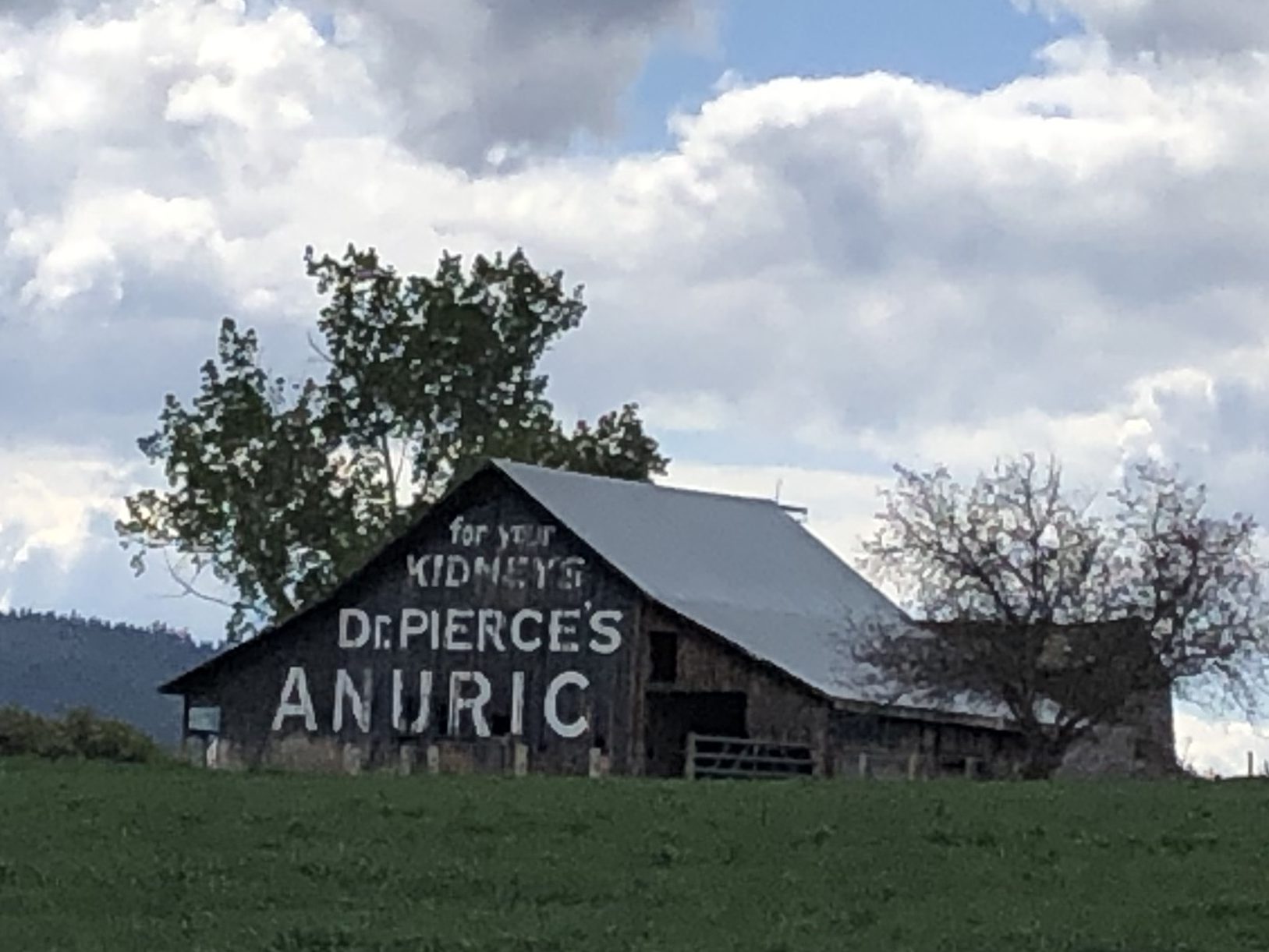
Barn near Waterville, WA, built in 1906. Dr. Pierce’s concoctions were well-known quack medicines.
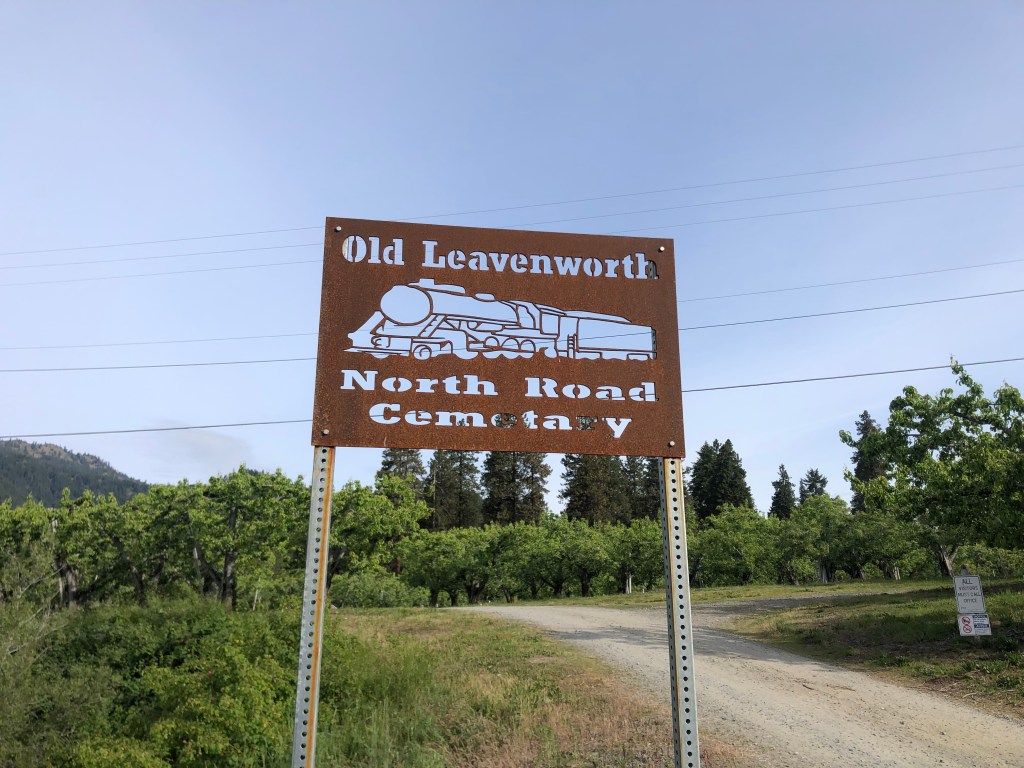
Cool, cut-metal sign at cemetery in Leavenworth, WA (the Bavarian town). This is one of the few signs that wasn’t all tarted up in faux-German script.
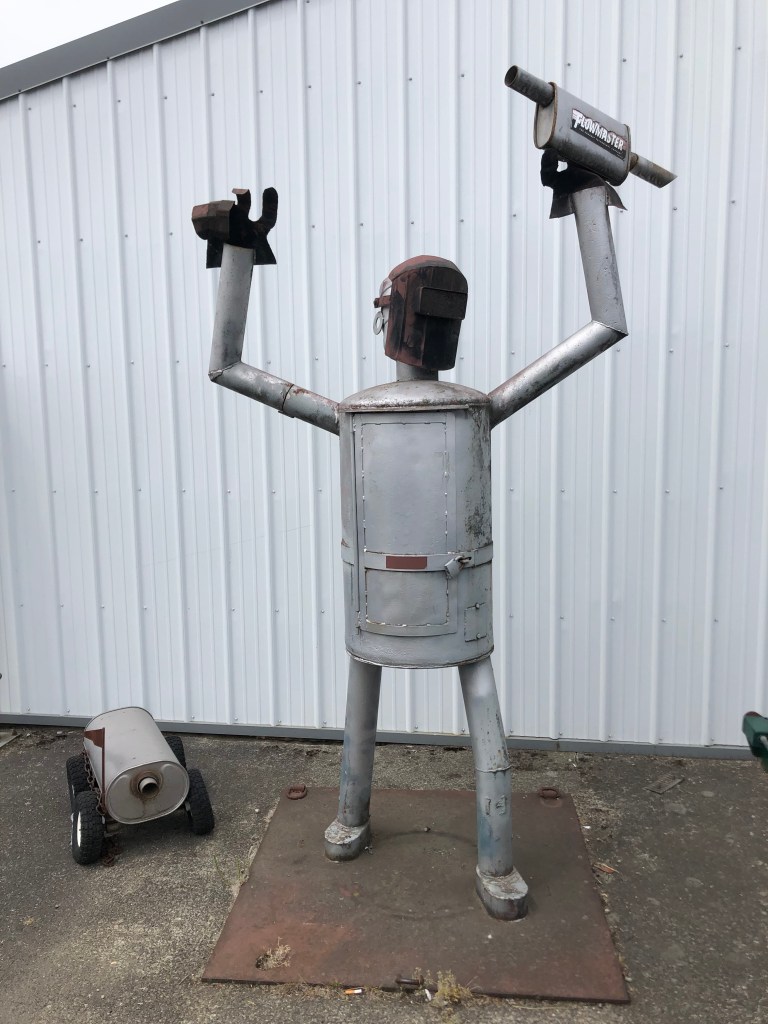
Muffler man sculpture in Snohomish, WA.
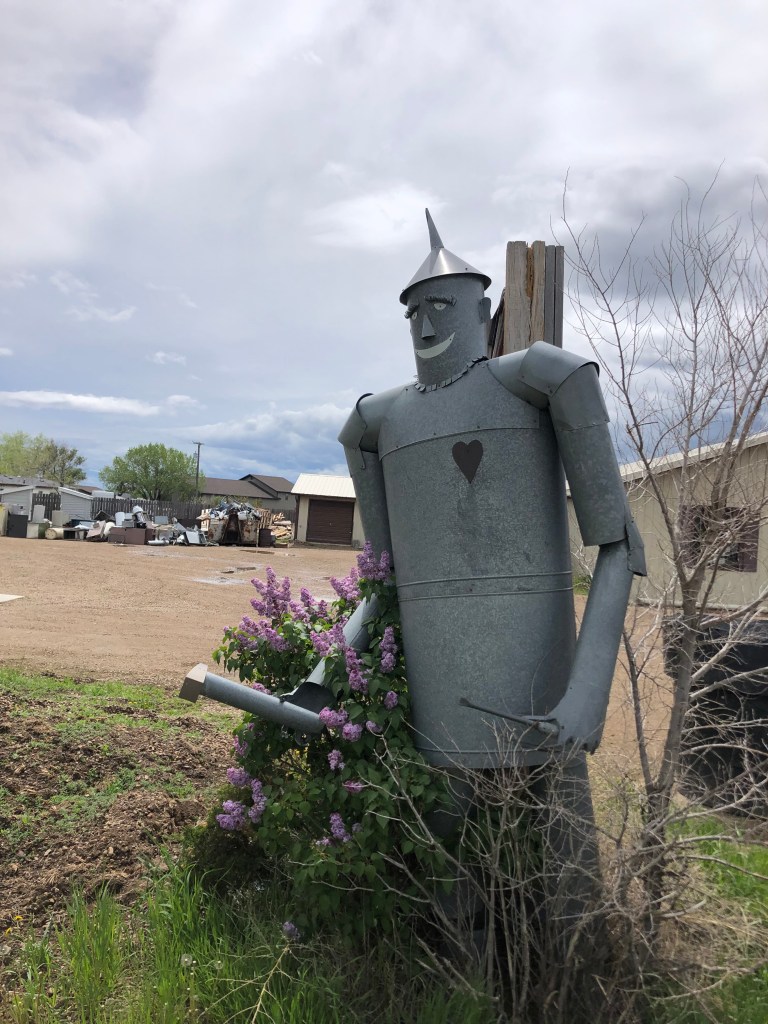
Similar idea, a thousand miles to the east. If I only had a heart…
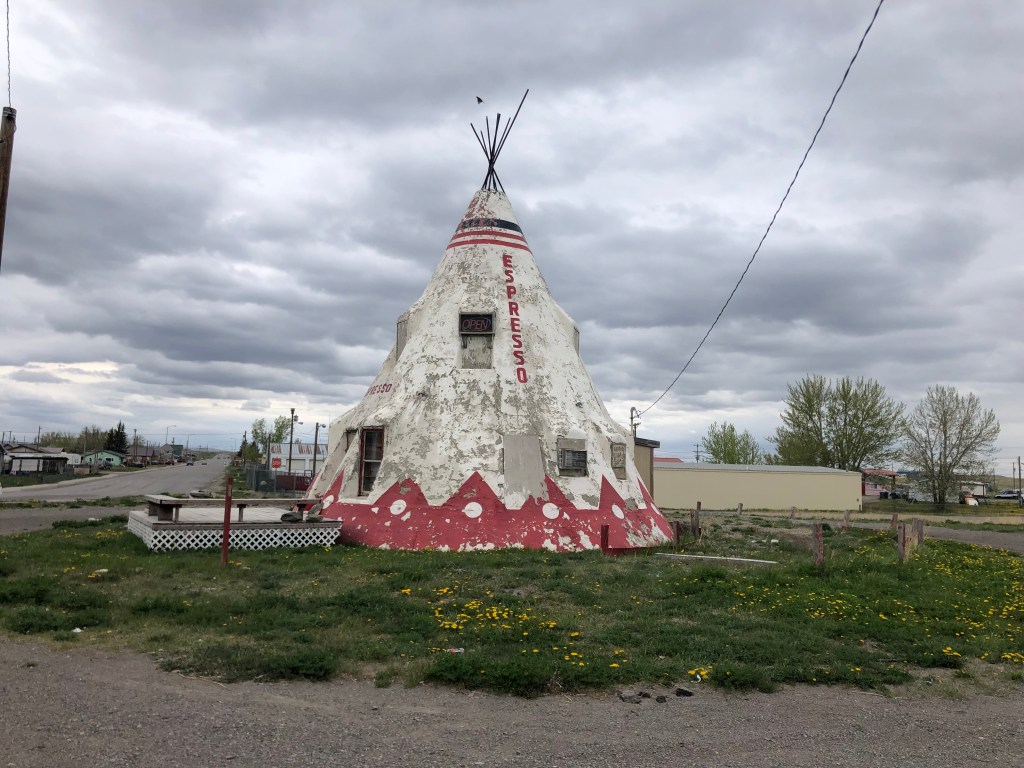
Concrete teepee that houses espresso shop, originally built in Browning, MT, on the Blackfeet reservation. It originally opened as a gas station in 1934.
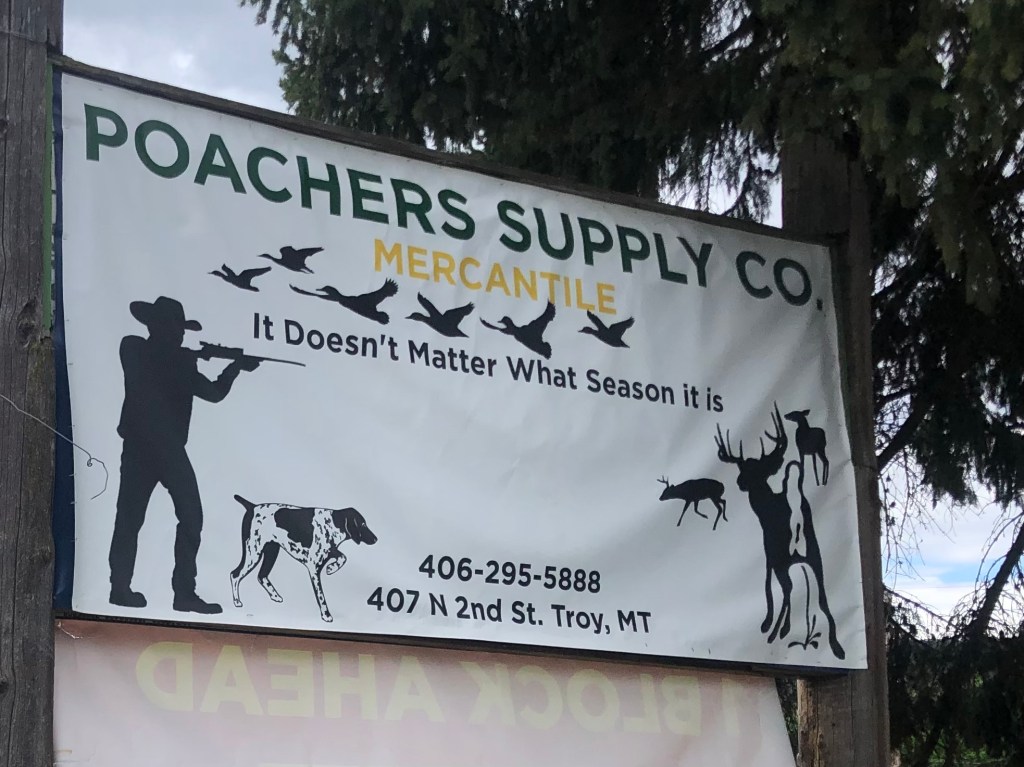
Supposedly a legit livestock feed store. But what’s up with the name??
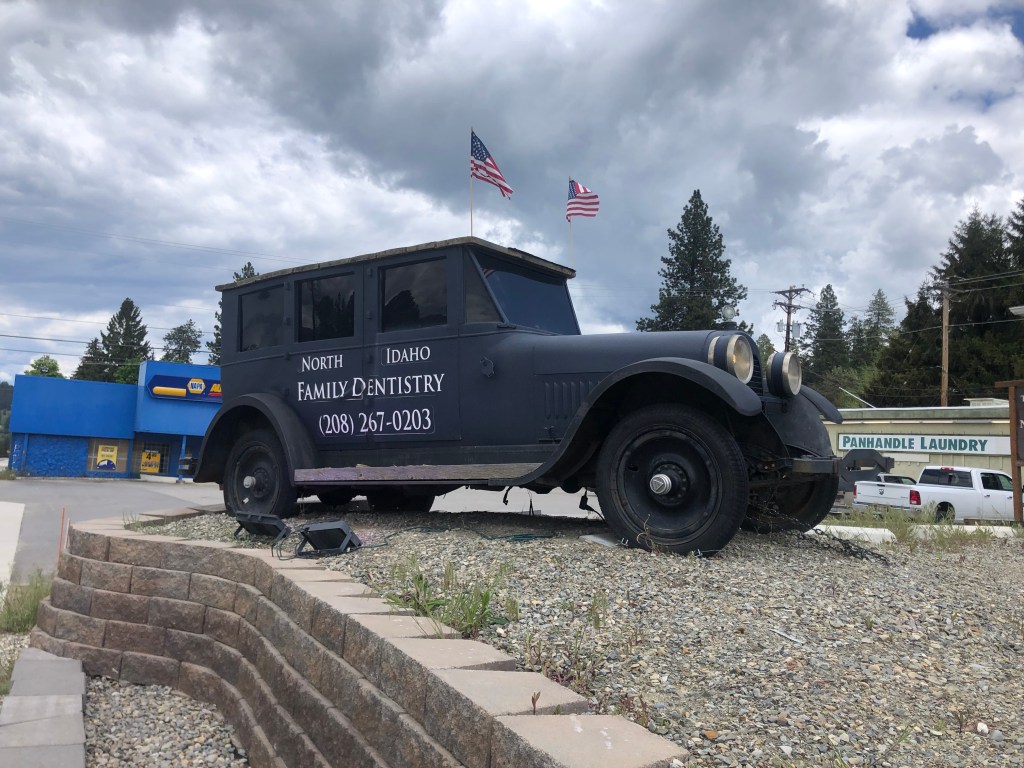
In front of a dentist’s office in Bonners Ferry, ID. I wonder if they use old-timey foot-operated drills?
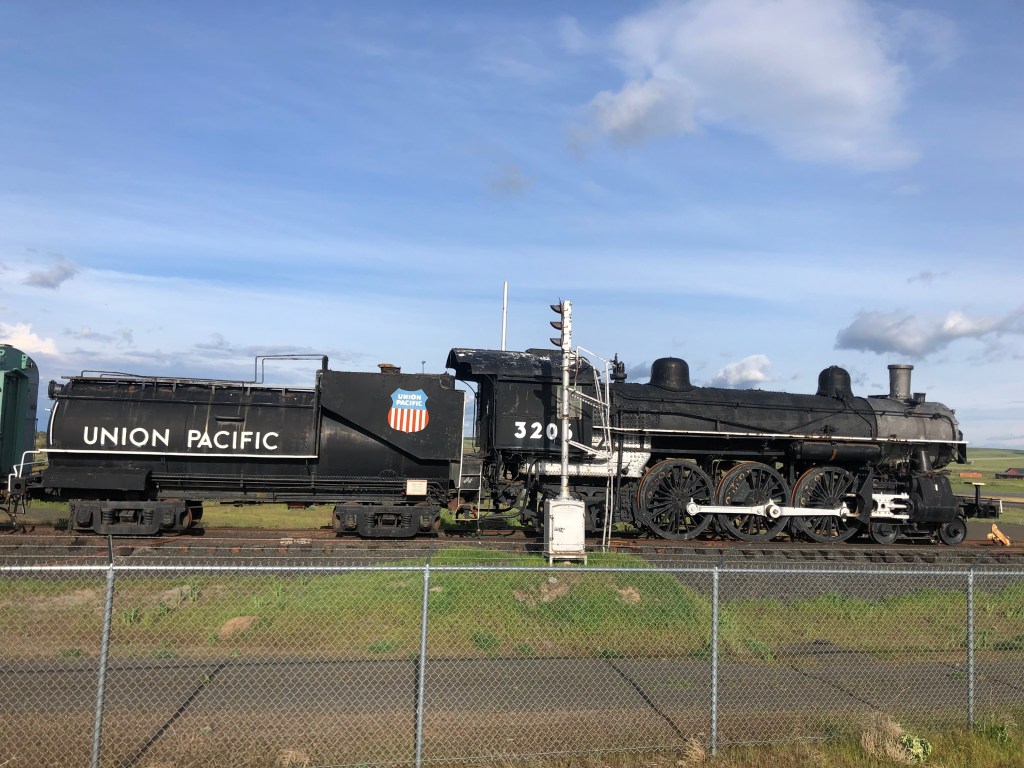
I just love the old UP steam locomotives. This one, from 1904, is in Reardan, WA
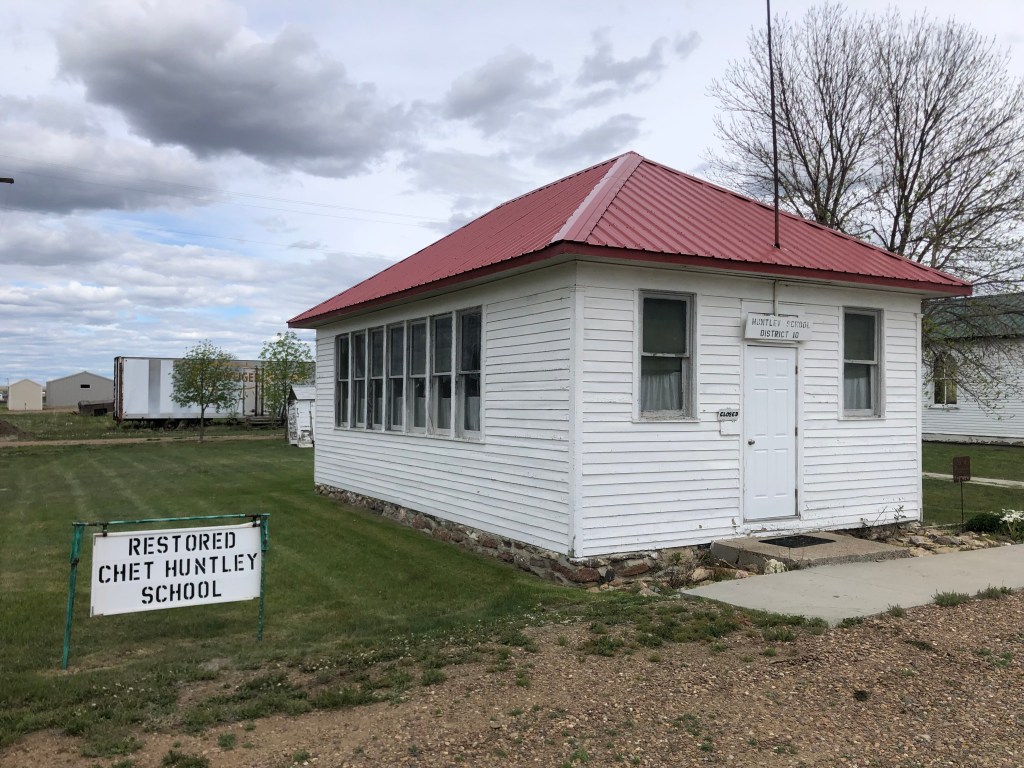
The one-room school house that NBC news anchor Chet Huntley attended in Saco, MT. Remember him?
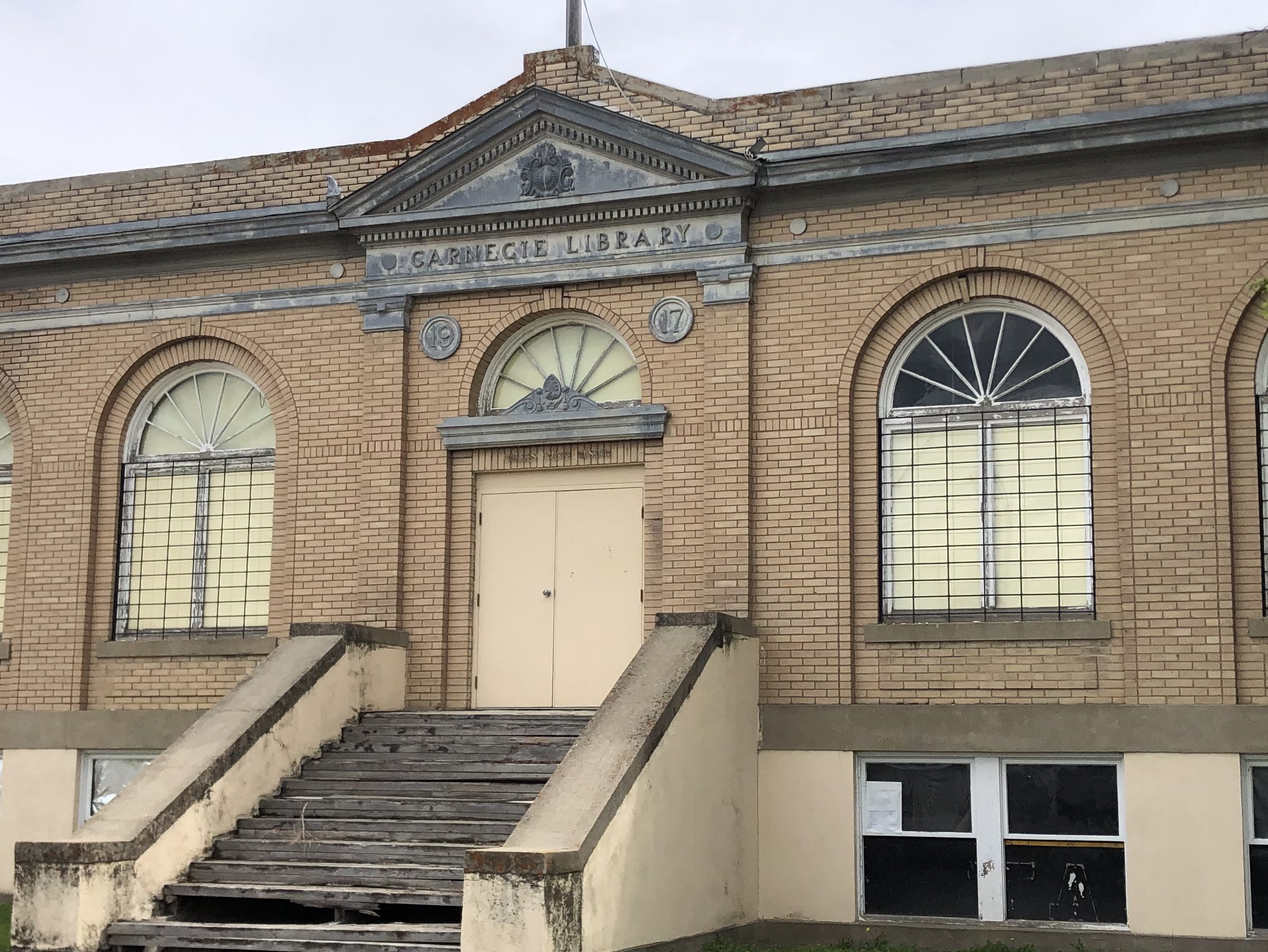
Old Carnegie library in Malta, MT. It was originally built in 1917.
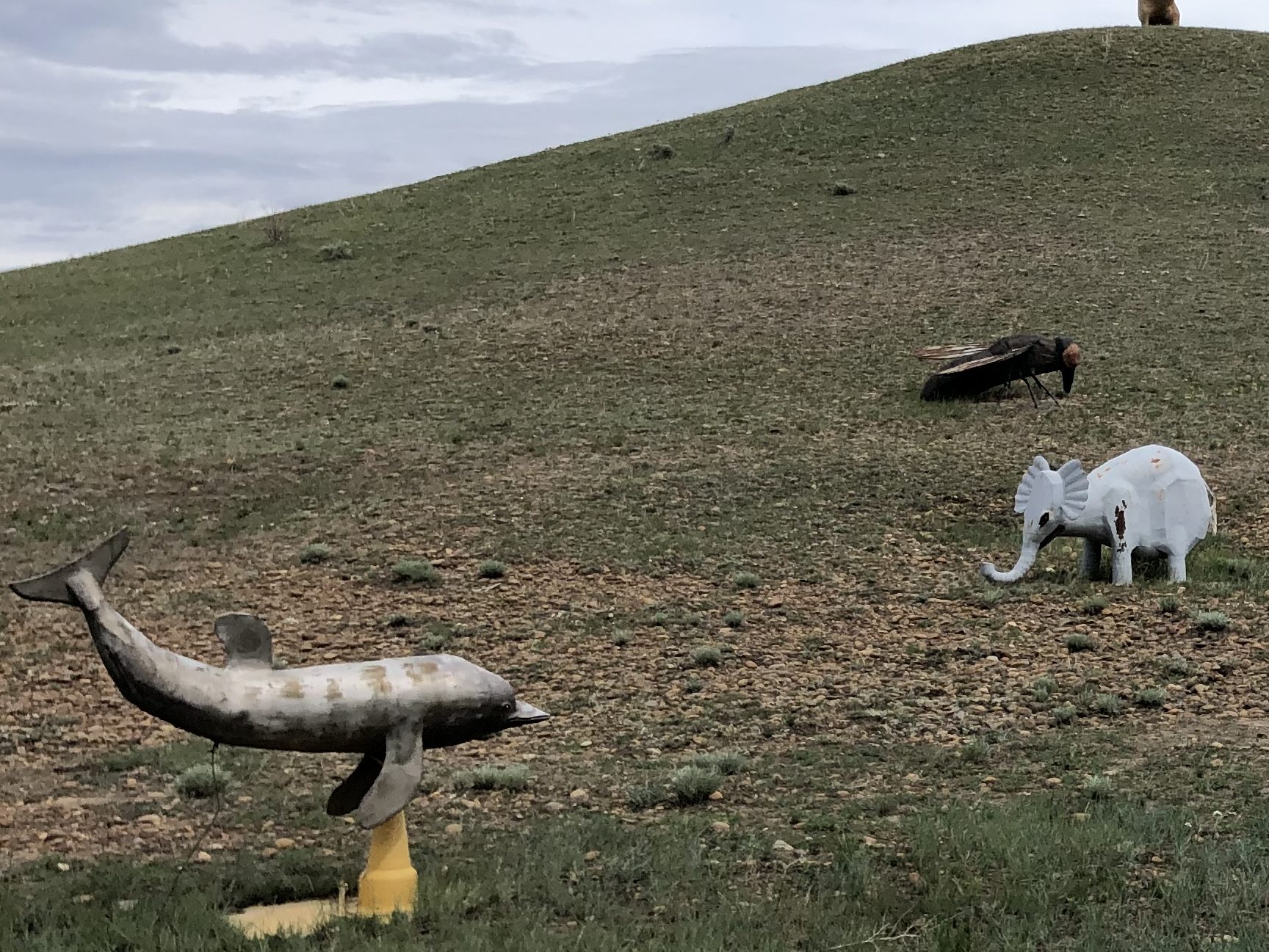
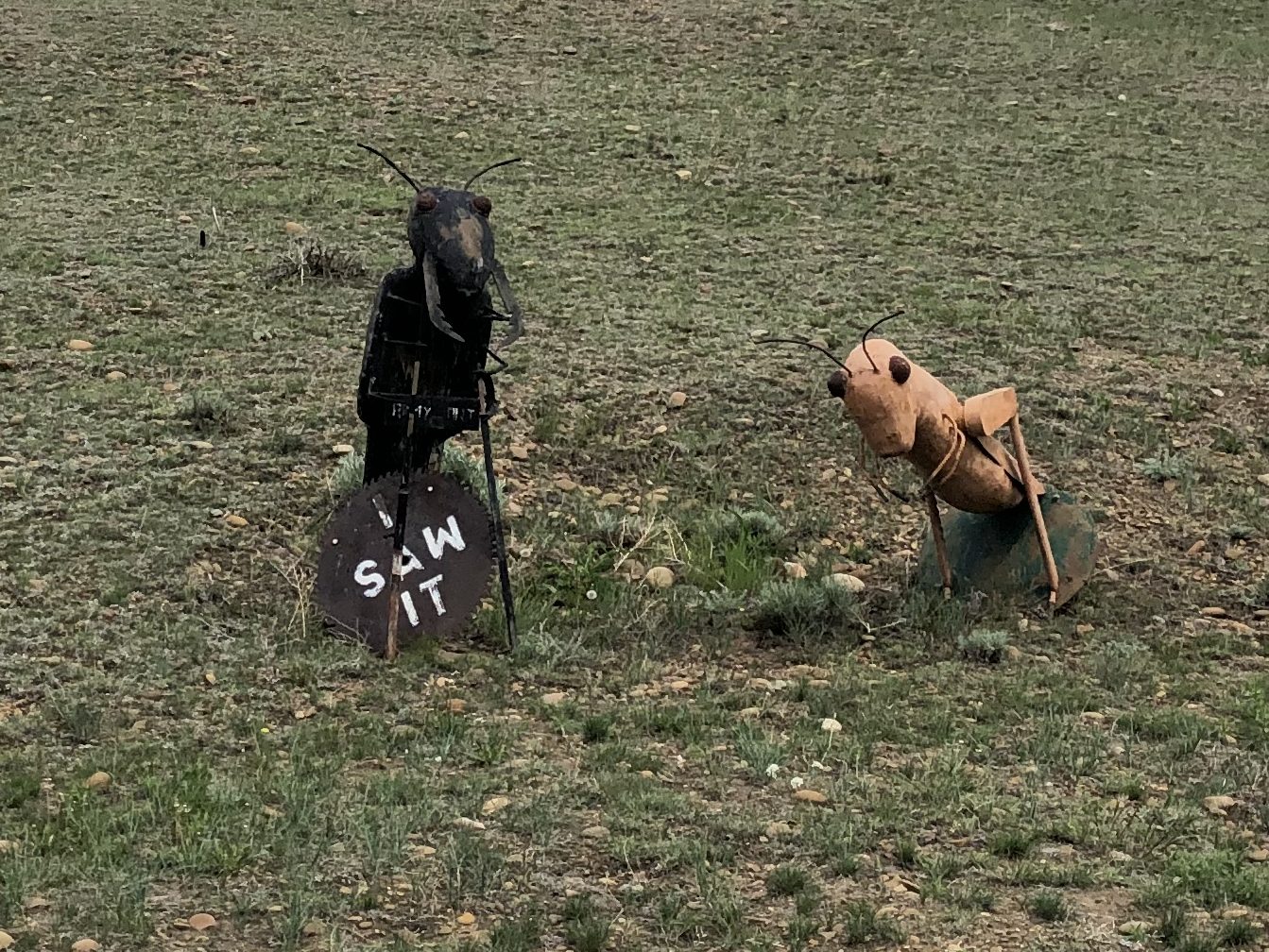
Mysterious metal sculptures in Glasgow, MT.
More sculptures. It’s not obvious, but the “I saw it” sign is on an old saw blade. Get it?
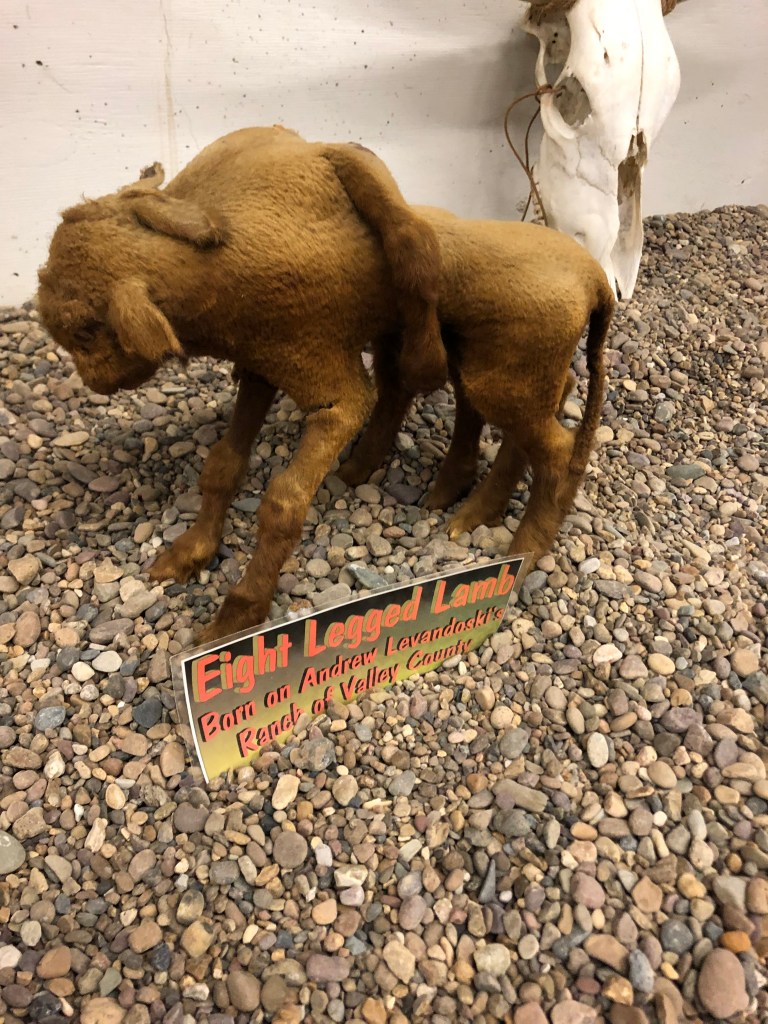
Eight-legged calf at a classy museum in Glasgow, MT
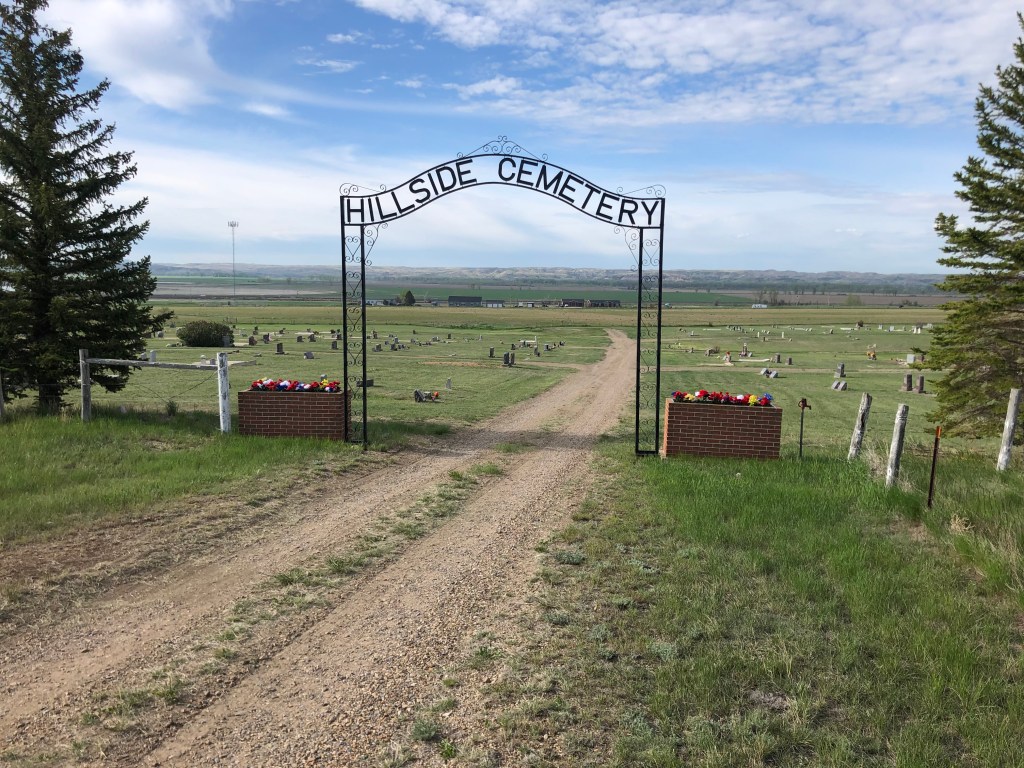
Hillside cemetery…with no hill.
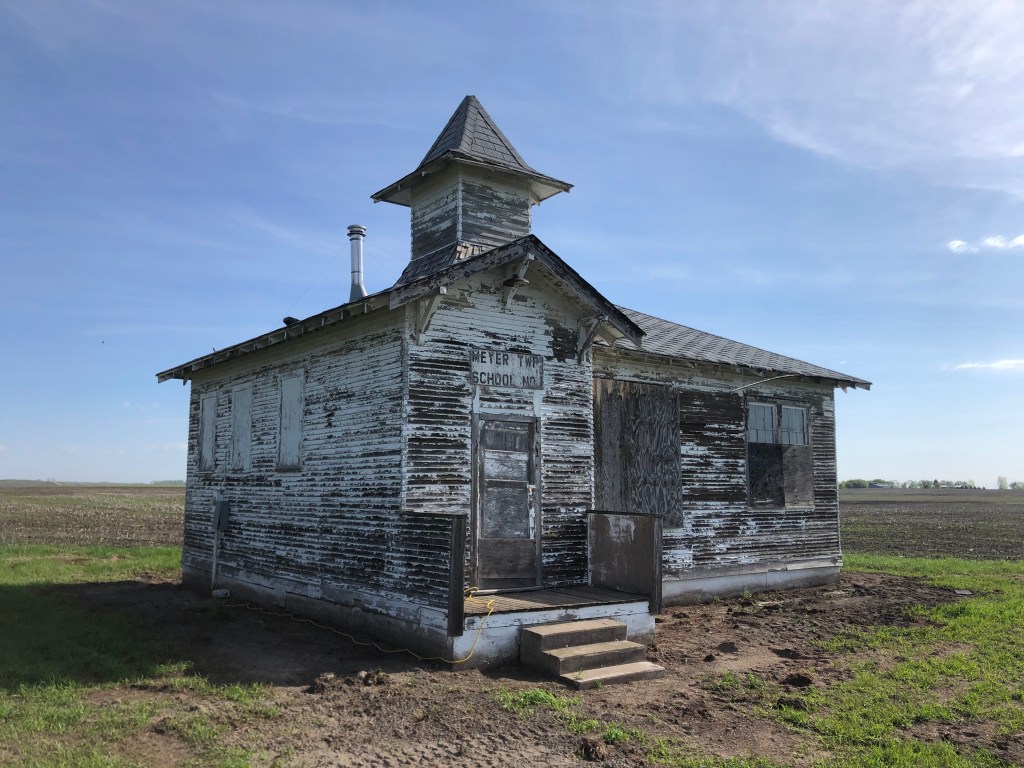
Meyer Township School in Rugby, ND. Originally built in 1897, and closed in 1959. And still standing!
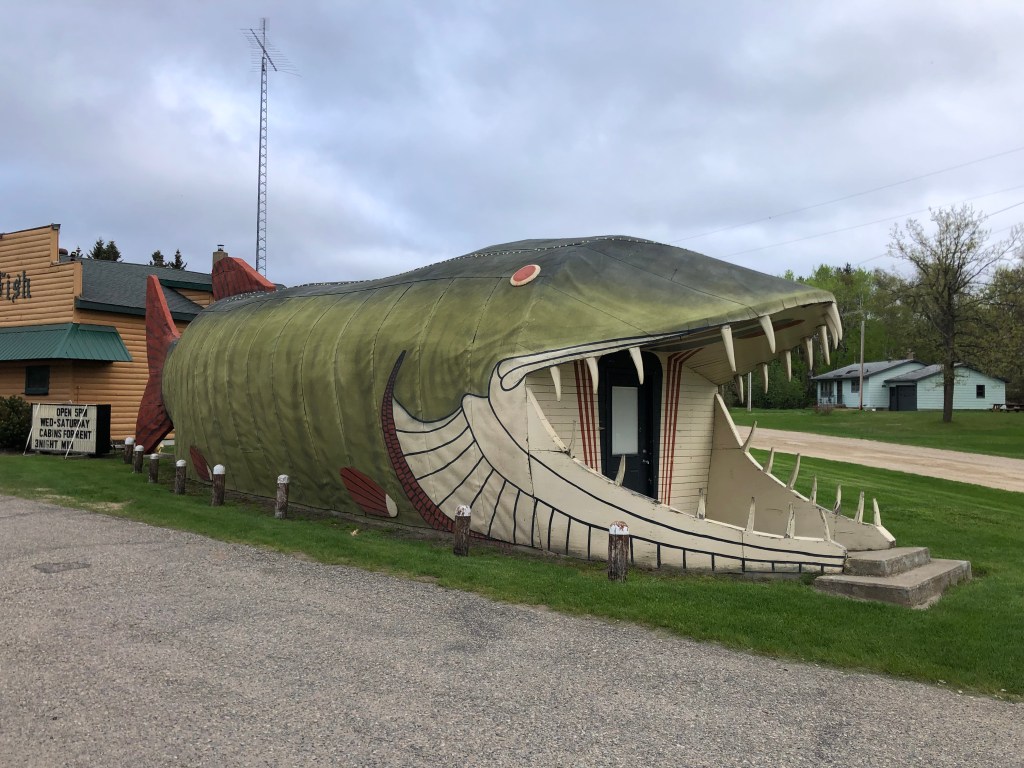
Big Fish Supper Club in Bena, Minnesota. I’m told it appears in the opening credits of National Lampoon’s Vacation. Built in 1957…back when this kind of thing was de rigueur. Now it’s a little–er–long in the tooth.
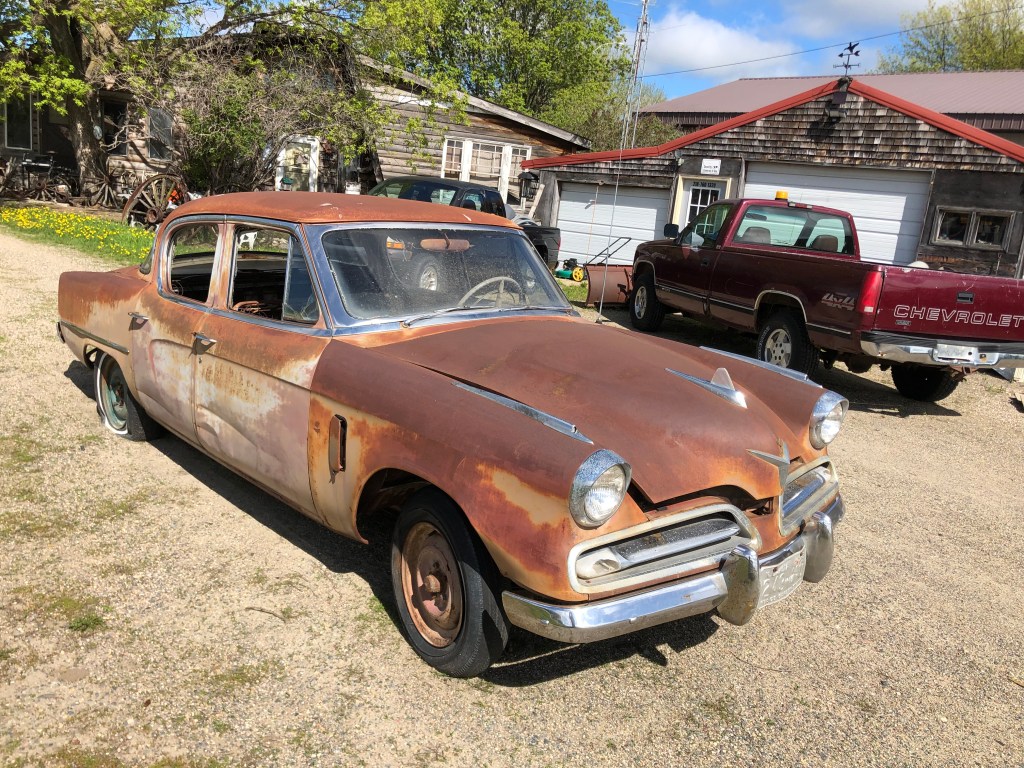
1952-(ish) Studebaker Commander. If you can better identify the year/model, let me know!
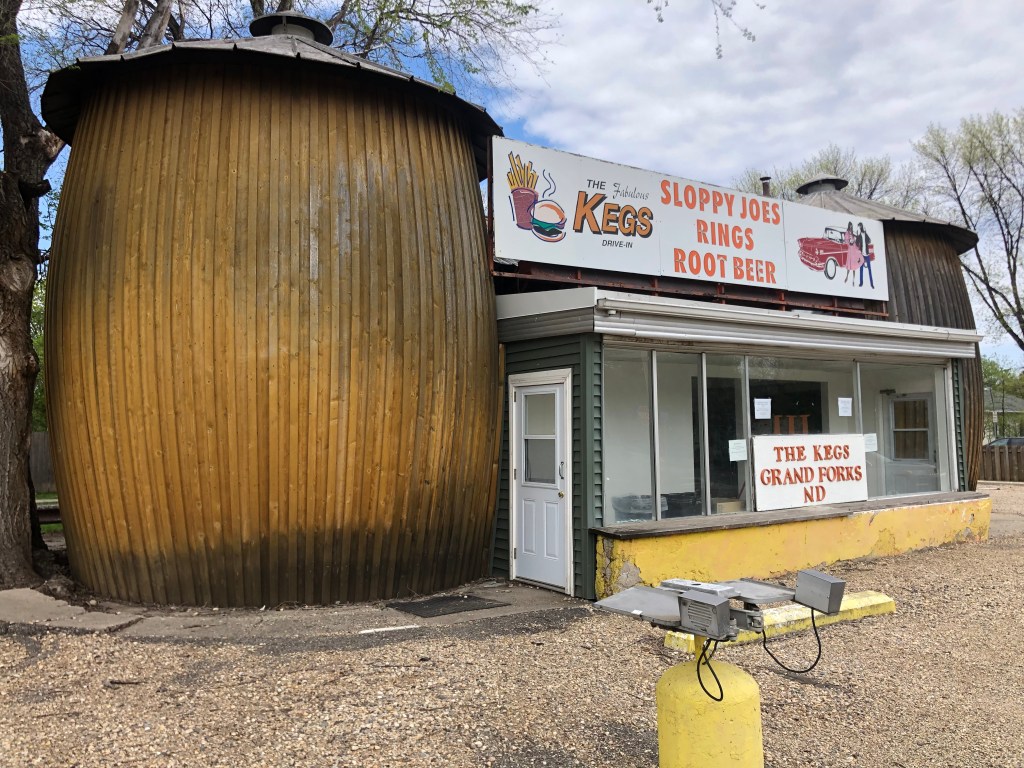
“Fabulous Kegs” drive-in in Grand Forks, ND, built in 1935. I’m told it was part of a chain.
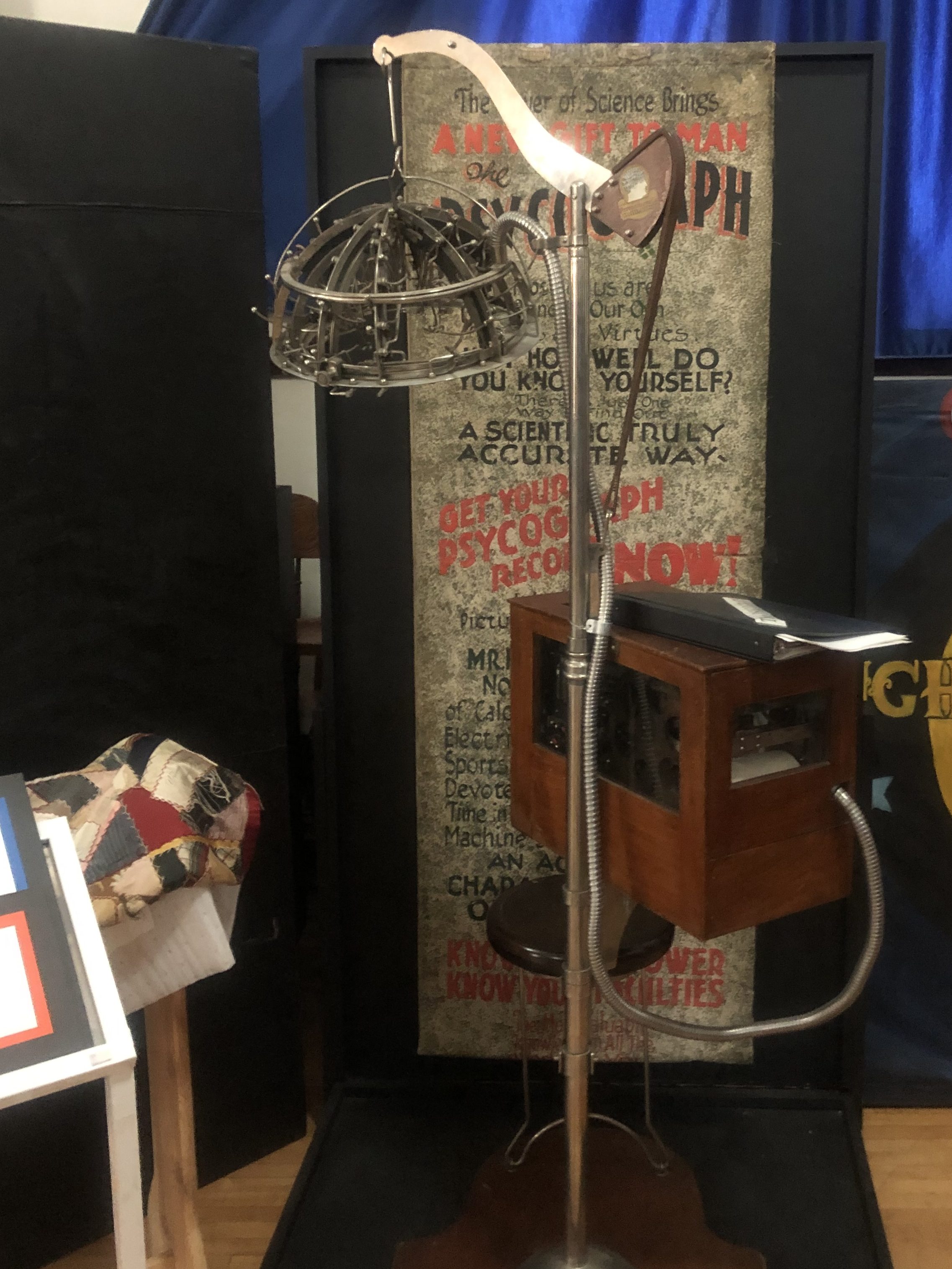
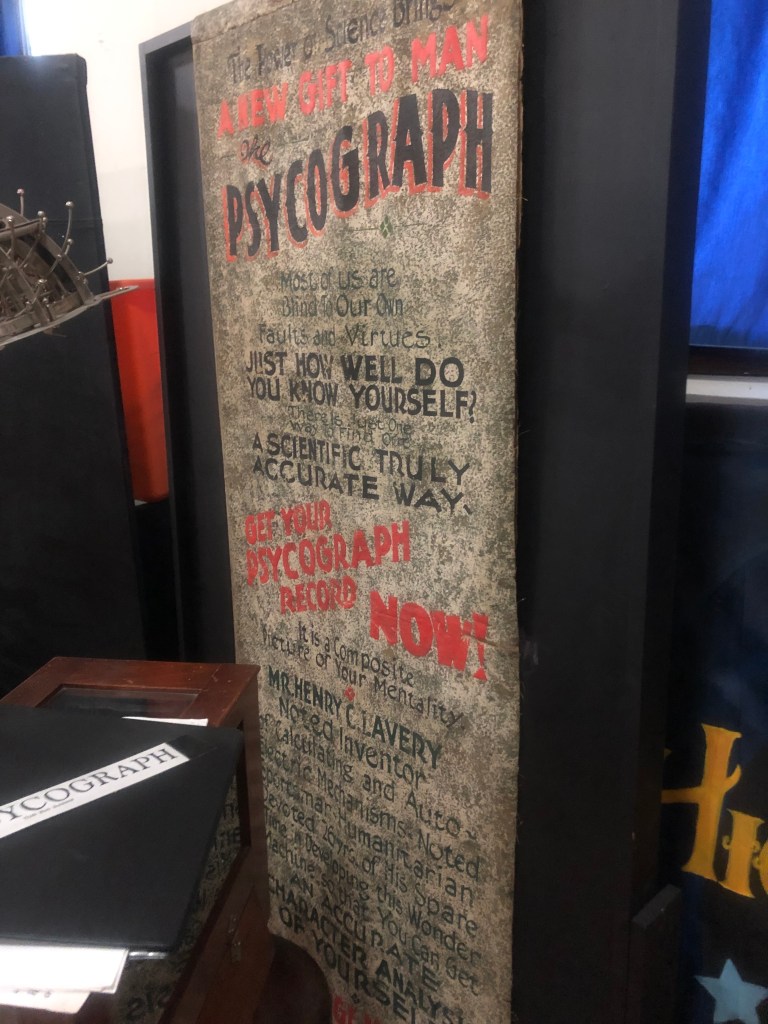
This “psycograph” requires a little explanation. The contraption, which to me looks like one of those hair dryers my mom sat under at the beauty shop, is supposed to automatically measure your intellect and other brain-related capacity–including “faults and virtues”– using the (now-discredited) principles of phrenology. It was patented in 1905 by Henry Lavery in Superior, Wis. I saw it in a museum in that same city. More info here.
That’s all, Folks!