Discovering the ghosts of California and beyond, one road trip at a time.
Write your guess as to the city I’m visiting in the comments. I will post a new picture each day. Individuals whom I’ve told about my trip are not eligible!
Today’s picture:
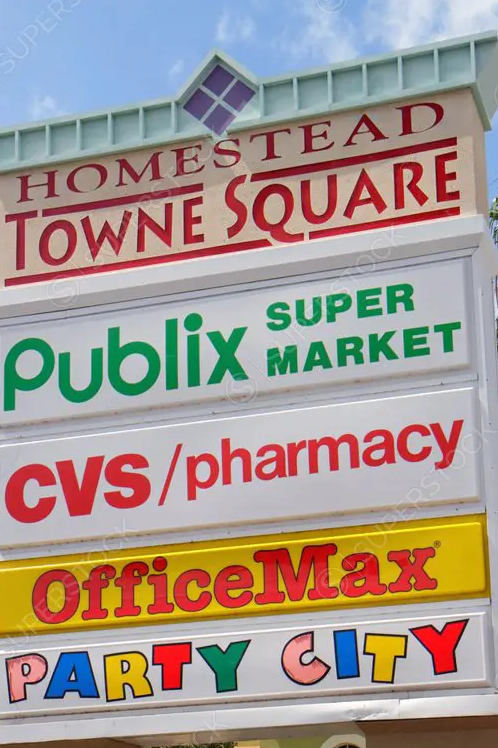
I’d always felt that there are two kinds of towns in California (and perhaps beyond). The first is the generic and undistinguished town, with the usual collection of faceless corporate businesses (Applebee’s, Chili’s, Home Depot, Target, etc) and the same tract home developments with names like “Willow Creek” or “Creek Willow,” where you literally would not be able to tell which specific town you were in without a sign to tell you.
The second type is the town that has some distinctive character that makes it recognizable. This second category can be further subdivided into towns with an organic distinctiveness (due to their history or topography or whatever) and those that fabricate their character out of whole cloth.
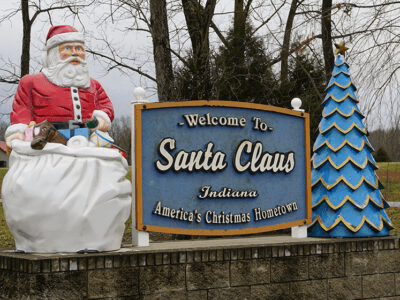
I was reminded of this distinction when I recently received an article from loyal reader Karen Y. The article lists six “themed towns” in the US that “lean into their own unique identities.” Some of these, like Tombstone, Ariz., have legitimate historic links that make them special. Others, like Santa Claus, Indiana, less so.
Two of the six “Themed Towns” are Leavenworth, Wash. (pop: 2,400) and Solvang, CA (pop: 6,000). Alert readers will recall my 2022 blog post about Leavenworth, which postures as a Bavarian village. As I noted in that post, the civic leaders in Leavenworth had visited the Danish-themed town of Solvang as part of their planning to go Full Saxon.
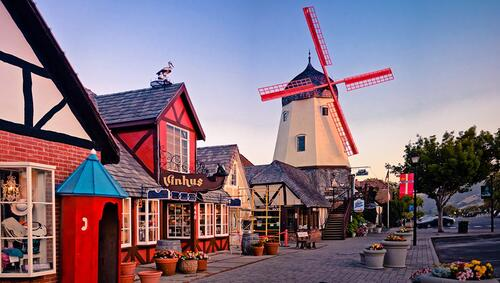
Though not mentioned in the article, there’s a Swedish-themed town in California’s Central Valley that might warrant inclusion on the list. And, like Solvang, this town’s civic leaders also visited Leavenworth before they launched their Scandinavian make-over.
The “Swedish” town we’re talking about is Kingsburg (pop: 12,600), which is about 20 miles southeast of Fresno on CA-99. It is sited next to the Kings River. And it’s where I spent an enjoyable day this week.
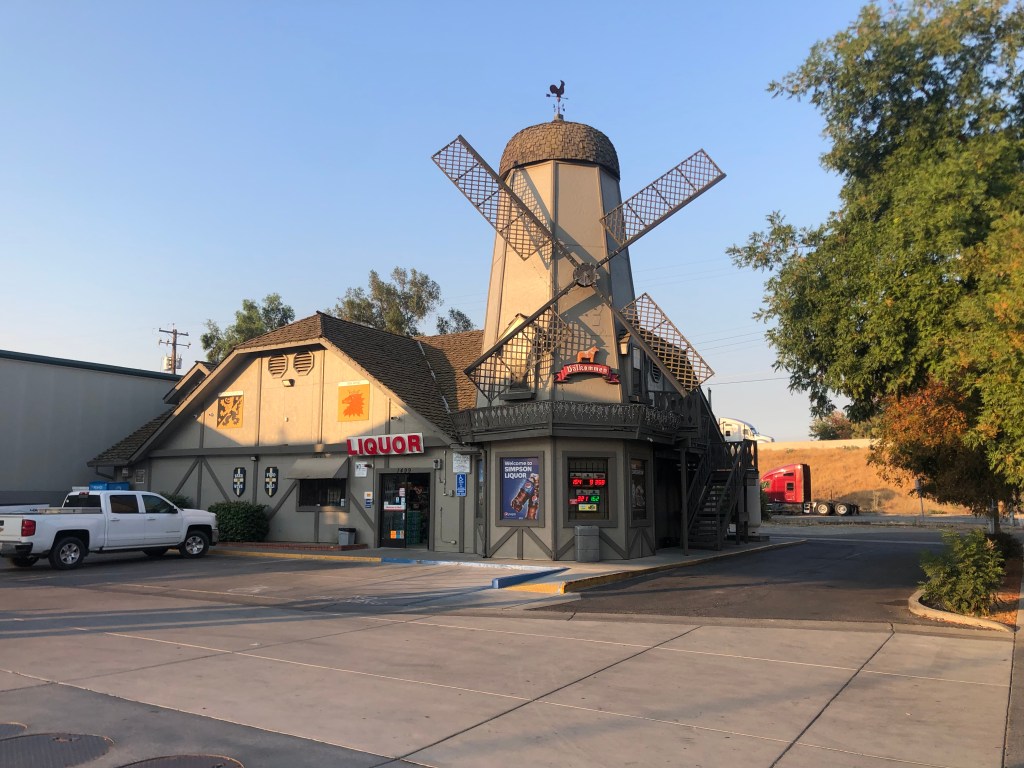
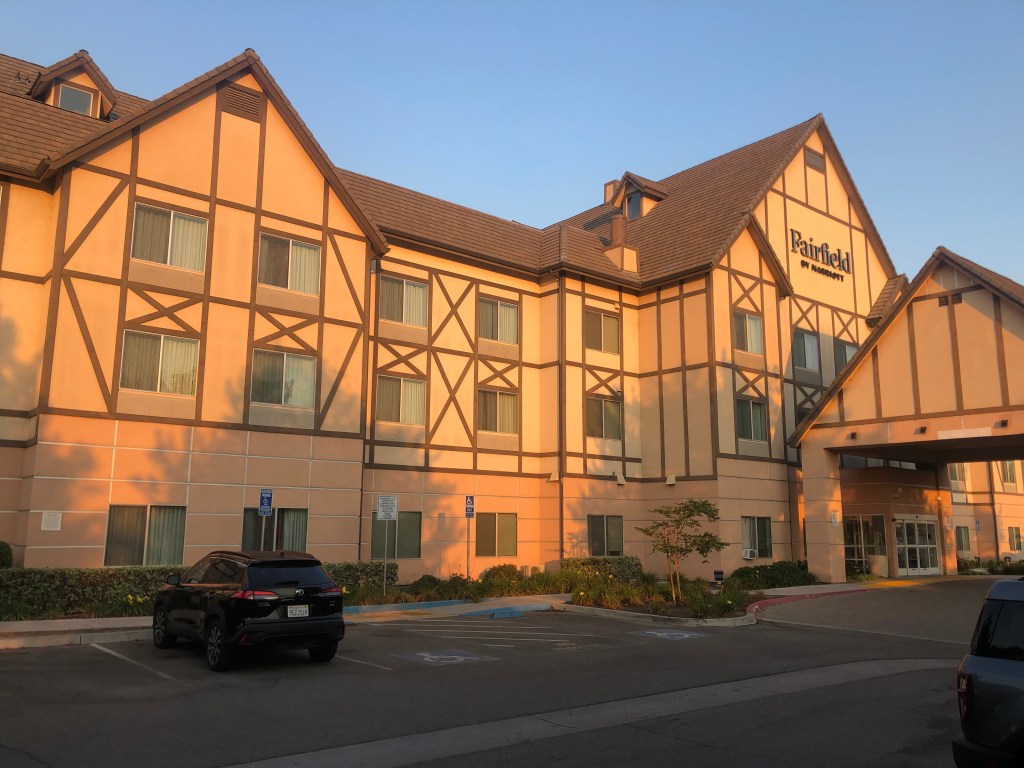
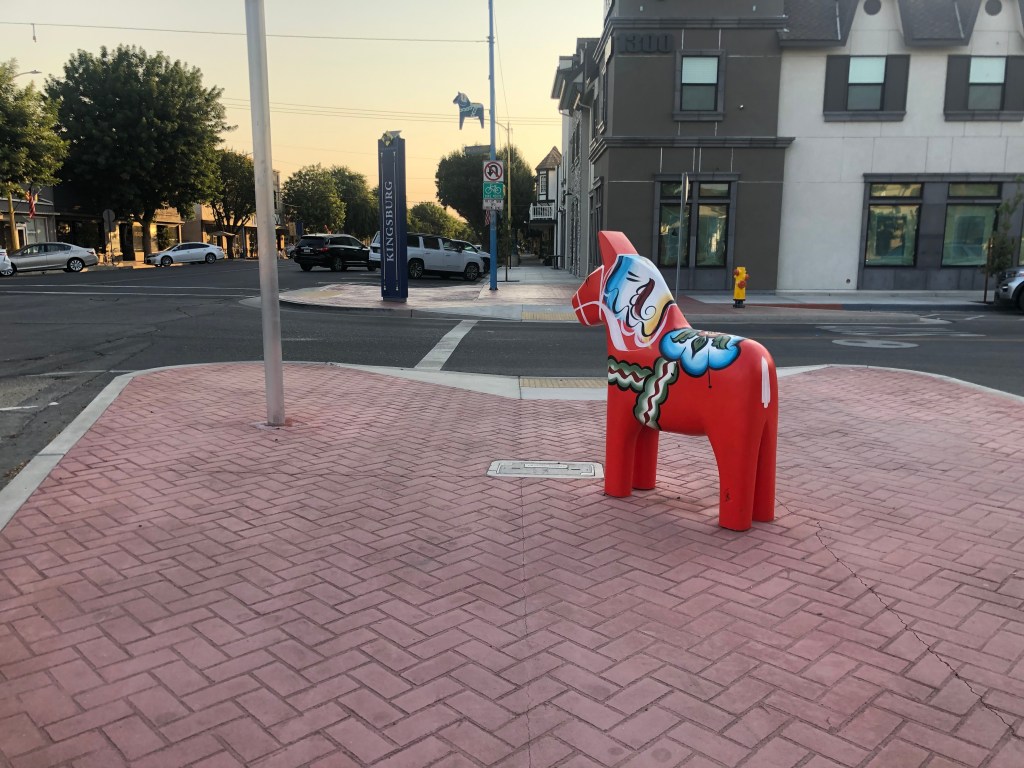
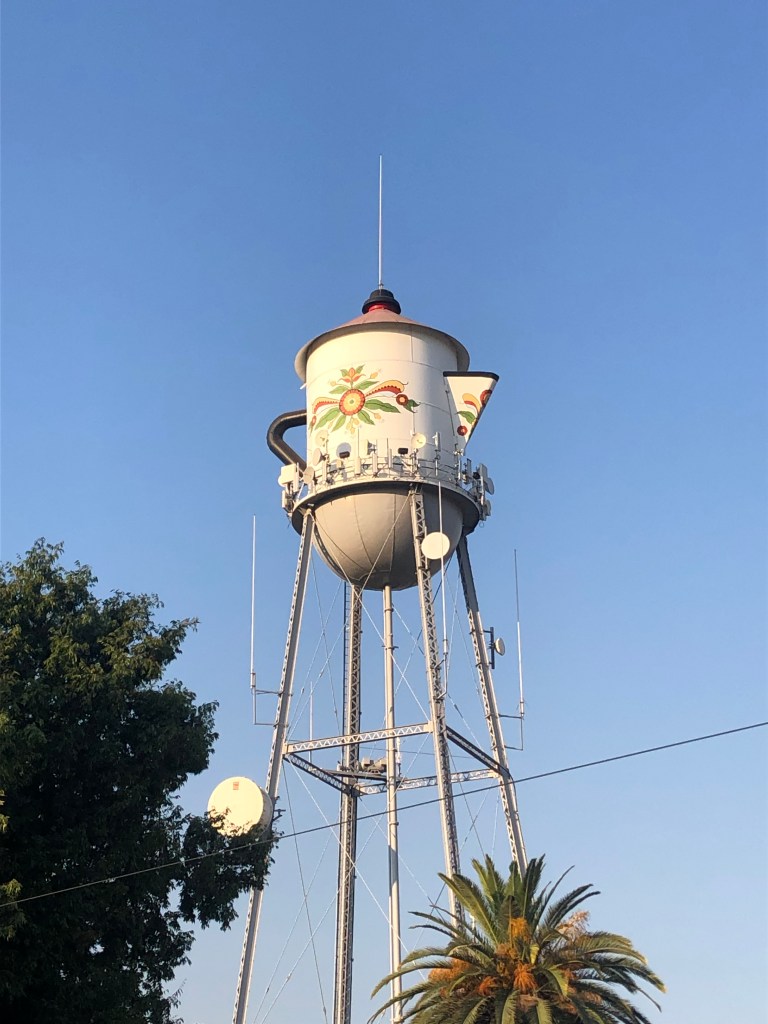
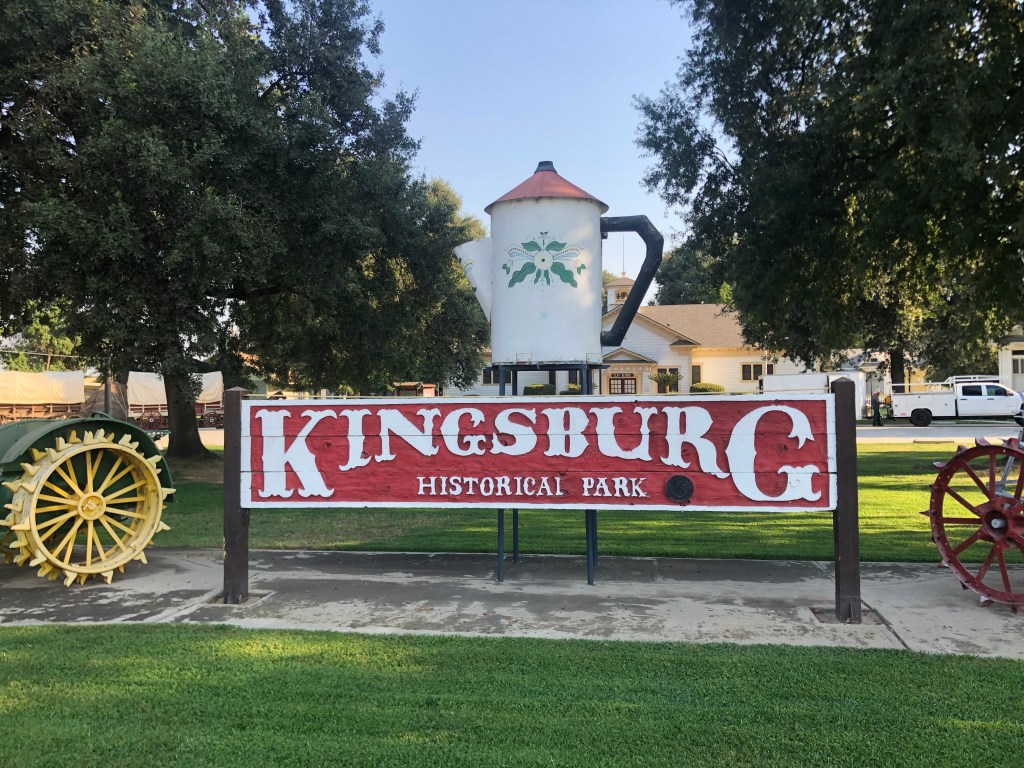
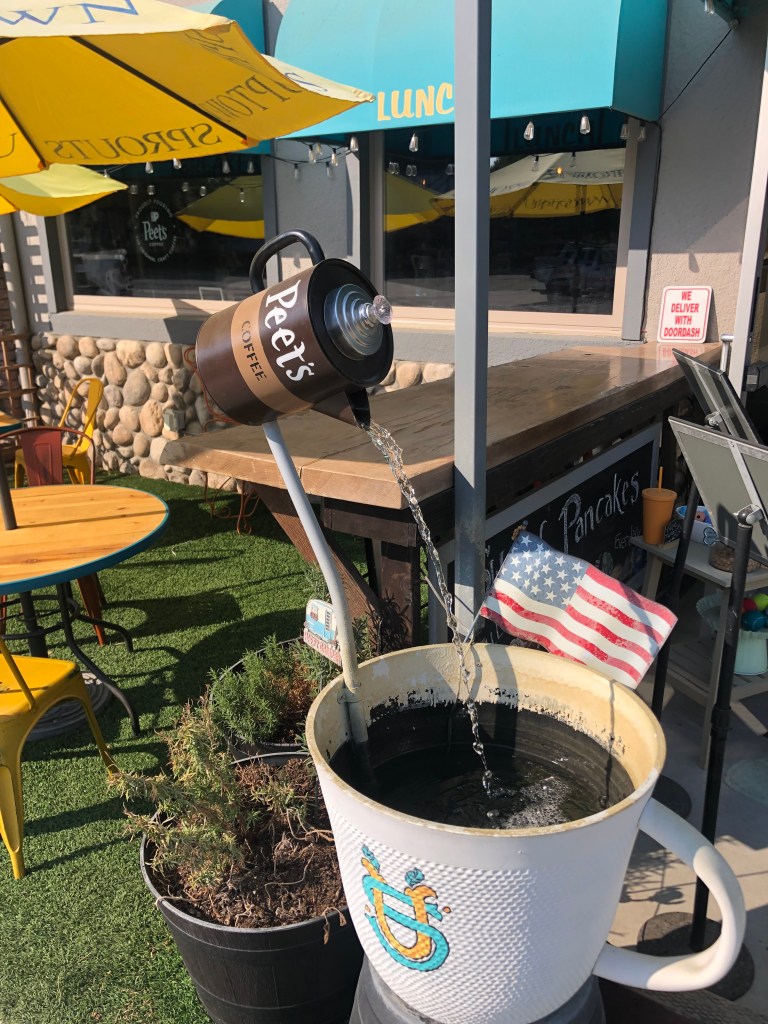
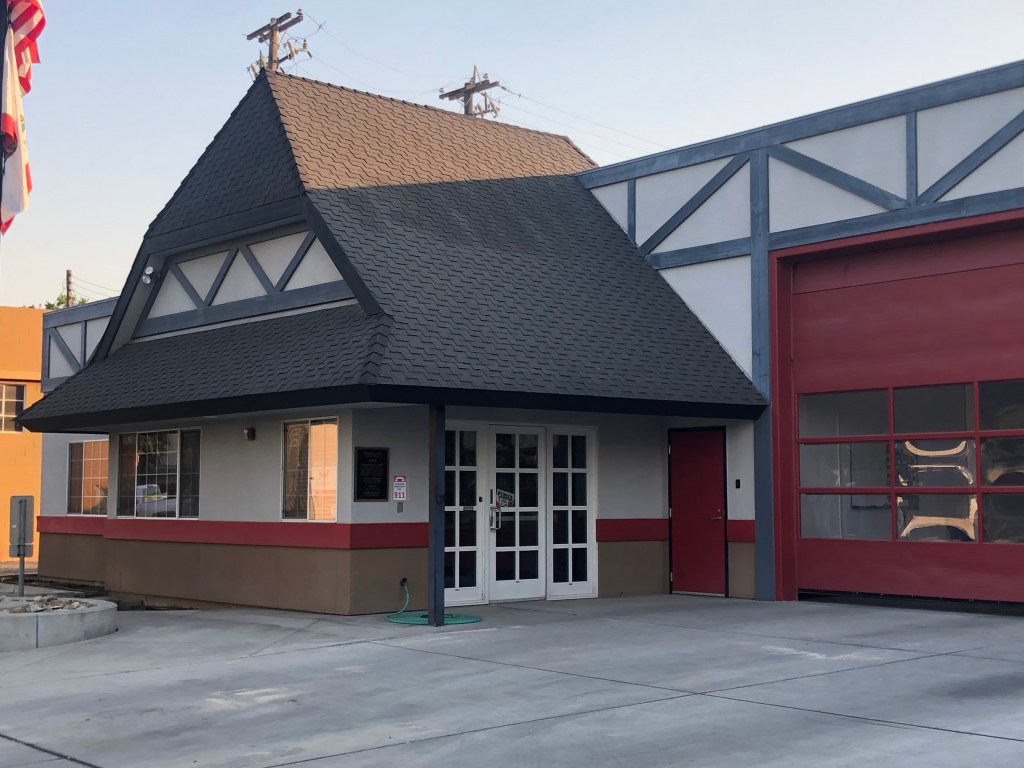
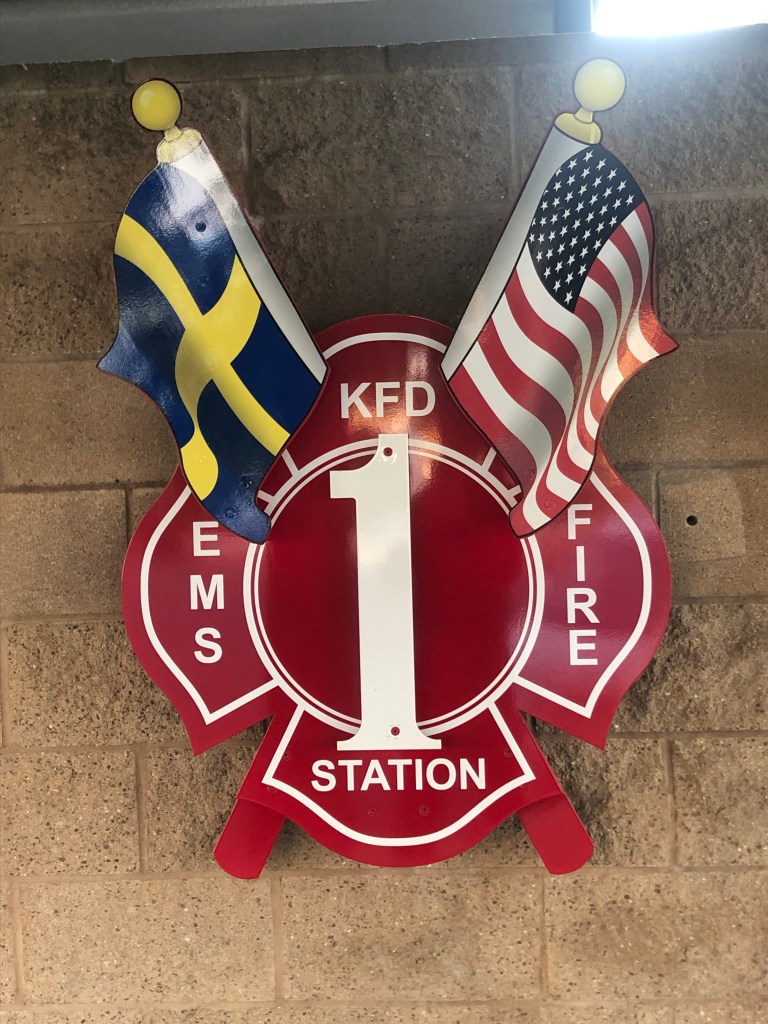
Kingsburg enthusiastically embraces the Swedish vibe. Everywhere (and especially on the main street that cuts through downtown) you see Swedish flags, dala horses, half-timbered facades, and even a gigantic Swedish coffee pot. Check it out:
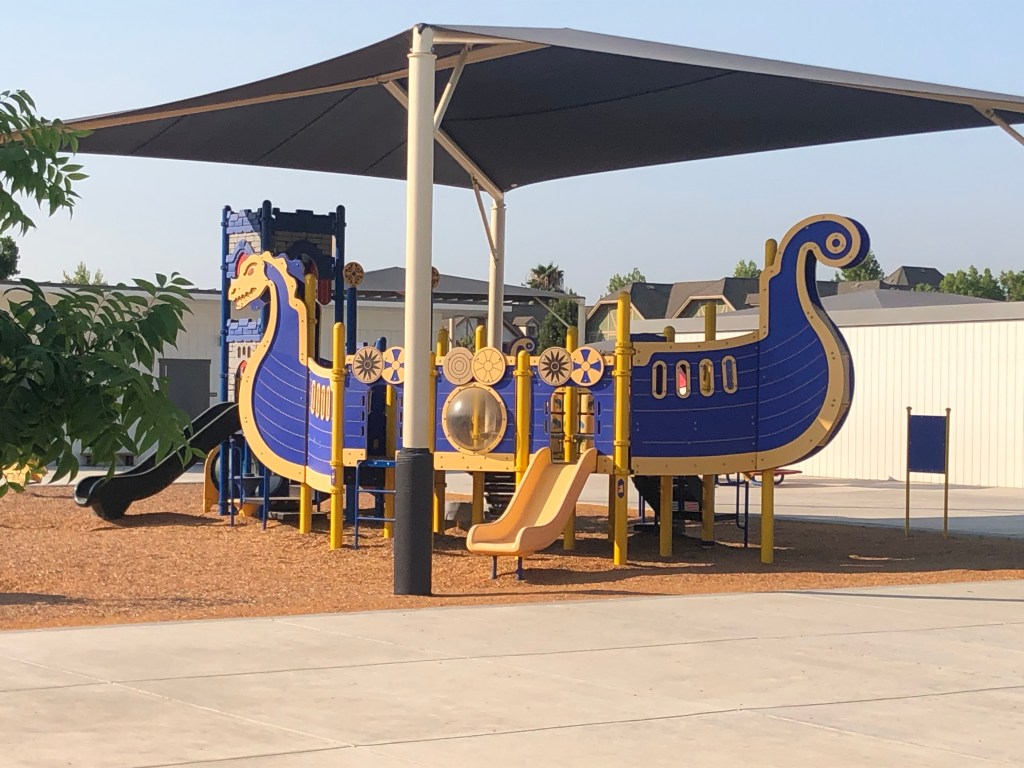
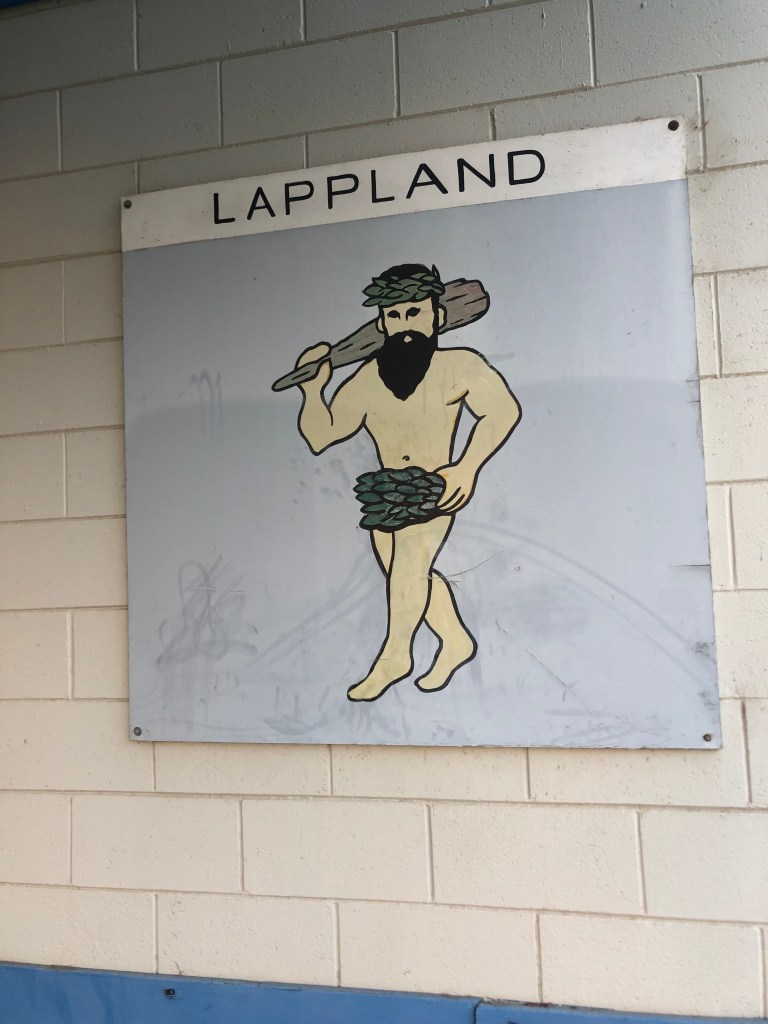
Like so many California settlements, Kingsburg owes its existence in part to the railroad. In 1873 the Central Pacific Railroad established “Kings River Switch” as a flag stop, where boat-borne freight was transferred to rail (and vice versa). The town’s name was changed a number of times, to Wheatville to Kingsbury to Kingsburgh and finally to Kingsburg.
Notably, the railroad station still stands today. And fortuitously, I arrived on the one day of the week the station is open for tours. Docent Steve (no relation) showed me around. The current building was constructed in 1888, and was moved to Kingburg in 1902 to replace the original station that had burned down. Remarkably, both stations were constructed from the exact same plans (“Southern Pacific Common Standard No. 18”), so the replacement station was simply dropped directly onto the foundation of the station that had burned down.
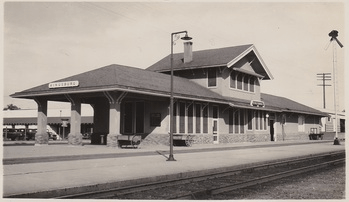
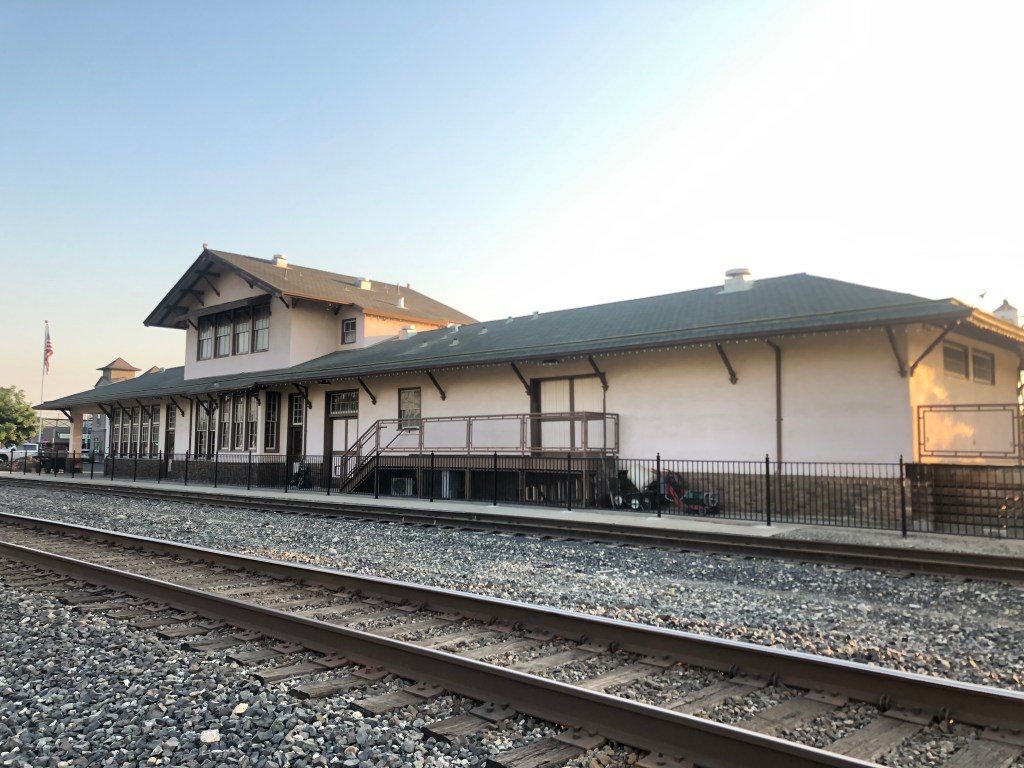
The station/museum is maintained by an amazingly dedicated crew of volunteers. It’s been restored to appear as it did in 1922, when it was modernized with electric lights, steam heat, and a stucco facade. The latest restoration took place 2007-2015, and it’s a well-executed, authentic restoration. The station is full of period-correct antiques, including many pieces (such as the telephone, freight scale, and some furniture) that are original to the depot.
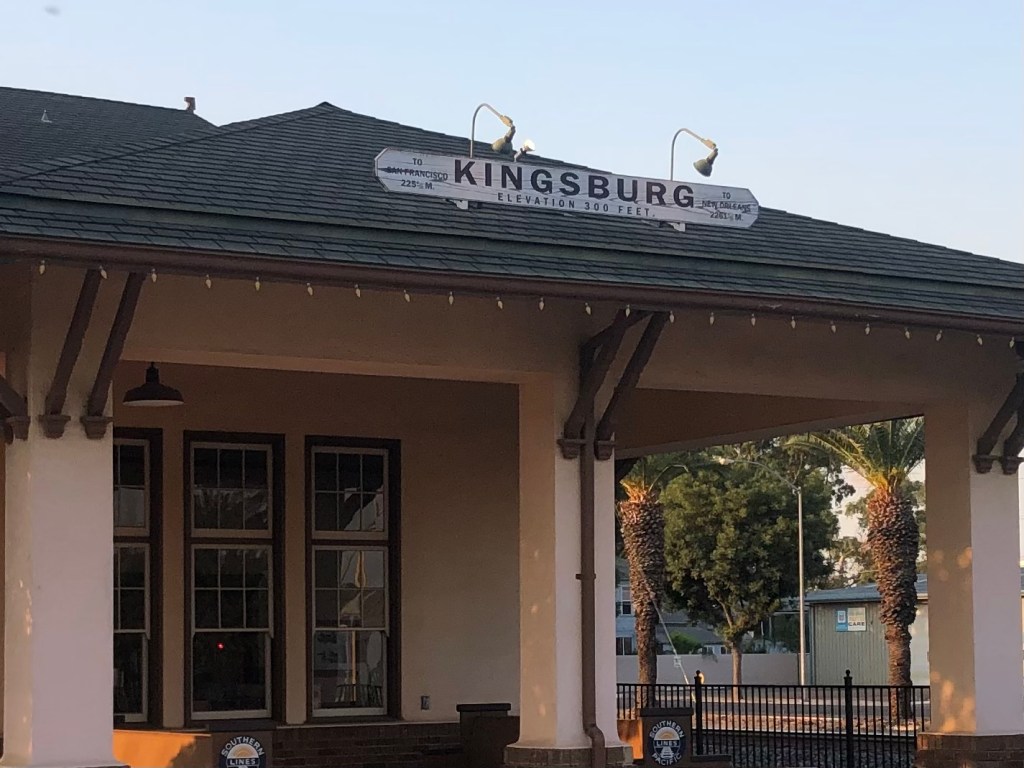
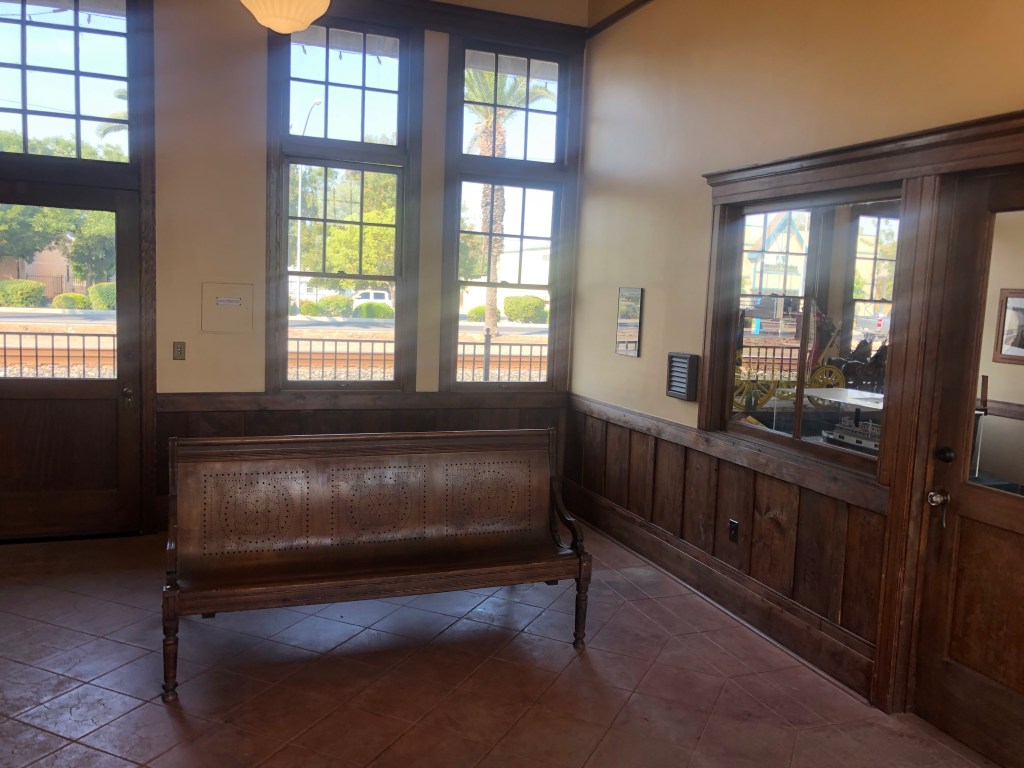
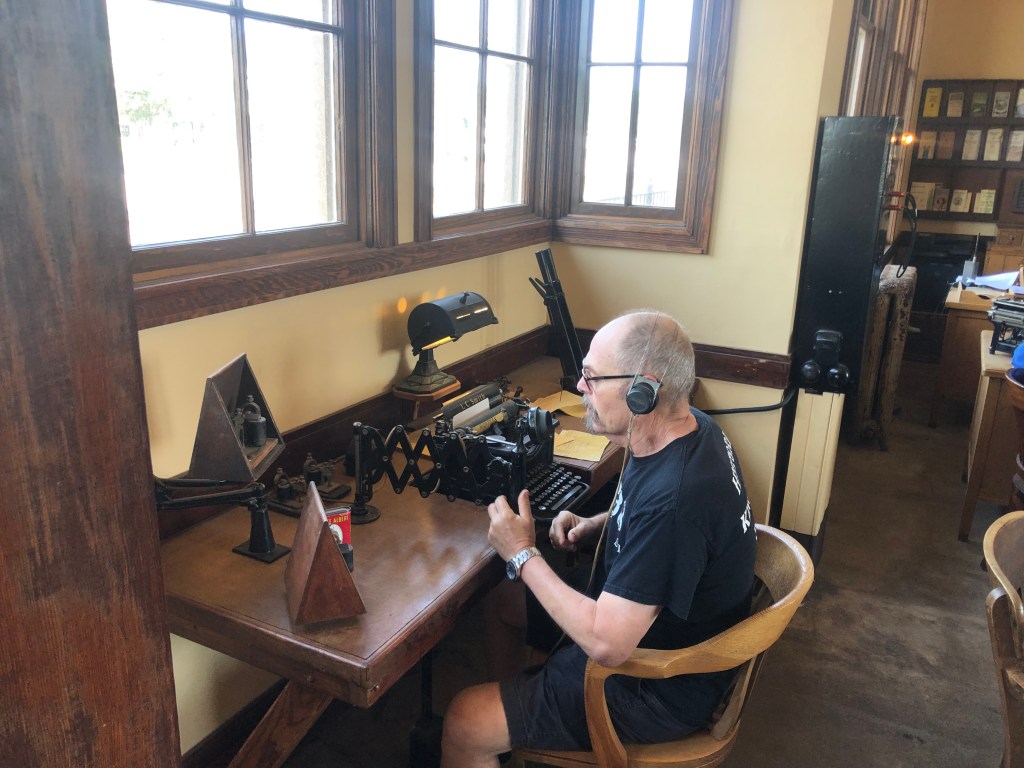
Docent Steve is a knowledgeable historian who’s eager to share his knowledge, but the one thing I couldn’t get him to shed much light on was: Where does Kingsburg’s Swedish connection come from?
This is a question I pursued at the local bakery. The woman behind the counter said she thought there used to be “a lot of Swedes living here,” but that “these days hardly anyone is Swedish.” She said she never really gives it much thought.
Next I asked at the coffee shop: “What’s the story behind the Swedish theme of this town?” asked I. The young woman seemed to be taken by surprise. “What Swedish theme?” To her it was all just decoration, I guess. “I commute from Fresno,” she added, as though that explains everything.
The clerk at my hotel darkly observed that “The Church controls everything in this town.” I wasn’t sure if she meant the Church of Sweden or a local parish or maybe some kind of Elmer Gantry figure. I thought it best not to ask her to elaborate.
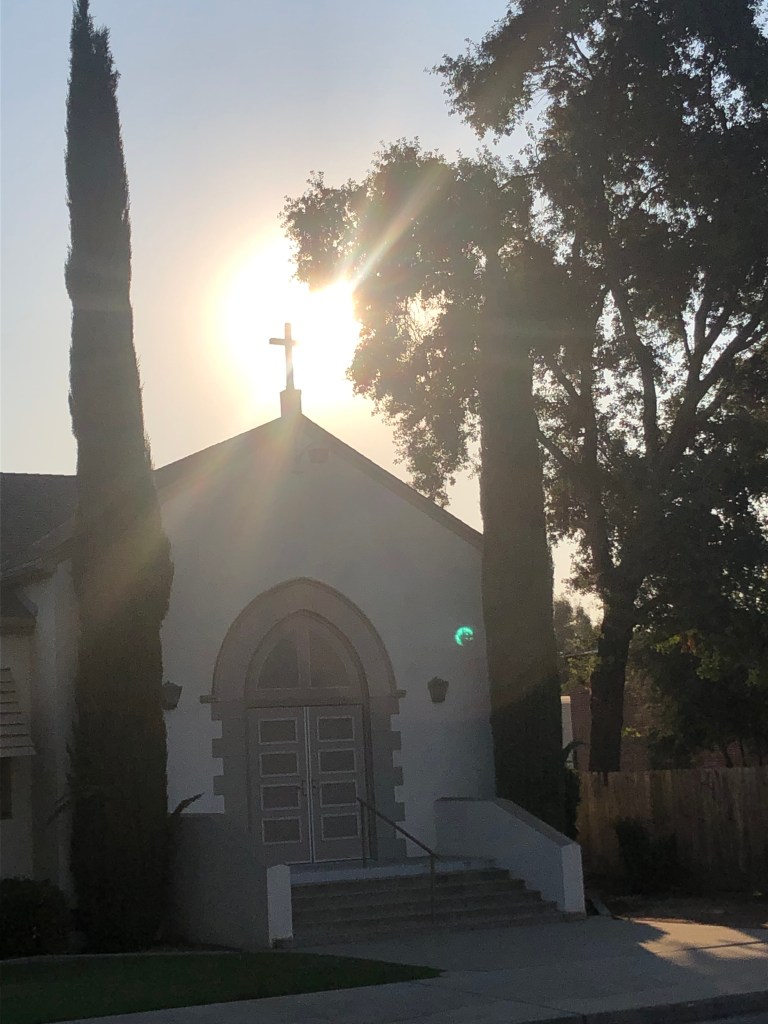
Finally, at a local cafe a friendly woman (who, alas, wouldn’t consent to being photographed for this blog) advised me to talk to the owner of the Svensk Butik gift shop. “She knows all the history of this town.”
And that wasn’t an exaggeration. June (for that’s her name) comes from honest Swedish stock, was born in Kingsburg, and opened her shop here 39 years ago. She’s been a major force behind the town’s Swedish theme. Dressed in traditional Swedish garb, she told me the story behind Kingsburg.
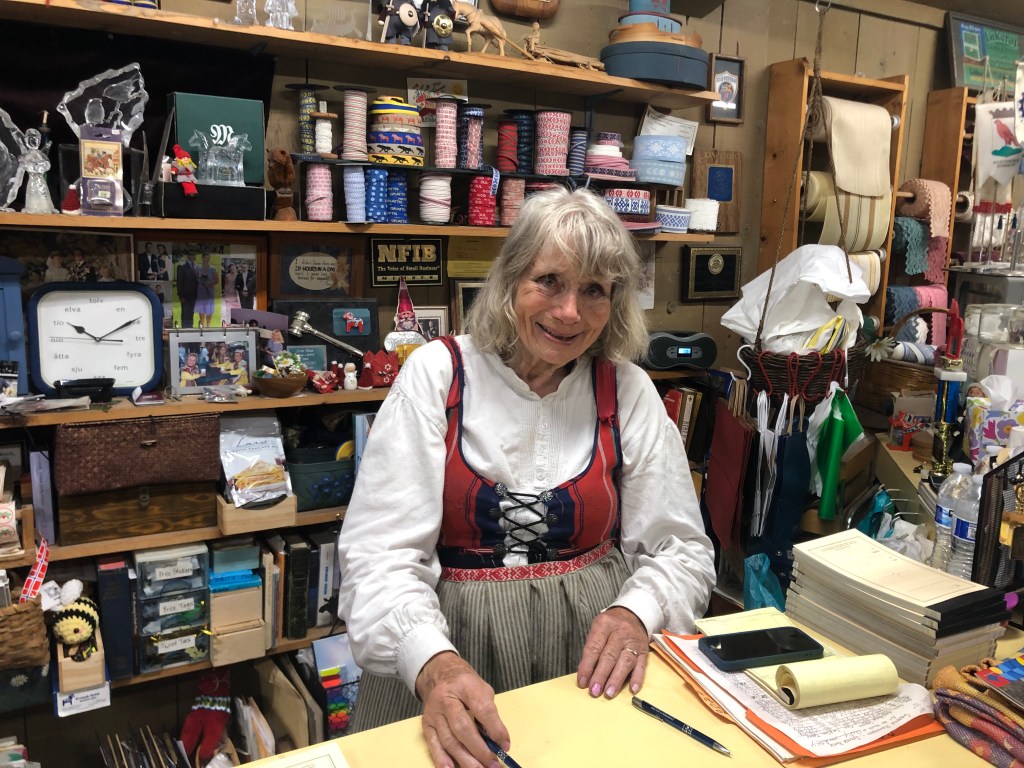
Here’s the short version, and I apologize if I have garbled anything. Back in the 19th century, Swedish immigrants came to the Midwest to escape religious persecution and find employment. They took up mining, agriculture, and other trades. But over time some became restless and began to the west coast, where the weather was better, might be the ticket. A scouting expedition was dispatched, and through some fortuitous encounters that featured someone’s cousin, the scouting party determined Kingsburg would be a suitable place. Many Swedish-American families subsequently came out to settle in Kingsburg, and by the turn of the century virtually the entire town was ethnically Swedish.
Notably, those early settlers didn’t try to replicate the architecture and other trappings of the Old Country. They were just trying to sink roots and make an honest living. It was a fairly prosperous town, served by the railroad and the river.
In the 1960s the railroad ended its passenger service, and then CA-99 became multi-lane freeway that whisked travelers past the town without stopping. To make matters worse, many local residents made use of that same freeway to shop in Fresno and other towns. Kingsburg needed something to bring business back to its commercial center, and that something became the Swedish Plan. The aforementioned visit to Solvang followed. June tells me that the good folks of Solvang warned the Kingsburg delegation against becoming too much like Disneyland. Evidently there’s some regret among Solvang’s residents that the Danish village is built to serve tourists but not residents. June tells me that, in her opinion, Kingsburg found a good balance, where the Swedish theme is evident and attractive, but the underlying services remain practical and accessible to the town’s residents.
She also mentioned that Kingsburg holds an annual Swedish Festival every May, with native food, crafts, music, and the like. I may need to come back.
After hearing June’s story, I reconsidered my typology of organic vs. contrived theme towns. In some ways Kingsburg is promoting its very real Swedish history, although few of the current residents have any connection with the Old Country. But what struck me was the friendly vibe of the place. Every single person I spoke with was kind and welcoming and happy to be there. The public spaces were clean and attractive and welcoming..The main street even had Swedish music softly playing over speakers. Even if the Swedish heritage feels a bit forced, it doesn’t feel fake. This is just a nice, friendly, attractive town that I’d like to visit again.
There is one dark postscript to this story–Kingsburg is the headquarters of Sun-Maid Raisins, which is nice so far as it goes.
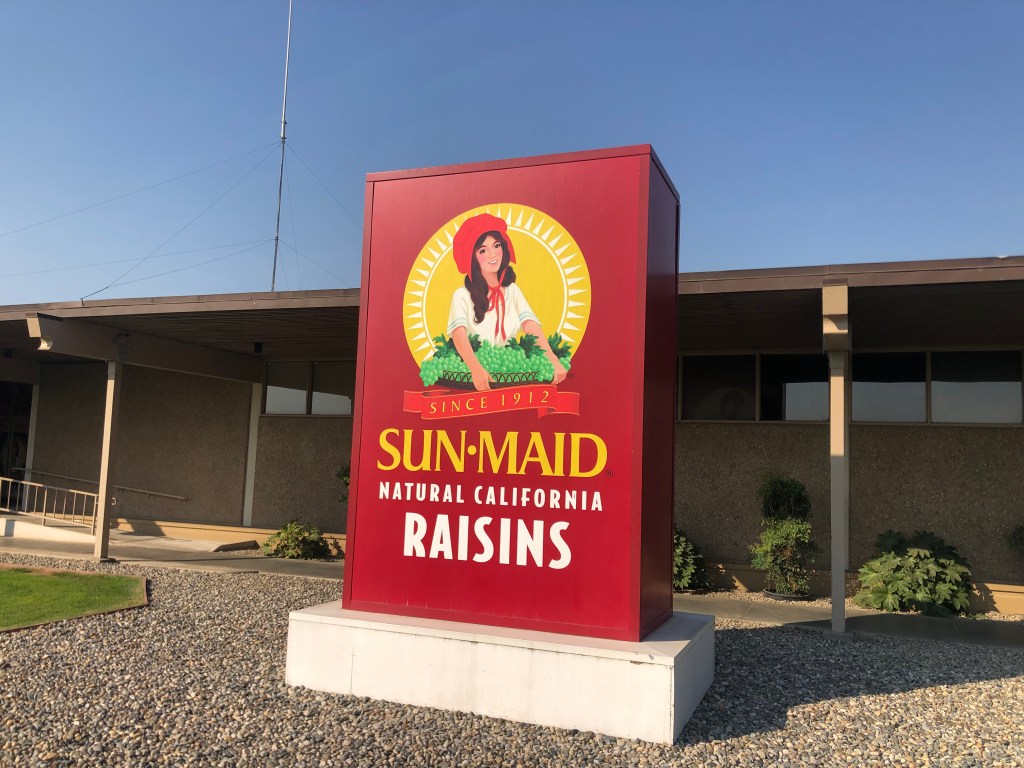
However, a neighbor to the Sun-Maid plant is evidently at war with the company, putting up combative signs, maintaining an expose-themed Facebook page, and offering passersby “free tours” of the environmental degradation supposedly caused by Big Raisin.
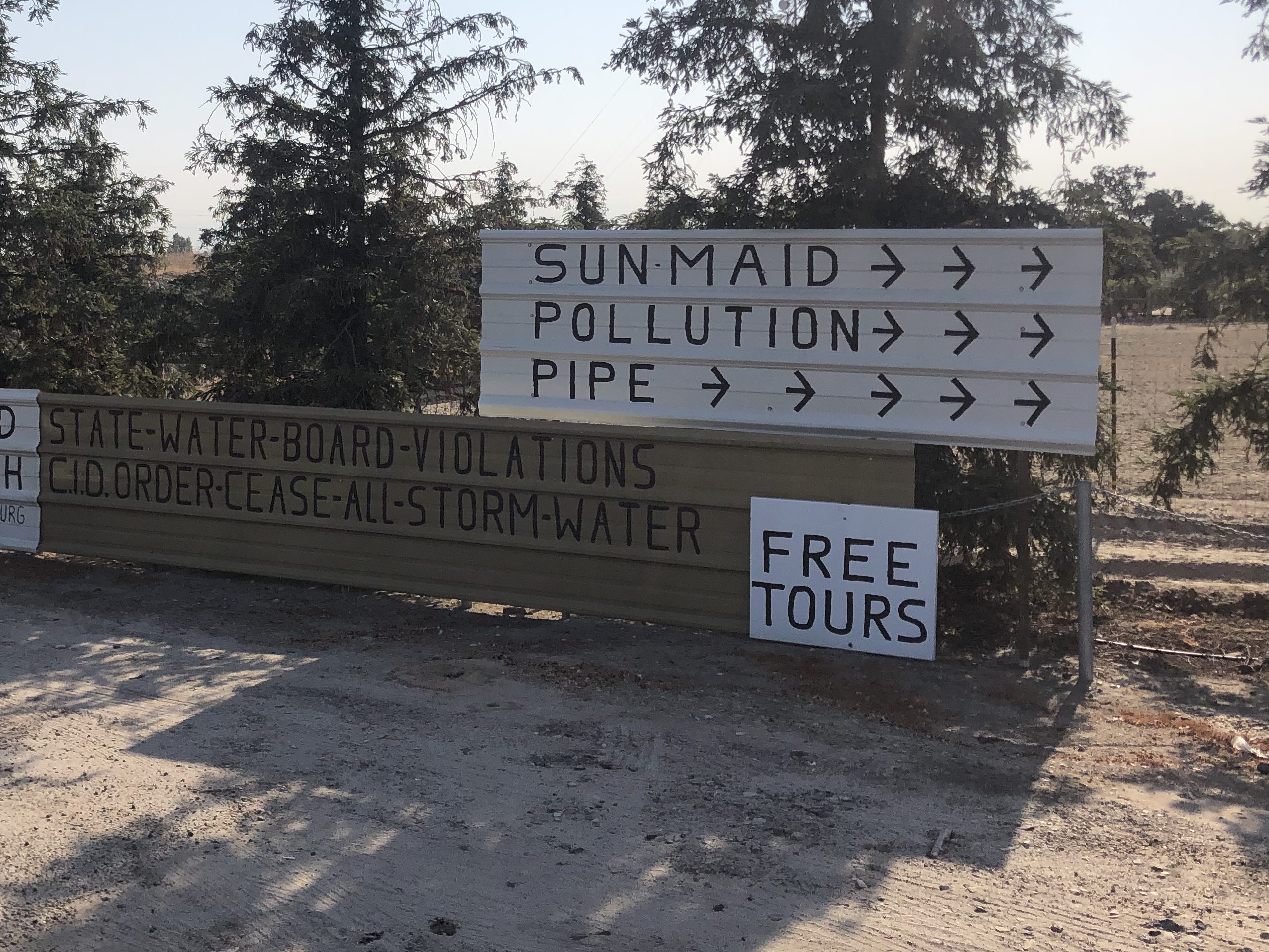
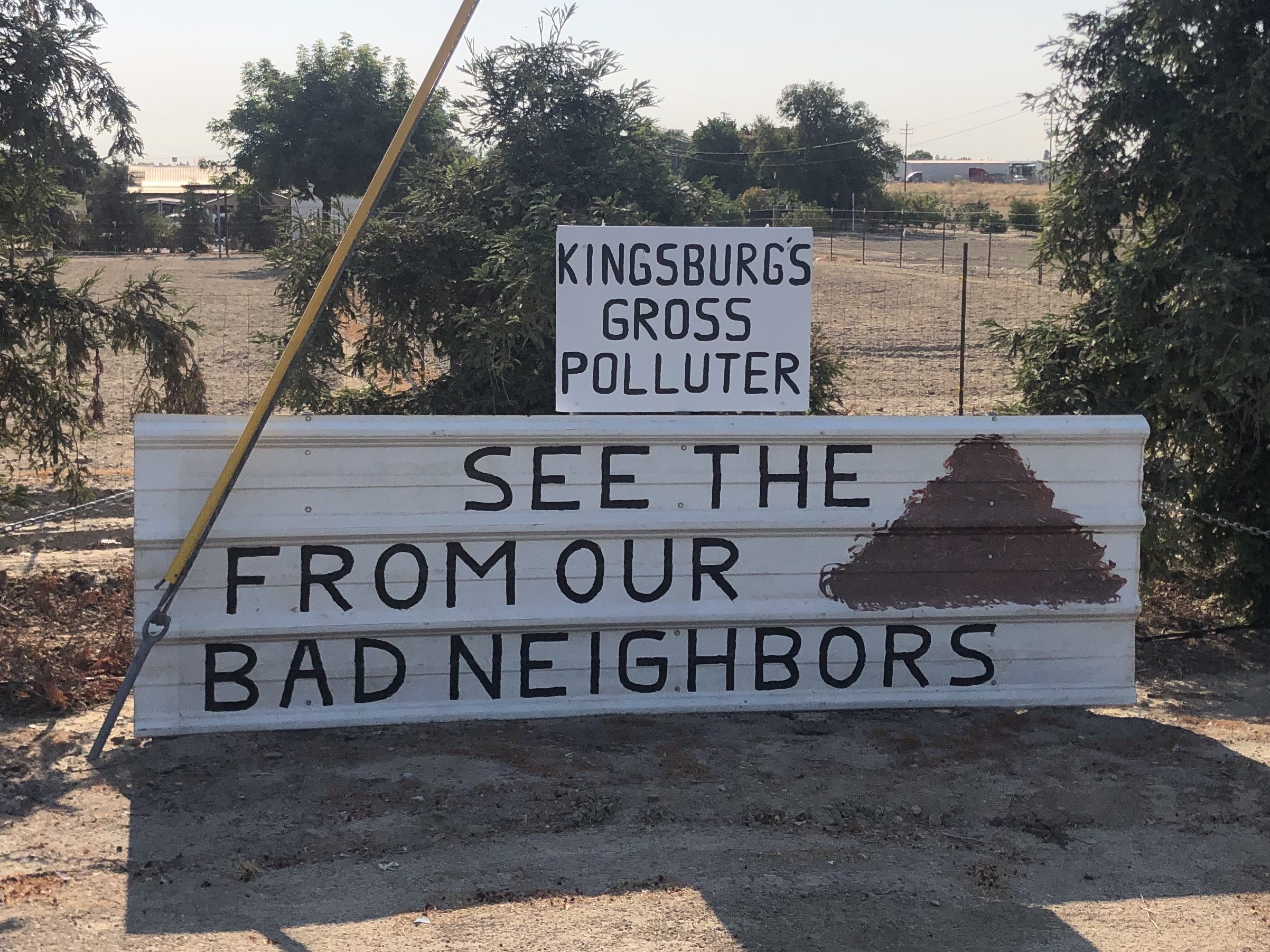
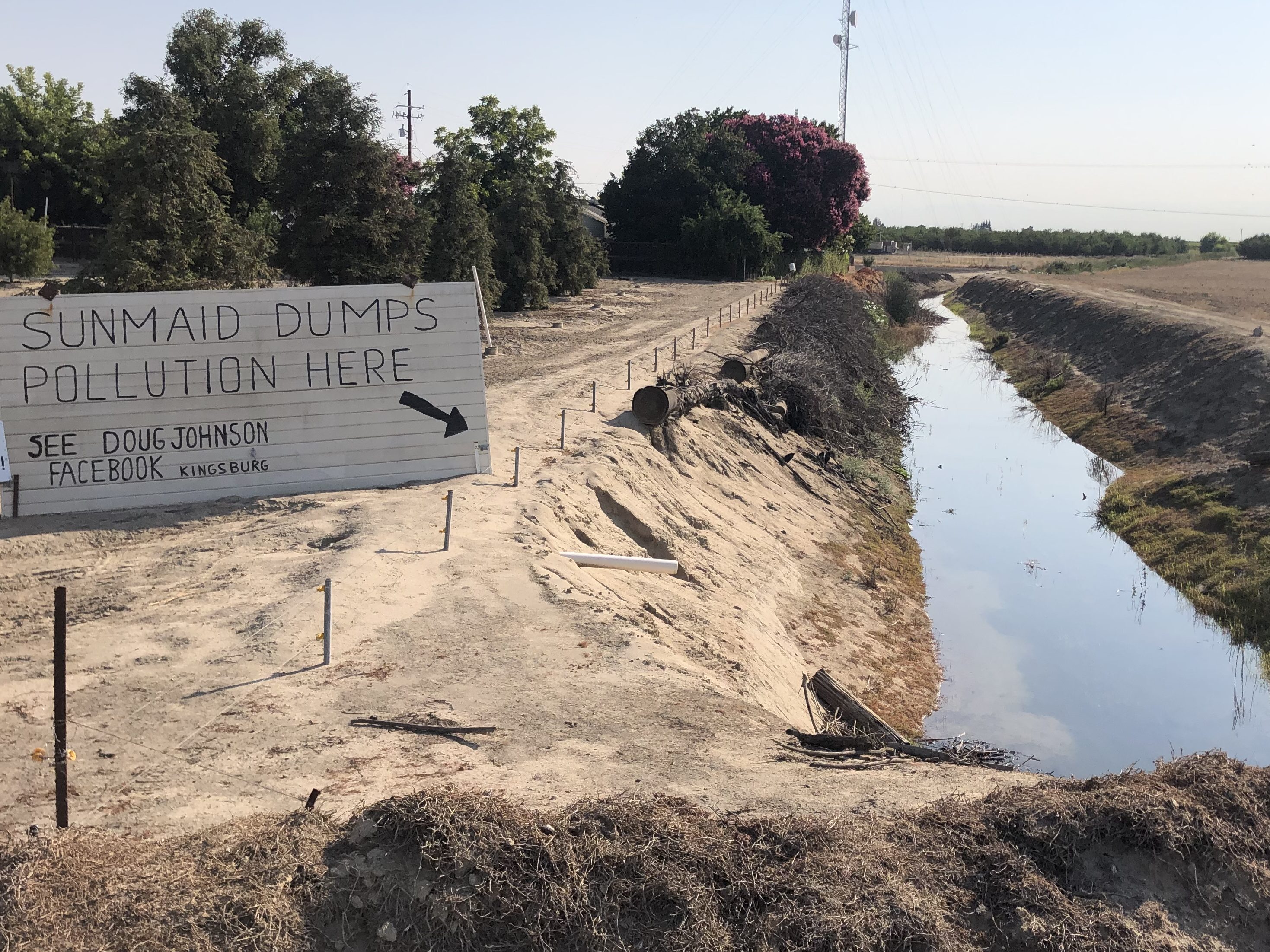
It seems the neighbor (Doug Johnson) is upset that some of Sun-Maid’s “raisin processing discharge” ends up in his ditch. I can’t offer any judgments about his claims, but I will say that this doesn’t appear to be a Silkwood situation. So let’s move on to the..
BREW OF THE DAY
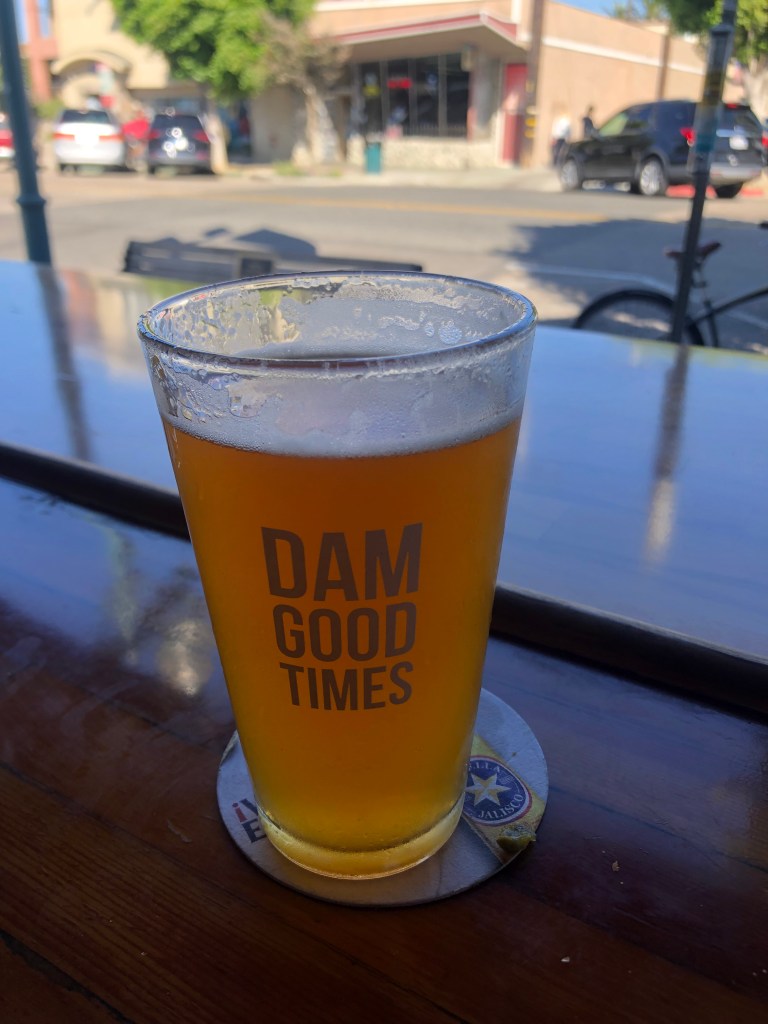
For reasons that are too convoluted and uninteresting to get into here, I had my BOTD at the Seal Beach Grill in Seal Beach, CA. It was a warm day, so I decided an IPA would do the trick. The Seal Beach Grill does not brew its own beer, so I had an Elysian Space Dust IPA. Elysian Brewing is based in Seattle, and, like so many breweries, is owned by Anheuser-Busch. But let’s not hold that against them.
Space Dust is a bright, flavorful IPA. It’s got a fresh sweetness that’s nicely balanced with several different types of hops. It presents beautifully with a golden honey color, lively carbonation, and a decent surface of foam. At 8.2 percent ABV, this is a big beer that happens to go down easy. On a hot day it can be downright dangerous. Ask me how I know.
Four stars out of five.
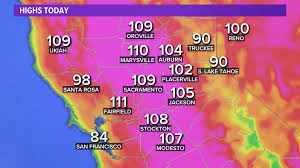
We’ve been experiencing a heatwave this week, with temperatures getting well above 100 degrees. Then on Saturday statewide news outlets reported a fire had broken out near the Placerville airport. Given the tinder-dry conditions and the large number of historic wooden structures in the area, my mind naturally turned to this question:
There’s an airport in Placerville?
I’d certainly never heard of it before. And now it was burning?? Borrowing an aphorism from Ronald Reagan, I decided to trust but verify. So this morning I headed up the hill and just east of town I came to the very real Placerville Airport (PVF). It’s a one-runway airport that apparently mainly handles private, single-prop aircraft.
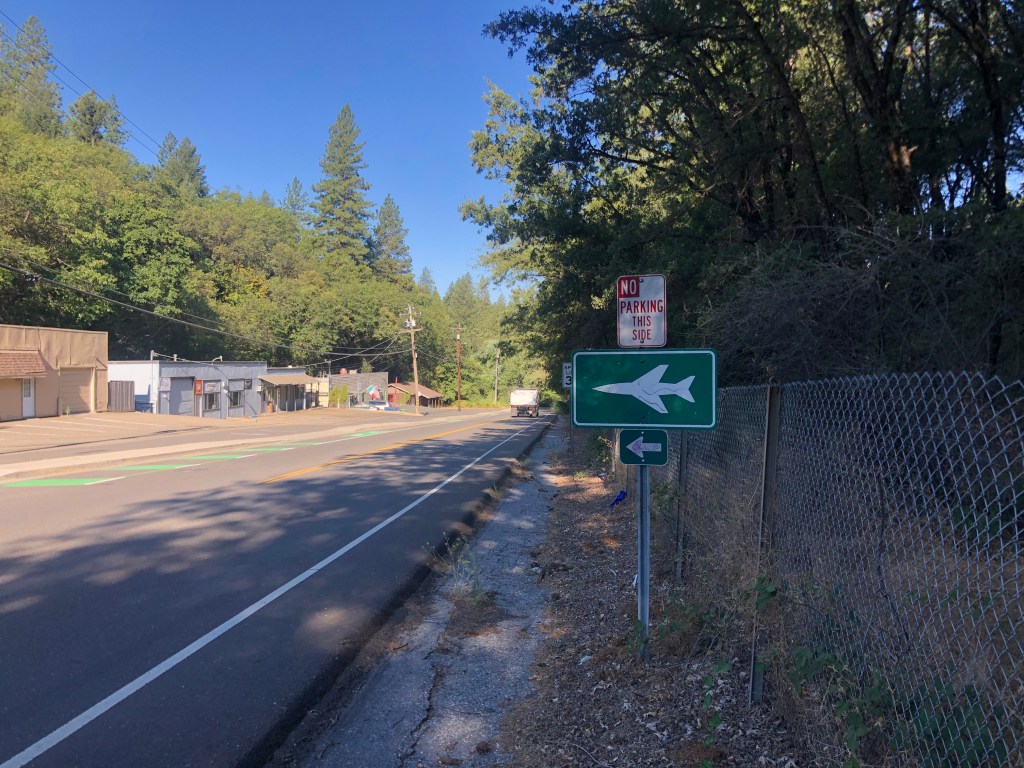
I didn’t manage to get a photo of the airport because there was a Sheriff’s cruiser blocking the entrance, presumably to keep our lookie-loos like myself. But I can report that there was absolutely no evidence of a fire. No scorched trees, no smell of smoke, no nothing. This is odd, because to judge by the news reports you’d think it was the Second Coming of the Great Chicago Fire. Friends and relatives from all over the country have been texting me asking if our home was threatened by the inferno.
Anyway, as long as I was heading east on US 50 I figured I’d continue up to Lake Tahoe and enjoy a respite from the heat. I met up with my old college roommate, Bruce, who was with his dad at Zephyr Cove for a music camp. It’s always nice to come up to Tahoe, with the smell of pine and the views of the lake and the cool(er) temperatures.
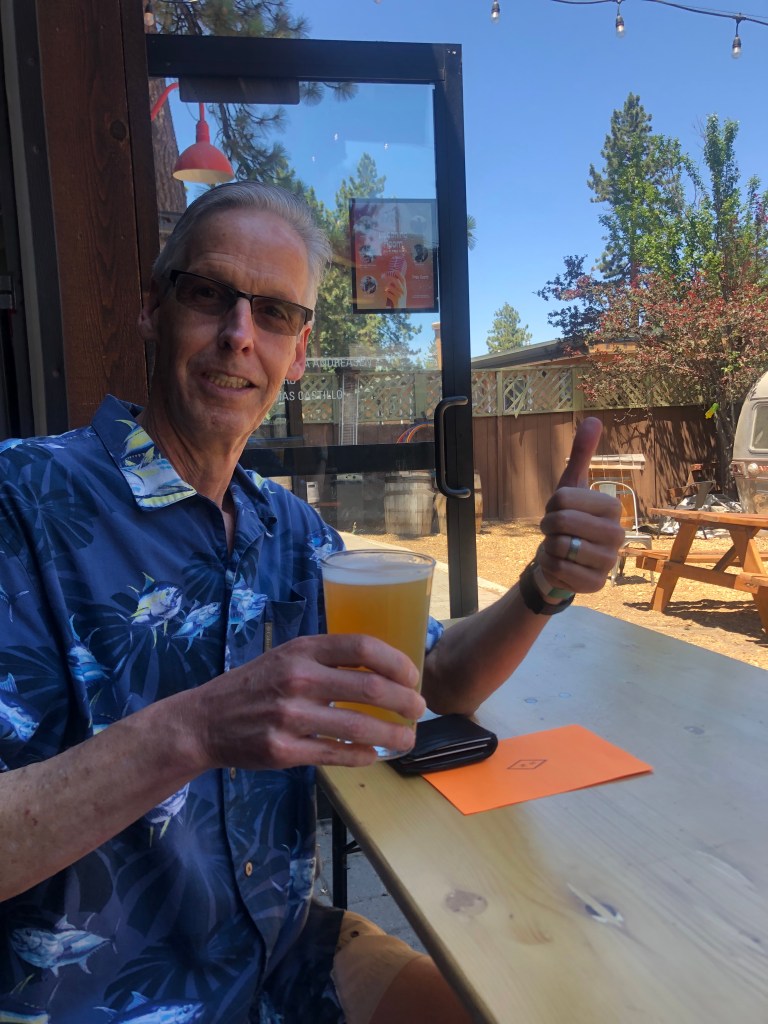
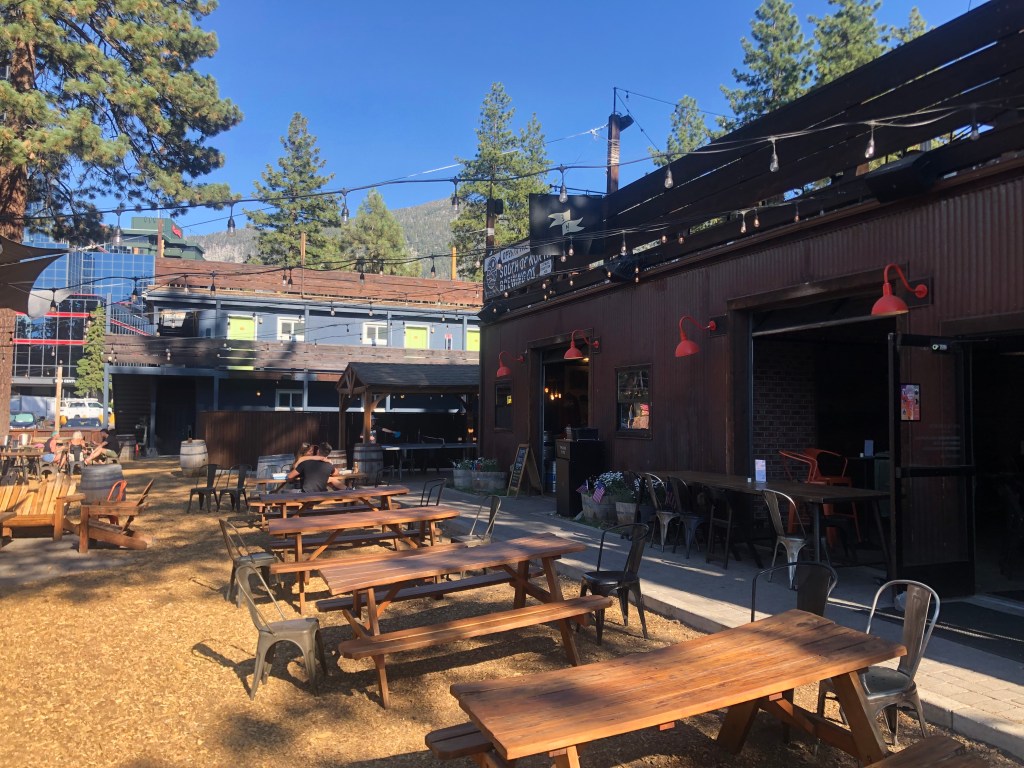
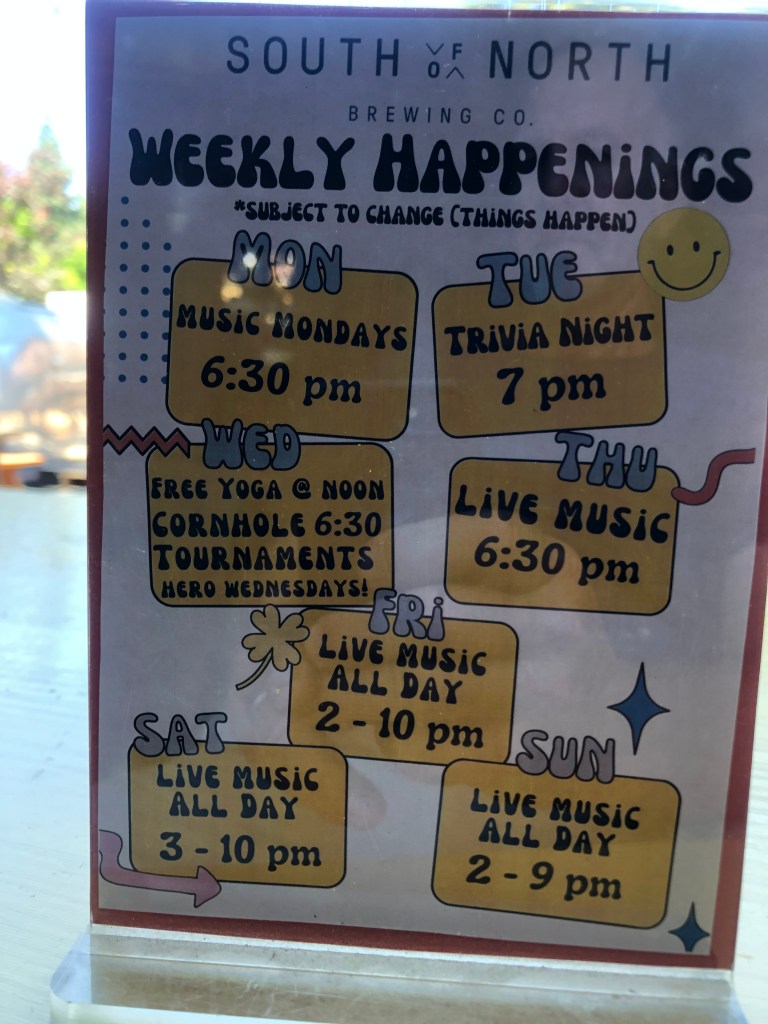
Near Zephyr Cove is a brew pub with the confusing name of South of North Brewing Company. This is where Bruce and I went for lunch, and we were glad we did. It’s nestled into a relaxing setting, with plenty of outdoor seating under pine trees and solar shades. Amidst the outdoor seating are a ping-pong table and the now-requisite Cornhole game. A rustic but homey building houses their service counter/bar, an event space, a bar, and their brewing operation. Yes, they brew their own beer. Today they had eight of their delicious beers on tap, plus another half-dozen guest brews. Notably, they are the only brewery in the area to draw their water directly from Lake Tahoe, and I want to think it makes a real difference in the taste. Didn’t some Brand X brewer used to say “it’s the water, and a lot more”?
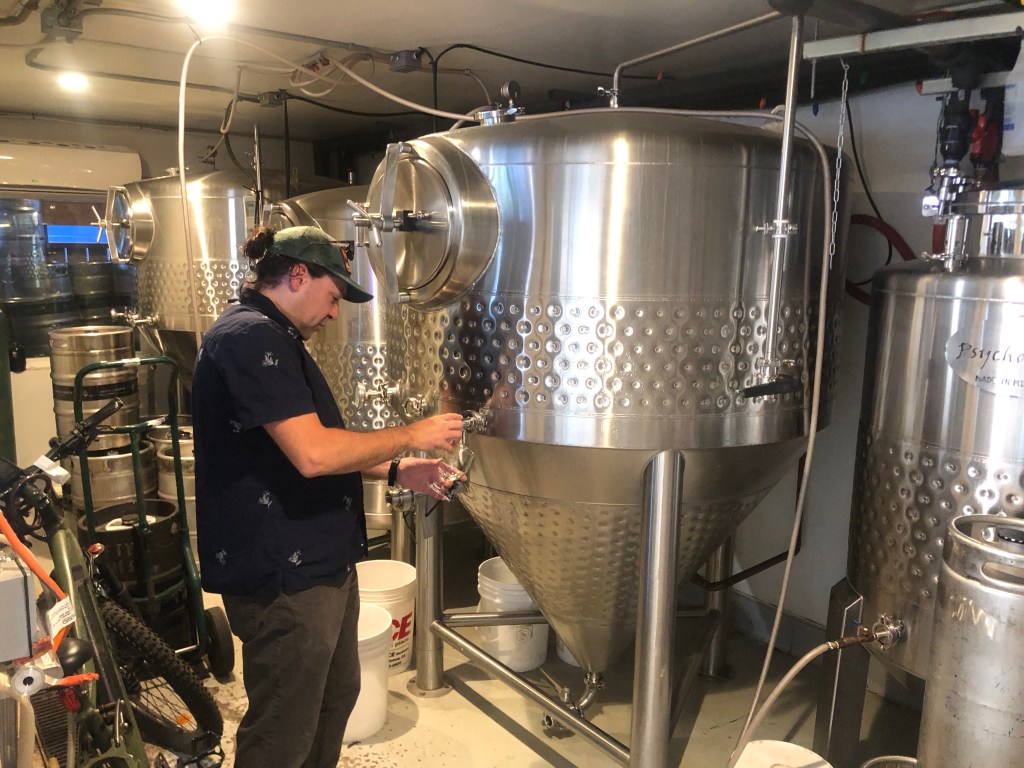
The head brewer is a Sacramento transplant named Thomas. He’s been here for a little over three years, and with a single assistant they make all those beers. The brewing space is a converted hotel room. (Their business abuts an old hotel.) Their brewing tanks were custom designed for the space.
So Bruce and I found a table in the shade and enjoyed pastrami sandwiches, salads, Bavarian pretzels with beer cheese, and a handful of beers. The food was delicious, the weather was perfect, and the bartender, Heather, had her personal 1970’s classic rock playlist feeding into the speakers. It was just what we were looking for.
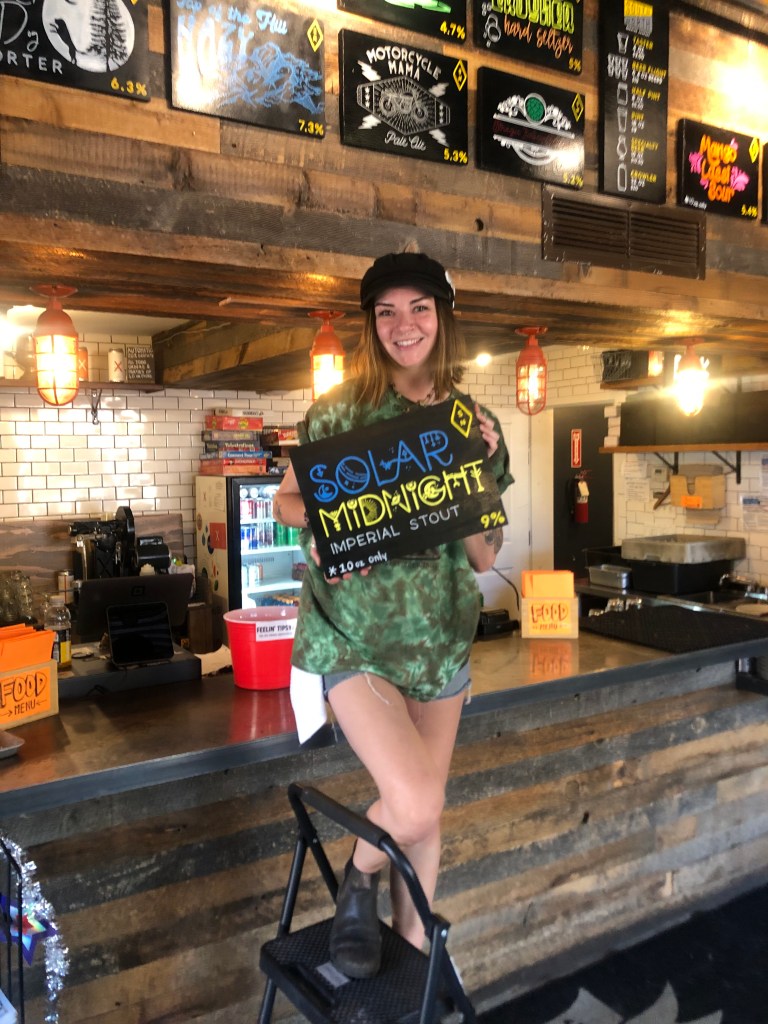
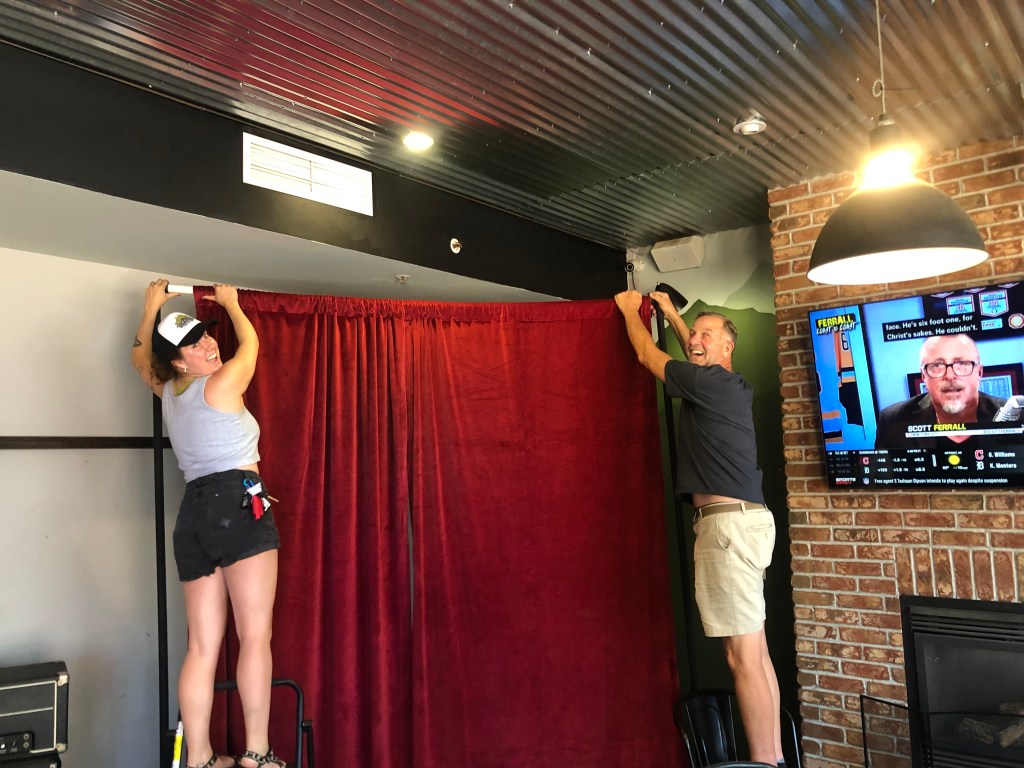
Meanwhile, the Community Engagement Event Coordinator, Sam, was setting up a stage for their signature “Listening Room” program, where local artists share their music and tell their stories. The place was a hub of activity, and is clearly one of the go-to destinations in the Tahoe area.
So, if it hasn’t already been made obvious, this is an awesome place that’s a worthy Tahoe destination, no matter where you’re coming from. I’m definitely coming back soon.
BREW OF THE DAY
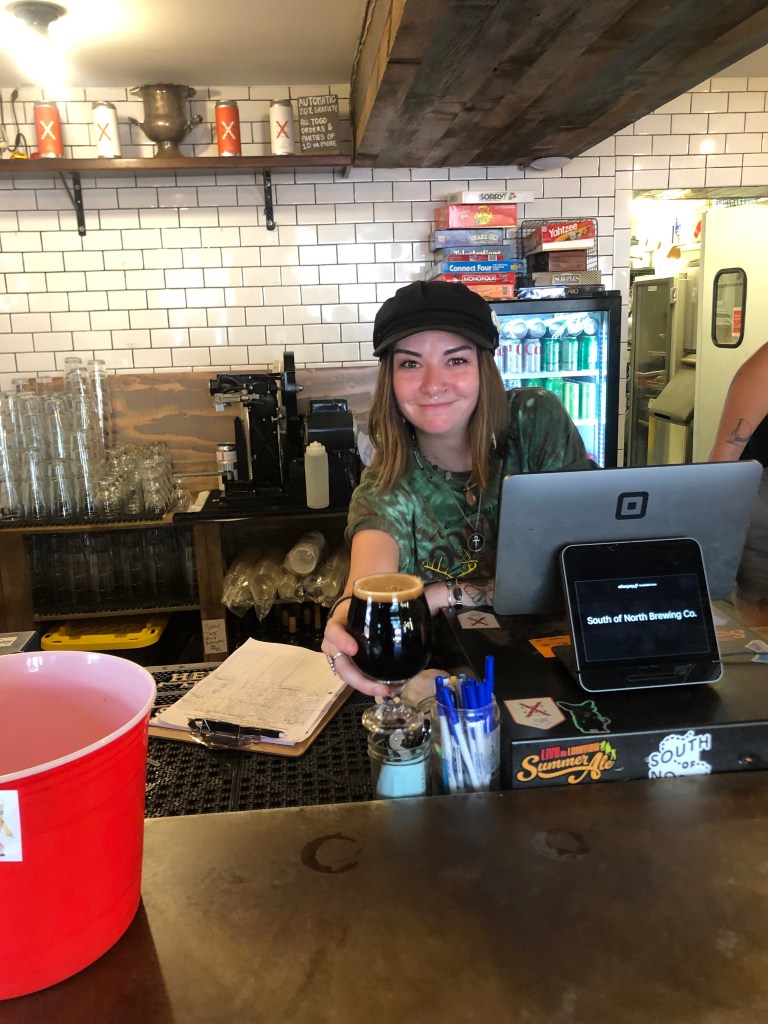
The BOTD is South of North’s Solar Midnight Imperil Stout. This is a deceptively drinkable beer, even on a hot day (by Tahoe standards). It’s exceptionally smooth with the consistency of strong coffee. Served with almost no head, this is not as heavy or creamy as your average stout. It has distinct notes of chocolate, coffee, vanilla, and licorice. Each sip is pretty sweet on the front, but it finishes with some mild hoppiness that keeps the whole experience from becoming cloying.
This beer clocks in at 9 percent ABV, which is why it’s only available in a 10-ounce pour. You can’t drink just one, though, so I was compelled to order a second. Then Sam bought me a third as a way of saying thanks for helping her with the stage curtain. It wasn’t until after I finished that one that I realized I hadn’t taken a picture of my drink. Given my dedication to my readers, I was compelled to the counter and asked for another pour purely as a photo op. Heather insisted that this one was on the house, and I felt it would seem ungrateful not to drink it. This all explains why I’m sitting here trying to sober up before heading back down the mountain to Placerville.
Very recently I visited the second-oldest railroad depot in California. And that naturally got me to wondering about the first-oldest (otherwise known simply as the oldest) railroad depot in California. And that would be the Santa Clara Depot, built in 1863.
I happened to grow up near Santa Clara, and I’m sure I must have visited the Santa Clara depot with my friend Detlef, as he and I would regularly ride our bikes to various railroad sites in the area to explore the ancient (though still-active) passenger cars and use our cassette recorders to capture the panoply of sounds emanating from the Southern Pacific locomotives as they pulled their trains to the platforms. Occasionally one of us would take a photo, but this was in the days before phone cameras, and lugging around an SLR was a hassle. Still, it was those experiences–seeing and hearing and smelling the various aspects of the moribund Southern Pacific passenger trains in the 1970s–that number among the best memories of my youth.
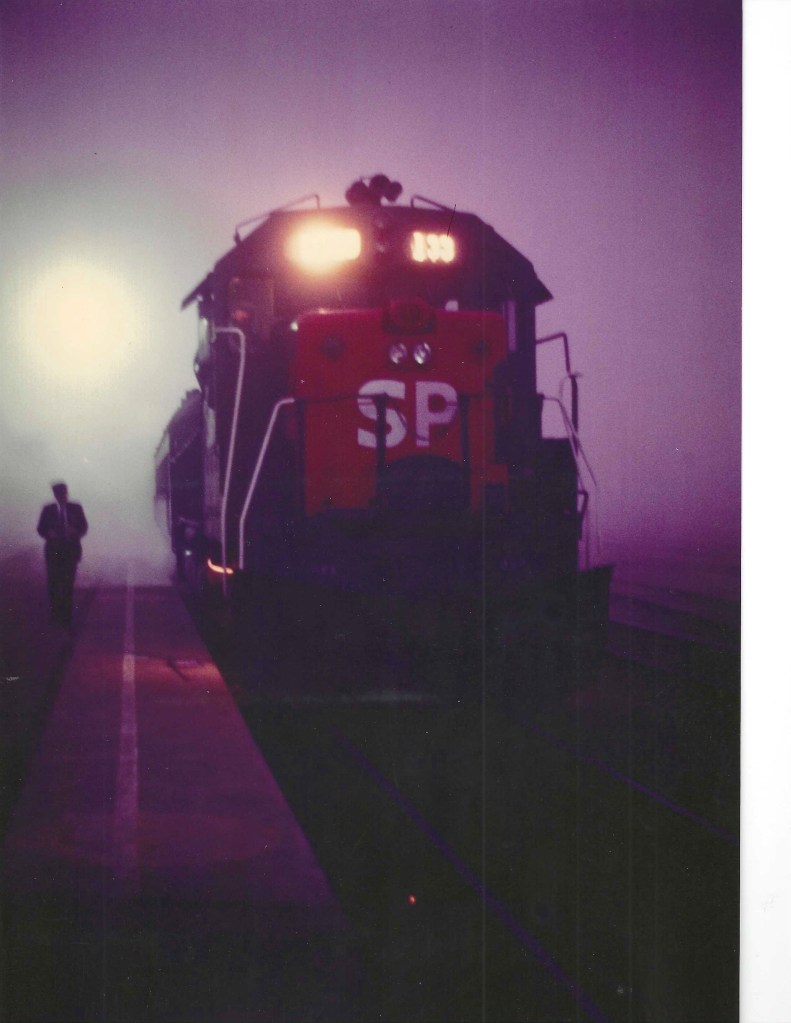
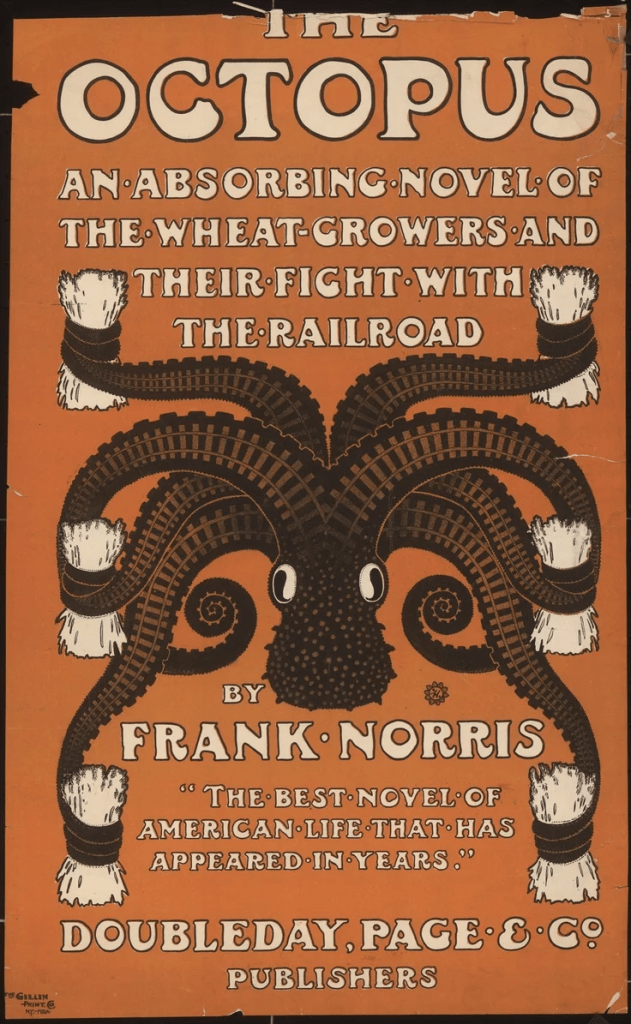
The Santa Clara Depot was built by the long-forgotten San Francisco and San Jose Railroad Company. Like most of the other small railroads in California around that time, the SF&SJ was acquired by the mighty Southern Pacific (non-affectionately known as The Octopus).
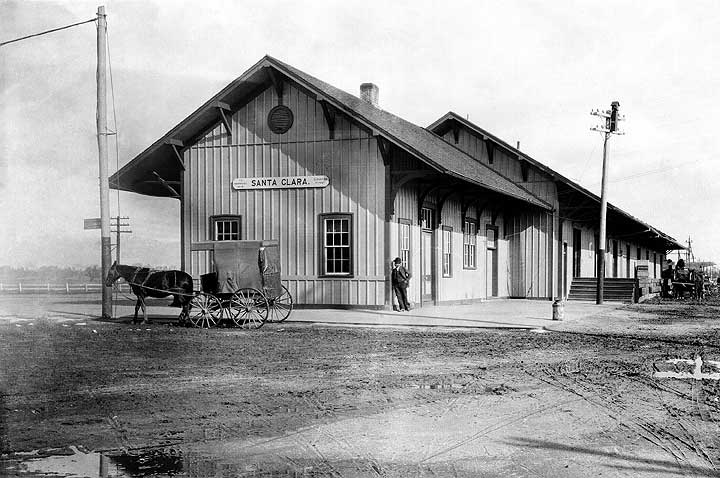
Though it’s survived for over a century and a half, the depot has undergone its share of work over the years. Notably, in 1877, the entire station was moved across the railroad tracks and joined to an existing freight facility. The historic photo below (lifted from my Uncle Edward’s celebrated Dome o’ Foam) clearly shows the original passenger depot in the front, connected to the larger freight building in the back.
As you can see from the photos I took today, the original appearance remains largely intact.
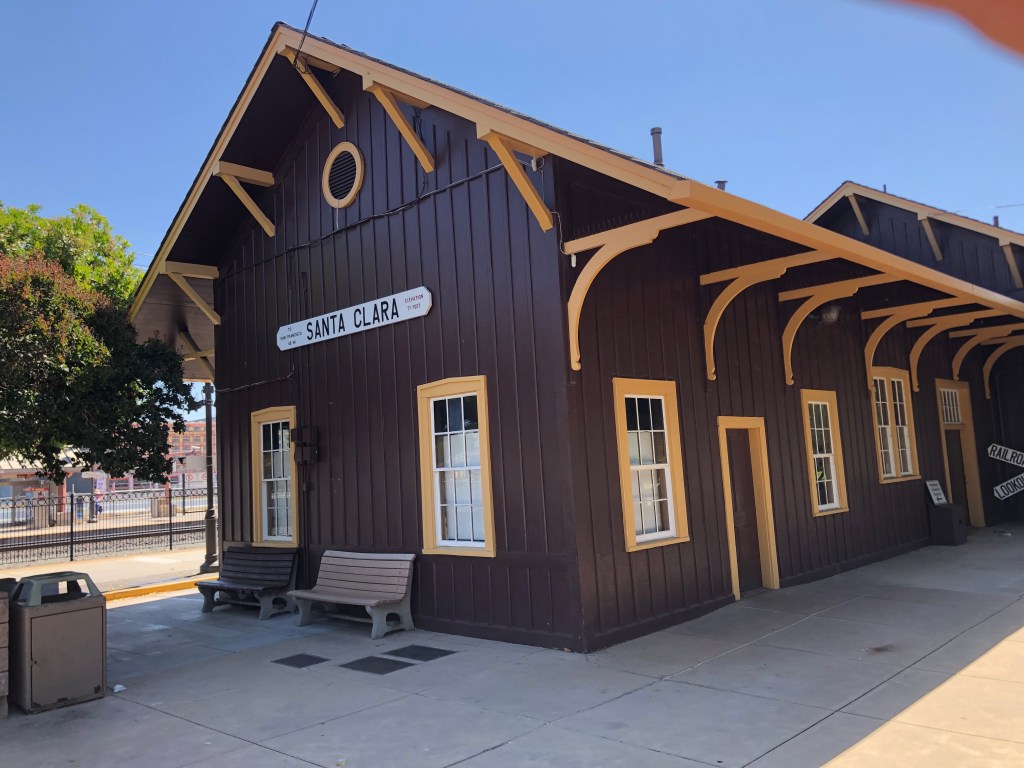
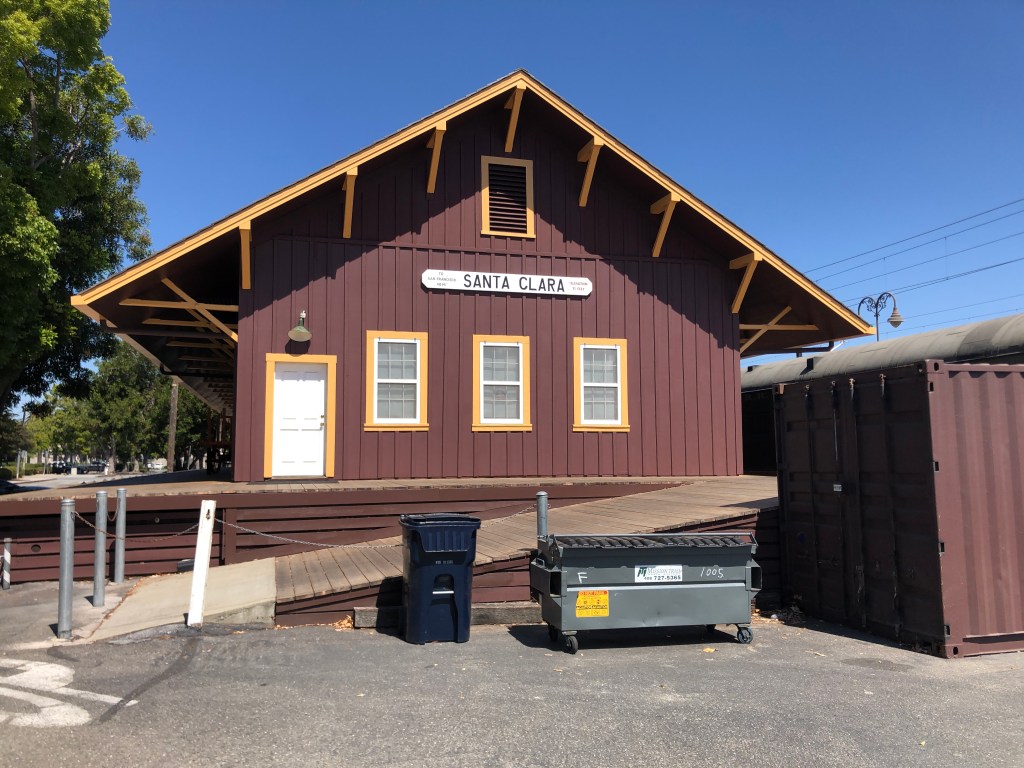
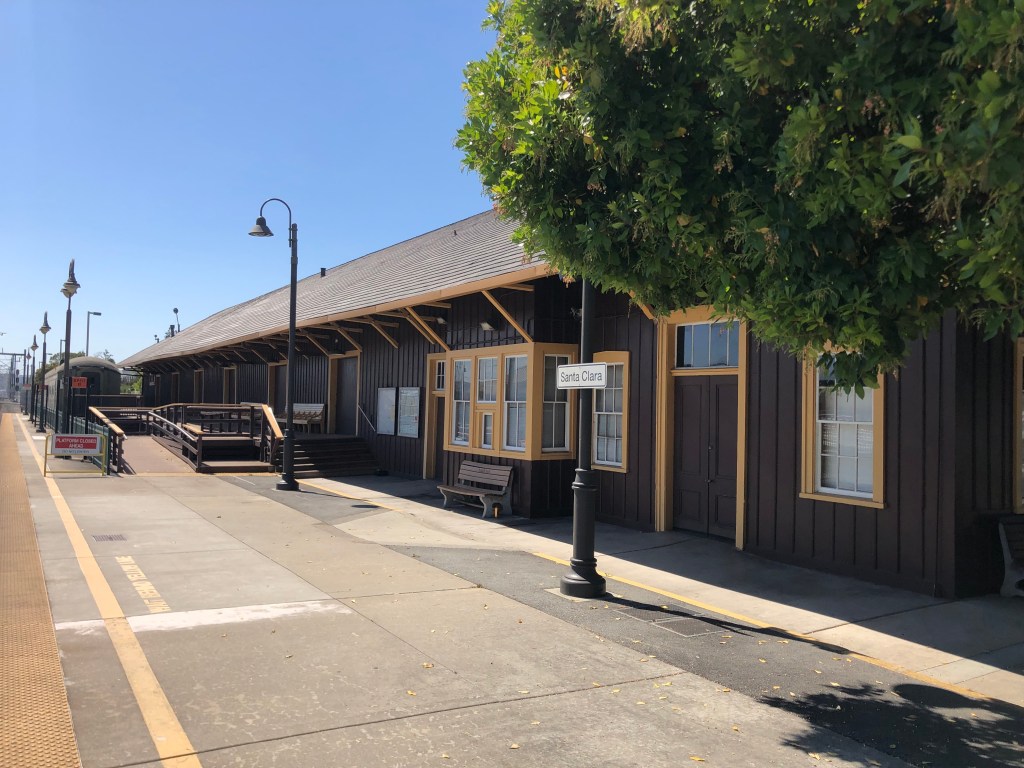
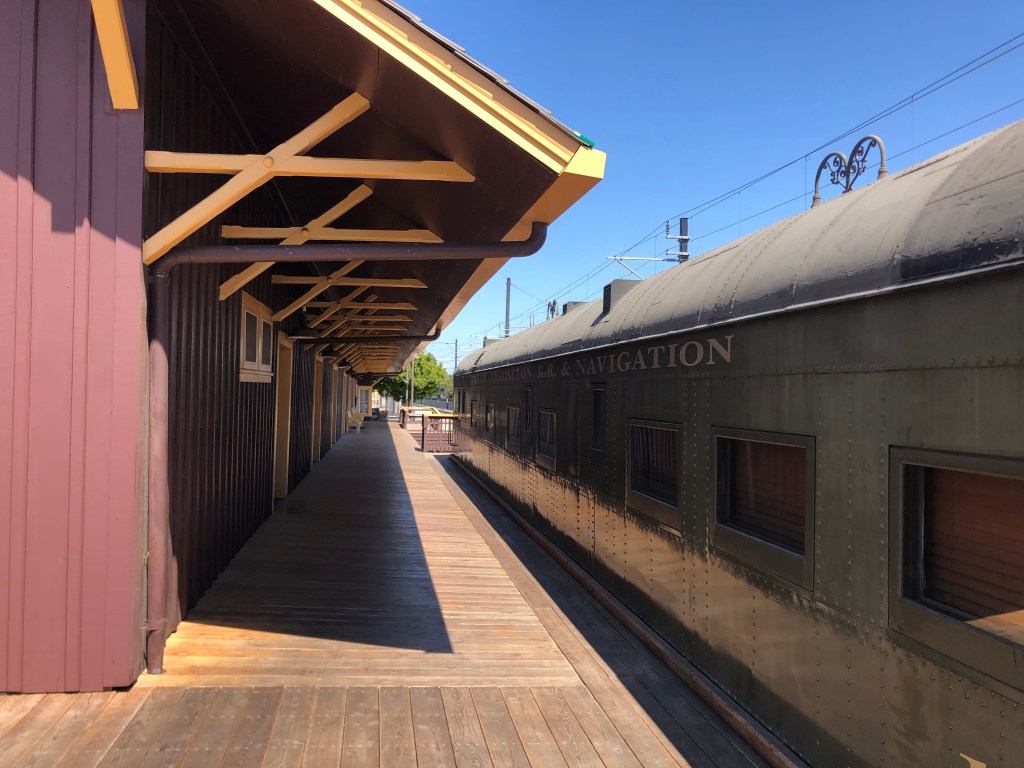
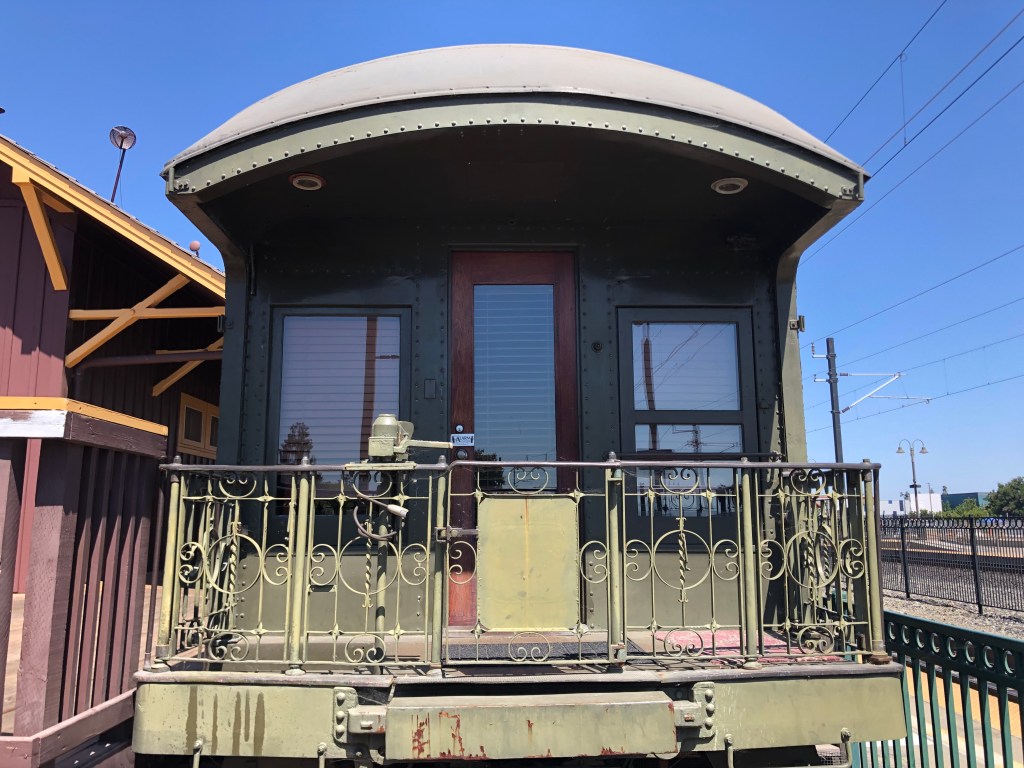
A hundred and fifty years ago, before Starbucks and shopping malls, a railroad station like this would be a major hub of activity in the community. Santa Clara Depot’s fortunes of course declined in the automobile age, but it survived the shift of passenger service to Amtrak, the demise of Southern Pacific, and the arrival of CalTrain. Indeed, the depot still had a functioning ticket office as late as 1997.
Today the depot is part of what’s called the Santa Clara Transit Center, where several rail and bus lines converge. There are also plans to eventually tie in a BART extension.
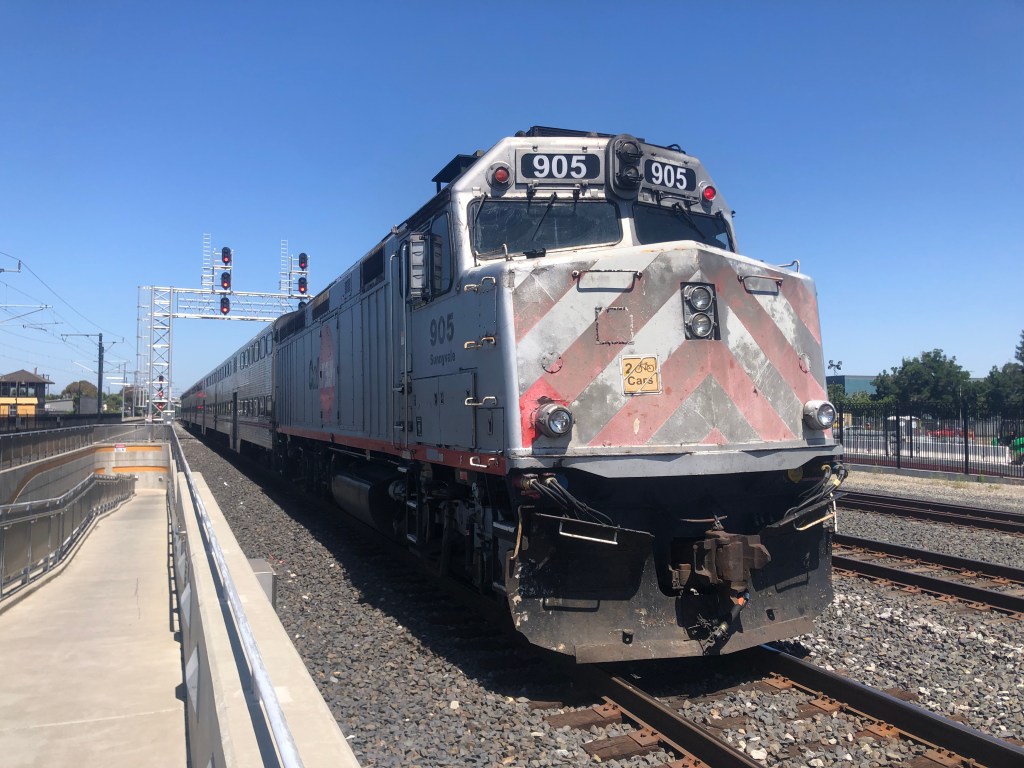
While the depot no longer offers its ticket office or waiting room or even restrooms to train travelers, it does house a railroad museum. Sadly, the museum is only open two days a week, and was closed when I was there. So I can’t report on the depot’s interior features. That said, the building lends an authenticity and ambiance to this transportation hub, and I’m pleased to see it featured so prominently.
Just a stone’s throw from the depot is another historic structure: This “interlocking tower” (whose purpose is to control rail switches in the nearby Santa Clara railyard) was constructed in 1926.
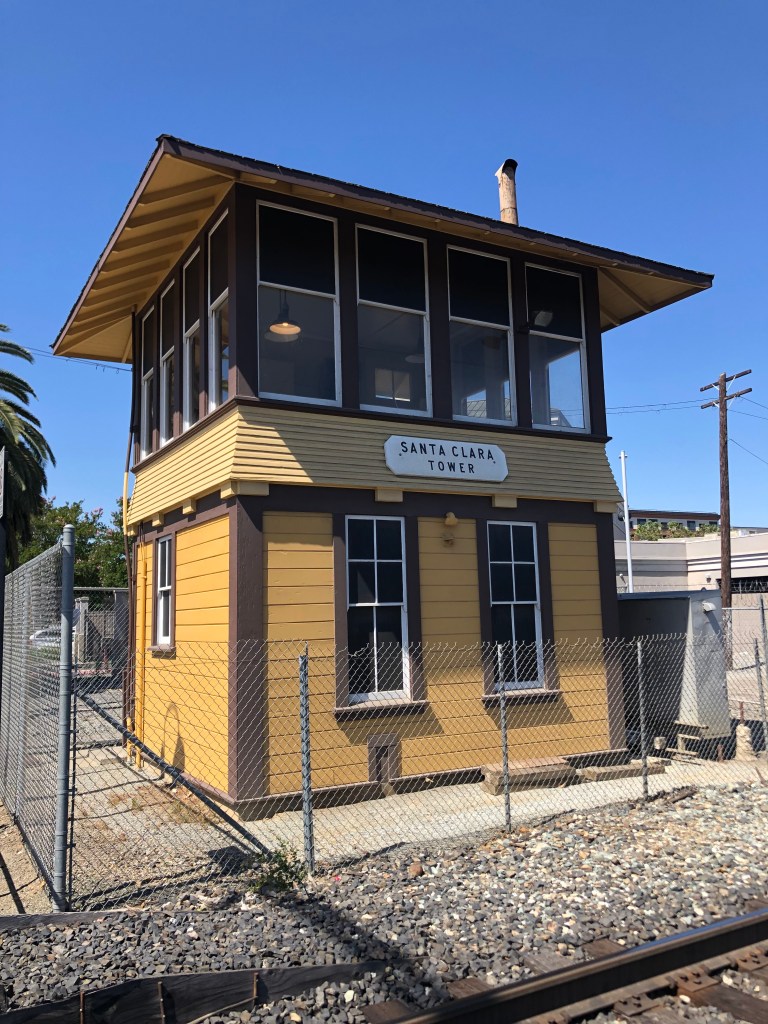
The tower was in service until 1993, when switch and signal controls were centralized at San Jose. Those of you who watched the 2010 movie Unstoppable know the risks of that kind of technological advance….
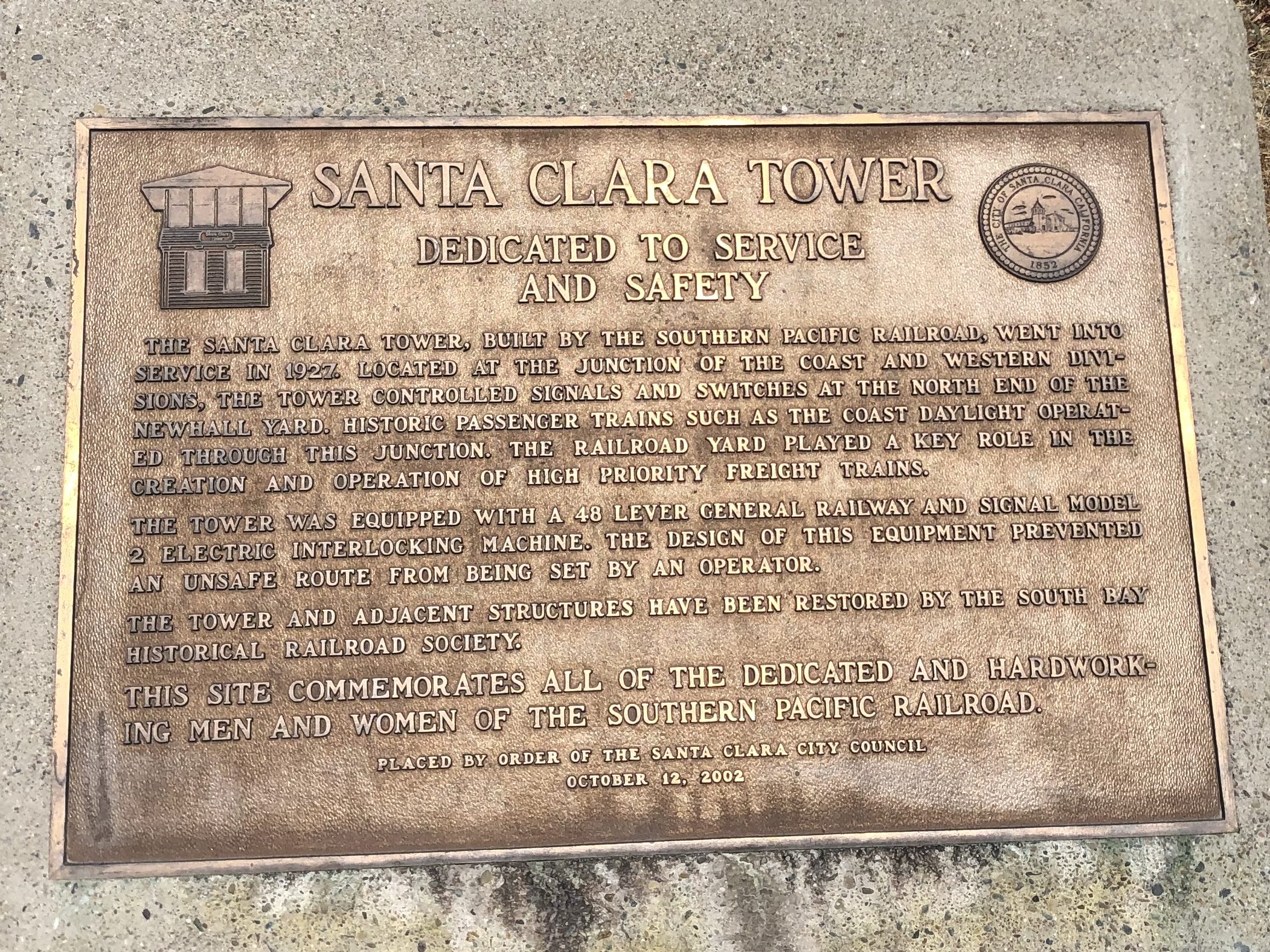
Anyway, next to the tower is a commemorative plaque installed by the City Council in 2002:
..and next to that plaque is a second one, installed by E Clampus Vitus in 2013. Note in particular the narrow secondary plaque beneath the main one:
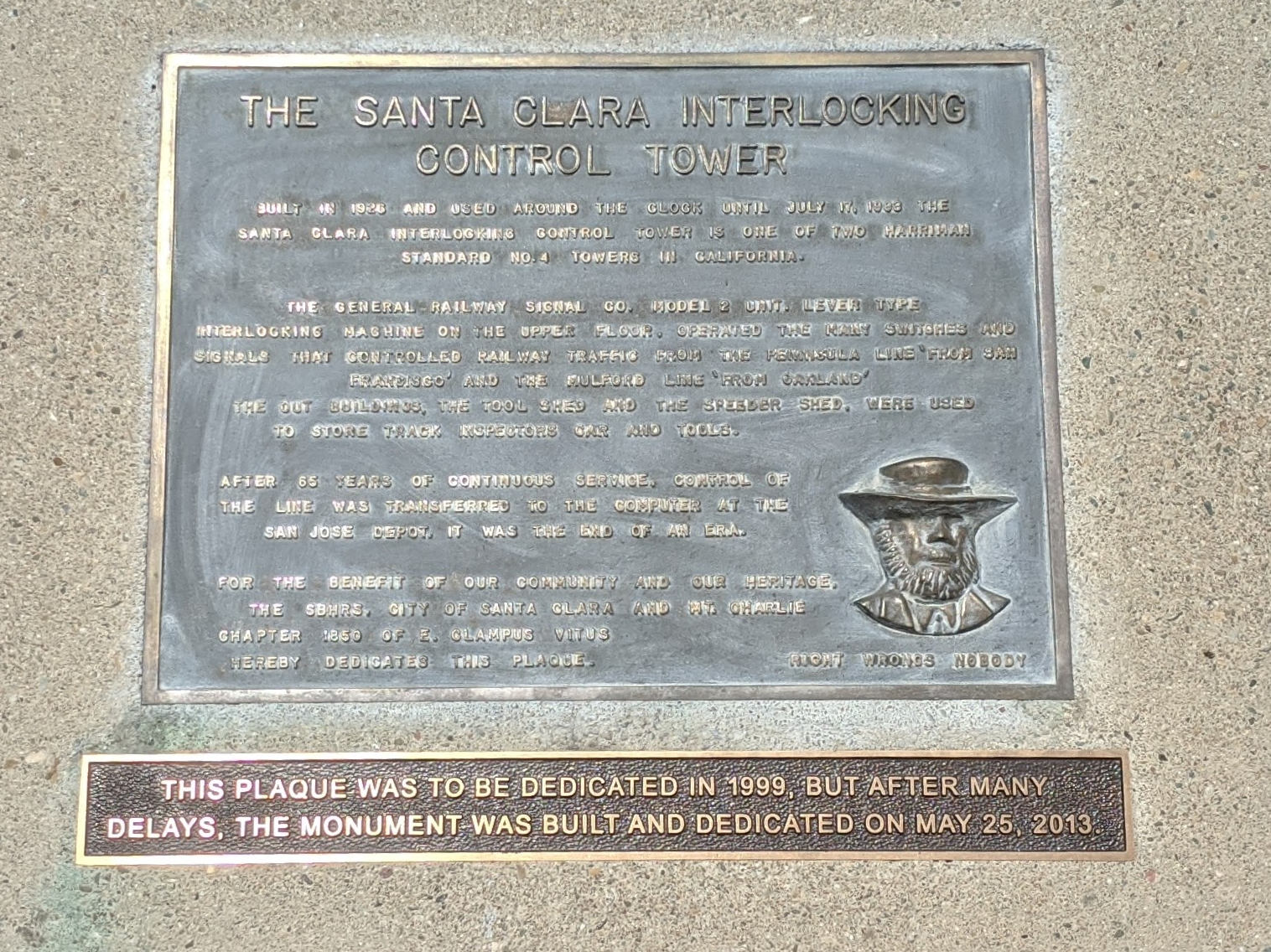
Now, there are two notable points here: First, while E Clampus Vitus installed the second plaque 11 years after the City Council’s plaque, they take pains to point out they were prepared to be first. You’ve got to wonder what caused the 14-year delay. Second, and more importantly, is this: What in tarnation is E Clampus Vitus? You see their plaques all over the west. Are they a legit historical society? A dangerous cult? An Andy Kaufman-esque hoax? You can of course get some insight to these questions through Wikipedia, but I am going to do some hard-hitting investigative journalism on this topic and present a full blog post on ECV in the near future. If any of my loyal readers is a member of the ECV (i.e., a Clamper), please contact me.
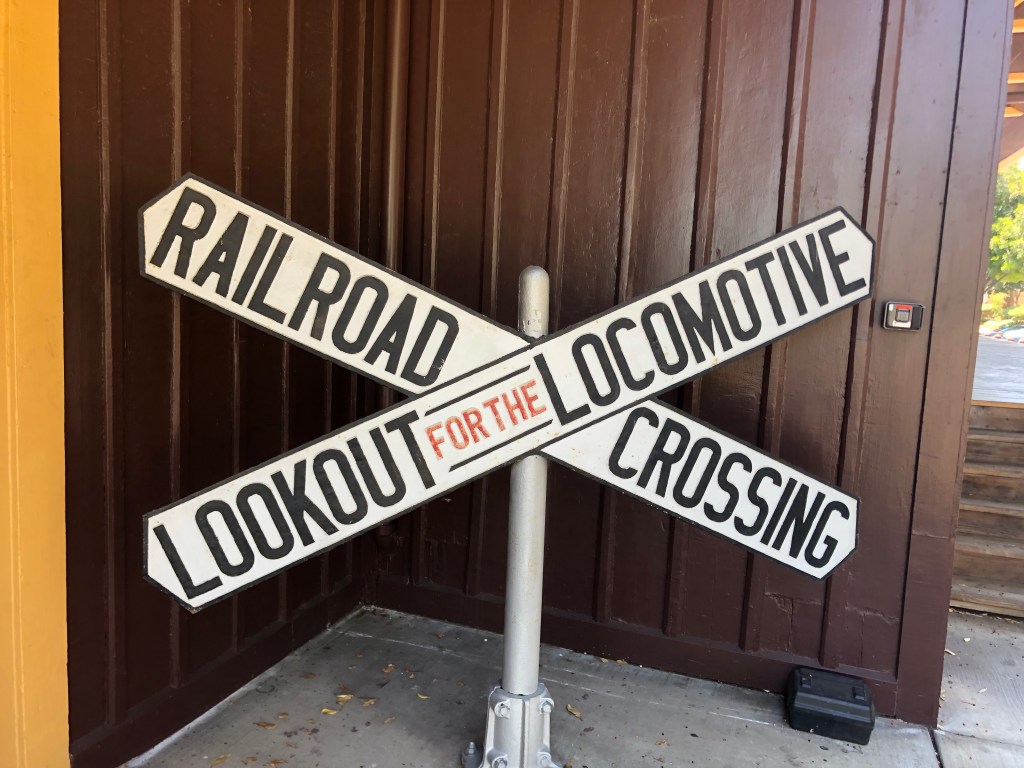
In the meantime, I leave you with this sign that stands at the Santa Clara Depot, which raises a question that a Clamper might ask: Who is the “Lookout” for the locomotive?
 Chasing Phantoms