I like to think of Sacramento as a railroad town. Though it’s the capital of California and a thoroughly modern city of over a half-million residents, it owes much of its success to its location as the western terminus of the first transcontinental railroad (and, of course, its proximity to the Sierra foothills during the Gold Rush). Founded in 1850, Sacramento was the headquarters of the Central Pacific Railroad, which in 1863 began laying track from what is today Old Sacramento toward Promentory Point, Utah, where it connected with the Union Pacific’s tracks.

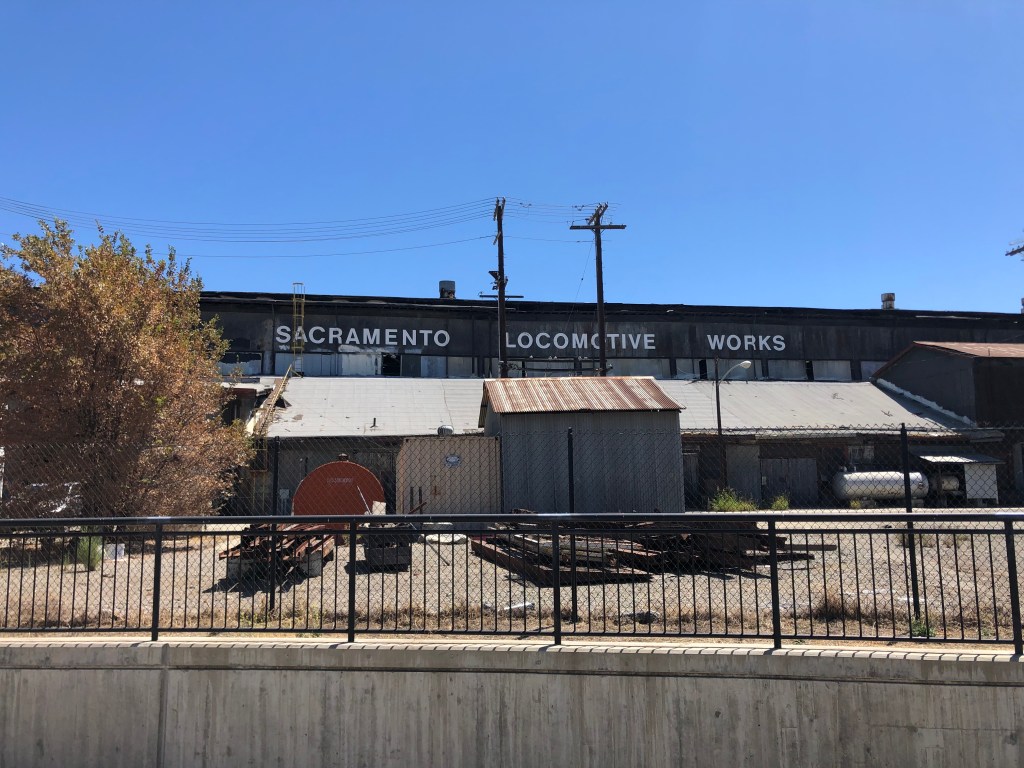
The Central Pacific (which later became the Southern Pacific) centered most of its locomotive-building and repair operations just north of downtown, on a reclaimed swamp that was formerly called China Slough. Buildings were erected starting in the 1860s, and they eventually became a sprawling complex that employed tens of thousands of workers. It would remain a major part of Sacramento’s industrial landscape until the late 1990s (!), when new owners of the railroad consolidated operations elsewhere and shut down the Sacramento shops.
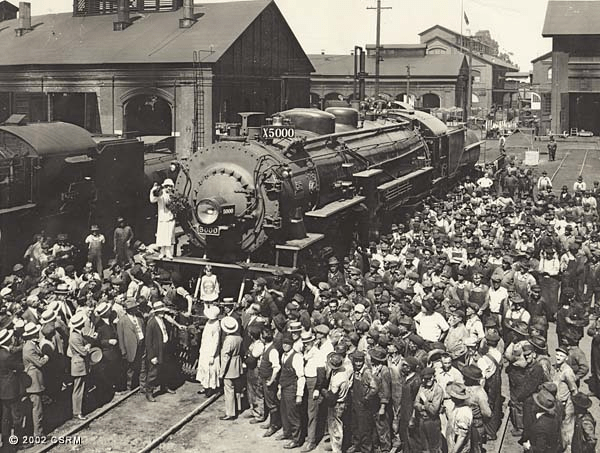
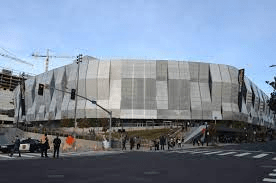
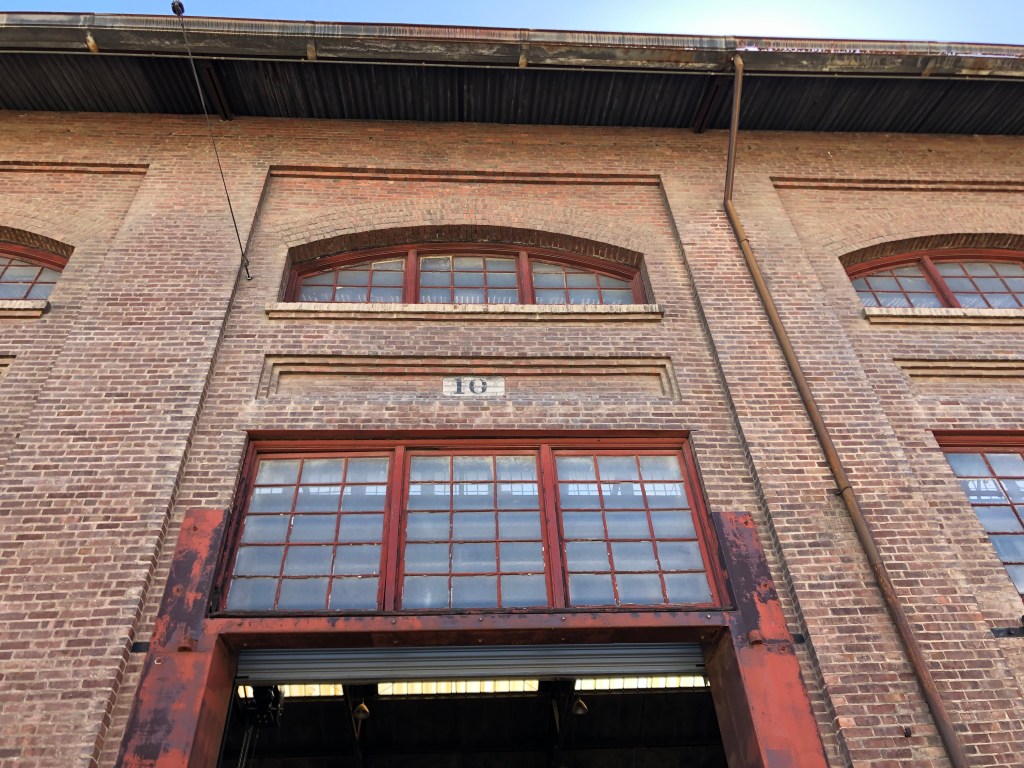
Now, here’s the intriguing part: While so many of Sacramento’s historic sites have been razed (I’m looking at you, Alhambra Theater), a number of the Central Pacific shop buildings are still standing–even a couple of the ones that date back to the mid-to-late 19th century. And not only are they still standing, but they look very much as they did for much of the 150-year history. What’s more, they’re once again being used to work on vintage railroad equipment. (More on this in a moment.) There’s something reassuring about knowing that these pieces of Sacramento–and US–history are still with us, tangible reminders of an ancient but formative past of iron and steam, standing in the shadow of Interstate 5 and just a short distance from the dubious modernity of the Emerald City Building and Golden 1 Center.
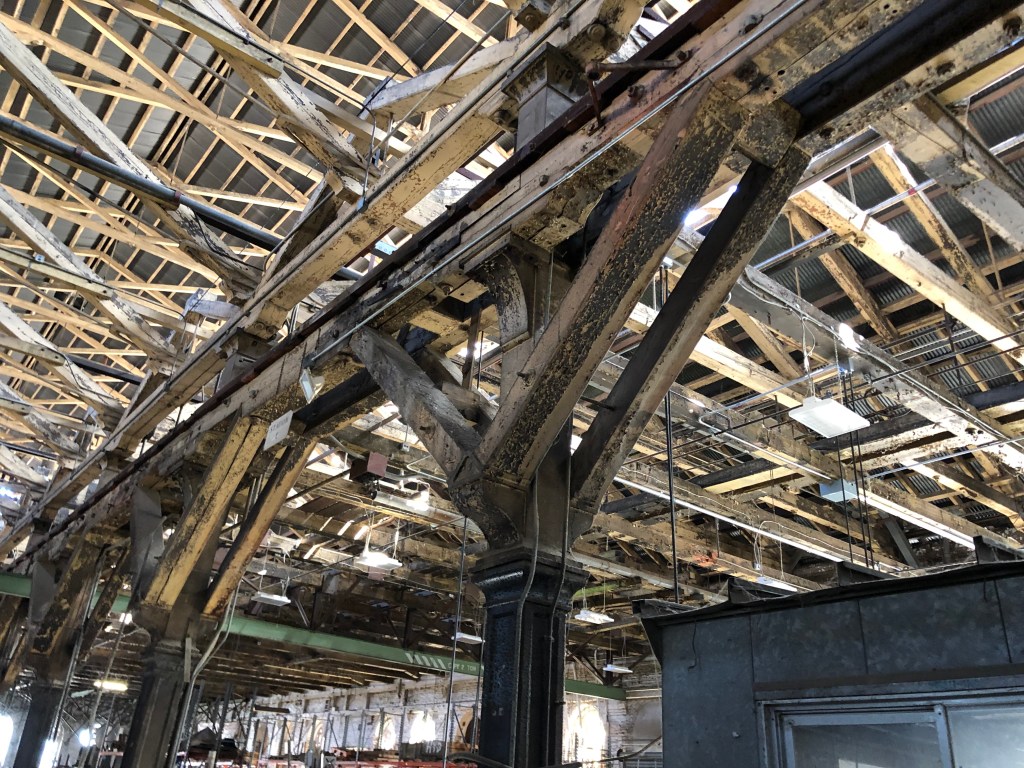
The reason I mention all this is because I had the rare opportunity to tour the Shops this morning, guided by the doughty docents of the California State Railroad Museum (CSRM). For it turns out that one of the historic shop buildings (the Boiler Shop) is now owned by CSRM, and a second (the Erecting Shop) (insert middle-aged male joke here) is being leased by CSRM with an option to buy. The CSRM uses these buildings to store and service locomotives and other equipment in their collection. The number of employees working in the shops today can be counted on one hand, but the legacy nonetheless continues.
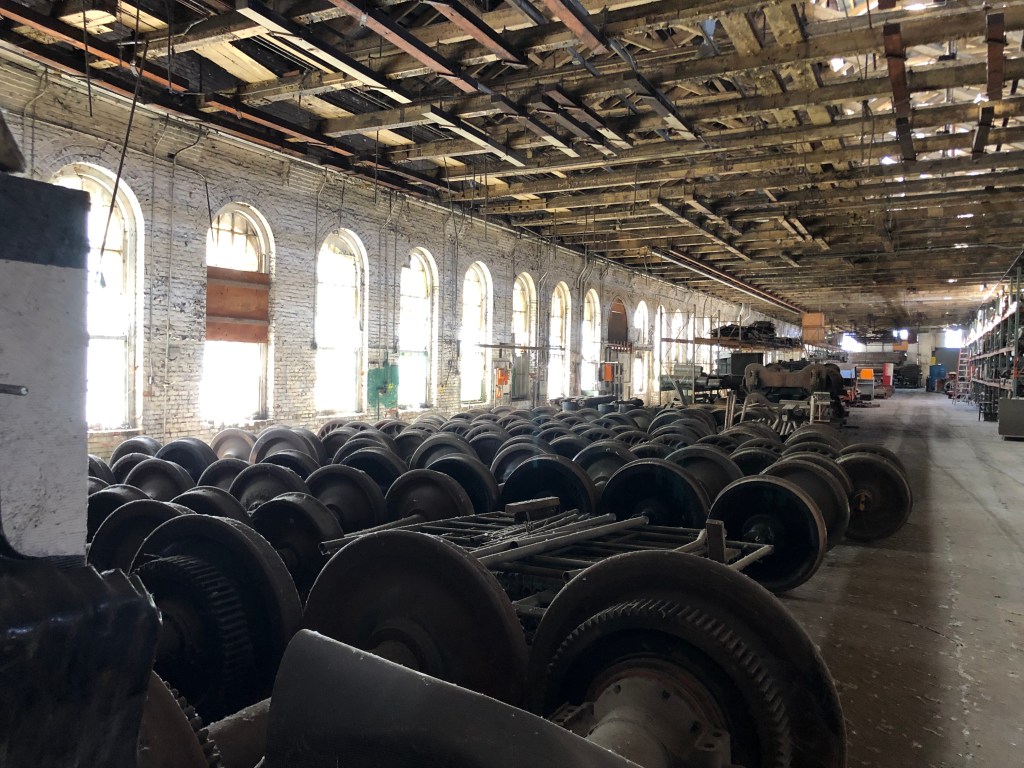
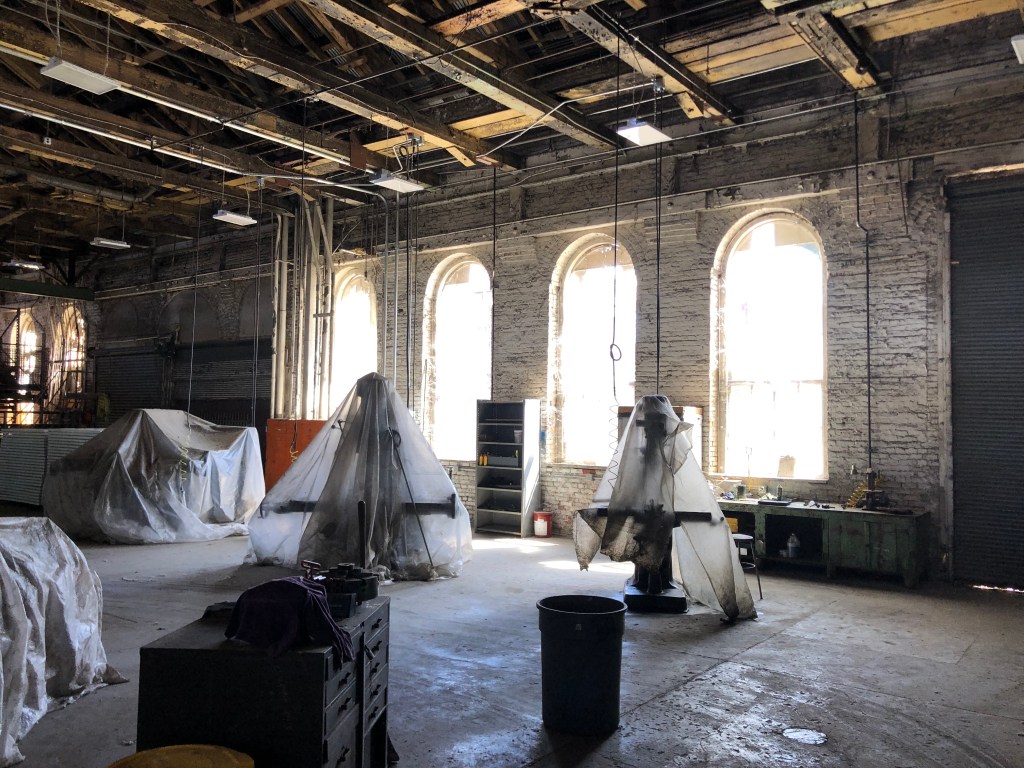
Now, there are three things I want to emphasize about the Shops. First, these are cavernous spaces, sometimes metaphorically called “cathedrals” in honor of their high ceilings, majestic architecture, and sacred purpose (I made that last one up).
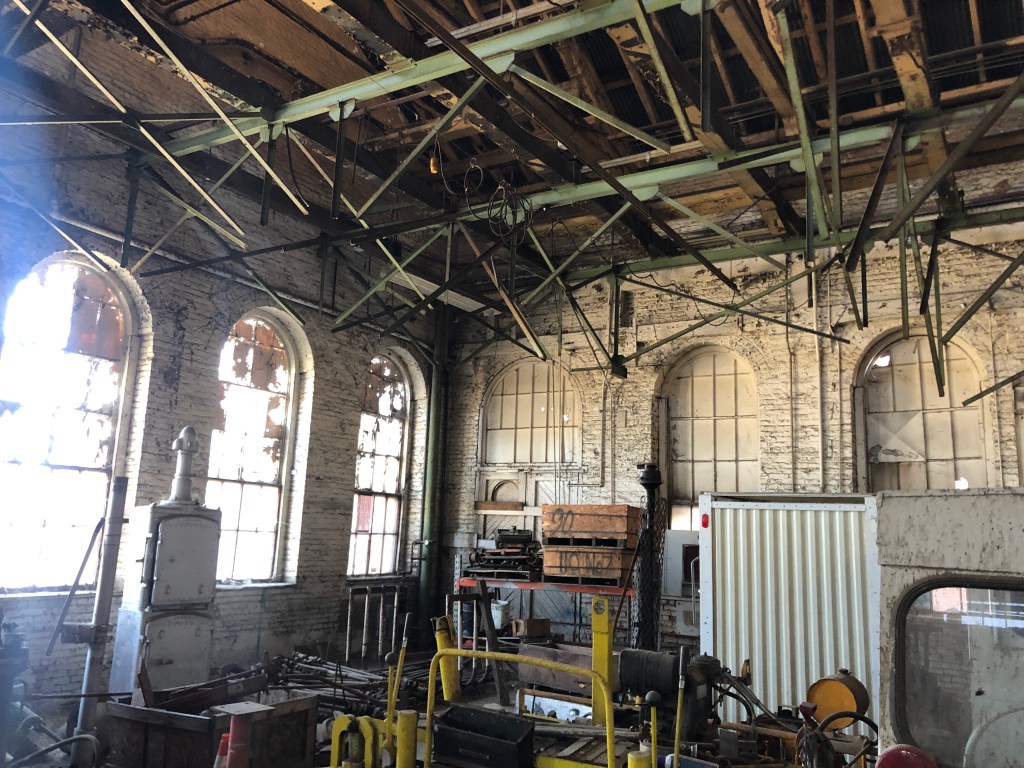
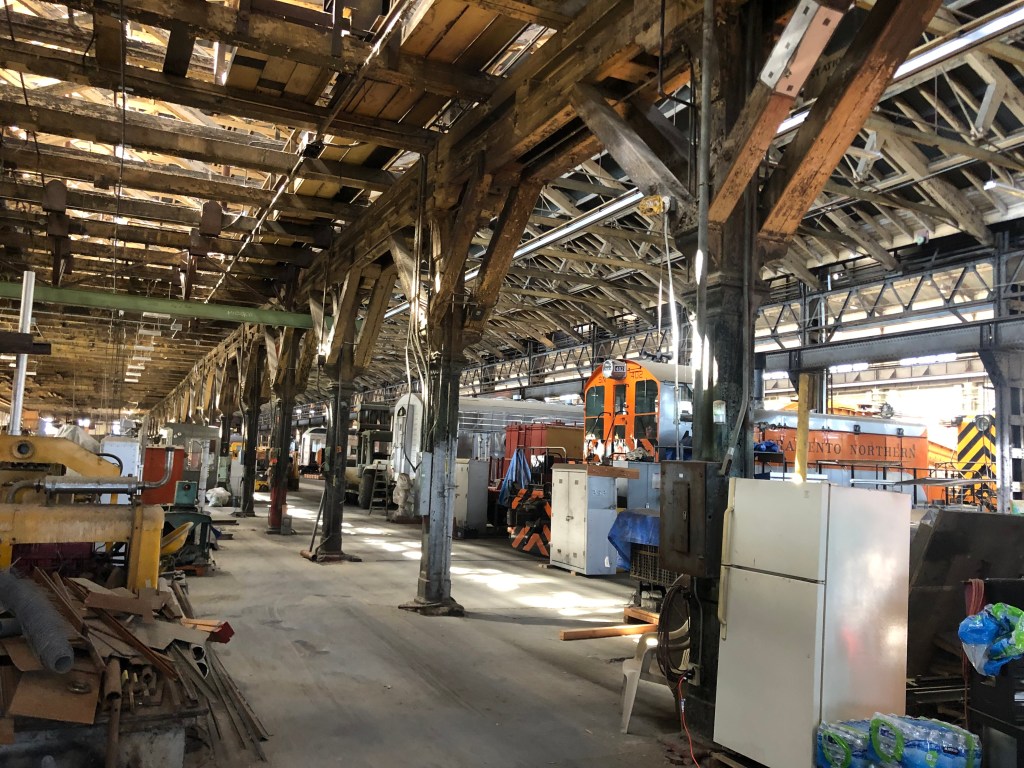
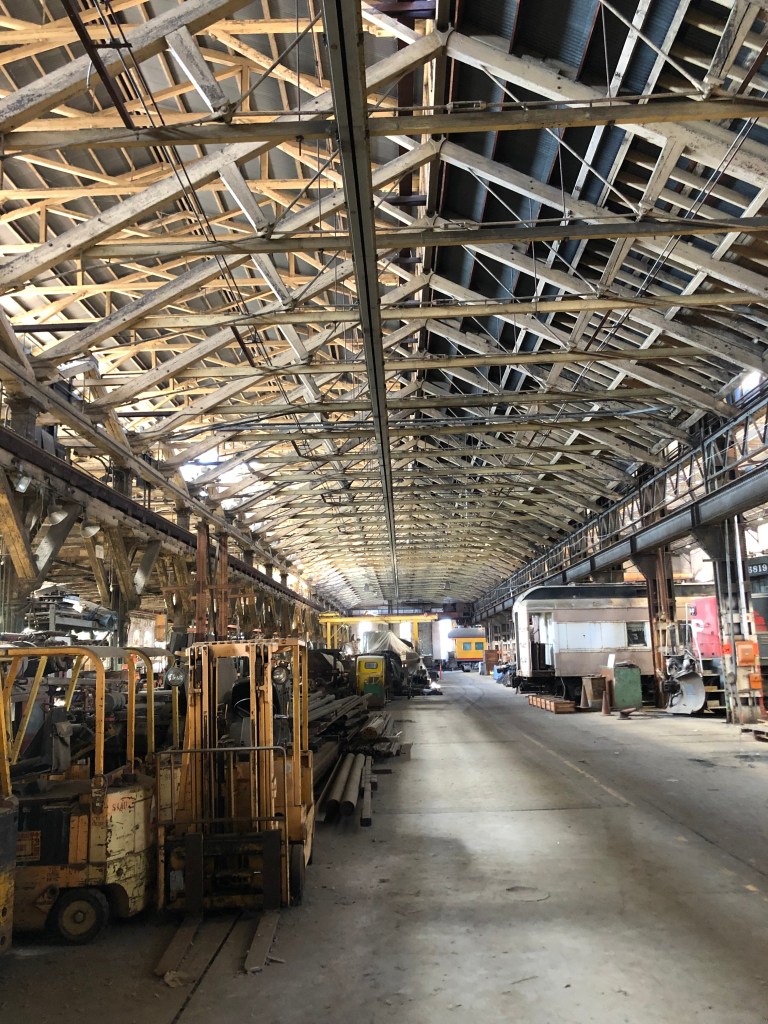
Second, the CSRM has filled much of the space with locomotives and other rolling stock from its extensive collection. These are not currently on display for the general public (though they sometimes find their way into the main CSRM museum building). But the CSRM receives many donations for which it’s not yet ready to restore and display, so they find their way here.
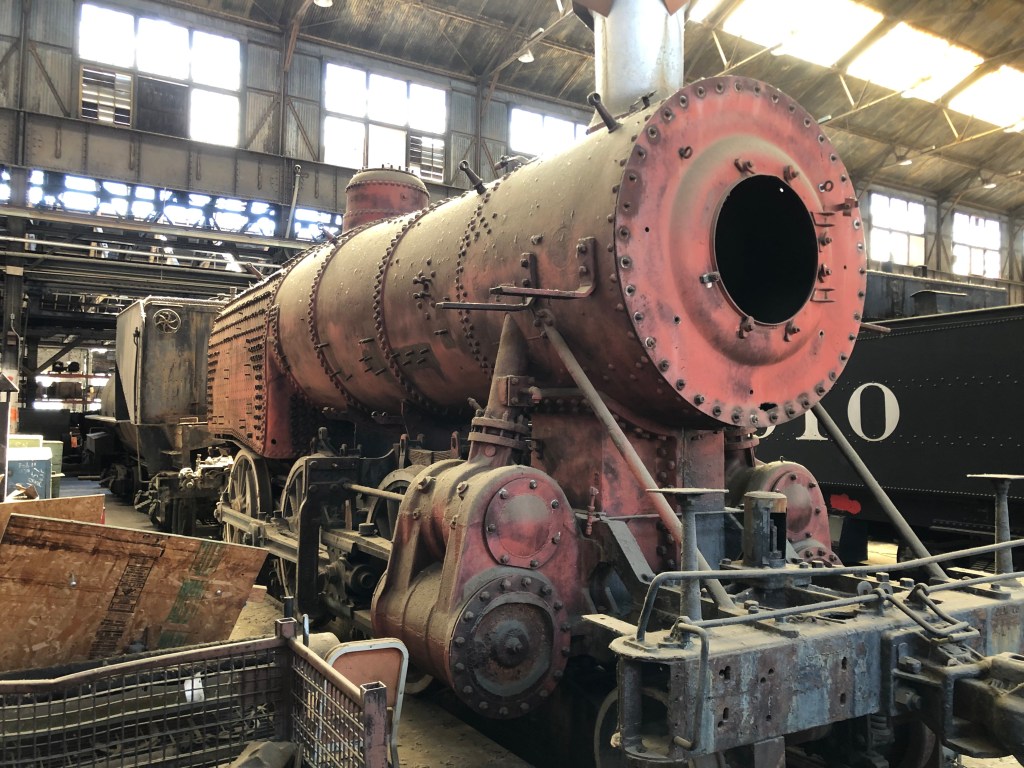
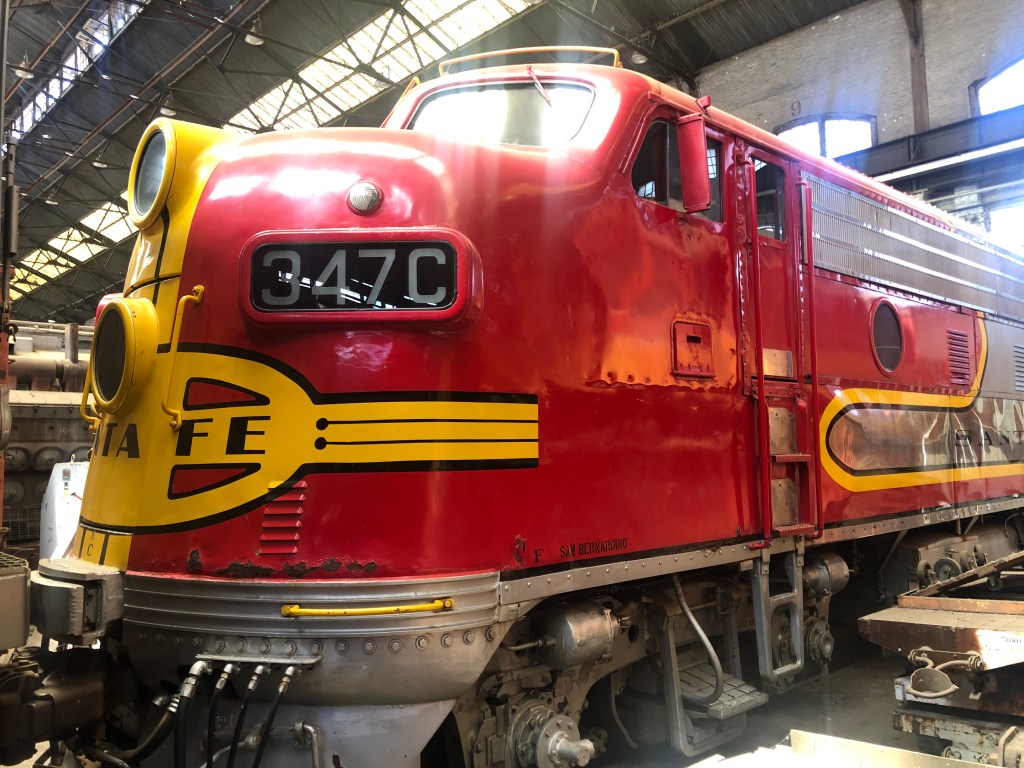
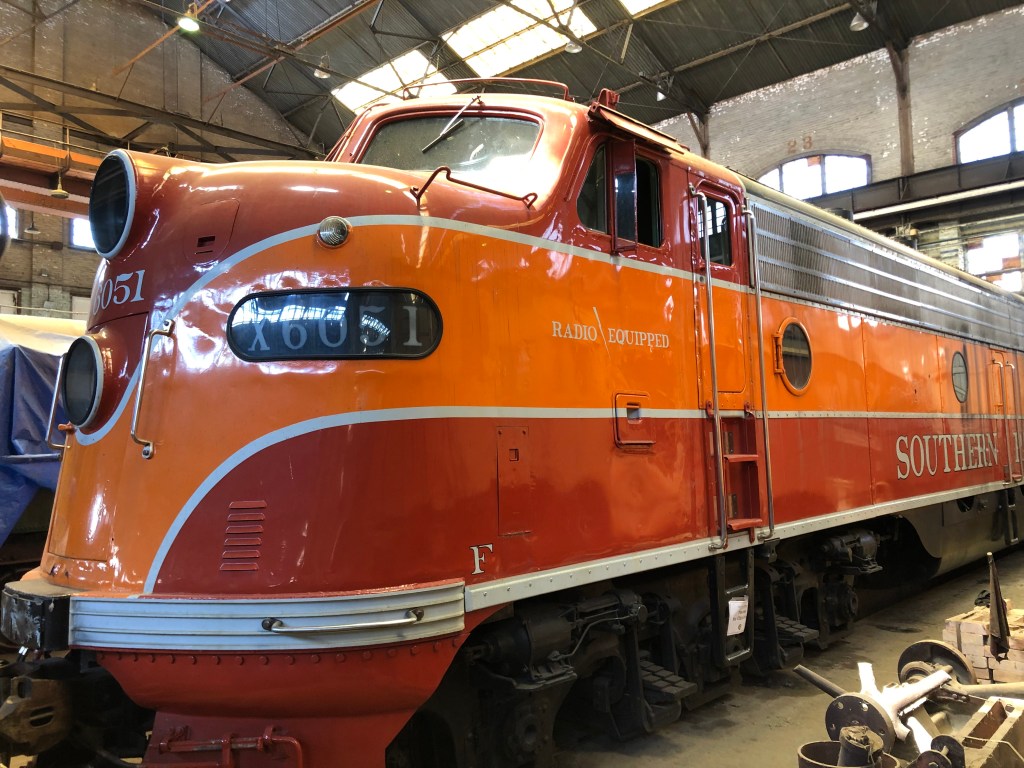
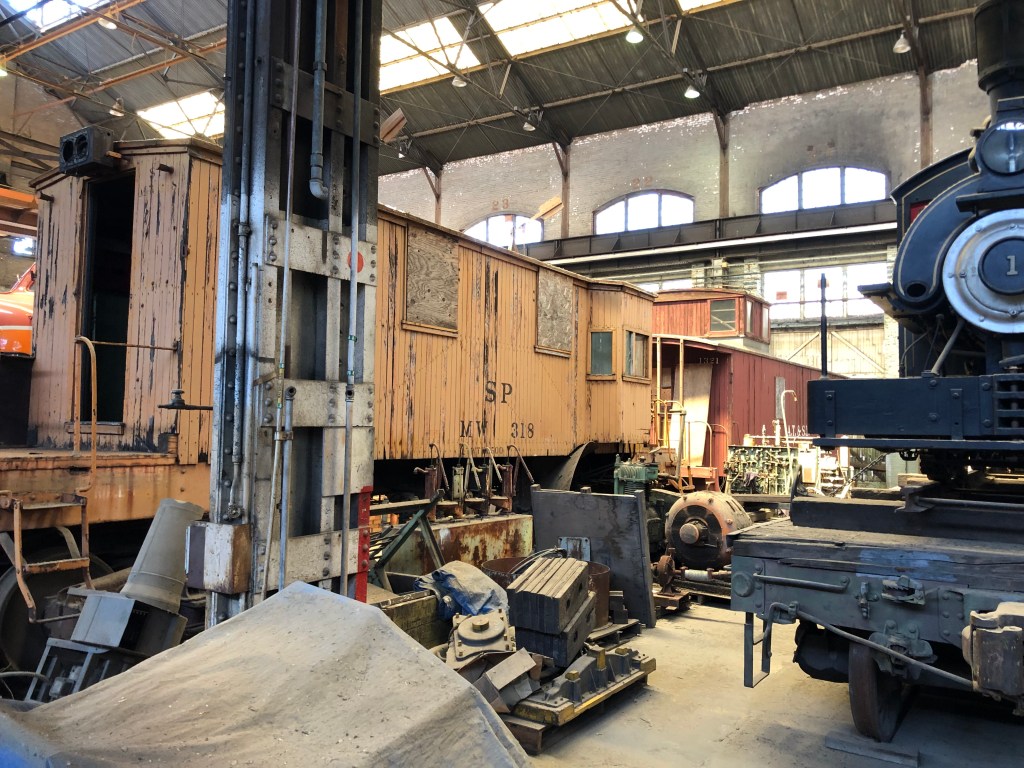
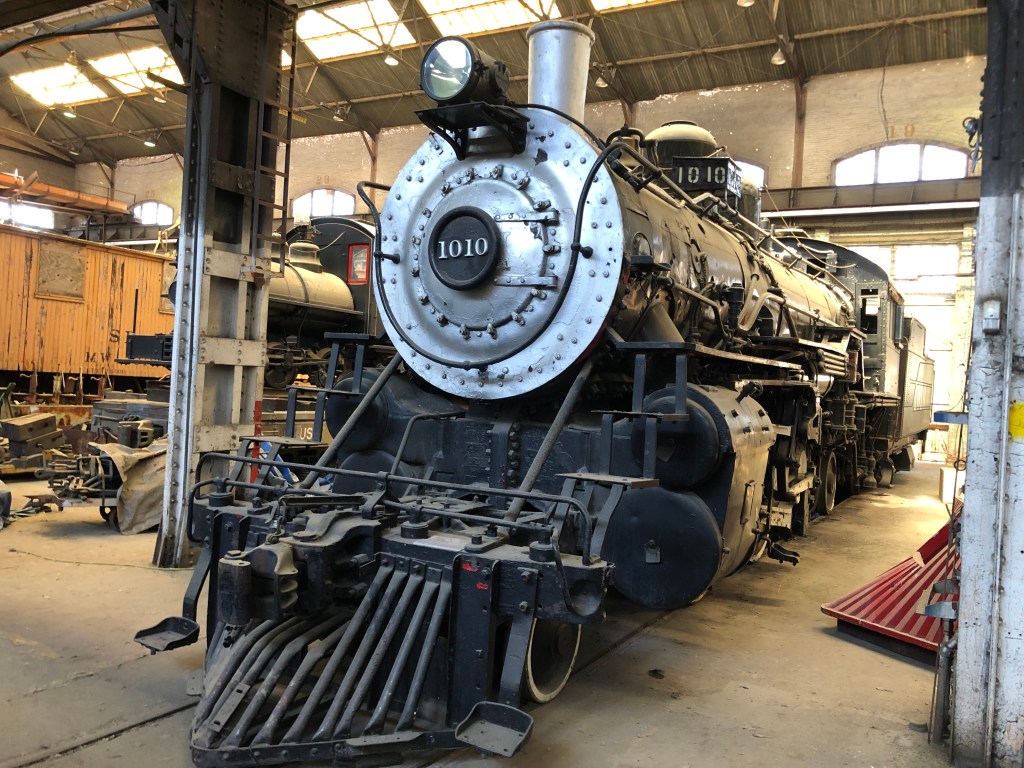
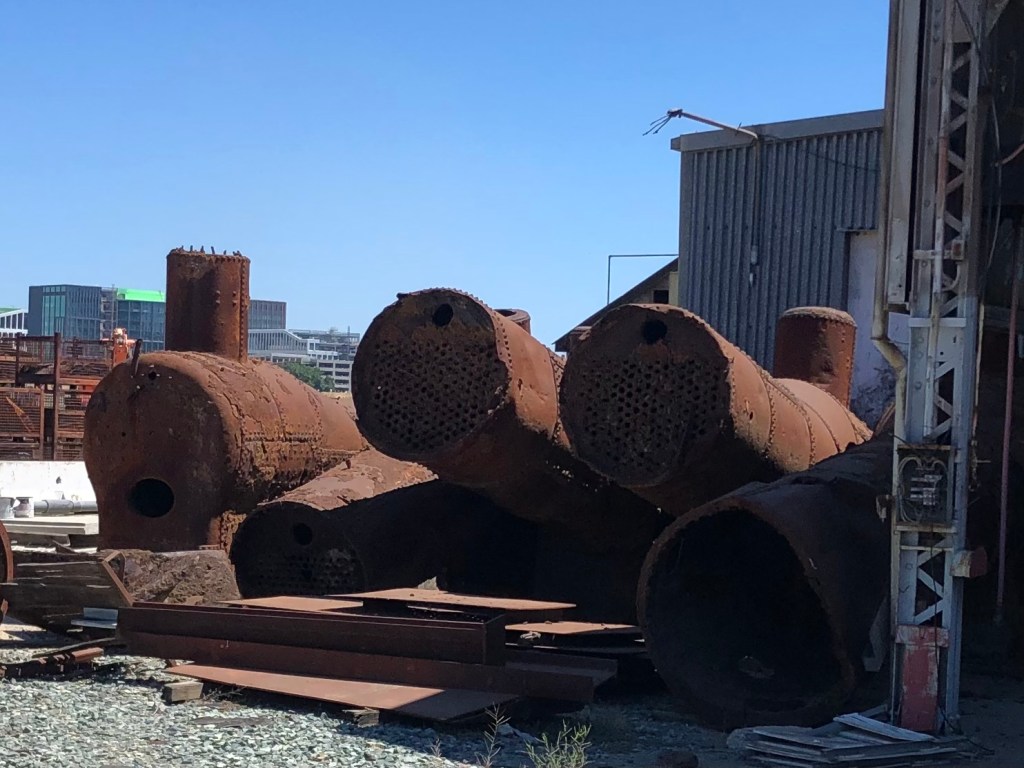
Third, the shops harbor a number of artifacts that really don’t fit neatly into any category, and as such will probably never be part of a museum display. But it’s electrifying to be able to simply walk past them.
In conclusion, I feel compelled to say “God bless the CSRM and the city of Sacramento” for preserving this hallowed ground from a critical stage of our history. It’s difficult to articulate just how unique and important this property is. I strongly encourage you to visit the CSRM and walk the block or two from the museum to also view the outside of the Shops from the Amtrak platform at the Sacramento Depot. (The Depot itself will be the worthy subject of a subsequent blog.) For the moment, the Shops are not open to the general public. But if you’re willing to become a docent of the CSRM (as I have just done), you’ll get your own guided tour. That’s worth the price of admission. Trust me.
 Chasing Phantoms