Breweries · Road trips

Land of the Giants

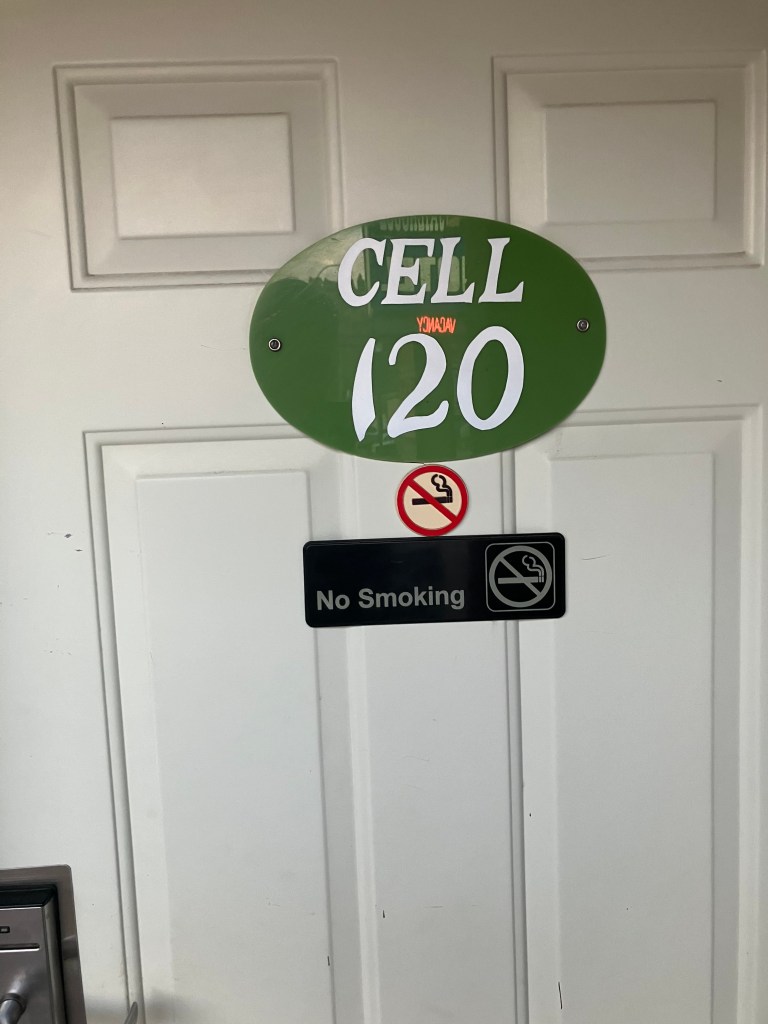
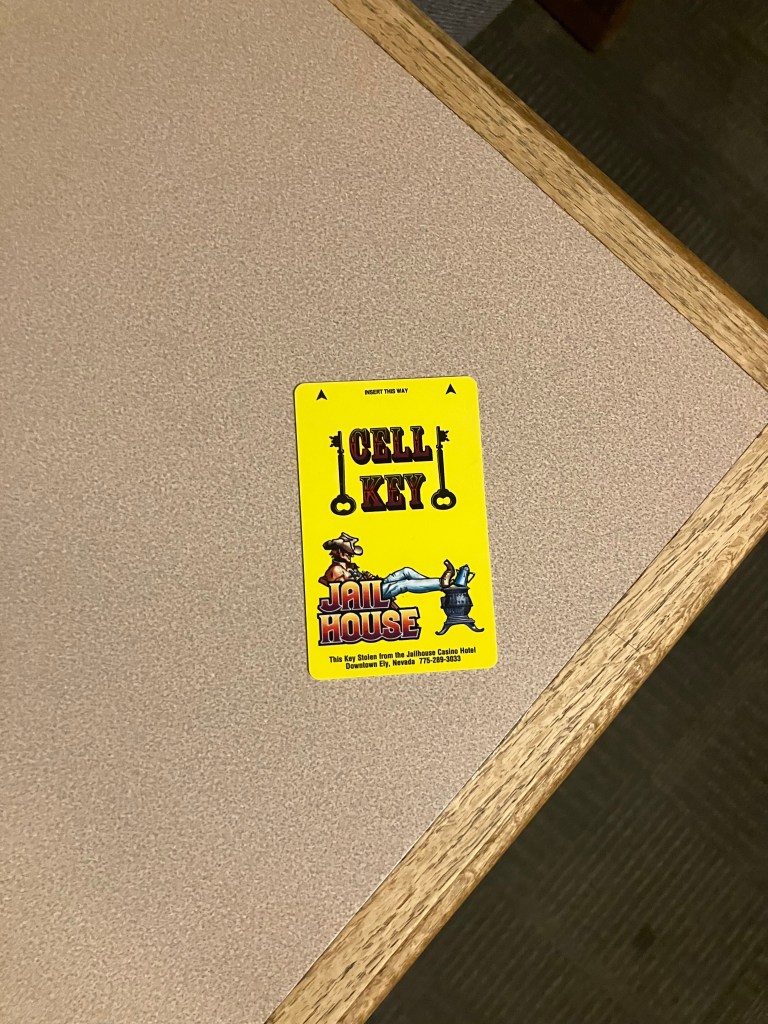
This morning I checked out of the Jailhouse Hotel early. I returned my hilariously-labeled “cell key” to the “warden” at the reception desk.
While I waited for the warden to finish processing my paperwork I glanced around the lobby and spotted this blast from the past:
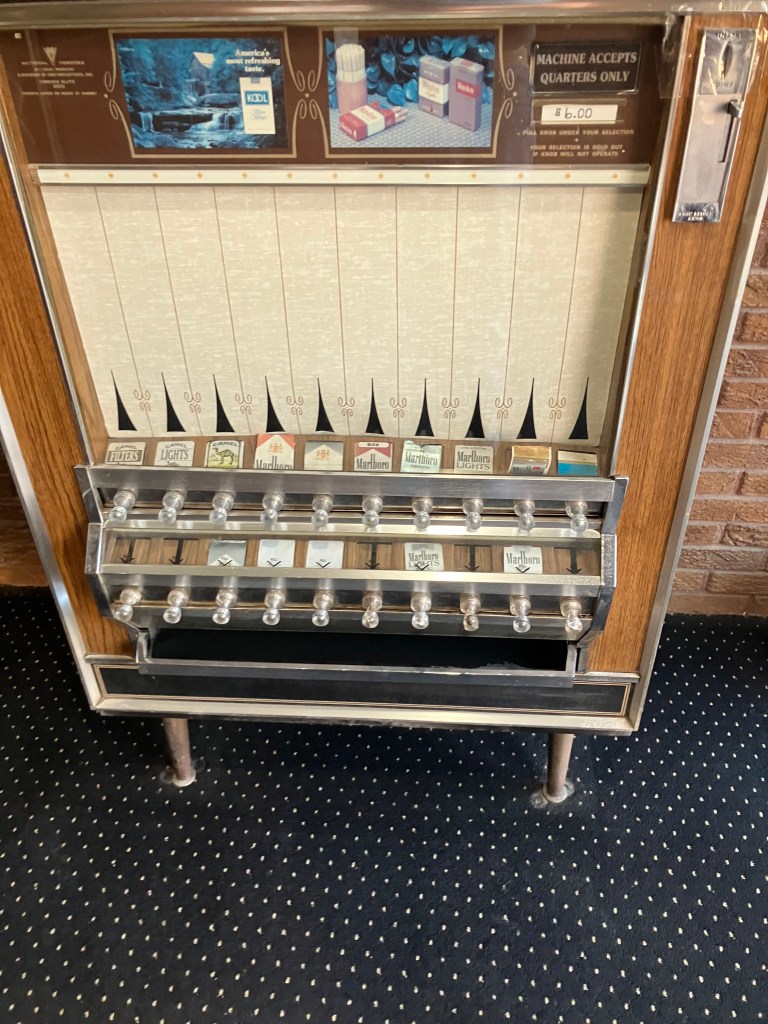
Is anyone old enough to remember these?

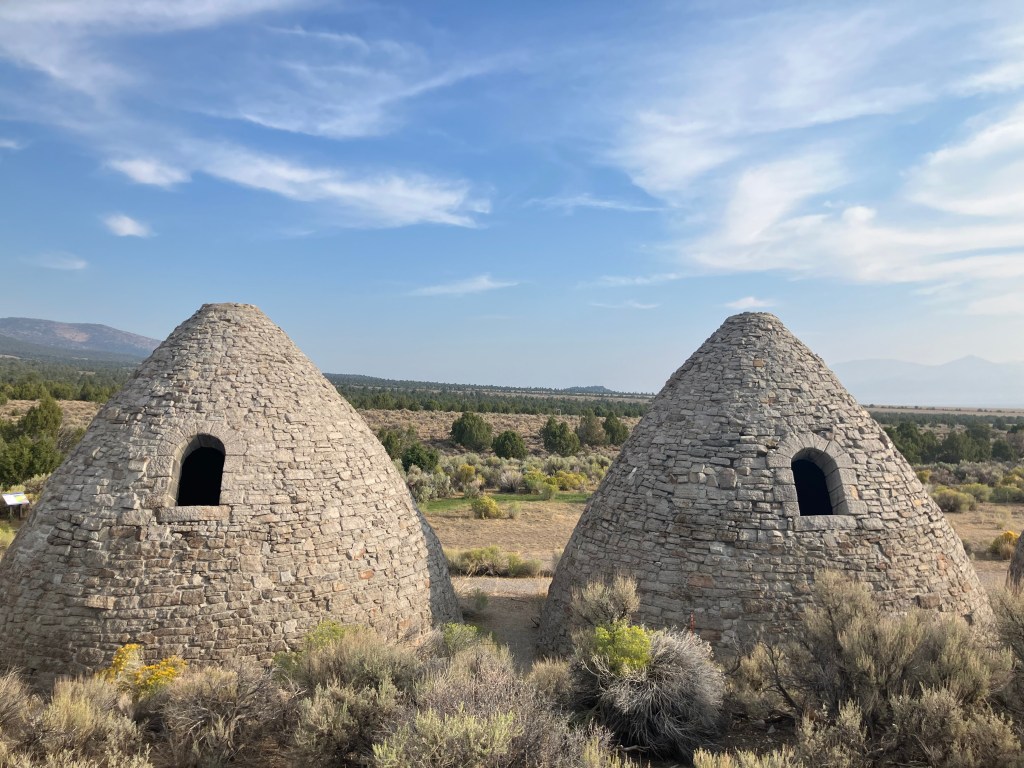
Eventually I was liberated from the Jailhouse and back in my car. On my way out of Ely I spied a sign for the “Ward Charcoal Ovens.” It looked like a minor detour on a dirt road, so I followed the sign. I’m glad I did. After a few dusty miles I encountered a collection of enormous, well-preserved, 19th-century ovens that had been used for making charcoal. Standing about 30 feet high, these are gigantic, otherworldly artifacts in the middle of nowhere.
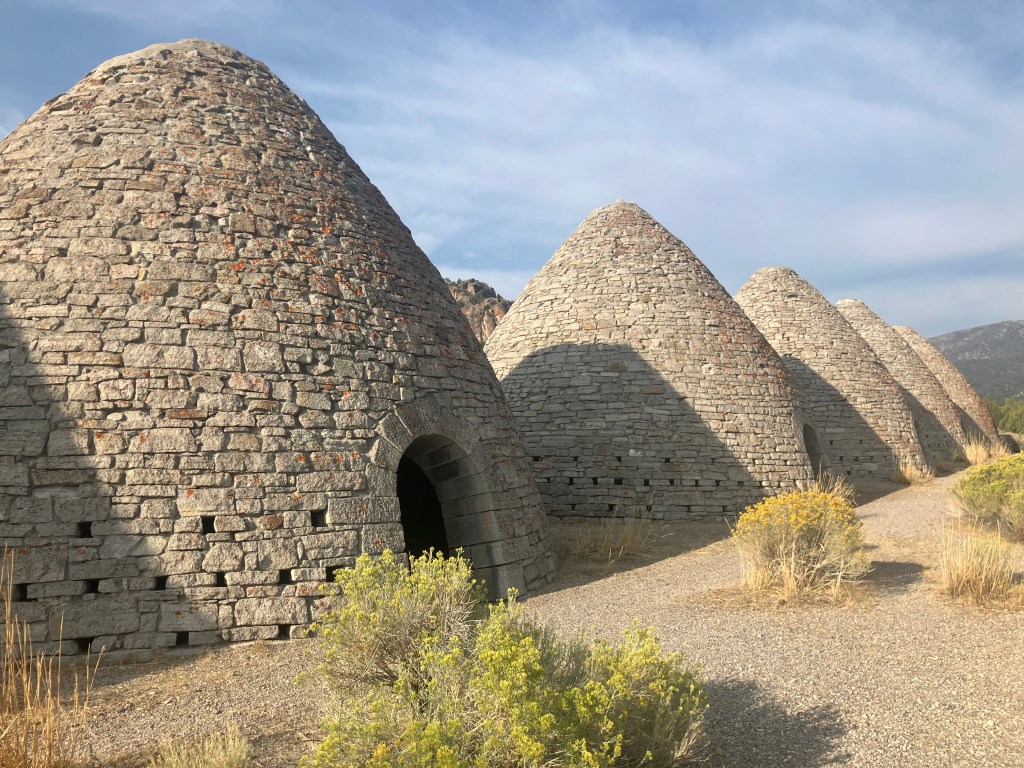
The ovens were used to transform pinion pine and juniper into charcoal, which in turn was used to fire the smelters that melted ore during Nevada’s silver rush in the 1870s. These ovens were only used for a few years until the silver ran out, yet they’ve been standing for about a century and a half. I was impressed by how well-preserved they are. Not a speck of graffiti, no trash on the ground, and virtually no damage to the stone. (A ranger I talked to informed me that there has been some minor restoration work done to the mortar.)

The ovens (which somehow seem a little creepy to me, even in broad daylight) were a product of the era, when physical challenges (like melting ore) were met with ever-larger infrastructure (bigger locomotives, larger dams, these enormous ovens), rather than, say, intricate technological advances. It’s simultaneously awe-inspiring and incredibly wasteful. About 6 acres of trees would have to be felled each time an oven was filled, and after only a couple of years all the trees in the area had been cut down.
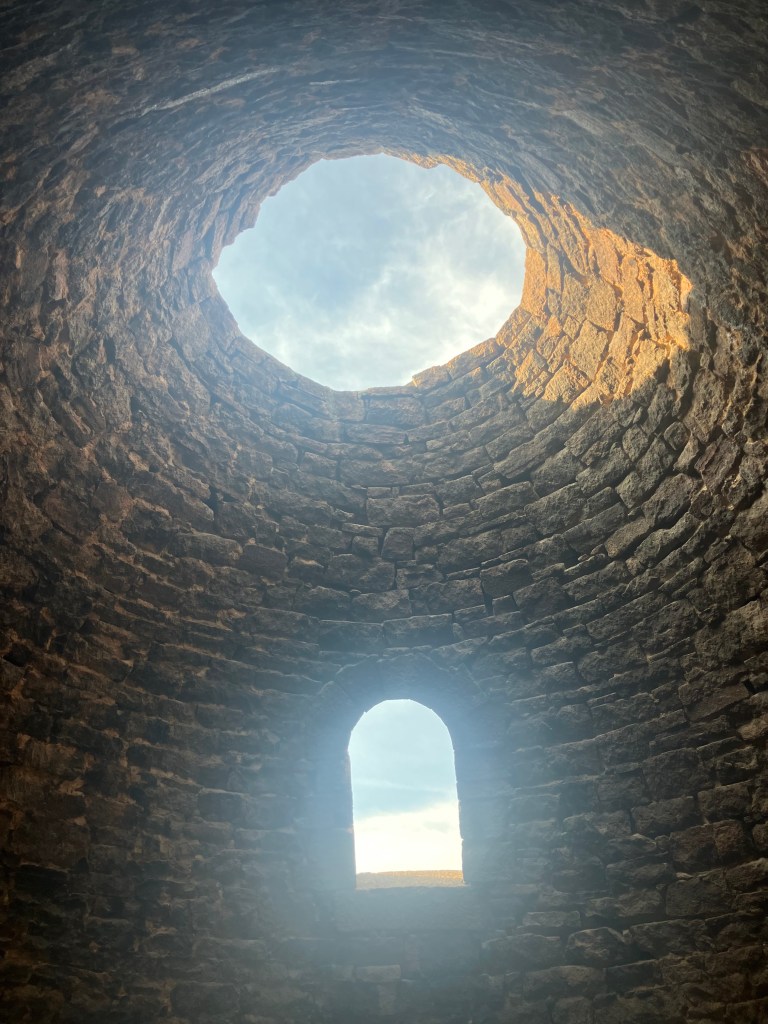
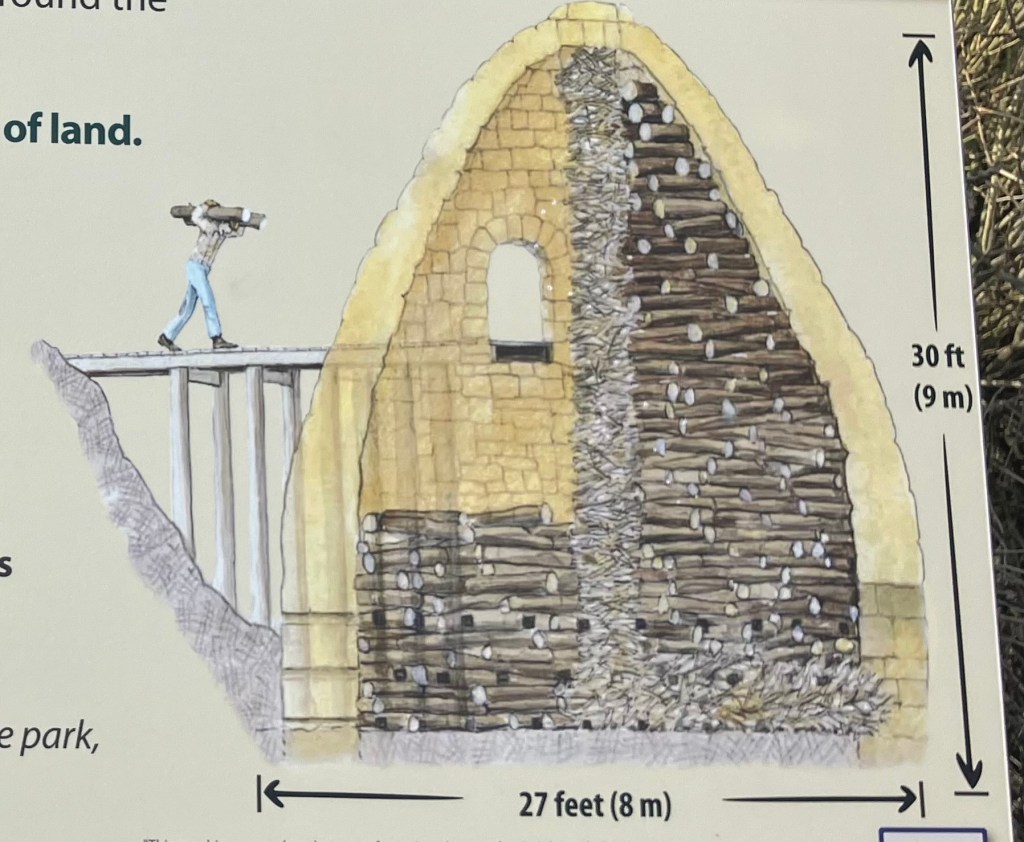
View from inside an oven. The top hole allows smoke to exit; the arched “window” on the side allows for the insertion of wood.

So, these ovens were environmentally damaging and obsolete in a few short years. On the positive side, they produce a cool echo effect.

The ovens are also, um, titillating.
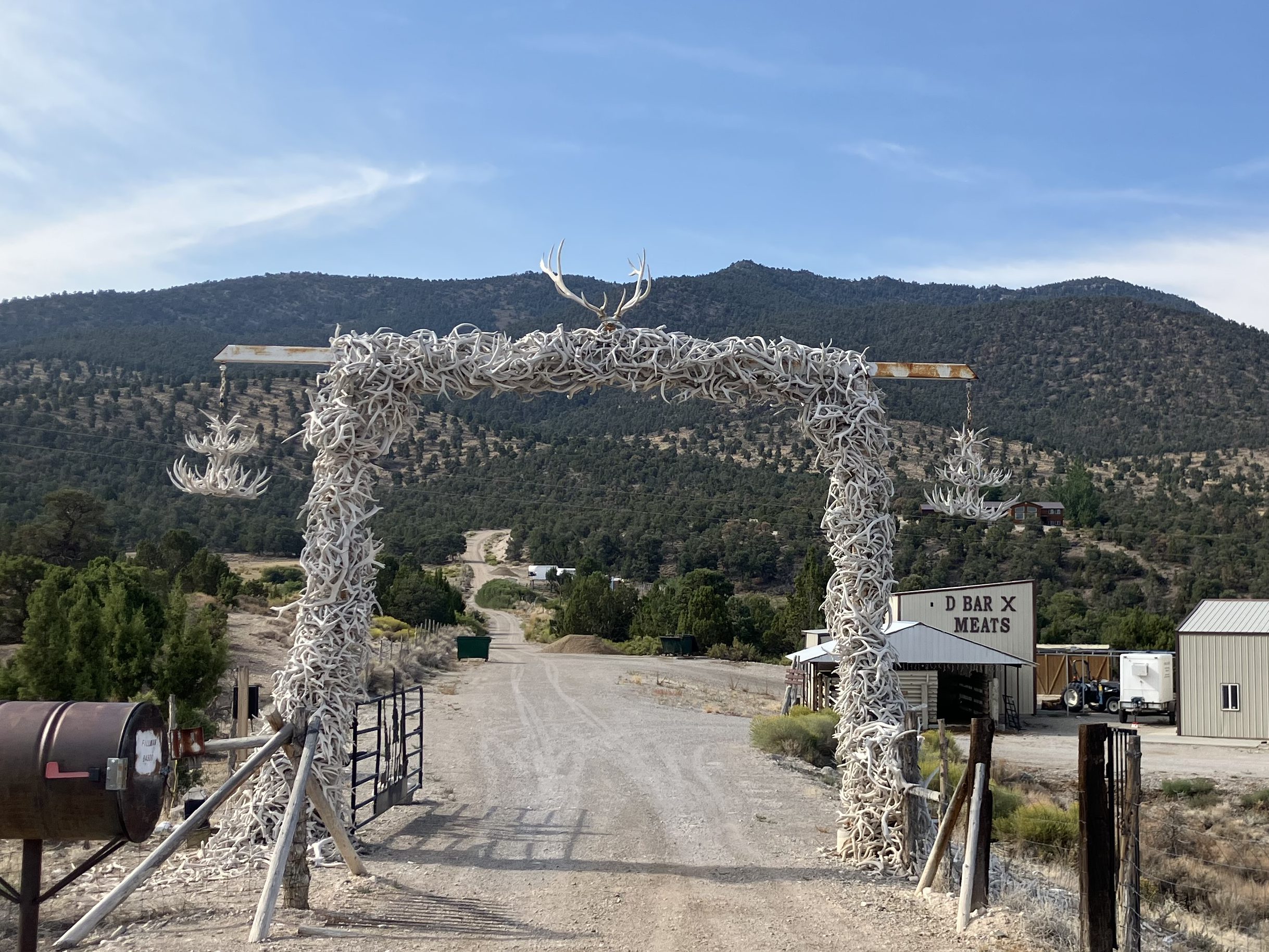
Speaking of racks, I came upon this impressive display at a butcher shop just outside Ely:
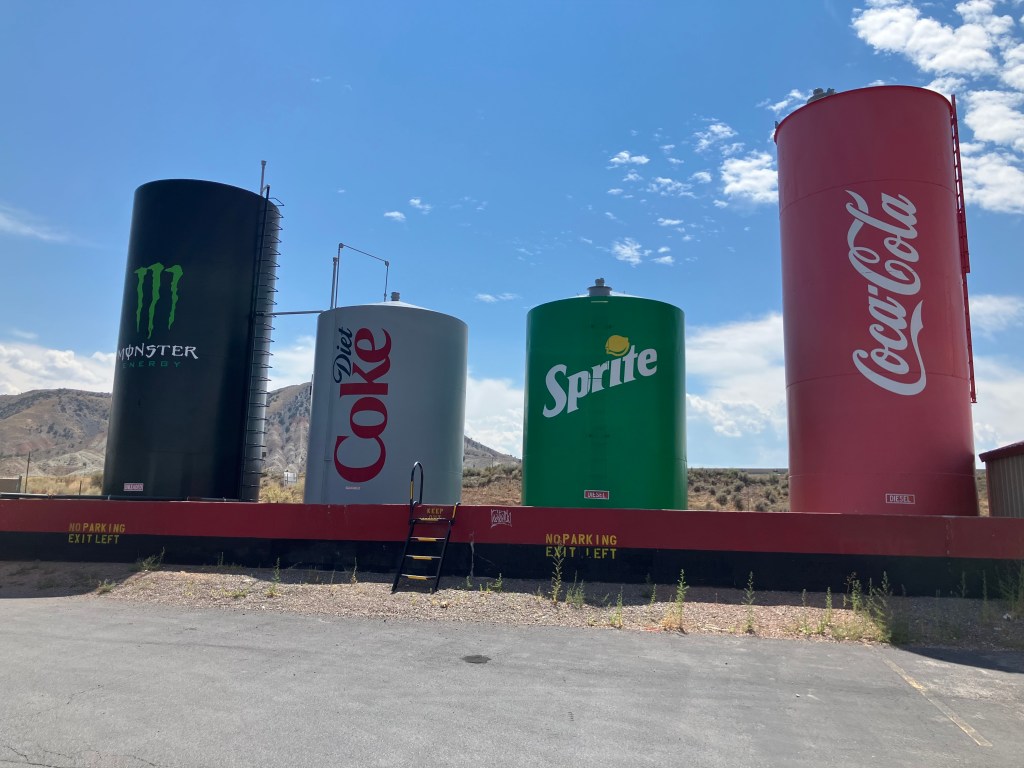
But to get back to the theme of “land of the giants,” I beheld these enormous soda cans at a gas station in Salina, UT. They actually contain diesel fuel, and so are not quite so unhealthy as you would guess from their labels.
And to round out the Giants theme, this gigantic watermelon slice was sitting in a parking lot in Green River, UT (pop: 850), for no discernible reason.
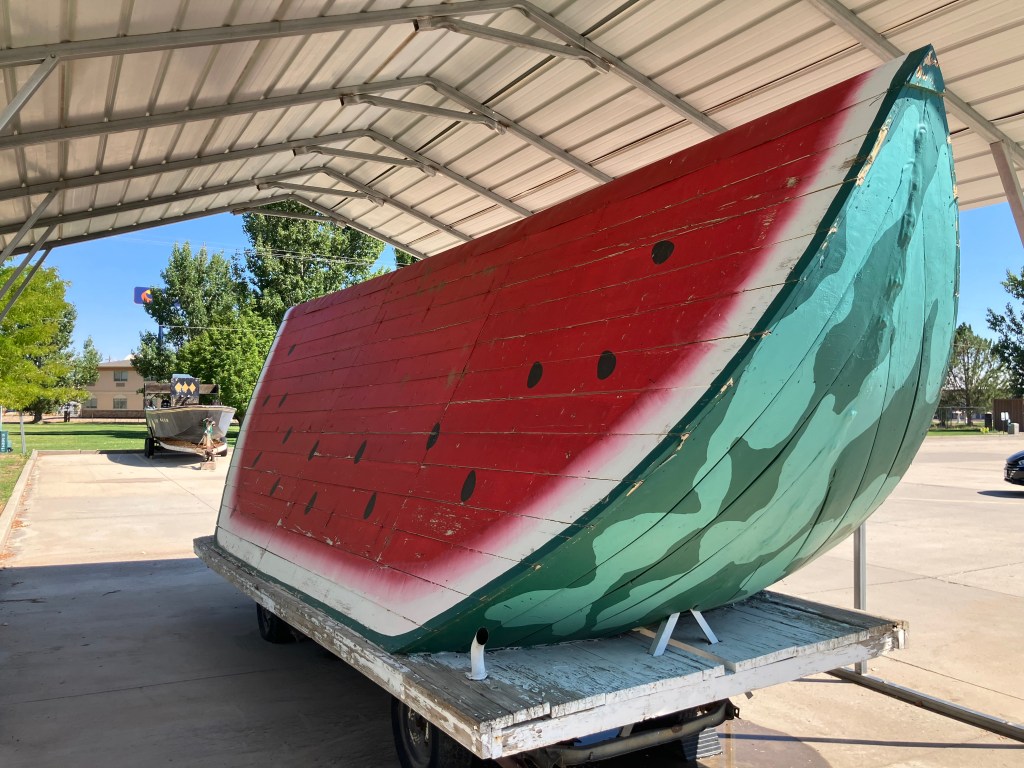
The watermelon slice is constructed entirely of wood, and a little Internet research reveals that it was built in the 1950s as a parade float of sorts. Remarkably, the watermelon is self-powered, with an engine hidden inside. I managed to sneak a photo through a small porthole (?).
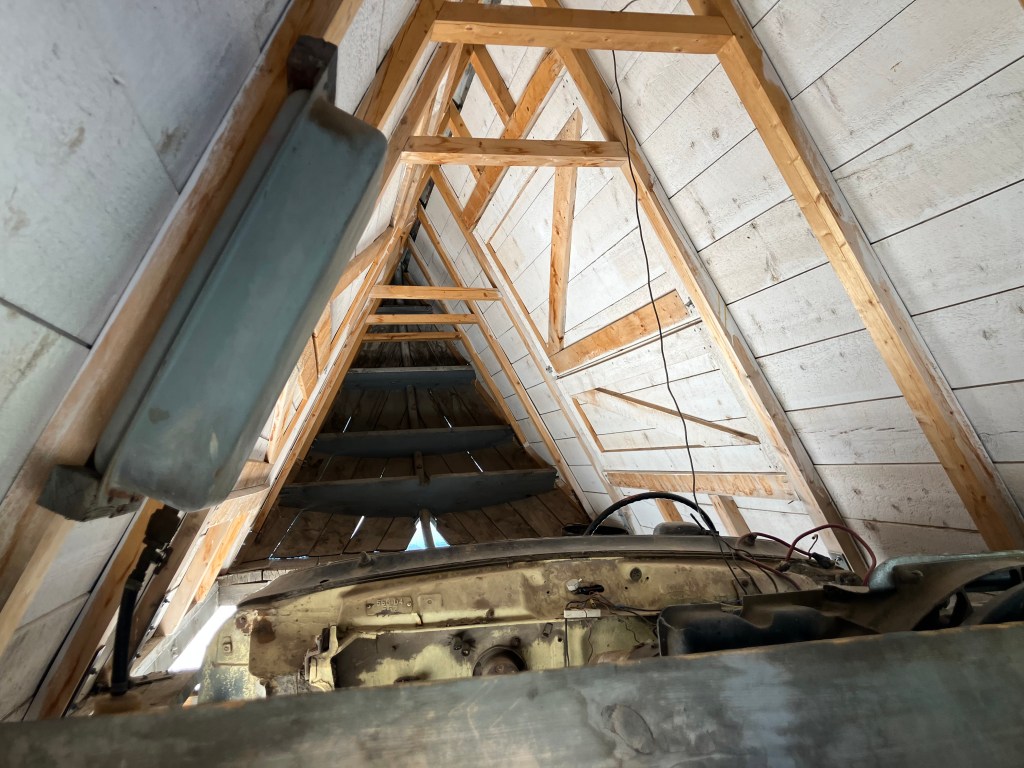
Inside a giant seedless watermelon.

Watermelons seem to figure prominently in the local agriculture, as I saw watermelon vendors set up in several parking lots.
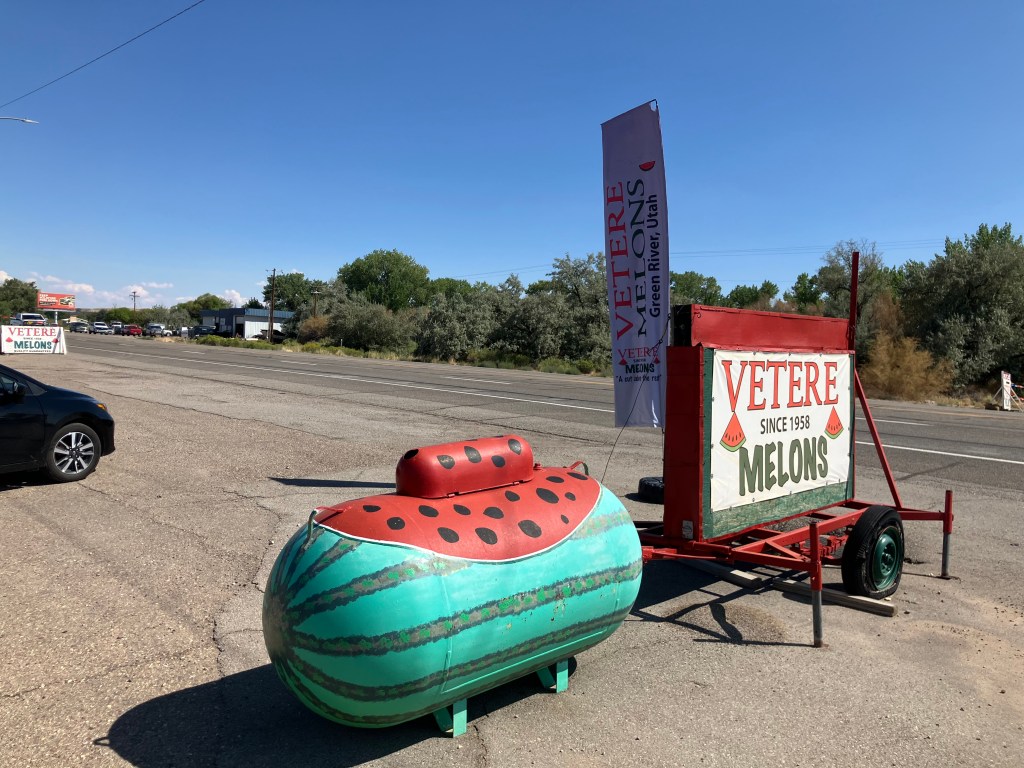
Cucurbitaceous propane tank.

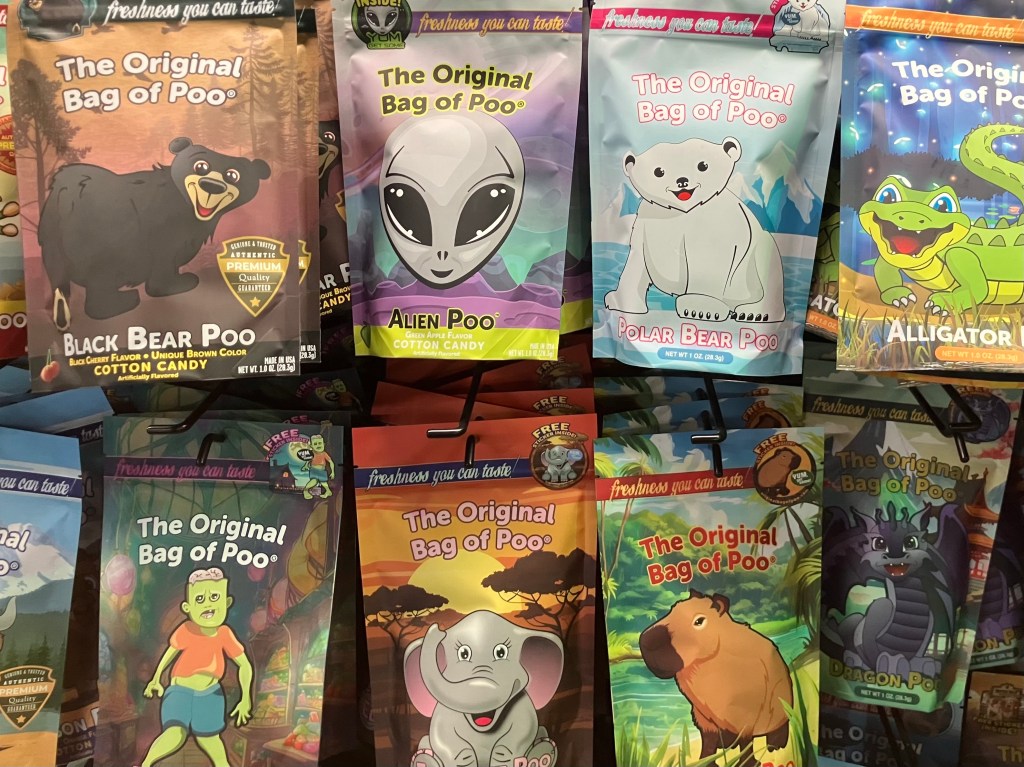
But more interesting to me near Green River was a place called “Jackass Joe’s,” which is a combination gas station and purveyor of all manner of quirky and irreverent stuff. Their specialties seem to be T-shirts (with their own name on them), exotic jerky, and various styles of candy “poo.”
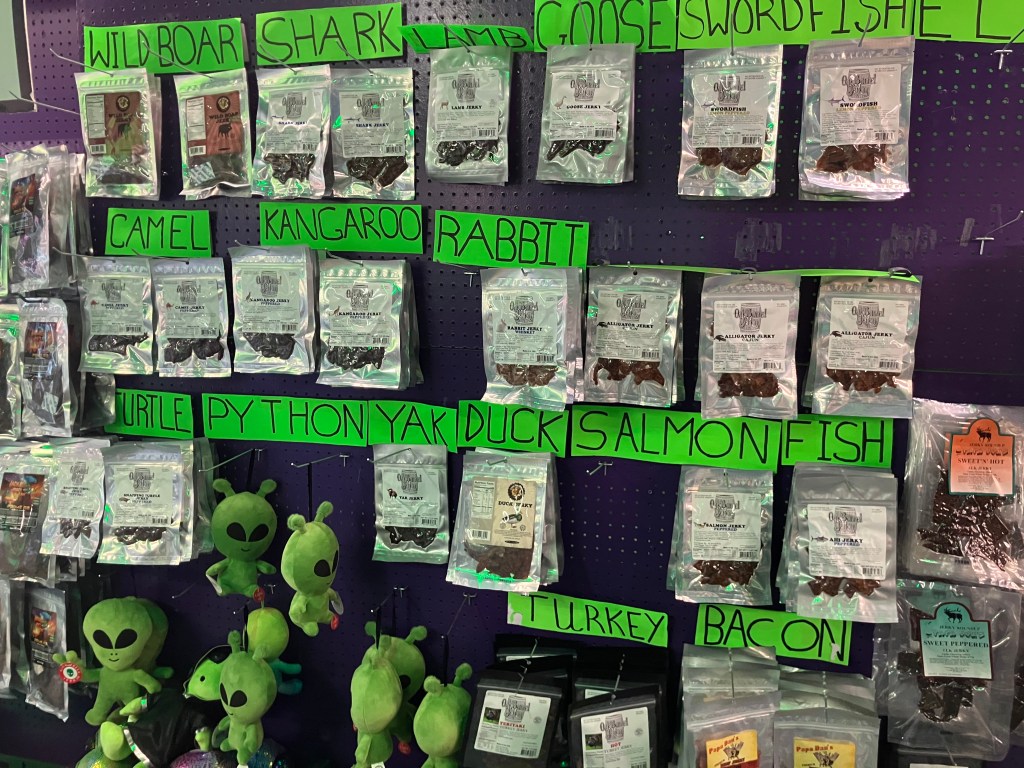
Camel jerky?????
“Freshness you can trust.”
Jackass Joe decorates in an unexplained alien theme.
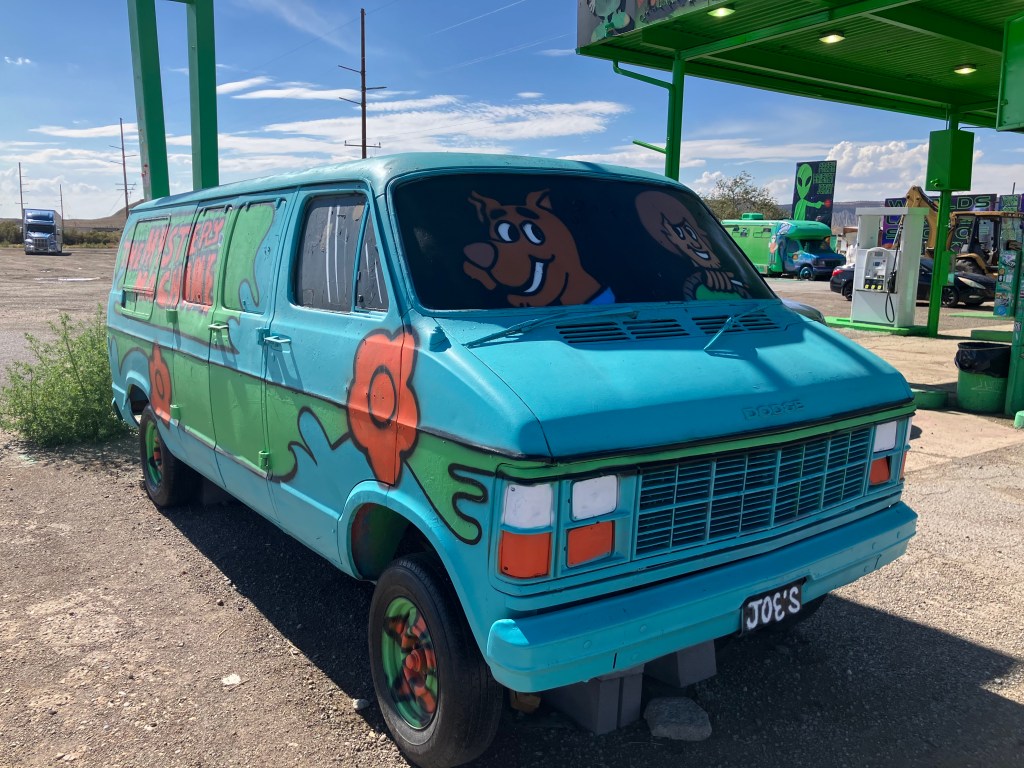
…and, randomly, Scooby Doo.

And yet, notwithstanding the fun factor of Jackass Joe’s and the various giant foodstuffs, by far the most impressive part of today’s journey was driving along I-70 through the San Rafael Swell and other geologic formations. It’s simply jaw-dropping. The craggy and stratified shapes are otherworldly, the colors are vivid and varied, and in keeping with our Land of the Giants theme, the scale is enormous. It was almost transformative to drive my little rental car along this narrow ribbon through these formations. Alas, I wasn’t able to take any photos, and more to the point, I realized my little iphone camera couldn’t possibly do the scene justice. So allow me to present a couple of photos taken from the Internet:
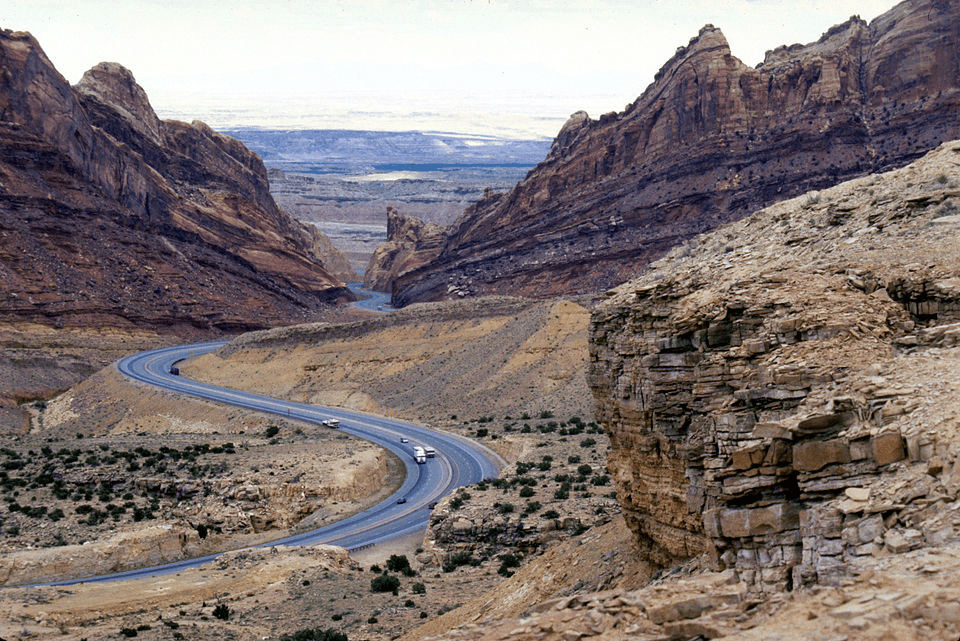
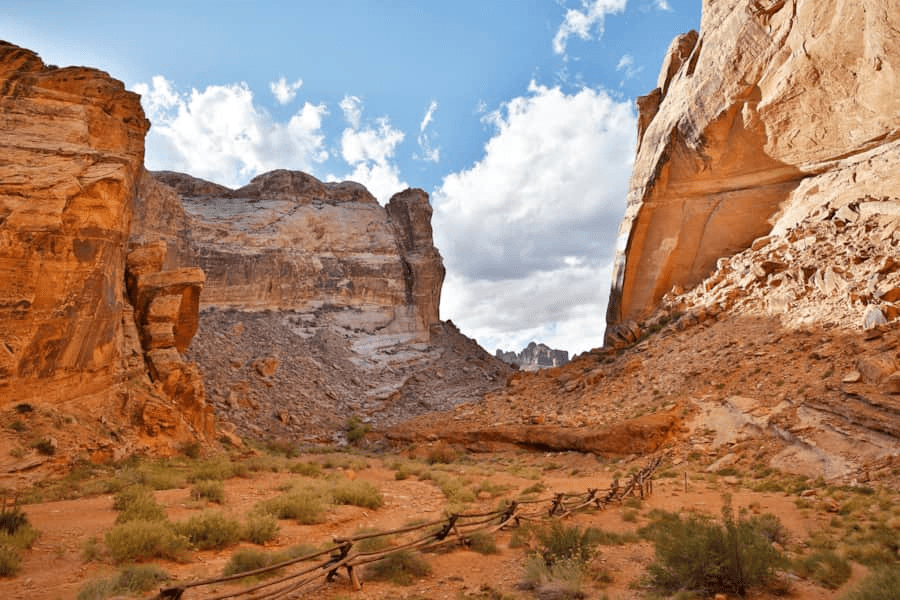
Public domain photo from US Dept of Transportation, showing Interstate 70 snaking through the San Rafael Swell in central Utah.
“Swell” photo from Utah Chamber of Commerce.

This section of Interstate 70 has been called an “engineering marvel,” as it twists over, through, and along these geologic formations, while attempting to minimize disruptions to the landscape. The construction process also unearthed various dinosaur fossils.

I’ve encamped for the night in Moab (pop: 5,400). Tomorrow we will finally arrive at Placerville, CO!

BREW OF THE DAY

The BOTD comes courtesy of Moab Brewery. They have a fairly extensive menu of their own beers. I let the server choose for me, with the only instruction being that “I don’t want a light beer.” She directed me toward the “Export Stout.” Unfortunately, it is not available on tap (i.e., bottle only), and the bottle holds 22 ounces. So this is a commitment.
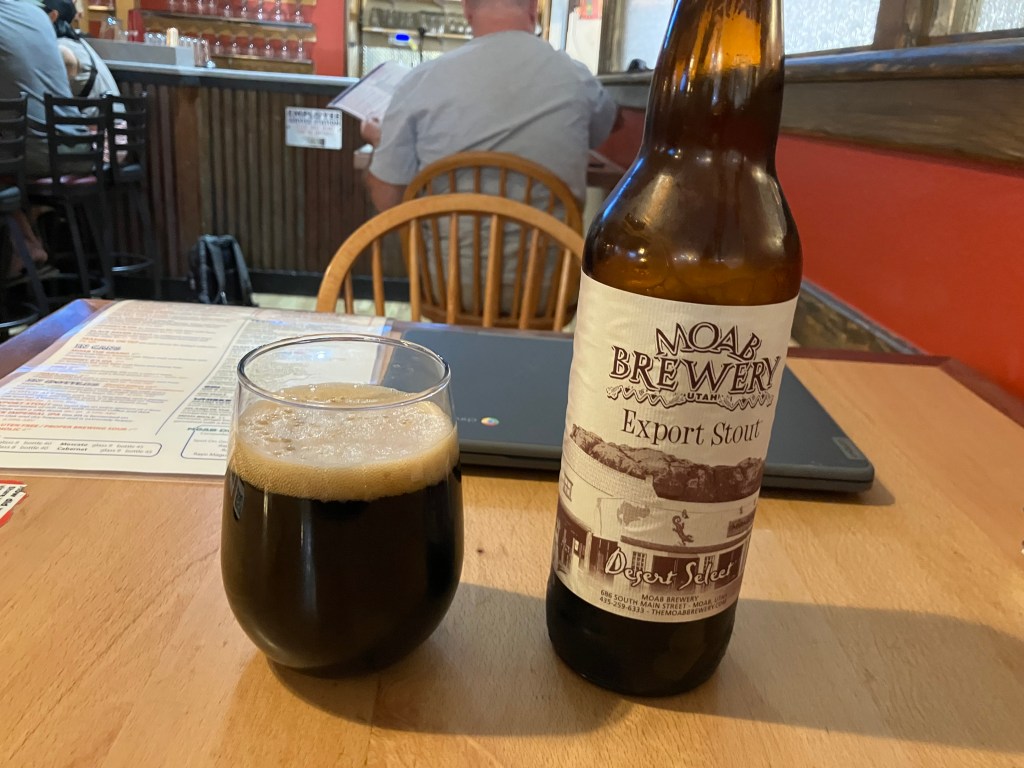
Unfortunately, it’s a commitment that doesn’t pay off. I was hoping for a rich, thick, malty, high-gravity beer. What I got was something closer to bathwater.

OK, maybe it wasn’t that bad. But it was definitely thin in body, and it had no nose to speak of. It’s very carbonated–maybe over-carbonated. The flavor tastes of burned coffee (like when the pot has been sitting on the heating element at the truck stop for a few hours) and something slightly vegetative, like maybe moldy alfalfa. Deep in the back of your nasal passages you get a slight sense of Volatile Organic Compounds, reminiscent of Testor’s model glue. The finish reminds me of Crayola crayons.

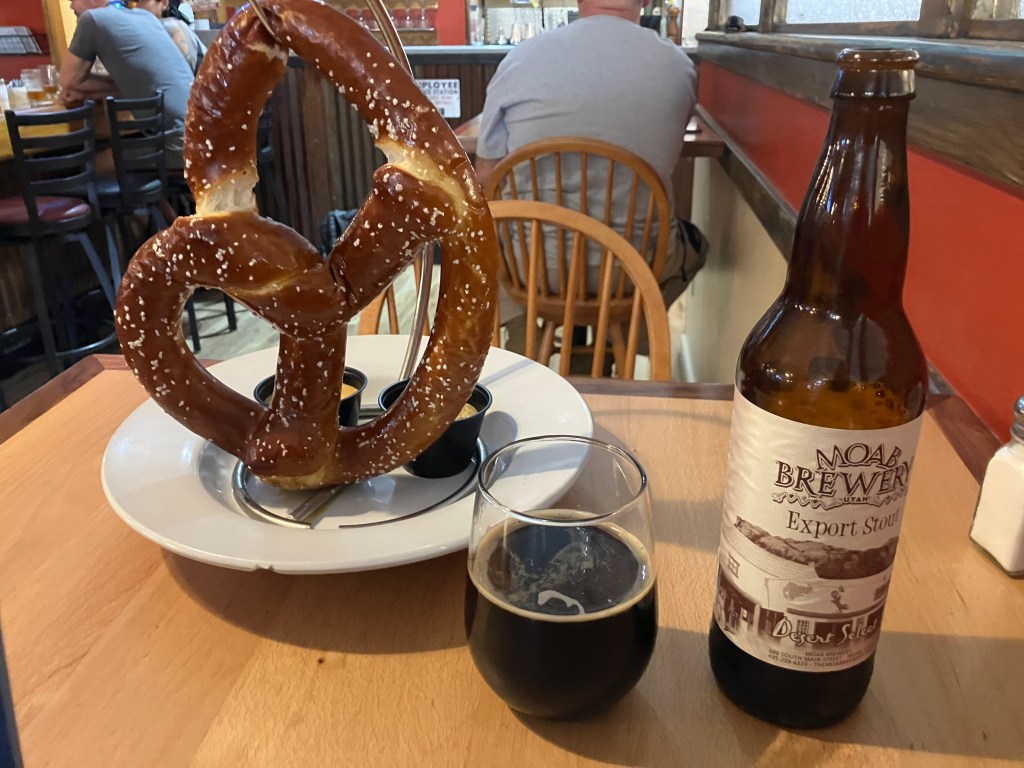
I’m afraid I can only give it 1 star. But I’ll give four stars to the most excellent brewery pretzel that paired with it.
bridges · California history · cemeteries · Road trips · trains

The Placerville Chronicles–Day 1

This morning I picked up my rental car in Placerville, California, and headed in the direction of Placerville, Colorado–some 900 miles to the east. (For those coming late to this story, the details are here.)

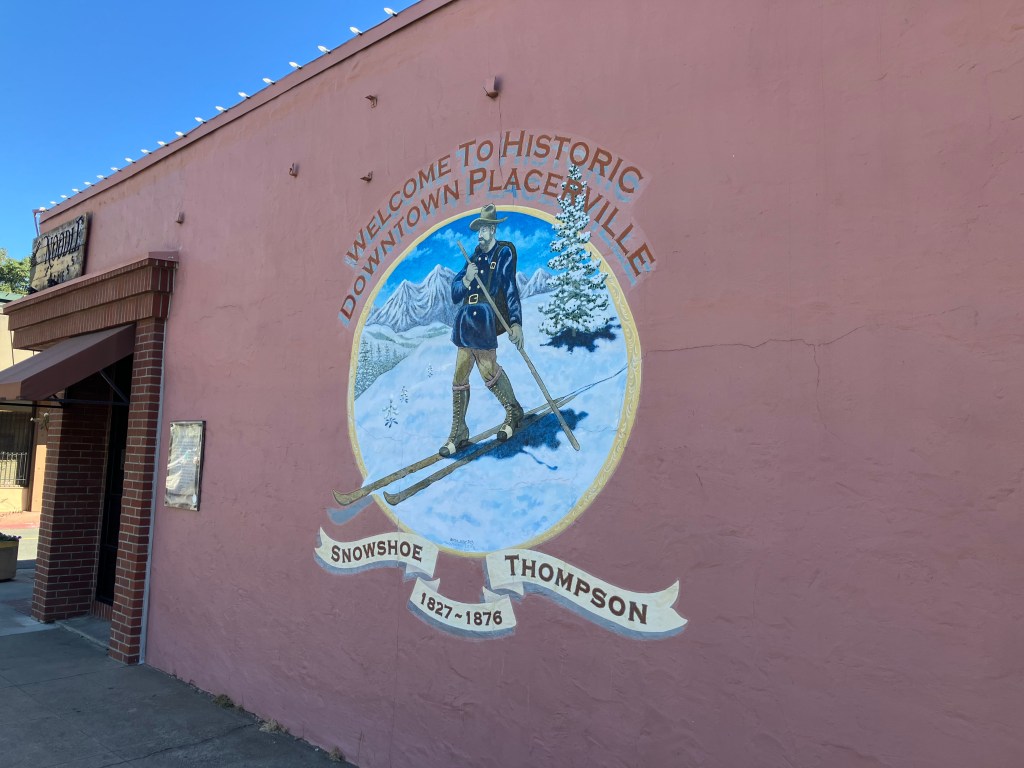
As I left Placerville I passed this mural that honors John Albert “Snowshoe” Thompson, a Norwegian immigrant who settled in Placerville in the mid 19th century. Every winter for 20 years (1856-1876) he made a twice-monthly trip over the Sierra Nevada range to deliver the mail. He made the 90-mile trek on skis (despite his “Snowshoe” nickname) from Placerville to settlements in Nevada.

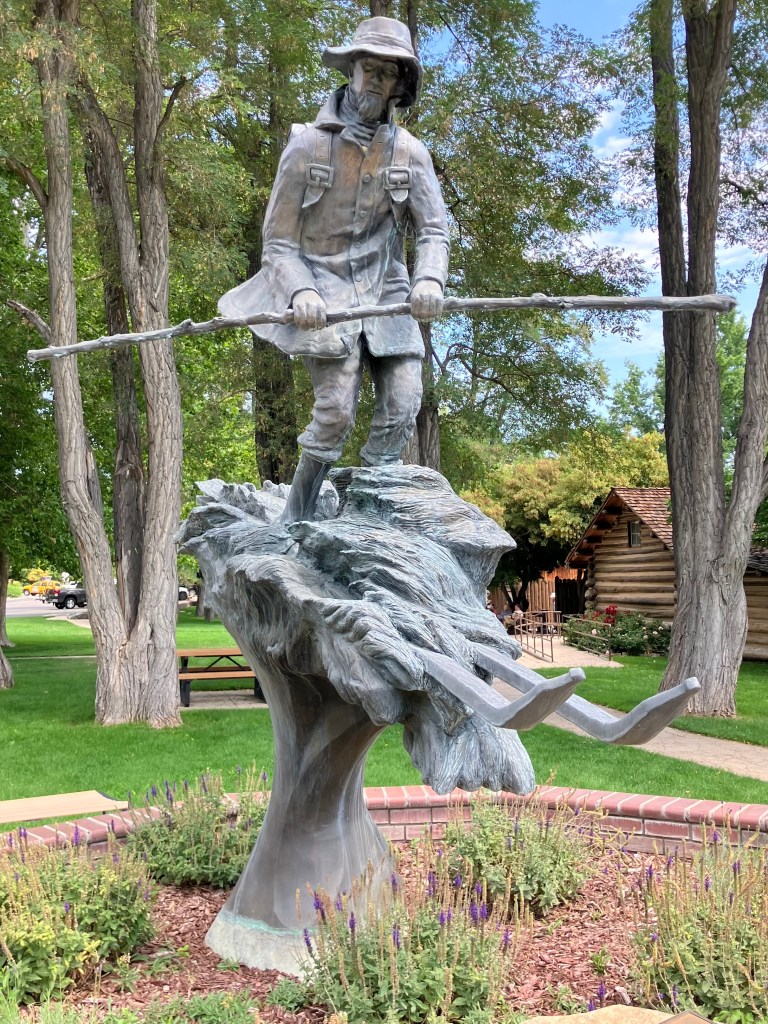
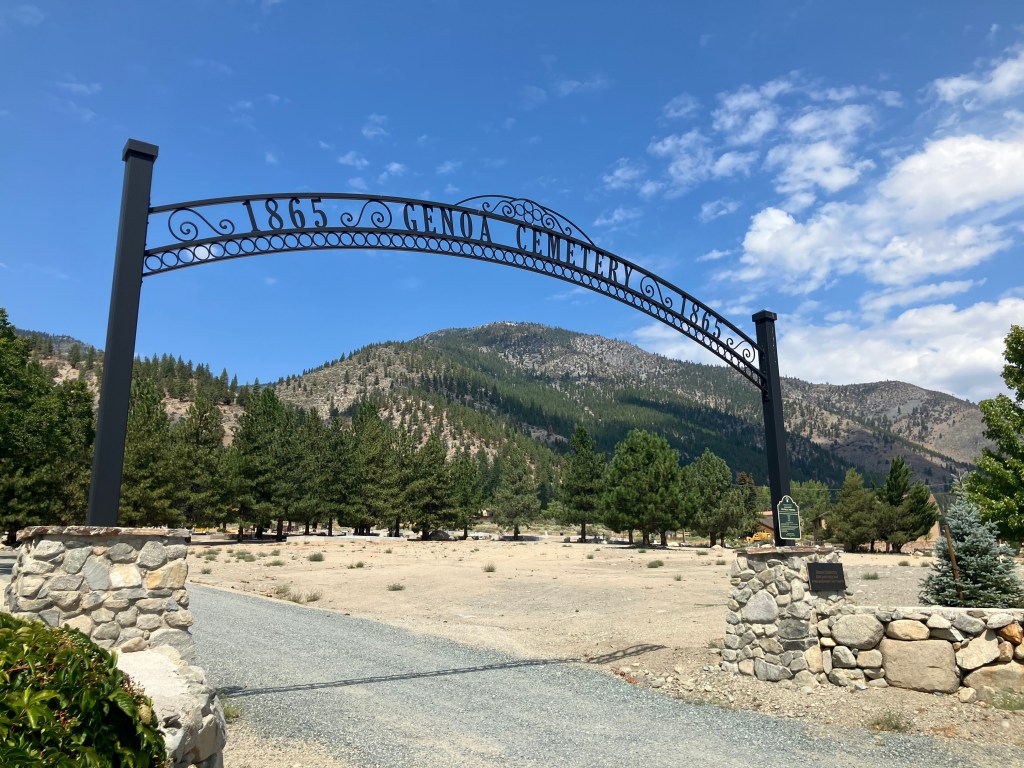
Unlike Snowshoe Thompson, I chose an easier passage over the mountain, driving a Nissan on US 50 over Echo Summit. I ended up in a little tourist trap of a town called Genoa, NV (pop: 1,300). Genoa brags that it’s the oldest settlement in Nevada…but I was struck by something that’s more relevant to this journey: Genoa was the eastern terminus of Snowshoe Thompson’s mail delivery route. And they have a statue to commemorate the fact.

Snowshoe Thompson, doing his Gorton’s Fisherman impression.

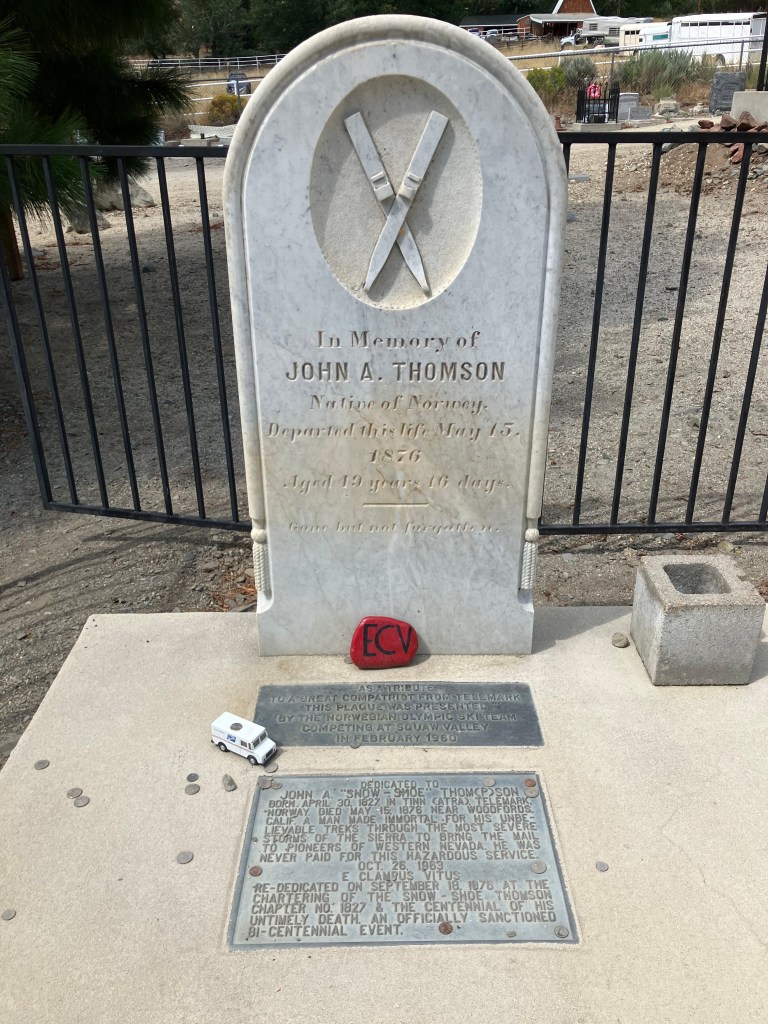
At some point Snowshoe Thompson moved his residence from Placerville to Genoa. In fact, Genoa became his final resting place.

The Postman Resteth.
Those pruning shears on the face of his tombstone presumably are meant to be skis. But who knows, given the misspelling of his last name.

Having appropriately honored this (quasi-)native son of Placerville, CA, it was time to continue my journey toward Placerville, CO. To do this, I passed through the “independent and sovereign nation” of Molossia.

What, you’ve never heard of Molossia? Neither had I. But it seems that there are about 11 acres of land in the town of Dayton, Nevada, whose owner (Kevin Baugh) has declared to be a sovereign nation. Molossia claims to have its own currency, postal service, navy, railroad, and various other trappings of a proper nation. President Baugh does have to pay property taxes to the county assessor, but he calls this “foreign aid.” Molassia’s back story is actually quite interesting and entertaining; if you’re interested, you should check their Wikipedia entry or their actual website.

The president of Molossia is very clear that you need to arrange your visit ahead of time. So a few weeks I emailed His Excellency, and got this response:

Steve, Greetings, and thank you for your interest in visiting our nation as a part of your travel blog. It is an honor.

I regret that we will be unable to host your visit to our nation on that date. … There are other events and activities taking place in Molossia on those dates, thus we will not be able to welcome you to our nation. My apologies.  Hopefully you will make it back out this way on a future tour date and we will be more than happy to welcome you to Molossia then.

Regards,

His Excellency President Kevin Baugh
Republic of Molossia

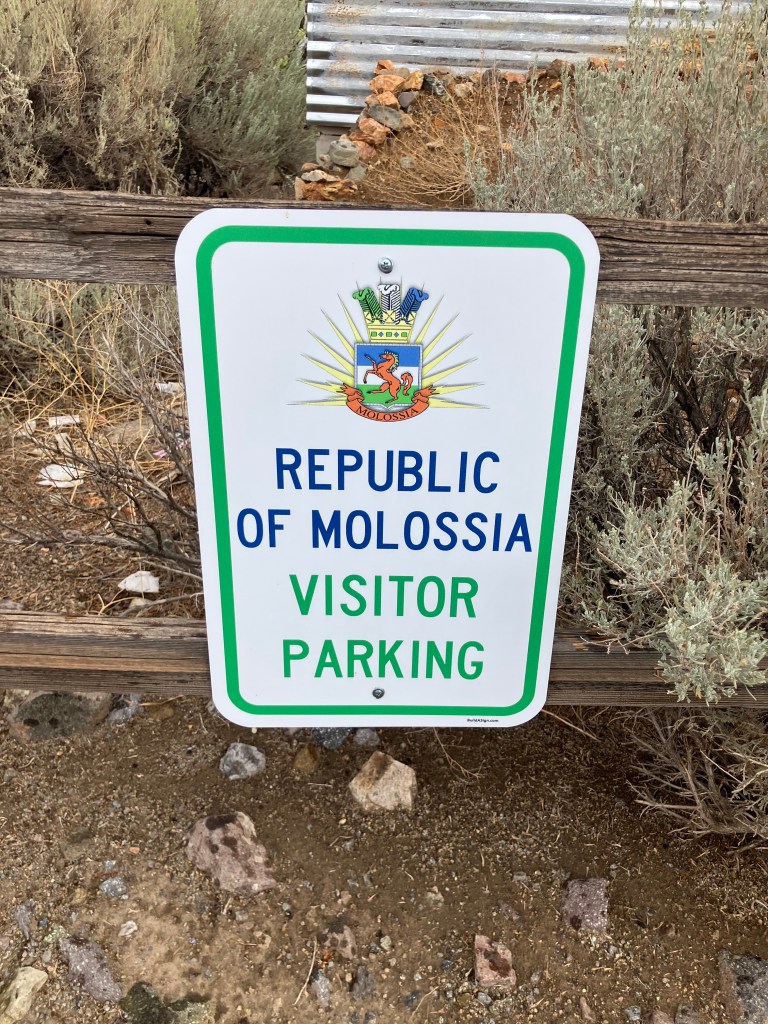
Undeterred, when I came to Dayton I drove up to the border of Molossia. Conveniently, there was an open parking spot.

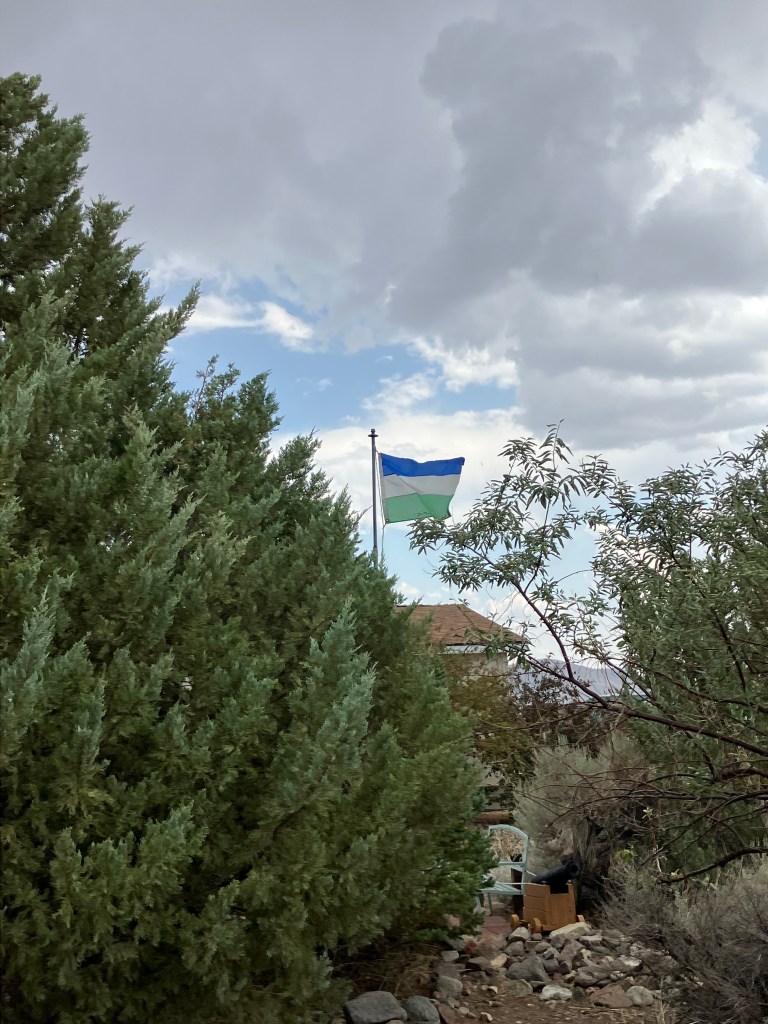
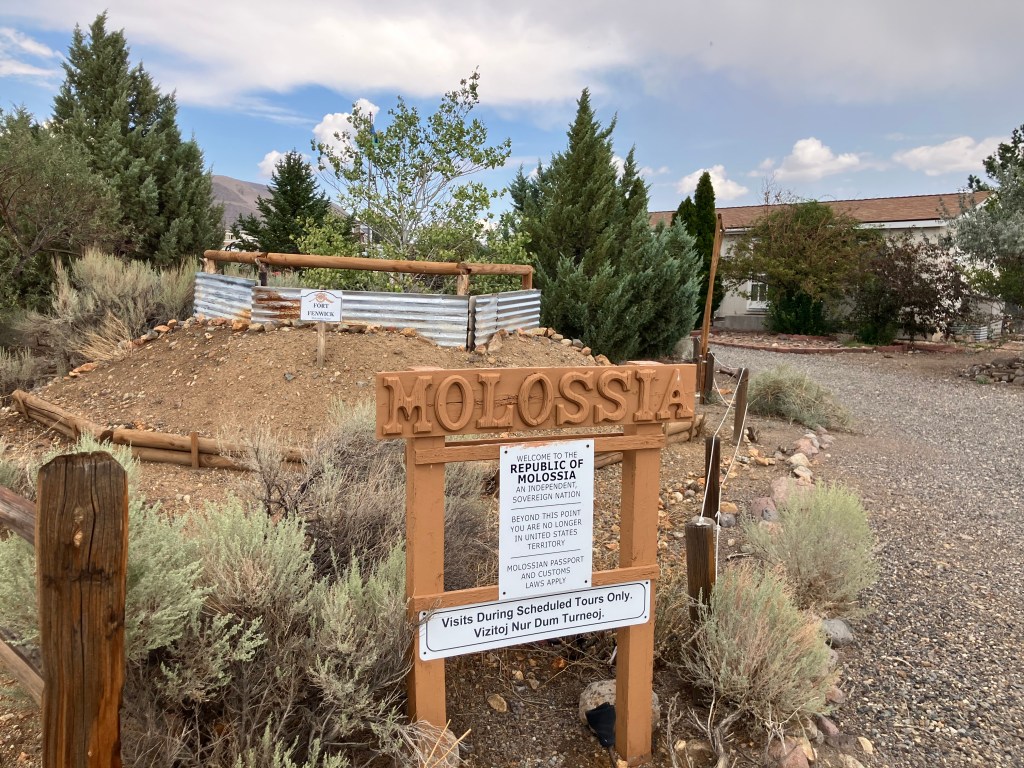
The Molossian flag was flying proudly, and a sign made clear that I was indeed about to leave the United States.

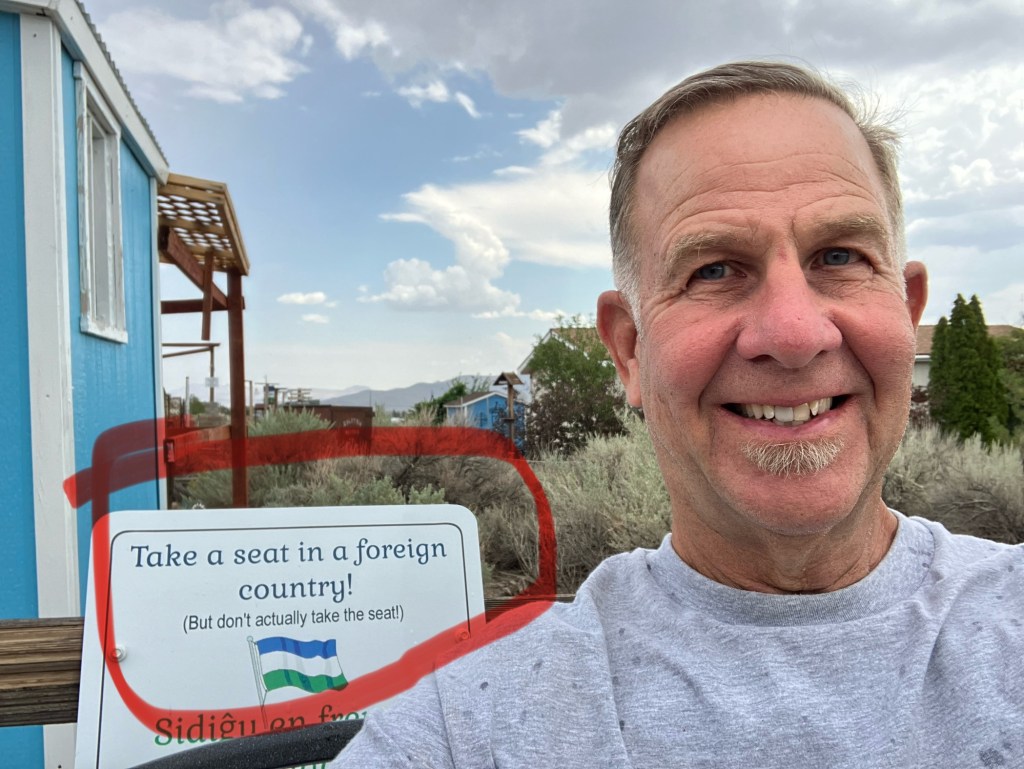
A sign next to a bench even invited me to “take a seat in a foreign country.”

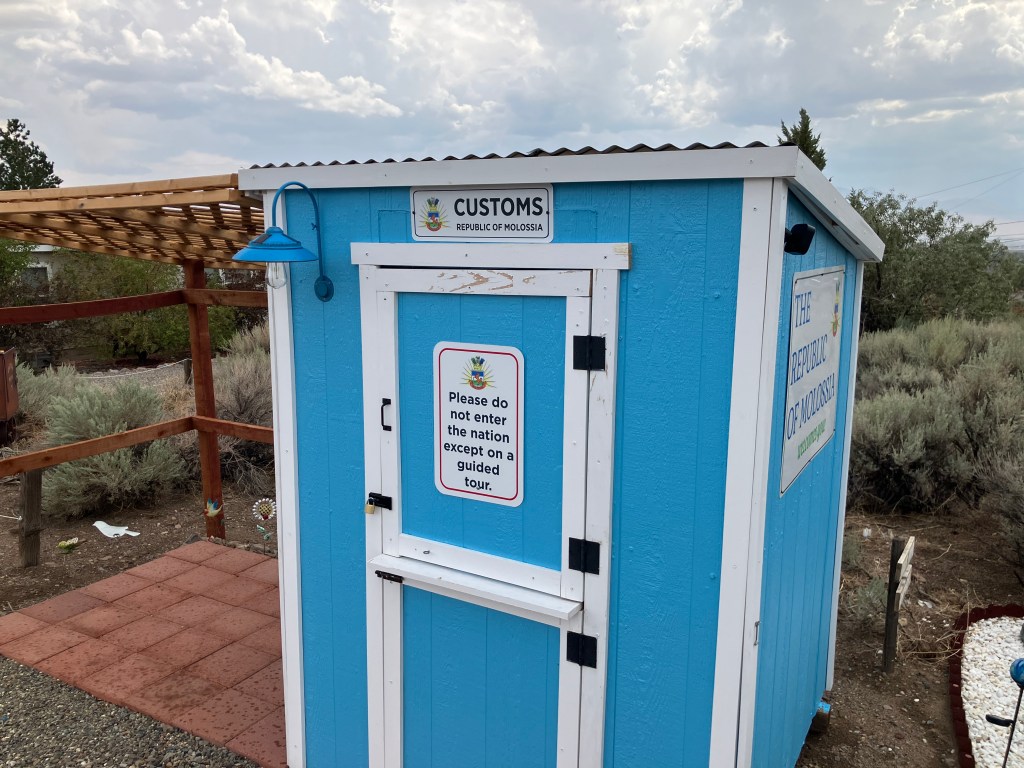
Despite my inability to secure a reservation, I decided to approach the customs building. Alas, it was locked up.

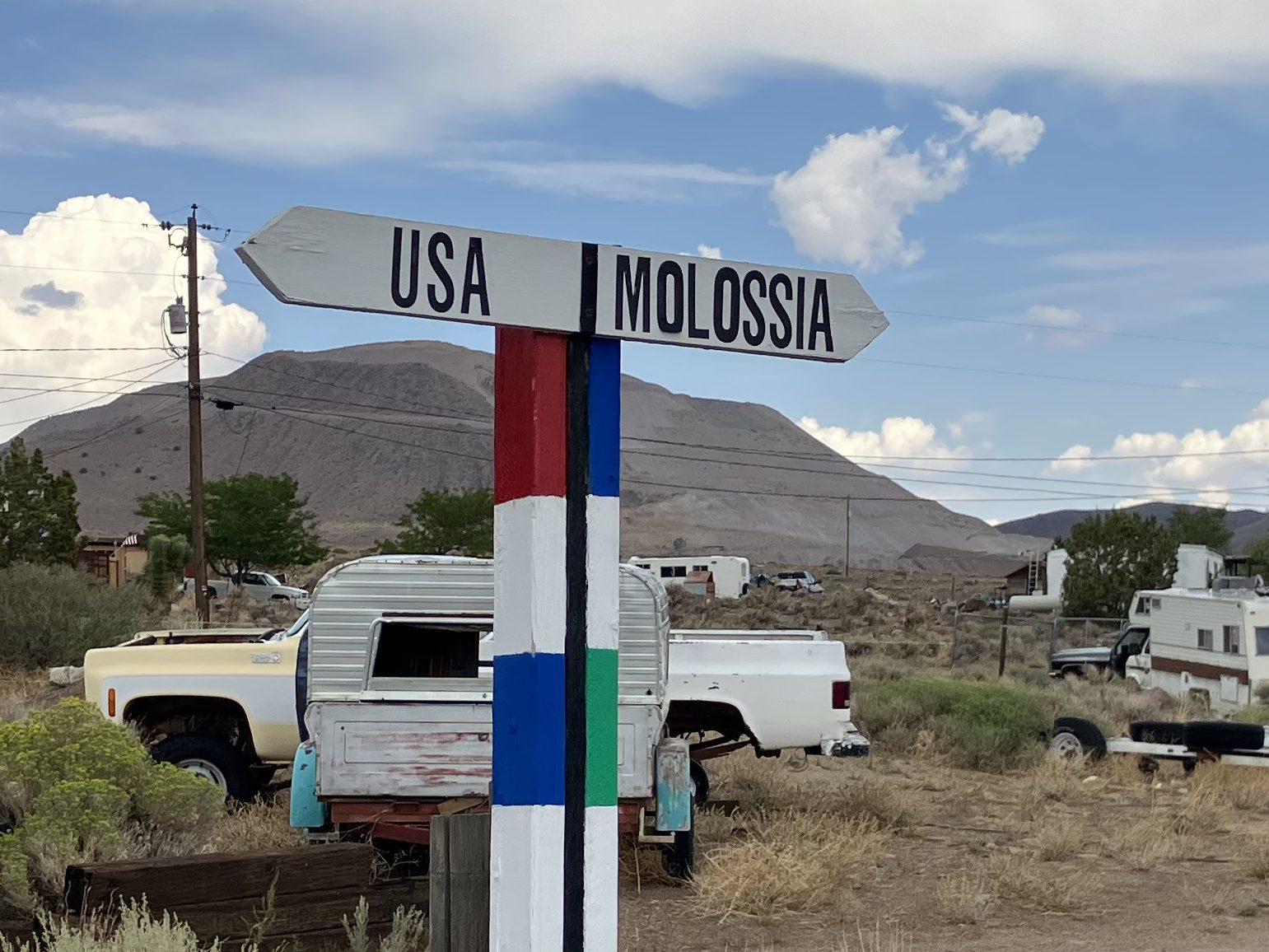
So I had no choice but to follow the signs back to the United States.

I plan to try to get on Molossia’s official tour list for 2026. When I have a date, I will announce it on this blog in case any of my loyal readers want to join my delegation. But for now, I had to bid a sad farewell to Molossia.

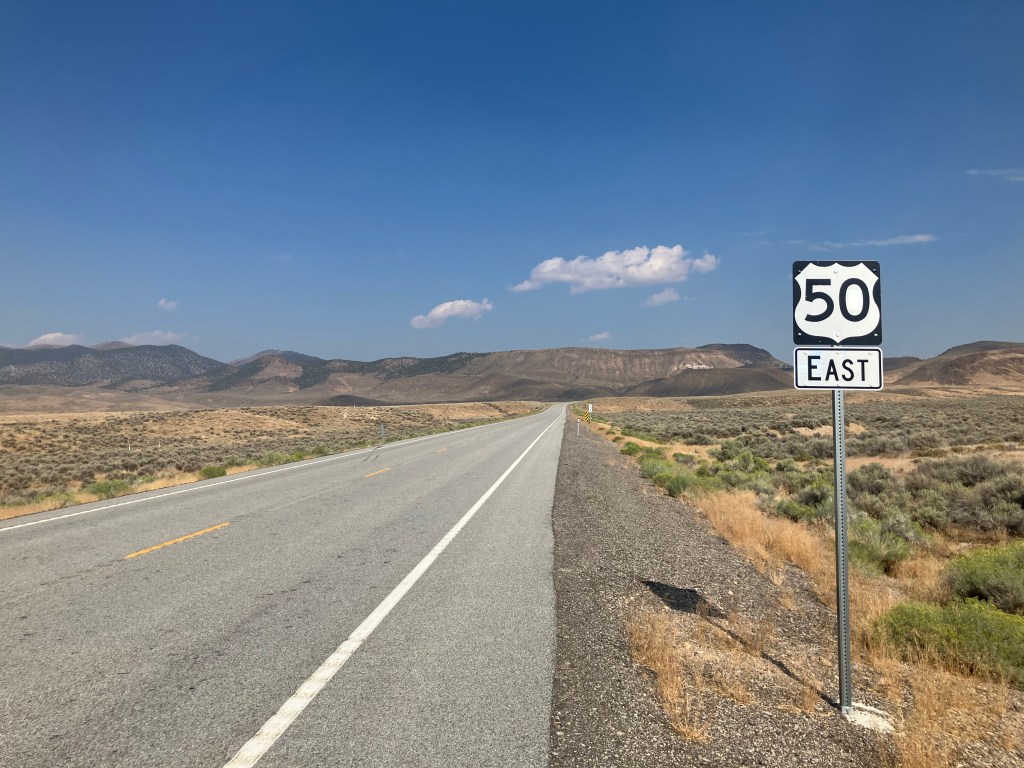
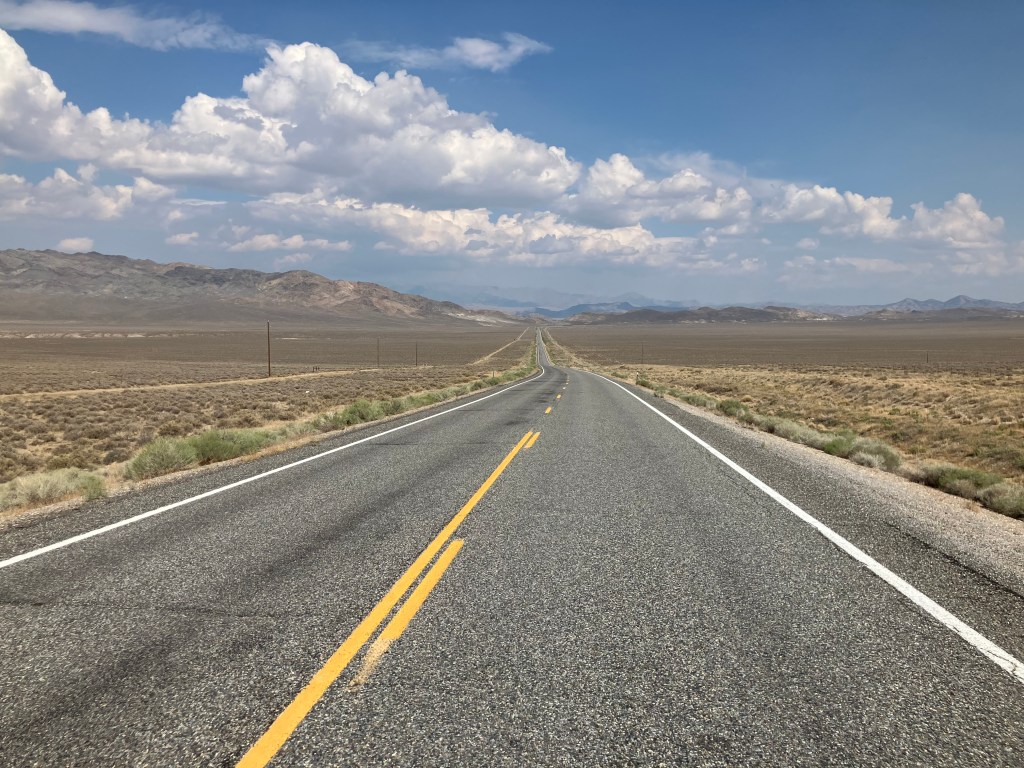
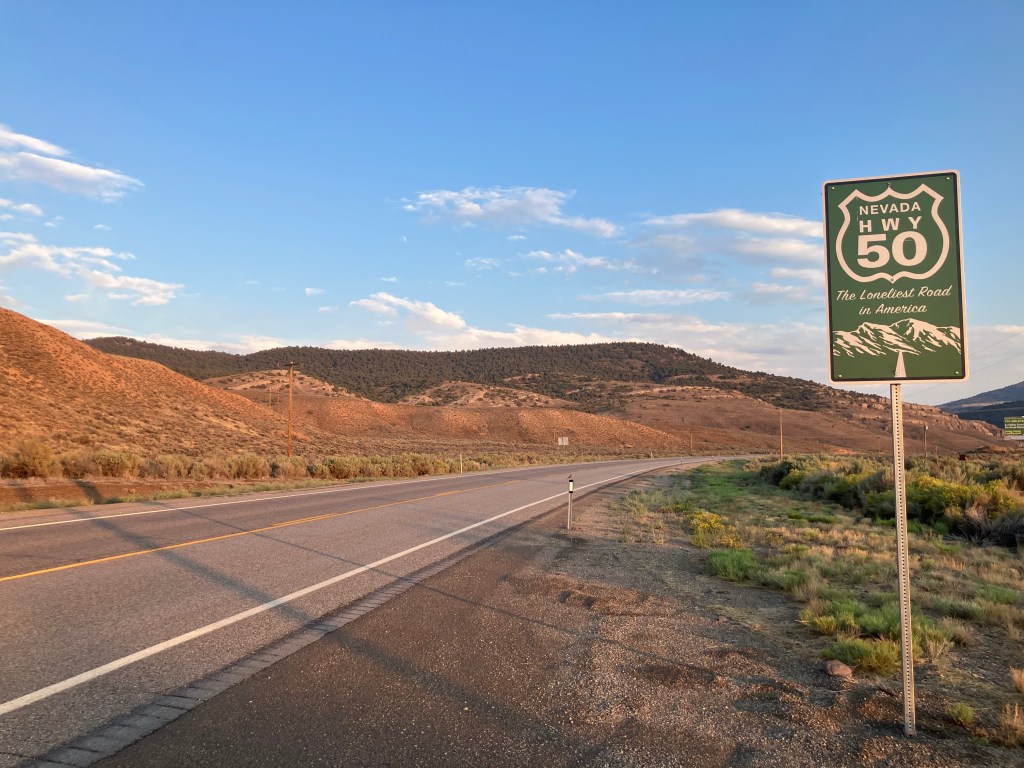
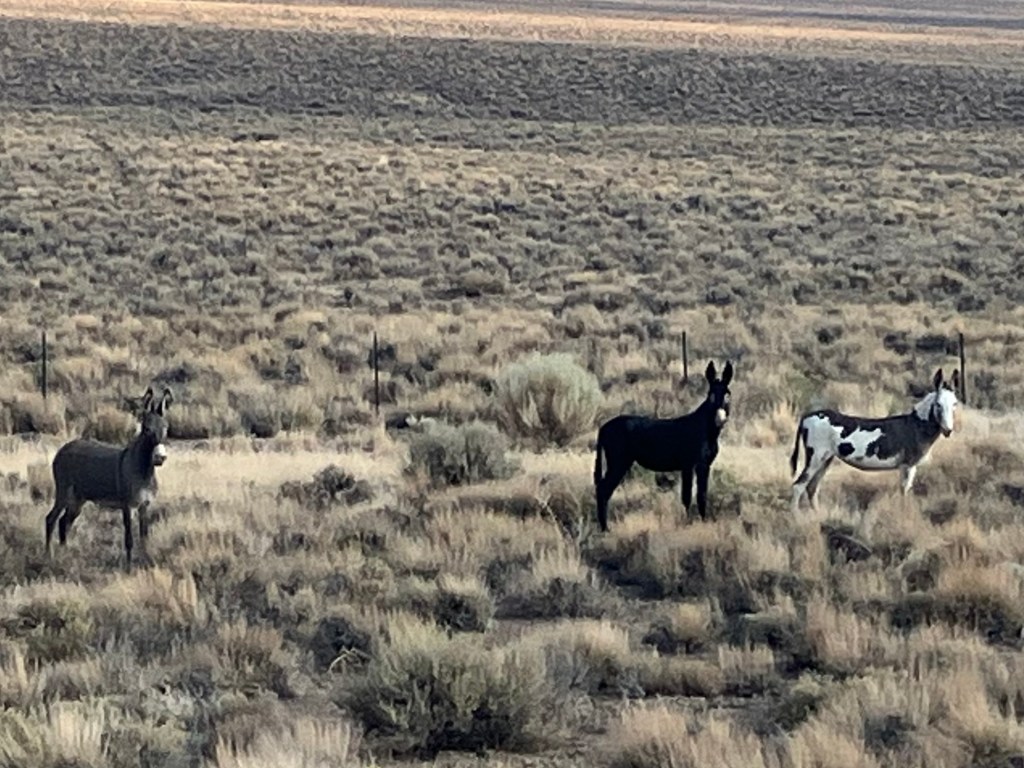
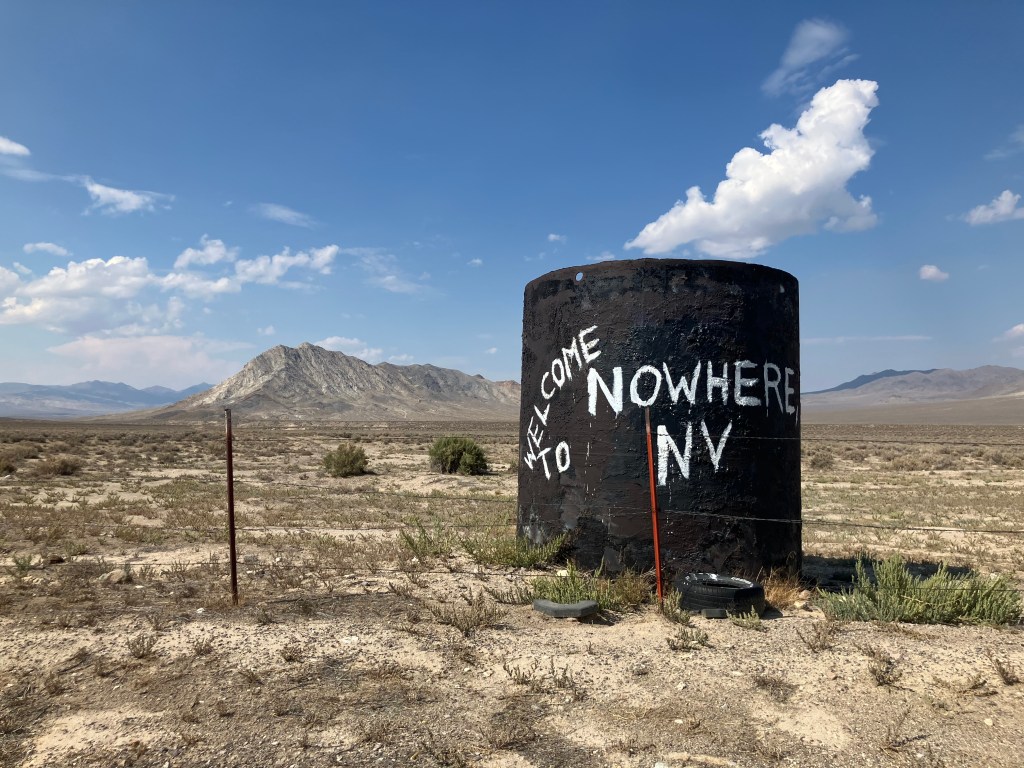
Almost all the remainder of today’s journey involved traveling US 50 across Nevada’s enchantingly bleak Great Basin. This stretch of highway is often called “The Loneliest Highway in America.” I’ve driven it several times (see my blog post here) and I always find it to be relaxing and contemplative. Today was no exception. Here are a few pictures to give you a sense of the landscape:

Inevitably, even out here in the middle of nowhere, you run into jackasses…
Speaking of the middle of nowhere…
One of the few watering holes along the way, in Austin, NV.

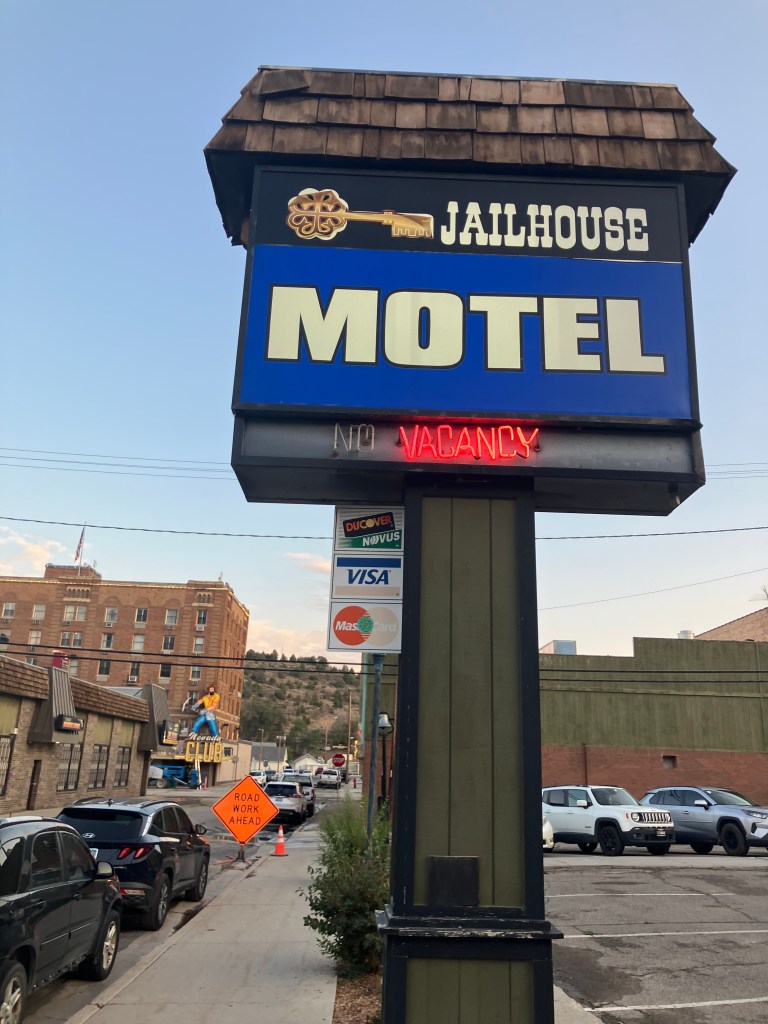
As the sunlight was wanting I stopped for the night in Ely, NV (pop: 3,900). Ely is well known for its superb railroad museum and heritage railway, but beyond that there isn’t much besides smoky casinos. I took a room at the Jailhouse Motel, whose reception desk is inside the adjoining smoky casino.

Also in the casino was something that passes for a bar, so I figured I’d try to get my Brew of the Day. But the beer selection was positively abysmal, and each seat at the bar was equipped with a huge, noisy video poker terminal. Looking at the bar’s sad patrons, I mumbled “terminal indeed,” and headed across the street to my room.

Hardy-har-har.

BRIDGE CORNER!

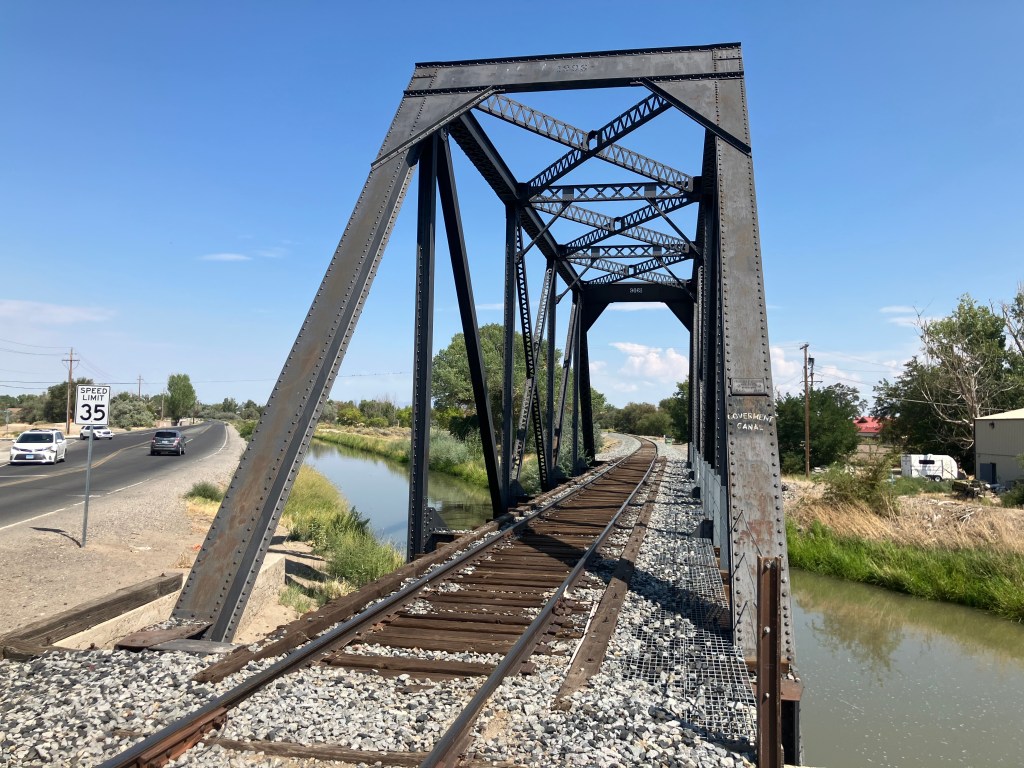
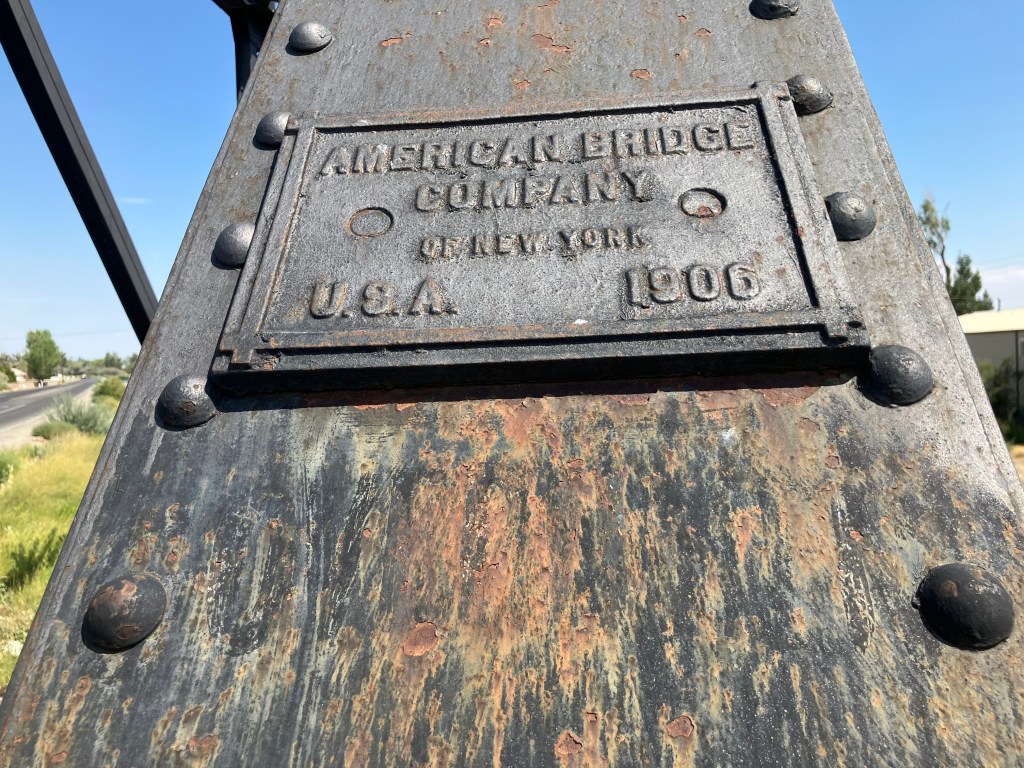
Although we don’t have a BOTD for today, we can offer you this 1906 railroad bridge over the Carson River in Fallon, NV:

As should be painfully obvious, this is a Pratt subdivided through-truss bridge. And, as a steel marker certifies, it’s made by the American Bridge Company of New York.

OK…thanks for indulging me. Tomorrow we’ll return to the BOTD.