So, the summer is starting to wind down, but have you yet managed to read that great summer novel that captures your imagination, gets you thinking about the meaning of life, and has you eagerly telling your friends about the story? Well, look no further! I’ve found that book for you–and it just so happens that I’ve written it. It’s a story literally centuries in the making…sort of.
It’s titled Sundial in the Shade and it’s being released on September 15. Read on and I’ll tell you how you can get an early copy for free.
First, here’s a short description of the book:
Rael Hart’s carefree life of tagging, theft, and mild substance abuse is interrupted by a four-year stretch in the Los Angeles state prison. But he experiences an infinitely greater disruption upon his release, when he comes into possession of a cryptic journal containing an 18th-century recipe for personal redemption. His grudging effort to follow its prescription launches a transformative odyssey that involves, among other things, cigars, Milk Duds, and an ancient skeleton key.
On this journey Rael encounters several fellow-travelers with ambiguous motives, including an eccentric prison librarian, a disgraced LA Times reporter, a homicidal preacher, and an ex-girlfriend with more issues than Poor Richard’s Almanack. As Rael wrestles with the aggravating tradeoffs between a good life and a good time, he stumbles upon a destiny that’s been centuries in the making.
On September 15 the book will be available on Amazon in hardcover, paperback, and Kindle versions. But right now Goodreads is doing a “book giveaway,” which lets you enter to get a free Kindle version of the book on September 1. If you’re interested, you can sign up here. (Click on “Enter Giveway” on the left side of the screen, under the image of the book cover.) The giveaway ends on September 1. Be aware that to sign up you will need to have or create a Goodreads account. Thanks for your consideration of this offer. The more people who sign up, the higher the profile of my book on Goodreads.
New Road Trip
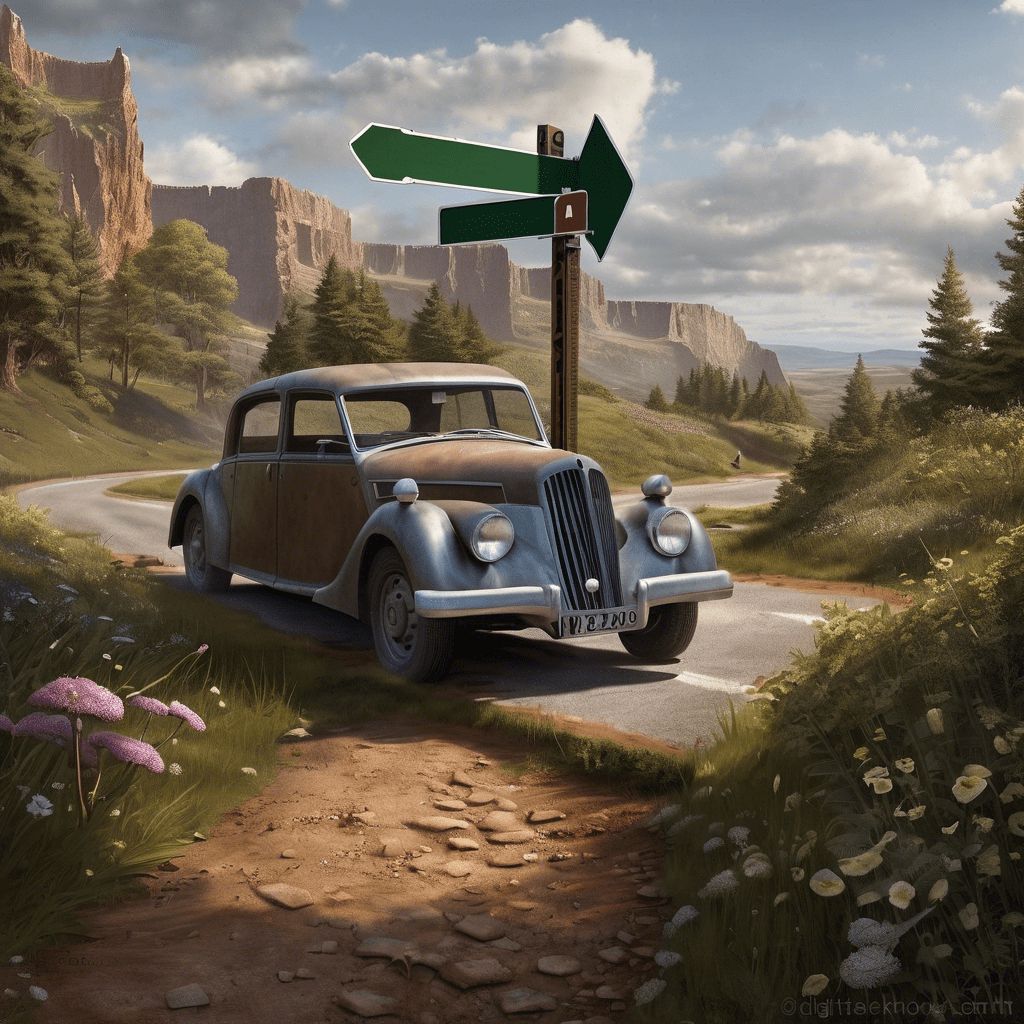
ChatGPT’s imagining of a “mysterious road trip.”
In other news: Next week I’ll be posting from the road as I make a 900-mile trip to a mystery location. Your only hint is that several days after I pick up my rental car in Placerville I will be in Placerville.
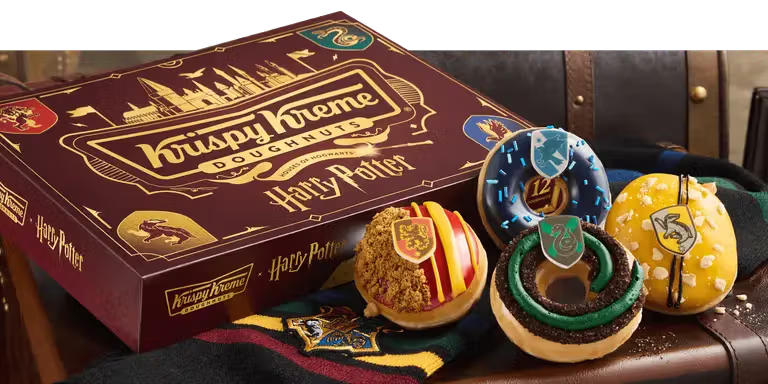
Oh, and this weekend we also will have a review of the new “Back to Hogwarts” collection of Krispy Kreme donuts. The things I do for you people…
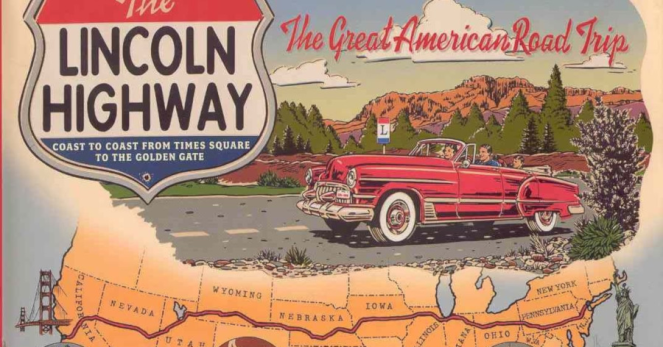
Regular readers of this blog will recall that, a few years back, I became intrigued with the Lincoln Highway. To refresh your memory, the Lincoln Highway was the country’s first transcontinental automobile route, dating back to 1913. It ran from Times Square, NY to Lincoln Park, CA.
Why is this car driving on the wrong side of the road?
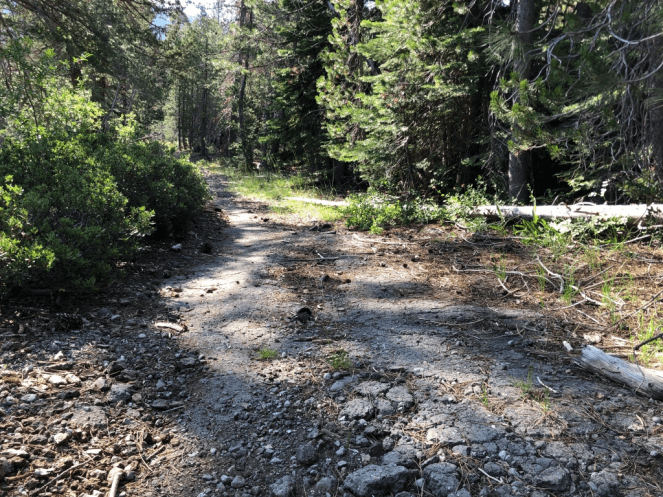
Today, most of the original route is long gone, largely superseded by modern interstates. But a handful of the original segments remain, like this crumbling roadway in the woods near Donner Pass that I (literally) stumbled upon in 2022:
Beware of trip hazards…
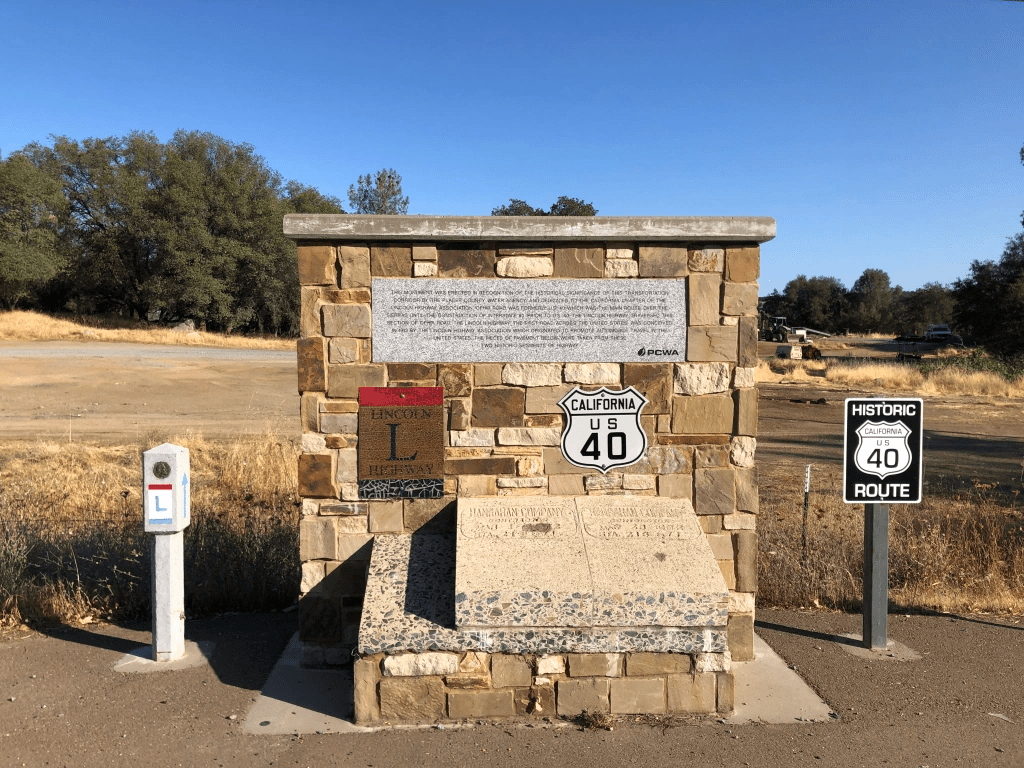
You may also recall that I once discovered a roadside memorial commemorating the Lincoln Highway and US Route 40, in Auburn CA. (In 1926, the feds adopted a numbering system for all US highways. The segment of the Lincoln Highway that passed through Auburn was rechristened with the unromantic name “U.S. 40.”)
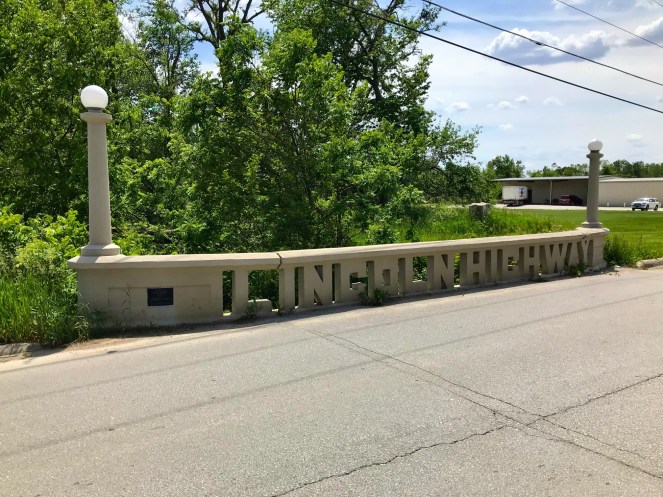
A number of other remnants of the old Lincoln Highway remain. I’ve driven over segments in other states, such as Pennsylvania and Wyoming. And in an earlier blog, I shared this photo that loyal reader Brian W. took in Tama, Iowa.
Photo courtesy of Brian Weberg.
But it wasn’t until just recently that I realized the Lincoln Highway passes within just a few miles of my house. In fact, my favorite coffee place sits alongside the historic route, in a building that actually predates the Lincoln Highway. More on that in a moment.
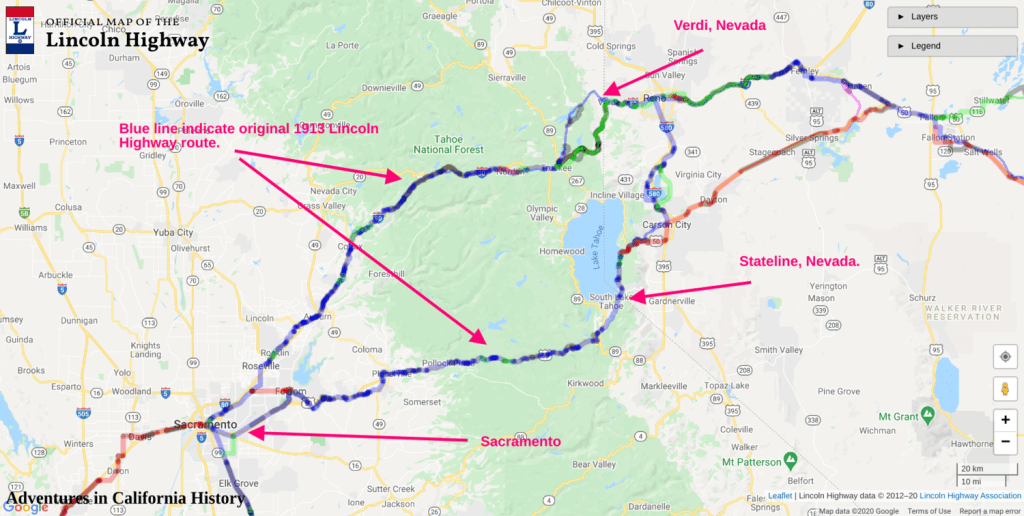
It should be noted that the Lincoln Highway forked in Reno, providing two routes into California. One (“the Pioneer Route”) went over Donner Pass and roughly followed modern Interstate 80. The other (“the Scenic Route”) passed south of Lake Tahoe and then roughly followed modern US 50. The two segments linked up again in Sacramento.
Map from the website “Adventures in California History.”
This came to my attention because last month the local historical society held a special program next to one of the longest original pavement sections of the Lincoln Highway, in El Dorado Hills. They even brought out a score of antique cars for the occasion. You can read the newspaper article here.
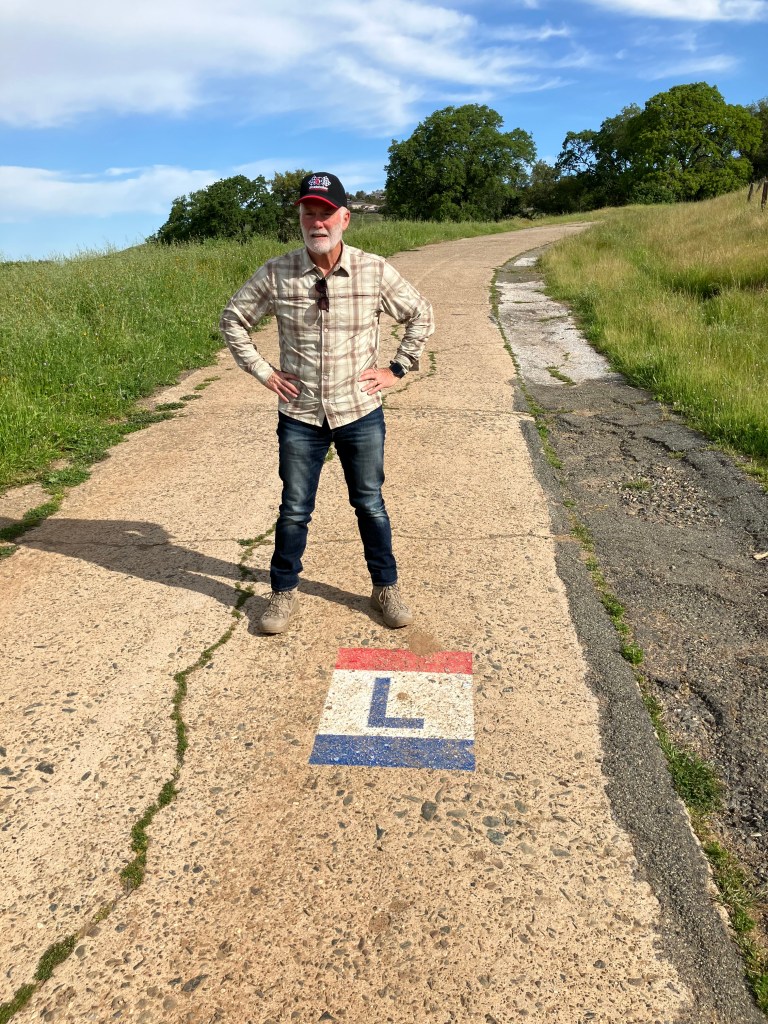
So my friend Bill P. and I decided to follow more of the original route here in El Dorado County. Using the El Dorado Hills segment as our starting point, we headed east toward Placerville.
Bill, astride an original segment of the Lincoln Highway that dates back to at least 1913. Note the distinctive Lincoln Highway logo.
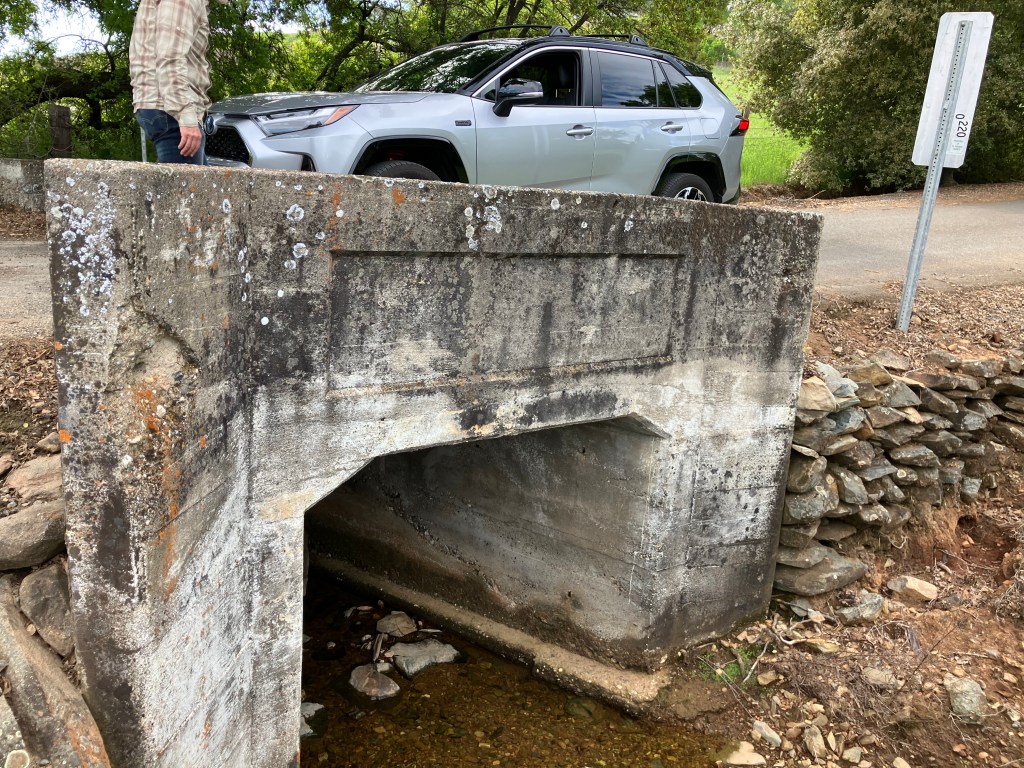
The surrounding countryside in this area looks, I presume, pretty much as it did a century ago, when a young Army officer named Dwight Eisenhower traveled the entire route in a military caravan. Even the bridges date to that era, I’d reckon.
Dwight probably crossed over this bridge in 1919.
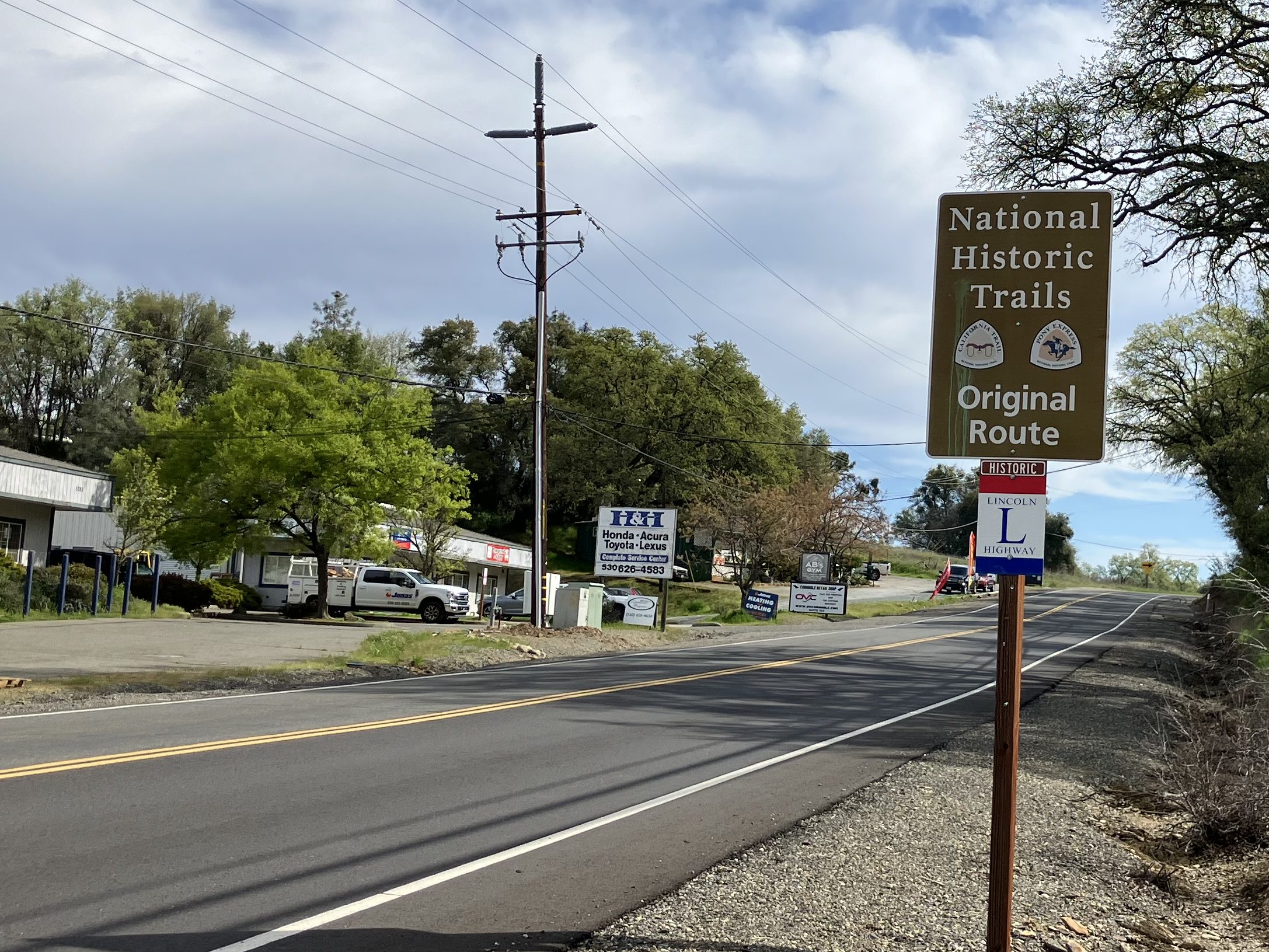
After a brief, unavoidable jaunt along US 50, we were back on the original alignment of the Lincoln Highway. There’s even signage to prove it!
Note the distinctive red, white, and blue sign.
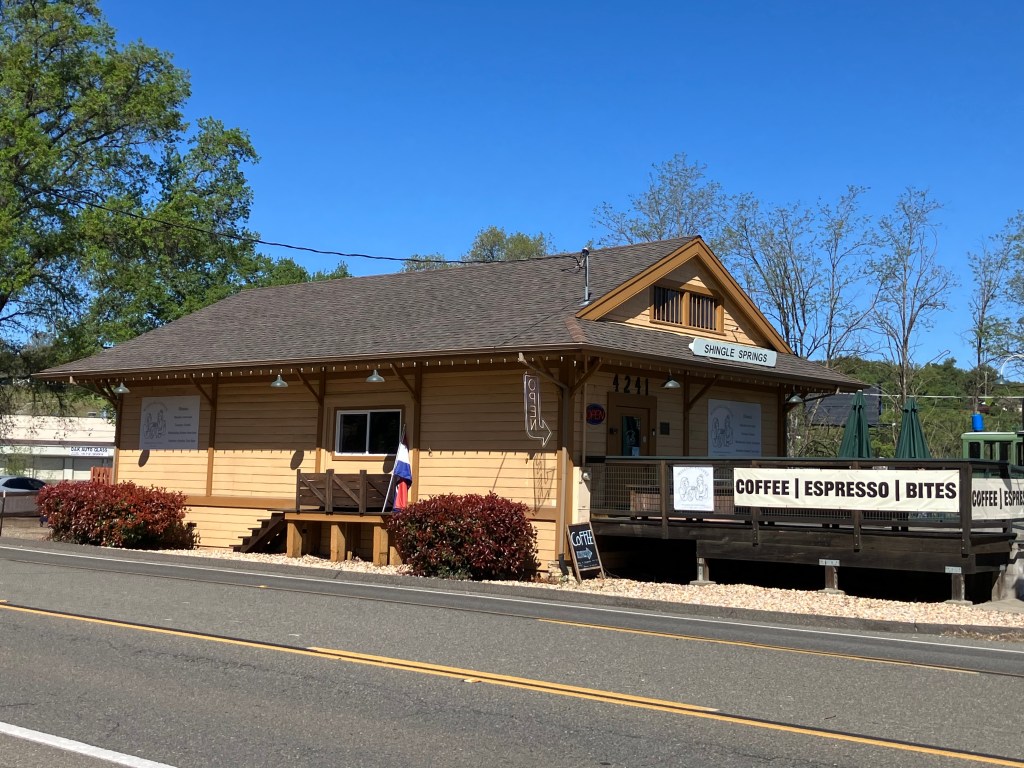
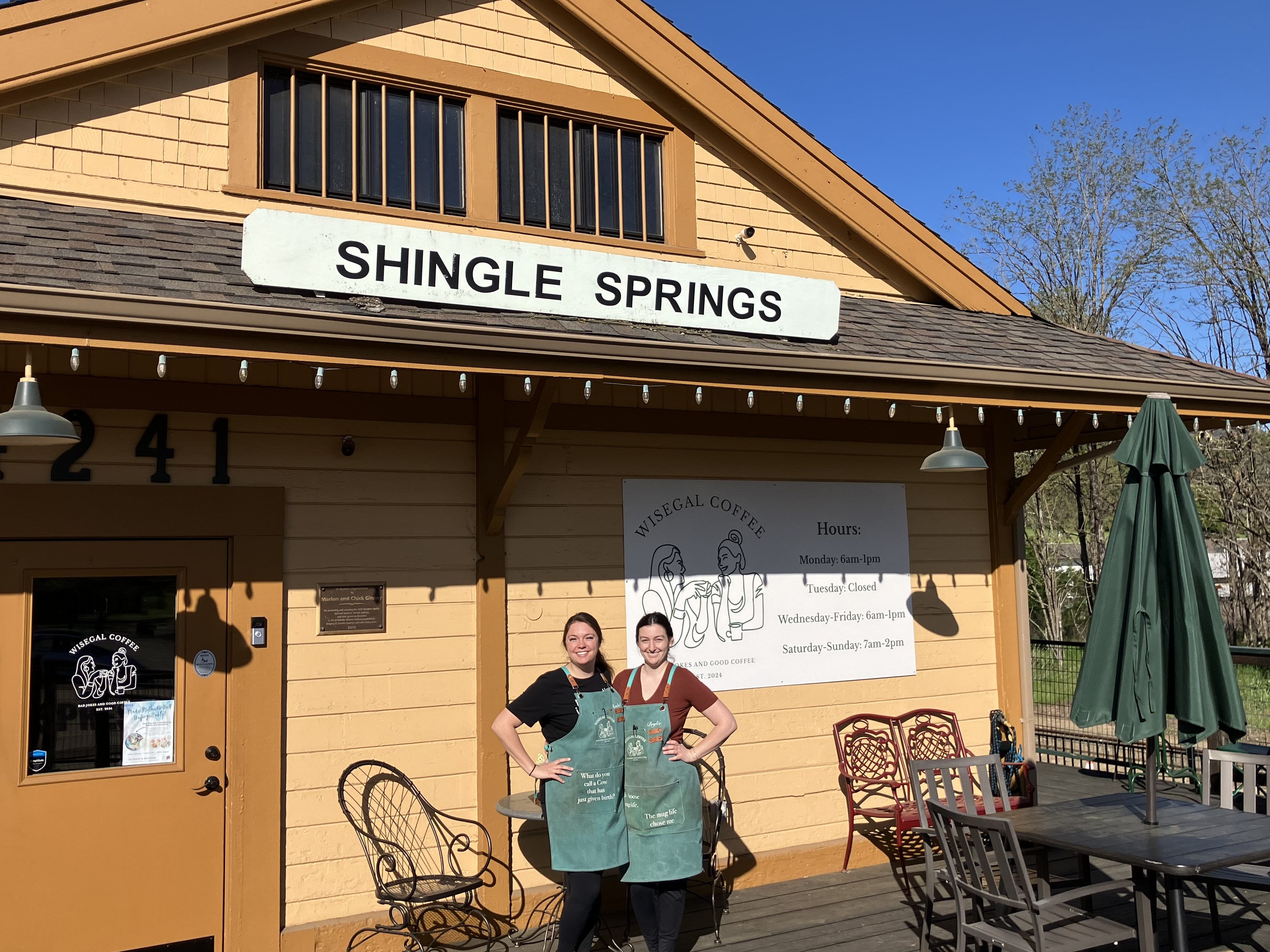
The historic Lincoln Highway route in western El Dorado County is moderately traveled and is flanked with a mix of modern buildings and historic structures dating back a century or more. An example of the latter is this 1896 freight depot in Shingle Springs:
Since last December this depot has been home to Wise Gals Coffee. It’s become a popular community gathering spot and my favorite place to get coffee. I hadn’t realized it’s also on the Lincoln Highway! If you find yourself anywhere on the 3000-mile route, I insist that you stop in for a cappuccino.
Rachel Bezdek and Brylee Lance, the eponymous “Wise Gals.”
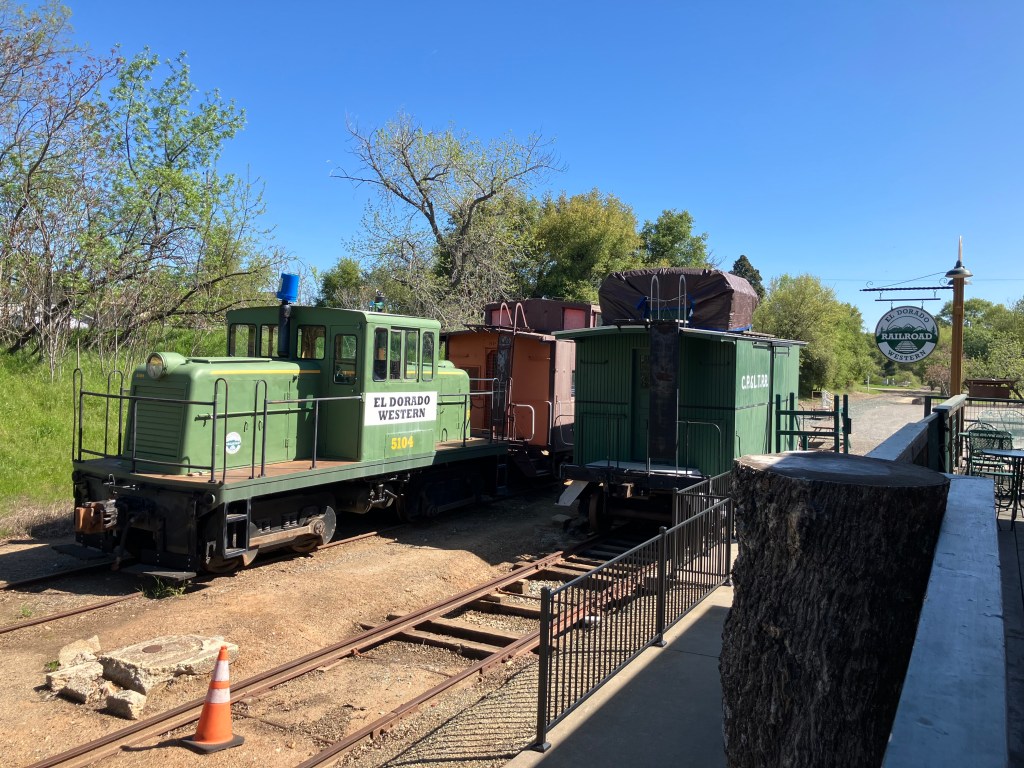
Oh, and not only is the original depot still standing; they’re still running trains! Southern Pacific abandoned the line forty years ago, but the tracks were taken over by the local historical society, and volunteers run trains on the weekends.
Railroad equipment next door to the depot.
After paying homage to coffee and trains, Bill and I headed back out on the old Lincoln Highway (signed as Mother Lode Drive in Shingle Springs.)
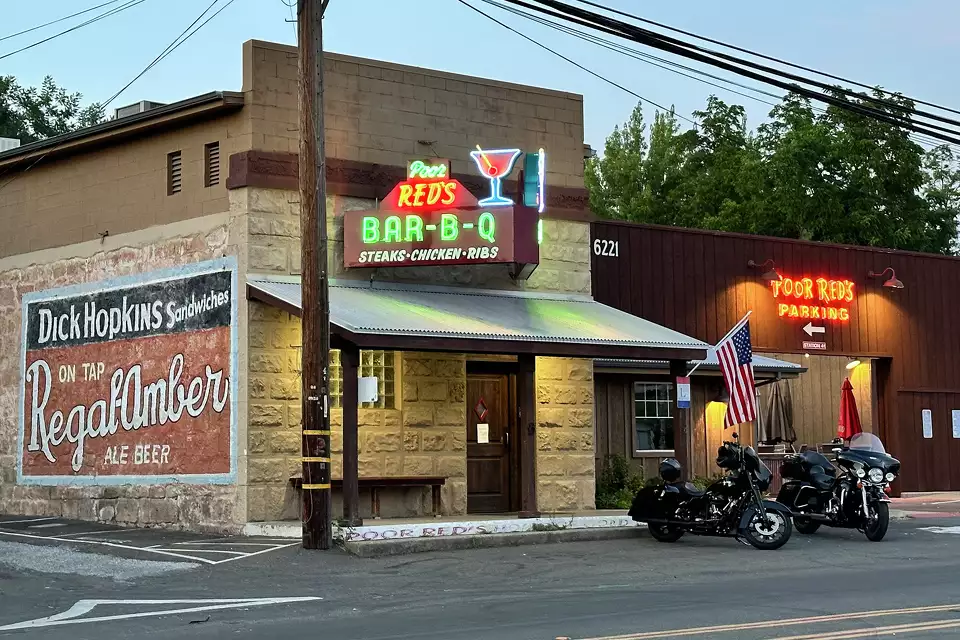
When we got to the town of El Dorado (pop: 4,000) the old Lincoln Highway (now called Pleasant Valley Road) took us right by the storied Poor Red’s BBQ. Allow me to quote directly from Poor Red’s website:
“Originally constructed as a weigh station for Wells Fargo, it previously operated under the name Kelly’s Bar from 1927 until 1945. Poor Red won the bar in a game of dice, and he and his wife and bookkeeper Rich Opal took it. The murals currently on the walls of Poor Red’s were installed in the 1940’s. They depict former employees and patrons, including their dog, which used to sit out front. It is rumored his dog ran for office, but he lost.”
Photo from S.F. Gate.
Poor Red’s, as you might know, is famous for the Golden Cadillac, a sweet cocktail with equal parts Galliano, cream, and creme de cacao. They claim to have invented the drink in 1952, and to be the world’s largest consumer of Galliano. Bill and I stopped in for lunch…
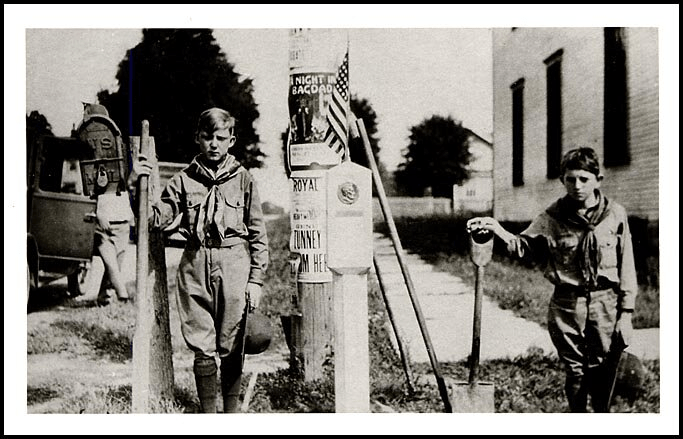
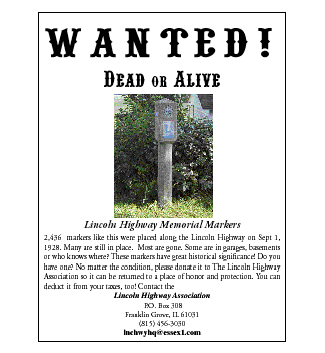
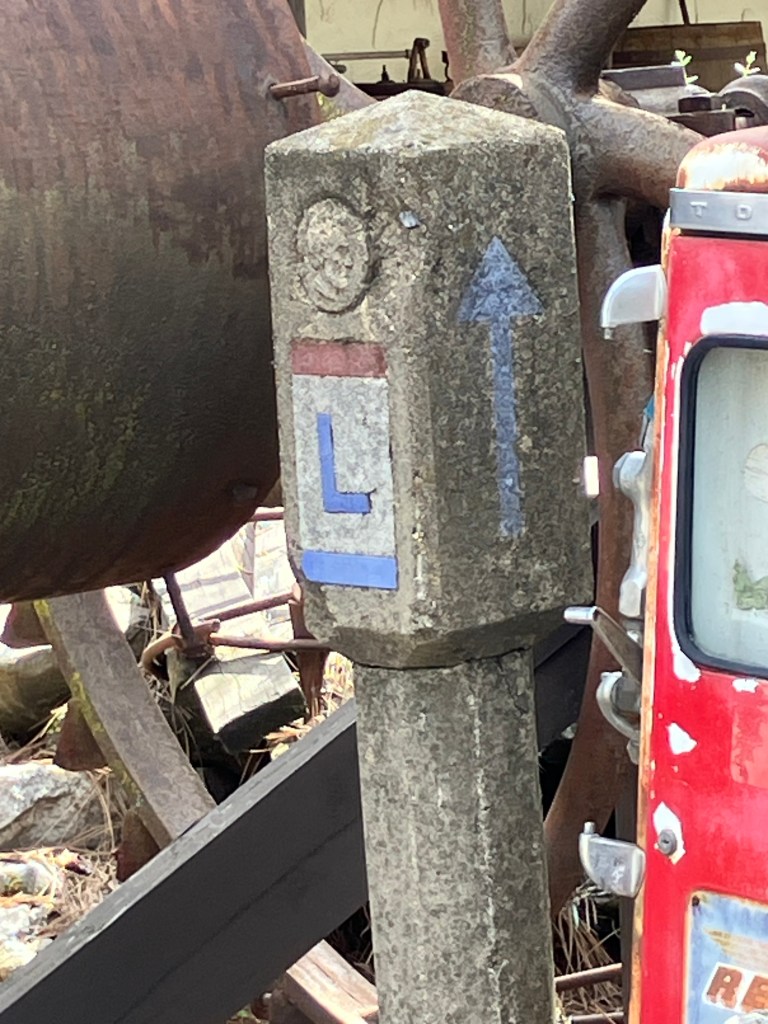
Next up, we stopped in at the El Dorado County Museum, which we knew has two original Lincoln Highway markers in its collection. One morning in 1927, exactly 2,436 of these cast cement markers were placed along the entire cross-country route by local Boy Scouts. (You can see one of the markers in my earlier photo of the Lincoln/US 40 memorial in Auburn.) Almost all the original markers are now gone, succumbing to road-widening operations, vandals, or weather. Given how iconic they are, Bill and I felt it important to see one “in the flesh,” as it were.
Poor little bastards.
We were met at the museum gate by one of the least helpful docents you’d ever want to meet. Us: “Hi! We understand you have a couple of historic Lincoln Highway markers on display!” Him: “Yes. They’re over there.” He gestured vaguely behind him to a bunch of clutter in a courtyard in front of the museum. But he continued to block the gate. Us: “Uh, could we see it?” Him: “We’re closed.” Us: (disappointed looks). Him: “You might be able to see it through the fence of the parking lot.” And with that he went back to torturing kittens or whatever it is he does for fun.
We did manage to take a photo through the metal fence. God forbid that we would have been allowed to set foot for a moment on the other side of the fencing.
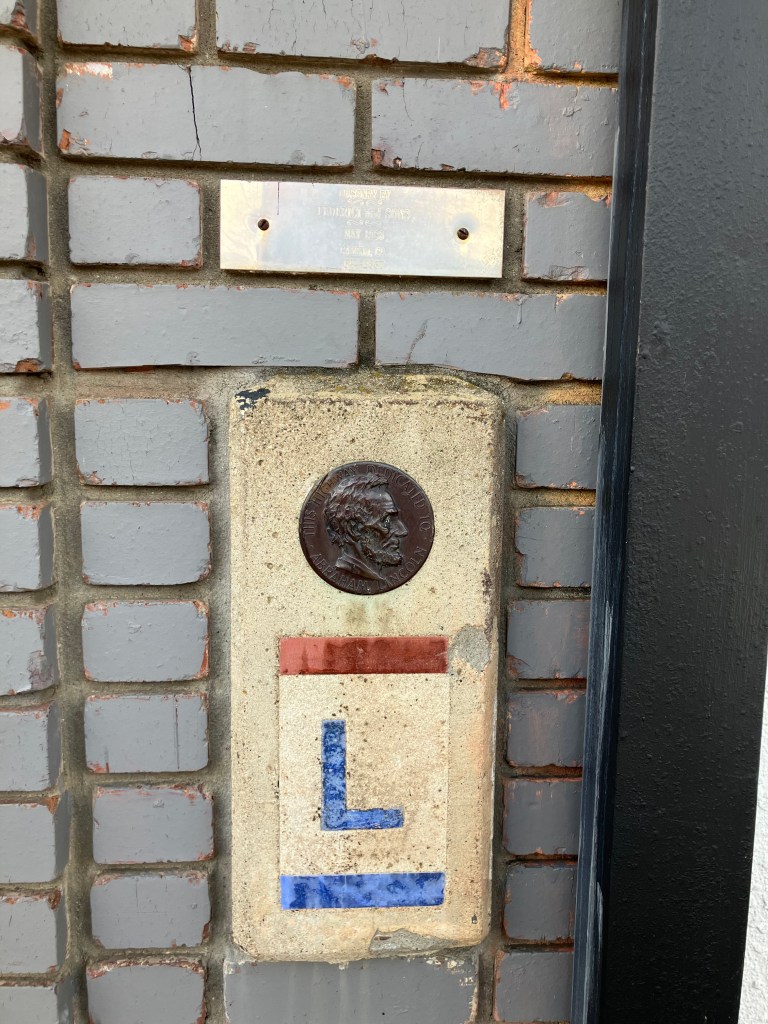
Note that the Lincoln head near the top is embossed. This seems odd; in all the other photos I’ve seen of these, the Lincoln head is on a round, bronze plaque.
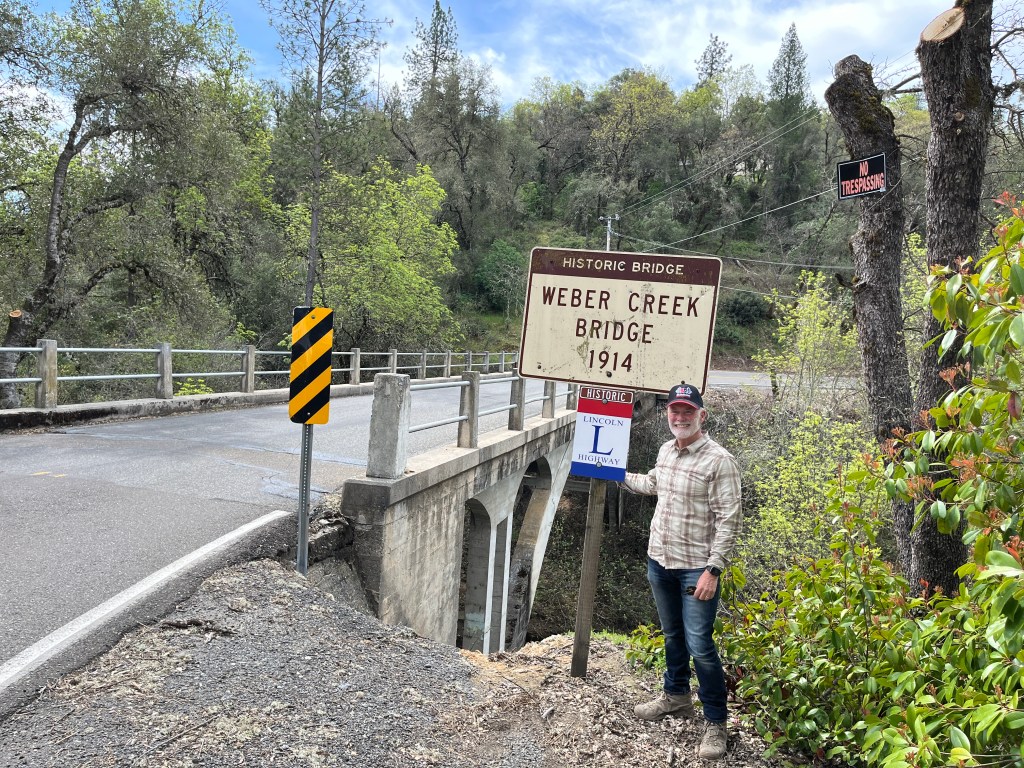
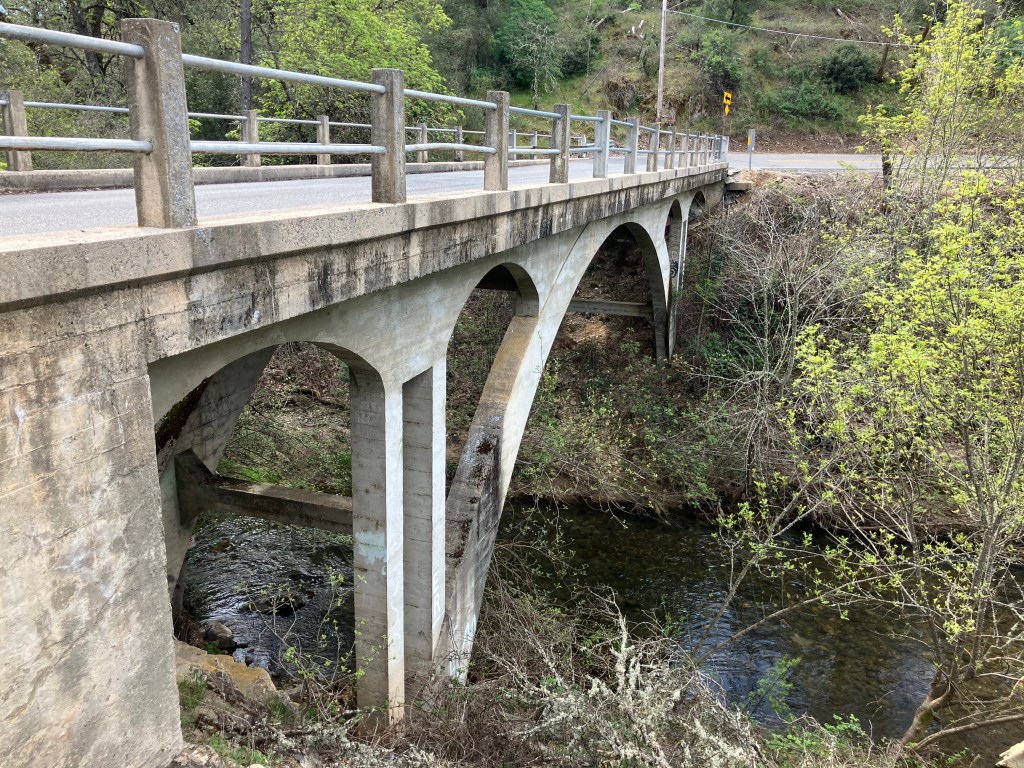
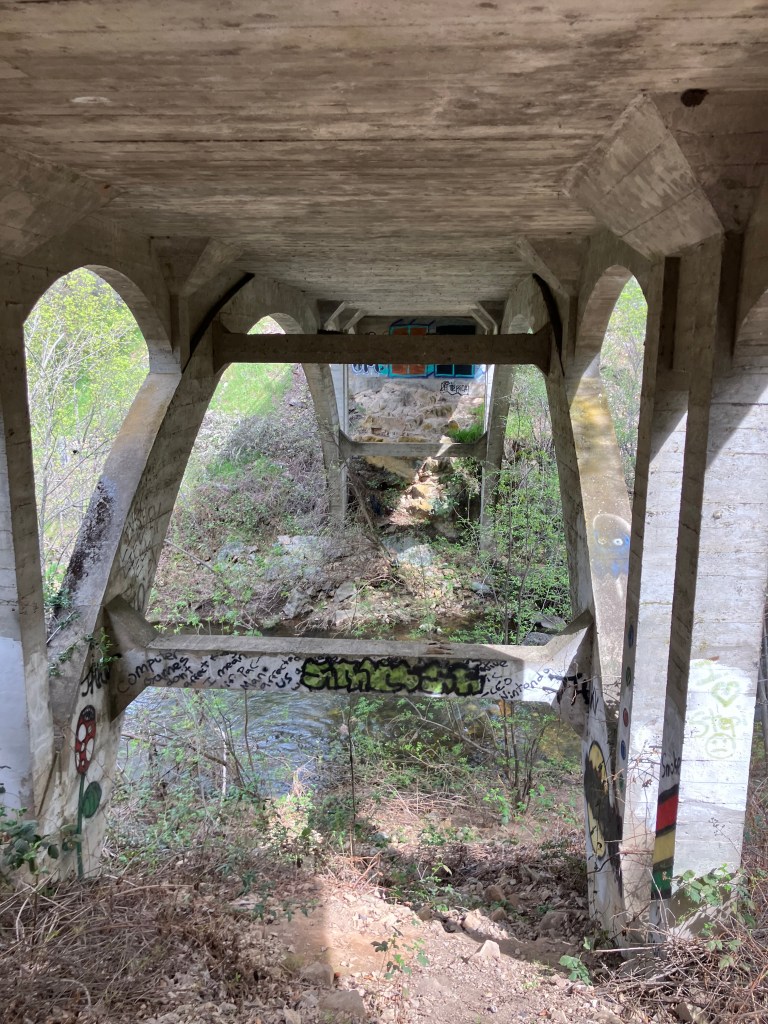
We returned to the Lincoln Highway, and once again felt like we’d been transported to the early 20th century. As we approached Placerville we crossed over the historic Weber Creek Bridge, which dates to 1914.
The bridge is in remarkably good shape for over 110 years old. A little research revealed that it’s one of only two “Turner Mushroom Slab” bridges in California. Evidently an engineer named Claude Allen Porter Turner patented a “flat slab support system” (which my wife tells me I could benefit from). But I think it actually has something to do with the way the concrete slabs are designed and assembled. Coincidental fun fact: Turner was born in 1869 in Lincoln, Rhode Island!
Quick! Find the “flat slab support.”
Finally we were approaching Placerville, which meant we had one more opportunity to get up close and personal with a Lincoln Highway marker. The Lincoln Highway through downtown Placerville is now Main Street, and our research suggested that one of the original markers had been discovered during an earlier road-widening, and cemented into the face of a brick wall. After a few false leads and a couple of illegal maneuvers, we found what we were looking for in the external wall of a restaurant:
The real deal!
It’s quite surprising how many of these remnants of a century-old highway remain, largely invisible or unacknowledged by galoots such as myself. My two recommendations to you, gentle reader, are (1) pay attention to the history near you; who knows what’s in your backyard!, and (2) ease onto the Lincoln Highway and make your way to Wise Gals for a cappuccino.
That’s the only apple-related pun I could come up with. I mean, there are others, but they’re pretty core-ny.
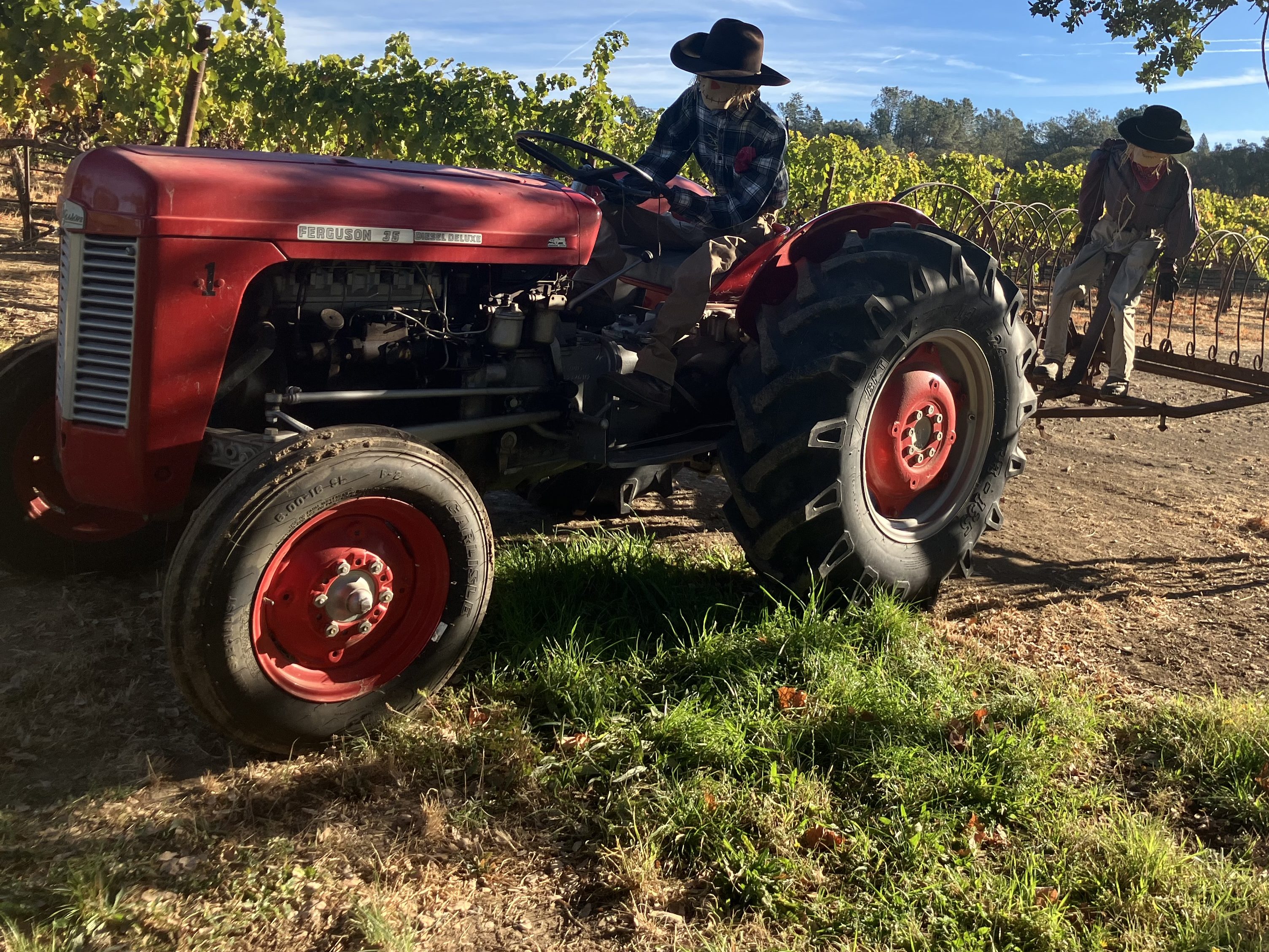
Anyway, whenever I think of October treats, my mind conjures up visions of apples, orchards, and scarecrows.
Down the street from me; yes, we live in the country.
Anyway, today I visited a place called Shorty’s. It’s a family-run bakery and gelateria in Placerville. It’s been open about a year now, and it’s been featured on Good Day Sacramento. The show featured a bubbly interview with owner Morgan Hunter. Check it out:
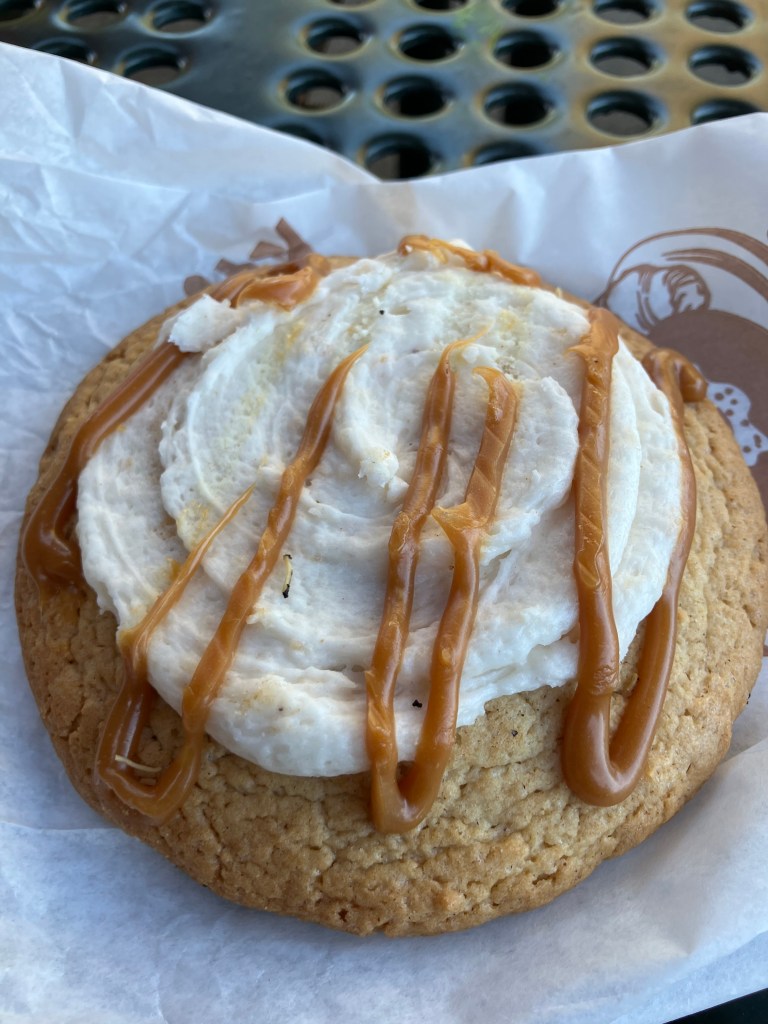
It’s a small shop, but they have a good variety of high-quality, homemade treats. I went for the apple caramel cookie. You know the drill:
Conceptual Soundness: The basic idea here is to convert a caramel apple into cookie form. Caramel apples are one of those fall/Halloween treats that combine classic tastes of fall into a single stick-mounted food that is fun to eat. (Check out my earlier review of a caramel apple here.) This could be hard to actually achieve in cookie form, but I like the idea of it. It deserves the full 4 points.
Appearance of the Treat. It’s an attractive cookie with a large, perfectly-baked cookie base, a generous topping of butter cream frosting, and a playful drizzle of caramel sauce. It looking tempting and fun. My only complaint is that the caramel sauce got a little mussed when they shoved it into a little paper sack. Seems a small plastic or cardboard box would have been a better way to transport a treat that’s as attractive as this one. I’m going to ding it a point for that. 3 points.
Great cookie, but note the caramel damage.
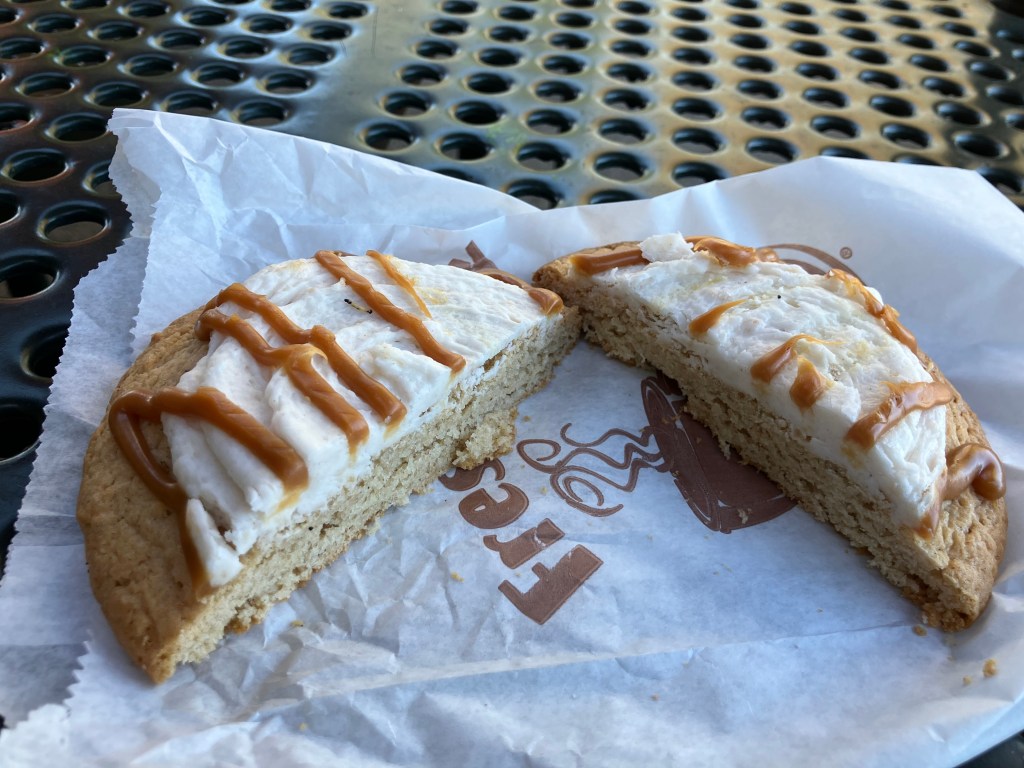
Taste: This reminds me of a cross between a caramel apple and a slice of apple pie. Either way, it’s delicious. The cookie base is soft, with a consistency almost of cake. The cookie dough is mixed with apple pie spices, which definitely come through in each bite. On top of the cookie is a rich butter cream frosting which has a thick consistency almost like cream cheese. One of the bakers told me it’s made with house-made, fresh apple juice, which helps to evoke the apple-on-a-stick experience. On top of the frosting they’ve drizzled a sweet caramel sauce that adds depth to the taste experience. Put it all together and this is a solid four-star cookie.
No stick needed.
Value: Five bucks for a cookie seems a bit steep. But it’s a very large cookie, it’s hand-made in-house, and the ingredients are obviously fresh. Let’s give it a mid-range score of 2 points for value.
Total Treat Score: 13 points out of 16 points. If you find yourself in Placerville looking for soul food and a place to eat, swing by Shorty’s for a cookie and/or some gelato!
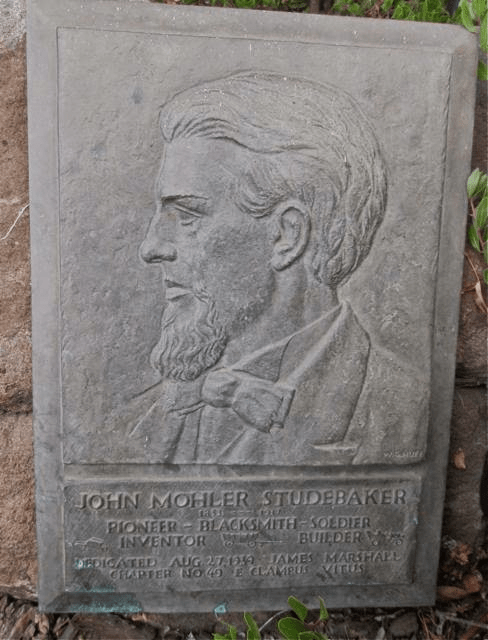
This morning a little after 6 am I took out the Speedmaster to downtown Placerville (pop: 11,000). There I got a cup of coffee and took a seat at the site of the old blacksmith shop where John M. Studebaker built wheelbarrows over a century ago. There’s a marker in the courtyard of the Bagel Works commemorating this fact.
John Studebaker was not the reason for my visit, but it’s worth recalling his connection to Placerville and the California Gold Rush. He was born in Pennsylvania and came out to California as a young man seeking his fortune in the gold fields. It didn’t take him long to realize the real path to riches lay not in mining for gold but in selling supplies to the gold miners. So he began building wheelbarrows right where I was drinking my coffee, and eventually amassed enough money to launch what would become one of the country’s largest, longest-lived, and most successful independent automobile manufacturers: The Studebaker Corporation. This is probably a good time for a brief clip of my friend Bill’s 1941 Studebaker Commander, which is still moving under its own power after 81 years. It’s a goal I hope to achieve myself in 20 years.
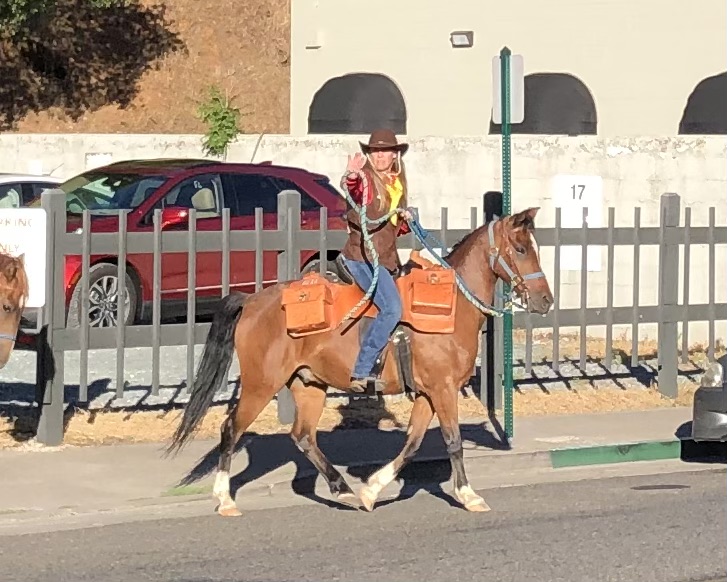
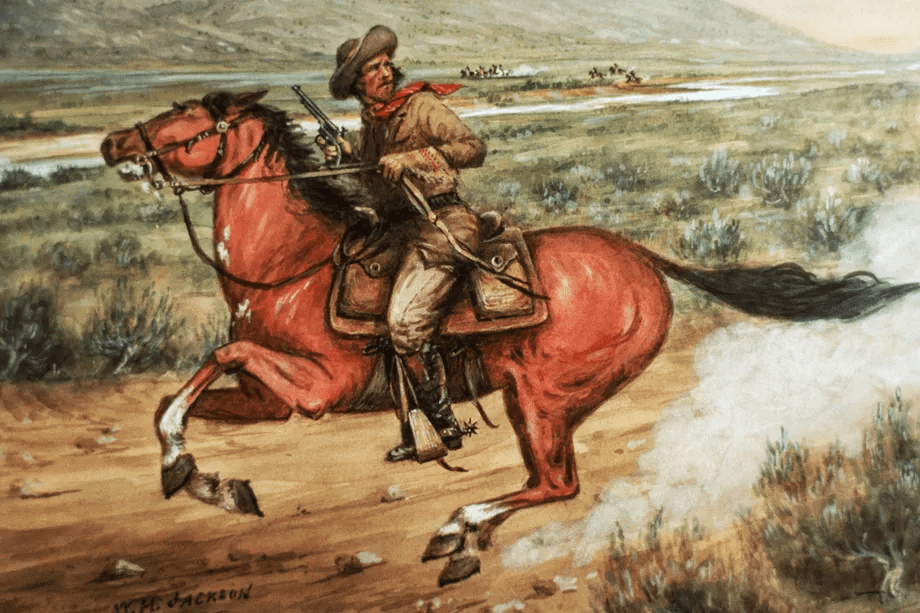
But back to this morning: I sat there with my coffee, waiting for the mail to be delivered. And this wasn’t just any mail delivery: This was a special delivery by the Pony Express. The Pony Express, you’ll remember, was created right about the same time that John Studebaker was building his wheelbarrows. The Pony Express carried US Mail from St. Joseph, MO to Sacramento on horseback, in only 10 days. It covered a route of 190 ten-mile segments, with fresh horses being supplied at each segment, and riders being changed about every 10 segments. (Some of the old Pony Express stations are still standing; I’ve been to a few of them in my travels, including the Pony Express Cafe in Eureka, Nevada, as I discussed briefly here.)
The Pony Express only lasted about a year and a half (from the spring of 1860 to the fall of 1861). It went bankrupt a month or two after the first transcontinental telegraph was established. But the Pony Express remains a romantic (or romanticized) part of the Old West.
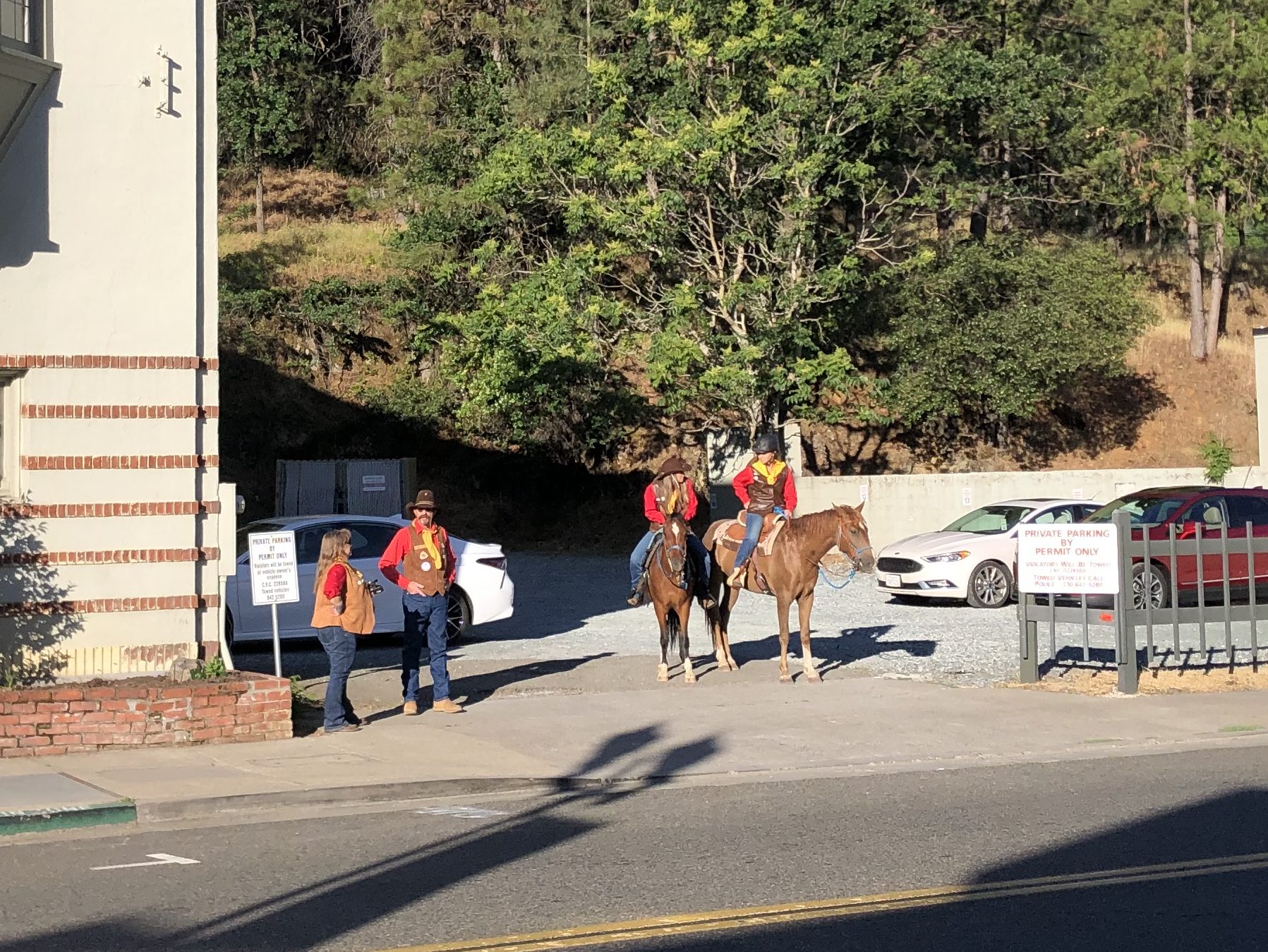
So what does any of this have to do with this morning? Well, it seems that the good folks at the National Pony Express Association annually re-create the Pony Express ride–24 hours per day for 10 days. This morning the rider was scheduled to be coming through downtown Placerville a little before 7 am. When I got there, a small number of people were milling about, as though they were waiting for the world’s smallest parade. Seriously, this was not a well-attended event, but perhaps that’s because anyone living in this general area would probably opt instead to be present for the final moments, when the rider comes into Old Sacramento this afternoon.
Waiting for the mail to arrive
Most of the people were wearing distinctive red shirts and leather vests–the uniform of the National Pony Express Association. But I also spotted a few civilians such as myself. The mood wasn’t exactly raucous, but clearly these hardy souls shared an interest in history and/or horses. Adding to the mood was the backdrop of 19th-century buildings on Placerville’s Main Street.
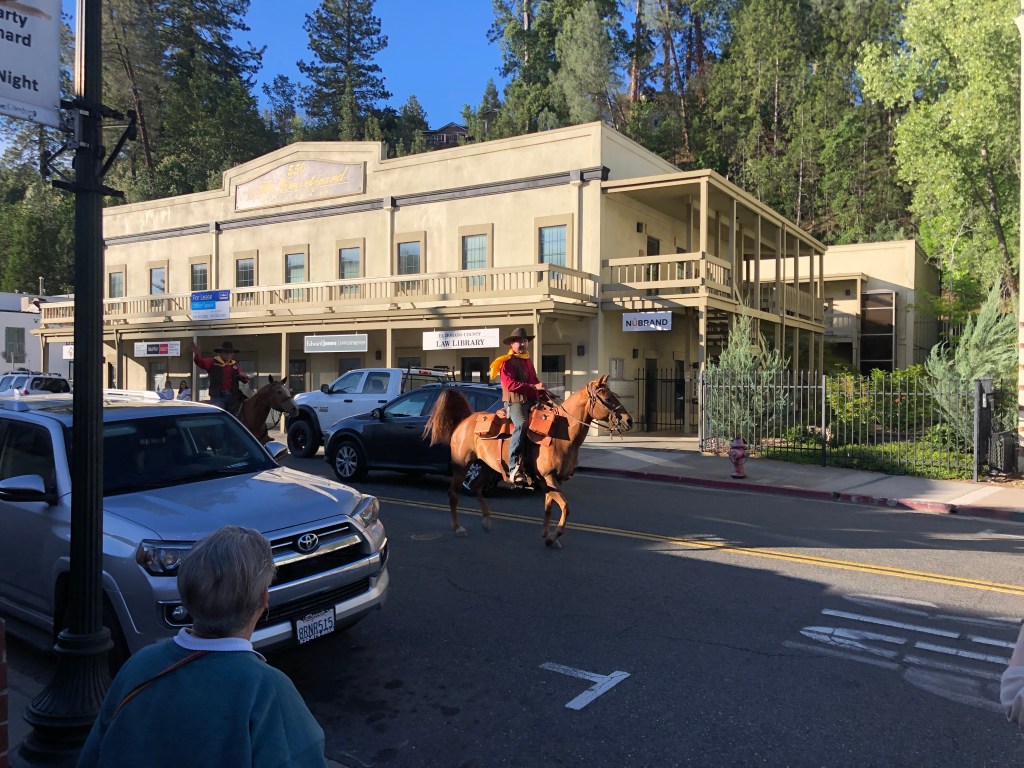
And then suddenly, without warning, the mailman arrived.
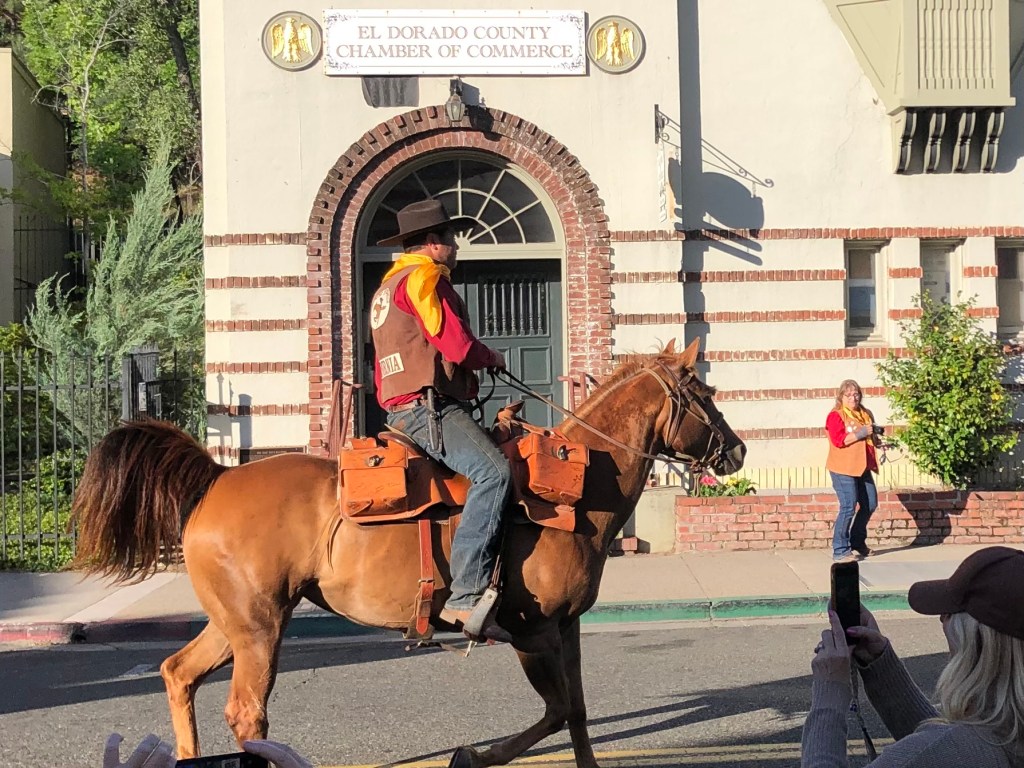
Then the mail bag (“mochila”) was transferred to a waiting rider, and the mail was back on its way. It was all over in less than a minute.
Neither sleet nor snow nor traffic laws….
There’s something compelling, in this age of texting, email, and on-demand media access, to see old-timey, flesh-and-blood communication mechanisms at work. I certainly would not argue that the Pony Express was superior to modern communications; heck, it wasn’t even superior to the telegraph. But it does represent a spirit and energy that seems to be in short supply these days. And that’s why this afternoon I’m going to be raising a pint to the young men who rode for the Pony Express.
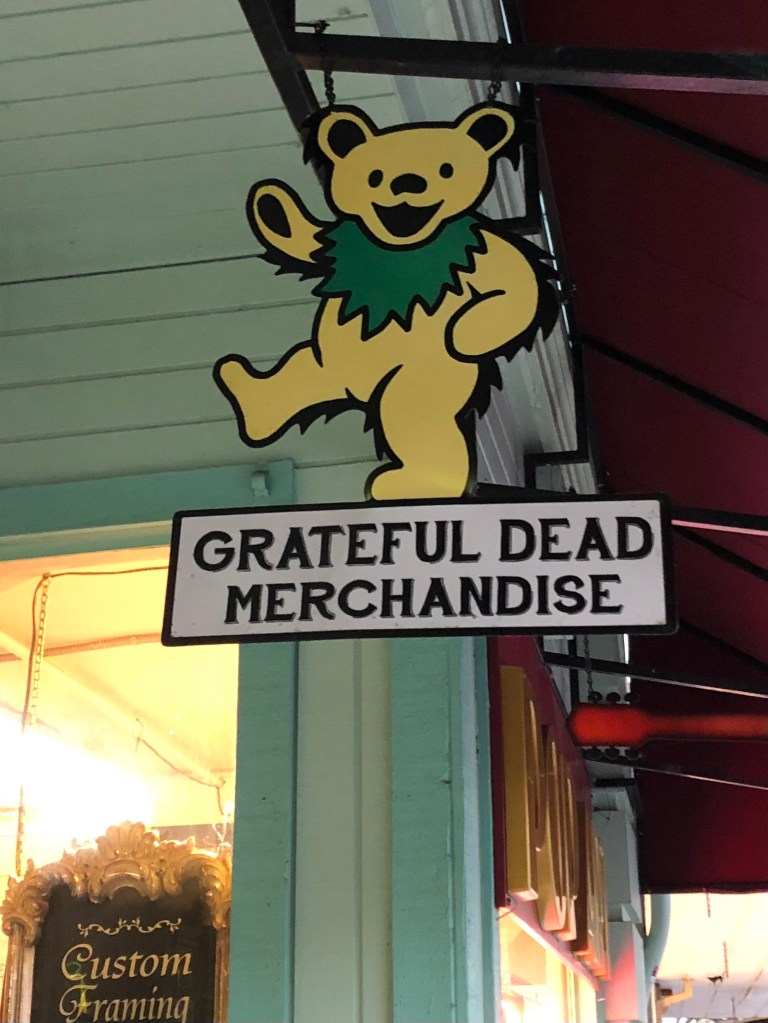
A few nights ago the wife and I were having dinner in downtown Placerville. We were sitting outdoors (as one does these days), watching the strollers stroll and the passersby pass by. Then what to my wond’ring eyes should appear but a bright, shiny sign with a gold, laughing bear.
Attentive readers will recall my mission to track down historic Golden Bear signs. I made a few subsequent discoveries here and here. Had I now stumbled across another one?
Sadly, upon closer inspection, I noted that this Laughing Bear was just an advertisement for another hippy-dippy store selling tie-dyed shirts and all manner of hemp products. For as we all know, The Grateful Dead appropriated the image many years ago as part of their brand.
No Birkenstocks, no service.
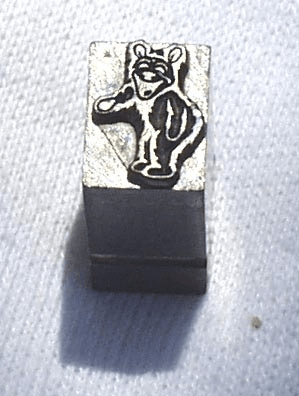
Now, to be fair, there is an alternative myth that the Grateful Dead’s bear was copied not from the Golden Bear signs, but from a “36 point lead slug” (that is, a piece of old printer’s type). Here is the slug in question:
The plot thickens
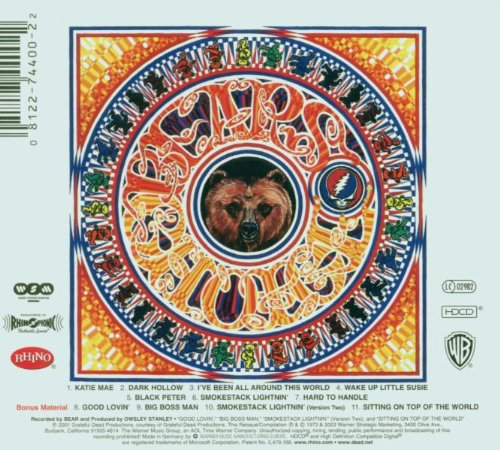
The story goes that an artist by the name of Bob Thomas found the slug somehow, and used it as an inspiration for the album design of The Dead’s 1973 album, The History of the Grateful Dead, Volume 1 (Bear’s Choice). (“Bear’s Choice” is a reference to Owsley “Bear” Stanley, who was the Dead’s sound engineer and, not incidentally, a major purveyor of LSD. I’m not making this up.)
Look carefully around the perimeter of the circle.
I’m of the opinion that the “36 point lead slug” may indeed have been Mr. LSD’s inspiration for the album art, but I suspect that the slug itself was designed from the historic Golden Bear logo. It may have been used for Golden Bear advertisements in the newspaper, for example.
Anyway, my point is this: If you need drug paraphernalia, there’s a place next to Bene Italian Restaurant in Placerville. In the meantime, please send me pictures of any authentic Golden Bear signs that you might come across.

 Chasing Phantoms