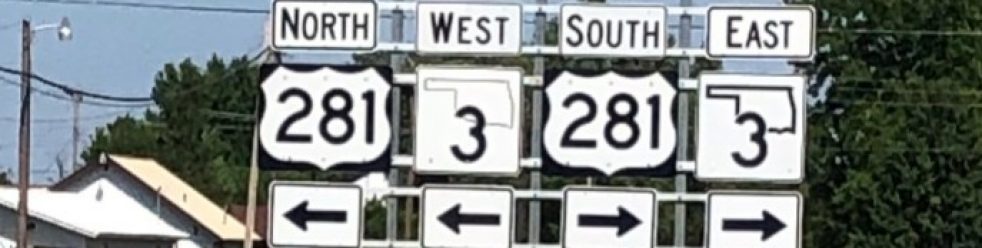

Spring officially began a few days ago, which of course signals the opening of road trip season. And right on cue, loyal reader Peter D. helpfully sent us a Los Angeles Times article highlighting a stretch of highway in the Mojave Desert that piqued our interest. It’s California Route 127, and it’s known to old-timers as Death Valley Road. It dates back to the FDR administration–or, perhaps more relevant for a California highway, it dates back to the administration of Governor James “Sunny Jim” Rolph, Jr, a man who lasted three years in office before he collapsed and died while campaigning for re-election.
Route 127 is about 91 miles miles long, running along the eastern edge of Death Valley National Park from the Nevada state line down to the town of Baker on Interstate 15.
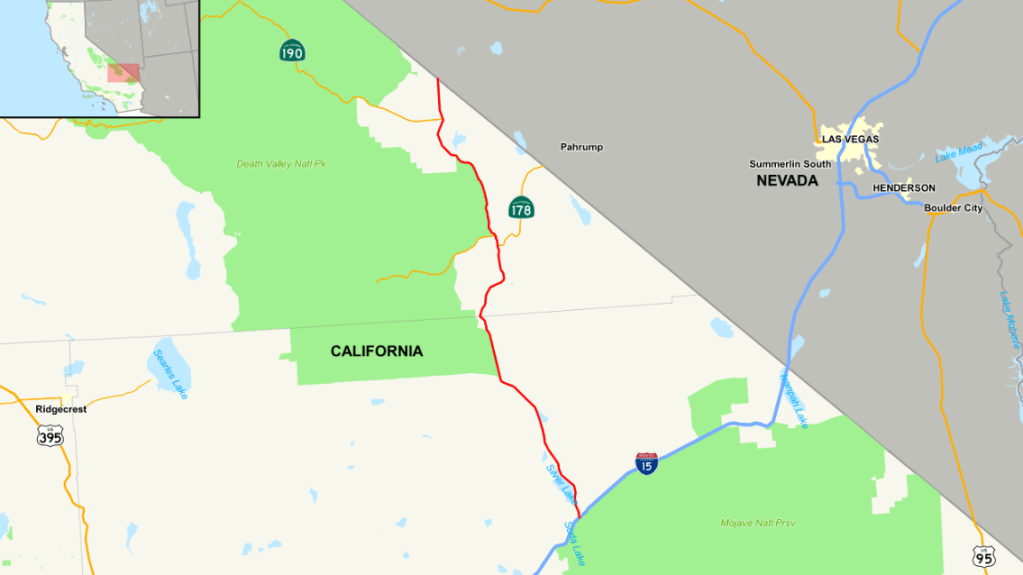
And so this morning I took a cheap Southwest flight to Las Vegas, where I rented a car and set out to explore this fabled (?) stretch of roadway. I’m going to cover the full 91 miles, but first I had to get there.
As luck would have it, getting to the beginning (or end, depending on your perspective) of Route 127 meant driving a stretch of US Route 95, which is a highway I explored in 2021. Attentive readers might recall that I got as far south as Beatty, Nevada on that trip. Today I had the opportunity to cover another stretch of US 95, between Las Vegas and Beatty. I must say, it’s a whole lotta nothin’.
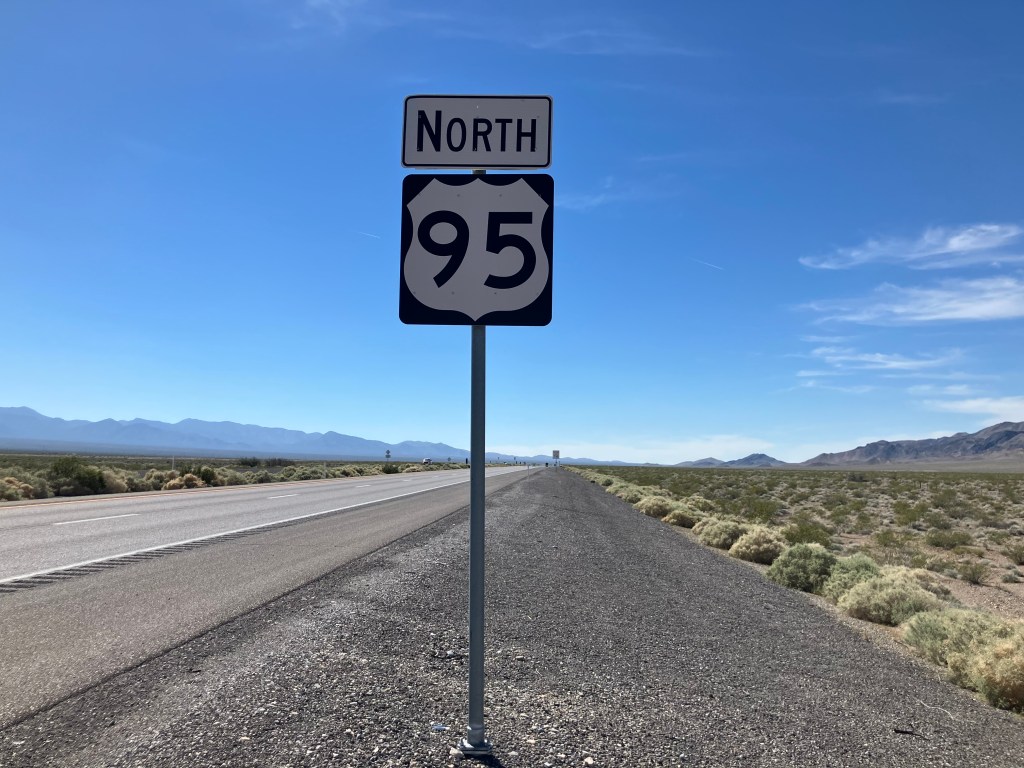
Well, not quite nothing. While looking for a gas station, I saw this sign along US 95:
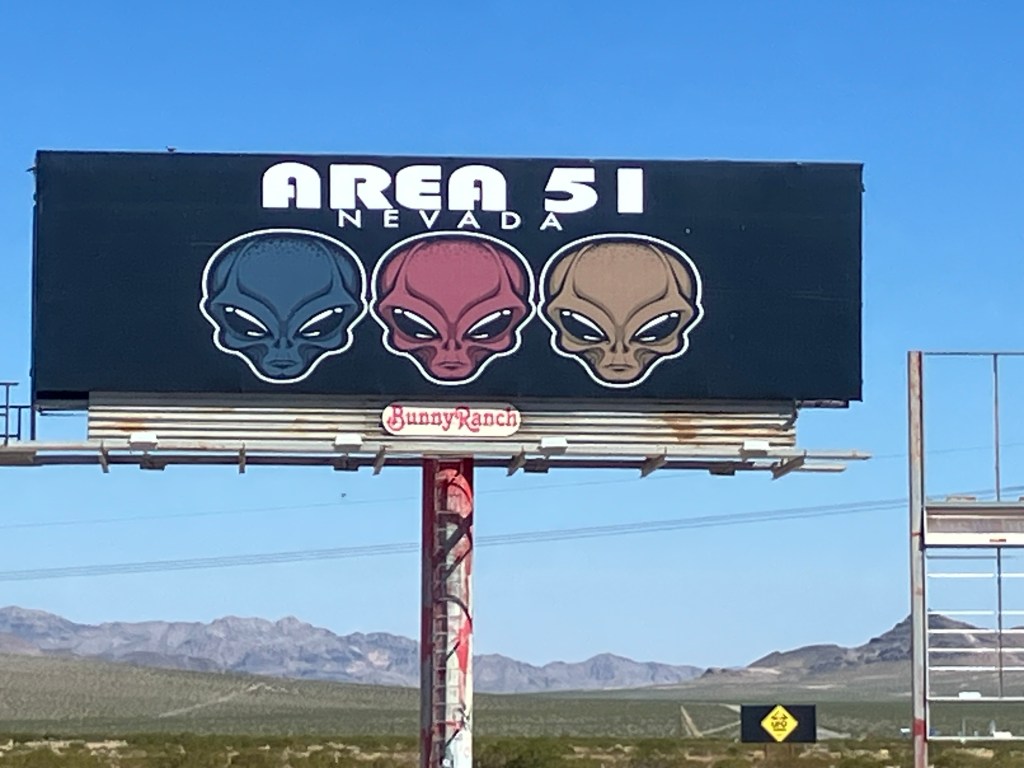
Now, Area 51 is indeed in this general area, but this facility and signage feel a little too obvious:
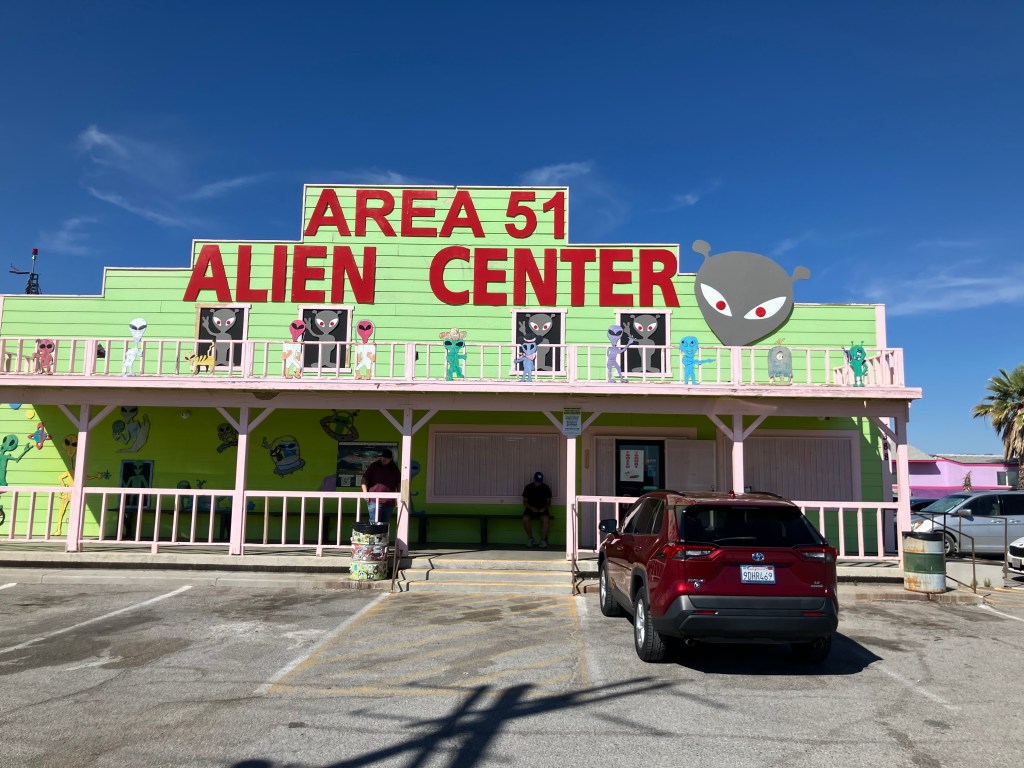
It turned out to be one of those combination convenience store/alien souvenir junk/gas station operations. (It’s almost identical to Jackass Joe’s, that I visited in Utah last year.) But this UFO-themed place has another distinguishing feature:
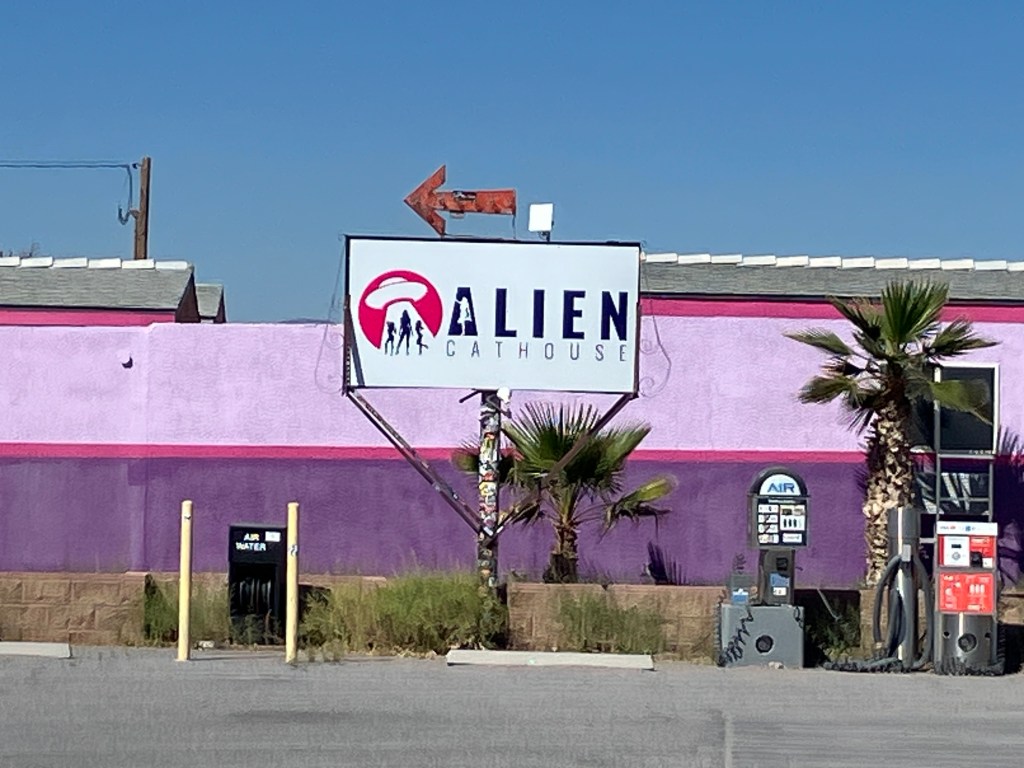
That’s right–the front door of the Älien Cathouse is right next to the gas station’s water and air hoses. As you may or may not know, brothels are legal in Nye County, Nevada. While I was pumping my ethyl (if you’ll pardon the expression) a husband and wife were posing with their young children in front of the Cathouse.
I got back on the road, and after a short time I was approaching the California state line, where I passed a Last Chance Nevada casino whose roadside calling cards are, confusingly, a giant pig and a giant cow.
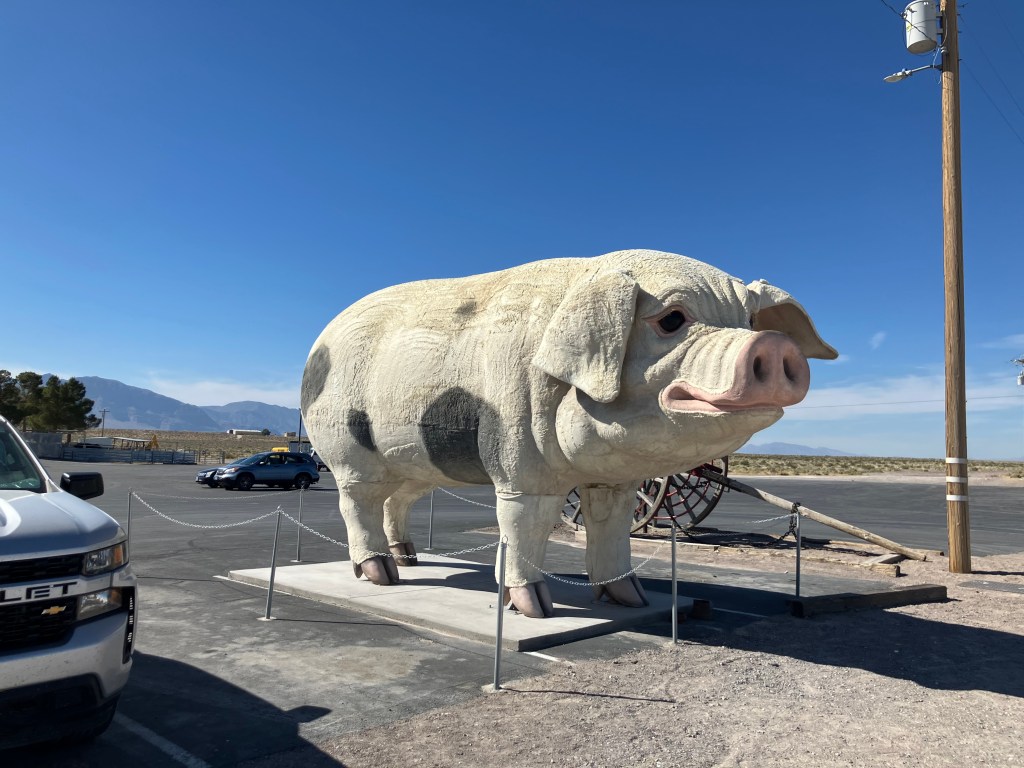
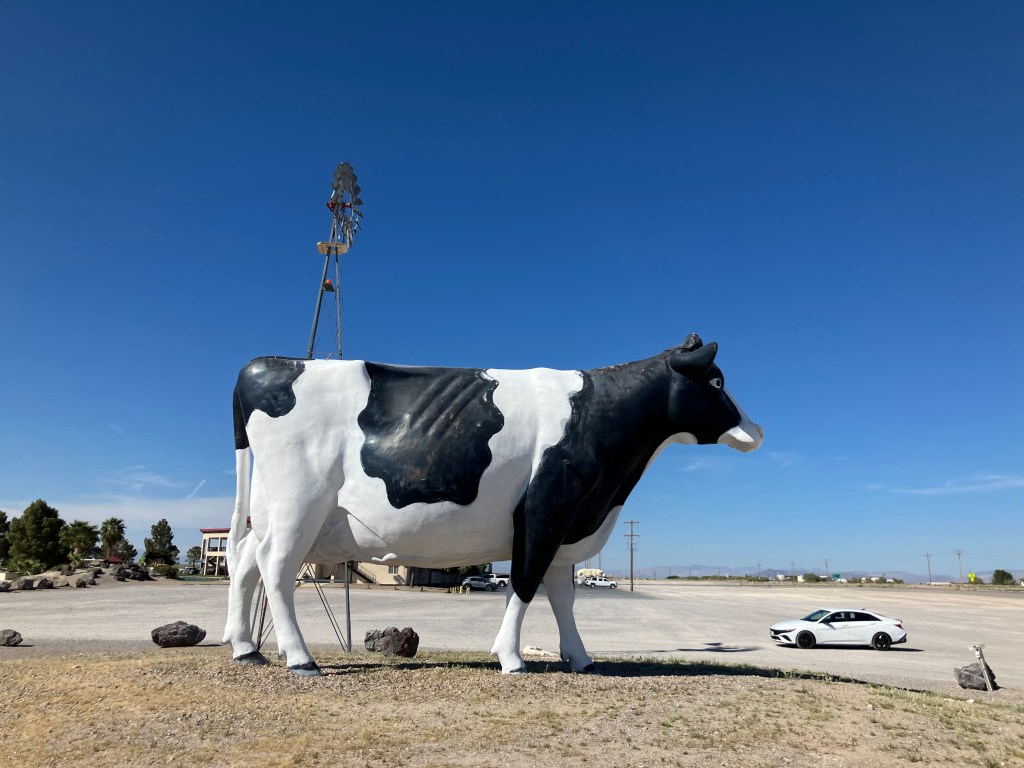
(Interesting side note: The cow used to stand atop the now-defunct “Holy Cow! Casino and Brewery”in Las Vegas.)
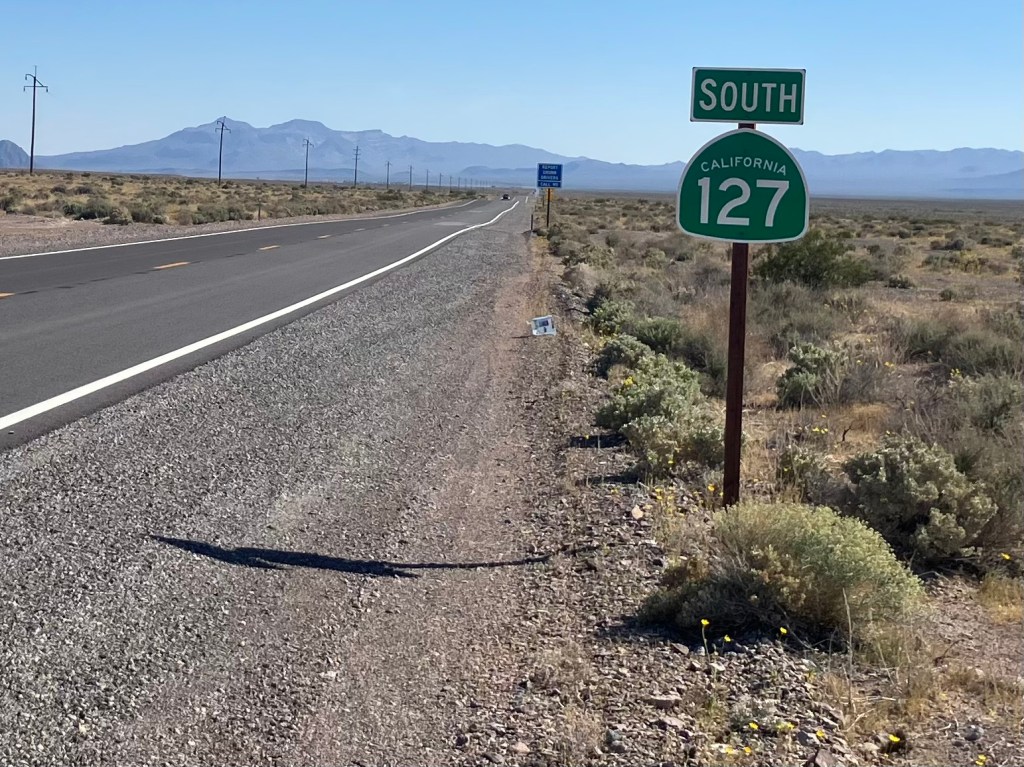
Finally, as I crossed into California, I was instantly on California Route 127. I was eager to see for myself the road that the LA Times calls an “antidote to the frantic pace of our modern condition, a necessary pause to see not what has been forgotten, but what endures.”
Shortly after starting my journey along CA 127, I arrived at a magical place called Death Valley Junction (pop: 3). The town was founded in 1907, when the Tonapah and Tidewater Railroad ran a spur line here to serve the Pacific Coast Borax Company’s plant. (You have to admire the chutzpah of naming a mining operation in the middle of Death Valley after the shores of the Pacific Ocean.) Borax is a naturally occurring mineral that was discovered here in Death Valley, and is used for cleaning and other uses.
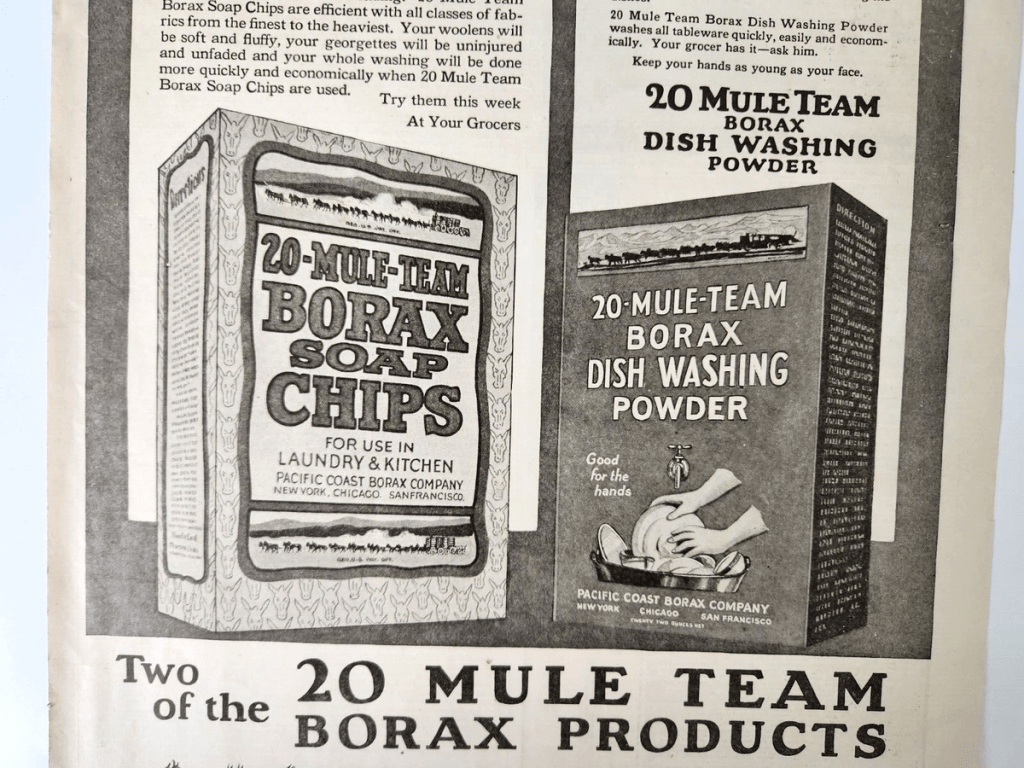
Anyway, the western writer Zane Grey published an article decrying the horrible living conditions of the borax workers living in tents out here in the desert. So the Pacific Coast Borax Company, sensing a potential PR nightmare, built proper housing and facilities right here where I’m standing. This company town was constructed almost exactly a century ago, and it had offices, a hotel, worker dormitories, an infirmary, a community hall, and other facilities. By all accounts it was a thriving community.
This state of affairs only lasted for a few years. It seems that a richer vein of borax was discovered elsewhere, and the Pacific Coast Borax Company moved its operation out of Death Valley Junction. Then, in the 1940s, even the railroad left town…literally. The rails were pulled up and sold to the US government, which used them for the war effort in Egypt.
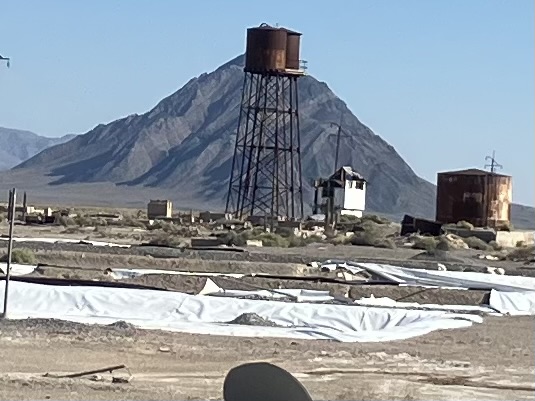
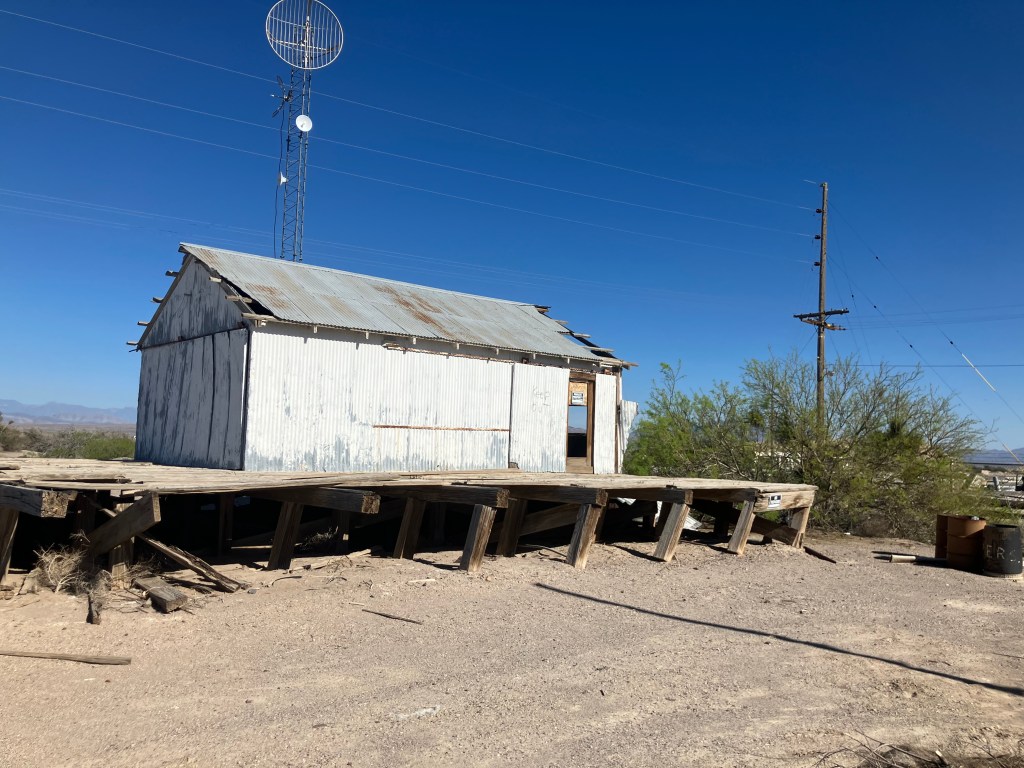
Without the railroad or the borax operation, Death Valley Junction essentially became a ghost town. Except for the hotel, which struggled along, the old company town was left to decay.
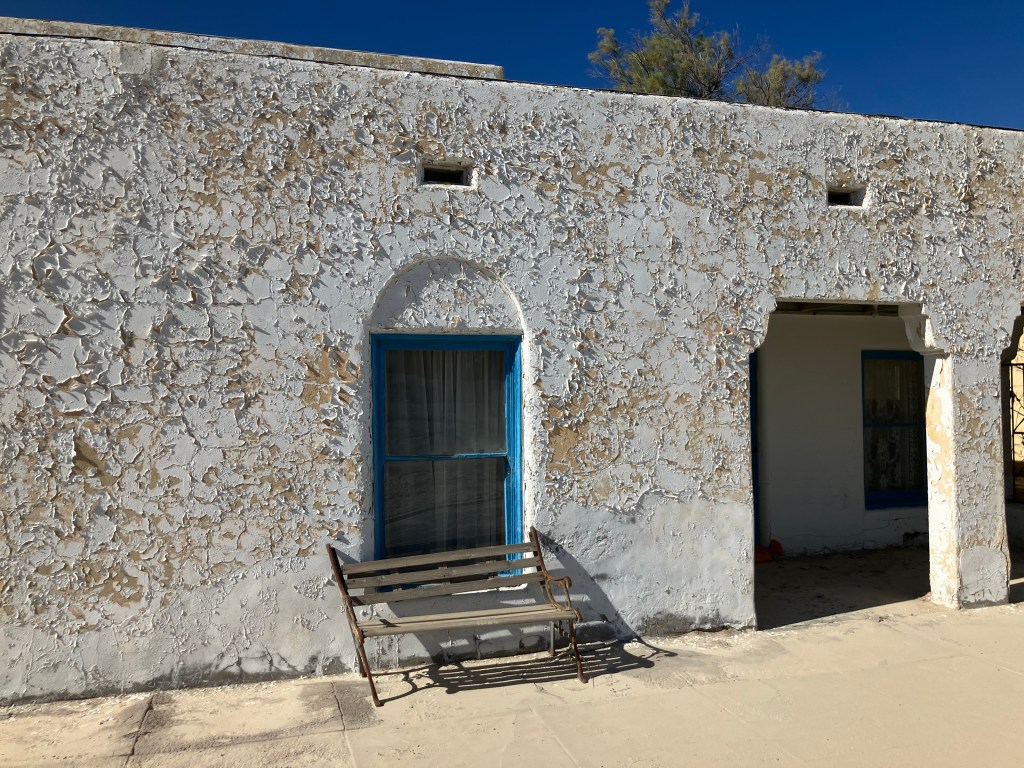
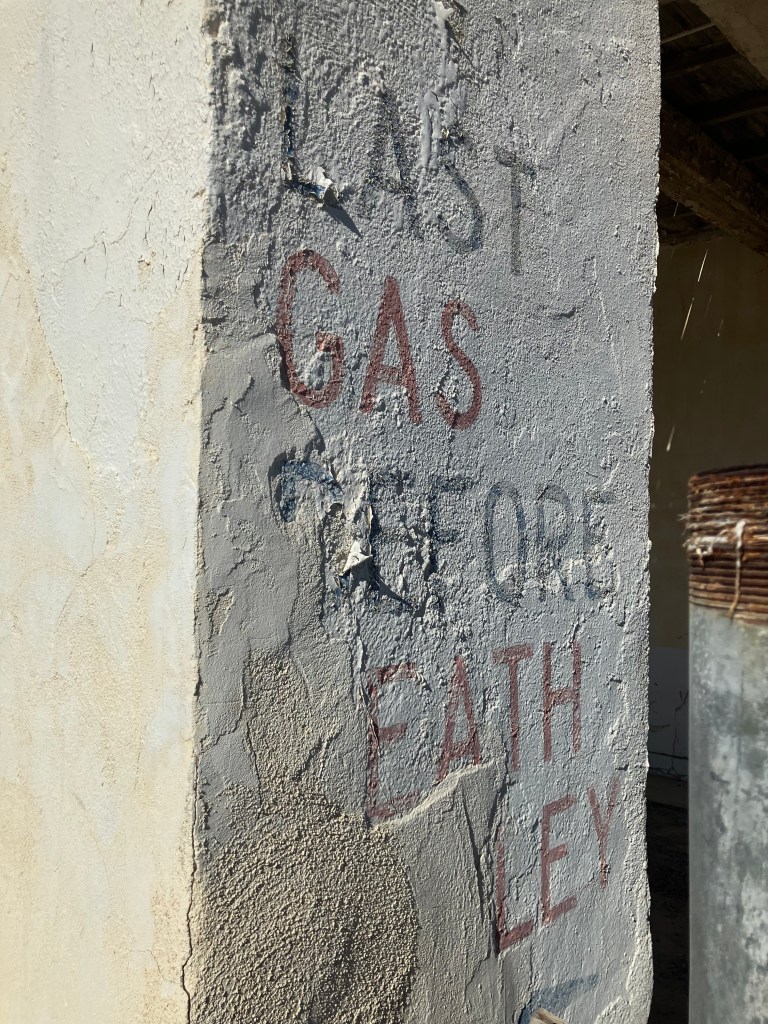
Then something wonderful happened. In 1967, a ballerina and artist from New York named Marta Becket was on tour through the west, and her car broke down near Death Valley Junction. While the car was being repaired at the town’s sole garage, Marta explored the old buildings and fell in love with them. In particular, she envisioned the old, abandoned community hall as an opera house. Here. In the middle of the desert.
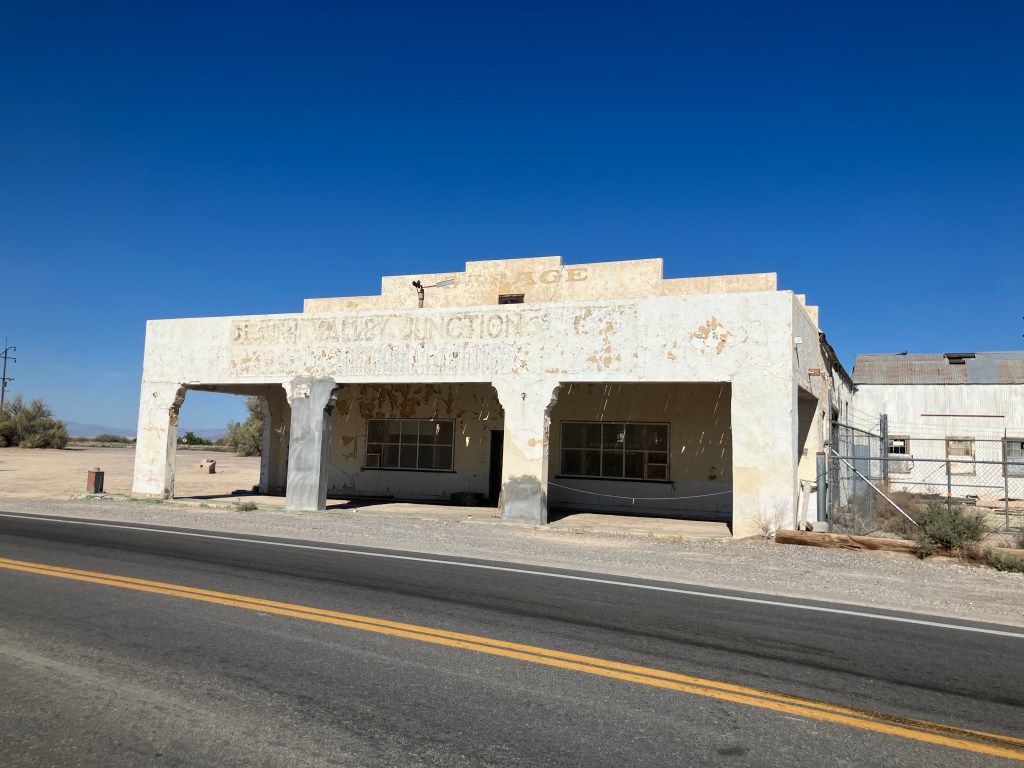
So Marta Becket and her husband leased (and later bought) the property, converted the community hall into the Amargosa Opera House, and opened for business. Marta herself would perform on the stage every weekend. For forty years. Here, in the middle of the desert. A story in National Geographic in 1970 caused this little secret in the desert to become world famous. People came from around the world to watch her perform and to see the artwork she painted on the walls of the opera house and the adjoining hotel.
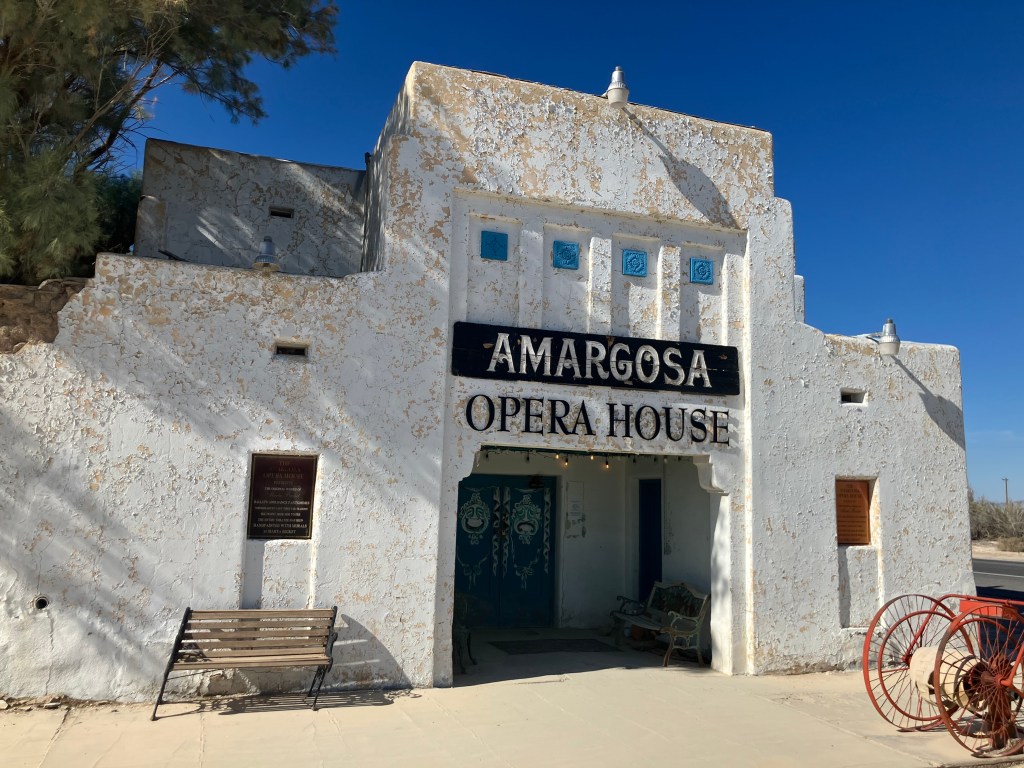
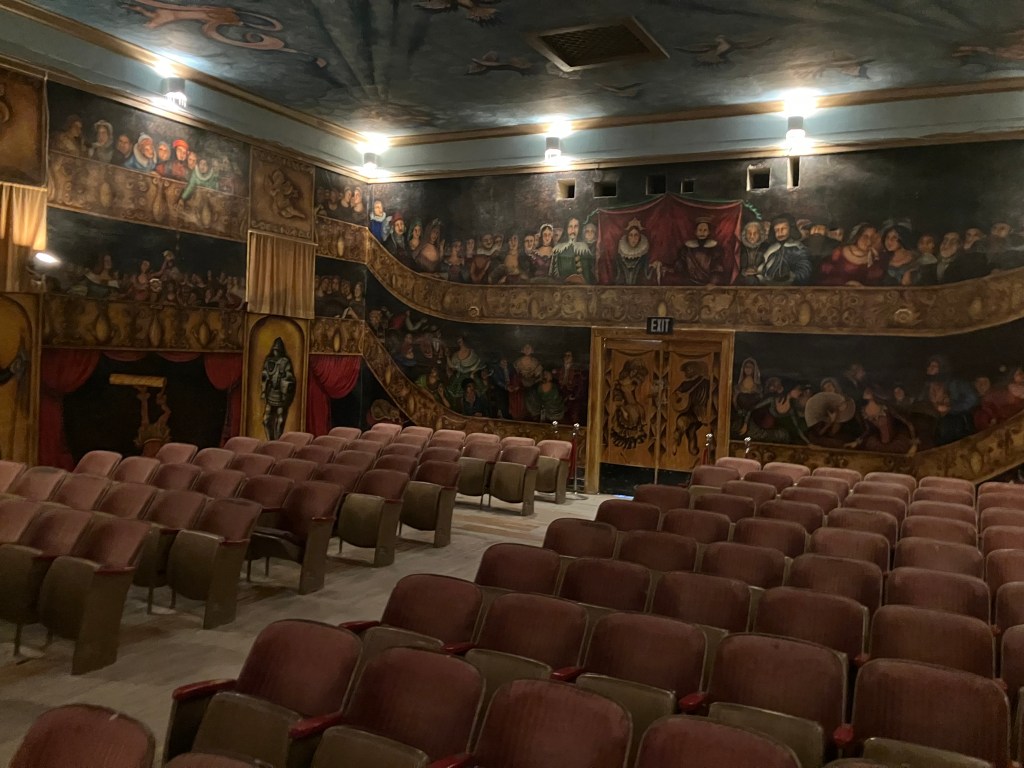
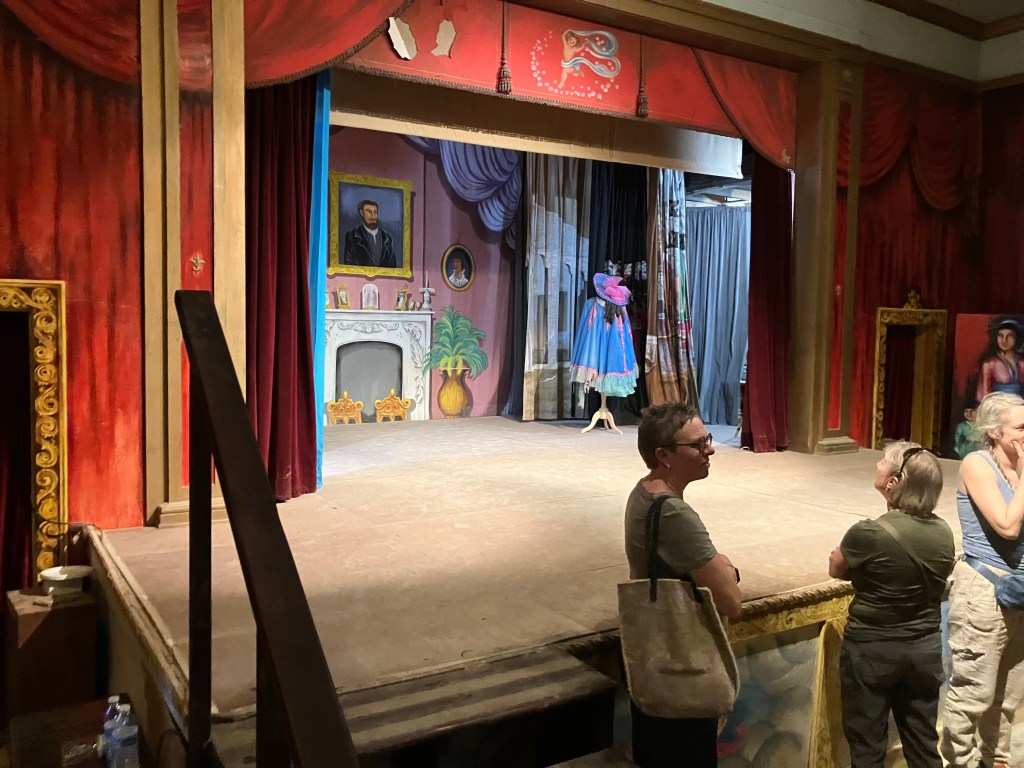
Marta finally retired in 2012, and died at age 92 in 2017.

The Amargosa Opera House continues to honor the legacy of its creator with daily tours and various performances throughout the year. My tour guide was an enthusiastic and knowledgeable person named Sue, and she also works at the hotel.

Speaking of which, I’m spending the night here in the old, original hotel that the Pacific Coast Borax Company built in 1924. Some say the place is haunted…..
Beer of the Day
The BOTD comes from BrewDog in Las Vegas. It’s their Black Heart Nitro Stout.
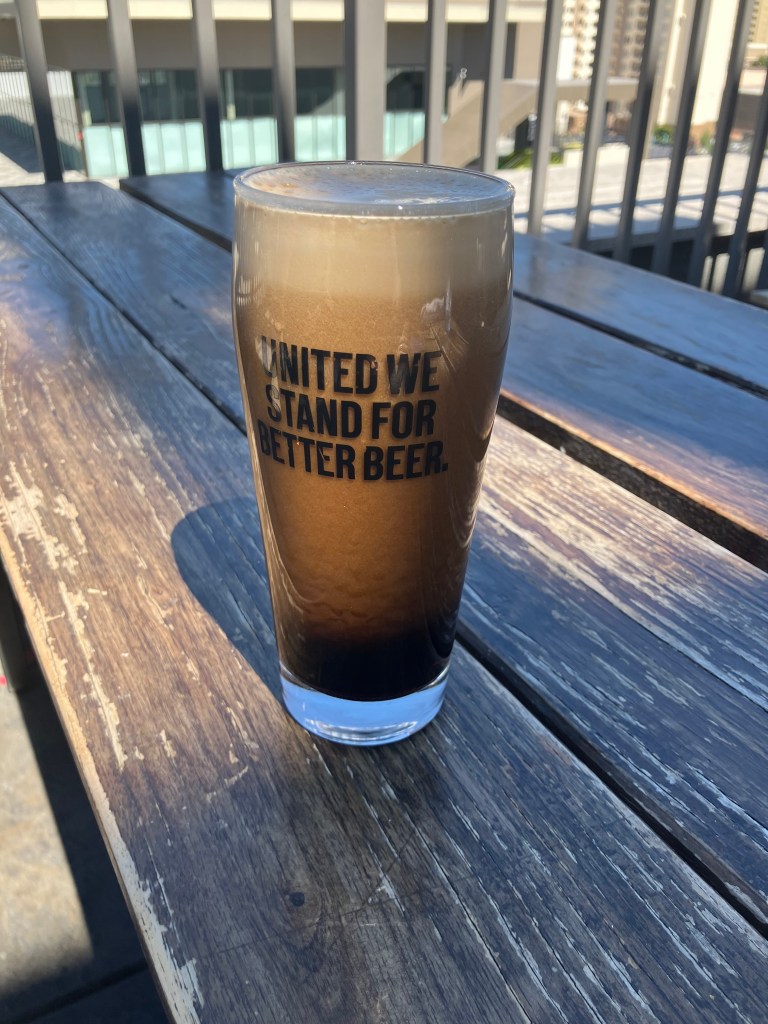
Because it’s a stout, it has the usual roasty and malty notes. Plus, as a nitro beer (i.e., it’s carbonated not with the usual carbon dioxide but with nitrogen), it has a creamy mouthfeel and a slightly sweeter taste. The nitro also presents an attractive, cascading-bubbles effect and a creamy head.
All that said, this beer was underwhelming. It has no complexity; it just tastes like someone filled a sock with oatmeal and steeped it in dishwater. There is absolutely no finish and, it seems, no hops. And at a scant 4.1 ABV, there’s no alcohol bite. This is a beer that’s nice to look at, but that’s about it.

 Chasing Phantoms
Steve, I received a notice that the following post could not be uploaded to WordPress for some reason. So, here is what I tried to post:
Steve, So, you’re in Death Valley! I especially enjoyed your discussion about borax. There is a lot of borax here in San Diego County. In fact, it’s vital to the formation of tourmaline crystals, which have been famously mined here for about 150 years!
And I found a fun YouTube video of Rosemary De Camp advertising Borax laundry detergent and hand soap! It was a 1-minute 15-second commercial for the TV show, Death Valley Days. I remember that show and the soap well from childhood! The video doesn’t upload here, so I’ll email it to you. 20 Mule Team Borax – Death Valley Days Classic TV Commercial
| | | | | |
|
| | | | 20 Mule Team Borax – Death Valley Days Classic TV Commercial
|
|
|
LikeLike