In 1983 Elton John had a hit on the airwaves titled “I’m Still Standing.” It reached #12 on the Billboard Top 100. Today’s blog post looks at some structures that are, remarkably, still standing around the Placerville area. And with a tip of the hat to the season of Lent, those structures are churches.
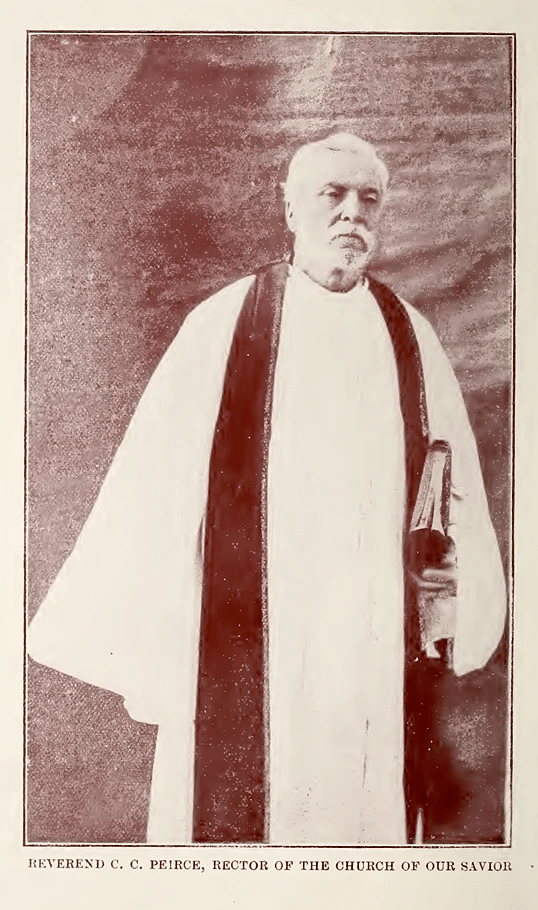
In 1825, Charles Caleb Peirce (yes, that spelling is correct) was born in the eastern United States (or, as it was called then, the central United States). Caleb (as he came to be called) was something of a precocious young man, with a strong literary streak and an industrious attitude. After graduating from college he earned his law degree– before he reached his 21st year. He clerked at the Ohio Supreme Court, but quickly became disillusioned about the “sordidness” of the practice of law. So, in a stunning career change, he entered the General Theological Seminary of New York and became ordained in the Episcopal Church in 1860.
From there, he crossed the continent to an upstart town in the far west called San Francisco (pop. at the time: 57,000)–a place that Peirce figured was in great need of ministry. He became rector of Grace Church (today’s Grace Cathedal), but once again he became disillusioned, this time by what he perceived as the corrupting influence of money in that church. (Notably, Grace Church’s evident difficulty in keeping a rector was satirized by Mark Twain in 1865.)
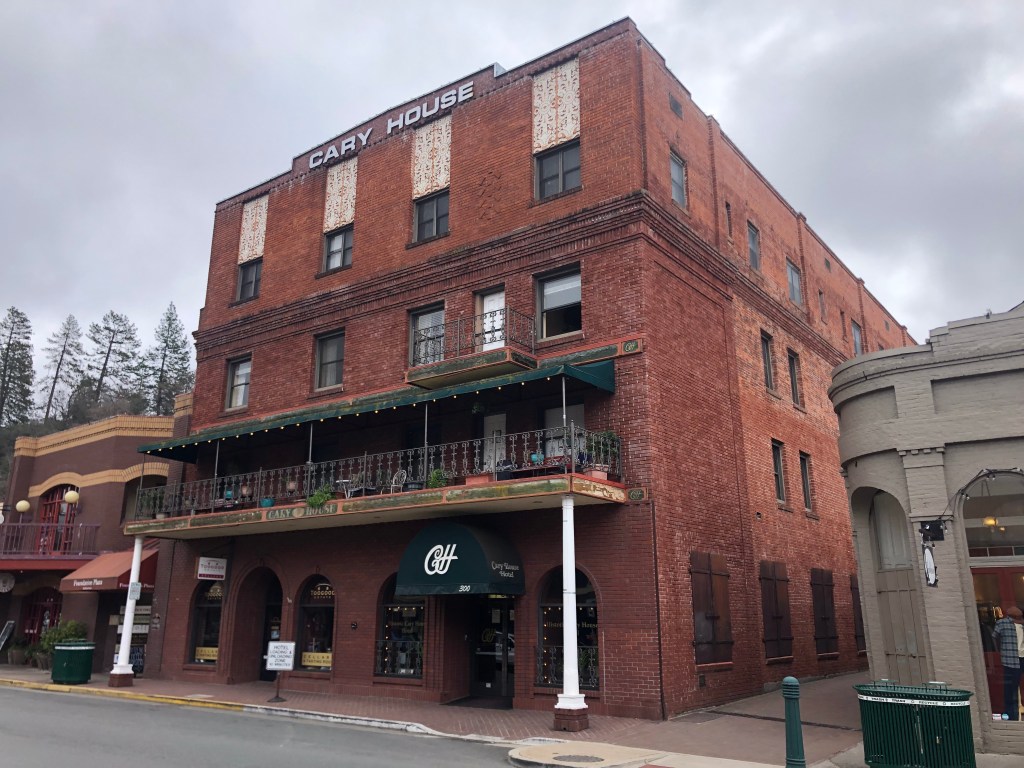
So Caleb Peirce uprooted himself again, this time to “a rough, sparsely settled, obscure corner of the United States” — which is of course Placerville, CA (pop. at the time: 2,500). He’s said to have alighted from his stagecoach in front of the Cary House hotel, which, incidentally, is still standing on Placerville’s Main Street today.
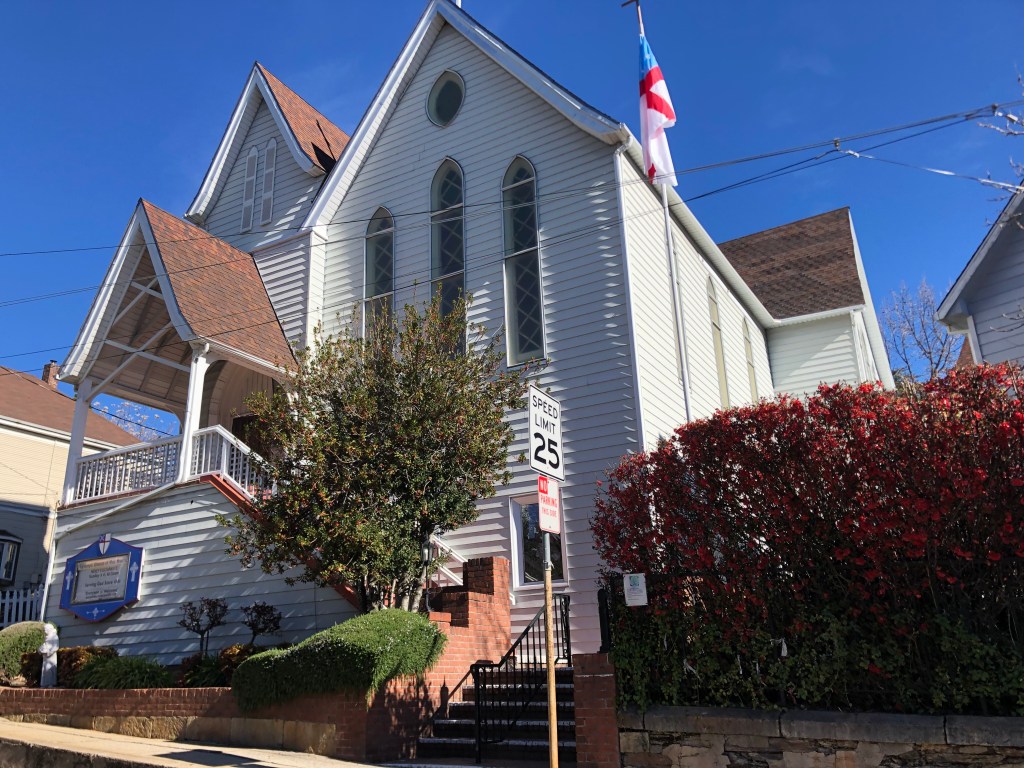
Peirce began organizing a church under the name “Church of Our Saviour.” Services were held in the county courthouse until a dedicated church building could be constructed. That church was completed in 1865, and it too is still standing today, just a few blocks from the Cary House.
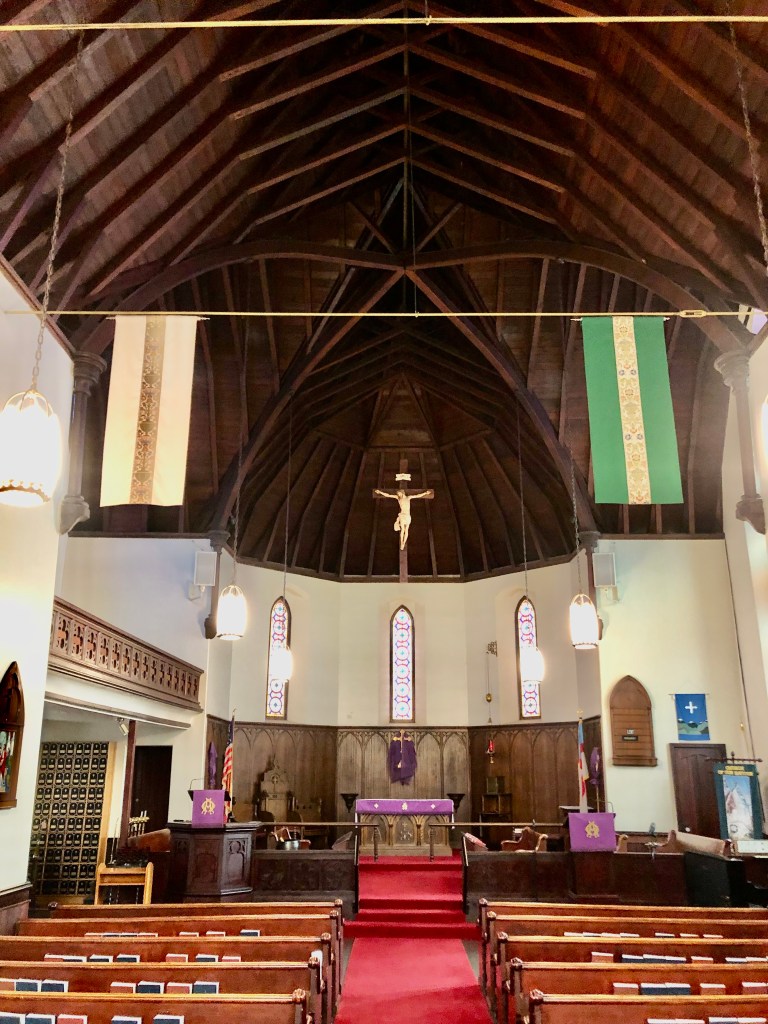
Caleb Peirce would remain the minister at the Church of Our Saviour for the rest of his life. But he hadn’t quite settled down exactly. Although he preached at the Church of Our Saviour every Sunday, he traveled (on foot!) to towns throughout the county the rest of the week, preaching, officiating at weddings and funerals, baptizing children, and whatnot.
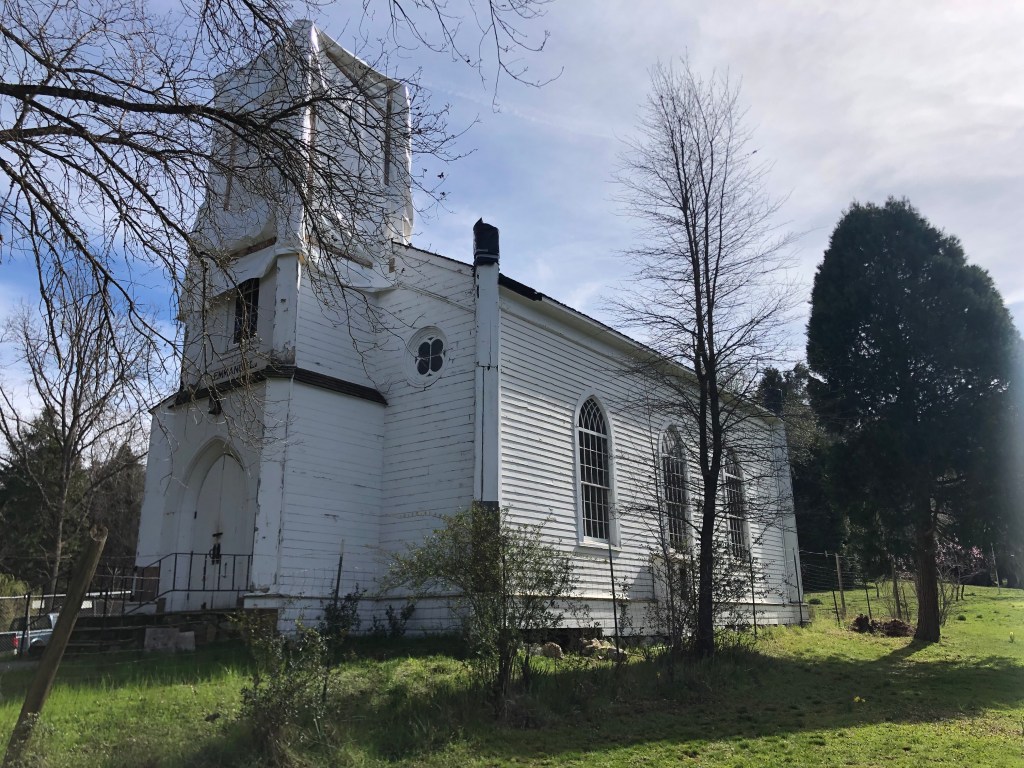
One of those nearby towns was Coloma (pop. at the time: 888). You’ll recall that this is the town where gold was first discovered at Sutter’s Mill. Peirce would preach frequently at Coloma’s Emmanuel Church. This was California’s first Episcopal church, constructed in 1855. And guess what? It too is still standing!
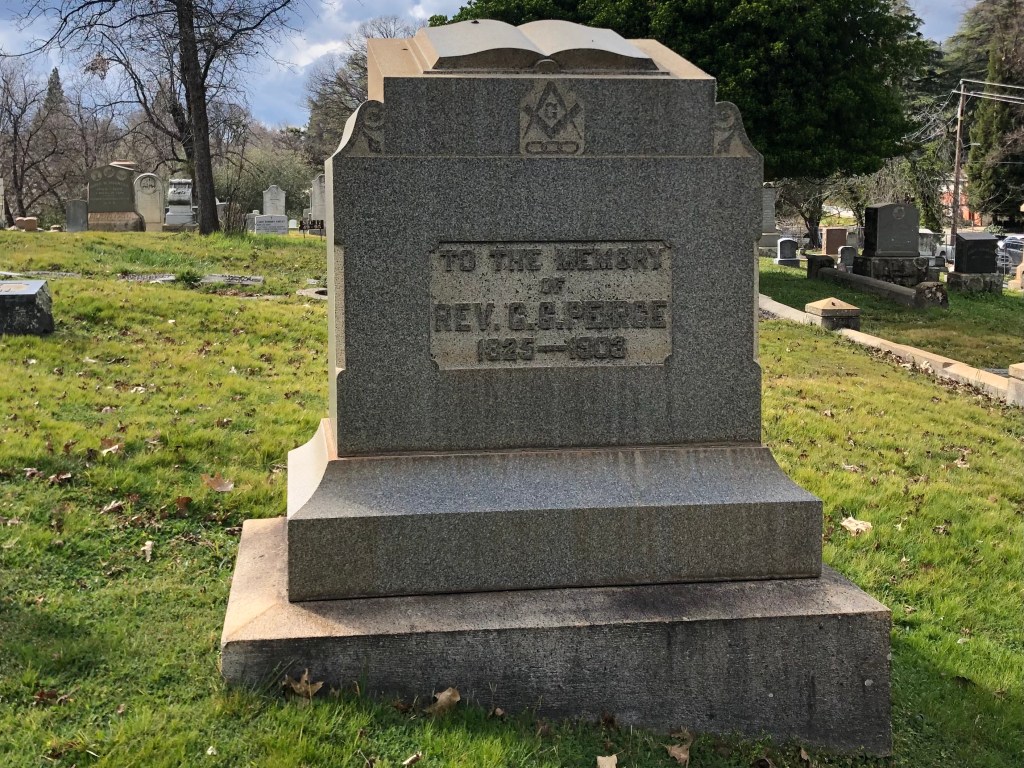
Caleb Peirce died of kidney disease on March 14, 1903. He was buried at Placerville’s Union Cemetery, just couple of blocks from the Church of Our Saviour. He is no longer standing, though perhaps in the eyes of God…
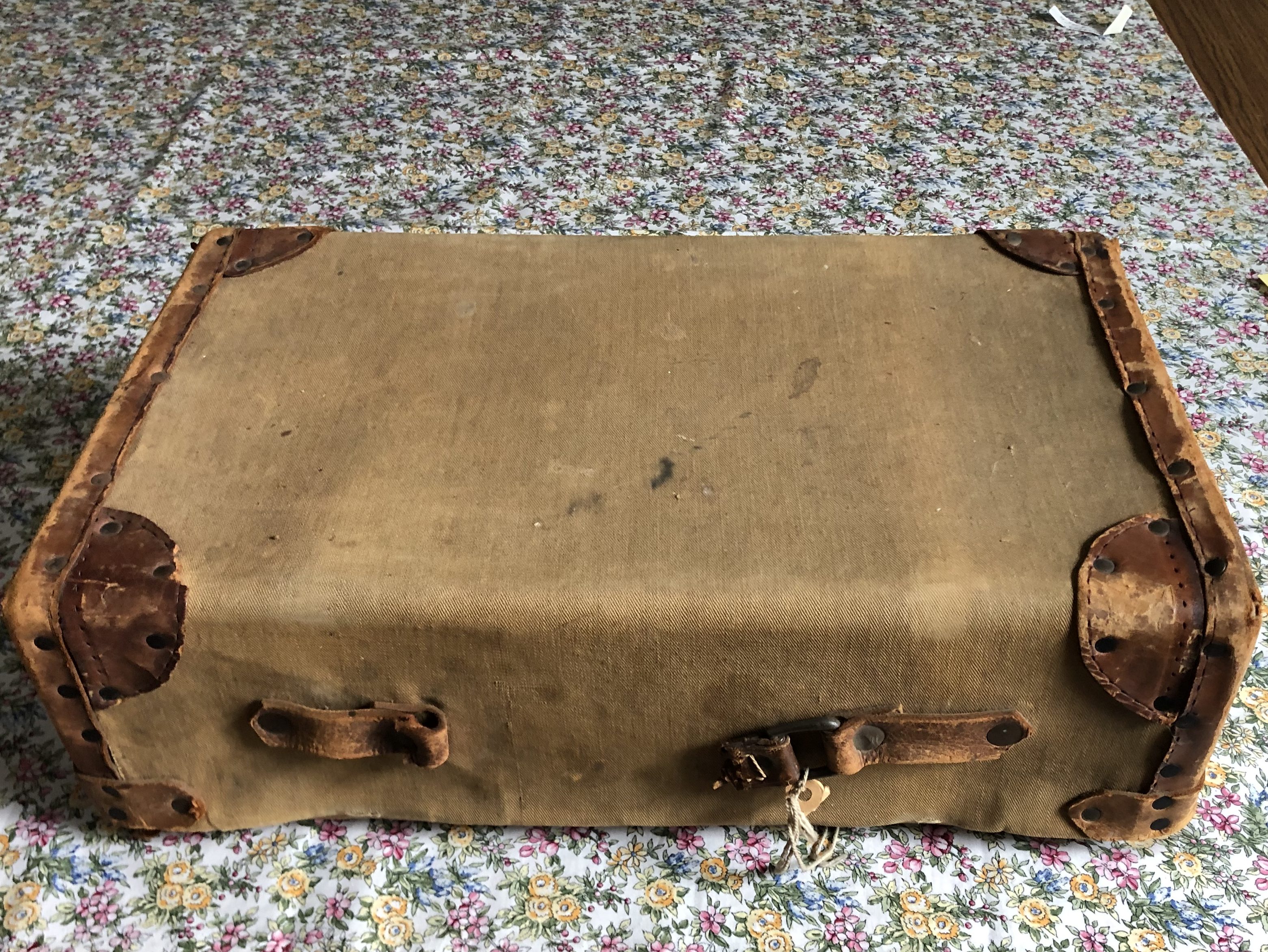
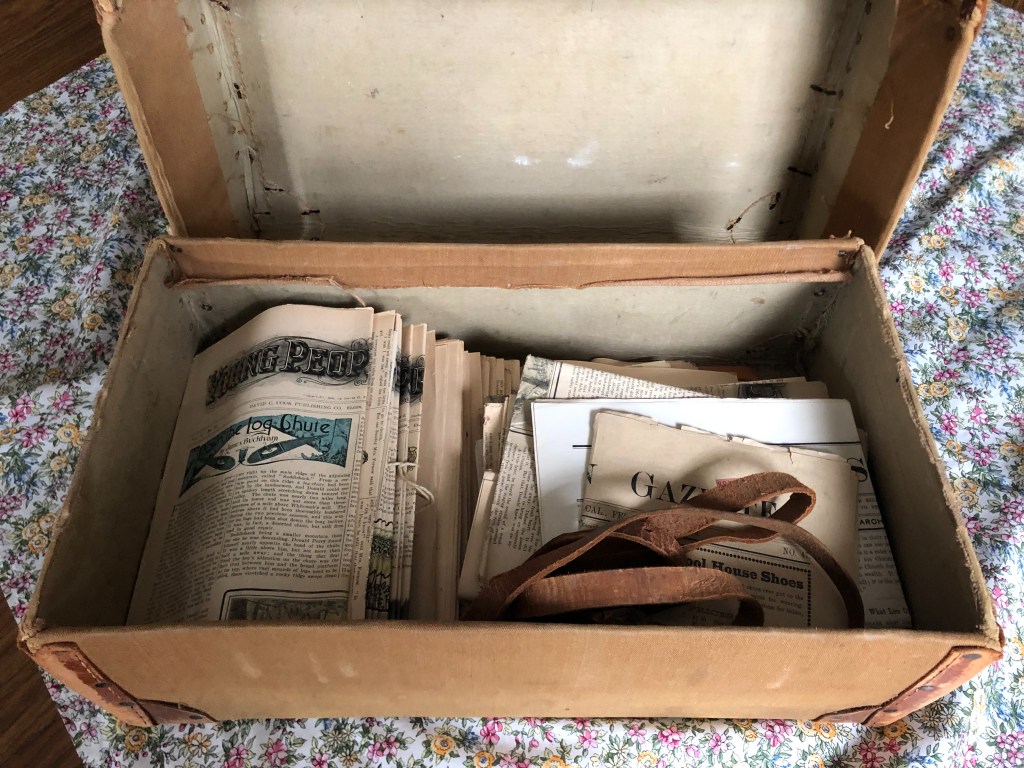
Peirce left few possessions, as most of his books and clothes had been destroyed in a hotel fire a few years earlier. But he did leave a suitcase…
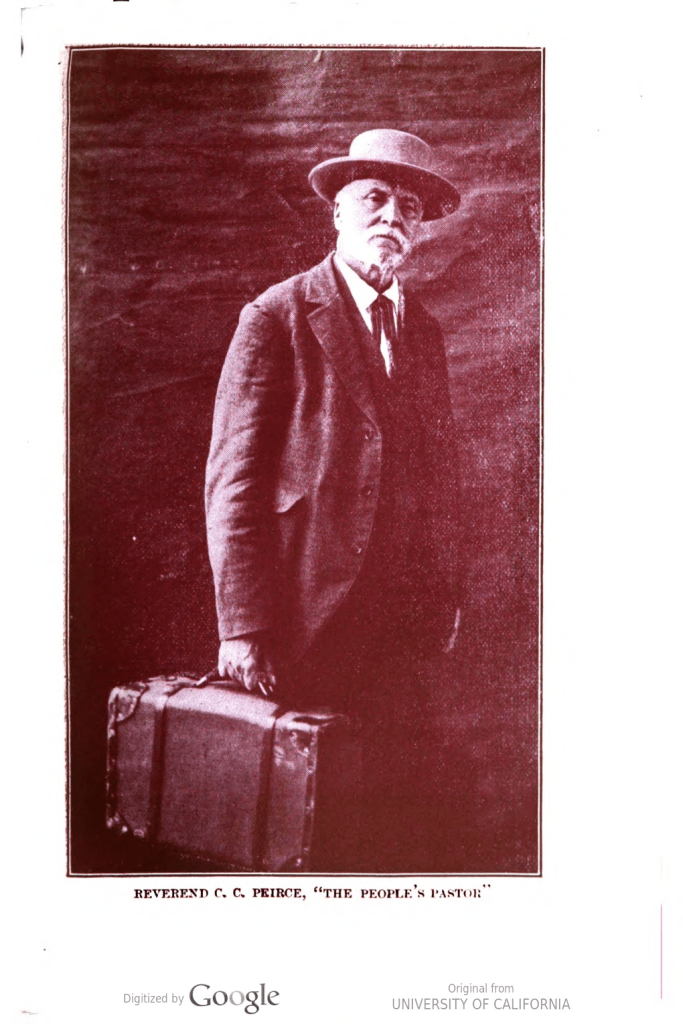
…and that suitcase still survives today. It’s in The Church of Our Saviour’s Parish Hall, as if waiting for its owner to return.
Today the Church of Our Saviour remains an active, little-engine-that-could church in the Placerville community. And what of the Emmanuel Church in Coloma? It still stands in the same place it’s stood for over 160 years, but its worn condition caused it to be shuttered in 2015, until extensive repairs can be made. That church, like much of Coloma, sits within the Marshall Gold Discovery State Historic Park, and as such it is under the control of the State Parks Department. However, I recently talked to someone who holds the deed to the church building, and this opens an interesting story of its own:
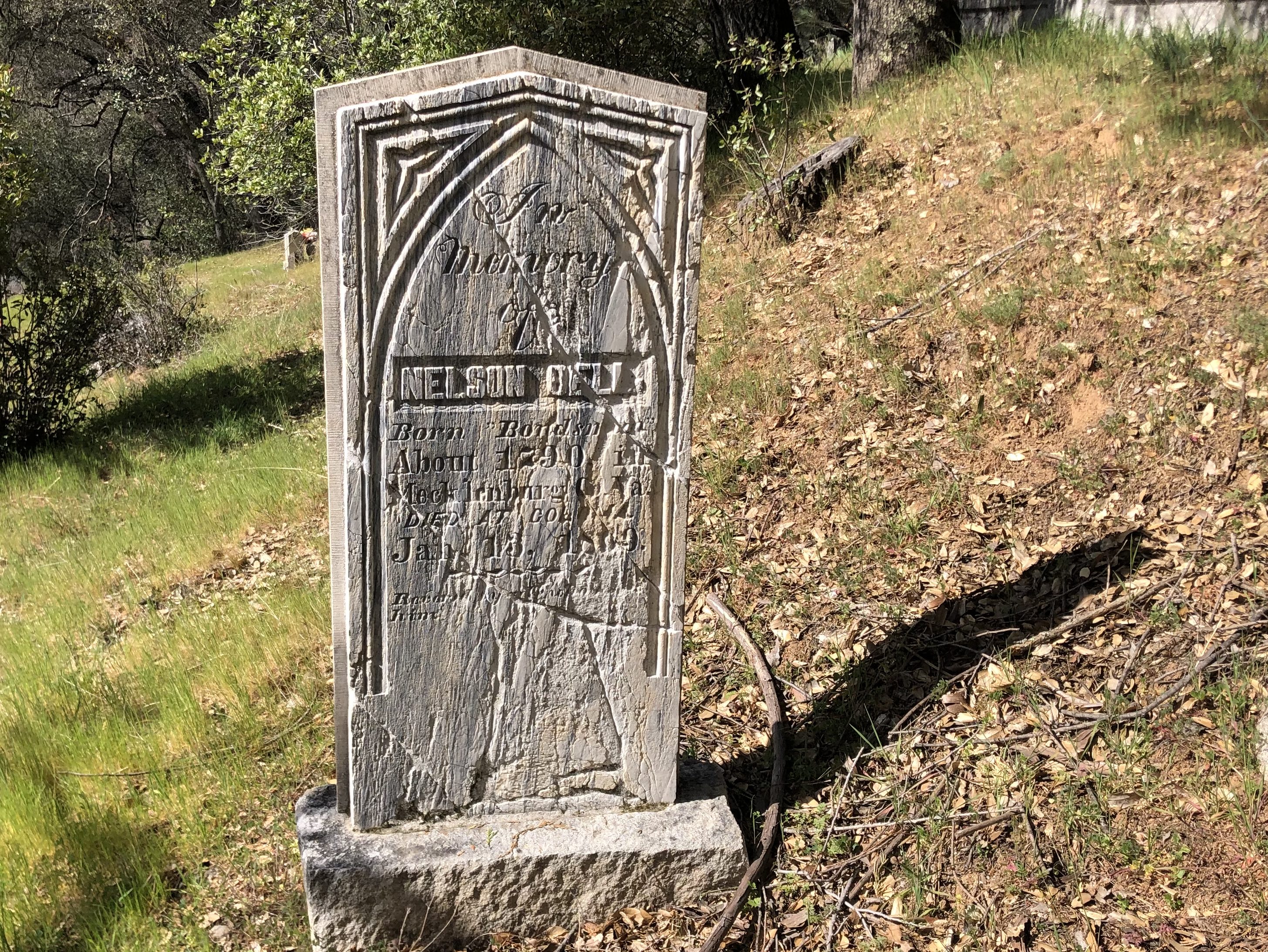
The story goes back to the Gold Rush, just a few years before Caleb Peirce arrived in Placerville. At that time, men from all over the country were pouring into the Sierra foothills in hopes of striking it rich in the goldfields. One of those men was a slave trader named Robert Bell, who brought with him an enslaved man he called Nellson Bell. (Evidently it was customary for slave traders to confer their own last names on the people they sold.) Nellson eventually made enough money mining that he was able to purchase his freedom. He died in 1869, and his headstone is still standing in the Coloma’s Pioneer cemetery.
Now, Nellson had a son, named Rufus M. Burgess (no slaver’s surname for him!) He got married, took a job as a blacksmith, and eventually became a prominent, well-liked, and rather wealthy citizen of Coloma. Indeed, he died owning over 90 acres of Coloma land…including the Emmanuel Church building. (You wondered where this was going, didn’t you?)
The State Parks Dept claims the Burgess properties were given up to the state in probate after Rufus M. Burgess’s death. But Rufus’s great grandson, one John Burgess, argues that the land was taken illegally, which of course is plausible given the poor treatment of African Americans by the courts at the time. One wonders how one-time lawyer Jacob Peirce would have framed the legal issues.
As a coda: I met John Burgess (the great grandson) last weekend, and he’s got persuasive arguments as well as copy of his great-grandfather’s deed to his Coloma property. (He’s put out a book for young readers on the topic here.) If he wants to pursue legal action against the State Parks Department, I suppose the question is: Does he have standing?

 Chasing Phantoms
Related article in today’s Los Angeles Times:
https://www.latimes.com/california/story/2022-03-09/california-reparations-task-force-debates-eligibility-black-people
LikeLike